 Complete Gardening
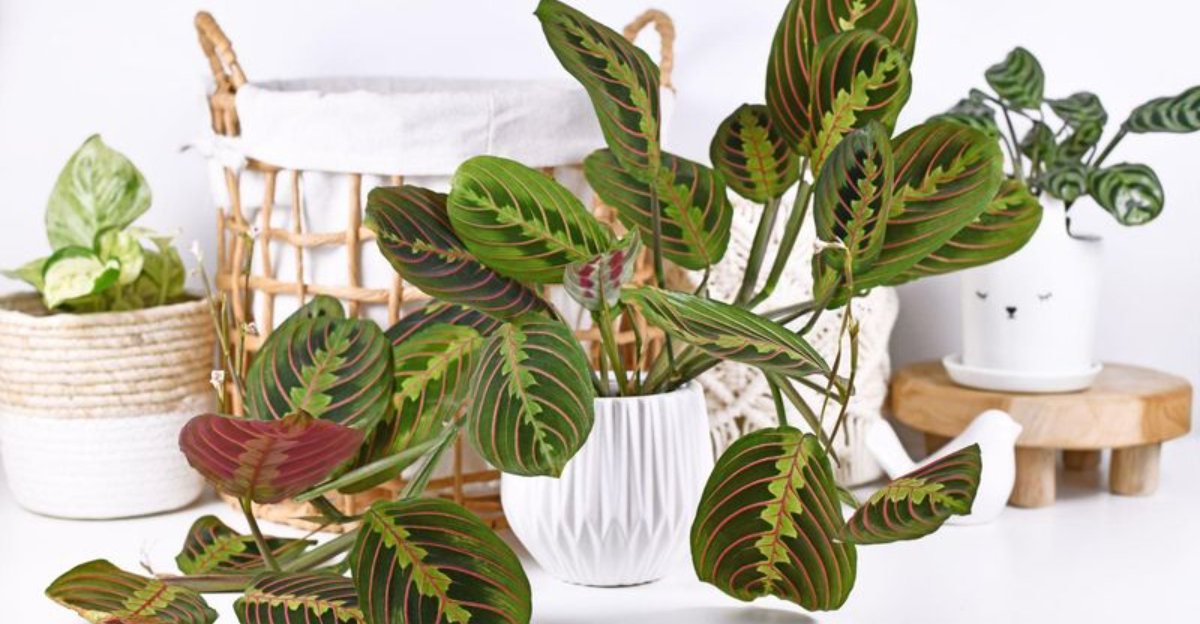
Prayer plants are beloved for their beautiful, patterned leaves and unique ability to fold at night, resembling hands in prayer.
However, many plant enthusiasts find them challenging to care for due to overlooked nuances in their needs.
Discover how to truly help your prayer plant thrive with these essential tips.
1. They Hate Tap Water
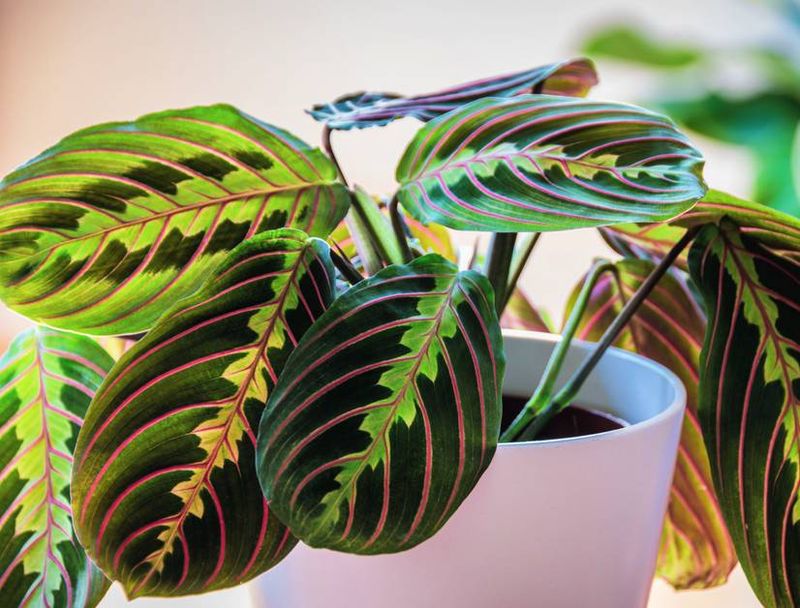
Prayer plants recoil at the touch of tap water. The chemicals and minerals in it cause the leaf tips to brown, detracting from their lush appearance. Imagine sipping a cocktail mixed with sea water; the effect is equally distressing for these sensitive plants.
To keep them happy, rely on filtered, distilled, or rainwater instead. Your plant will thank you with vibrant foliage and vigorous growth. This small change can significantly enhance their health, enabling them to unfurl their leaves daily in prayerful peace.
Remember, it’s the little things that make a big difference in plant care.
2. They Need High Humidity

Imagine living in a world without moisture; that’s how prayer plants feel in dry air. They thrive when the air is as humid as a rainforest. If your home resembles a desert, it’s time to boost the humidity.
Use a humidifier, set up pebble trays, or cluster plants together to create a microclimate that envelops them in moisture. This tactic mimics their natural habitat, encouraging lush growth and vibrant leaf colors.
Your prayer plant will be noticeably happier, with leaves that stay open longer, basking in their environment’s soothing embrace.
3. Bright, Indirect Light Only
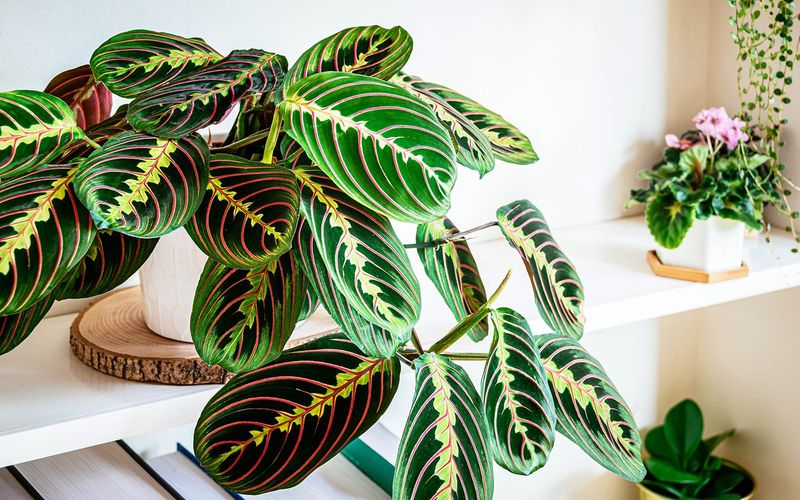
Exposing prayer plants to direct sunlight is akin to leaving a delicate fabric out to bleach. Their dramatic leaf markings are their signature, and too much sun can strip them bare.
Aim to provide bright, indirect light—like the gentle illumination of a north or east-facing window. This ensures their colors remain vivid and the leaf patterns crisp.
Positioning them just right maintains their elegance and keeps them thriving, like dancers illuminated softly under stage lights, ready to perform a nightly prayer.
4. Consistent Moisture—Not Wet Feet
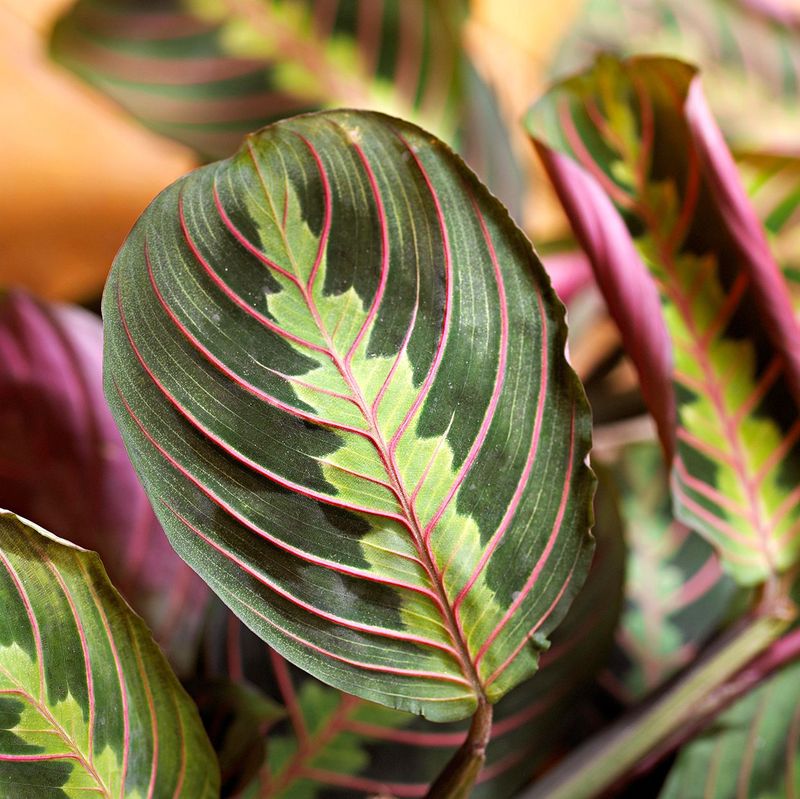
Imagine if you were given a flood or drought instead of a steady drink. Consistent moisture is vital for these plants, but soggy soil is their nightmare.
Keep their soil evenly moist to avoid the stress of drying out completely. However, ensure proper drainage to prevent root rot. Think of it as maintaining a balance—a sip, not a gulp.
This balance will see your prayer plant flourishing, its leaves perky and ready for evening prayers, without the worry of ‘wet feet’ dragging it down.
5. They Thrive on a Schedule
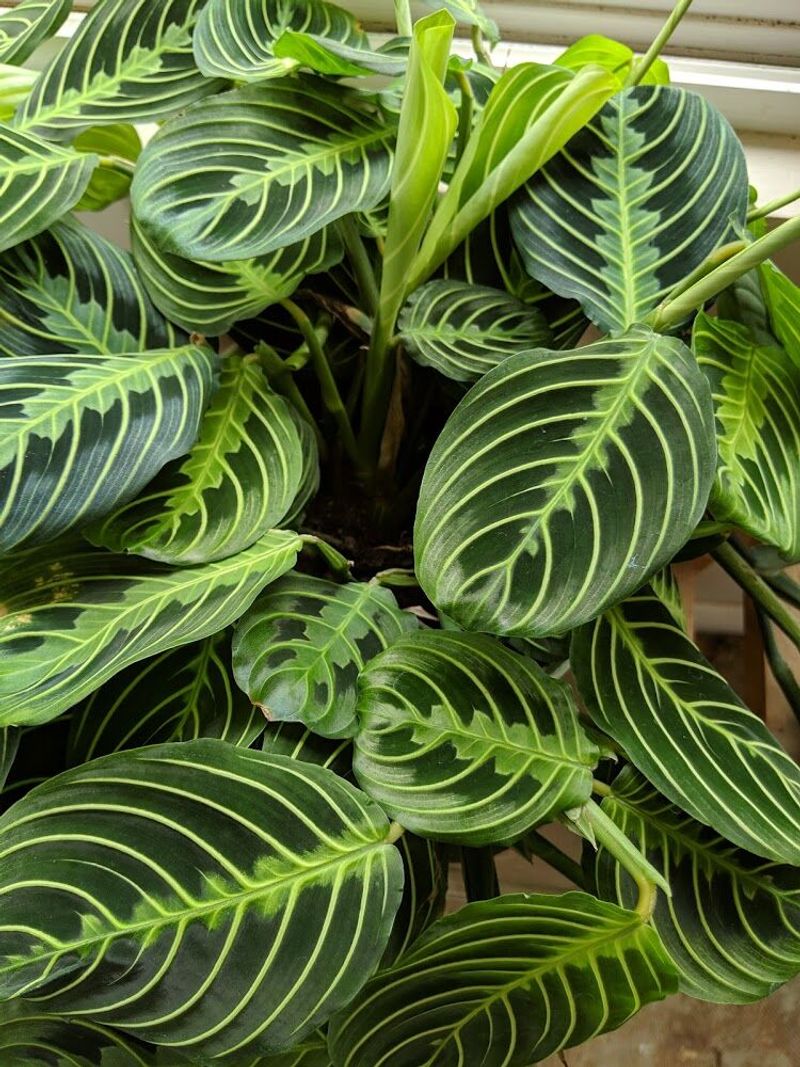
Prayer plants are creatures of habit, much like a person who thrives on routine. Water, mist, and feed them around the same time each week to keep them stress-free.
This regularity not only settles their nerves but also aligns with their natural biological rhythms.
By following a consistent schedule, you’ll notice your plant responding positively, displaying fuller leaves and richer colors, as if thanking you for the predictability you’ve provided in their care regimen.
6. They Like to “Pray” in Peace
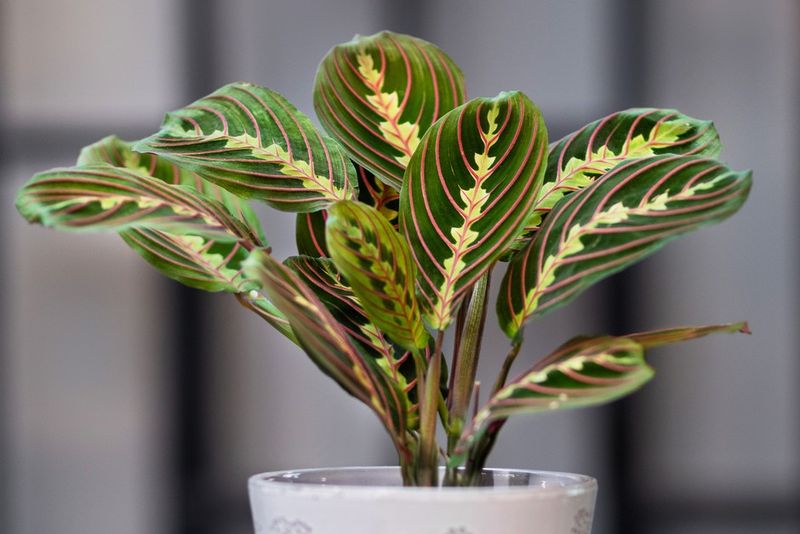
Prayer plants have a natural rhythm, closing their leaves at night as if in silent contemplation. Bright lights disrupt this peaceful ritual, akin to turning on lights in a theater mid-performance.
Place them away from bright artificial lighting at night to allow them their serene nightly fold.
This respects their internal clock and lets them ‘pray’ in peace, ensuring they awaken each day refreshed, poised to capture the light of a new day.
7. Feed Monthly in Growing Season
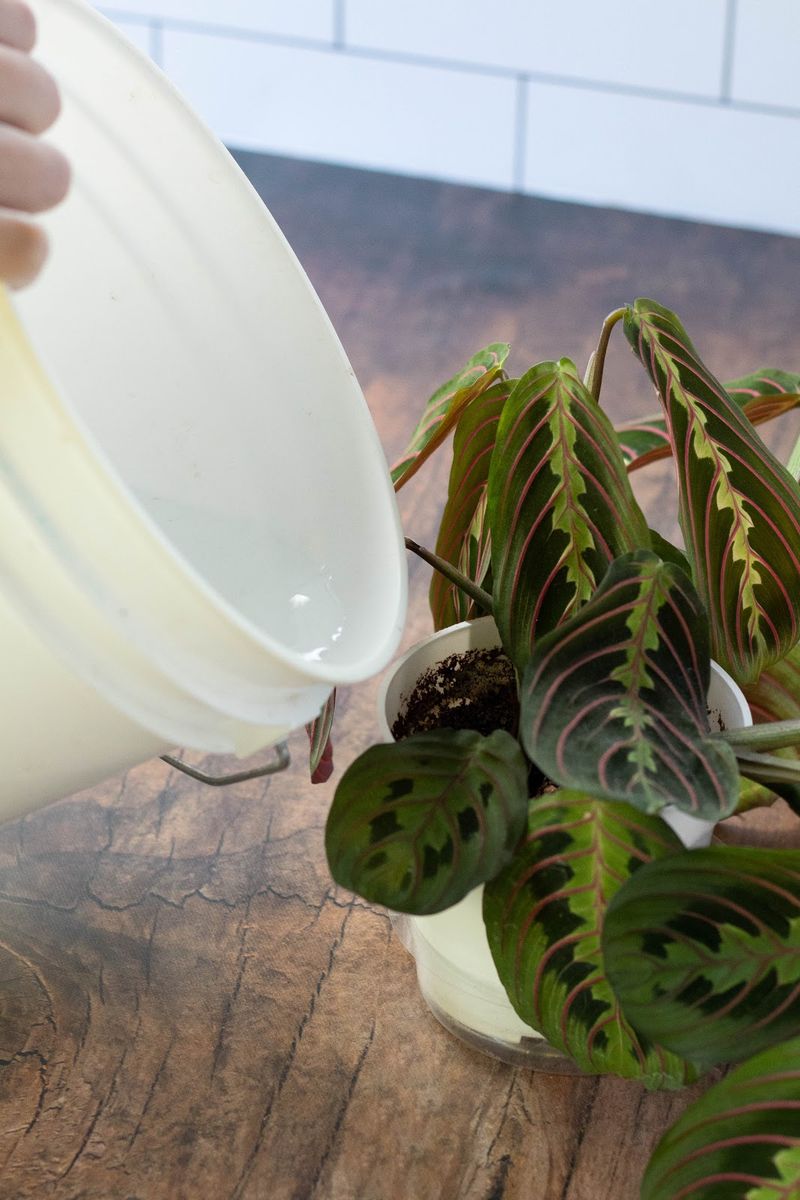
In the growing season, prayer plants hunger for nutrients to fuel their vibrant growth. A balanced liquid fertilizer every four to six weeks acts as their brunch, providing essential sustenance.
This periodic feeding ensures they remain lively and colorful, much like a well-fed athlete ready to perform.
Remember, feeding them in spring and summer encourages their most lush and vibrant displays, so they can unfold their splendor all season long.
8. Prune to Encourage Bushiness
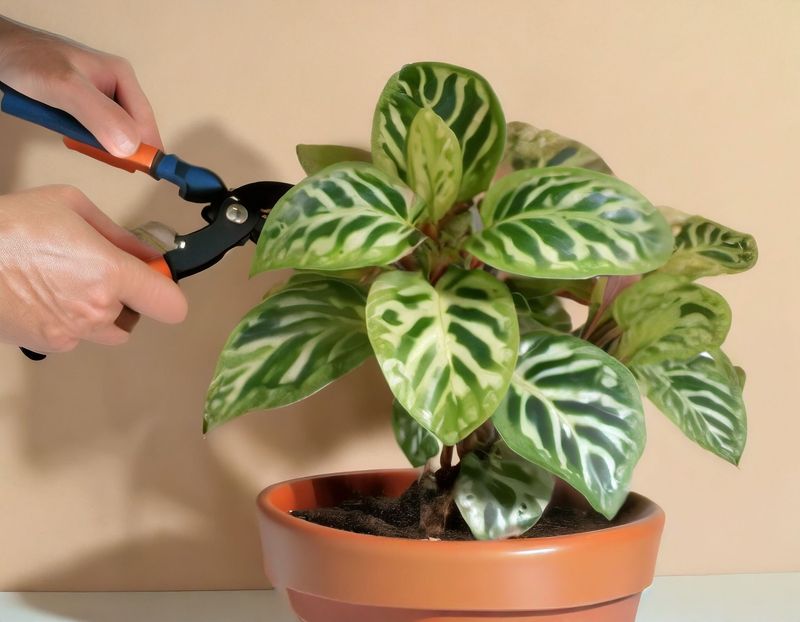
Prayers need a little trimming to keep their bushy charm. Snip away leggy stems, and watch it grow bushier and fuller, much like a well-maintained hedge.
This encourages new growth, allowing your plant to fill out and maintain a compact, lush appearance.
It’s like a gentle haircut that promotes health and vigor, turning your plant into a verdant masterpiece, brimming with life and energy.
9. Don’t Panic Over Curling Leaves
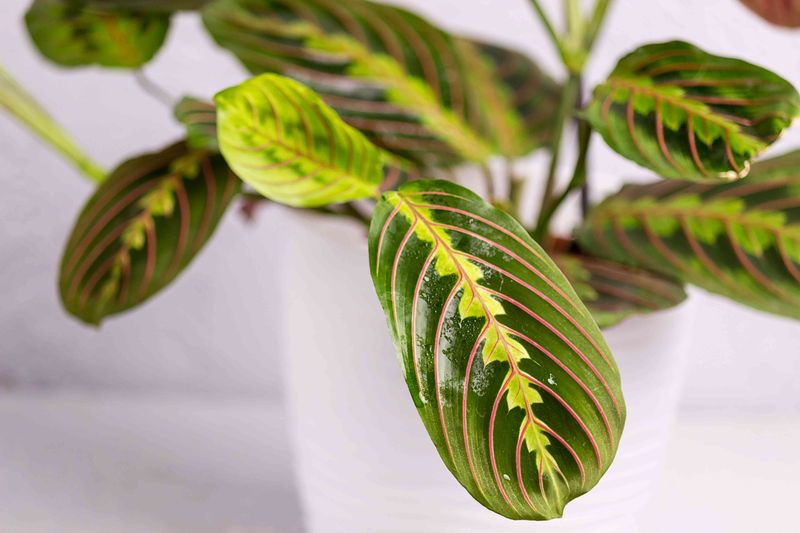
Curling leaves can seem alarming, but it’s often a simple cry for help from low humidity or underwatering, not a dreaded disease.
A slight adjustment, increasing humidity or tweaking watering, often resolves this issue. Think of it as your plant’s way of saying “I need a little more attention.”
By addressing these environmental factors, your plant will unfurl its leaves once more, basking in the care you provide, ready to thrive again.
10. Repot Every 1–2 Years

Prayer plants, like us, occasionally need more room to grow. Repotting every one to two years gives their roots more space and refreshes the soil.
This practice ensures that they have the room to stretch and thrive, like moving to a spacious new home.
Spring is the ideal time for this transition, setting the stage for the growing season, allowing them to flourish and fill their new pot with newfound vigor.