 Complete Gardening
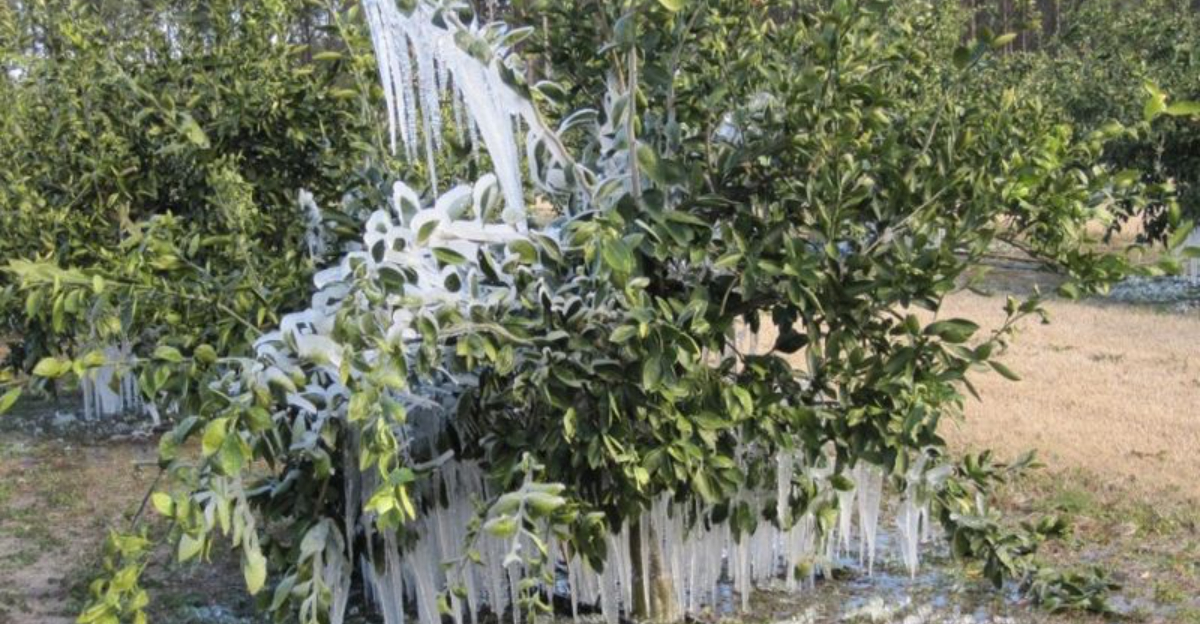
Simple steps you can take today to save your citrus from frost damage tomorrow.
Cold in the Sunshine State? It Happens.
Florida is known for sunshine and citrus—but even here, unexpected cold snaps can sneak in during late fall and winter. Whether you’re growing oranges in Orlando or lemons near Lakeland, a sudden freeze can seriously damage or kill young citrus trees if you’re not prepared.
Fortunately, there are proven, easy-to-follow strategies that can protect your trees and your harvest.
Know When Cold Snaps Are Most Dangerous
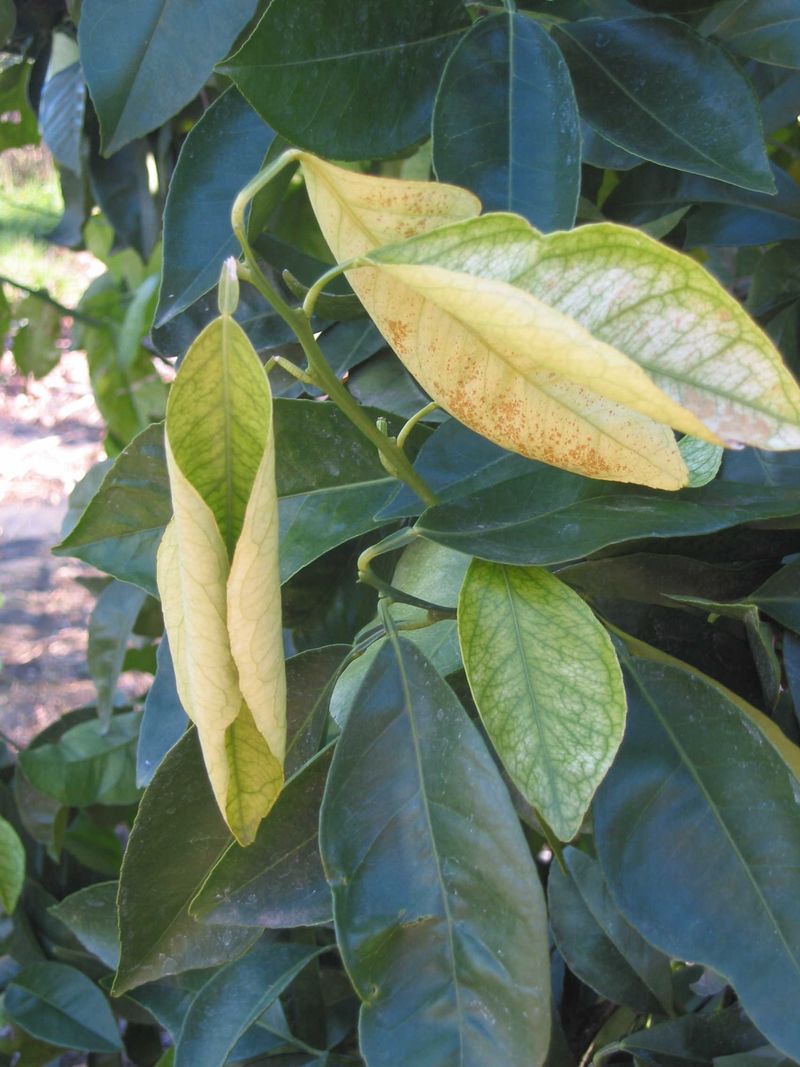
Cold damage usually strikes when:
- Temps drop below 32°F (0°C) for several hours
- Young or newly planted trees are unprotected
- The cold follows a warm, active growing period (trees are more vulnerable then)
Even a brief overnight freeze can cause leaf drop, branch dieback, or fruit loss. Monitoring your local forecast is the first line of defense.
Water Your Trees Before the Cold Hits
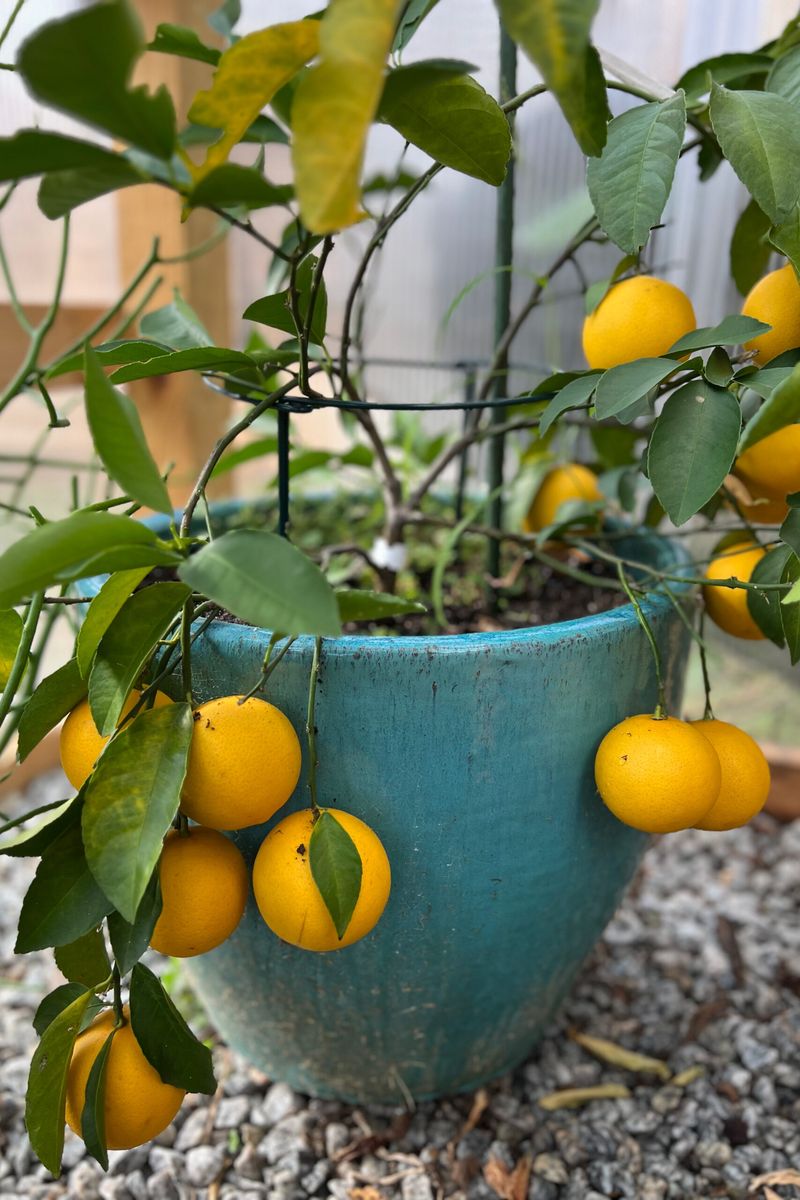
It may sound strange, but well-watered soil holds heat better than dry soil. Moisture insulates roots and creates a more stable temperature around the base of the tree.
Tip: Water in the late afternoon before a cold night—but don’t overwater soggy soils.
Use Frost Cloths or Blankets—Not Plastic
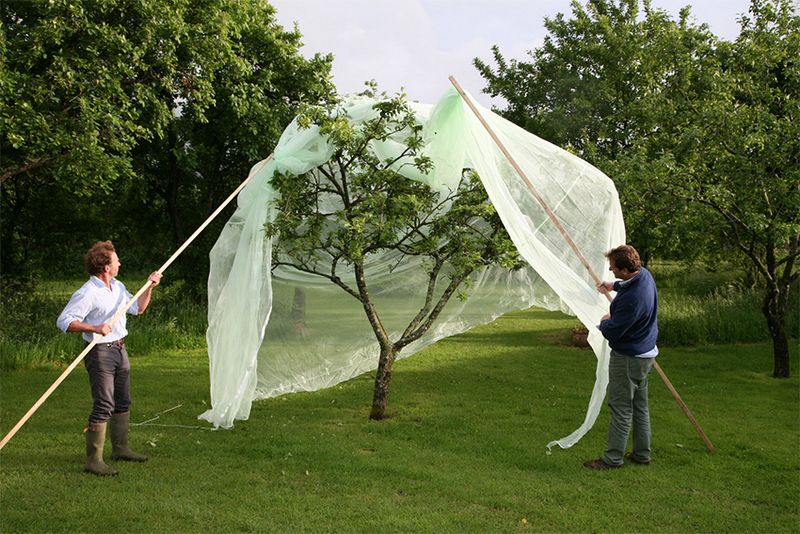
Covering your citrus tree can trap radiant heat from the soil and protect leaves and branches from frost damage. But not all covers are created equal:
- Use: frost cloths, old sheets, burlap, or light blankets
- Avoid: plastic tarps, which trap moisture and can worsen damage if they touch leaves
Drape the cover to the ground and secure it with bricks or stakes, creating a “tent” that holds warmth.
Add a Heat Source Under the Cover
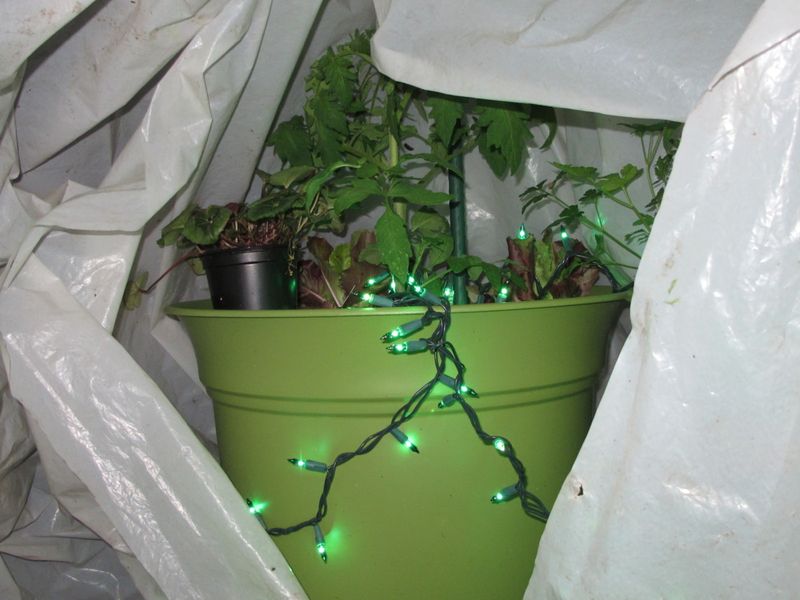
For extra cold nights (below 28°F), place a string of old-fashioned (non-LED) Christmas lights or a small outdoor-safe space heater under the canopy—away from leaves—to gently raise the temperature a few degrees.
Never leave a heater unattended or use open flames near trees or covers.
Mulch Heavily Around the Base

Apply a thick 3–4 inch layer of mulch around the base of your tree to insulate the roots. Use:
- Pine bark
- Straw
- Shredded leaves
But leave a few inches of space around the trunk to prevent rot.
Choose Cold-Hardy Citrus Varieties for Future Plantings
If you’re just getting started or thinking about replanting, some citrus types are better suited to occasional Florida freezes:
- Kumquats (very cold-tolerant)
- Satsuma mandarins (can handle temps in the low 20s°F)
- Calamondins (tough little trees, great for containers)
After the Freeze: What to Do
Resist the urge to prune immediately—wait until spring to see which branches recover naturally. Damaged leaves may drop, but the tree could bounce back with no long-term harm.
Florida weather can flip fast—and so can your citrus tree’s health if you’re caught off guard. By staying alert to forecasts, protecting your trees early, and choosing cold-hardy varieties, you can enjoy juicy citrus year after year—even in the face of sudden frosts.
Don’t wait until it’s too late—protect your citrus while the sun’s still shining.
Quick Freeze Protection Checklist
- Water soil before the cold night
- Cover trees completely to the ground
- Use lights or small heaters safely
- Mulch heavily
- Don’t prune too early after frost