
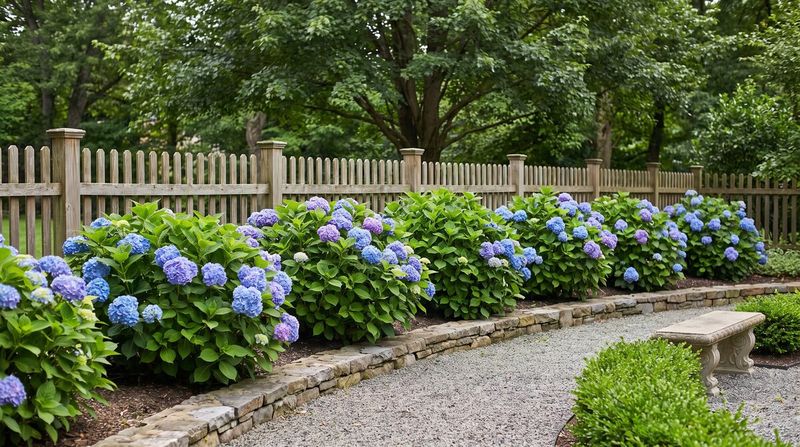
By November, your hydrangeas look like bare sticks, but some of them are already holding next summer’s flowers. Those hidden buds can be lost to a pair of loppers or to a hard winter chill.
Knowing which type you have tells you what to leave alone and when a little shelter may help. Here is how North Carolina gardeners can lower the risk without adding extra winter chores.
Which hydrangeas carry next summer’s buds now?
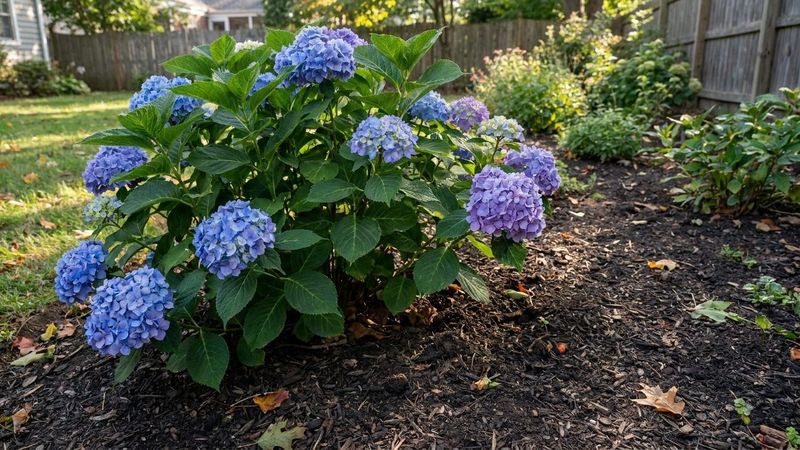
Walk around the yard in November and the first job is simple: figure out what you are growing. NC State’s plant toolbox explains that bigleaf (Hydrangea macrophylla), oakleaf (H. quercifolia), and climbing hydrangeas bloom on old wood.
That means their flower buds formed on last year’s stems and are already in place.
Panicle (H. paniculata) and smooth (H. arborescens) hydrangeas work differently. They bloom on new wood, so they grow fresh flowering stems each spring.
The old-wood advice in this article does not apply to them in the same way.
There is one twist. Some bigleaf cultivars rebloom, meaning they can flower on both old and new growth.
If you have one of these, a lost set of old buds may not wipe out the whole season, though you may still see fewer early flowers.
Not sure what you have? Check the plant tag, your planting notes, or the leaf shape.
Oakleaf types have lobed leaves shaped like oak leaves. Mopheads and lacecaps have broad, rounded leaves.
Climbing types cling to walls, fences, or trees. This is not a rule for every hydrangea in your yard, so sort them first.
Why November pruning can remove next summer’s flowers
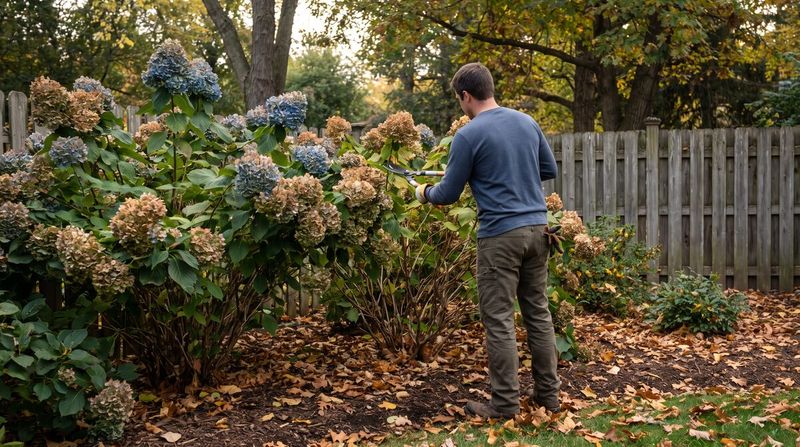
Old-wood hydrangeas set their flower buds on stems that grew the year before. Cut those stems during fall cleanup or shaping, and the buds go into the compost bin.
You will not see the loss until summer, when the shrub leafs out but stays green.
NC Cooperative Extension in Macon County says bigleaf hydrangeas are safest to prune right after they finish flowering. Its guidance also warns that pruning old-growth bloomers between late fall and early spring can reduce or eliminate that year’s blooms.
Keep that warning aimed at the right plants. It covers old-wood bloomers like bigleaf, oakleaf, and climbing types.
The same extension guidance says panicle and smooth hydrangeas bloom on new wood and can be pruned after fall frost without removing next season’s buds.
So the tidy-up urge is worth resisting only where it matters. Pruning is also not the whole story.
Even well-timed pruning does not make sure a shrub blooms, since cold and the wrong cultivar for your climate can also cause trouble.
Leave old-wood stems intact and assess the site
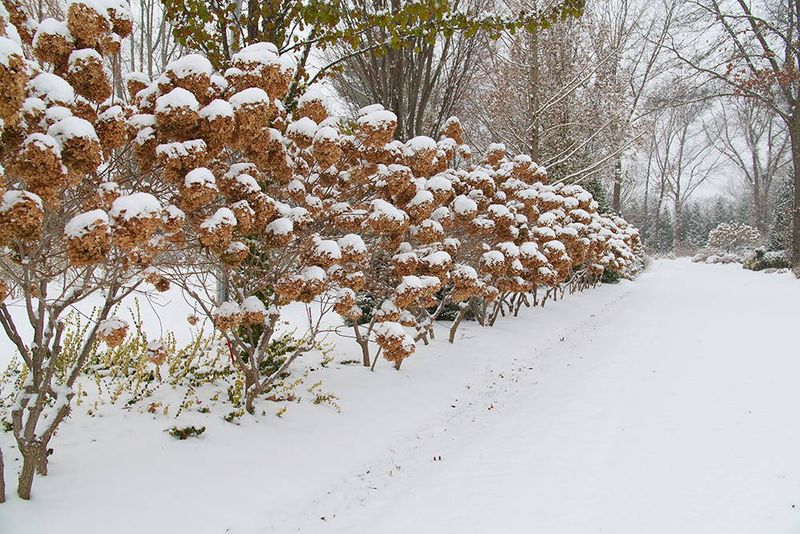
Turning the pruning rule into a November plan takes about five minutes. Leave the stems of your bigleaf, oakleaf, and climbing hydrangeas alone.
Skip the shaping, and do not cut them back just to neaten the bed.
Next, think about your shrub’s history. Did it leaf out beautifully last year yet bloom poorly or not at all?
Does it sit in a cold, open spot, such as a windy slope or a corner with no shelter? Those are the situations where protection may be worth considering.
If neither fits, you may not need to do more. Plenty of established shrubs get through North Carolina winters fine, and the guidance does not say every hydrangea needs a cage.
Mountain gardeners should know that NC Extension notes spring cold snaps can happen in western North Carolina, so local conditions matter.
For a vulnerable shrub, Georgia Extension’s bigleaf hydrangea guide describes a wire cage filled with leaves as one protection method. Treat November as a handy reminder, not a statewide deadline.
Coastal, Piedmont, and mountain yards face different winters, and no single temperature or date applies to all of them.
Build a loose, leaf-filled cage for vulnerable shrubs
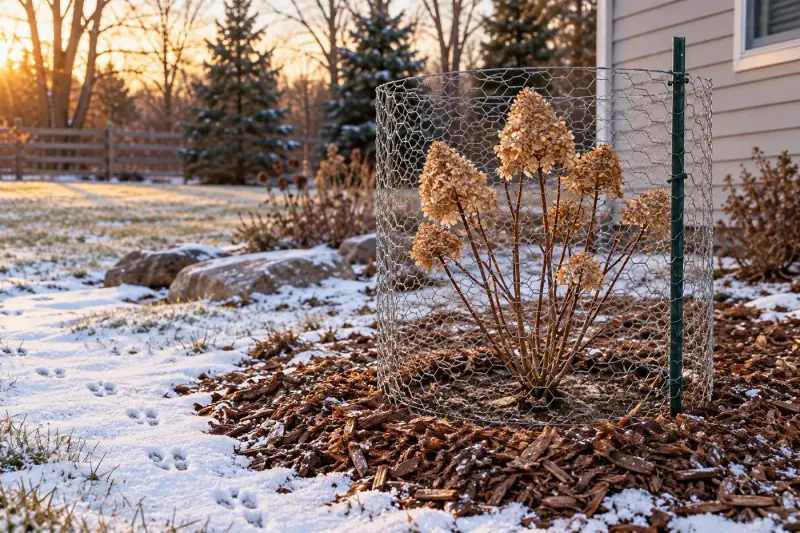
If you decide a shrub needs shelter, the published method is refreshingly low-tech. Georgia Extension recommends a chicken-wire cylinder around the plant, filled with leaves.
The sources give no set dimensions, so size it to fit your shrub with some room to spare.
Start by setting stakes or posts around the hydrangea and wrapping the wire into a loose ring. Keep the wire standing off from the stems.
Then fill the space with dry leaves, tucking them in lightly instead of packing them down.
Loose is the key word. An Iowa State Extension guide advises a frame with room for the plant and some air exchange.
It also cautions that wrapping material directly against stems can damage them. A cage shelters the shrub and the buds on its stems, but it should never squeeze them.
Fallen oak or maple leaves from your own yard work well, and using them keeps the cost near zero. Remember that a cage reduces risk and does not promise blooms.
Cold can still reach buds, and other issues like cultivar fit can affect flowering. Place it only where winter bud loss has been a real problem.
Use temporary covers for cold nights, not as a season-long guarantee
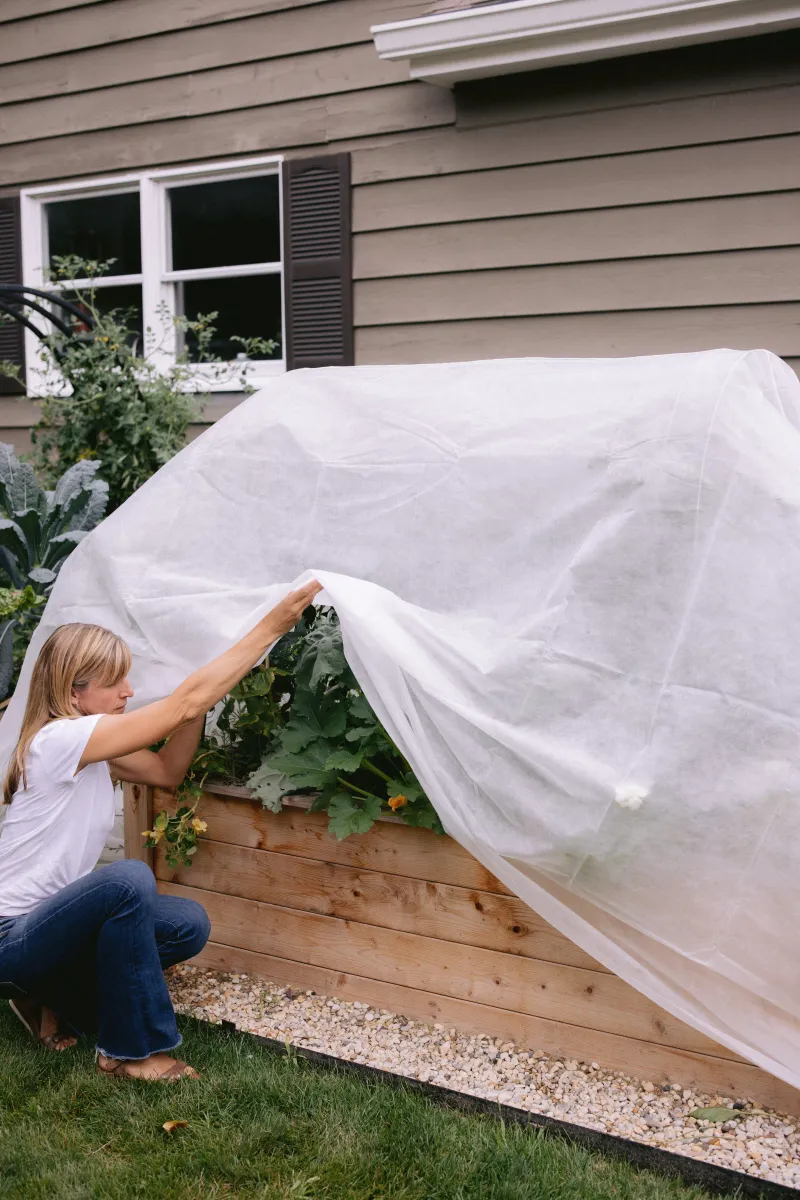
A cage and a bedsheet do different jobs. The cage stays up through the cold months.
A temporary cover goes on for one chilly night and comes off again. Georgia Extension suggests an old sheet or blanket for a cold night.
Drape the fabric over the shrub, but do not bind it snugly to the stems. The Iowa State guide mentioned earlier warns that direct wrapping can harm stems, so a frame or stakes to hold the cloth up can help.
Then pull it off in the morning. NC Cooperative Extension in Henderson County recommends covering susceptible plants on cold nights and removing the fabric during the day.
Spring is the tricky part. Once growth begins, a winter cage will not necessarily protect tender new shoots from a late freeze.
That is when a fabric cover on a forecast frost night becomes the more useful tool.
Neither step makes a season-long guarantee. They are small, conditional ways to cut the odds of damage.
Reduce risk without expecting guaranteed blooms
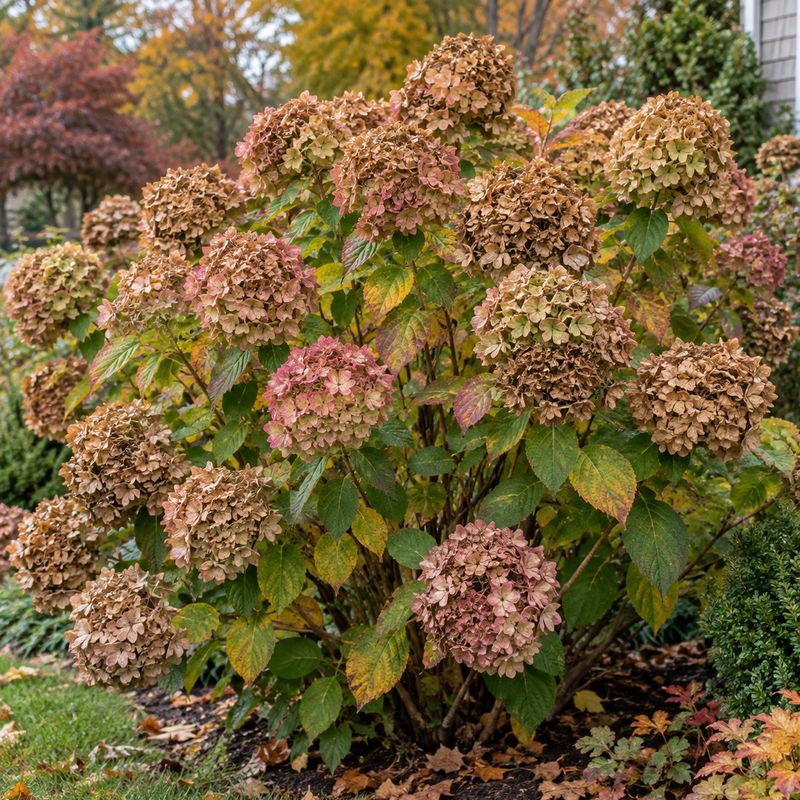
Check the bloom habit, put the pruners away for old-wood types, and add a loose cage only where winter bud damage keeps happening. That is the whole plan.
NC Extension also points out that cold and cultivar fit can keep bigleafs from blooming, so some years will surprise you.
A hydrangea in winter is a bit like a sealed envelope. You cannot see what is inside, so the best move is to avoid tearing it open.