
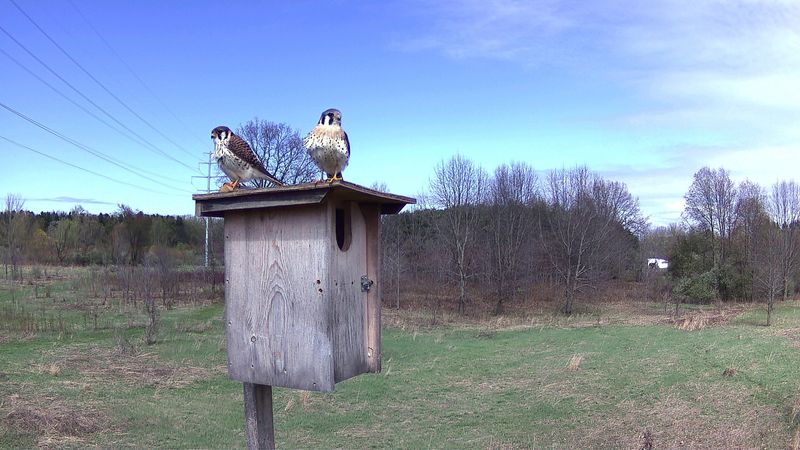
California’s smallest falcon hunts by day, and it will eat voles when it finds them. The American kestrel also nests in boxes, which means a winter project in your yard could give one a place to raise chicks.
Barn owls cover the night, while kestrels patrol in daylight over open ground. Here is how to set up a box well and what to expect from it.
Kestrels hunt by day and nest in cavities
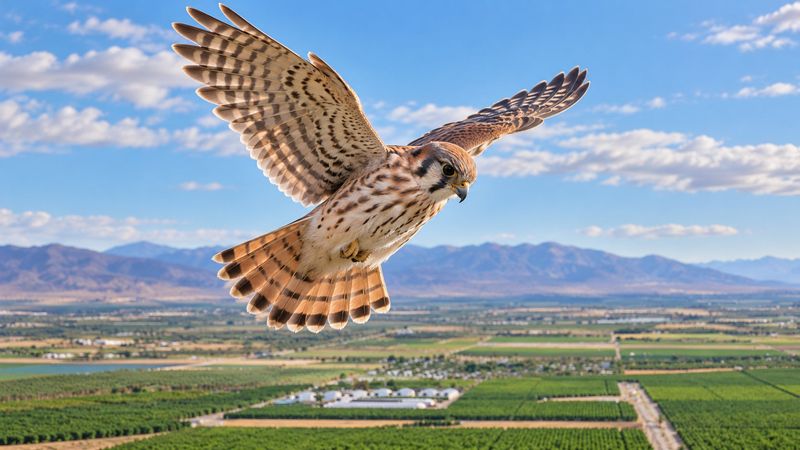
The American kestrel is the smallest falcon in North America, about the size of a mourning dove. It lives across California, with some birds staying year-round and others arriving for the winter.
You can often spot one perched on a utility wire or hovering over a field.
Kestrels are diurnal, which means they hunt in daylight. California Department of Fish and Wildlife describes them as year-round daytime hunters that forage in open habitats.
They watch from a perch or hover in place, then drop on their prey.
The menu is varied. Cornell’s life history notes list insects such as grasshoppers, along with small mammals like mice and voles, plus small birds and other prey.
A kestrel is an opportunist, not a rodent specialist, and it does not single out one homeowner’s pests.
Kestrels do not build nests. They use cavities such as old woodpecker holes, tree hollows, and nest boxes.
That habit is why a well-made box can interest them.
Barn owls make a handy contrast. They hunt rodents at night, while kestrels work the daylight hours.
Those are two different habits in the same landscape, not a coordinated crew, and neither bird promises coverage of your yard at any hour.
A box does not promise fewer voles
Before you pick up a drill, set your expectations. A box offers a kestrel a possible nesting site.
It cannot make a kestrel move in, stay nearby, hunt over your particular yard, or shrink the number of voles in your lawn.
Even on farms, boxes are not reliably used each year. Utah State Extension guidance notes that habitat, prey, territory, predators, and competition all shape whether birds take a box.
It also says native predators rarely wipe out a pest problem.
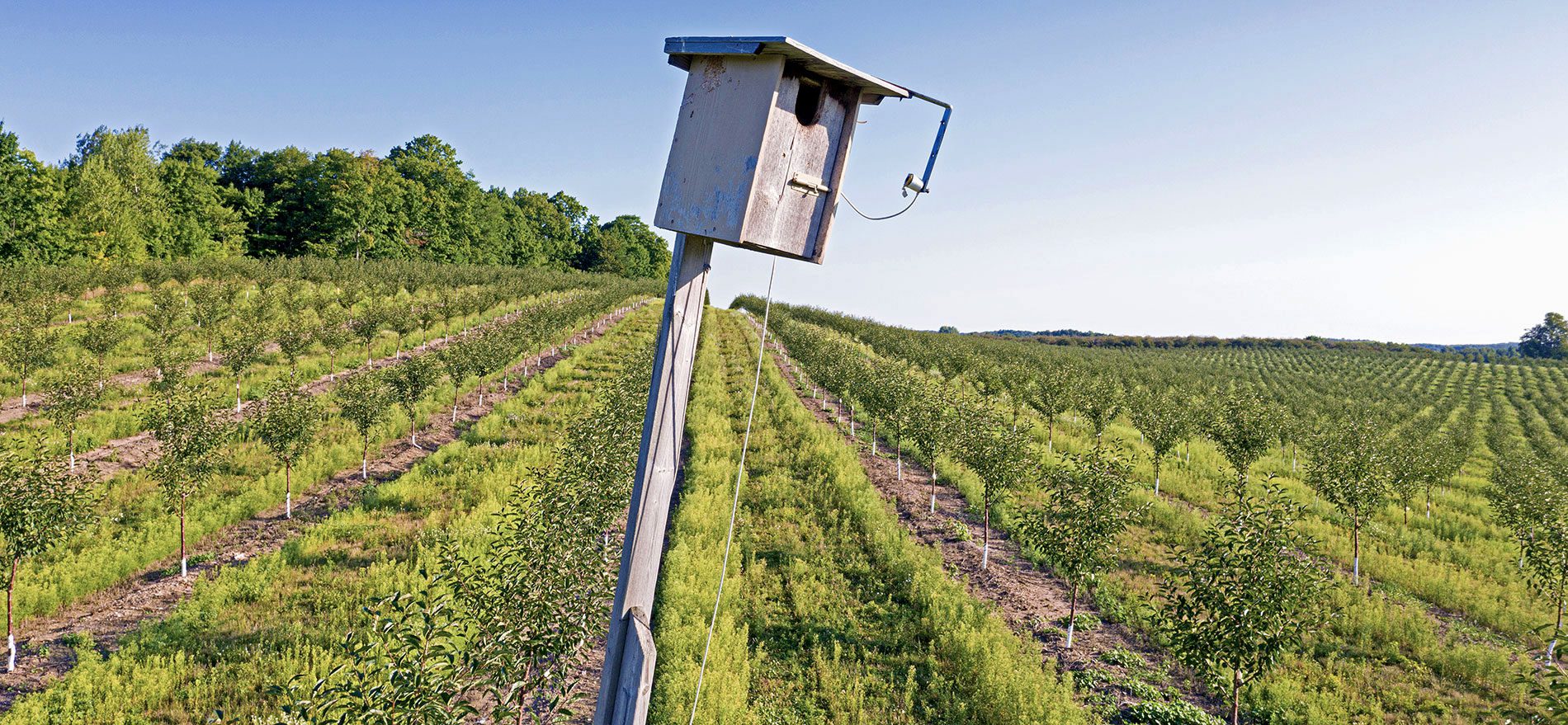
The best-known test comes from Michigan cherry orchards. Researchers found lower summer small-mammal numbers and activity at orchards with active kestrel boxes.
They saw no such difference in winter, and no voles turned up in the orchards they sampled.
So the study does not show that kestrels control voles, and it was done on farms, not suburban lots. Treat it as an interesting hint, not a promise for your garden.
The local advice is blunt. UC IPM cautions that natural predators often cannot keep vole populations below damaging levels around homes and gardens.
Put up a box for the birds, and handle voles with other tools.
Does your yard offer suitable hunting ground?
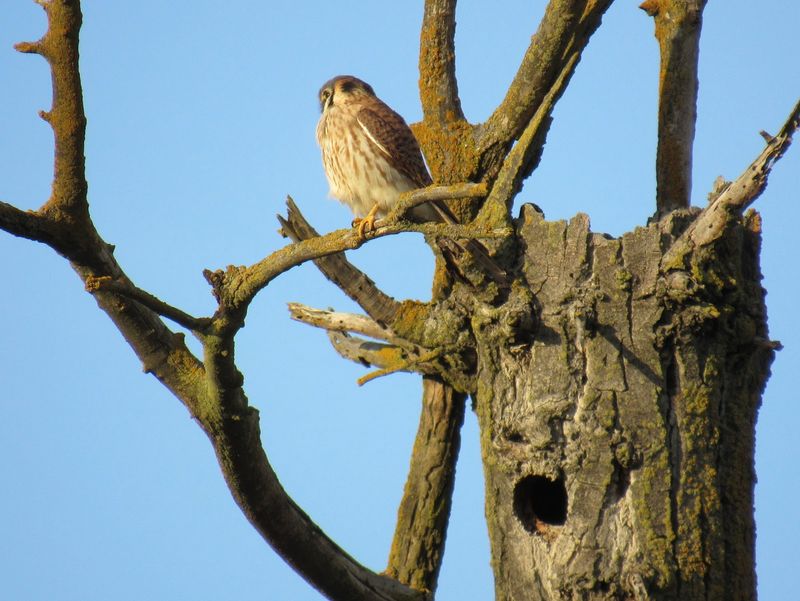
Walk your property and look at it the way a kestrel would. Kestrels want open or partly open ground where they can spot prey, plus perches such as fence posts, wires, or tree limbs to hunt from.
Grass, meadow, and open edges beat dense, shaded yards.
Cornell’s NestWatch lists grassland, open woodland, and even town among kestrel nesting habitats. Check what lies beyond your fence too, since a neighboring pasture, vacant lot, or park can count as hunting ground.
You may have read about half-mile spacing. That is Cornell’s guidance for placing several boxes meant for the same species, so they do not crowd each other.
It is not a minimum lot size, and it does not prove that a small yard cannot work. If you are putting up one box, open habitat and perches matter far more.
A quick test: stand in the yard in daylight and ask whether a bird could see the ground from a high perch. If you also spot kestrels in your area, California’s habitat notes suggest you are in the right kind of country.
Dense woods or tight, shady lots are poorer bets.
Choose a box designed for kestrels

Kestrel and barn owl boxes are not interchangeable. Each is sized, shaped, and placed for its own species, so look for a plan made for kestrels.
Cornell’s NestWatch publishes one.
Its guidance calls for mounting the box 10 to 30 feet high, with a 3-inch entrance hole, and facing it south or east. It also gives box measurements and the half-mile spacing used when several boxes go up.
Pick a site in the open with a clear flight path to the hole.
Design details matter for the birds’ safety. A pole mount with a predator guard helps keep raccoons and snakes out, and the box should be sturdy and weather-tight.
Utah State Extension stresses a correctly designed box that can be maintained.
Think about your own access too. Choose a spot where you can lower or reach the box without stretching from a tall ladder.
Cornell’s NestWatch backyard guidance favors a species-specific plan and a box that is easy to check.
Even a perfect box is only an invitation. Correct construction raises the odds a little, but it does not guarantee that a kestrel will move in.
Winter gives birds time to find a box
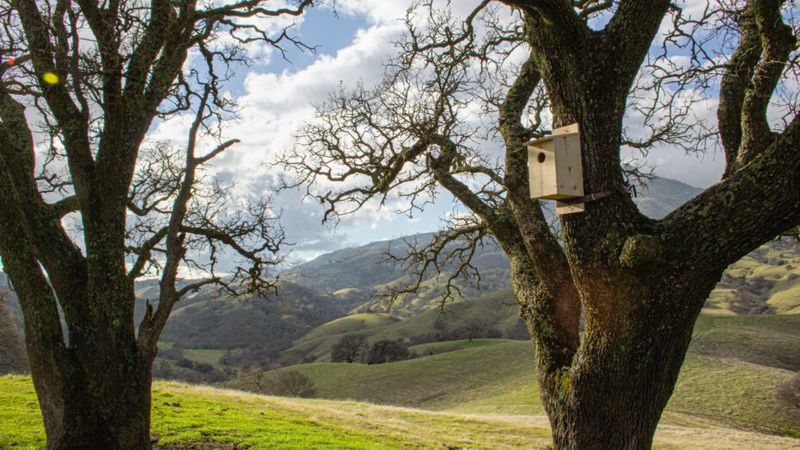
Late fall and winter are a smart time to hang a box. Kestrels begin looking over cavities before the nesting season, so a box already in place gives them time to notice it.
Setting it up early also lets you fix any problems without disturbing anyone.
Cornell’s NestWatch advice supports getting boxes up ahead of spring. Check your kestrel plan on the NestWatch kestrel page and finish mounting before the season turns.
Still, a winter head start is not a guarantee. A box may sit empty this year, and birds sometimes take more than one season to use it.
Nearby kestrels, food, competing species, and predators all play a part.
So if spring passes without a tenant, do not call the project a failure. An unused box after one season says very little.
Keep it in good shape, watch for kestrels in your area, and give it time.
Care for the box only when it is unoccupied
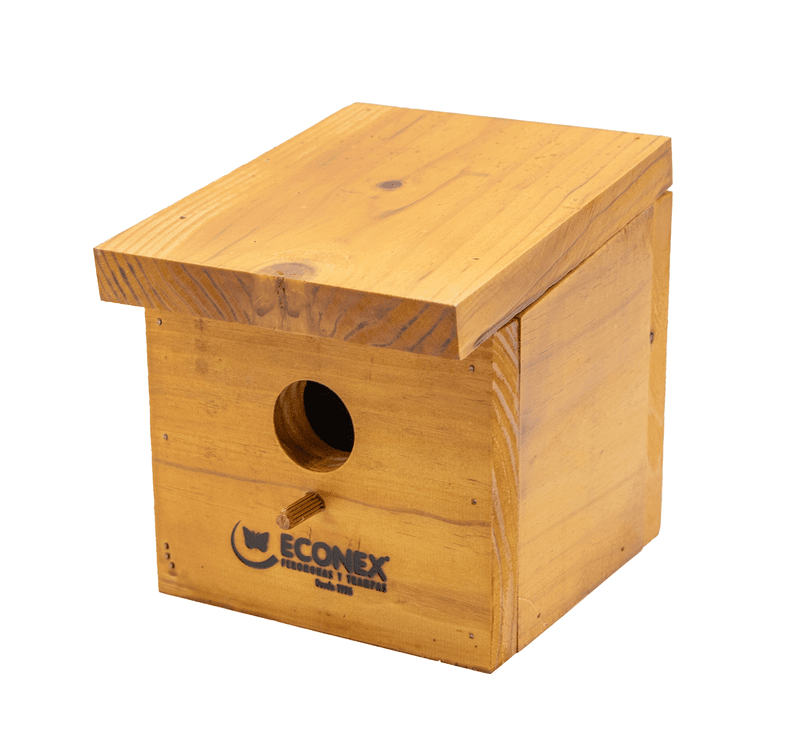
Box care follows one rule: only inspect, clean, or repair when nobody is home. If an active nest is present, leave it alone.
Utah State Extension advises leaving occupied boxes undisturbed, and Cornell’s NestWatch guidance agrees.
There is a legal side as well. The Migratory Bird Treaty Act restricts unauthorized take of protected birds, so handling an occupied nest is not only unkind but risky.
When the box is empty, usually after nesting ends, clear old material, check for loose screws, and repair cracks. Skip precarious ladder work.
If you cannot reach the box safely from steady ground, hire help or use a mount designed to lower it.
Then there is poison. California DFW reports widespread anticoagulant-rodenticide exposure among tested raptors.
Poisoned rodents can pass the toxin to the birds that eat them.
Do not pair a kestrel box with rodenticide. Cut off what draws rodents in: secure trash and pet food, clear dense ground cover and woodpiles near buildings, and tidy fallen fruit.
Habitat fixes protect wildlife and work better over time.
Treat a kestrel box as habitat, not pest control
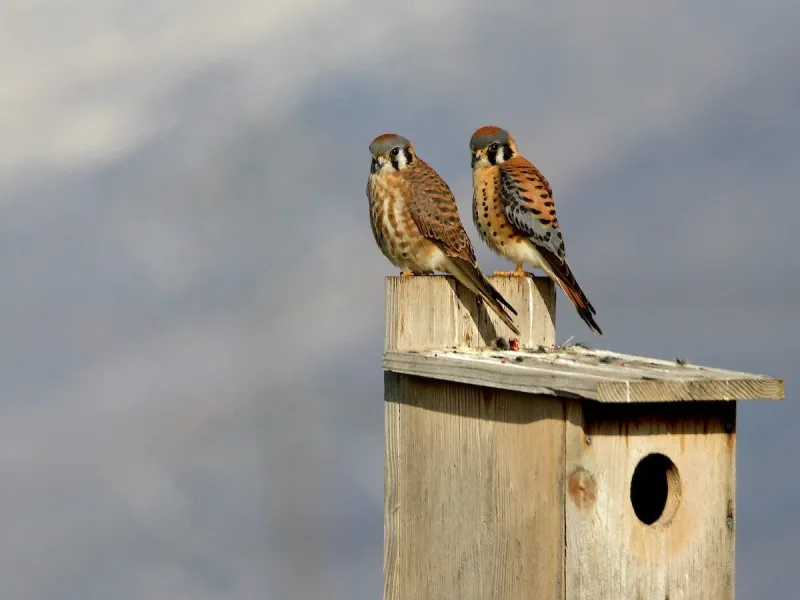
Here is a simple rule. Put up a box if your site has open ground and perches, and if you can reach it safely.
Count any help with pests as a pleasant surprise.
For voles, plan on regular management. UC IPM guidance covers monitoring, habitat changes, and trapping, because predators alone often fall short.
Utah State’s farmland guide says the same about native predators generally.
A box will not promise daytime help alongside barn owls, either. The reward is simpler: a small falcon in your sky, and a chance to see it hover.