 Complete Gardening
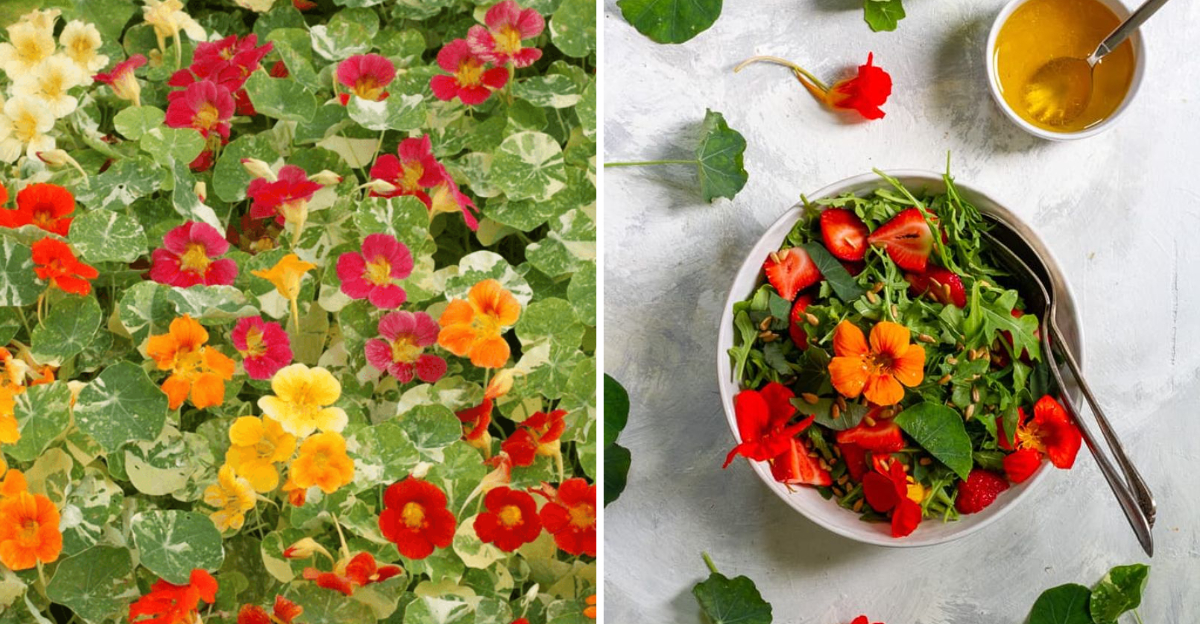
Nasturtiums are more than just pretty flowers; they’re a gardener’s delight for their vibrant colors and multifaceted uses. These easy-to-grow plants not only enhance garden aesthetics but also offer culinary and health benefits. Whether you’re a seasoned gardener or a novice, nasturtiums provide an excellent addition to any green space. Their adaptability and charm make them an ideal choice for various applications. From the garden to the kitchen, nasturtiums unlock a world of possibilities. This blog post explores ten compelling reasons to grow them, complete with practical uses and engaging insights.
Vibrant Garden Addition
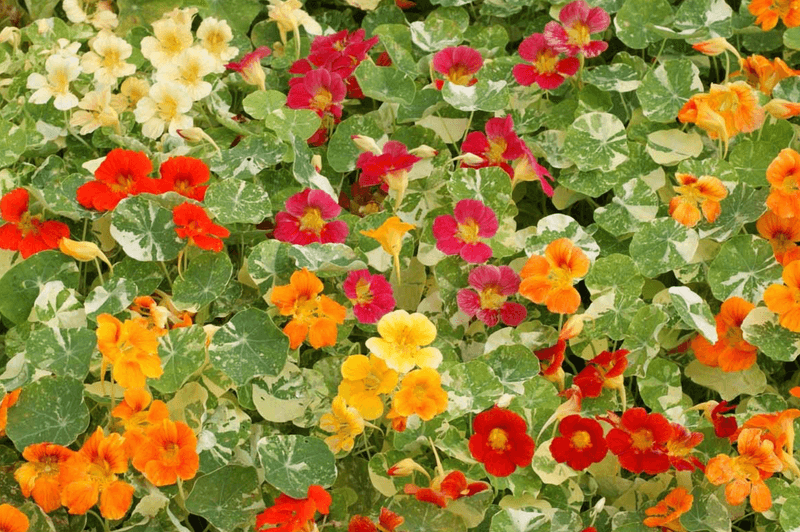
Nasturtiums bring unparalleled vibrancy to any garden, with their bold hues of orange, red, and yellow. These colors are not only visually striking but also attract beneficial insects like bees and butterflies. Planting nasturtiums can transform a bland garden into a lively, buzzing oasis.
Additionally, nasturtiums are versatile and can grow in various conditions, making them suitable for gardeners of all levels. Whether in hanging baskets, borders, or pots, these flowers thrive with minimal care. Their ability to adapt and flourish makes them a favorite among those seeking a low-maintenance yet dazzling garden feature.
Pest Repellent Properties
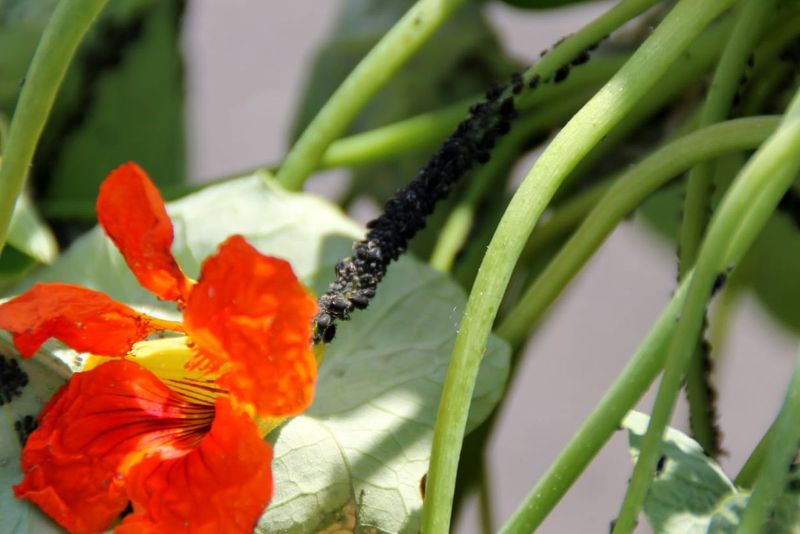
Did you know nasturtiums act as a natural pest deterrent? Their peppery scent is a gentle yet effective way to keep away unwanted garden pests like aphids and whiteflies, making them invaluable companion plants.
Planted alongside vegetables such as tomatoes or cucumbers, nasturtiums create a protective barrier, reducing the need for chemical pesticides. This natural repellent quality not only aids the health of your plants but also contributes to a more eco-friendly gardening practice.
With nasturtiums, you can cultivate a thriving, harmonious vegetable patch, free from the interference of pesky insects.
Edible Delights
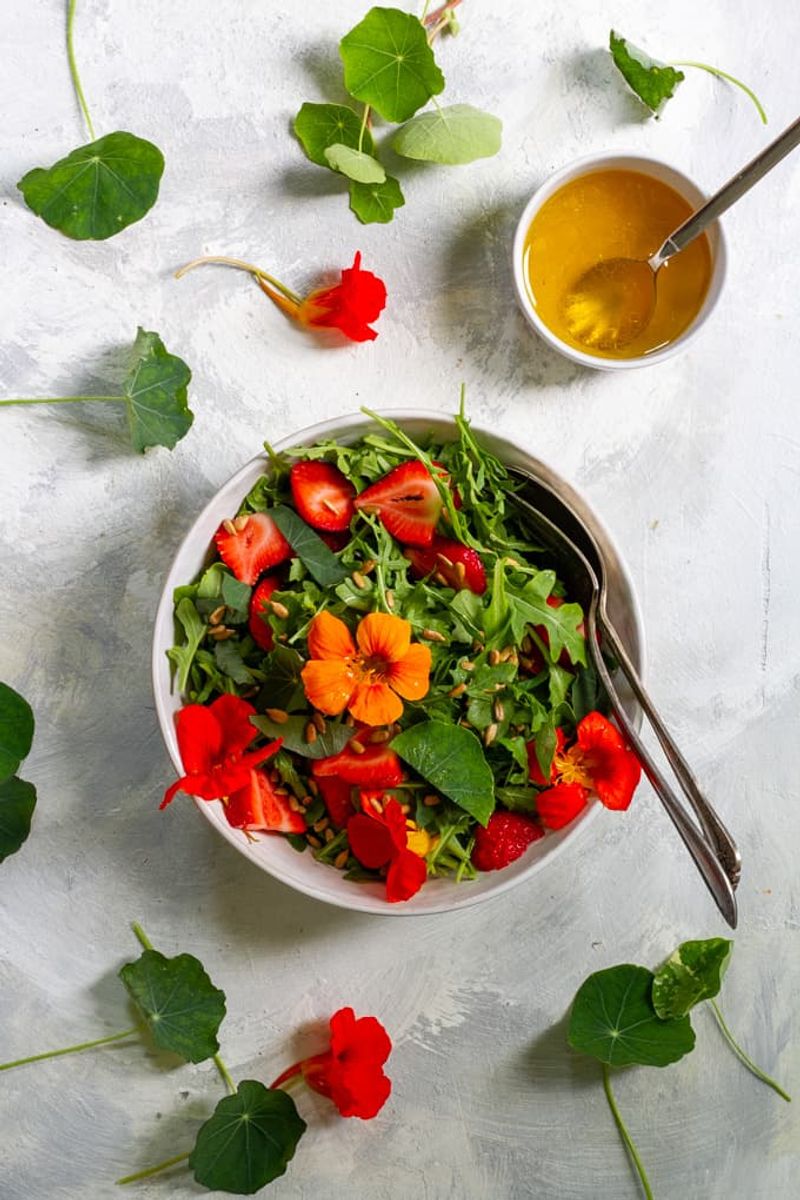
Nasturtiums aren’t just for show; they’re edible and pack a flavorful punch. With a peppery taste reminiscent of watercress, both the leaves and flowers can enhance salads, pastas, and garnishes.
Using nasturtiums in your culinary creations brings not only a burst of flavor but also visual appeal, with their brightly colored petals adding a gourmet touch.
These edible treasures are a favorite among chefs and home cooks alike, offering a unique twist to everyday dishes. By incorporating nasturtiums, you’re not just growing a flower, but cultivating a versatile ingredient for your kitchen.
Boosts Soil Health
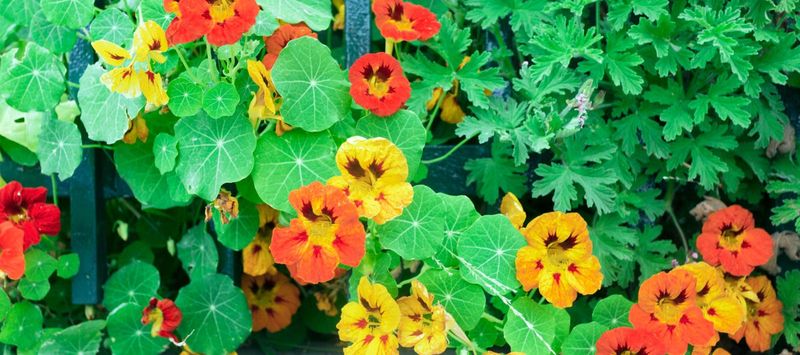
Nasturtiums contribute significantly to soil health by acting as living mulch. Their sprawling growth covers the ground, reducing erosion and retaining moisture. This natural mulch effect enhances water conservation and provides a cooler environment for plant roots.
Furthermore, nasturtiums are known to improve soil fertility by attracting beneficial insects that assist in nutrient cycling. By planting nasturtiums, gardeners can reduce the need for synthetic fertilizers, promoting a sustainable gardening practice.
Their presence in a garden not only beautifies but also contributes to a healthier, more productive soil ecosystem.
Attractive to Pollinators
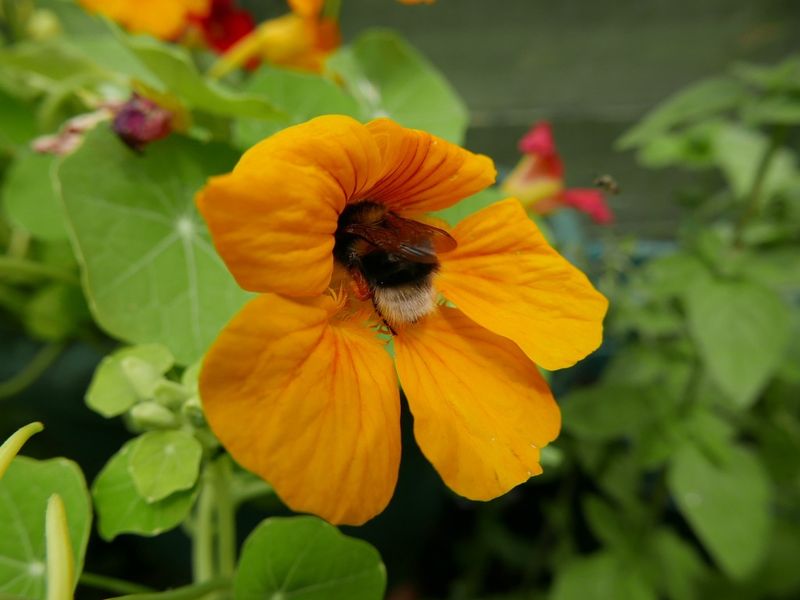
Nasturtiums serve as an irresistible attraction for pollinators like bees and butterflies. Their vibrant flowers and abundant nectar make them a go-to source of sustenance.
By incorporating nasturtiums into your garden, you foster biodiversity, encouraging the presence of these essential pollinators. This, in turn, leads to healthier garden ecology.
The presence of pollinators not only aids the growth of other plants but also supports the broader ecosystem. With nasturtiums, you transform your garden into a vibrant, thriving hub of natural activity, celebrating the intricate dance of pollination.
Versatile Planting Options
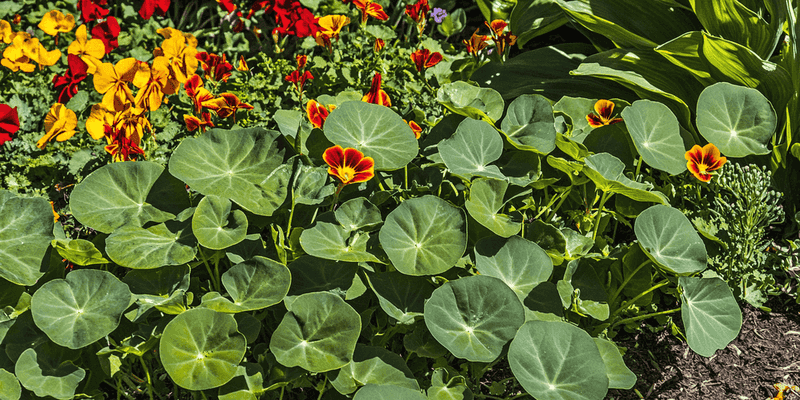
Nasturtiums offer incredible versatility in planting options, making them ideal for any garden space, regardless of size. They can be grown in hanging baskets, along garden borders, or even as ground cover.
This adaptability ensures that no matter your garden’s layout, nasturtiums can find a suitable spot to flourish. Their trailing or climbing nature provides creative opportunities for gardening enthusiasts looking to experiment with design.
Whether draping over the edge of a pot or sprawling across a bed, nasturtiums offer a flexible solution for adding color and life to diverse gardening landscapes.
Natural Beauty Products
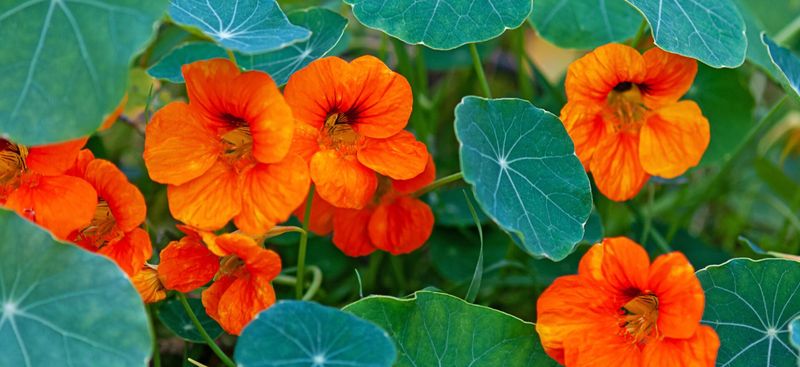
Nasturtiums are not just a feast for the eyes and palate but also beneficial for skin care. Infused into oils or used in facial masks, nasturtiums offer natural, gentle beauty solutions.
Rich in antioxidants, they help in rejuvenating the skin, leaving it refreshed and glowing. For those preferring natural beauty regimes, nasturtiums provide a chemical-free alternative to commercial products.
By utilizing these flowers in your beauty routine, you embrace a holistic approach to skincare, making the most of their nourishing properties. Nasturtiums transform simple beauty rituals into nature-inspired indulgences.
Historical Significance
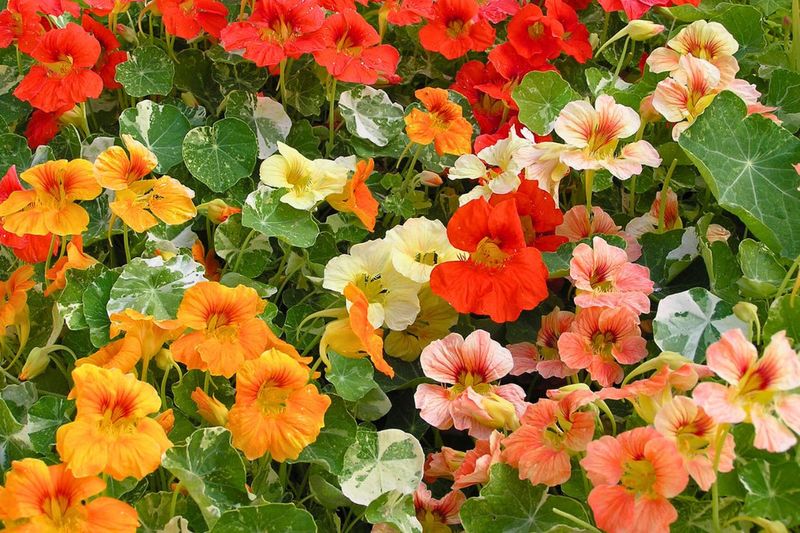
Nasturtiums hold a rich historical significance, once admired by the Incas and later brought to Europe in the 16th century. They were cherished not only for their beauty but also for their culinary and medicinal uses.
In historical gardens, nasturtiums were a staple, celebrated for their vibrant colors and practical applications. Their introduction to Europe marked a change in garden design, adding exotic flair and functionality.
Today, growing nasturtiums connects gardeners to this rich legacy, celebrating a plant that has been valued across cultures and centuries for its multifaceted charm.
Easy to Grow
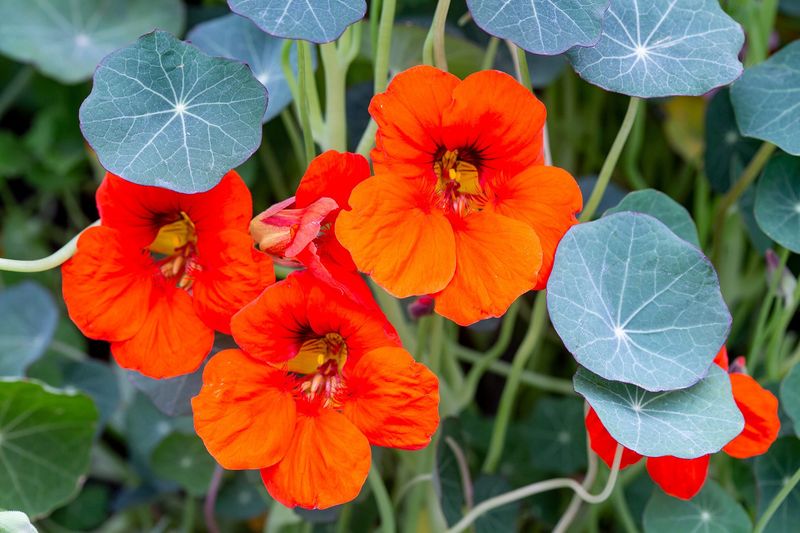
For novice gardeners, nasturtiums provide a perfect starting point. They require minimal care, making them an ideal choice for those new to gardening. Nasturtiums thrive in poor soil and need little more than regular watering.
Their resilience and adaptability mean they can flourish with little attention, rewarding gardeners with vibrant blooms despite neglect. This ease of cultivation makes nasturtiums a popular choice for schools and community gardens, where their rapid growth and bright colors inspire budding green thumbs.
With nasturtiums, anyone can experience the joy of gardening with minimal effort.
Culinary Companion
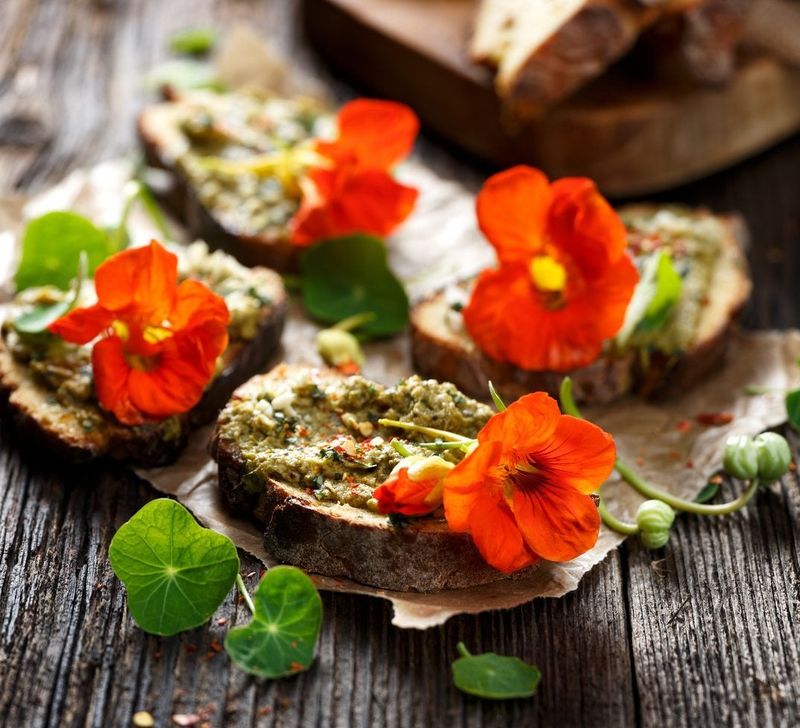
In the culinary world, nasturtiums are celebrated as a versatile companion, adding unique flavors and aesthetics to dishes. Their peppery, mustard-like taste enhances salads, pastas, and even desserts.
Chefs appreciate their ability to bring a burst of color and flavor, elevating culinary creations. Whether used as a garnish or an integral ingredient, nasturtiums provide endless creative possibilities in the kitchen.
For food enthusiasts, growing nasturtiums means access to fresh, flavorful ingredients at arm’s reach, transforming ordinary meals into gourmet experiences with minimal effort.
Medicinal Marvels
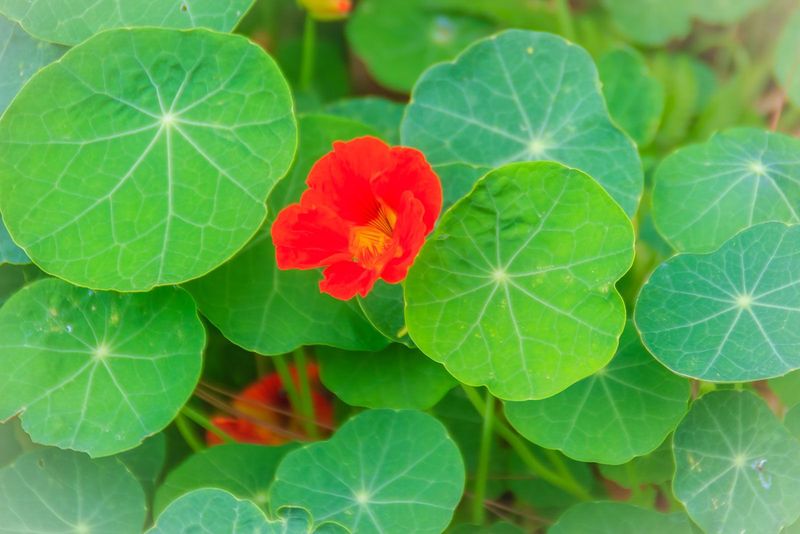
Nasturtiums aren’t just pretty faces; they harbor potential health benefits. Known for their antibiotic properties, these plants have been used in traditional medicine. Imagine reaching into your garden for a natural remedy. By infusing leaves into teas or using them in poultices, you can explore natural healing paths. Their high vitamin C content boosts the immune system, making them a go-to during cold seasons.
Historically, nasturtiums have been employed to treat ailments like colds and flu. Their potency against minor infections adds to their value, offering a gentle, homegrown alternative to pharmaceuticals.
Culinary Crafting

Use nasturtiums to add pizzazz to your dishes. Their peppery flavor is a culinary delight, much like watercress. Integrate them into salads for a colorful splash or as a garnish on gourmet dishes. The seeds, often pickled, serve as a caper substitute.
With every petal and leaf, a new taste adventure unfolds. Chefs embrace their versatility, crafting unique dishes that surprise the palate. Nasturtiums turn ordinary meals into extraordinary experiences, with both visual and taste appeal.
Why not host a culinary evening centered around this vibrant plant? It’s a feast for the senses!
Herbal Infusions
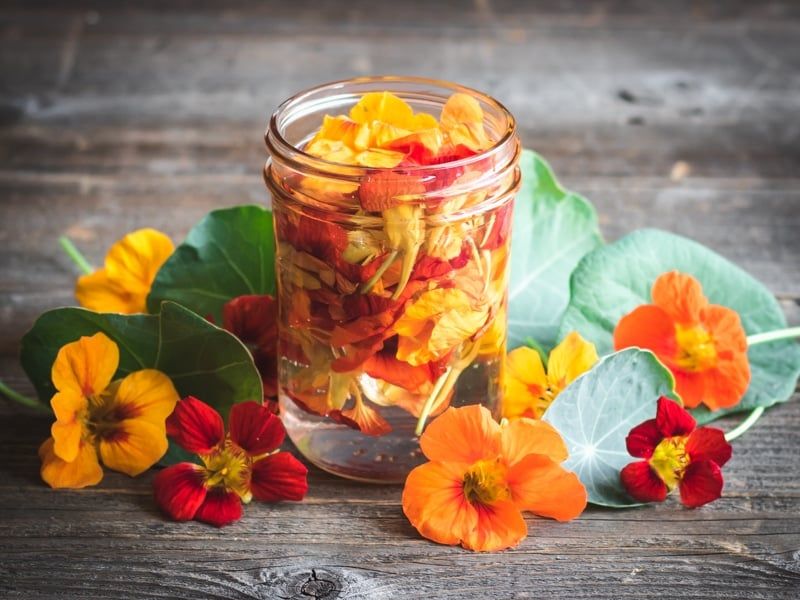
Transform nasturtiums into invigorating herbal infusions. Their leaves and flowers can be brewed into teas that offer a spicy twist. Imagine sipping a warm cup on a chilly evening, the peppery notes warming your senses.
For those adventurous with flavors, nasturtium-infused vinegars and oils offer fresh culinary avenues. They impart a subtle heat to dressings and marinades, enhancing everyday dishes.
The experimentation with nasturtiums in liquid form opens a world of innovative tastes and preparations, perfect for those eager to explore beyond conventional kitchen staples.
Crafting Natural Dyes
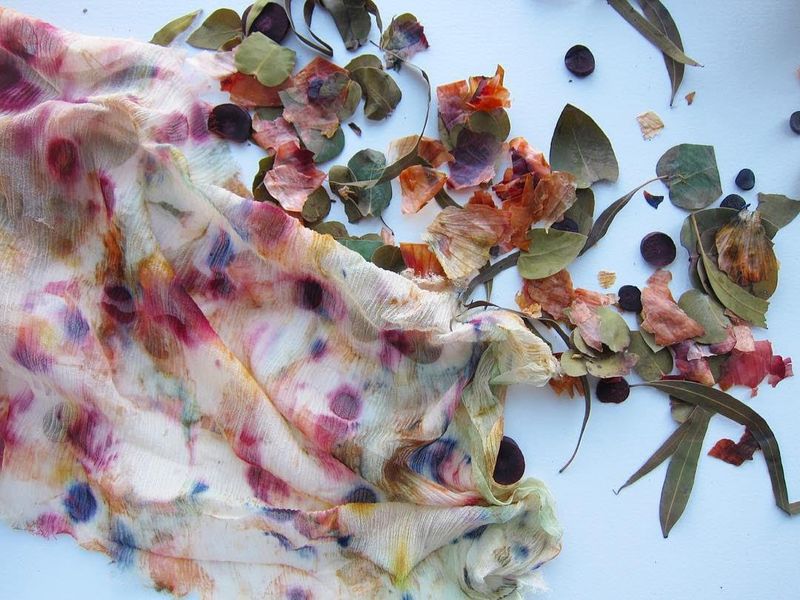
Nasturtiums offer more than garden aesthetics; they provide a source for natural dyes. Their petals yield vibrant hues perfect for fabric dyeing projects. Imagine creating personalized textiles with colors inspired directly by nature.
Artisans and hobbyists alike cherish the opportunity to work with such eco-friendly materials. This sustainable practice not only enriches creativity but also promotes environmental consciousness.
Whether for clothing, home décor, or artistic creations, nasturtium dyes open a palette of possibilities. Embrace the art of natural dyeing and transform mundane materials into colorful masterpieces.
Aromatic Arrangements
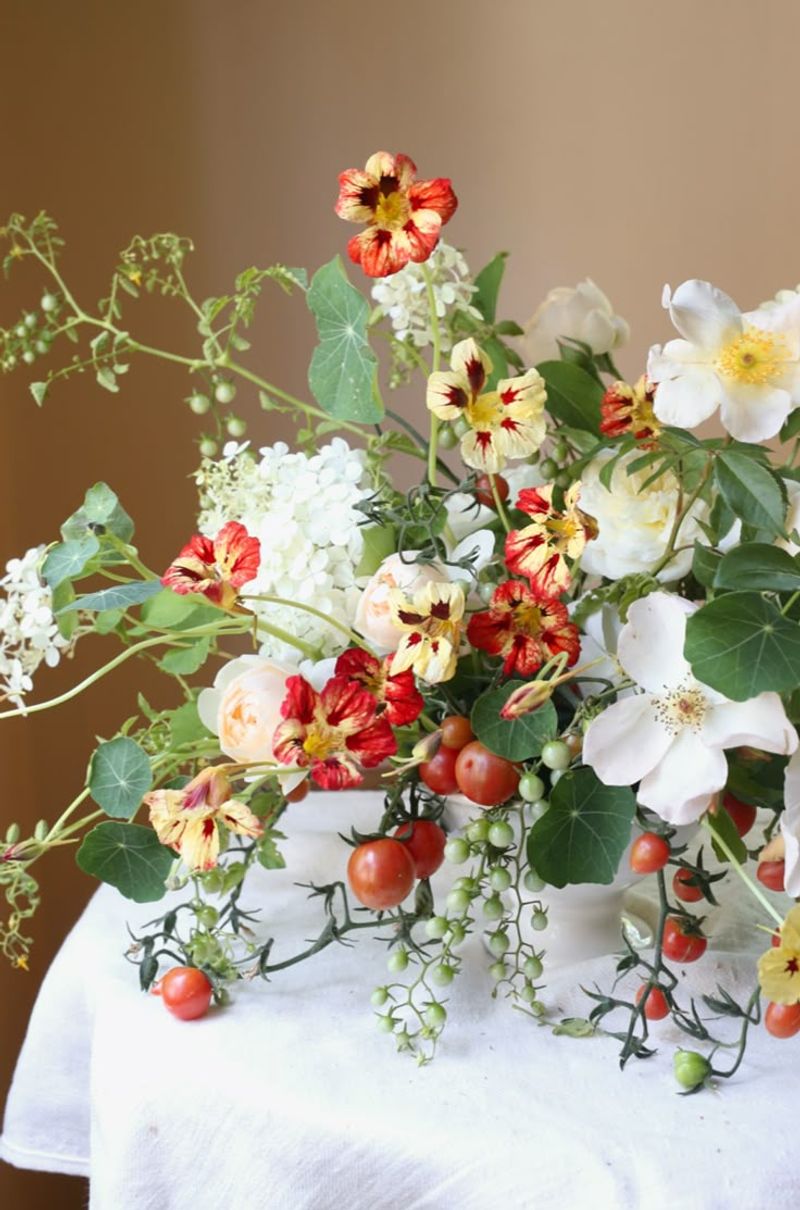
Enhance your living spaces with aromatic nasturtium arrangements. These flowers not only add color but emit a subtle, peppery fragrance that invigorates interiors. Picture a vase filled with these blooms on your dining table, transforming the room with their presence.
Their natural aroma complements other floral scents, making them a favored choice in mixed bouquets. Nasturtiums, with their unique scent, offer a fresh twist to traditional floral arrangements.
Explore the sensory appeal of nasturtiums, and let them bring a breath of fresh air to your home décor.
Homemade Beauty Products
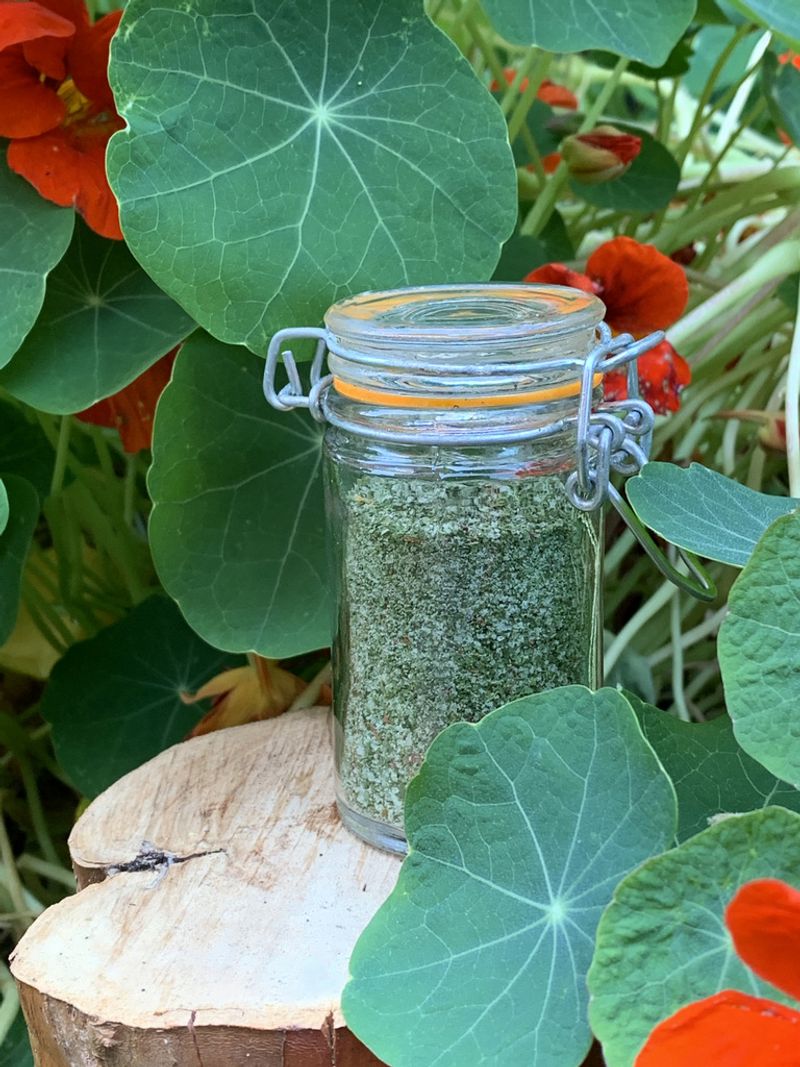
Turn nasturtiums into luxurious skincare treatments. Their natural compounds make them suitable for homemade beauty products. Consider crafting face masks that harness their nourishing properties.
The vitamins and antioxidants found in nasturtiums can rejuvenate the skin, offering a natural glow. Bath soaks infused with nasturtium provide a refreshing and revitalizing experience, akin to a spa day at home.
Creating DIY beauty treatments with nasturtiums combines wellness with creativity, allowing for personalized skincare solutions that enhance everyday self-care rituals.
Children’s Garden Projects
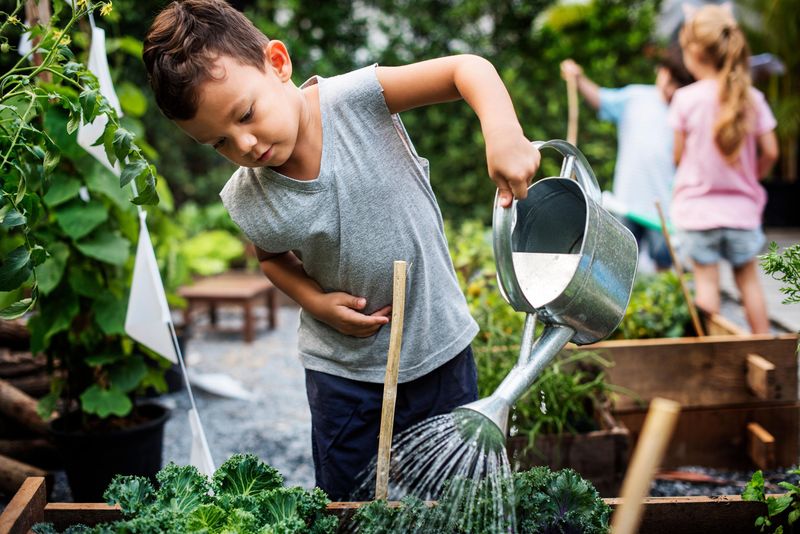
Nasturtiums make an ideal choice for children’s garden projects. Their rapid growth and colorful blossoms captivate young gardeners’ imaginations. Imagine the joy on a child’s face as they see their first nasturtium bloom.
These projects foster a love for nature and responsibility. Kids learn gardening basics, cultivating both plants and patience. Nasturtiums, being easy to grow, offer satisfying results even for beginners.
Incorporate nasturtiums into educational activities, and watch as children’s curiosity and connection to the environment flourish, sowing the seeds for a lifelong appreciation of nature.
Seasonal Wreath Decorations

Craft seasonal decorations with nasturtiums, making stunning wreaths that celebrate nature year-round. Their vibrant colors and adaptability allow for creative combinations with other seasonal elements.
Picture a wreath of dried nasturtiums adorning your door, welcoming guests with its warm hues. This craft embraces the natural beauty of nasturtiums, offering a sustainable alternative to artificial décor.
Creating seasonal wreaths not only highlights the versatility of nasturtiums but also fosters a connection to the changing seasons, enhancing your living space with natural charm.
Heritage and Culture Exploration
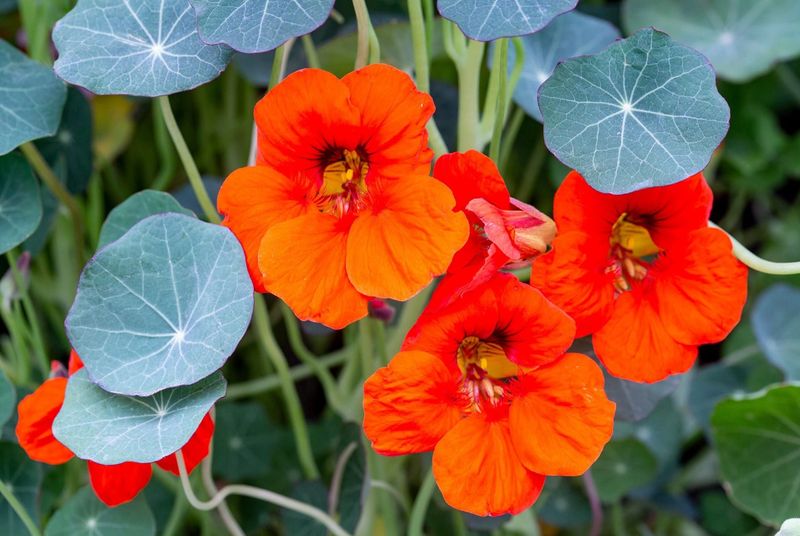
Delve into the rich heritage of nasturtiums, exploring their cultural significance. Traditionally used in various cuisines and remedies, they hold a place in many cultural histories.
Reflect on how these vibrant plants have traversed continents, becoming staples in gardens worldwide. Conversations with elder gardeners reveal tales of nasturtiums’ past roles.
This exploration encourages an appreciation for botanical history, connecting us to the plant’s diverse global roots. Nasturtiums thus serve as a bridge between past and present, enriching our understanding of cultural landscapes.