 Complete Gardening
Pruning marigolds is not just a routine gardening task; it’s an essential practice to ensure your flowers remain healthy, vibrant, and continuously blooming. While marigolds are known for their resilience and bright blossoms, proper pruning can significantly enhance their beauty and longevity. Here are five compelling reasons why you should make pruning an integral part of your marigold care routine.
1. Enhanced Blooming

A garden in full bloom is a gardener’s delight. Pruning marigolds encourages the plants to produce more buds by redirecting energy towards new growth. When spent flowers are removed, the plant focuses its resources on developing fresh blossoms. This not only keeps your garden looking lush but also extends the flowering period.
Imagine the joy of seeing your marigolds consistently adorned with bright blooms. Regular pruning ensures that the plant doesn’t waste energy on seed production, making room for more vibrant flowers. Your garden becomes a continuous display of color and life.
Search for ‘pruning marigolds for more blooms’.
2. Disease Prevention
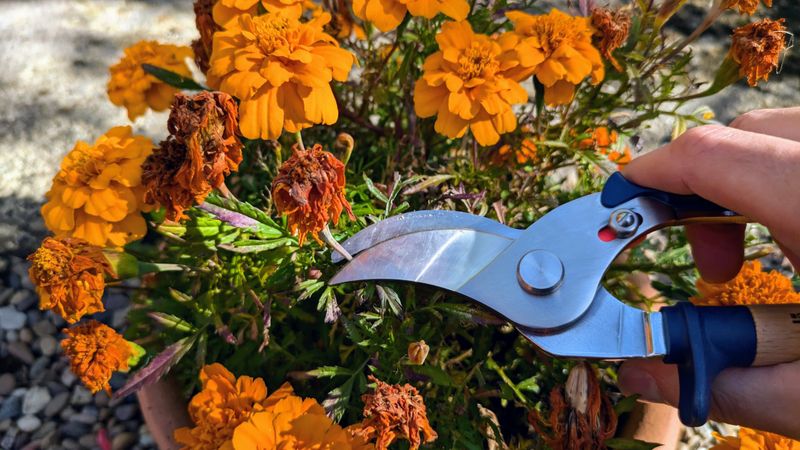
Imagine a garden free from unwelcome visitors. Pruning helps remove dead or diseased parts of the plant, reducing the chance of infections spreading. By eliminating these potential breeding grounds, you help keep your marigolds robust and thriving.
Healthy foliage is less susceptible to pests and diseases. Regularly inspecting your marigolds through pruning also allows for early detection of any issues. Early intervention is key, ensuring that your plants stay healthy and resilient against potential threats.
Look up ‘pruning marigolds to prevent disease’.
3. Improved Air Circulation
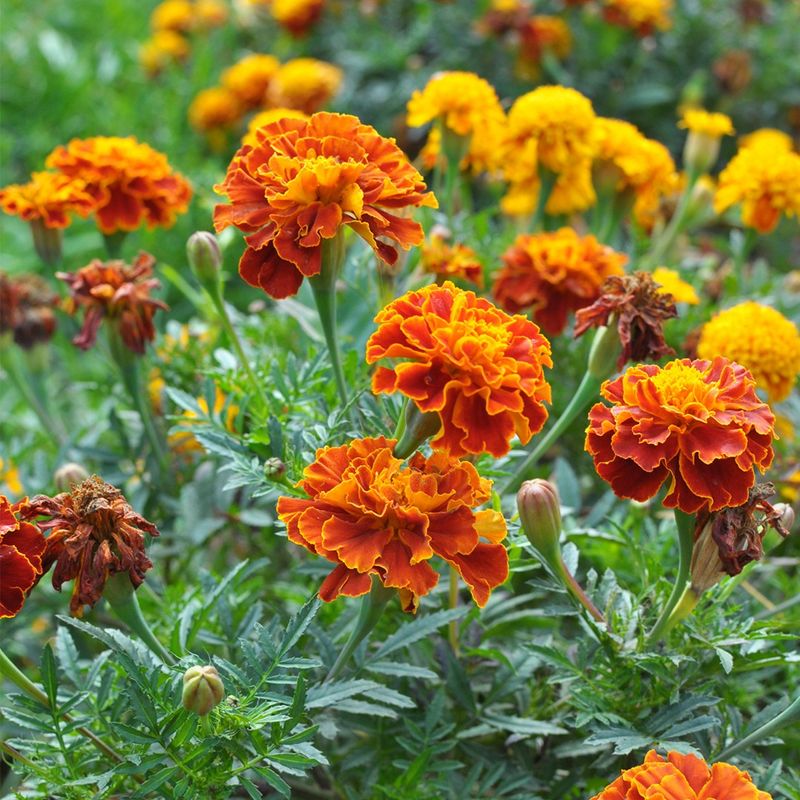
Good air circulation within your marigold plants is crucial for their health. Pruning promotes better airflow by removing overcrowded branches and leaves. This simple act can dramatically reduce the risk of fungal infections, which thrive in damp conditions.
By ensuring that air can move freely around each plant, you help them breathe. It’s like opening a window in a stuffy room—refreshing and revitalizing. Your marigolds will thank you with stronger growth and more robust flowers.
Google ‘marigold pruning for air circulation’.
4. Shape and Structure Control

Garden art comes alive with pruning. Shaping your marigolds through careful pruning not only enhances aesthetics but also contributes to plant health. By controlling their shape and structure, you can create an organized, charming display.
A well-pruned plant avoids becoming leggy and retains a compact, bushy form. This not only looks attractive but also supports the plant in efficiently managing resources. The result? A garden that is both beautiful and functional.
Search ‘shaping marigolds with pruning’.
5. Encouragement of New Growth

Ever wished for a fresh start? Pruning does just that for marigolds by stimulating new growth. Cutting back parts of the plant encourages it to produce new stems and leaves, creating a fuller, more vibrant plant.
The excitement of seeing new shoots emerge can be immensely satisfying for any gardener. This process rejuvenates the plant, leading to a flourishing garden space. Such vibrant regrowth not only enhances beauty but signals the plant’s thriving health.
Explore ‘pruning marigolds for new growth’.
6. Pest Deterrence

Pruning marigolds is an effective way to deter pests that can damage these delightful flowers. By removing dead or diseased leaves, you make your marigolds less attractive to insects like aphids. In doing so, you create a healthier environment for your plants to thrive.
This regular maintenance helps break the life cycle of pests, minimizing infestations. Moreover, pruned marigolds are less likely to suffer from severe pest-related stress. By integrating pruning into your routine, you naturally help keep your garden free from unwanted invaders, ensuring your marigolds always look their best.
7. Enhanced Aesthetic Appeal

Regular pruning can enhance the aesthetic appeal of marigolds, ensuring they maintain a well-groomed appearance. By trimming back overgrown stems, you encourage a more compact growth habit, which can lead to a fuller, more visually pleasing plant.
A tidy marigold not only looks attractive but also highlights the vibrant colors of your garden. With consistent pruning, your marigolds can become the showstoppers of your outdoor space, drawing admiration from visitors. Pruning offers an opportunity to shape your plants, making them an integral part of your garden’s design.
8. Nutrient Allocation Efficiency

Pruning assists in efficient nutrient allocation, allowing marigolds to focus their resources on developing robust blooms and strong stems. By removing weaker or unnecessary parts of the plant, you help direct nutrients where they are needed most.
This leads to healthier, more vigorous growth and can result in a more vibrant display of flowers. Proper nutrient distribution is crucial for the longevity and vitality of your marigolds, and strategic pruning is a simple yet effective way to achieve this. An efficiently pruned plant is a well-nourished plant.
9. Prevention of Seed Overproduction
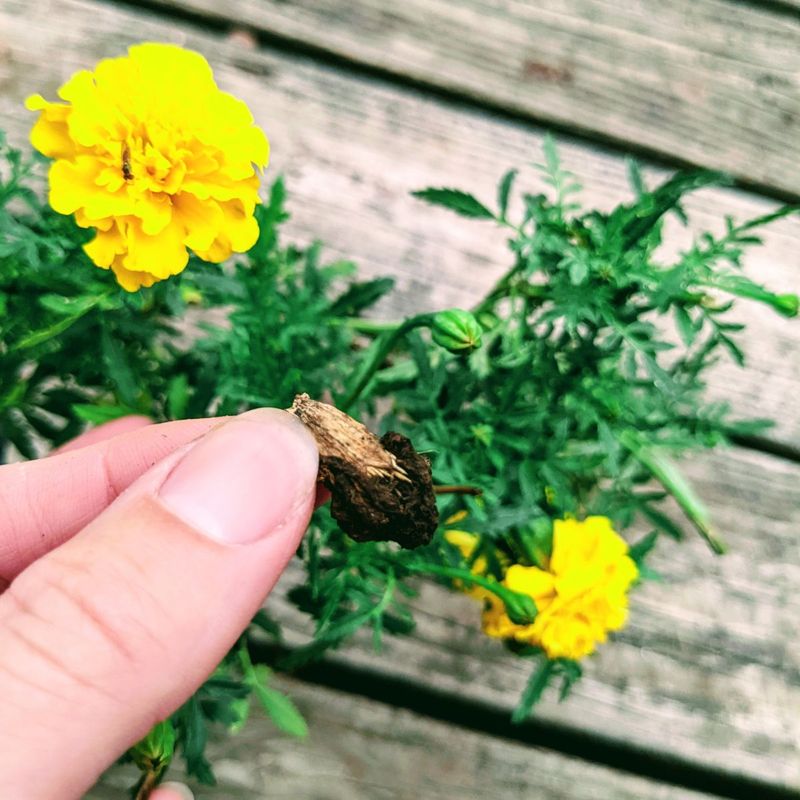
Left unchecked, marigolds can produce an overwhelming number of seeds, leading to uncontrolled self-sowing. Pruning helps manage seed production, preventing your garden from becoming overrun with marigold seedlings.
By removing spent flowers before they go to seed, you maintain control over their spread. This practice ensures that your garden remains diverse, with a balanced mix of plants. Controlling seed production not only maintains order but also allows the marigolds to channel energy into producing more blooms rather than seeds.
10. Reduction of Maintenance Needs

Consistent pruning reduces the overall maintenance needs of your marigolds. By keeping plants well-trimmed, you prevent them from becoming unruly and difficult to manage.
A pruned marigold requires less frequent watering and fertilization, as the plant is better able to utilize available resources. This can save time and effort for busy gardeners. In addition, a well-maintained plant is less likely to encounter problems that require intervention. Regular pruning simplifies overall care, making gardening a more enjoyable and less labor-intensive endeavor.
11. Sunlight Penetration Enhancement
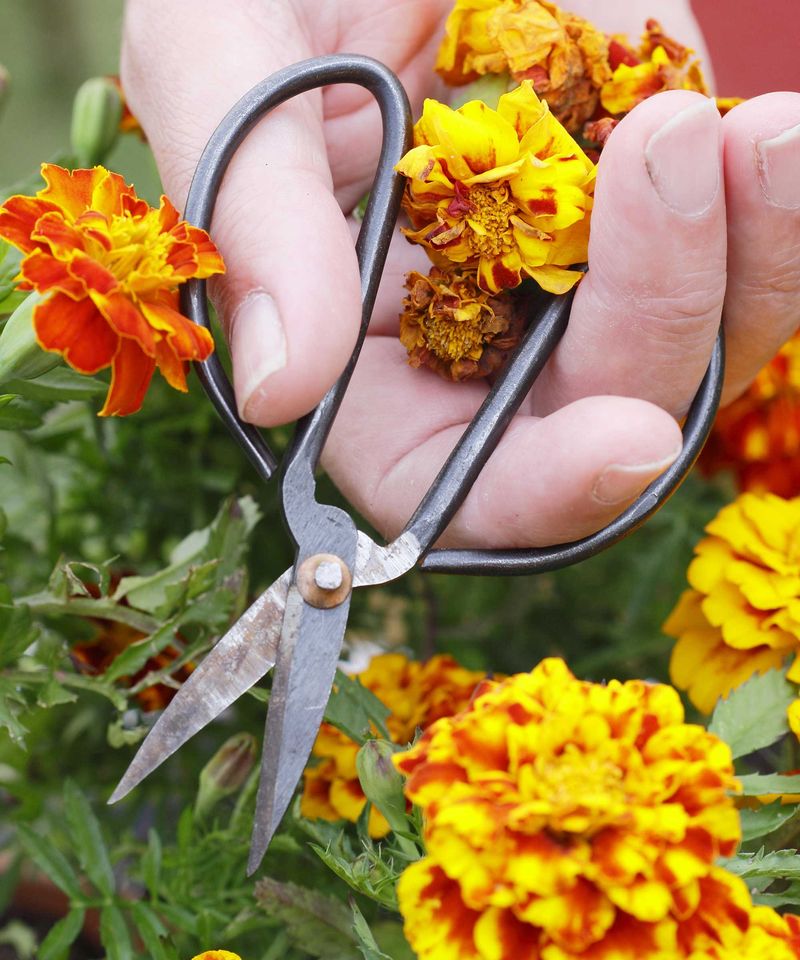
Pruning marigolds enhances sunlight penetration, allowing light to reach lower leaves and stems. This process promotes overall plant health, as all parts of the plant can photosynthesize effectively.
With improved light access, marigolds can produce energy more efficiently, boosting growth and bloom production. Ensuring sunlight reaches the entire plant prevents the lower foliage from yellowing and dying due to lack of light. This practice keeps your marigolds lush and green, with blooms that radiate vibrancy.
12. Encouragement of Bushiness
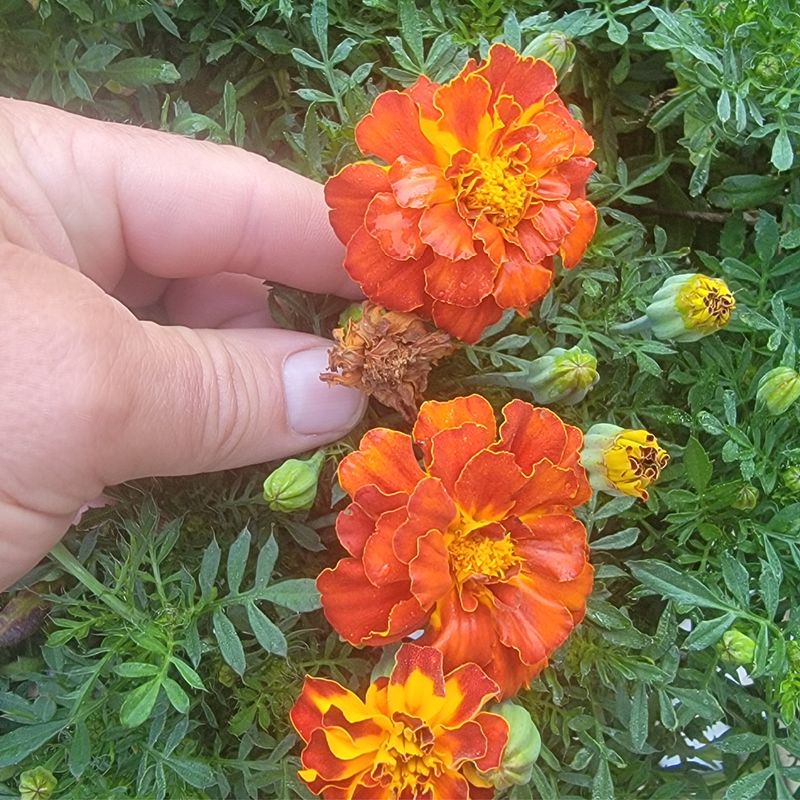
Pruning encourages bushiness in marigolds, leading to a plant with a fuller and more compact form. By cutting back, you stimulate the growth of lateral branches, which can produce additional flowers.
This bushy growth habit not only enhances the plant’s appearance but also increases its resilience to wind and weather. A dense plant structure is less likely to break under stress. With consistent pruning, you can cultivate marigolds that are not only beautiful but also robust, capable of thriving in various garden conditions.
13. Improved Water Usage

Pruned marigolds demonstrate improved water usage, as the plant structure is optimized for resource absorption. By removing unnecessary growth, you minimize water wastage, ensuring that available moisture is directed to essential parts of the plant.
This efficiency is particularly beneficial in areas prone to drought or for gardeners looking to conserve water. Effective water usage promotes healthier growth and helps maintain the plant’s vitality in challenging conditions. Pruning is a simple yet powerful technique to support sustainable gardening practices.
14. Simplicity in Overwintering
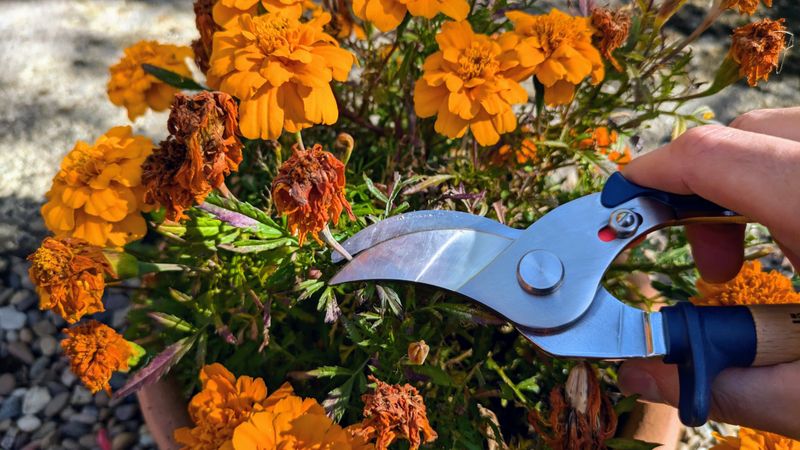
Pruning simplifies the process of overwintering marigolds, making them easier to manage during colder months. By trimming back plants, you reduce their size, making them more compact and easier to protect from frost.
This preparation helps increase their chances of surviving the winter, particularly in regions with harsh climates. A well-pruned plant is less likely to suffer from cold damage, allowing it to rebound more quickly in the spring. Properly preparing your marigolds for winter through pruning ensures they return vibrant and healthy come the new season.
15. Weed Control Aid

Pruning marigolds aids in weed control by promoting a dense growth habit that suppresses weed development. With fewer open spaces in the garden bed, weeds struggle to establish themselves among well-maintained marigolds.
This natural suppression reduces the need for chemical weed killers, fostering a more eco-friendly garden environment. Additionally, a dense marigold bed provides shade to the soil, further inhibiting weed germination. By integrating pruning into your gardening practices, you can enjoy a tidier, more manageable garden area with fewer unwanted guests.
16. Promotion of Longevity
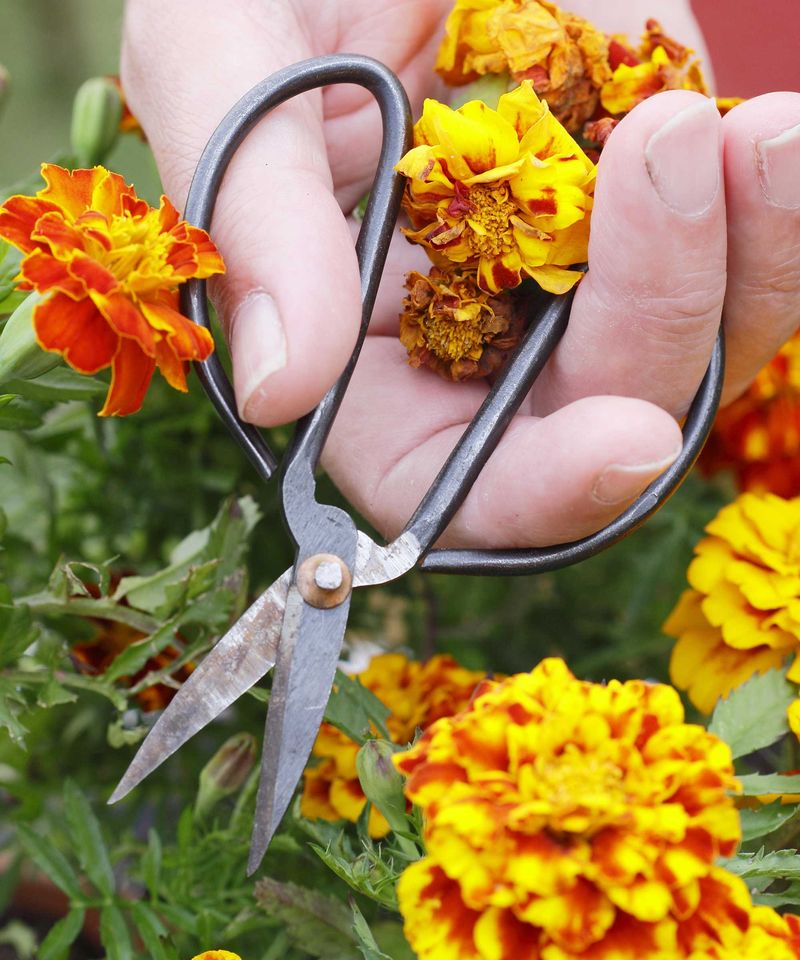
Regular pruning promotes the longevity of marigolds, helping them live longer and remain productive throughout the growing season. By removing spent blooms and excessive growth, you prevent the plant from becoming overburdened.
This care prolongs the flowering period and enhances the overall health of the marigold. A plant that is tended to with regular pruning is more resilient to environmental stressors, ensuring it can thrive for extended periods. Through consistent care, you can enjoy the beauty and benefits of marigolds for many seasons to come.