
If you have spotted shiny red seeds under a Texas mountain laurel, you may have wondered whether to worry. Kids and dogs love picking up small, bright objects, and these seeds are poisonous if swallowed.
The good news is that you can keep the shrub and still lower the risk. A little cleanup and a few clear rules go a long way.
First, confirm it is Texas mountain laurel
Plenty of plants get called mountain laurel, so start by checking which one you have. The shrub in question goes by Texas mountain laurel, mescalbean, Sophora secundiflora, and Dermatophyllum secundiflorum.
All of those names point to the same evergreen Texas native.
It is not the true mountain laurel, Kalmia latifolia, which is an unrelated plant from other parts of the country. According to Texas A&M Forest Service tree details, the Texas species is the one with the hard pods and red seeds.
The warning in this article applies only to that plant.
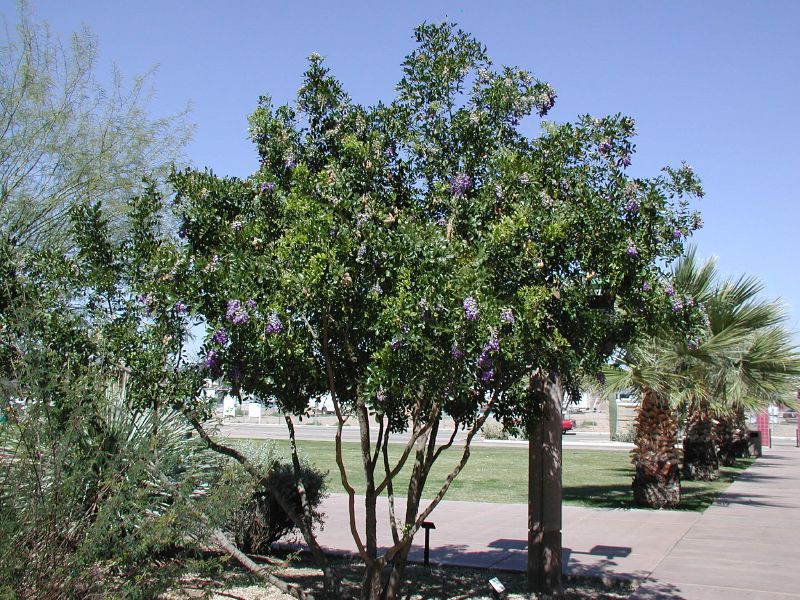
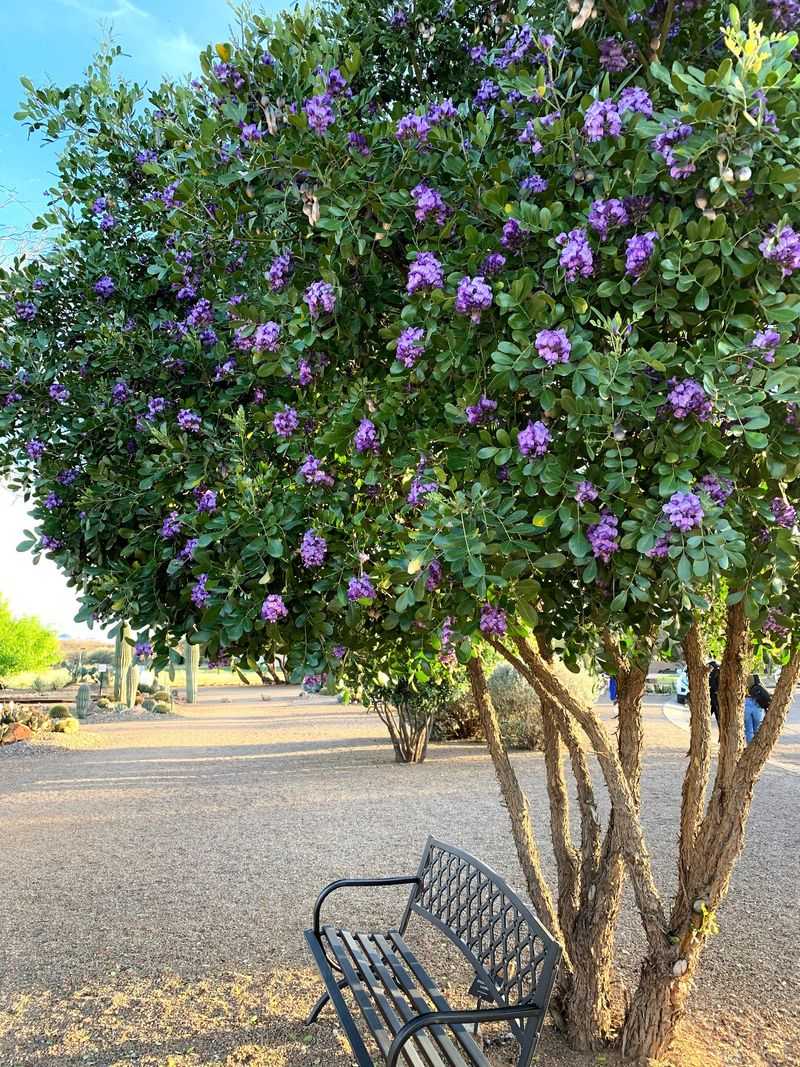
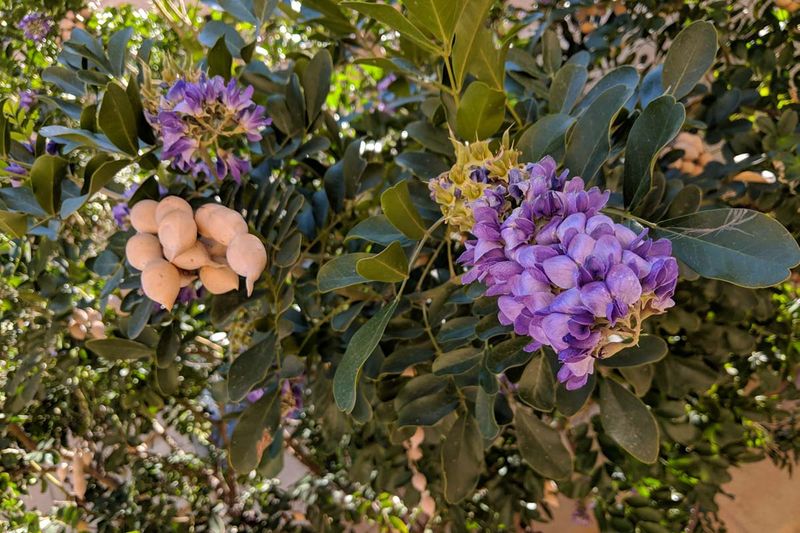
Look for thick, glossy, dark green leaves made up of small leaflets. In spring the shrub carries purple flower clusters, and after that come the fuzzy-looking pods.
If your shrub matches that description, the seed advice below fits your yard. If you are not sure, take a leaf and a pod to a local nursery or county Extension office before you decide anything.
The red seeds form inside hard brown pods
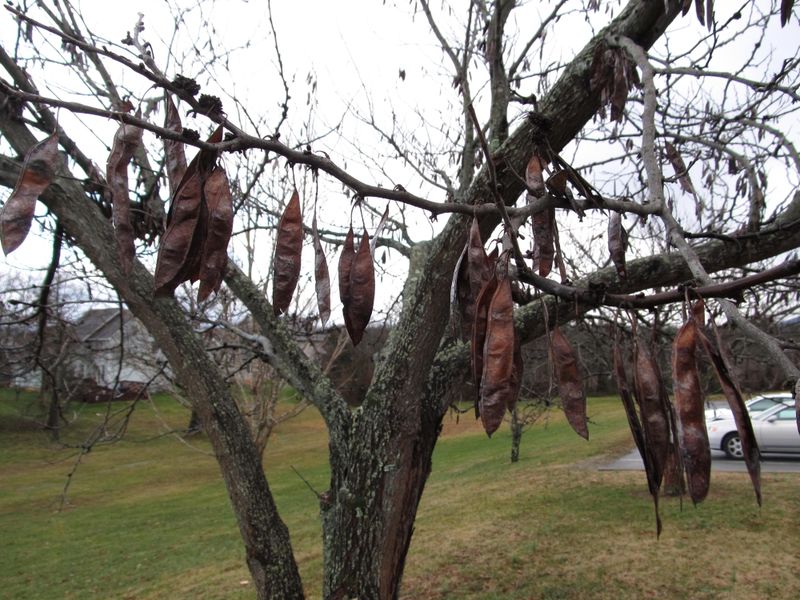
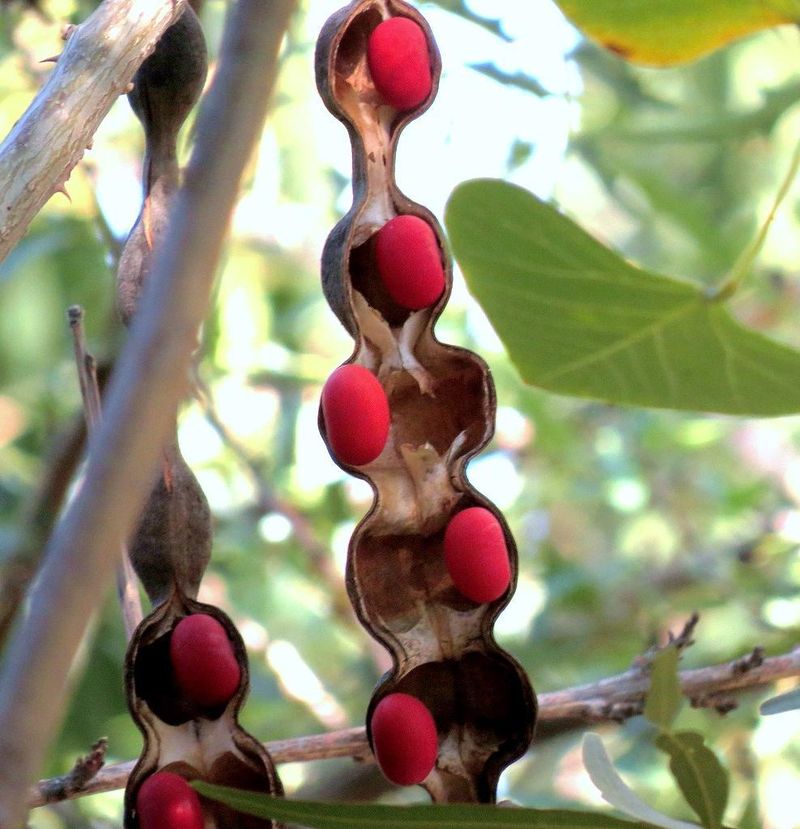
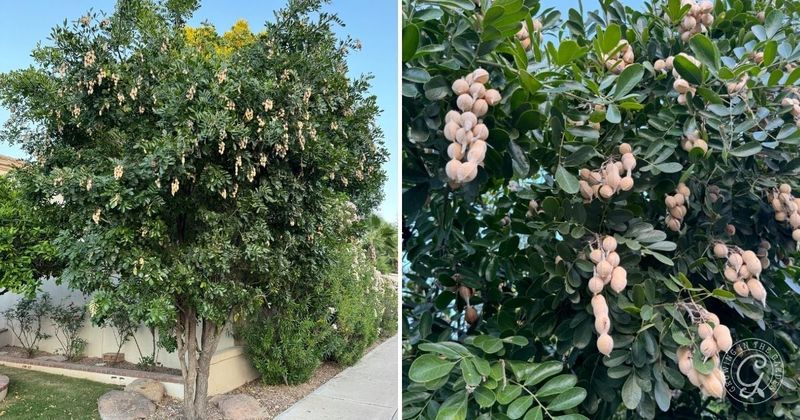
What you find under the shrub usually starts as a hard, woody brown pod. Texas A&M Forest Service describes pods about 2 to 5 inches long that generally hold 3 to 8 seeds.
The seeds are hard and bright red, which is exactly why they catch the eye of a child or a curious dog.
Pods may stay closed for a while, and some end up cracked open on the ground. Seeds can also roll out and settle in mulch, gravel, or along a patio edge.
A quick look at those spots is more useful than checking only the soil under the branches.
Timing varies. Texas Parks and Wildlife documents September fruiting, and another Texas source describes pods showing up later in fall.
Your own shrub may be earlier or later, so watch your yard instead of marking one date on the calendar.
The seeds—not ordinary contact with pods—are the concern
Swallowing the seeds is the hazard. Texas A&M AgriLife Extension describes toxic alkaloids in the seeds and notes that chewed or ground seeds are more toxic than whole ones.
Whole seeds have passed through livestock without effect, but that says nothing about a safe amount for a child or a pet.
Picking up a pod or handling a seed is not the problem. A Central Texas gardening resource says the seeds are poisonous if swallowed but not dangerous otherwise.
A hard pod does not make the seeds safe either, since pods crack open and seeds end up loose.
The name mescalbean can be misleading. It does not mean the seeds contain mescaline.
Poison Control and a seed chemistry study point to cytisine and other alkaloids instead.
No reliable household dose exists, so skip any guessing about how many seeds are too many. Poison Control says a taste should not be toxic, but that is not a reason to treat the seeds as edible.
What to do after a possible bite
Stay calm and act on what you actually saw. If a person may have tasted or swallowed a seed, go to webPOISONCONTROL or call 1-800-222-1222.
Poison Control can give advice for that specific situation, including whether it was a taste or a chewed seed.
After significant ingestion, possible effects include vomiting, abdominal pain, rapid heart rate, confusion, agitation, and tremors. Those are possibilities, not guaranteed outcomes, and a small taste may not cause any of them.
Have the child’s age and weight and a description of the seed ready when you call.
For a pet, contact a veterinarian or an animal poison-control service promptly. Cornell’s veterinary college lists the ASPCA Animal Poison Control Center and Pet Poison Helpline.
Do not try home treatment unless a veterinary professional tells you to.
One published case report described a dog with exercise intolerance, muscle rigidity, and collapse that eased with rest, as noted in that case report. Those are findings from one dog, not what every dog will show.
Use a simple cleanup routine to reduce access
A short, regular sweep is the most practical tool you have. Walk the area under the shrub, along walkways, and around any play space, and pick up the pods and red seeds you can see.
Gloves are a fine habit, though the issue is swallowing rather than touching.
Drop what you collect into a container with a tight lid, such as a lidded bucket, and store it on a high shelf or in a locked shed. Then dispose of it in a way that keeps it out of reach of kids, dogs, and wildlife.
Leaving a pile in an open trash bag by the fence defeats the purpose.
Pods still on the branches can be removed only where you can reach them from the ground. Skip ladders and awkward climbing.
Heavy cutting is also a poor trade, because Central Texas Gardener cautions that pruning mountain laurel can remove next year’s flower buds.
Check again every few days while pods are dropping. These steps cut down access, though they cannot promise a seed will never slip past you.
Keep the shrub and manage the fallen seeds
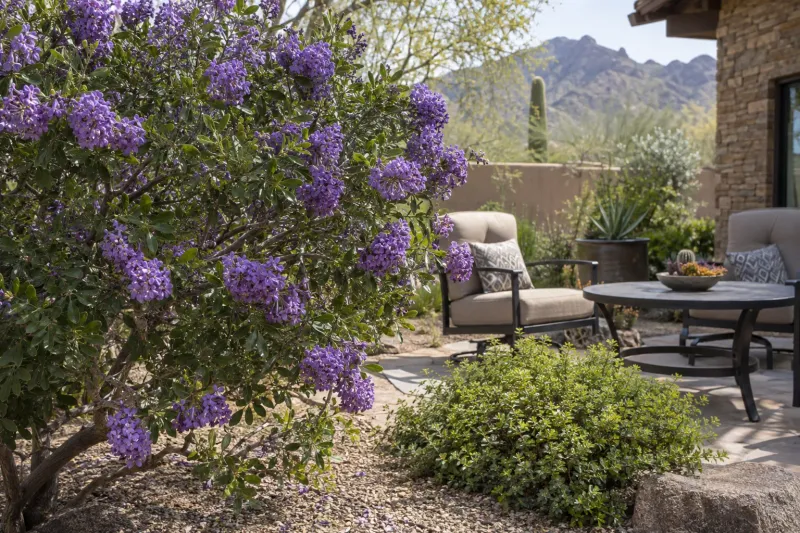
Your shrub can stay. Texas A&M’s tree selector lists it as a landscape specimen, and nothing in the guidance calls for pulling it out.
The job is collecting fallen seeds and keeping them out of reach.
Leave the pruning shears mostly alone, since Central Texas Gardener notes it can cost you next spring’s blooms. If a seed may have been swallowed, call Poison Control or a veterinarian for advice about that case.
Purple blooms in March are worth a few minutes of raking in the fall.