
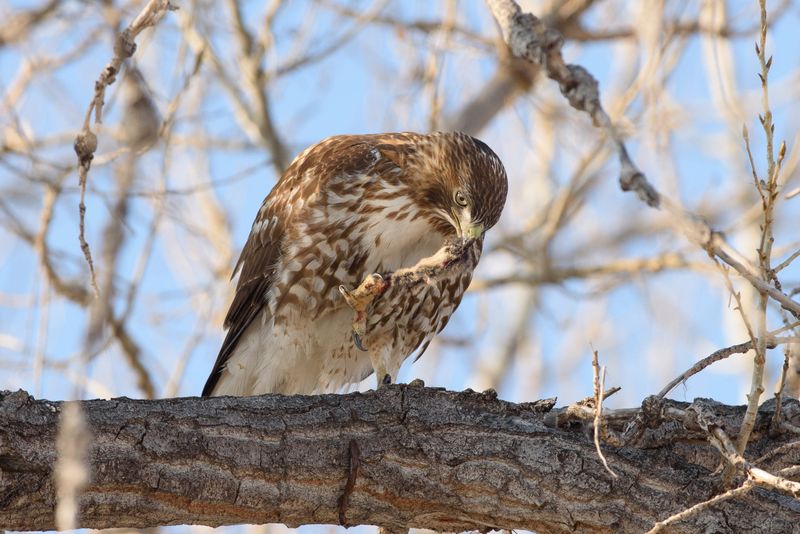
A big red-tailed hawk circling over a California yard looks like free pest control. Gophers and ground squirrels do show up on the hawk menu, but one bird cannot protect your garden beds.
The bait some people set out for rats and mice can also travel up the food chain to predators like hawks. Here is what that means for your yard and what you can do instead.
Red-tailed hawks hunt by day—and may take gophers
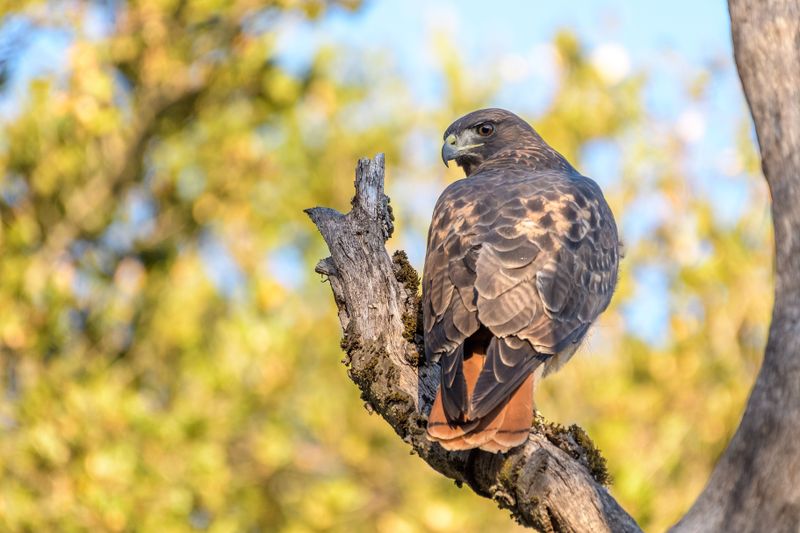
Few birds are easier to spot in California than the red-tailed hawk. According to the state’s habitat model for the species, these hawks are widespread, active in daylight, and breed throughout California.
You might see one on a light pole, a fence, or riding warm air over a hillside.
Their menu is flexible. The same state account lists ground squirrels and rabbits as important prey where they are available, and nest observations in California included both ground squirrels and pocket gophers.
A hawk will take what is common and catchable in its area, so the diet changes from one landscape to the next.
That flexibility cuts both ways for a homeowner. Gophers and ground squirrels may be on the menu, but they are not every hawk’s main food.
A hawk that nests a mile away may never hunt your lawn at all.
Think of a red-tailed hawk as a local predator that may pass through, not a pest service you can count on. A suburban yard with a few mounds and little open perch space may not attract one.
A rural lot beside open grassland has better odds, but still no guarantee.
Spotting a hawk is a nice bonus for your yard. Just do not treat its presence as a sign your gopher problem is handled.
Hawks are not dependable gopher control
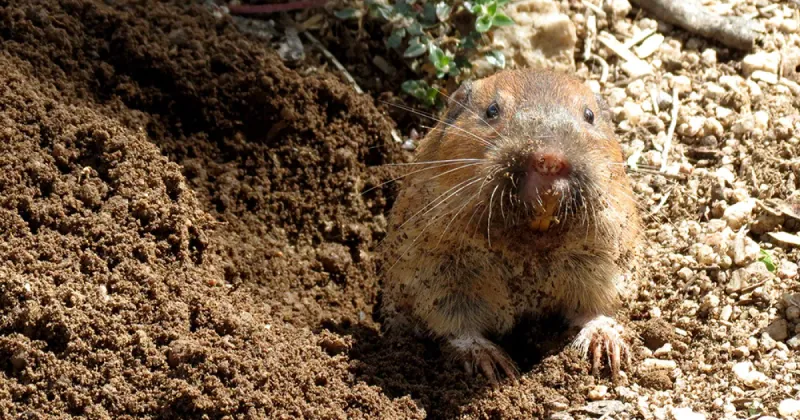
The headline idea that a hawk will clear your yard of gophers sounds appealing, but it overpromises. UC Integrated Pest Management says natural predators rarely control pocket gophers well enough to prevent garden damage.
A hawk may grab one now and then, while the rest keep tunneling under your tomatoes.
Gophers spend most of their lives underground, which limits how many a bird can reach. They also reproduce quickly, so a few lost animals are soon replaced.
Do not plan your yard around attracting hawks as a stand-in for real management.
The better plan starts early. Walk your beds and watch for fresh mounds, since new soil piles tell you where a gopher is active right now.
Traps set in active burrows are a practical home option, and acting while only one or two animals are present makes the job much easier.
Barriers help protect what you grow. For raised beds, UC IPM advises lining the bottom with mesh before filling with soil.
For individual plants, a wire basket around the roots keeps gophers from chewing them from below.
Toxic baits deserve extra caution. UC IPM warns they can pose risks to wildlife, pets, and children.
Rules change and products differ, so check current California law and the product label before using any bait, and do not assume a poison is wildlife-safe just because it is sold for gophers.
How anticoagulant bait can reach predators
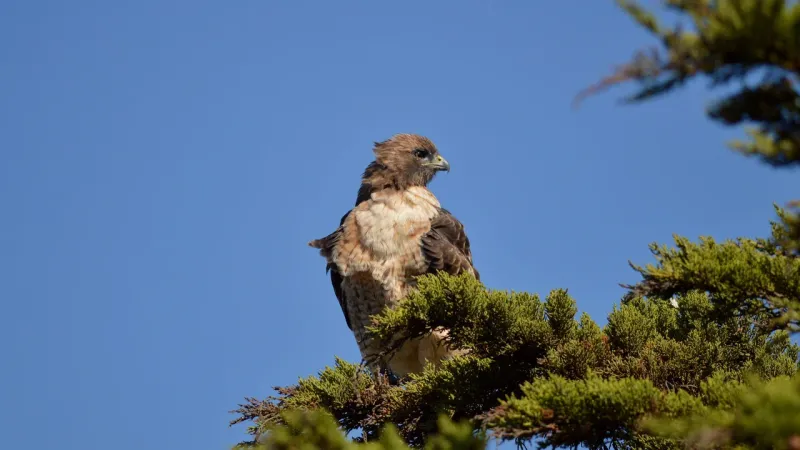
Bait does not have to be eaten by a hawk to affect it. When a rat, mouse, or squirrel eats anticoagulant bait and then gets caught, the poison can still be in its body.
A predator or scavenger that eats it takes in some of that poison. Wildlife experts call this secondary exposure.
This is different from direct poisoning, where an animal finds and eats the bait itself. A hawk perched far from any bait station can still be exposed through its meal.
That is why a well-placed station does not fully close the loop.
Anticoagulants interfere with blood clotting. The California Department of Fish and Wildlife’s Wildlife Health Lab documents fatal bleeding in predators from this kind of exposure.
Some animals may bleed internally and die, which is rarely seen because sick wildlife often hide.
Still, not every exposed animal gets sick. Effects and risk depend on the specific compound, how much was eaten, and how often.
Some animals carry traces with no obvious harm.
The EPA’s rodent control safety review describes both primary exposure (eating bait) and secondary exposure (eating poisoned animals). So the real hazard is clear.
Anticoagulant bait can expose and harm predators through contaminated prey, but that is not the same as saying a given hawk was poisoned.
What the California hawk evidence does—and does not—show
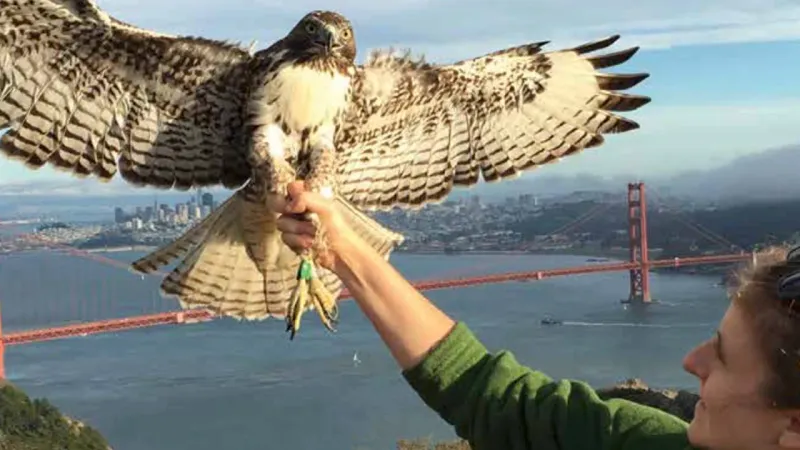
Two studies get mentioned most often, and they answer different questions. A USGS controlled study fed contaminated prairie dogs to six red-tailed hawks, with two more birds as reference animals.
It found that dietary exposure to the anticoagulant chlorophacinone can affect these hawks, including blood-clotting effects.
That is useful, but small. Six exposed birds and prairie dog prey cannot tell us how often backyard bait kills California hawks.
Think of it as proof that a pathway can cause biological effects, not a measure of how common harm is.
The second piece is field sampling. In a Marin Headlands study, 8 of 97 migrating juvenile hawks tested positive for some anticoagulant exposure.
Most positives were trace amounts, and the researchers found no link between exposure and body condition.
Finding residue in a blood sample means the bird was exposed. It does not mean the bird was sick or would have died.
The study also could not say which prey, which bait, or which property was involved.
So the honest picture has two parts. Exposure in wild California hawks is documented, and lab feeding can affect clotting.
What we cannot do is point to one hawk and blame one poisoned gopher or one neighbor’s bait.
Manage household rats and mice separately
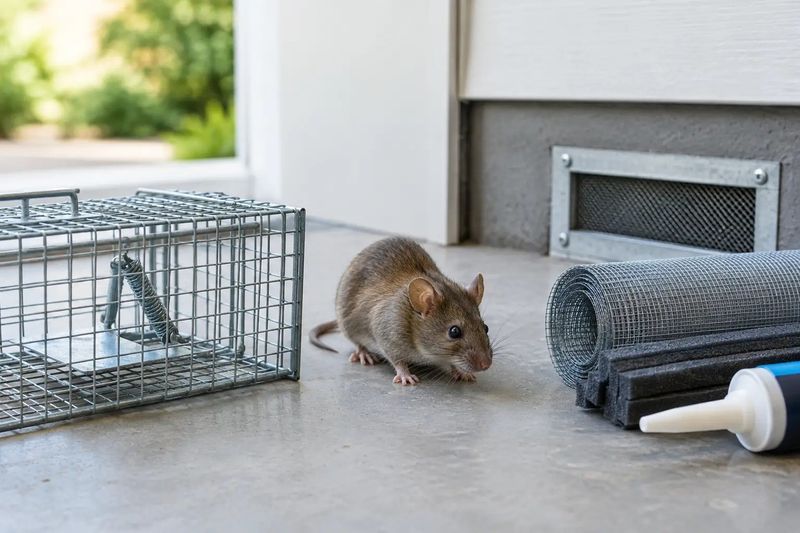
Rats and mice in the garage or attic are a different job from gophers in the garden. The EPA’s guidance on rodent infestations starts with prevention: seal entry gaps, store food and pet food in tight containers, and clear clutter.
Traps are the next step, and they keep poison out of the food chain.
If you decide to use bait, read the label first and follow it exactly. Products for homes require a tamper-resistant bait station, which keeps children, pets, and many wild animals from reaching the bait.
That helps, but a station does not remove the secondary pathway. A rat that eats bait can still be caught by a predator later, as the EPA safety review explains for secondary consumers.
California rules add another layer, and they are not a blanket ban. The state Department of Pesticide Regulation says most residential uses of anticoagulant rodenticides are prohibited, with statutory exemptions.
Its pages on chlorophacinone and warfarin and on second-generation anticoagulants show limits that vary by active ingredient and use.
Before buying anything, check the product, where you plan to use it, and the current DPR guidance. If you are unsure, a licensed pest professional can tell you what is allowed.
Do not assume a different kind of poison is safe for wildlife just because it is not an anticoagulant.
Choose control methods without counting on the hawk
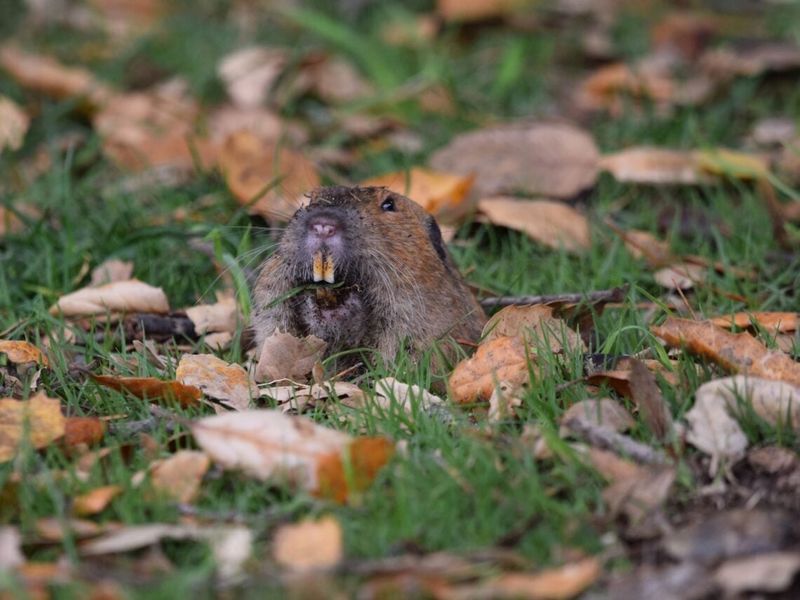
For gophers, rely on traps and barriers, as UC IPM advises, and treat any hawk visit as a bonus. For rats and mice, start with sealing and traps, per EPA guidance, and follow current labels and California rules if you use bait.
Poison does not stay where you put it, since poisoned prey can carry it to predators. A hawk overhead is a reason to pick the cleaner option.