 Complete Gardening
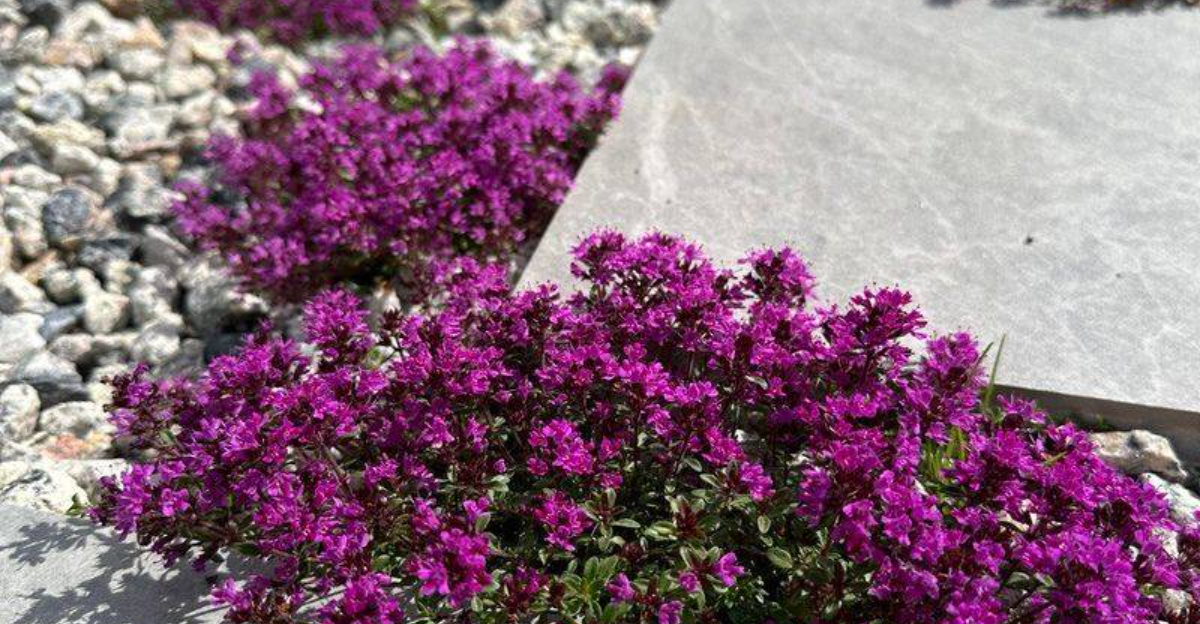
Gardening in coastal or saline environments presents unique challenges due to the harsh conditions of salty soil.
However, with the right approach, you can transform these landscapes into thriving, beautiful gardens.
Explore 10 innovative gardening ideas designed to flourish in salty soils, offering both functionality and stunning aesthetics.
1. Build a Coastal-Themed Gravel Garden
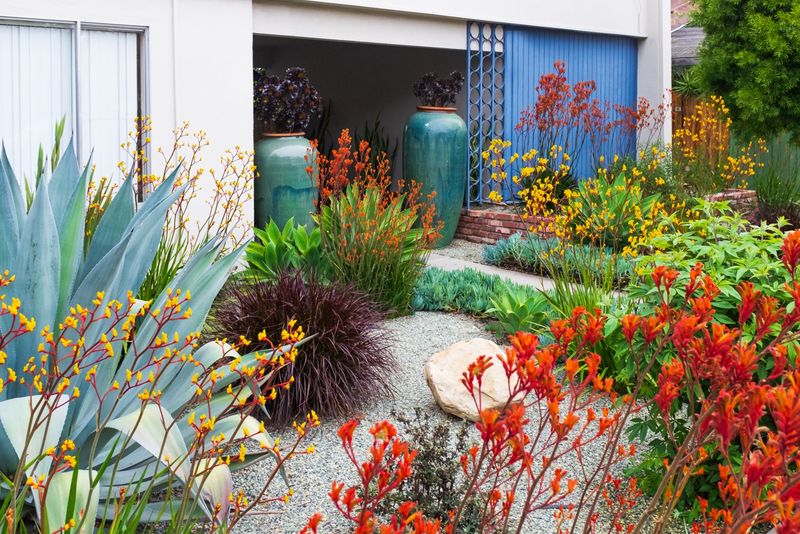
Imagine the soft crunch of gravel underfoot, leading to a serene coastal oasis. Gravel gardens are perfect for areas with salt in the soil, as they drain quickly and limit salt buildup. Pairing gravel with ornamental grasses like blue fescue and flowering perennials such as sea thrift (Armeria maritima) creates a charming, low-maintenance vibe.
The beauty of these gardens lies in their simplicity and resilience. With minimal care, they evoke the tranquility of a seaside retreat, allowing you to enjoy a beachy ambiance without ever leaving your backyard.
2. Design with Salt-Loving Shrubs
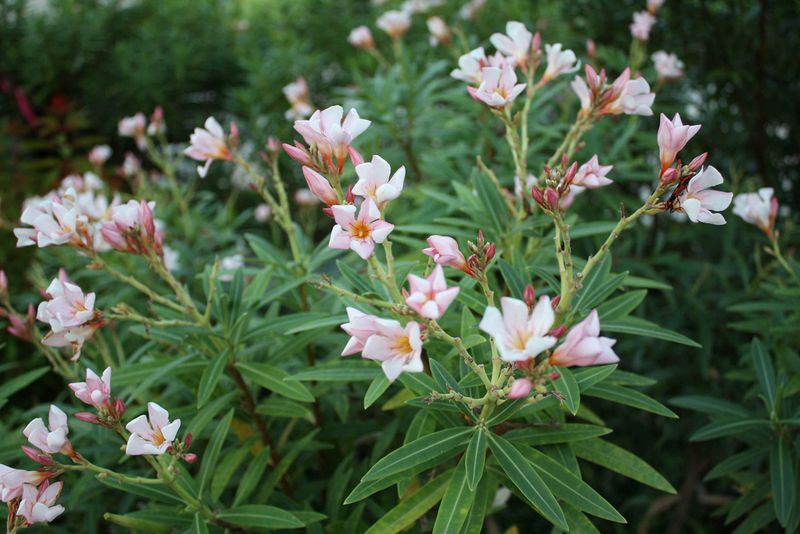
Ever considered the stalwart strength of salt-loving shrubs? These resilient plants, including rugosa rose, oleander, bayberry, and juniper, thrive where others falter. They serve as anchors in the garden, offering structure and greenery in salt-sprayed environments.
Their robust nature doesn’t compromise on beauty. These shrubs provide year-round interest, from vibrant blooms to textured foliage. In coastal areas, they are indispensable, forming the backbone of many successful gardens. By choosing these hardy shrubs, you’re not just planting, you’re creating a living testament to perseverance.
3. Create a Silver and Blue Plant Palette
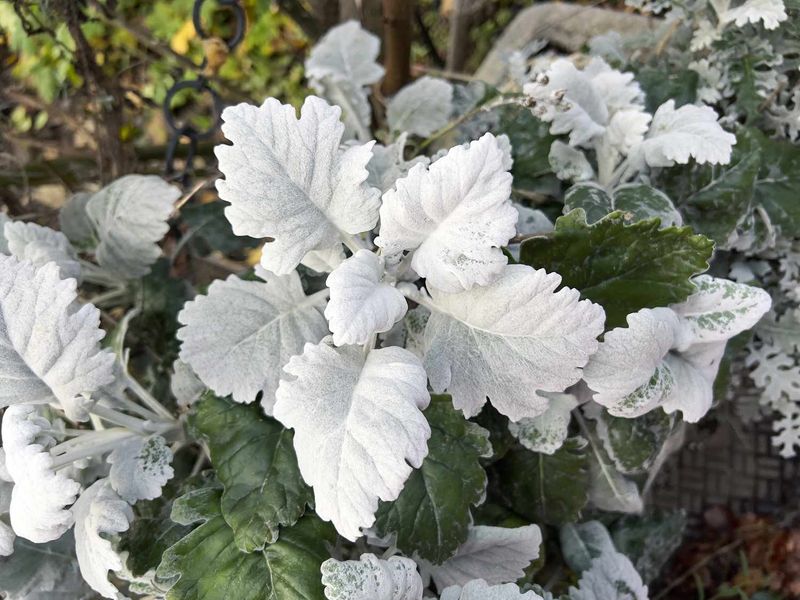
Could a garden whisper tranquility? With a silver and blue plant palette, it certainly seems so. Plants like lamb’s ear, Russian sage, and lavender cotton offer silvery or blue foliage that reflects sunlight, creating a calming effect.
This Mediterranean-style look conserves moisture and stands resilient against salty conditions. The visual appeal of these hues is undeniable, offering a monochromatic yet dynamic landscape. This palette’s gentle charm and hardy nature make it a favored choice for those looking to infuse grace and durability into their gardens.
4. Incorporate Raised Beds and Berms
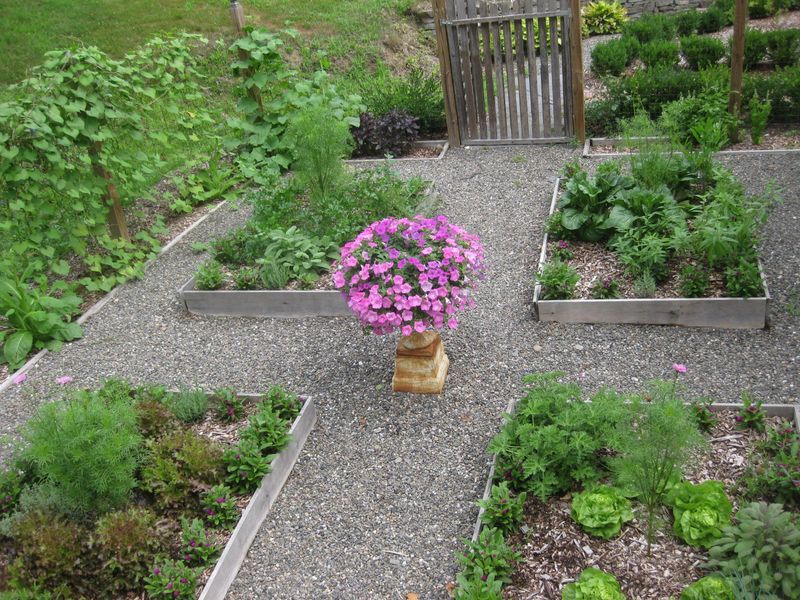
Raised beds and berms offer a practical solution to problematic soils. Elevating your plants helps mitigate the effects of salt, improving drainage and reducing root stress. Filled with well-draining soil, these structures are ideal for areas with high salinity.
Generous mulching is key to protecting plant roots and flushing out excess salts. This method allows for a wider variety of plants to thrive, enhancing your garden’s diversity and visual interest. Raised structures bring the garden to eye-level, inviting viewers to engage more closely with the plant life.
5. Add Texture with Ornamental Grasses
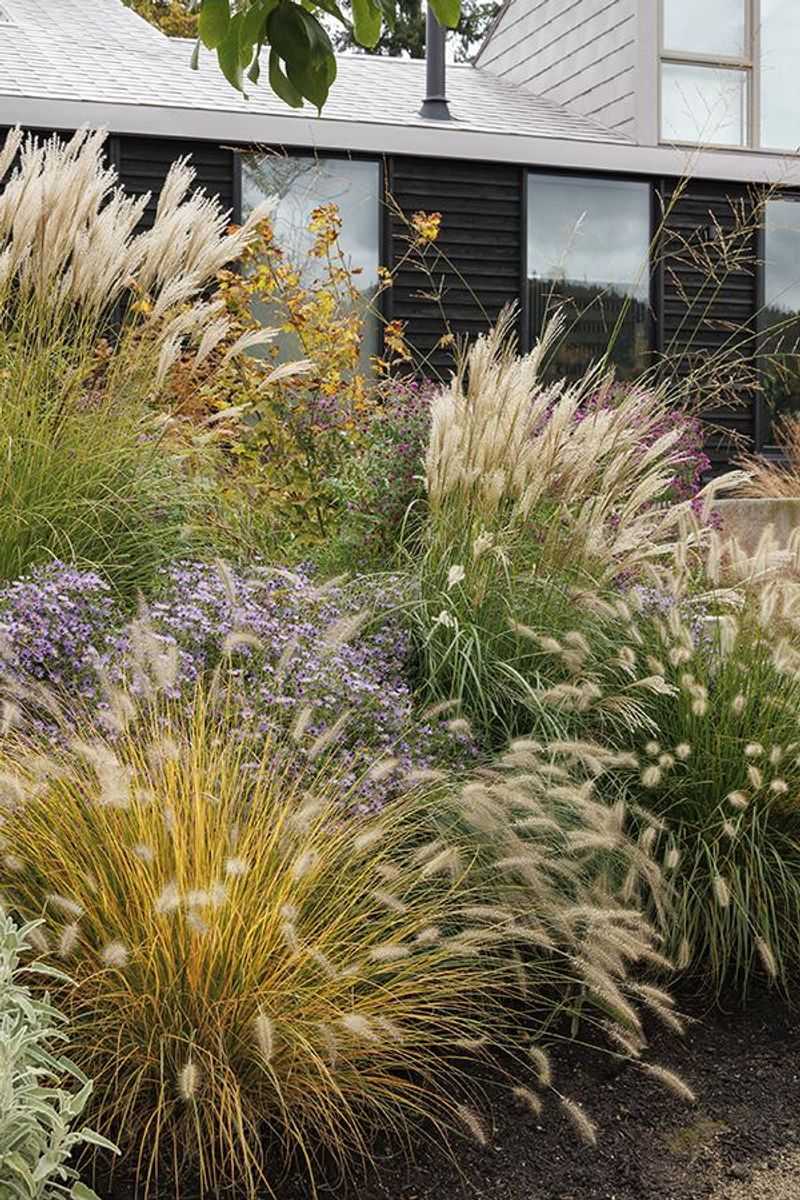
Ornamental grasses are the unsung heroes of salt-tolerant gardens. With varieties like switchgrass, fountain grass, and Muhly grass, they bring movement and textural variety to any landscape. Their ability to thrive in salty conditions makes them a perennial favorite.
Used as backdrops or pathways accents, these grasses add a sense of motion, swaying gently in the breeze. Their versatility extends beyond aesthetics, as they also support local ecosystems. By incorporating these grasses, you’re weaving a tapestry of life and movement that captivates and endures.
6. Use Native and Coastal Plants
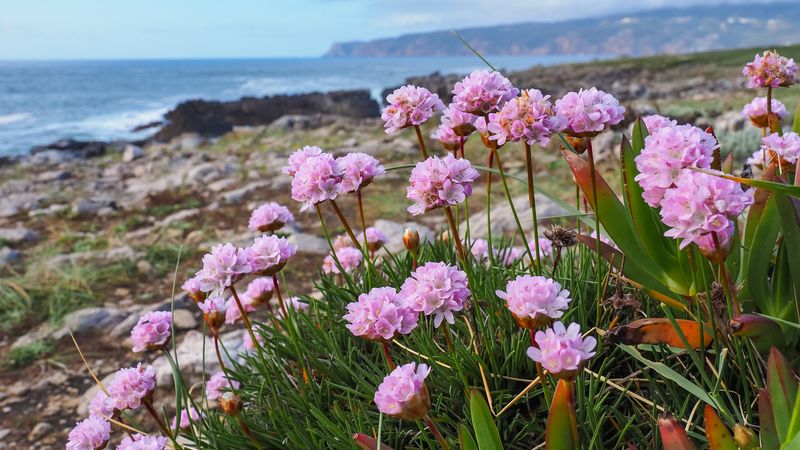
Why not let nature lead the way? Using native and coastal plants is a surefire way to success in salt-affected areas. Species like blanket flower, coreopsis, yarrow, and wormwood (Artemisia) are naturally adapted to these conditions, thriving where others cannot.
These plants provide bursts of color and texture, ensuring your garden remains lively and engaging. Their adaptability and hardiness are matched by their ecological benefits, supporting local wildlife. Embracing native flora is not just a gardening technique—it’s a celebration of regional identity and resilience.
7. Border Paths with Creeping Groundcovers
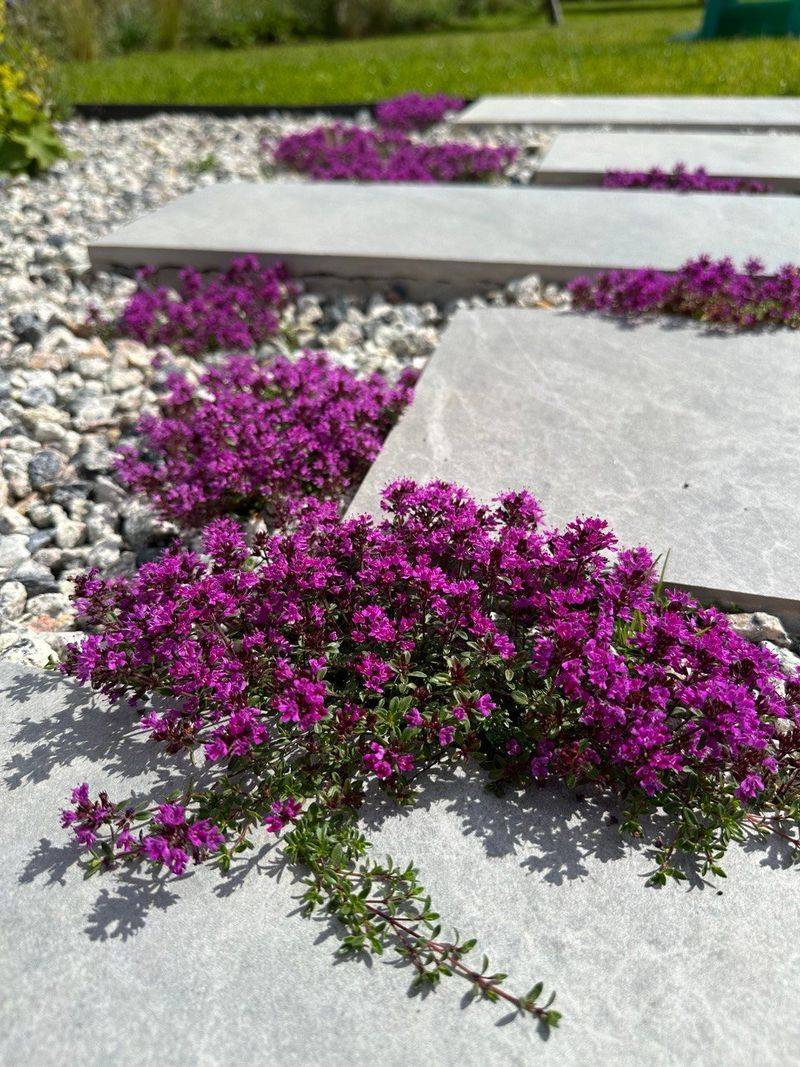
Pathways lined with creeping groundcovers can transform any garden. These salt-tolerant plants, such as creeping thyme, stonecrop (Sedum), and ice plant, provide both beauty and function. They are particularly effective along walkways and driveways, where salt runoff is common.
In addition to their visual appeal, these groundcovers help prevent erosion and improve soil stability. Their low-growing habit and vibrant colors create a lush, carpet-like effect, inviting exploration and admiration. With these plants, your garden paths become both practical and picturesque.
8. Plant a Pollinator-Friendly Salt Garden
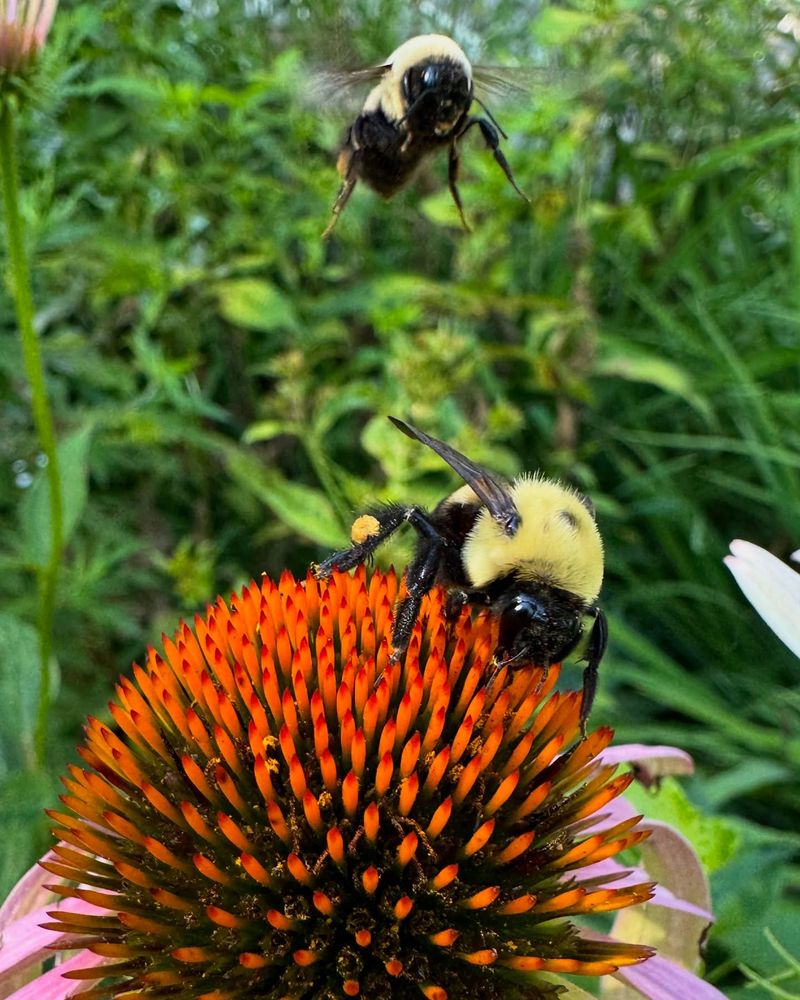
Imagine a garden buzzing with life, where every bloom supports a bee or butterfly. Salt-tolerant plants like echinacea, bee balm, and milkweed do more than survive—they thrive while supporting pollinators.
These gardens become havens of biodiversity, drawing bees, butterflies, and hummingbirds with their rich nectar sources. Beyond their ecological contributions, these plants add vibrant colors and textures. By planting a pollinator-friendly garden, you’re not just cultivating beauty—you’re nurturing a vital part of our ecosystem’s future.
9. Frame with Driftwood and Coastal Decor
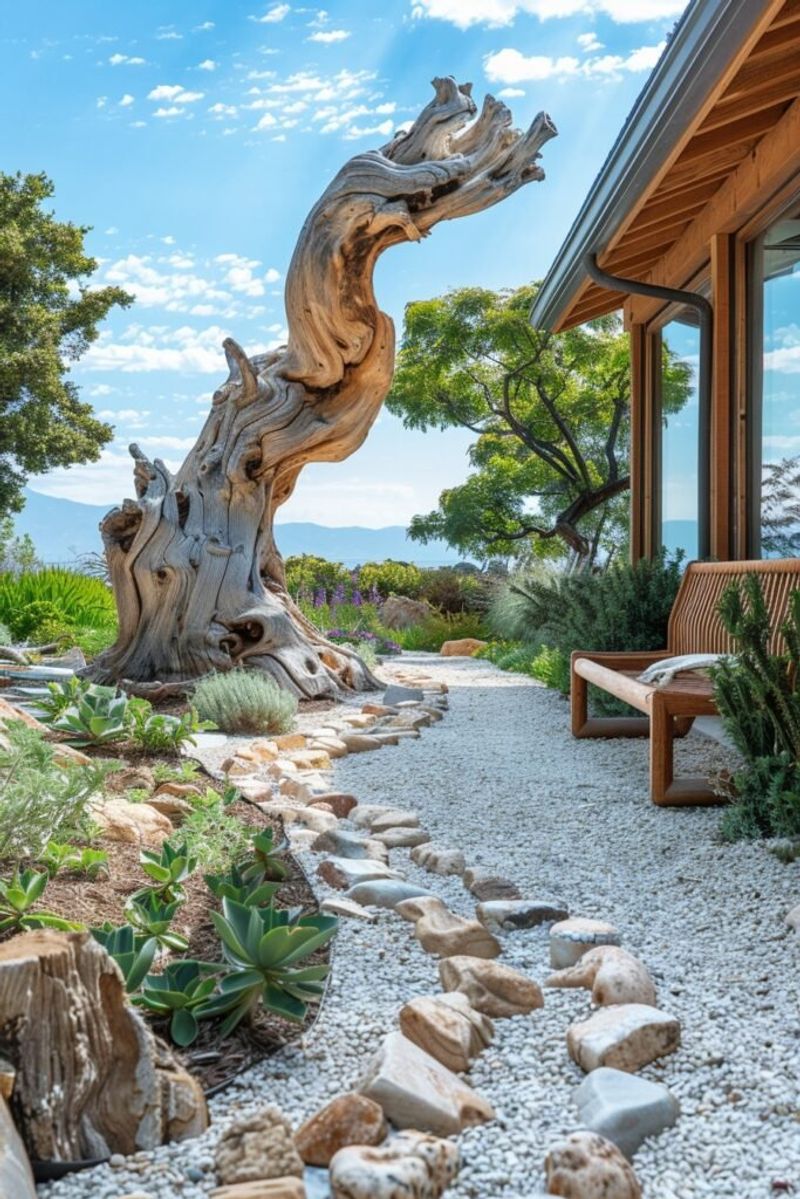
Driftwood, shell mulch, and weathered stones can create a coastal ambiance in any garden. These natural elements complement salt-tolerant plants, enhancing the seaside aesthetic.
Driftwood adds a rustic touch, while shell mulch provides a unique texture and helps retain moisture. Weathered stones act as natural sculptures, bringing a sense of permanence and tranquility. This approach allows you to craft a garden that not only thrives in salty conditions but also tells a story of the sea, echoing its timeless beauty.
10. Water Deeply and Less Frequently
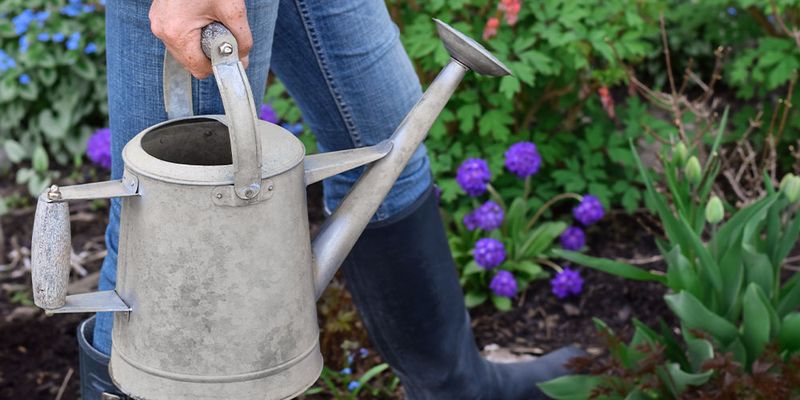
Did you know that watering practices can make or break a salt-tolerant garden? Deep, infrequent watering helps flush salts from the root zone, reducing stress on plants. This method encourages roots to grow deeper, accessing less affected soil layers.
Avoid chemical fertilizers, which can exacerbate salt issues. Instead, opt for compost or organic mulch to nourish your plants naturally. This approach not only supports plant health but also enhances soil structure and microbial activity, ensuring a thriving garden even in challenging conditions.