
Burning bush earns its spot in many North Carolina yards for one reason: that glowing red in autumn. But the shrub has a problem that shows up outside the garden fence.
Virginia sweetspire is a Carolina native that offers red-to-burgundy leaves, spring flowers, and food for wildlife. Here is what it can do, what it cannot promise, and how to decide if it fits your yard.
Burning bush’s red display comes with an invasive-spread concern
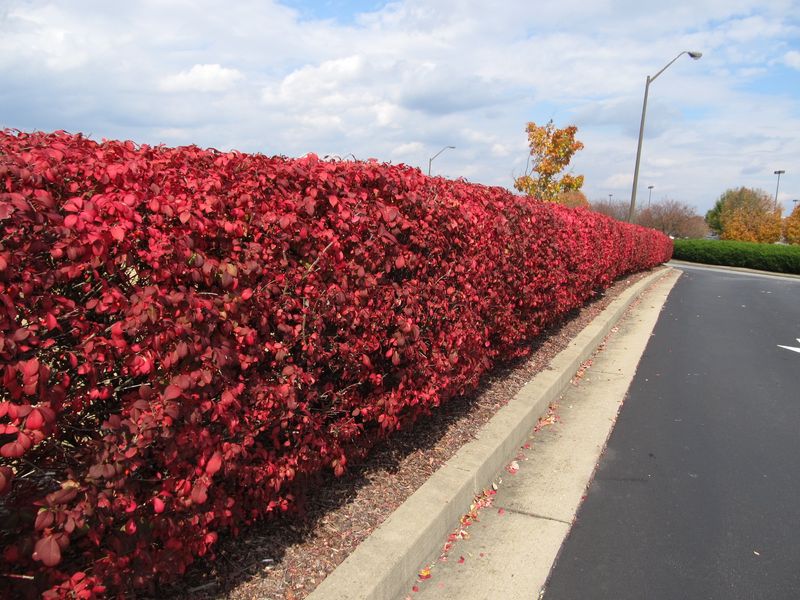
Few shrubs stop a passerby the way a burning bush does in October. The leaves turn a saturated red, the shape stays tidy, and it has been a nursery staple for decades.
Wanting that kind of color in the yard is completely reasonable.
The catch is what happens beyond the property line. NC State Extension’s burning bush plant profile identifies Euonymus alatus as invasive in North Carolina.
It is not native here, and it produces abundant seed.
Birds and deer eat the fruit, and that helps the seeds travel from landscaped beds into woodland edges, fence rows, and other open ground. Animals are not the only way a plant can move around, but they are a well-documented one for this shrub.
Once seedlings settle in, they can crowd out native plants that local wildlife depends on.
That does not mean a gardener with a mature burning bush has done something terrible. The statement is also a narrow one: NC State Extension calls it invasive in North Carolina, and nothing here suggests it is invasive in every state or banned by law.
Still, if you are replanting a bed or removing a worn-out hedge, this is a good moment to ask what could take its place.
The goal is a shrub that brings real seasonal interest without leaving seedlings in the neighboring woods. Virginia sweetspire is one candidate worth a close look, with some honest caveats.
Virginia sweetspire offers red fall color, not a guaranteed match
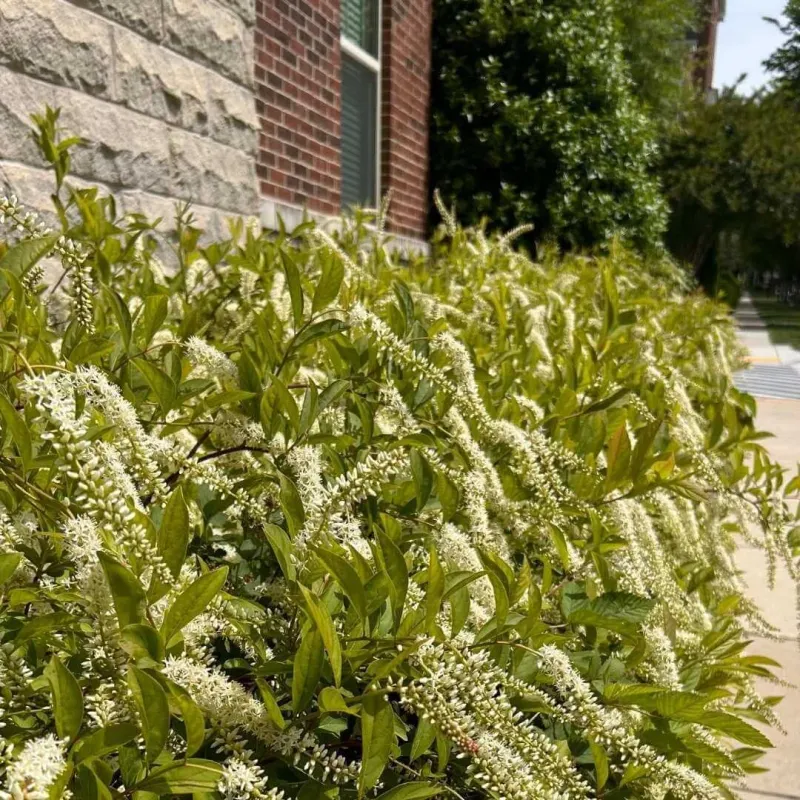
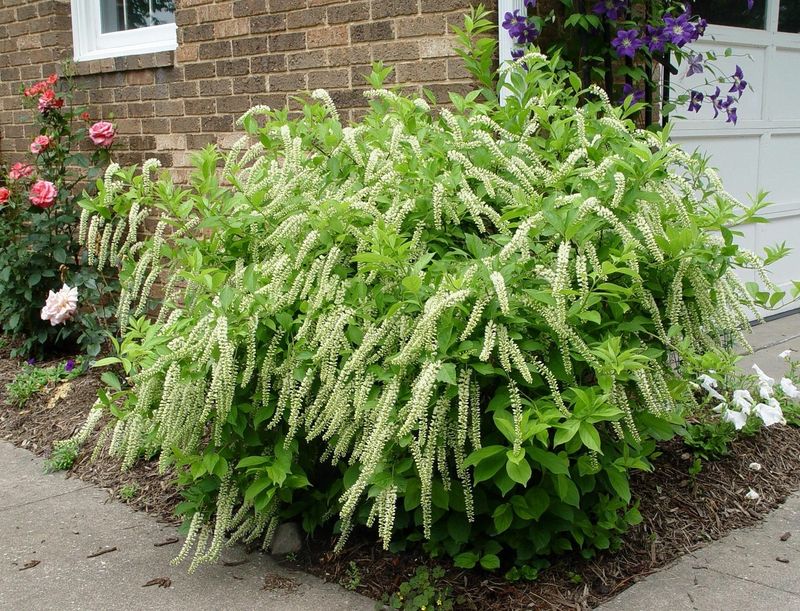
Virginia sweetspire (Itea virginica) grows wild across the Southeast, and NC State’s plant profile lists it as native to the Coastal Plain, Piedmont, and Mountain regions of North Carolina. In autumn its leaves can turn red to burgundy.
In spring it carries fragrant white flower clusters that pollinators visit, and songbirds eat its seeds.
The title of this article promises a shrub that turns brighter red every fall. That is more than the sources support.
Nothing documents sweetspire getting redder year after year, and there is no side-by-side evidence that it matches the intensity of burning bush, which has its own profile as a vivid red shrub.
What you can count on is a native plant with red-to-burgundy potential. Some years the color may be deep and rich, other years more muted or mixed with orange and green.
Sun makes a difference. NC State says full sun improves sweetspire’s fall color, while site conditions and weather also shape the result.
A plant in deep shade or a stressed, dry spot is unlikely to put on its best show.
Think of sweetspire as a shrub that earns its place across three seasons: flowers in spring, leafy green cover in summer, and a warm autumn finish. If you need one guaranteed blaze of red, set your expectations accordingly.
What NC State’s 2026 foliage guidance says about timing
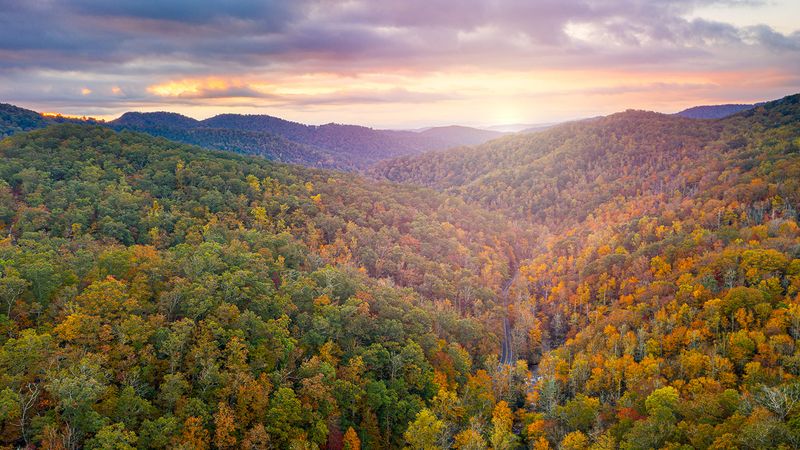
November is when many coastal gardeners finally see their yards change, so timing matters. For 2026, NC State Extension Forestry’s foliage guidance says color may begin in the upper mountains in late September and reach the coast in early to mid-November.
Those dates are NC State’s 2026 guidance for general foliage timing across North Carolina. They are not a recurring annual schedule, and they say nothing specific about when Virginia sweetspire will turn.
A shrub in your yard may follow its own pace based on sun, soil moisture, and local temperature.
The same guidance explains why color can shift. Heat, drought, and rainfall can delay the change, dull the colors, or shorten how long they last.
For 2026, NC State specifically warned that fall color could be patchy, muted, or shorter-lived because of that season’s heat and drought conditions.
That warning belongs to that year. It is not a forecast for later autumns, and it should not be read as a verdict on sweetspire.
A practical move is to watch your own yard. Note the week your shrubs begin to change and how long the color holds.
After a season or two of notes, you will know your local rhythm far better than any statewide date can tell you.
Full sun gives sweetspire its best chance at strong color
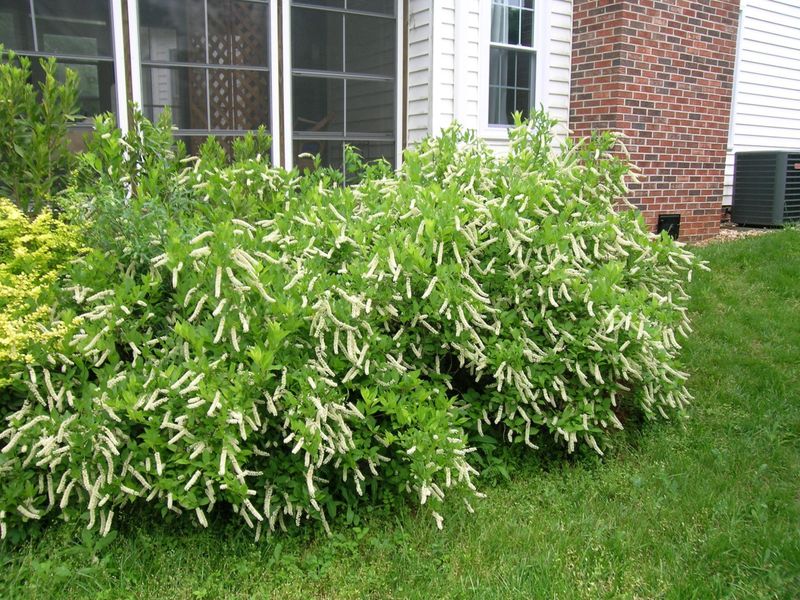
Where you plant sweetspire counts for a lot. According to NC State’s plant profile, the shrub tolerates a range of light and soil conditions, but full sun supports the best flowering and fall color.
A spot that gets most of the day’s light is the one to pick if color is the goal.
Soil preferences are fairly simple: moist, slightly acidic, and fertile. If your beds are heavy on clay and hold water, that may suit it.
If your soil is sandy and dries out fast, as it can in parts of the Coastal Plain, plan on mulch and regular watering while the shrub gets established.
Sweetspire also tolerates periodic flooding. That makes it a reasonable candidate for a low corner, a ditch edge, or a rain garden where water sits for a while after storms.
It is not a fix for every drainage problem, though, and a spot that stays soggy for long stretches deserves a closer look before you plant anything.
Before buying, spend a weekend observing the site. Check how many hours of sun it gets, push a finger into the soil a day after rain, and note where water collects.
A quick test saves money and disappointment. If the spot is shady and dry, consider whether another location, or another plant, makes more sense.
How much room should you leave for an arching shrub?
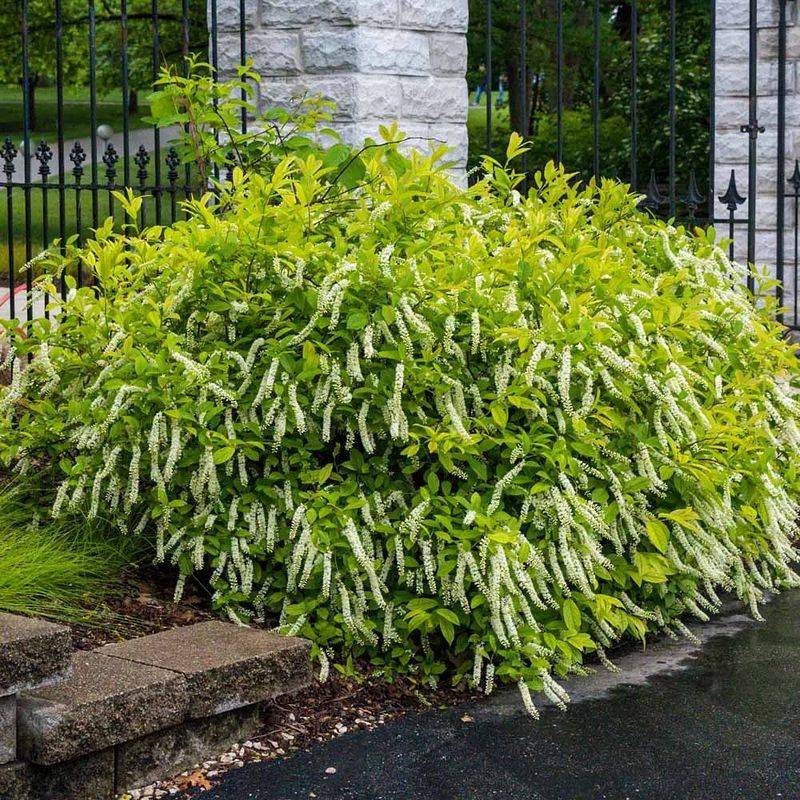
Plan for size first. NC State lists Virginia sweetspire at 4 to 8 feet tall and 3 to 6 feet wide at maturity.
That is a sizable range, so check the label on the specific plant you buy.
The form is arching, with branches that curve outward and downward. Burning bush, by comparison, has a more mounded shape, as described in its NC State profile.
A sweetspire will look looser and softer, so it will not slot into every spot where a tight burning bush once sat.
Sweetspire also spreads by root suckers and can form colonies, as noted in the NC State sweetspire profile. In a garden, that means new stems may pop up near the parent plant.
You can leave them to fill in a larger planting, dig them out, or give the shrub enough space that a few extras are no trouble.
This is a garden-spread issue, a different matter from burning bush’s invasive status. Suckers stay close to the parent plant, while burning bush seed is carried off by wildlife into natural areas.
Good spots include a back border, a bank, or a wide bed with room to roam. Tight foundation strips or narrow side yards may be a poor fit.
If you want a single tidy mound, sweetspire may not be the plant.
Red chokeberry is another option when red foliage comes first
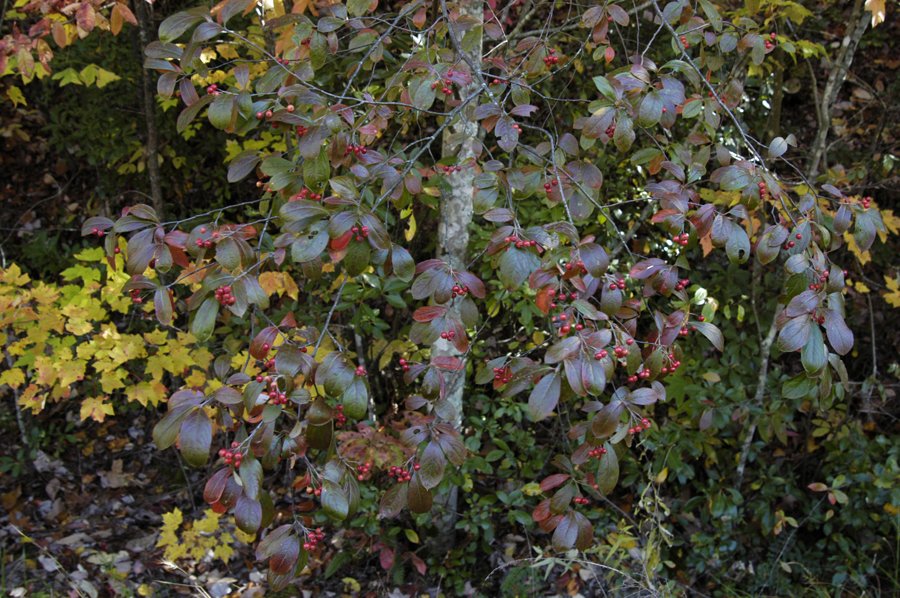
If red foliage matters more to you than flowers or form, red chokeberry (Aronia arbutifolia) is worth a look. NC State’s plant profile describes the fall leaves as orange-red to purple and notes bright-red fruit.
It is a North Carolina native, so it fits the same native-over-invasive goal.
It comes with a familiar catch. Red chokeberry also suckers and may spread into colonies, so it needs the same kind of room that sweetspire does.
Plan on thinning shoots now and then if you want to keep it in bounds.
No source here shows that it will out-color sweetspire or burning bush, and it will not prevent spread in any way. Color depends on sun, season, and weather for this shrub, as for the others.
Treat chokeberry as a decision note rather than a replacement for everything above. It makes sense if you like the idea of berries for visual interest and have a spot that can handle a spreading clump.
Sweetspire may suit you better if you prefer arching branches and spring flowers.
Choose sweetspire for the whole yard, not one guaranteed red moment
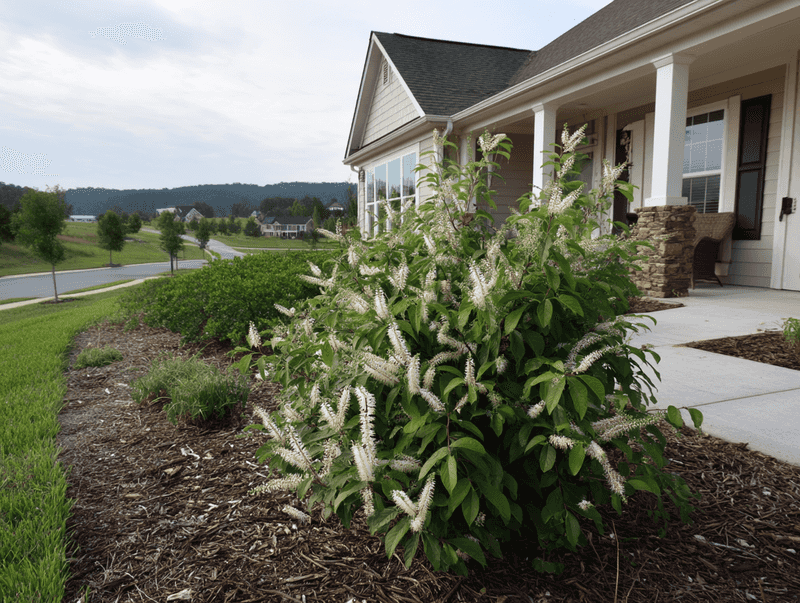
Sweetspire makes the most sense if your yard has sun, moist soil, and a few feet to spare, and if you enjoy spring flowers and the documented pollinator and songbird uses along with autumn color. It is a native alternative, not a copy of burning bush’s color and not a plant without spread.
Keep the 2026 regional foliage guidance in perspective too. It is not a typical annual schedule or a sweetspire forecast.
Plant it for the long season, and let November be a bonus.