 Complete Gardening
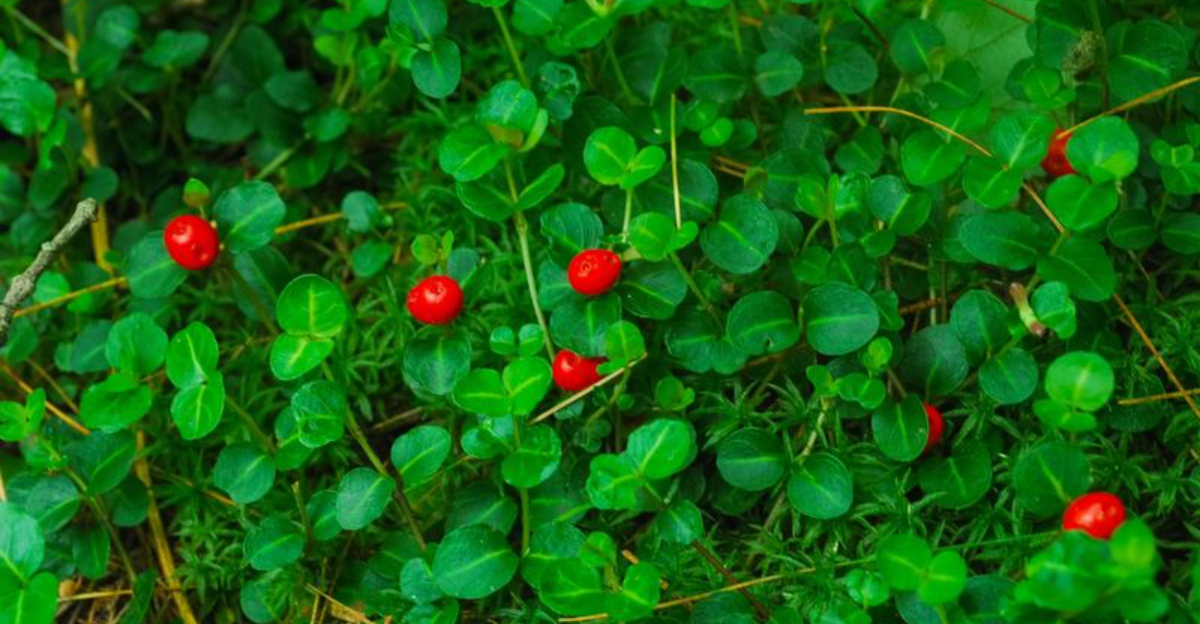
In the quest for responsible gardening, native groundcovers present an alluring alternative to traditional choices like Ajuga.
Not only do these indigenous plants thrive without excessive maintenance, but they also support local ecosystems.
Here are eight spectacular native groundcovers that promise both beauty and environmental benefits.
1. Wild Ginger (Asarum canadense)
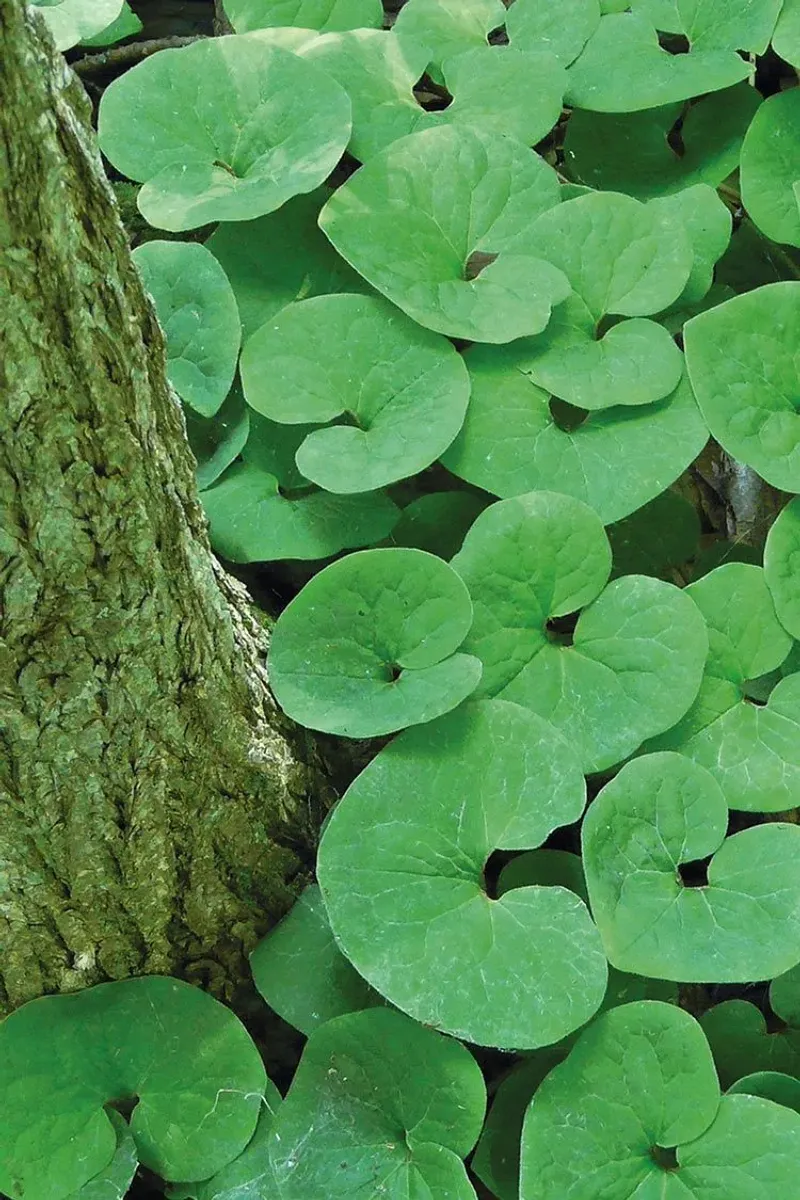
Wild Ginger whispers tales of enchanting forests with its heart-shaped leaves that form a dense, alluring mat. Thriving in the cool embrace of shade, this native plant naturally suppresses weeds, making it a gardener’s dream. Imagine a woodland garden, alive with the subtle charm of Wild Ginger.
One might ask: what makes this plant special? Its leaves not only appeal to the eyes but also offer a haven for small wildlife. As a bonus, Wild Ginger’s roots have a rich history in herbal traditions, valued for their aromatic qualities. A true gem of the shade garden.
2. Creeping Phlox (Phlox subulata)
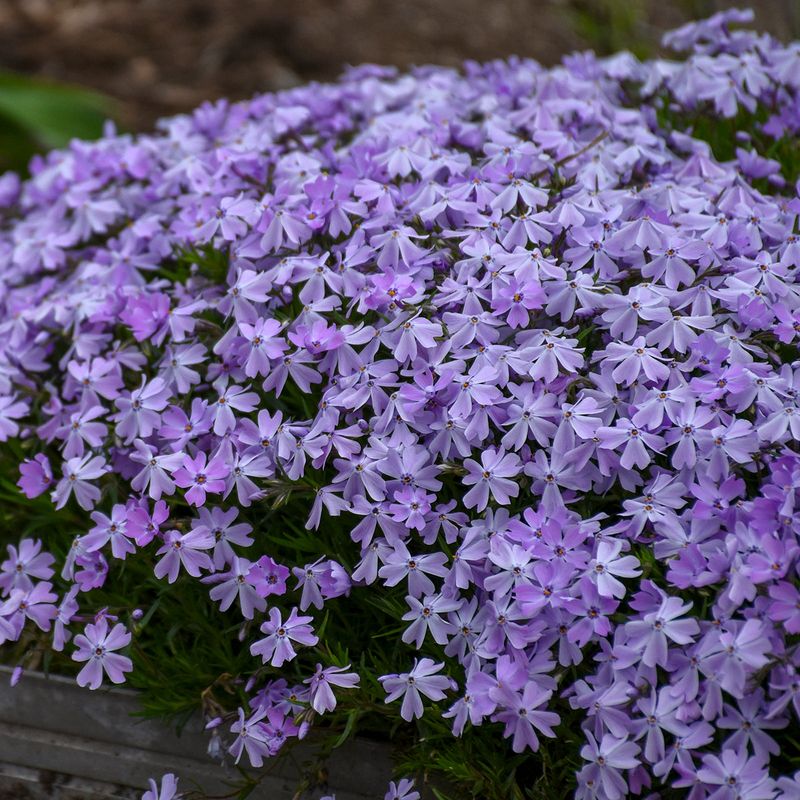
Have you ever seen a hillside come alive with color? Creeping Phlox transforms ordinary slopes into vibrant tapestries every spring. This sun-loving groundcover is a visual delight, offering hues of pink, purple, and white. It’s perfect for rock gardens or as a border along paths.
But there’s more to this beauty than its colors. Creeping Phlox is not only stunning but also hardy, enduring the elements with grace. Its low-growing nature makes it an excellent choice for erosion control. Truly, it’s a gardener’s ally in both form and function.
3. Golden Groundsel (Packera aurea)
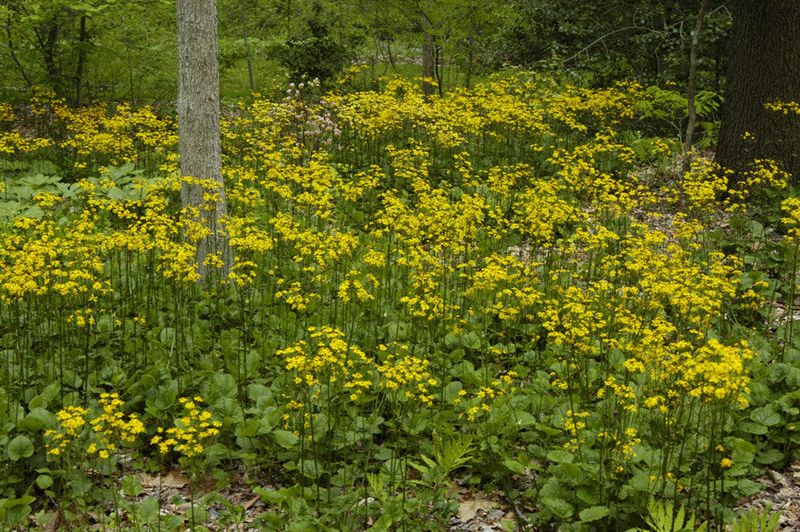
Golden Groundsel stands out with a dazzle of bright yellow blooms that can light up any garden corner. Picture this: evergreen rosettes providing year-round interest, while spring showers unveil clusters of golden flowers.
Why consider Golden Groundsel? Beyond its beauty, it provides excellent erosion control and thrives in shady conditions. It’s the plant that keeps on giving, from its winter foliage to its springtime spectacle.
For those interested in sustainable landscaping, Golden Groundsel is a wise choice, offering both ecological benefits and aesthetic appeal.
4. Green-and-Gold (Chrysogonum virginianum)
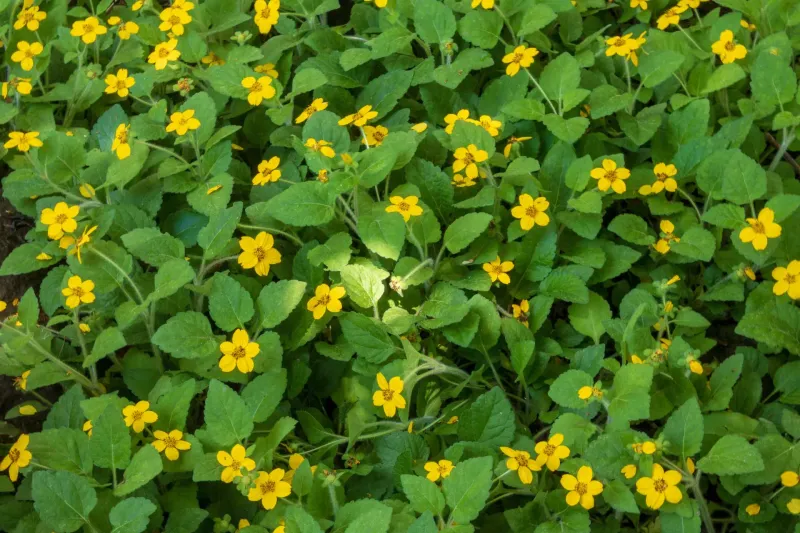
Step into a world where the understory blooms bright. Green-and-Gold carpets the forest floor with its charming yellow flowers. These low-growing plants thrive in the dappled light beneath towering trees, offering a splash of color where it’s least expected.
What sets Green-and-Gold apart? Its adaptability. Whether in part shade or full darkness, it manages to shine, softening the landscape with its gentle presence. For naturalizing under trees or filling shady nooks, this plant is an exceptional choice.
Green-and-Gold is a testament to nature’s subtle artistry.
5. Pennsylvania Sedge (Carex pensylvanica)
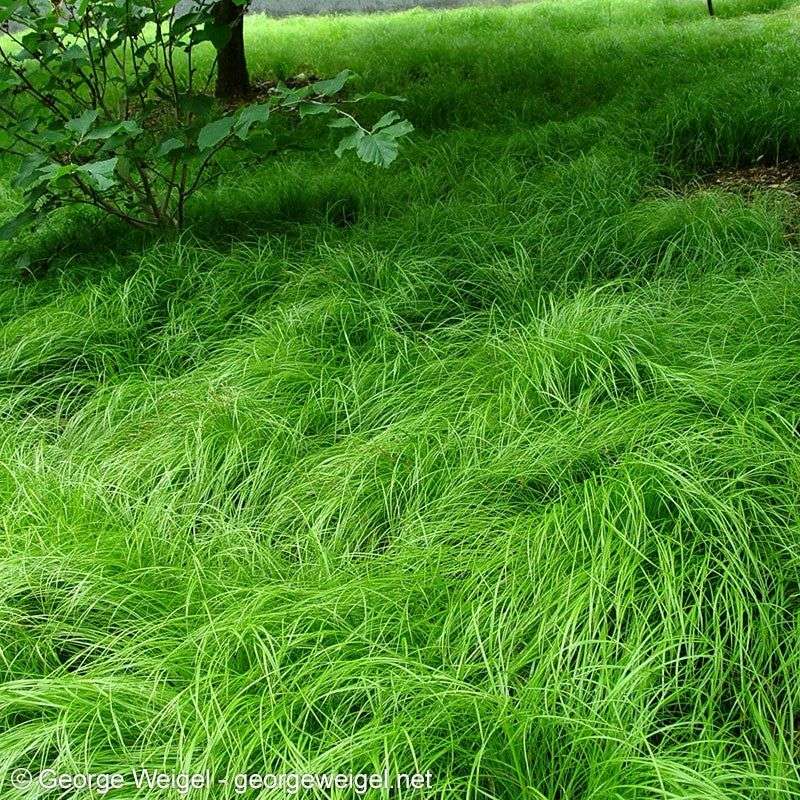
Imagine a meadow where grass-like blades sway softly, whispering tales of serene landscapes. Pennsylvania Sedge offers just that, with its fine texture resembling a traditional lawn. Ideal for shade gardens, it spreads gently, creating a lush, green carpet.
What makes Pennsylvania Sedge a standout? Its ability to mimic a lawn without the maintenance. It grows well in dry shade, making it a practical choice for difficult sites. This native sedge provides a natural elegance, effortlessly enhancing any garden setting with its understated beauty.
6. Blue-Eyed Grass (Sisyrinchium angustifolium)
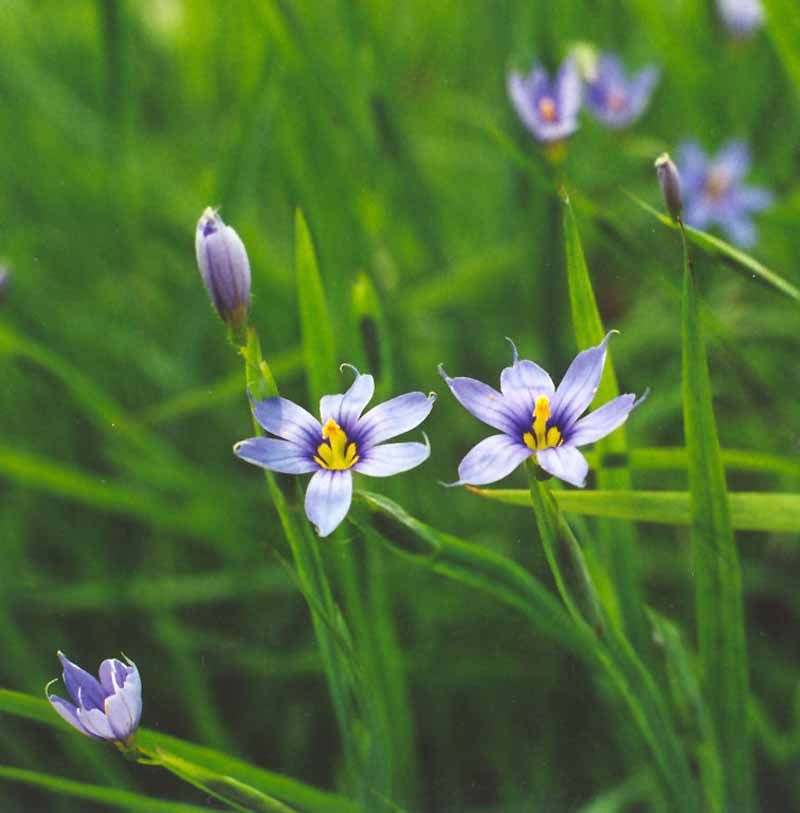
Not all grasses are created equal, and Blue-Eyed Grass proves just that. Although not a true grass, this iris family member showcases delicate star-shaped blue flowers that dance atop slender leaves.
Why choose Blue-Eyed Grass? It’s the perfect blend of beauty and resilience. Thriving in full sun to part shade, it’s a versatile addition to any garden. Its charm lies in its simplicity, offering elegance without fuss.
A beloved native, Blue-Eyed Grass captivates with its vibrant blooms, proving that great things often come in small packages.
7. Frogfruit (Phyla nodiflora)
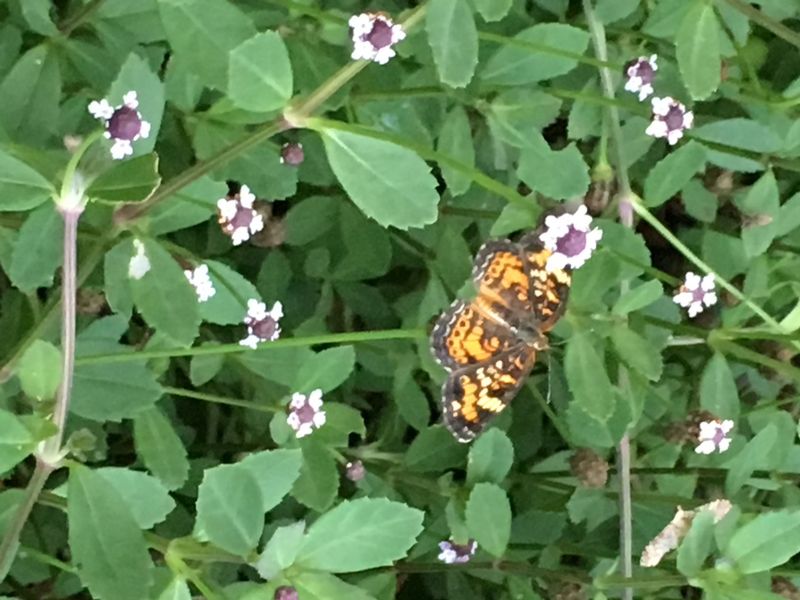
Frogfruit may sound quirky, but it’s a powerhouse in groundcover. This tenacious plant spreads its small purple flowers across gardens, enticing pollinators with its charm. Picture a vibrant path or sunny spot alive with buzzing bees and fluttering butterflies.
What makes Frogfruit exceptional? Its tolerance to foot traffic and ability to thrive in less-than-ideal conditions. Ideal for sunny gardens, it’s a practical choice for those seeking both beauty and functionality.
This groundcover is a testament to resilience, ensuring your garden remains lively and inviting.
8. Partridgeberry (Mitchella repens)
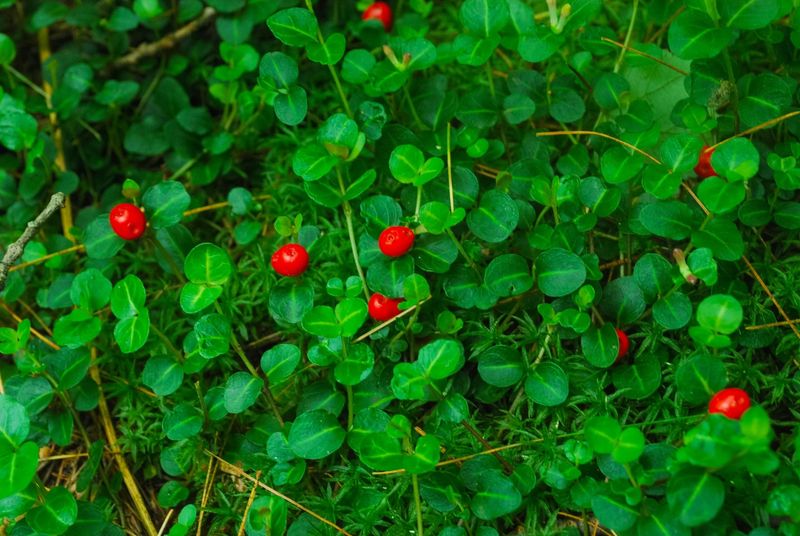
In the cool embrace of the forest, Partridgeberry weaves its delicate charm. With trailing stems, white flowers, and bright red berries, it offers an understated elegance to shady gardens.
Why is Partridgeberry special? Its evergreen nature ensures beauty year-round. This groundcover thrives in full shade, making it perfect for woodland settings.
Partridgeberry is not only visually appealing but also a nod to nature’s delicate balance, providing habitat and sustenance to small creatures. A truly versatile and enchanting addition to any shady retreat.