 Complete Gardening
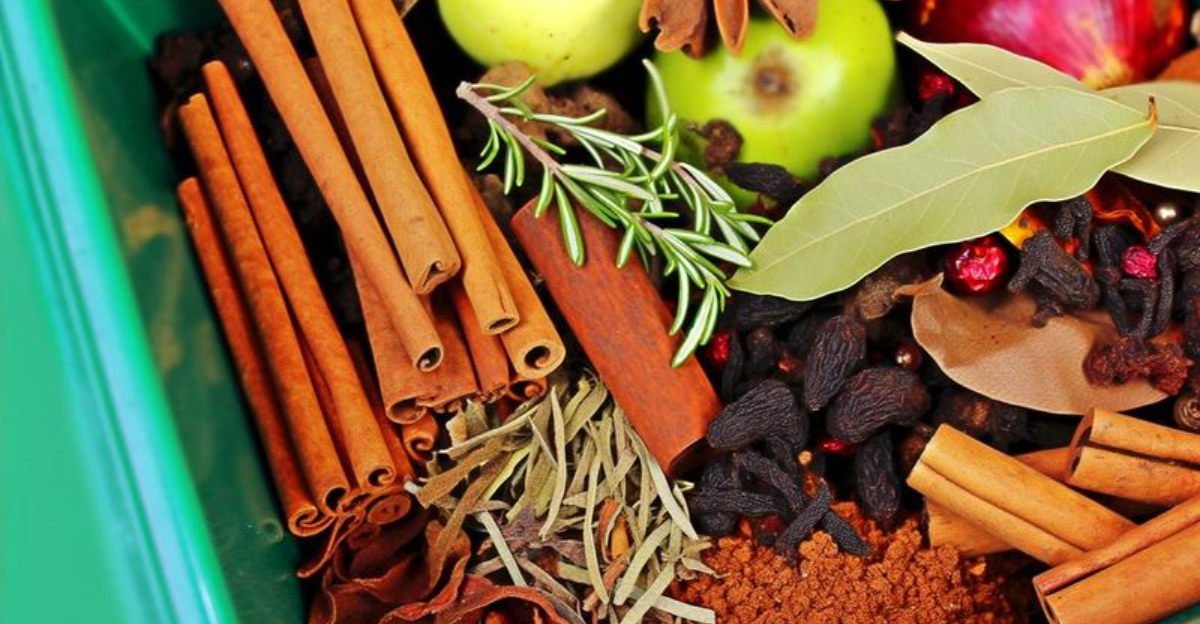
Composting is a fantastic way to reduce waste and enrich your garden, but not all items are compost-worthy. While some materials can attract pests or create unpleasant odors, others might surprisingly enhance your compost pile. Here’s a guide to help you skip the common compost pitfalls and discover some unusual additions that can make your compost richer and more effective.
1. Meat & Fish Scraps
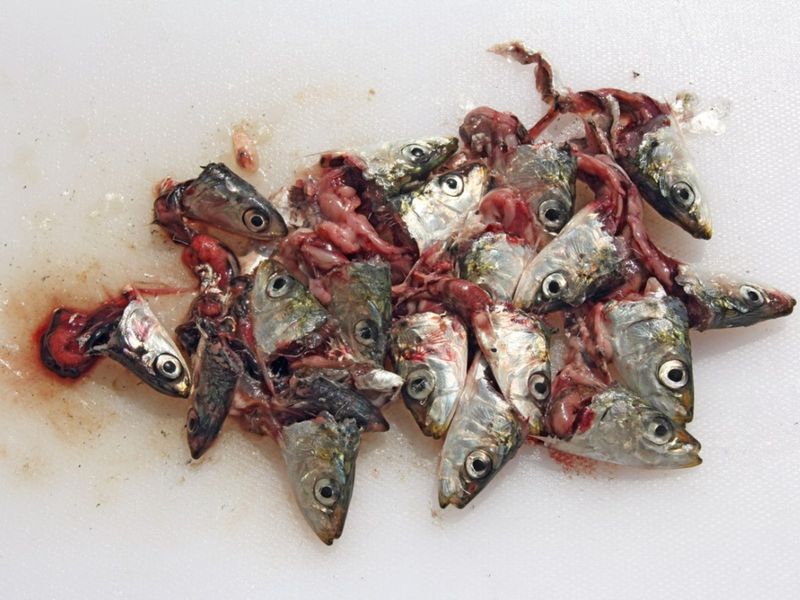
Meat and fish scraps are notorious for attracting unwanted guests like rodents and flies. Their decomposition process can also create unpleasant odors that might disturb your peaceful garden atmosphere. Instead of adding these problematic items, consider using crushed eggshells. They are an excellent source of calcium, which can benefit your compost’s quality. By avoiding meat and fish, you ensure a cleaner, odor-free composting experience that welcomes beneficial insects rather than pests.
2. Dairy Products
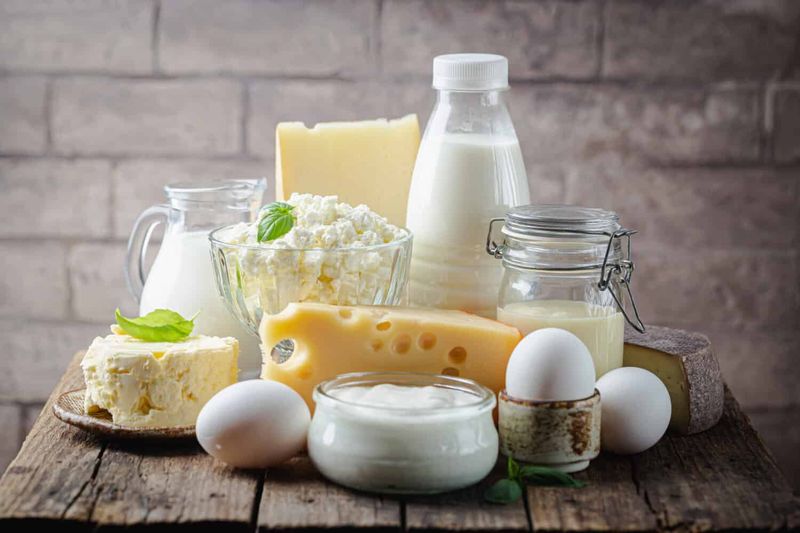
Dairy products can be a real headache in the compost pile. Their tendency to produce rancid smells and attract pests makes them a poor choice for composting. A better alternative is stale cereal or bread, used in moderation. These items can break down easily and add valuable nutrients to the soil. By steering clear of dairy, you maintain a balanced compost environment free from foul odors and unwanted visitors, ensuring your garden remains a pleasant and productive space.
3. Citrus Peels (In Excess)

While citrus peels add a fresh scent to compost, using them excessively can be counterproductive. Their high acidity can slow down the decomposition process. Instead, opt for banana peels, which are rich in potassium and break down more readily. By moderating citrus peel usage, you prevent the compost from becoming too acidic and maintain an optimal decomposition pace. Bananas not only enrich the compost with essential nutrients but also promote a healthier balance in the pile.
4. Glossy or Coated Paper
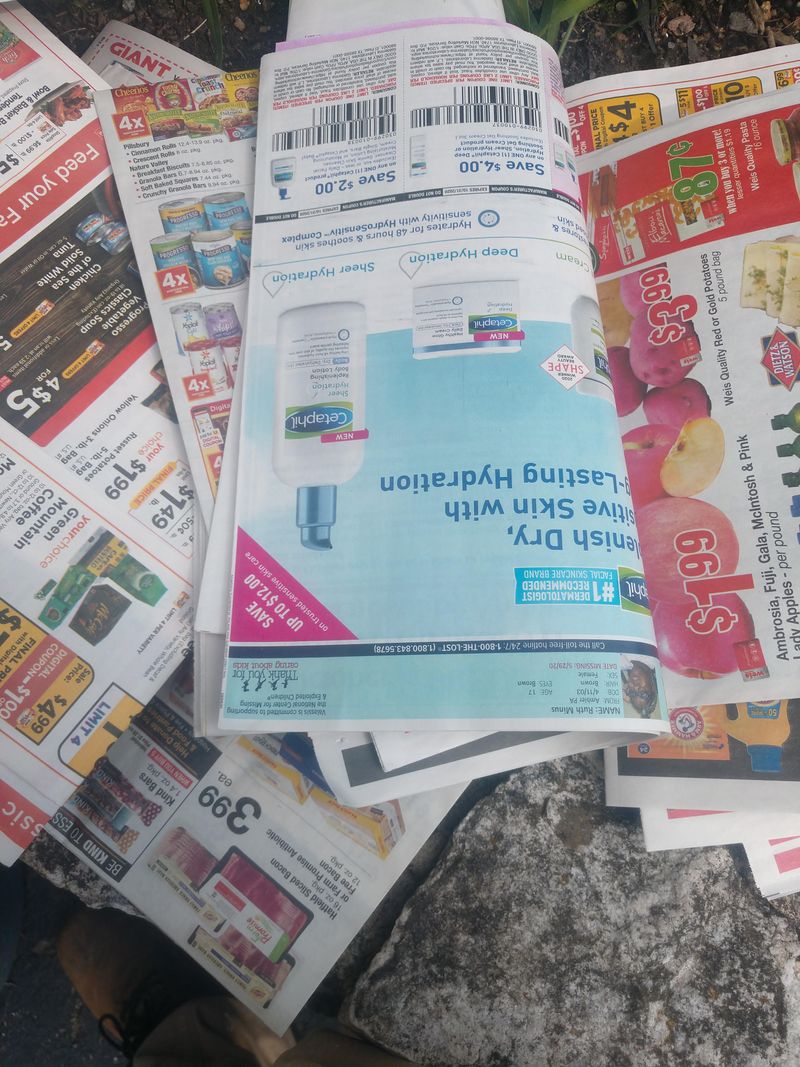
Glossy and coated papers can seem like a quick fix for adding to your compost, but they come with hidden chemicals that resist breaking down. These chemicals can leach into the compost, potentially harming the plants you wish to nurture. Instead, choose unbleached coffee filters or parchment paper. These materials break down cleanly without leaving chemical residues. Ensuring your compost is free from such contaminants will lead to a healthier garden environment.
5. Pet Waste (Dogs & Cats)

Pet waste from dogs and cats might seem like an organic addition to compost, but it’s laden with parasites and harmful bacteria that can jeopardize your garden’s health. Instead, consider using rabbit or guinea pig droppings, which are safer and rich in nitrogen. These smaller pets’ waste decomposes cleanly and can provide valuable nutrients without the risks associated with traditional pet waste. This choice ensures your compost remains a safe haven for your plants.
6. Cooking Oils & Grease
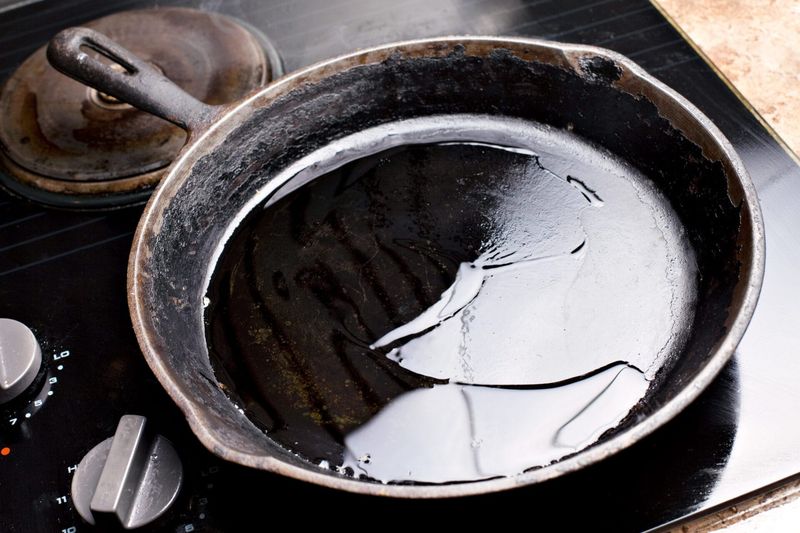
Cooking oils and grease are best kept out of your compost. Their presence creates a slimy mess that hinders the composting process, slowing decomposition. Instead, use unbleached paper towels to absorb and add them to the pile. These towels break down naturally and add carbon to the mix, balancing the nitrogen. Keeping oils and grease at bay ensures a more efficient composting system, allowing organic matter to break down seamlessly and enrich your garden with less hassle.
7. Diseased Plants
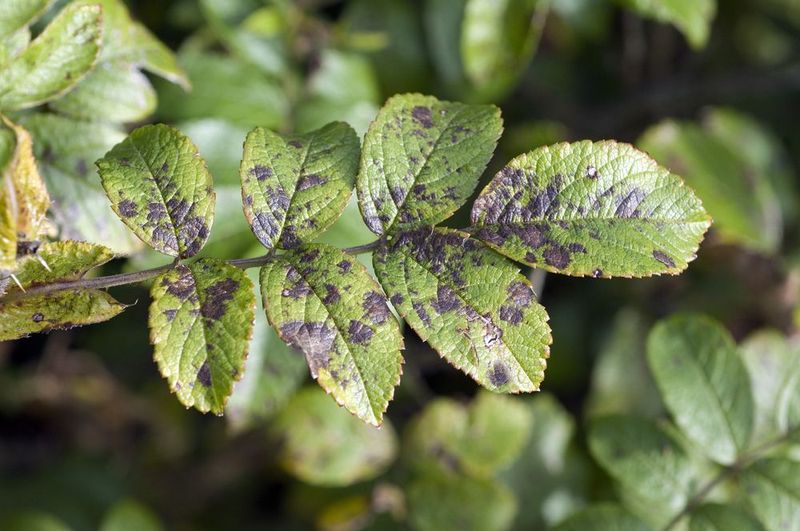
Adding diseased plants to compost might seem convenient, but it risks spreading pathogens throughout your garden. To avoid this, consider composting healthy weeds before they seed. These weeds can add organic matter without the threat of disease. By carefully selecting what you add to your compost, you protect your garden’s health and ensure that your compost pile remains a source of nourishment rather than a breeding ground for disease.
1. Hair & Pet Fur
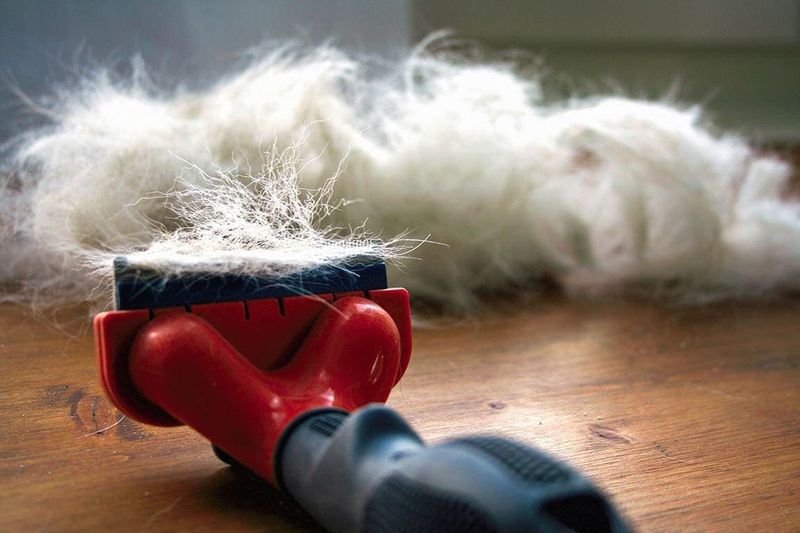
Hair and pet fur can be surprising yet valuable additions to your compost. They are high in nitrogen, aiding in decomposition, but ensure the hair is not chemically treated. As they break down, they contribute essential nutrients to your compost, enriching the soil. Adding hair and fur helps create a diverse compost mix, promoting a balanced decomposition process. This unexpected add-in proves that even the simplest materials can make a big difference.
2. Wine Corks

Wine corks, particularly those made from natural cork, are a surprising yet sustainable addition to compost. Over time, they break down naturally, contributing to the compost’s texture and richness. Before adding them, ensure they’re not synthetic. The slow decomposition of wine corks adds a unique element to your compost, promoting aeration and organic matter integration. This eco-friendly choice reflects a thoughtful approach to composting, where even the smallest items play a significant role.
3. Dryer Lint (From Natural Fibers)
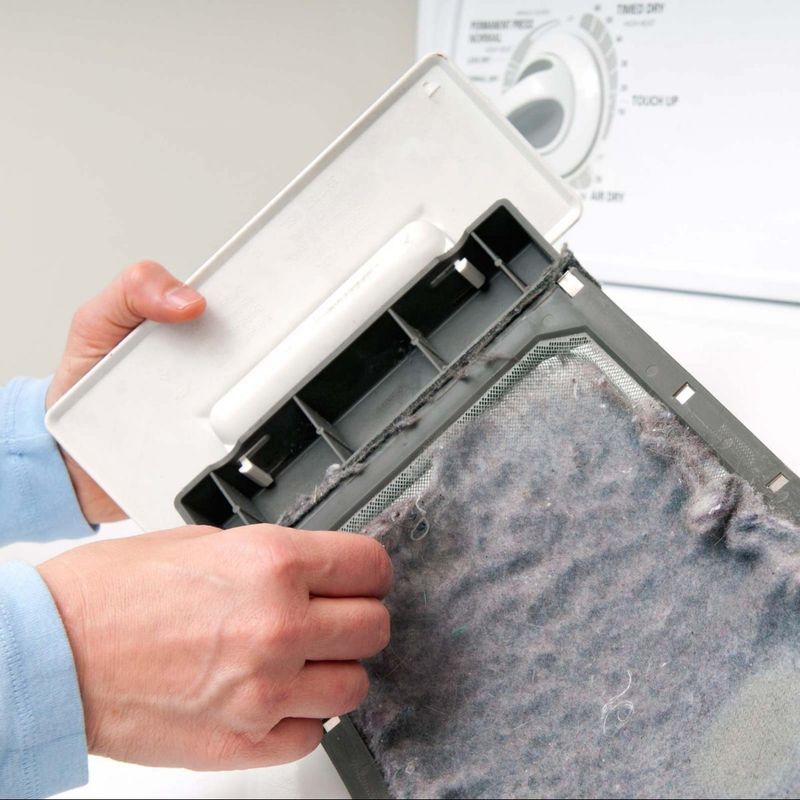
Dryer lint might not pop into mind when thinking about composting, yet it can make a great addition, provided it’s from natural fibers like cotton or wool. These materials decompose effectively, adding fiber and texture to the compost. Avoid lint from synthetic fibers, as they don’t break down and could introduce microplastics. By incorporating dryer lint, you enrich your compost pile with additional carbon, supporting a balanced and efficient decomposition process.
4. Nail Clippings
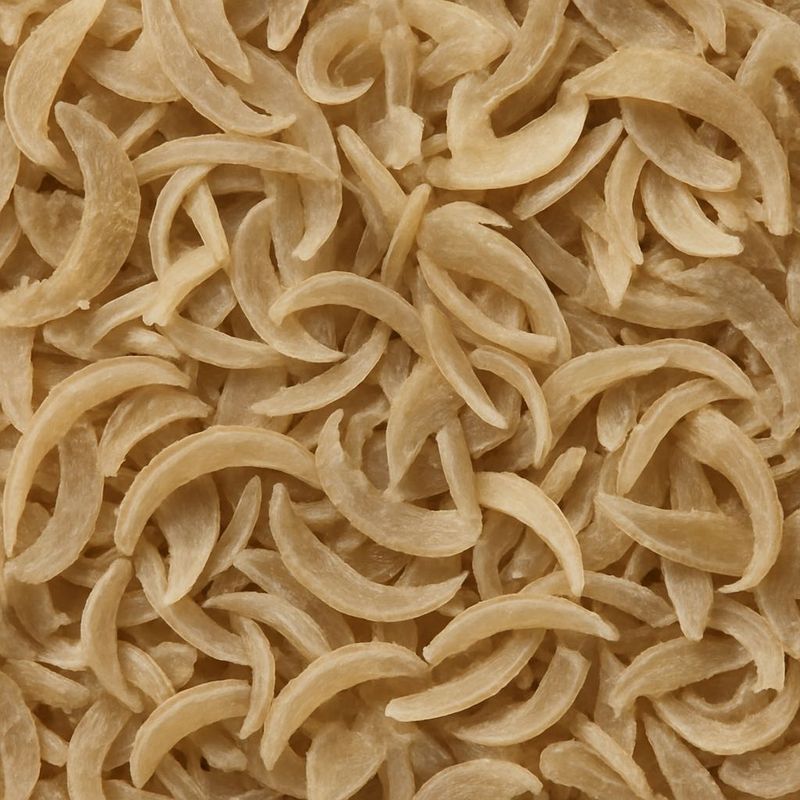
Clean nail clippings, rich in keratin, can be an unusual yet beneficial addition to compost. Ensure they’re free from artificial treatments. Over time, they break down, slowly releasing nutrients into the soil. Adding nail clippings diversifies the material in your compost, encouraging biological activity and enhancing nutrient content. These tiny additions play a subtle yet significant role in improving the quality of your compost, proving that waste can indeed be a valuable resource.
5. Old Spices
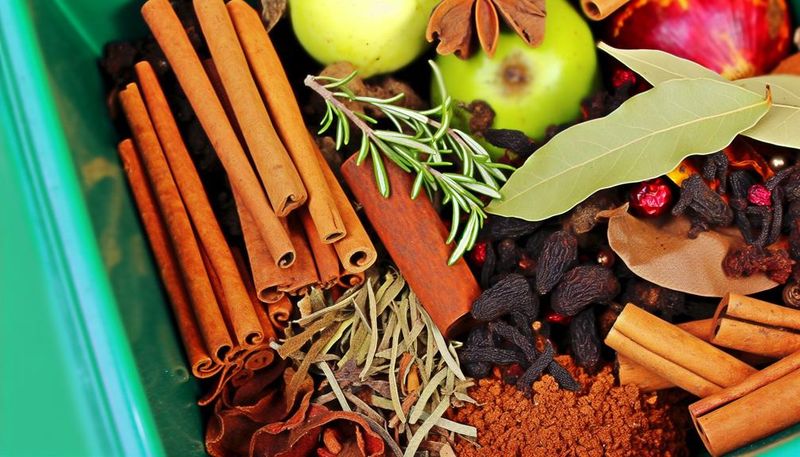
Old spices, often forgotten at the back of the pantry, can breathe new life into your compost. As they break down, these expired herbs and spices release nutrients that benefit the soil. They add both fragrance and a touch of intrigue to the composting process. By repurposing these culinary leftovers, you not only reduce waste but also enrich your compost with a diverse range of nutrients, supporting a healthy and productive garden.
6. Cardboard Toilet Paper Rolls
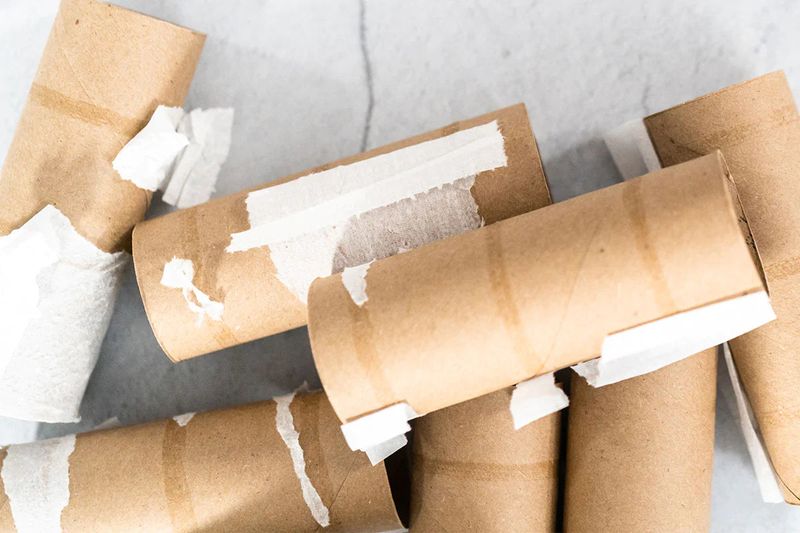
Cardboard toilet paper rolls might seem mundane, but they are a valuable source of carbon-rich “brown” material for compost. Shredding them enhances their decomposition, allowing them to integrate seamlessly into the pile. By adding these rolls, you balance the carbon-to-nitrogen ratio, essential for healthy composting. This simple item transforms into a resourceful component in your compost, proving that even everyday materials can play a crucial role in sustainable gardening.
7. Used Tea Bags (Non-Plastic)
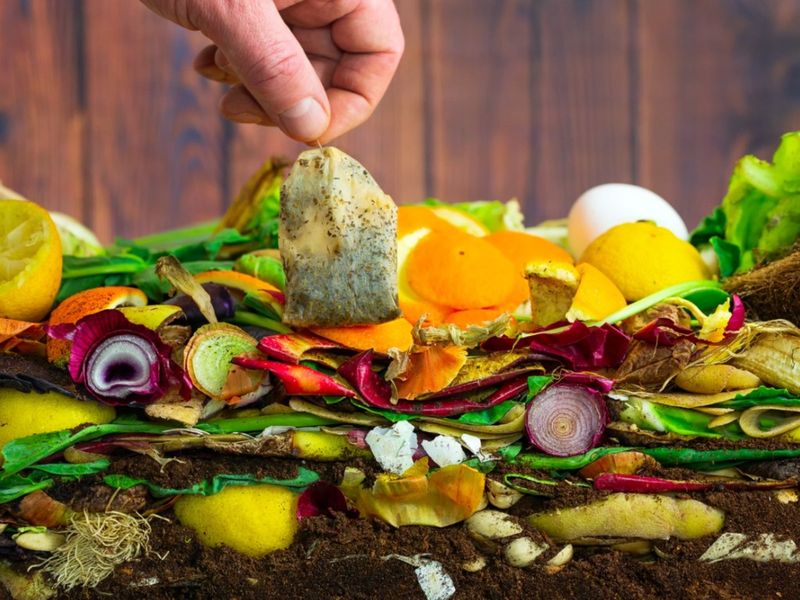
Used tea bags, provided they are free from plastic, make an excellent compost addition. They add nitrogen and break down naturally, enriching the compost. Remove any staples or tags before composting. These tea bags not only enhance the nutrient profile of your compost but also contribute to a smoother decomposition process. This practice reflects a mindful approach to waste, turning a daily beverage ritual into a composting advantage, enriching your garden with minimal effort.
8. Paper Towel & Napkins (Unbleached)
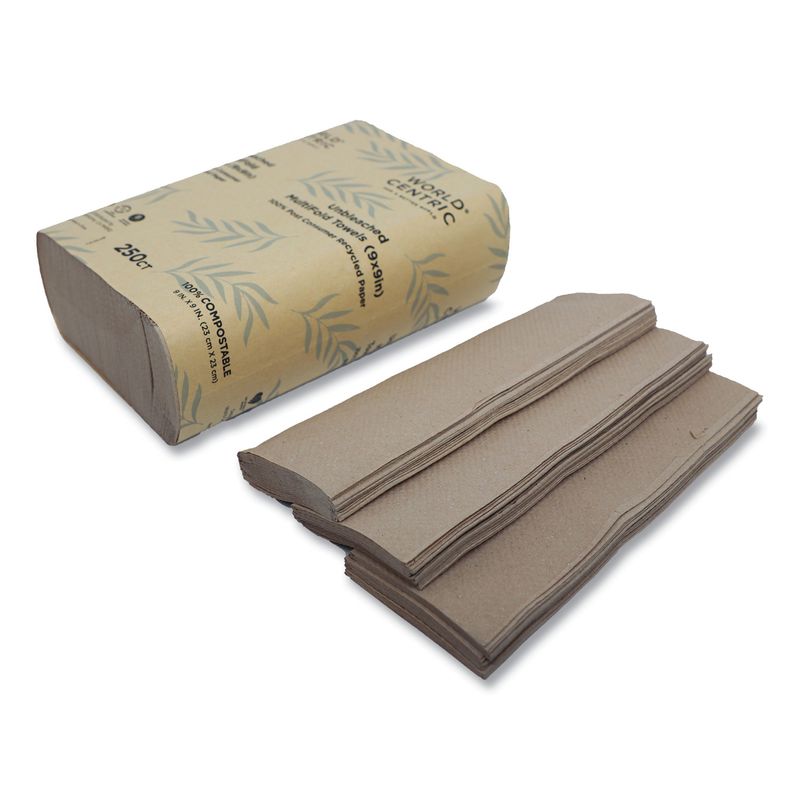
Unbleached paper towels and napkins are not just for cleaning up spills; they can also enhance your compost by absorbing excess moisture. Breaking down easily, they add carbon to the mix, balancing out nitrogen-rich materials. By choosing unbleached options, you avoid introducing harmful chemicals into your compost. This simple switch can make a significant difference in the quality of your compost, promoting a more efficient and eco-friendly decomposition process.
9. Stale Beer
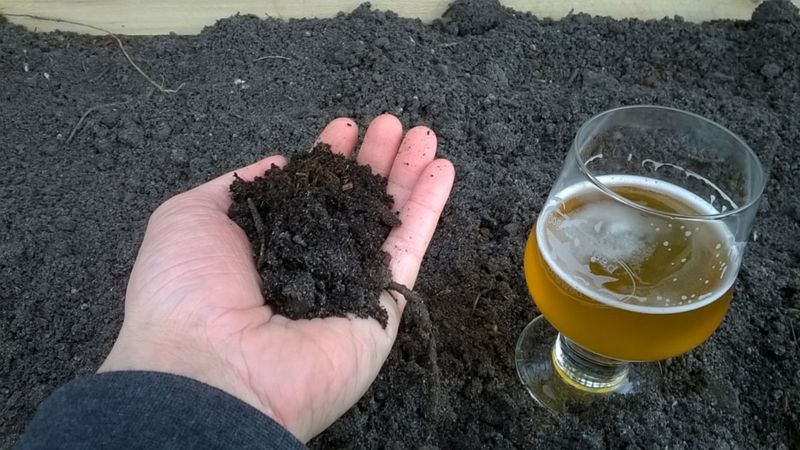
Stale beer might sound like an odd compost addition, yet its yeast content can speed up decomposition. Pouring it into the compost pile introduces beneficial microorganisms, enhancing the breakdown of organic matter. This quirky addition not only helps recycle leftover beverages but also supports a healthier compost ecosystem. Embracing such unusual items in composting reflects a creative approach to sustainability, where even a forgotten bottle of beer becomes an asset.
10. 100% Cotton Clothing (Shredded)
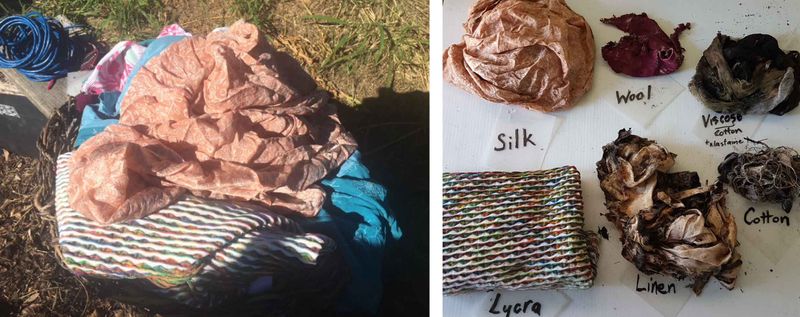
Shredded 100% cotton clothing can find new life in compost. As natural fibers, they break down over time, contributing to the compost’s bulk and texture. Ensure clothing is free from synthetic blends or treatments before composting. By incorporating shredded cotton, you add valuable carbon to the pile, balancing it with nitrogen-rich materials. This sustainable practice showcases how everyday items can contribute to a greener, more resourceful lifestyle, turning old garments into garden gold.
11. Paper Egg Cartons

Paper egg cartons are more than just a vessel for eggs; they can enrich compost with carbon when torn up. Their fibrous structure breaks down easily, contributing to the compost’s texture. By adding paper egg cartons, you balance the carbon-to-nitrogen ratio, which is essential for efficient composting. This simple act turns waste into a valuable component of your garden’s ecosystem, illustrating how even the humblest materials have a role to play in sustainability.
12. Pencil Shavings (Untreated Wood)
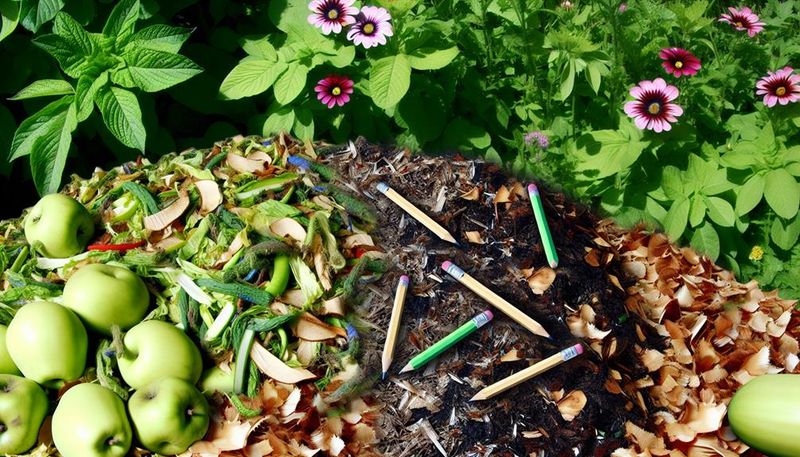
Pencil shavings, especially from untreated wood, are a delightful addition to compost. They contribute carbon and break down slowly, enriching the compost over time. Avoid shavings from colored pencils, which may contain synthetic dyes. By adding untreated wood shavings, you enhance the diversity and resilience of your compost pile. This practice showcases how creativity in composting can transform simple waste into a valuable garden resource, supporting a thriving ecosystem.
13. Dead Houseplants (Non-Diseased)
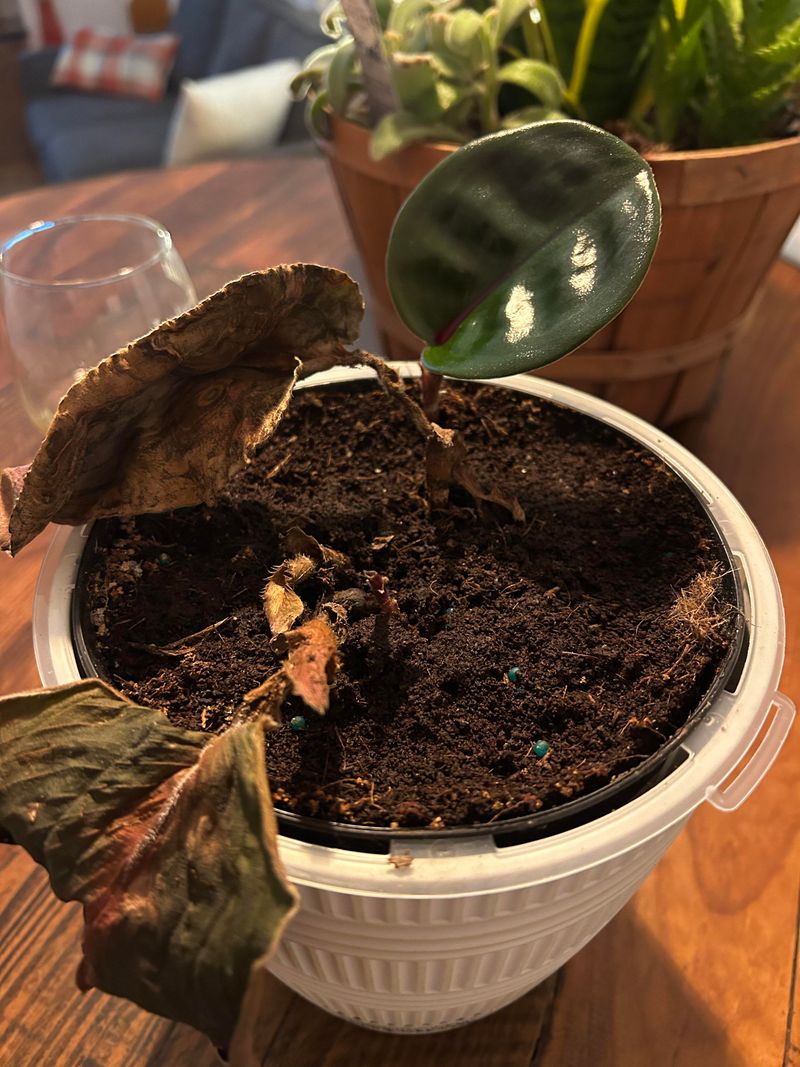
Non-diseased dead houseplants may have outlived their indoor charm, but they can still benefit your compost. By breaking down, they add organic matter and nutrients to the pile. Removing any plastic pots or synthetic materials is crucial before composting. This adds both volume and fertility to your compost, turning plant remains into a source of nourishment. Embracing such additions highlights the cycle of life within composting, where even the end of one plant’s journey fuels new growth.