
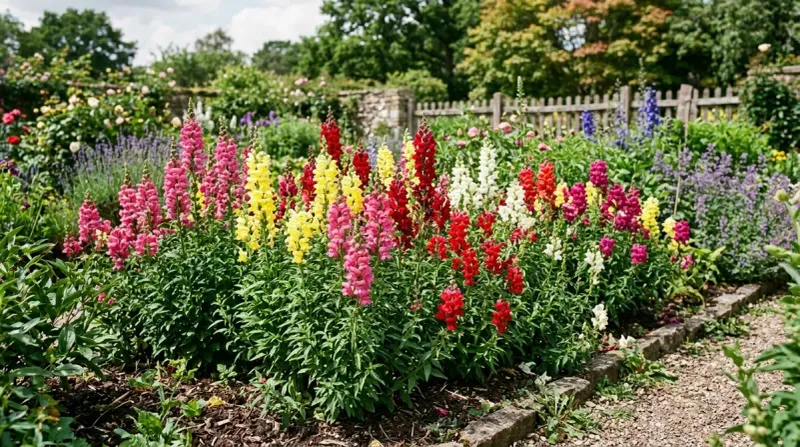
Snapdragons love cool weather, which makes fall and winter a great time to add them to Southern beds. Many gardeners hear that one quick pinch will give bushy plants and flowers for months.
The real story is a bit more balanced. Pinching can help plants fill out, but it comes with a tradeoff, and the right choice depends on your plants and your goals.
Snapdragons can provide cool-season color, but not guaranteed winter-long bloom
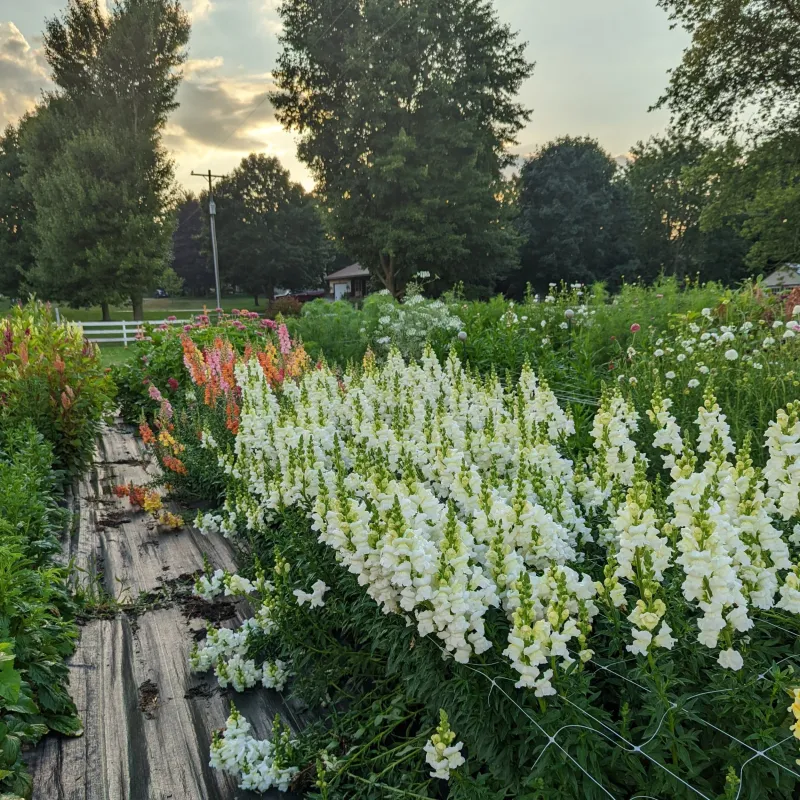
Snapdragons are cool-season flowers, so they fit right into fall planting in warm parts of the country. UF/IFAS winter annual guidance recommends setting out cool-season color as the weather cools, and its snapdragon page notes that Florida plants may keep flowering into April or May.
Texas gardeners get a similar opportunity. A Williamson County AgriLife article describes fall-planted snapdragons as a source of winter color.
Still, a long flowering season is not the same as nonstop blooms. A cold snap, a patch of poor soil, or a dry spell can slow flowering in one bed while the neighbor’s bed looks great.
Think of snapdragons as a strong chance at color, shaped by your region, your weather, and how well each plant settles in. A pinch is not what makes them bloom through winter.
Pinching can encourage fuller growth but may delay flowering
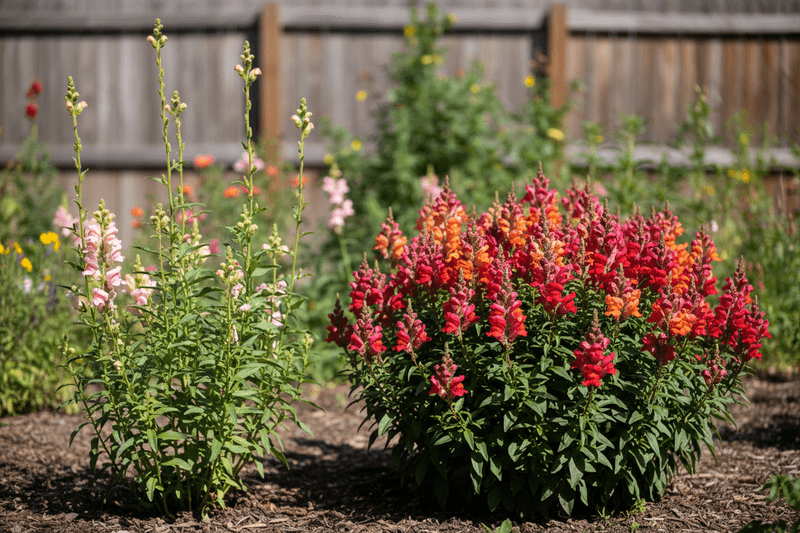
Pinching means snipping off the growing tip of a stem. That simple cut tells the plant to send out side shoots, so you get more branches and a fuller shape.
A UF/IFAS snapdragon publication says pinching before flowering encourages lateral growth and a fuller plant, but it delays flowering.
That delay is the tradeoff. A plant you leave alone may open flowers sooner, while a pinched plant spends time building branches first.
It will not happen in every case, but it is worth planning for.
A fuller plant also does not promise more flowers or a longer show. Cut-flower growers have noticed the same pattern: Utah State Extension’s cut-flower guidance says pinched plants branch more while unpinched plants bloom earlier.
That advice is written for commercial production, so treat it as helpful context rather than a prediction for your home bed.
Choose when to pinch based on plant stage and your priority
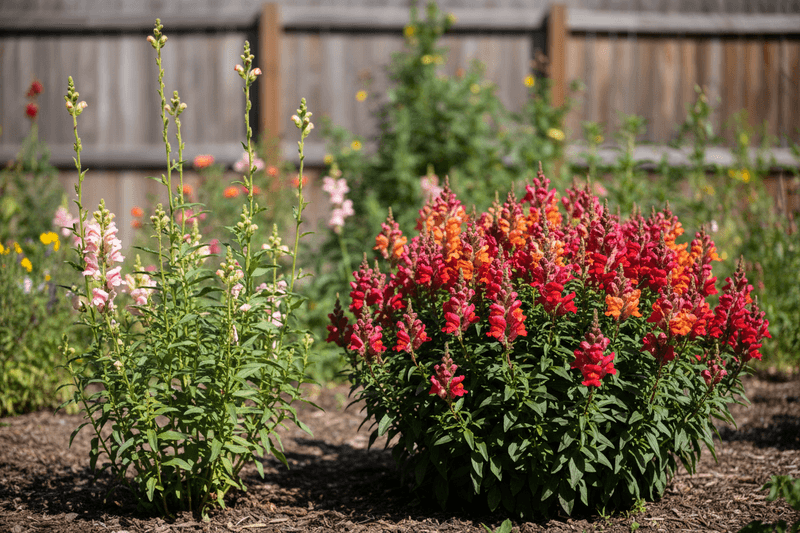
Advice on timing is not the same everywhere, so a simple rule works better than a fixed date. If you want a bushier plant, look at its stage.
Mississippi State Extension suggests pinching seedlings when they are about 3 to 4 inches tall.
Texas guidance reads differently. Texas A&M’s seasonal color guide says snapdragons may need pinching after planting or after their first flush of bloom to stay compact and freely flowering.
So pinching at planting is not a rule for everyone. Ask yourself what matters most.
If you want branching and a sturdier shape, pinch a young plant or trim after the first bloom flush. If you want flowers as soon as possible, leave the plant alone or wait, because UF/IFAS notes that pinching can delay flowering.
Also remember that pinching is optional, and it will not fix every kind of leggy growth.
Match planting expectations to Texas or Florida conditions
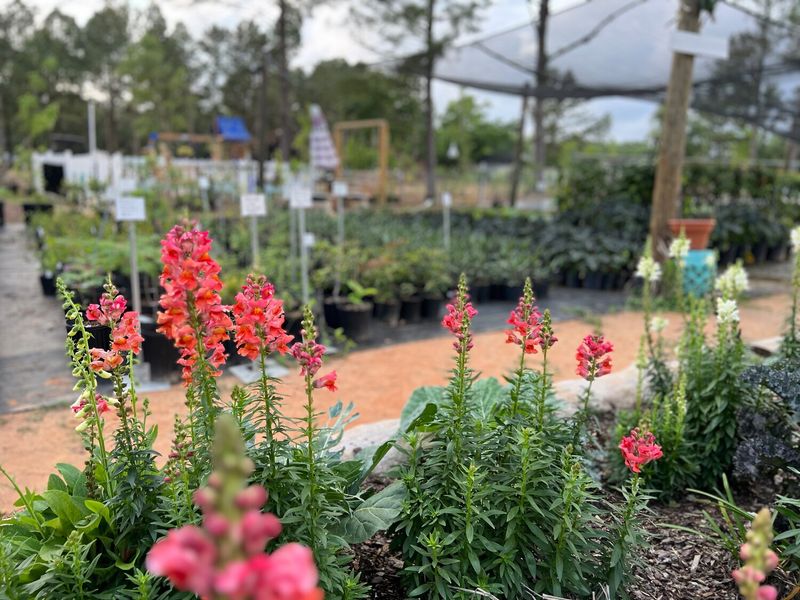
Florida is the easier place to give one answer. UF/IFAS lists snapdragons among flowers to plant in North, Central, and South Florida as the weather cools.
Gardeners in North Florida may need to cover plants on the coldest nights.
The same state source says snapdragons may flower into April or May, which describes the season’s potential. It does not mean every bed, variety, or yard will bloom without a break, as noted on the UF/IFAS snapdragon page.
Texas covers a huge range of climates, so no single November date fits everyone. Texas A&M recommends planting fall annuals as temperatures cool.
Local timing matters, and a county AgriLife article is a good example of advice written for one area. A local Extension office can tell you when your area cools down enough.
Variety influences flowering season, but cannot promise a schedule
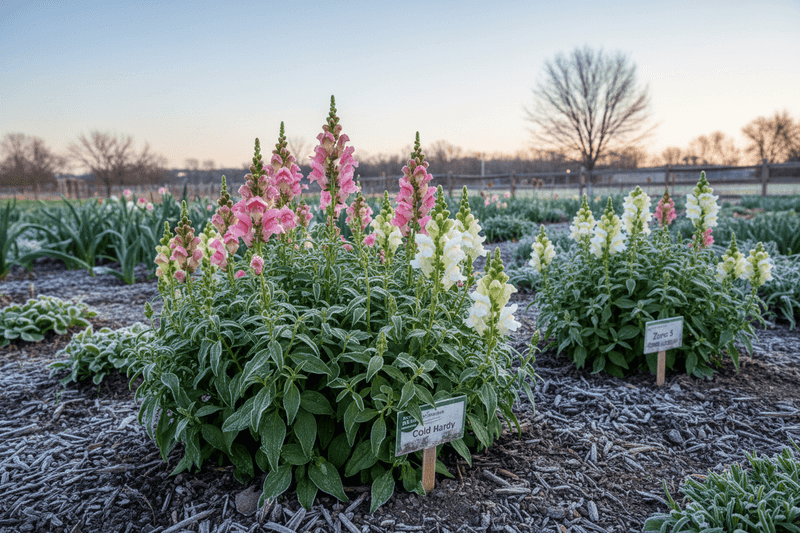
Not every snapdragon flowers on the same calendar. Mississippi State Extension describes winter-flowering groups and later-season groups, and each responds a little differently to seasonal conditions.
That is why the plant tag matters. When you shop, look for a variety description that mentions its flowering season, and consider mixing types if you want color spread across more of the cool months.
A well-chosen variety helps you set realistic expectations, but it is not a guarantee. Weather, how well the transplant settles in, and everyday care all play a part.
One bed may keep flowering while another pauses during a cold stretch, even with the same variety. Treat the label as a helpful hint about timing, not a promise of winter-long or uninterrupted bloom.
Support establishment and decide whether fullness or early flowers matters more
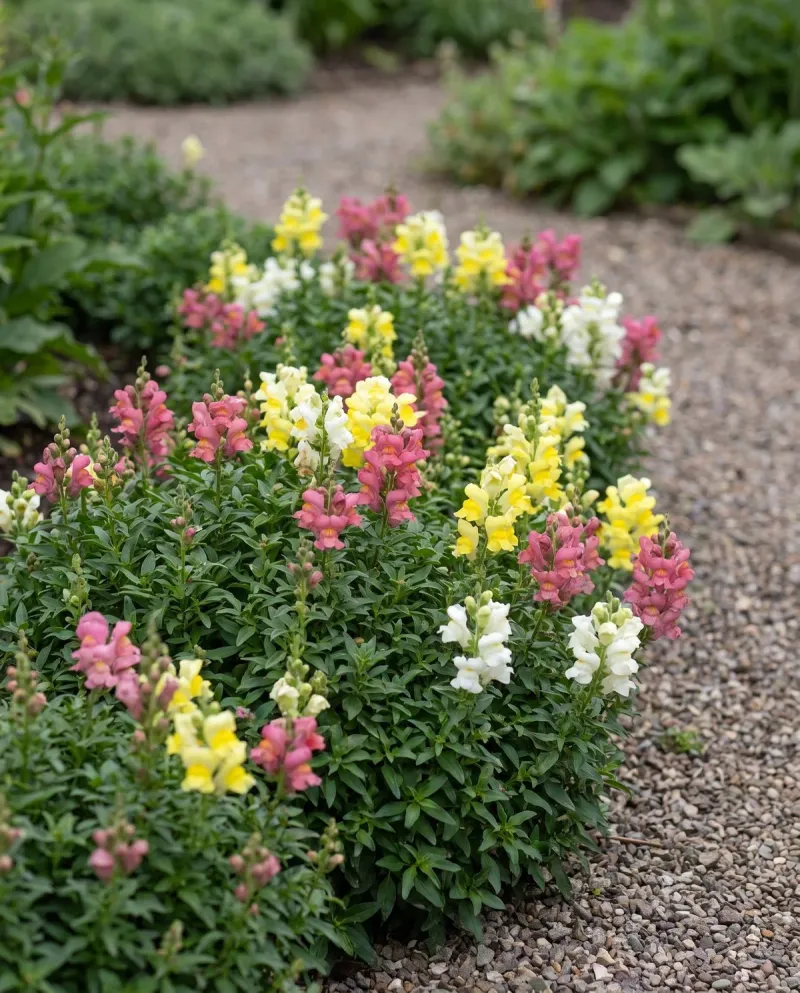
Good care helps snapdragons settle in. In Texas, plant in well-drained soil and water well after planting and while the roots establish, following Texas A&M’s seasonal color advice.
Use local timing for when to plant.
In Florida, give new winter annuals a thorough watering, as UF/IFAS recommends. Plant in full sun, remove old blooms to help plants set new buds, and protect them on the coldest nights in North Florida, as covered on the snapdragon page.
These steps support seasonal color, but they do not guarantee it.
Now the choice. If a bushier plant matters more to you, pinch a young plant or trim after the first flush.
If you want flowers as soon as possible, skip the pinch or wait, since UF/IFAS says pinching may delay flowering.
Either way, you are trading a little time for shape, or the other way around.