
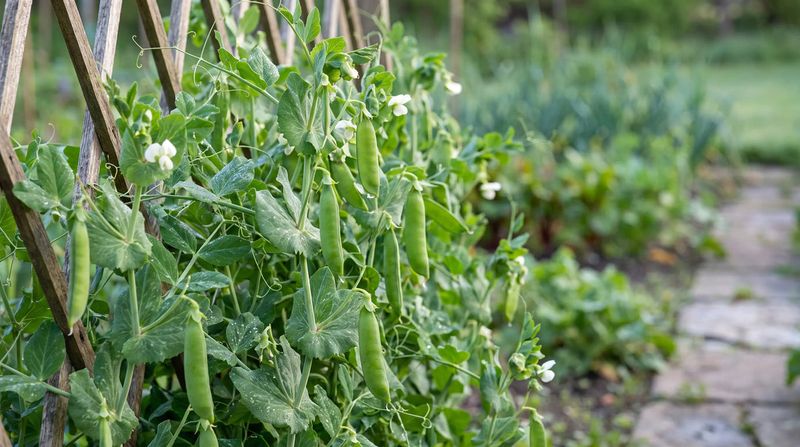
Plenty of Southern gardeners figure the vegetable season ends once the tomato vines give out. Snow peas say otherwise, because they are a cool-season crop that likes mild weather.
Whether November is still a good time to sow them depends a lot on where your garden sits. Here is how to check your own window and what to do if it fits.
Check your local planting window before sowing
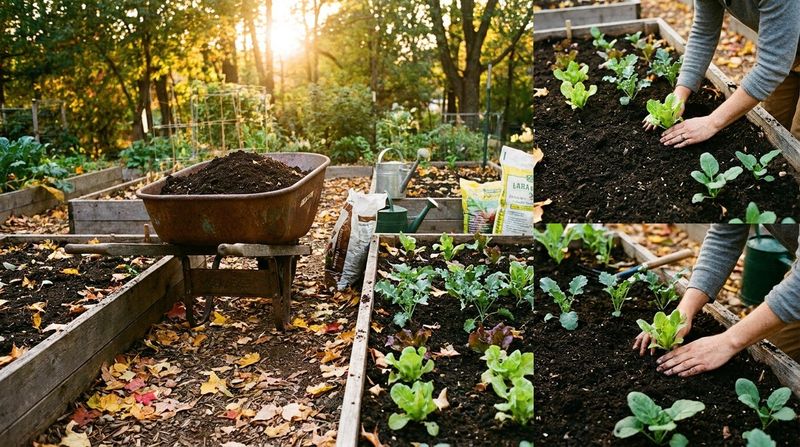
Florida and Texas do not share one planting window, so a single answer for both states will not work. A UF/IFAS planting guide lists November through February for English or snow peas in Central and South Florida.
For North Florida, the listed window starts in January instead.
Texas is a patchwork. A Hardin County AgriLife guide gives October 1 to November 1 for English peas, and a Dallas County guide lists September 15 to November 1 for peas.
Both fall windows close right as November begins.
Those county schedules do not add up to a dependable statewide November recommendation. Another Texas A&M calendar follows its own stated schedule, so it is not a blanket go-ahead either.
The practical move is simple. Find the guide written for your region, check its dates, and plan around those rather than around the calendar page alone.
Florida’s schedule changes from north to south
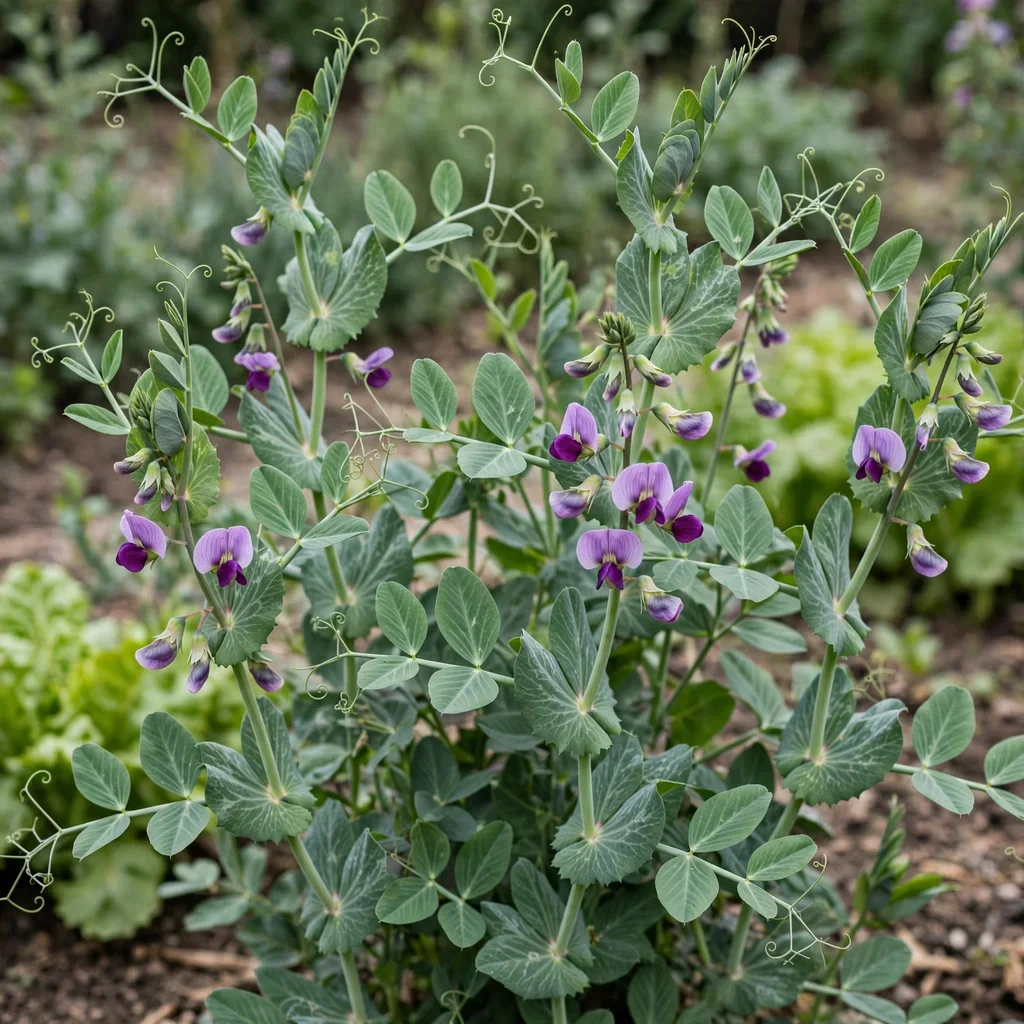
Florida stretches a long way, and the pea calendar stretches with it. The UF/IFAS guide for English or snow peas lists January through March in North Florida.
In Central and South Florida, the listed window is November through February.
That means a gardener in the southern two-thirds of the state is inside the listed window this month. A gardener in North Florida is not, and would be wise to wait for January.
The same guide estimates 60 to 80 days from seeding to harvest. For Central and South Florida, that makes a late-winter picking plausible if the planting goes in on time and the weather behaves.
It is a possibility, not a promise. The schedule tells you when sowing fits, and it does not guarantee a crop.
Treat the dates as a starting line and keep an eye on your own local conditions as the season unfolds.
Texas gardeners need a location-specific schedule
Texas covers so much ground that planting dates swing from one county to the next. Hardin County, in the southeast, lists October 1 to November 1 for English peas.
Dallas County, in the north, lists September 15 to November 1 for peas.
Both of those fall windows end on November 1. If you are reading this a few days into the month, you are just past the edge of those two guides, so they do not back up sowing today.
The Texas A&M calendar is its own schedule, built around its stated dates. It names snow-pea varieties and gives sowing guidance, but it does not turn November into a statewide sowing month.
So skip borrowing dates from a different part of the state. Call or visit your county AgriLife Extension office, or find the local planting guide, and use the window written for your area.
If your window has closed, plan for the next one.
Choose snow peas, not southern peas
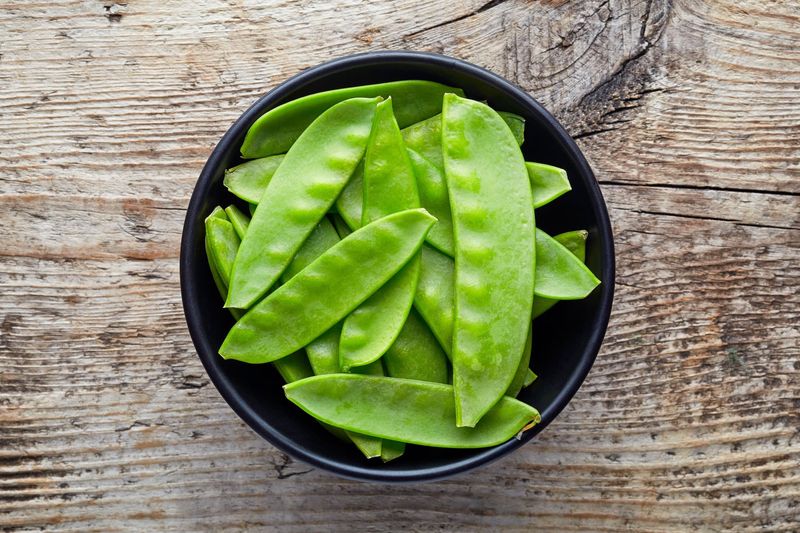
Walk into a Southern seed display and the word peas can mean two very different plants. Snow peas are edible-pod peas, picked while the pods are flat and eaten whole.
Illinois Extension describes them in that group.
Southern peas, including blackeyes and crowders, are cowpeas. According to UF/IFAS, they belong to a different crop family and thrive in warm weather, which is the opposite of what snow peas want.
Before you plant, read the packet. Look for the words snow pea or edible-pod pea, and check the variety name.
A packet of crowders sown in cool weather will not give you crisp flat pods.
Getting this right saves a whole season of confusion. Choose the cool-season snow pea if you want crunchy pods in winter, and save the cowpeas for the heat of summer.
Sow peas directly in their growing spot
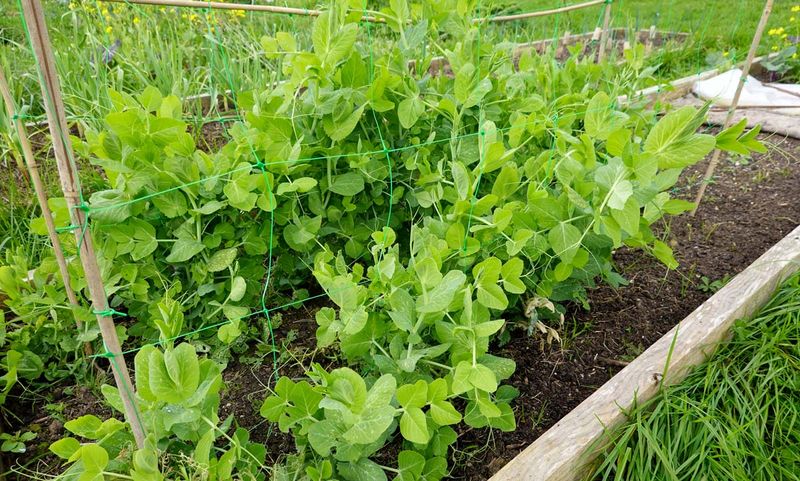
Peas do not like being moved. The Texas A&M calendar says not to start peas indoors or transplant them, so plan to sow seeds right where the plants will grow.
The UF/IFAS guide lists a seeding depth of 1 to 1½ inches. It also gives 2 to 6 inches between plants, so you can sow a bit closer or wider depending on your bed and trellis.
Texas A&M lists three snow-pea varieties: ‘Mammoth,’ ‘Melting Sugar,’ and ‘Oregon Sugar Pod #2.’ Treat that as a short list of examples from one source, not a ranking or a full menu of choices.
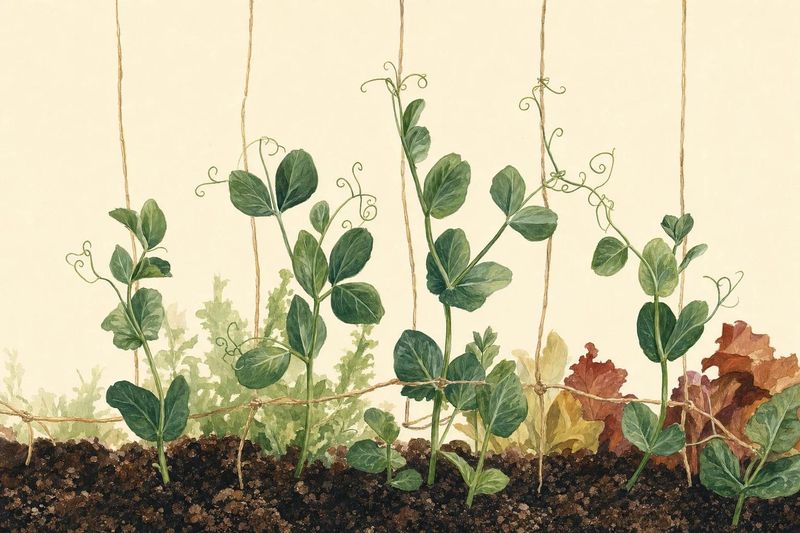
Prepare the bed first, set up your support, and then sow along its base. That way the seedlings climb from the start and you never disturb the roots.
Support the vines and keep soil adequately watered
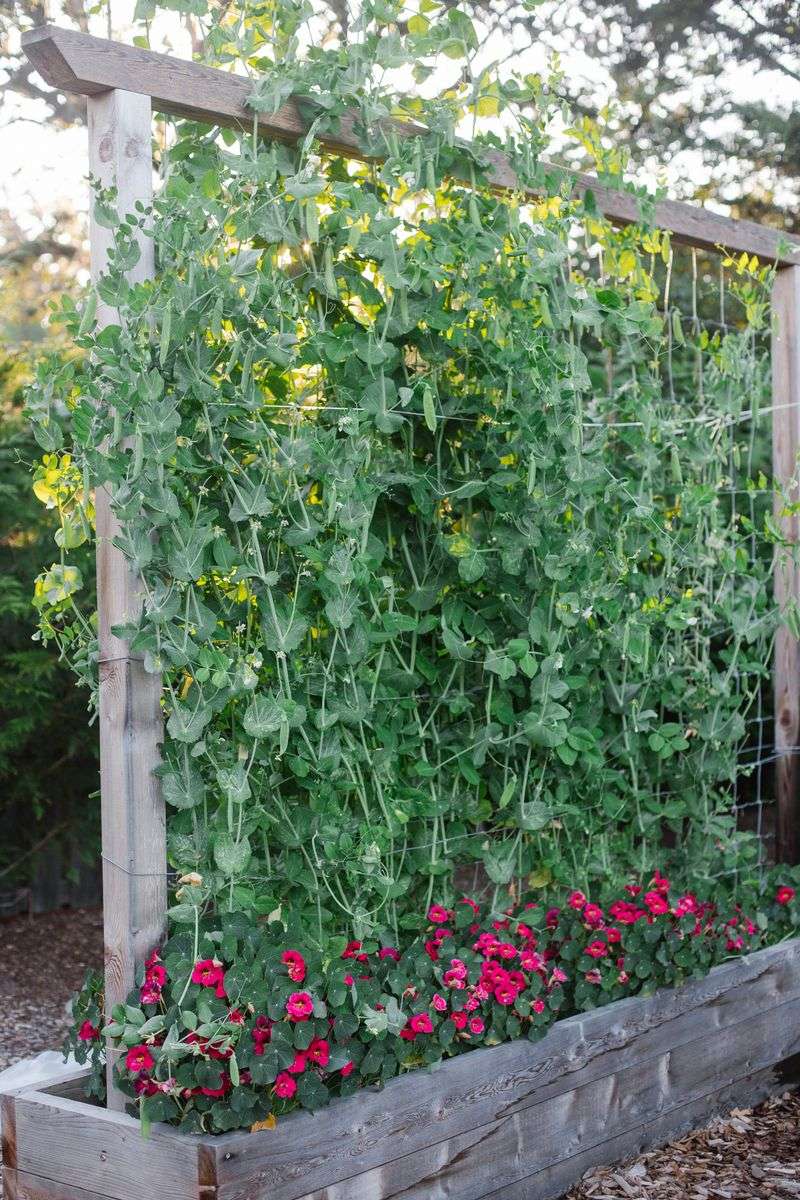
Vining snow peas want something to climb. UF/IFAS Gardening Solutions recommends a sunny spot, enriched soil, support, and water as needed.
A trellis or netting also lifts pods off the ground where they are easier to see and pick.
Watering matters most around flowering. Keep the soil from drying out completely, but avoid soggy ground.
Temperature is the bigger limit. Utah State Extension says peas grow best below 80°F, and heat or water stress can contribute to flower drop and poor pod set.
Support and watering help a healthy crop, but they cannot fix a warm spell. If your weather runs hot, the plants may struggle no matter how well you tend them.
Treat a late-winter harvest as a possibility
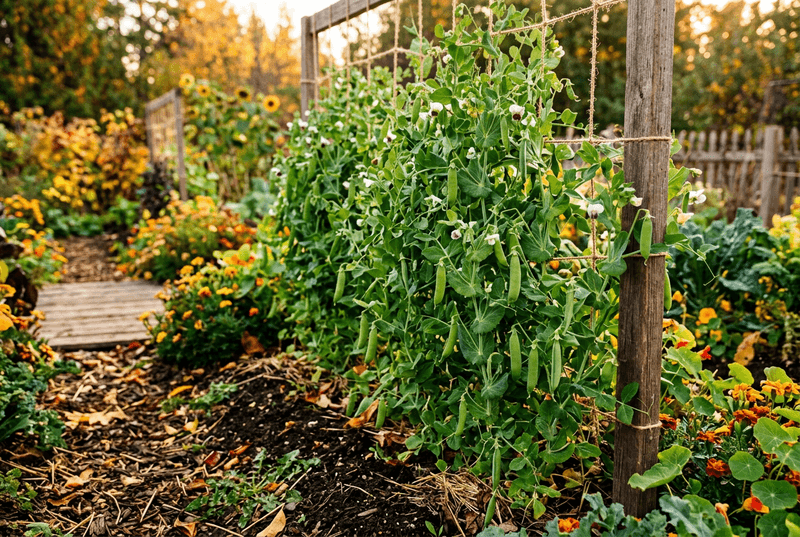
Count the days and you will see why late winter is plausible in some places. The UF/IFAS guide estimates 60 to 80 days from seed to harvest.
The Hardin County guide gives a wider 65 to 105 days for English peas.
Those are estimates, not deadlines. Variety and weather can shift development, and Illinois Extension cautions that cool, short fall days slow it down.
Frost adds another wrinkle. Minnesota Extension says young plants can survive light frost, but frost can damage plants once they flower and set pods.
Texas AgriLife also lists peas among frost-susceptible crops.
Surviving a chilly night as a seedling does not mean pods through a freeze. A late-winter harvest is possible when your timing and local conditions line up, and that is as far as anyone can honestly go.
Pick snow peas while the pods stay flat
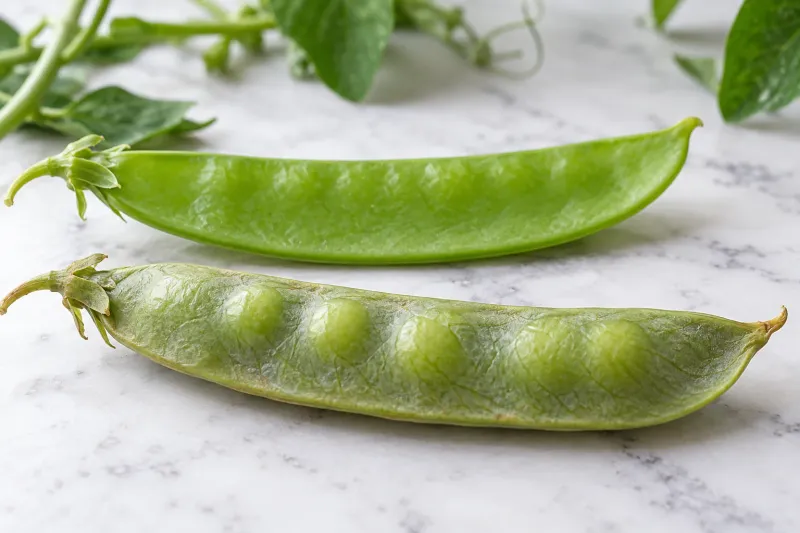
Timing at the vine decides whether you get crisp or chewy. Pick snow peas once the pods reach full length but are still flat, before the peas inside swell noticeably.
According to Illinois Extension, that is the stage for tender pods.
Check the vines often, at least every other day once pods start to form. Regular picking helps keep pods tender, while missed ones can grow overgrown and fibrous.
Swollen, lumpy pods are past their best for eating whole. Pull them off anyway so the plant keeps working on newer ones.
Not every garden will get there by late winter, and that is fine. Where the timing works, though, a handful of flat pods eaten straight off the trellis is hard to beat.