
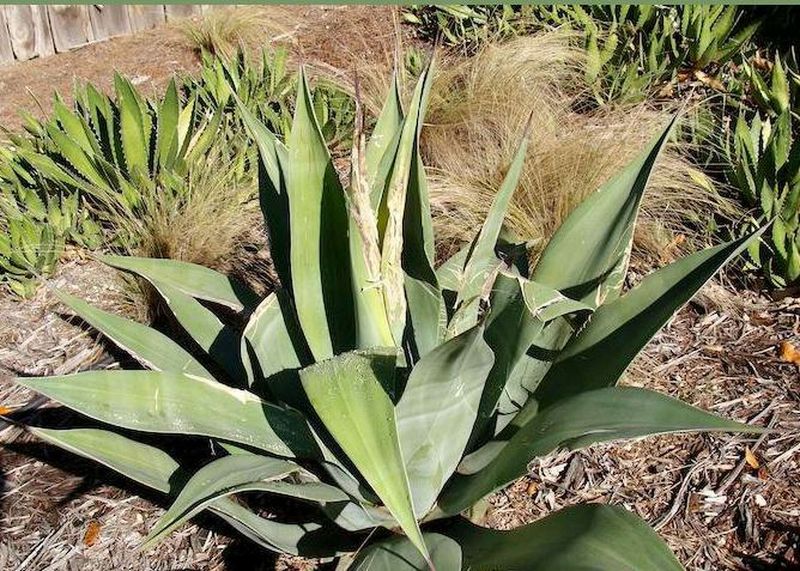
A Texas agave that goes soft at the base can look fine one week and slump the next. It is a scary sight for anyone who loves these tough, spiky plants.
Agave snout weevil is one possible cause, but wet soil and rot can cause similar damage. Learn what clues to look for so you can protect the agaves still standing in your yard.
A mushy base is a warning, not a diagnosis
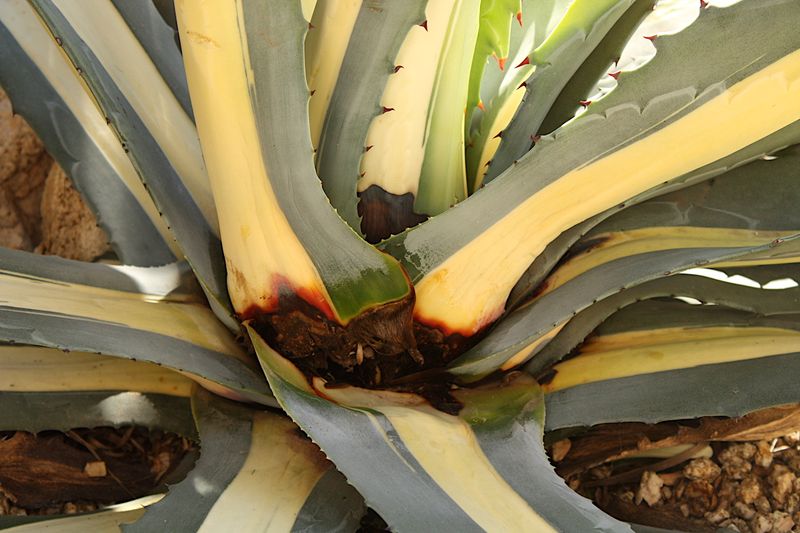
Sudden softening or collapse deserves your attention right away, but it does not tell you the cause by itself. A squishy base is a symptom, and several different problems can produce it.
Agave snout weevil (Scyphophorus acupunctatus) is a credible possibility for a Texas agave. Texas A&M AgriLife Extension describes weevil damage that can break the plant’s tissue down into a slippery mass, with adults tunneling into the plant and larvae feeding inside it.
Still, a soft base is not proof of weevils. Overly wet soil and poor drainage can also lead to agave root or crown rot, as noted in North Carolina State Extension guidance.
A plant sitting in soggy ground can fall apart in a very similar way.
Rain is part of the picture here, but only as background. A wet stretch of weather can leave soil soggy, and it may also show up around the same time you notice the decline.
That timing does not show the weather caused an insect problem in your plant.
The good news is that you can gather more clues before deciding what to do. Look closely at the base, the upper roots, the lower leaves, and the soil.
The next sections walk through what to check, how rot can look different, and when a collapsing plant should come out.
Taking a little time to look first helps you avoid two mistakes: pulling a plant that only needs better drainage, or waiting too long on one that may be harboring pests that could spread to its neighbors.
The weevil damages the plant from the inside
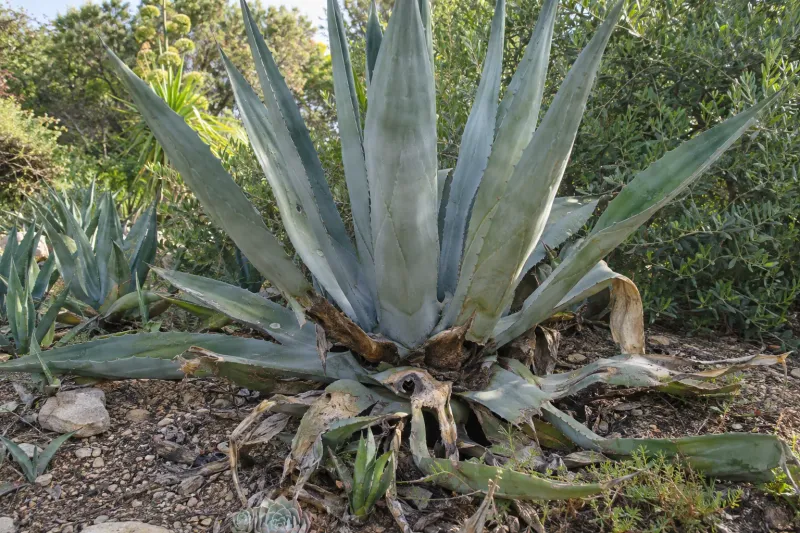
Here is how the damage can unfold. Adult weevils tunnel into an agave, and the larvae feed inside the plant’s tissue, as described by UC Statewide IPM Program.
All that boring happens out of sight, deep in the heart of the plant.
Tunneling is only part of the story. Decay organisms can enter through the wounds the insects leave and add to the breakdown.
The University of Arizona Cooperative Extension describes this mix of insect injury and rot, so the mush you feel is not caused by the insect alone.
That is one reason the weevil and the rot are related but not the same thing. A plant may have both at once, or it may have rot with no insects at all.
The hidden feeding also explains why a gardener often sees trouble late. From the outside, an agave can look healthy while larvae chew within.
By the time the lower leaves yellow or the plant leans, the inside may already be badly damaged, and the insects may be long gone or buried deep.
Texas A&M AgriLife notes that infested plants can collapse and are usually removed. Because the insect can stay hidden until decline is advanced, not finding a weevil on the surface does not clear your plant, and finding rot does not clear the weevil.
What should you check at the base?

Start with your eyes, not a shovel. Crouch beside the plant and look at the base and the upper roots for small entry holes, tunnels, gummy secretions, or white, legless larvae.
UC IPM lists these as signs of agave weevil activity.
Next, check the leaves. Low, dying leaves can point to trouble, and so can a plant that seems to be separating from its roots or tipping over.
The UC IPM home garden pest newsletter covers these warning signs too.
Remember that these are clues, not a checklist that must be fully ticked. You might see one or two, or none at all.
A weevil can remain hidden until decline is far along, which is noted in a 2019 Florida Entomologist review.
If the plant is still standing and firm, keep the inspection gentle. Brush away loose mulch, look around the soil line, and take photos.
Do not dig into or cut a stable plant just to see inside, since that can create new wounds.
Write down what you find, such as where the soft spot is, whether there are holes, and whether the leaves are changing color. A few notes and pictures are handy if you later ask your county Extension office for help.
The more clues that line up, the stronger the case for weevils.
Could wet soil be causing the rot instead?
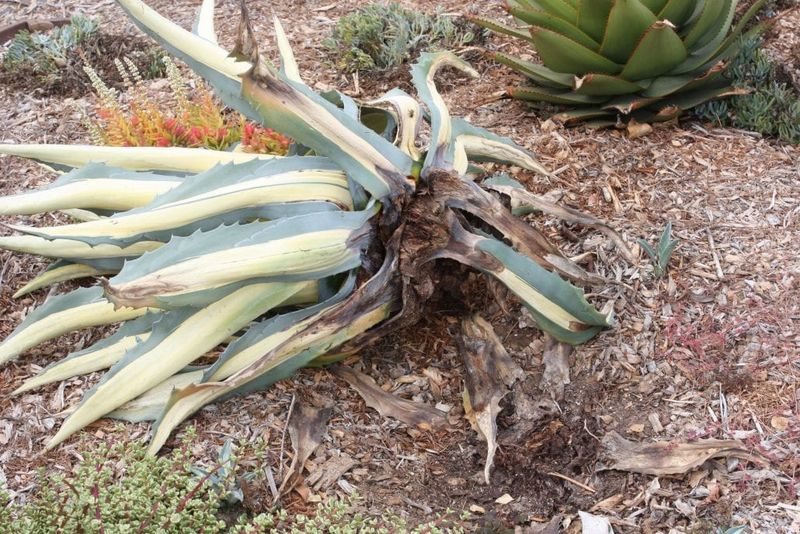
Sometimes the problem is simply too much water. Overly wet soil can cause root rot in agaves, according to North Carolina State Extension.
Agaves are built for dry ground, so heavy clay or a low spot that holds water can be rough on them.
Crown rot is another possibility. It may show up as gray or black lesions and shriveled leaves.
Advice from Ask Extension on a sick agave points to these kinds of rot problems.
Here is the tricky part: looks alone cannot always separate rot from weevil damage. A mushy base after rain fits both stories, and a plant can even have both problems together.
Think about the site. Does water stand around the plant after storms?
Is the soil heavy and slow to drain? Does a sprinkler zone soak the bed?
Yes answers raise the chance that wet soil is involved, though they do not rule out insects.
If you see no holes, tunnels, gummy ooze, or larvae, rot becomes more likely. Even then, the cause stays uncertain without supporting signs or an expert opinion.
Your local Extension office can help you sort it out from photos or a sample.
When a collapsing plant should come out
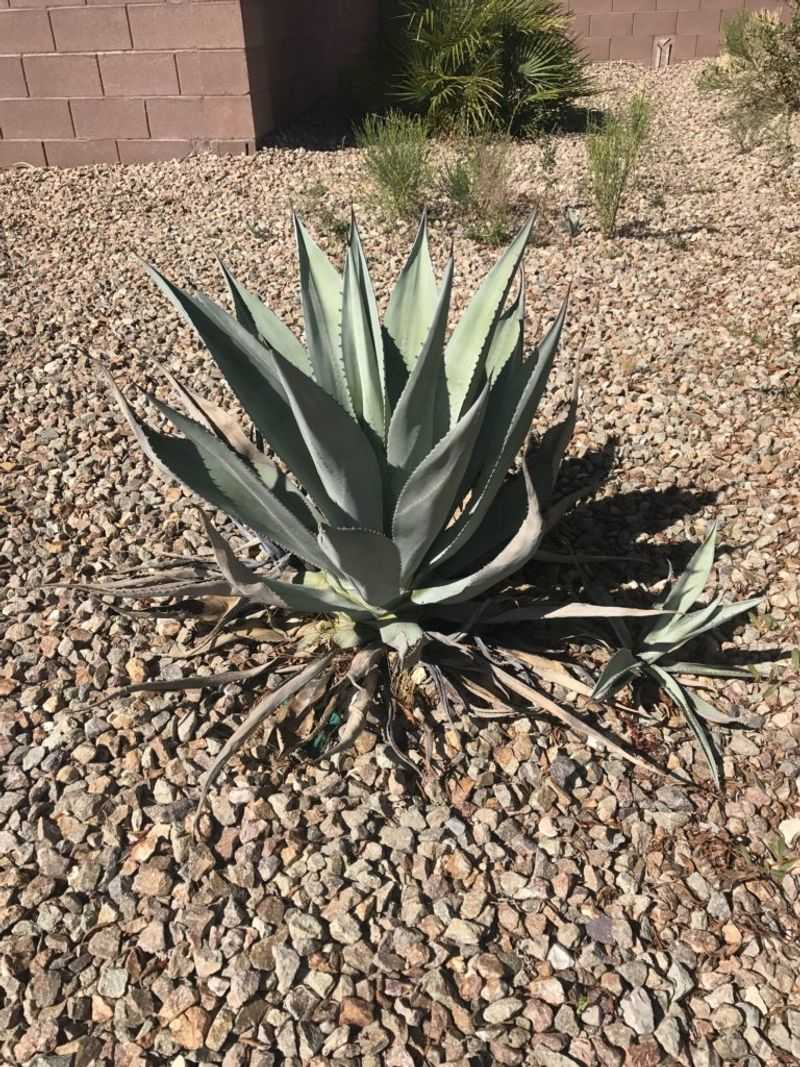
Here is the line for action. If weevil damage is strongly suspected and the agave is collapsing, the plant should come out.
Texas A&M AgriLife says infested plants should be removed and disposed of.
Take the adjacent soil too, since larvae may pupate there, as described by UC IPM. Place everything in a sturdy bag and dispose of it promptly so any weevils cannot emerge or escape into your garden.
Work carefully. Wear gloves, avoid leaving chunks of plant behind, and do not toss the material on a compost pile or leave it at the curb for days.
Removal may lower the risk to nearby agaves, but it does not guarantee the problem is contained. Adults may already have moved to other plants.
Do not count on pesticide to rescue a badly damaged agave. Once tissue is tunneled and collapsing, the plant is generally past saving, and the sources describe insecticides as prevention at best.
If the cause is unclear, such as a soft base with no other clues, hold off on pulling a plant that is still standing. Get a second opinion first, then decide.
Protect the agaves that are still healthy
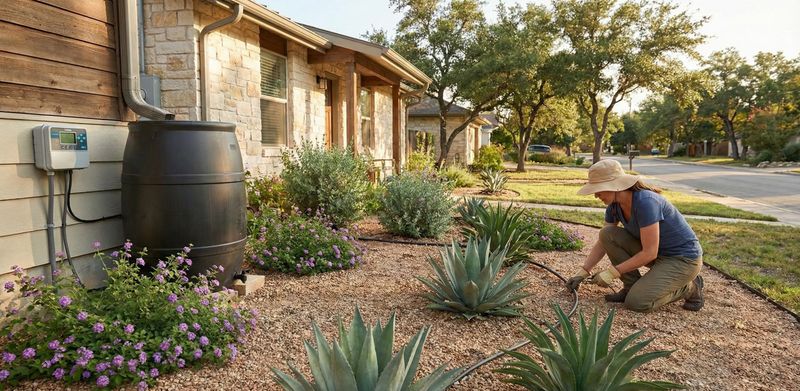
Once the sick plant is gone, turn your attention to its neighbors. Check nearby agaves for early decline, such as yellowing lower leaves, and look at the base for small entry holes.
Catching trouble early gives you more options.
Drainage and watering matter a great deal. Texas A&M lists frequent irrigation, crowding, and poor drainage among conditions linked with infestation, as noted by AgriLife Extension.
UC IPM likewise recommends well-drained soil and minimal irrigation once plants are established.
In practice, that means skipping frequent watering for established agaves and letting the soil dry between watering events. If water pools in a bed, consider raising it or improving the soil mix.
Insecticides come up in some guidance, but only as prevention on plants that are not yet infested, not as a reliable cure for a collapsing one. Whether any product may be used on your plants depends on its current label.
EPA explains that pesticide labels govern where and how products may legally be used.
If you read about imidacloprid, know that it is not a universal homeowner remedy. An EPA product label warns of risks to bees and other pollinators.
Read the full label first, and consider asking your county Extension office before using anything.
Use the clues, then act on the risk
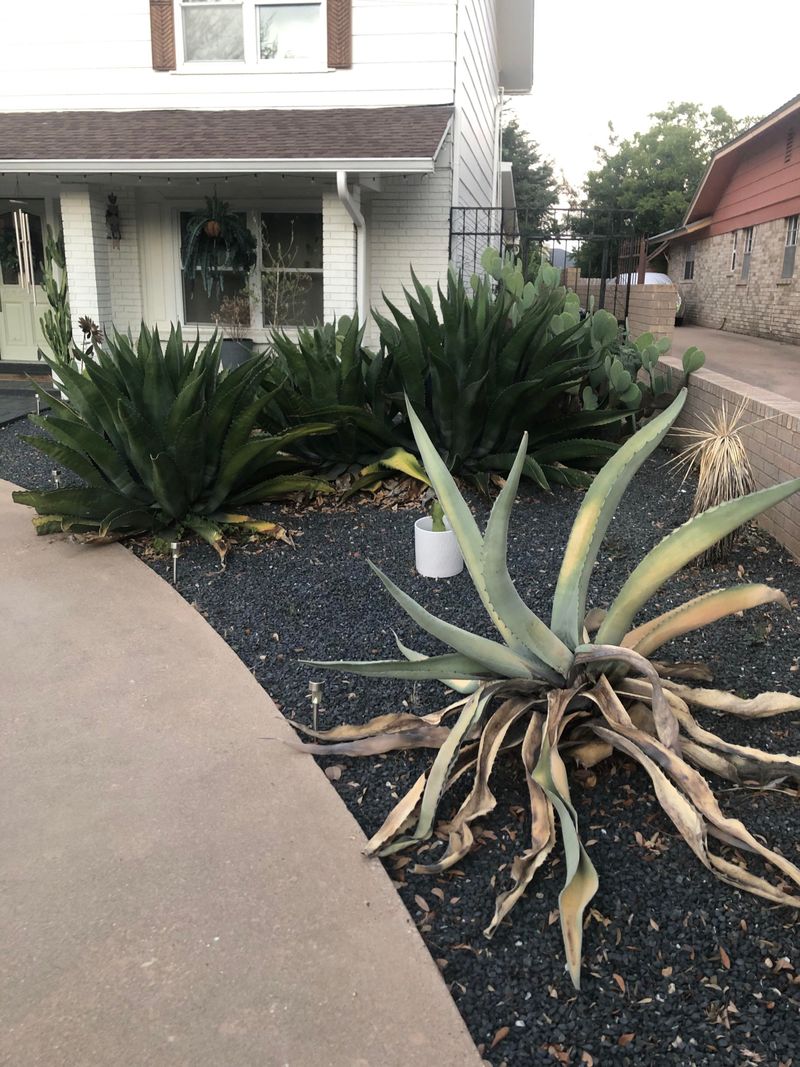
Look first, then decide. A cluster of weevil clues, like entry holes, gummy ooze, white larvae, and a collapsing base, is a real reason for concern, as UC IPM describes.
A strongly suspected, collapsing plant should come out quickly, and its neighbors deserve a check.
Rain and a mushy base alone cannot tell weevils from rot, since wet-soil problems look similar.
An agave tells its story slowly, so read every clue before you pick up the shovel.