
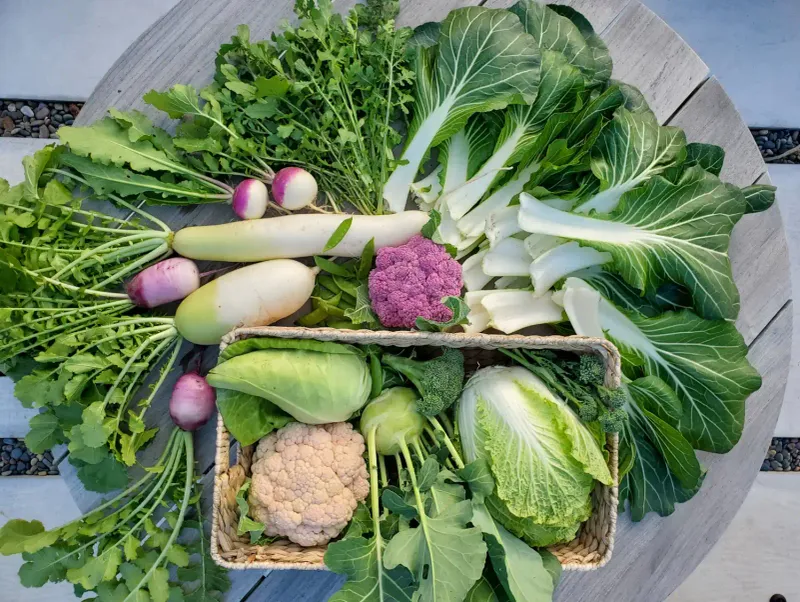
Late summer in California feels endless, with warm days that seem to stretch on forever. But the calendar is quietly ticking toward cooler nights, and smart gardeners know now is the time to plant fall crops.
If you sow the right vegetables in the coming weeks, you will be pulling fresh food from your beds before the first real cold snap hits. Here are seven vegetables to start now so your garden keeps feeding you well into the season.
1. Broccoli
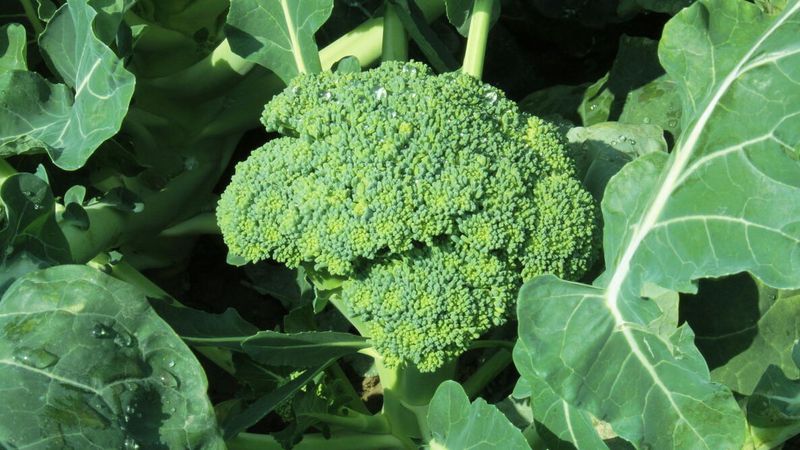
Few vegetables reward a late-summer planting quite like broccoli. Started from transplants in August or early September, it settles into California’s warm soil fast and forms tight heads as the nights begin to cool.
Broccoli actually tastes sweeter after a light chill, so the timing works in your favor. Give it full sun, steady water, and rich soil, and you will have main heads ready in roughly 60 to 70 days.
Do not yank the plant after the first cut. Most varieties keep pushing out smaller side shoots for weeks, stretching your harvest right up to the first cold snap.
In coastal and inland valley zones alike, this is one of the most dependable fall performers you can grow.
2. Lettuce
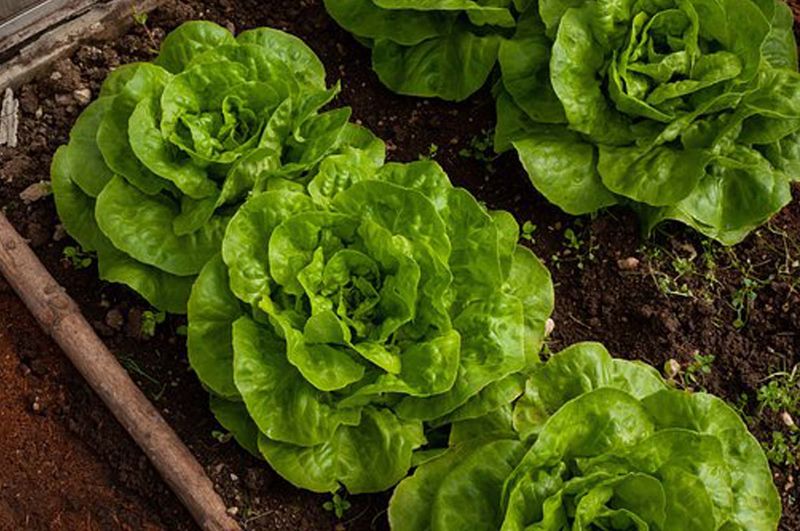
If you want food on the table quickly, lettuce is your friend. Some leaf varieties are ready to snip in as little as 30 days, which makes them perfect for gardeners who feel like they are getting a late start.
California’s cooling fall weather is exactly what lettuce craves. The summer heat that makes it bolt and turn bitter is fading, so the leaves stay tender and sweet.
Sow seeds directly in the ground every couple of weeks for a steady supply, and pick outer leaves so the plant keeps producing. Tucked into partial shade or a spot with afternoon protection, lettuce is a water-wise crop that gives a lot back for very little fuss.
3. Carrots
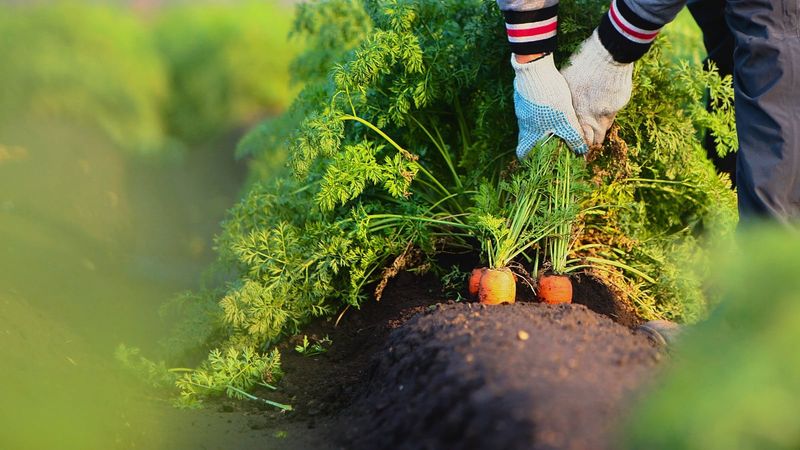
Patience pays off with carrots, and fall is the sweetest season to grow them. Cool soil and shorter days concentrate their sugars, giving you roots far tastier than anything you would pull in the heat of summer.
Sow seeds directly in loose, rock-free soil now, since carrots hate being transplanted. Keep the top of the bed moist until the tiny seedlings appear, which is the trickiest part of the whole process.
Most varieties take 70 to 80 days to mature, so an August or early September sowing lands you a harvest before the coldest weather arrives. A quirky bonus: carrots can sit happily in the ground once mature, so you can pull them as needed rather than all at once.
4. Spinach
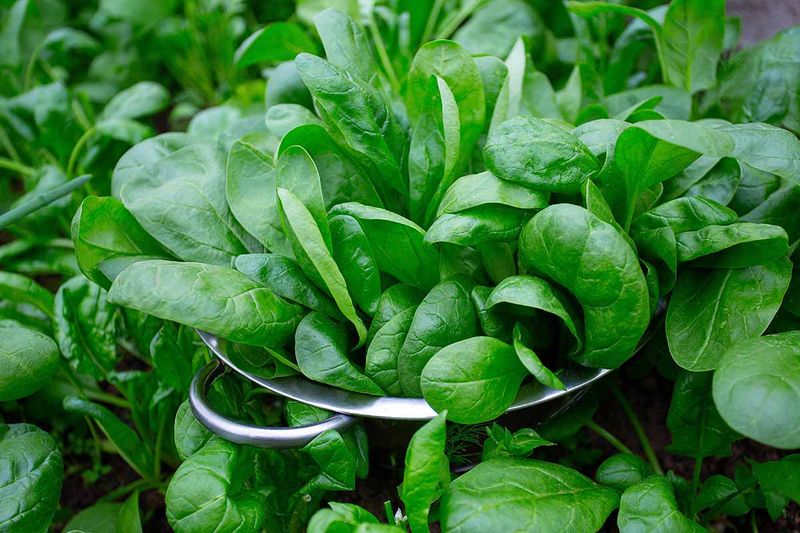
Spinach is the crop that practically begs for cooler weather. Plant it in the lingering warmth of late summer and it will hit its stride as temperatures drop, giving you thick, dark leaves loaded with flavor.
Direct sow the seeds and thin the seedlings so each plant has room to fill out. You can begin harvesting baby leaves within about a month, then let the rest mature for bigger pickings.
Because spinach handles light frost without complaint, it often keeps going even after that first cold snap catches other plants off guard. For California gardeners who want a hardy green that stretches the season, it is hard to beat.
5. Kale
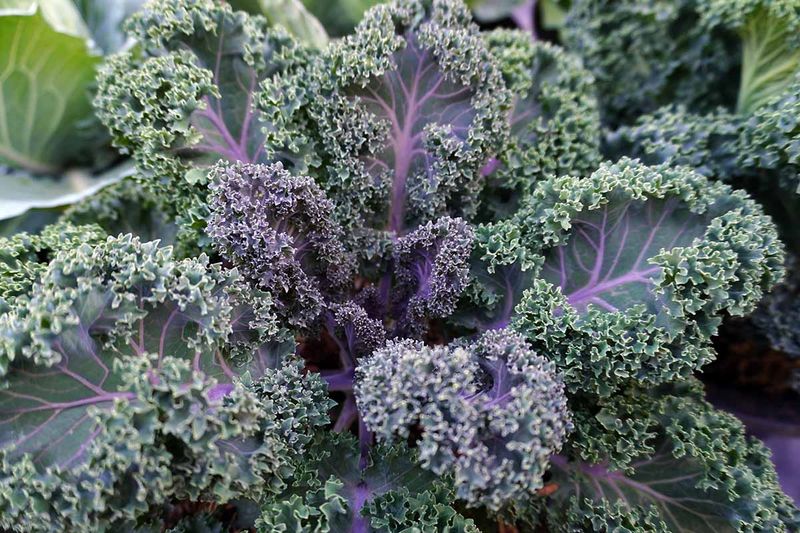
Tough, generous, and almost impossible to kill, kale is the workhorse of the fall garden. Set out transplants now and this leafy powerhouse will keep churning out harvests for months.
Cold weather is where kale truly shines. A touch of frost mellows any bitterness and brings out a nuttier, sweeter flavor, so the plant only gets better as the season turns.
Pick the lower leaves first and let the center keep growing, and a single plant can feed you long past that first cold night. It thrives across California’s climate zones and shrugs off conditions that would flatten more delicate greens, making it a reliable choice for busy homeowners.
6. Radishes
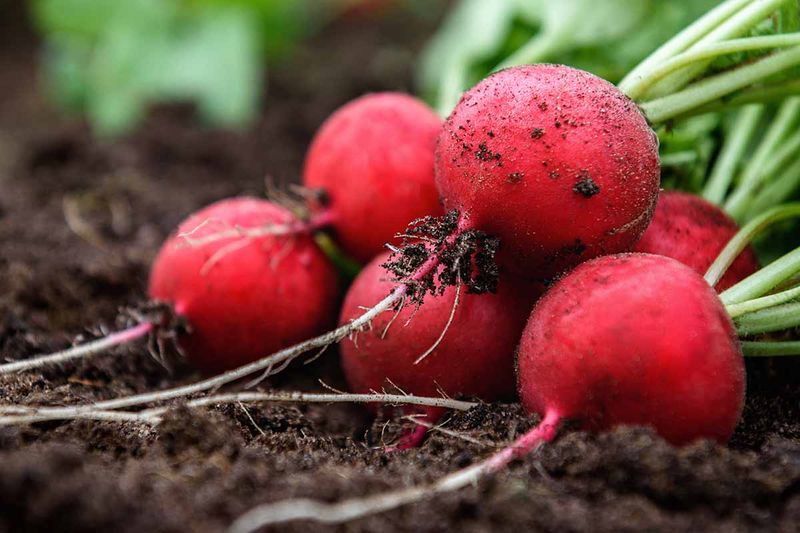
Want to feel like a gardening genius in under a month? Radishes make it easy.
Many varieties go from seed to plate in just 25 to 30 days, so a late-summer sowing gives you crisp roots long before cold weather sets in.
Sow them directly in the ground and thin as they grow, since crowded radishes stay small and skinny. Cooler fall temperatures keep them mild and juicy instead of harsh and woody.
Because they mature so fast, radishes are perfect for filling gaps between slower crops or tucking along the edges of a bed. Plant a fresh row every week or two and you will always have something ready to pull.
7. Beets
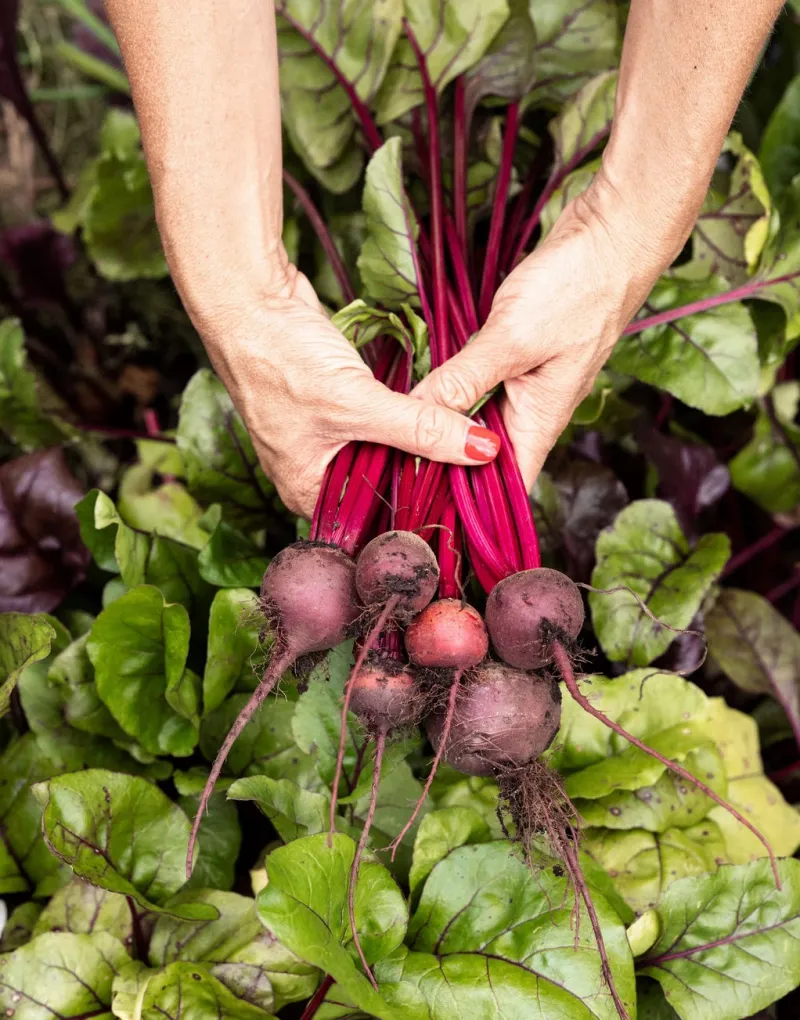
Beets are a two-for-one crop, and that generosity makes them a fall favorite. You get sweet, earthy roots below ground and tender, colorful greens up top that are just as good on your plate.
Direct sow the seeds now in loose soil and keep them watered while they get going. Cool weather firms up the roots and deepens their sweetness, so the timing of a late-summer planting really matters.
Most beets are ready in about 55 to 70 days, landing your harvest comfortably before the first hard chill. Snip a few outer leaves as the plants grow for salads, then dig the roots once they are the size of a golf ball or larger.
For California gardeners who like versatility, beets deliver on every front.