 Complete Gardening
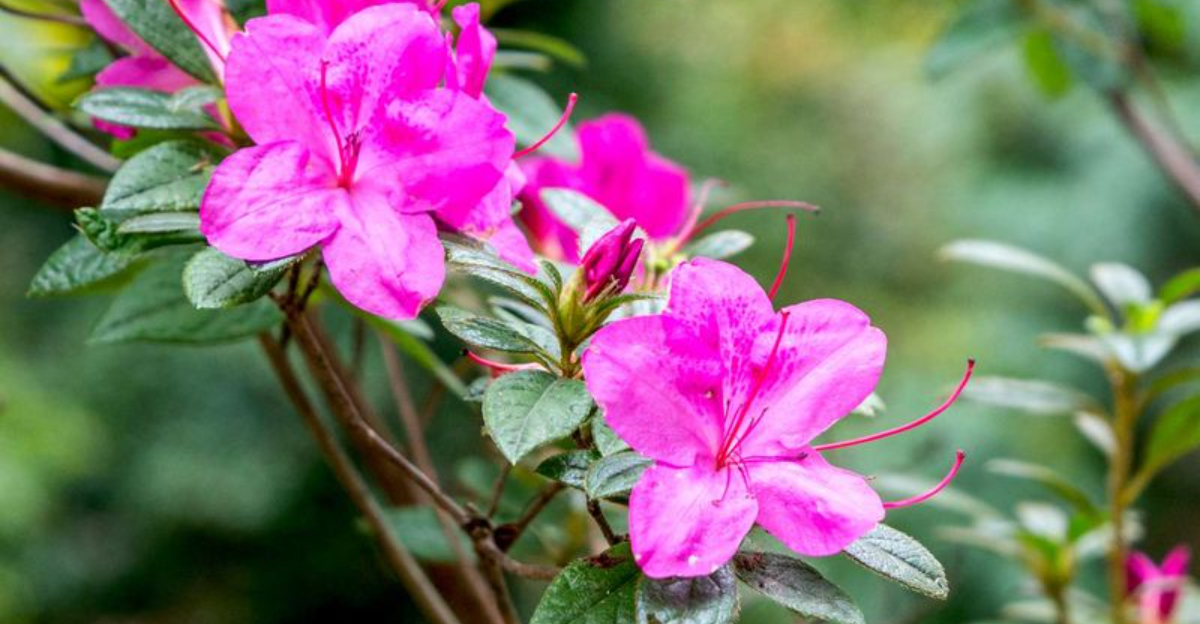
Azaleas are a beautiful flowering shrub that can add vibrant colors to your garden. However, many gardeners unknowingly make mistakes that can harm or even kill these delicate plants.
Understanding the common pitfalls and how to avoid them can ensure your azaleas thrive.
In this article, we will explore 15 common mistakes people make when caring for azaleas and provide actionable solutions to help you nurture these stunning plants.
1. Overwatering
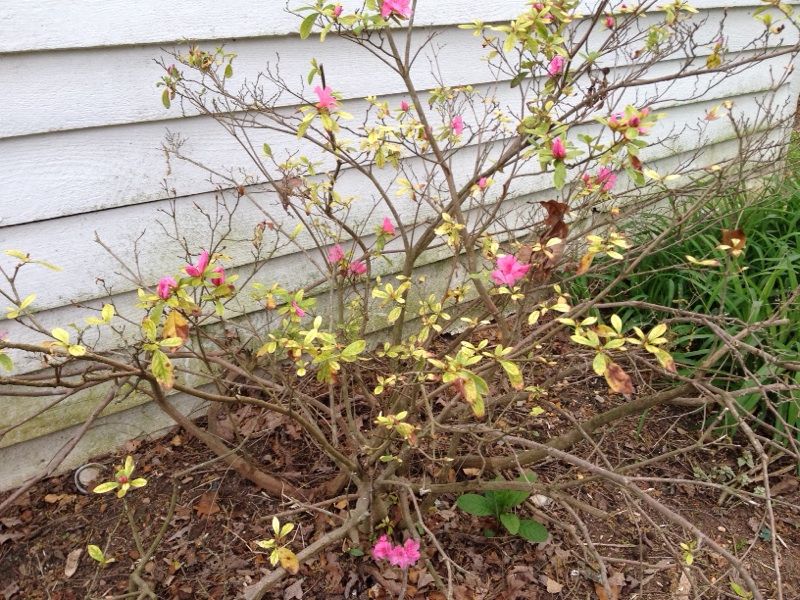
One common mistake is overwatering. Azaleas prefer well-drained soil, and too much water can lead to root rot. Start by checking the soil moisture before watering. If the top inch is dry, then it’s time to water. Use mulch to retain moisture without drowning the roots. Overwatering can be a silent killer, so always be mindful of how much water your azaleas are getting. Adjust your watering schedule according to the weather conditions, ensuring they receive enough to thrive without drowning. Your azaleas will thank you for finding the right balance!
2. Incorrect Soil pH
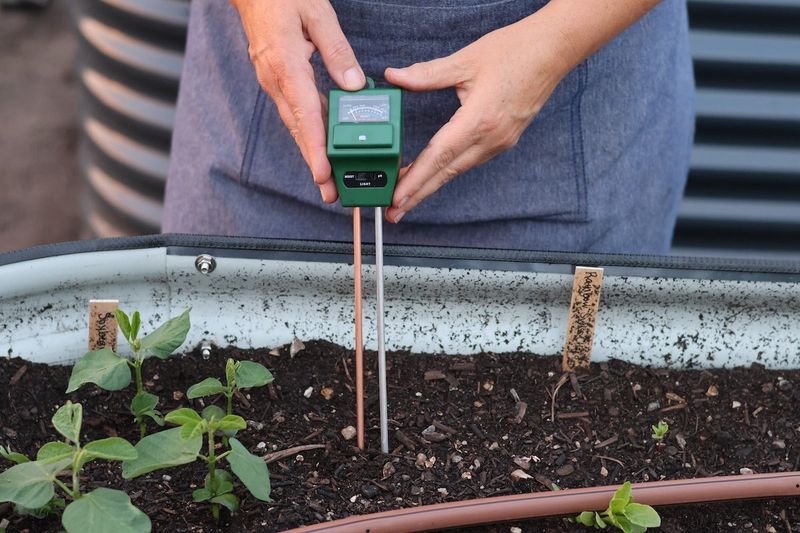
Azaleas thrive in acidic soil with a pH between 4.5 and 6.0. If the soil is too alkaline, it can hinder nutrient absorption, leading to yellowing leaves. Conduct a soil test to determine the pH level. If necessary, amend the soil with sulfur or a commercial acidifier. Ensure you regularly monitor the soil conditions, as environmental factors can cause fluctuations. Properly maintaining the soil’s acidity will keep your azaleas healthy and vibrant. A little attention to soil pH can make a significant difference in plant health.
3. Improper Pruning
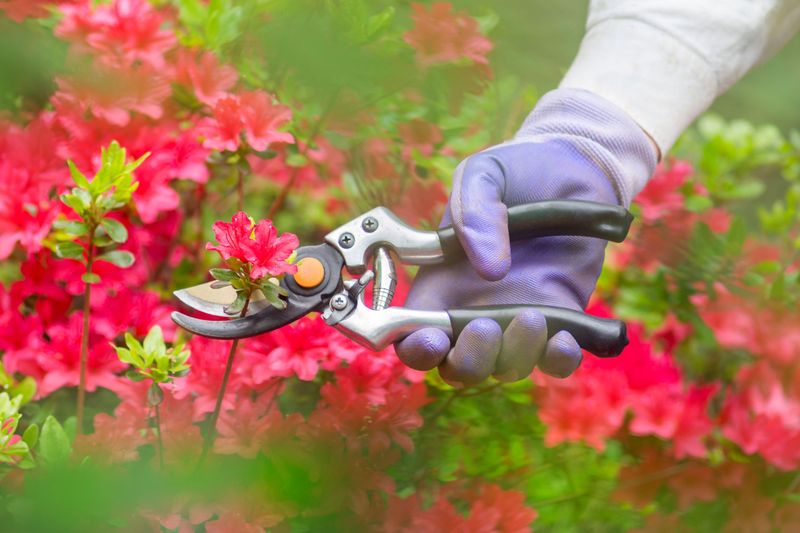
Pruning is essential for azalea health and bloom, yet improper pruning can damage them. Prune right after the blooms fade to avoid cutting new growth. Use sharp, clean tools to make precise cuts and remove dead or damaged branches. Pruning encourages bushy growth and more blooms next season. Avoid excessive cutting; too much can stress the plant. By understanding your azalea’s needs, you can shape them beautifully and promote their health. Pruning is an art that requires patience and a gentle touch.
4. Excessive Fertilization
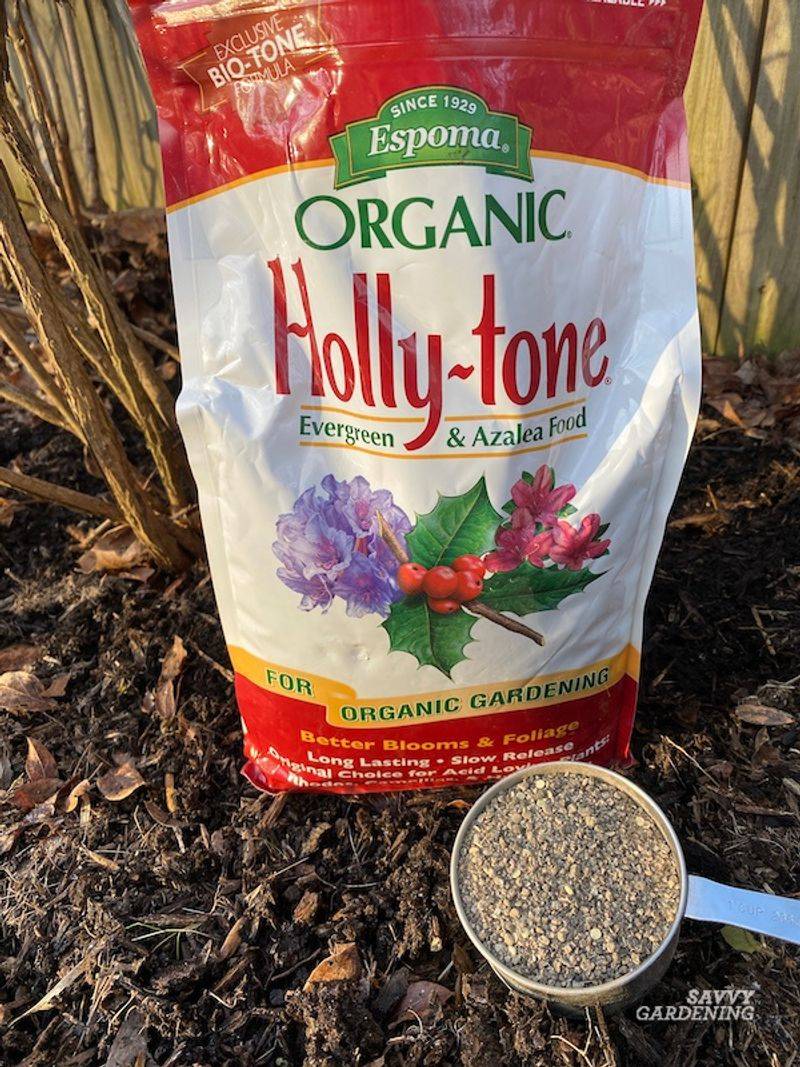
Fertilizing azaleas is important, but too much can be detrimental. Excessive nutrients can burn the roots and kill beneficial microorganisms in the soil. Use a balanced, slow-release fertilizer specifically formulated for azaleas. Apply once in spring and again after flowering. Always follow the package instructions to avoid over-fertilization. Less is often more when it comes to nourishing your azaleas. With careful feeding, your azaleas will flourish without the risk of nutrient overload.
5. Sunlight Mismanagement
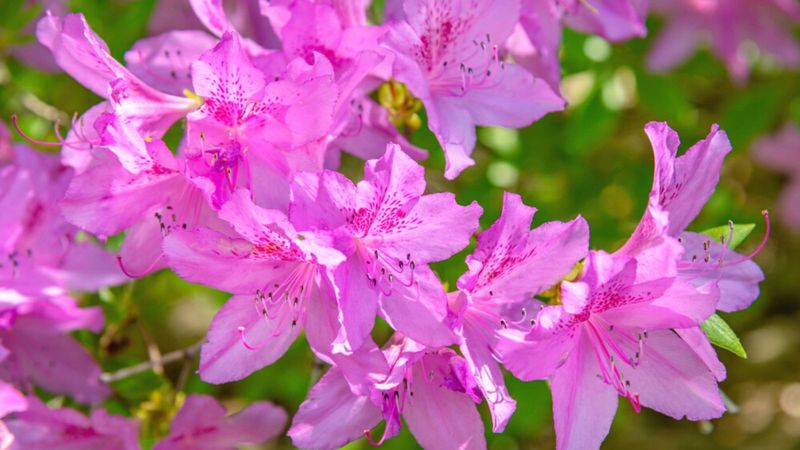
Azaleas require the right balance of sunlight. They love dappled light or morning sun with afternoon shade. Too much sun can scorch the leaves, while too little can stunt growth. Observe your garden’s light patterns and adjust the azalea’s placement accordingly. If necessary, use shade cloth or plant taller companions to provide relief from intense sun. By learning your azalea’s light preferences, you can ensure lush growth and vibrant blooms.
6. Improper Mulching
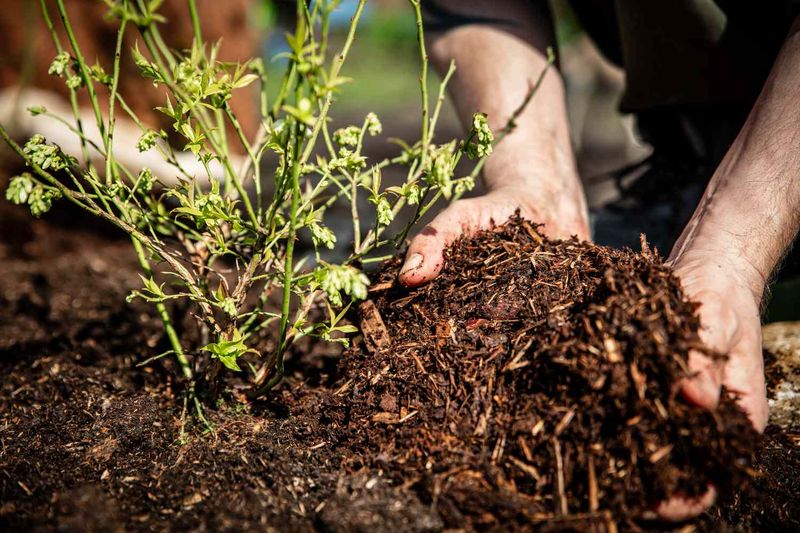
Mulching helps retain moisture and regulate temperature, but improper application can harm azaleas. Keep mulch a few inches away from the stem to prevent rot and pests. Apply a layer that’s 2-3 inches thick, using organic mulch like pine bark or needles. This not only protects but enriches the soil as it breaks down. Proper mulching keeps your azaleas healthy and beautiful. By avoiding mulch volcanoes, you’re ensuring happy, thriving plants!
7. Ignoring Pests
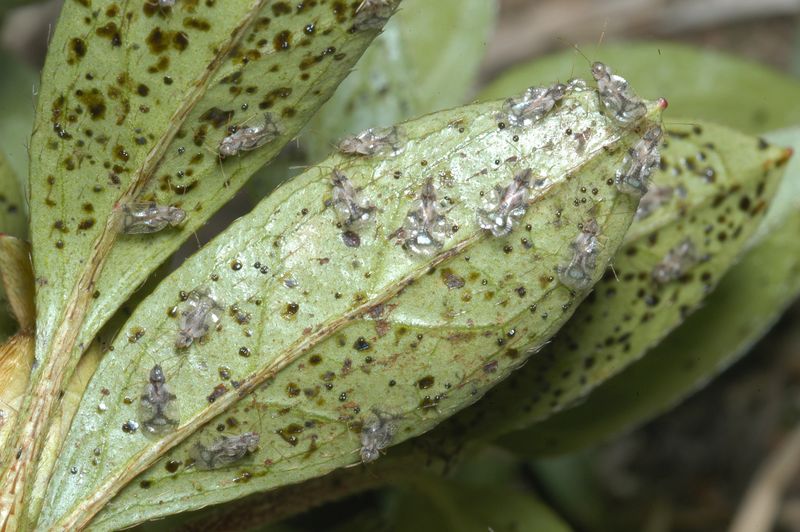
Pests like lace bugs and spider mites can wreak havoc on azaleas. Regular inspection is key to early detection. If you spot pests, use insecticidal soap or horticultural oil to control infestations. Encourage natural predators like ladybugs to help keep pest populations in check. By staying vigilant, you can prevent pests from turning your azaleas into their buffet. Remember, a healthy plant is less susceptible to pest problems, so maintain overall plant vigor.
8. Neglecting Disease Prevention
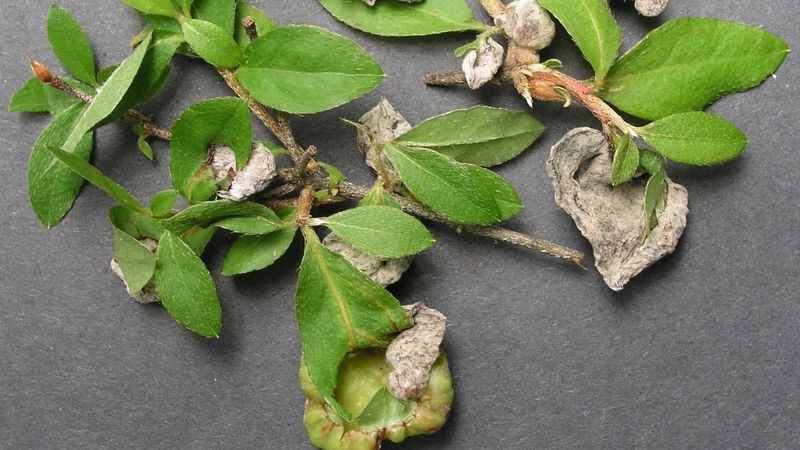
Azaleas are susceptible to diseases like powdery mildew and leaf gall. Proper spacing, good air circulation, and regular pruning can reduce disease risks. At the first sign of trouble, remove affected leaves and apply fungicide if needed. Keeping your azaleas dry during watering and avoiding overhead irrigation can also minimize disease spread. Healthy azaleas are resilient against diseases when well-cared for. Proactive management is the best defense against common azalea ailments.
9. Improper Watering Technique
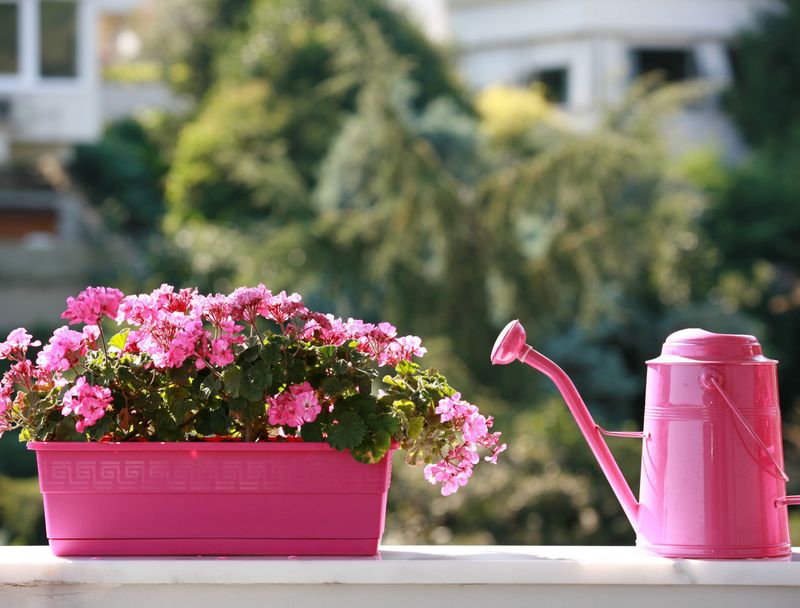
How you water azaleas is just as important as how much. Always water at the base to avoid wetting the foliage, which can lead to fungal diseases. Early morning is the best time, giving leaves a chance to dry before the evening. Consistent moisture is key, so use soaker hoses or drip irrigation to maintain even watering. By perfecting your watering technique, you’re creating an ideal environment for your azaleas to thrive.
10. Ignoring Seasonal Needs
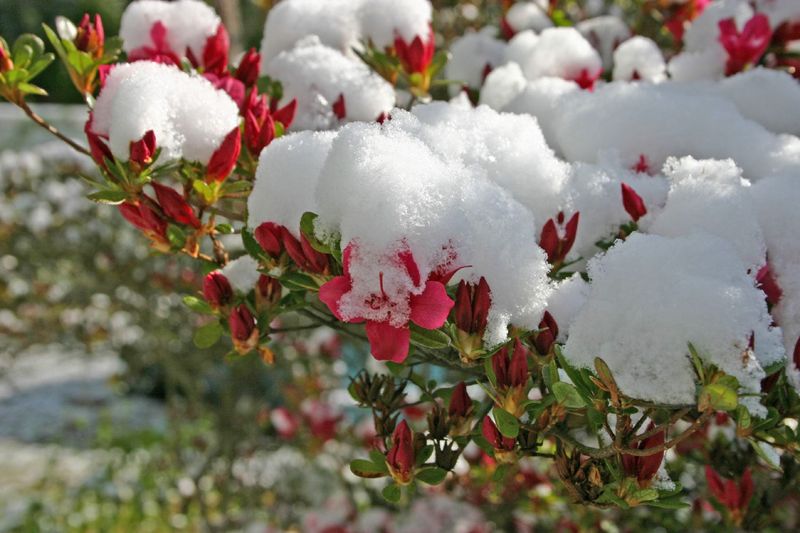
Azaleas have different needs throughout the year. In spring, they need nutrients to support blooming. Summer requires careful watering due to heat. Fall is for preparing them for winter with mulch and protection. Understanding these seasonal requirements ensures your azaleas remain healthy all year. Adjust care routines to match seasonal changes, and your azaleas will reward you with lush growth and vibrant blooms through all seasons.
11. Planting in Wrong Location

Location is crucial for azaleas. They need well-drained soil, protection from harsh winds, and partial shade. Avoid planting too close to buildings or pathways where reflected heat can scorch them. Test different garden spots to find the perfect environment for your azaleas. A well-chosen location ensures they have the best chance to thrive. With the right spot, your azaleas will be a stunning addition to your landscape.
12. Failing to Deadhead
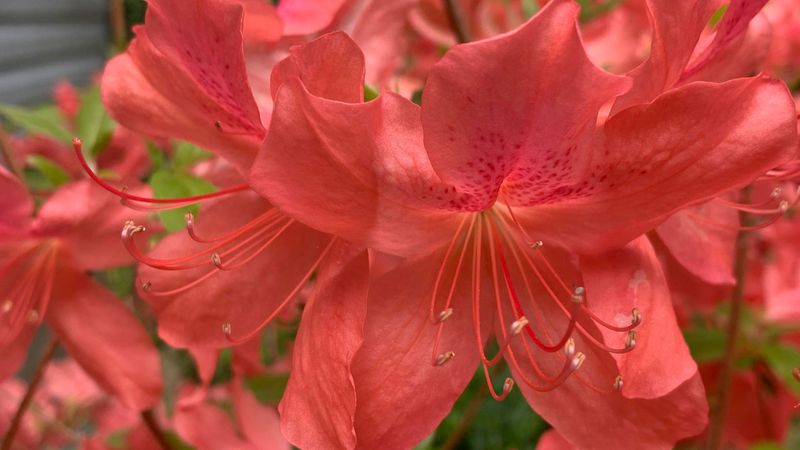
Deadheading, or removing spent blooms, is often overlooked but beneficial for azaleas. It encourages more flowers and redirects energy into plant health rather than seed production. Using clean, sharp scissors, snip off faded blooms just above a set of leaves. Regular deadheading not only keeps your azaleas tidy but promotes vigorous growth. By taking the time to deadhead, you’re investing in a more beautiful garden display.
13. Ignoring Soil Drainage

Good drainage is vital for azaleas. Poor drainage leads to waterlogged soil and root rot. Conduct a percolation test: dig a hole, fill with water, and check the drainage rate. If too slow, amend with organic matter or consider raised beds. Ensuring proper drainage prevents many issues and promotes healthy growth. By paying attention to soil drainage, you’re setting the foundation for thriving azaleas in your garden.
14. Choosing Wrong Varieties
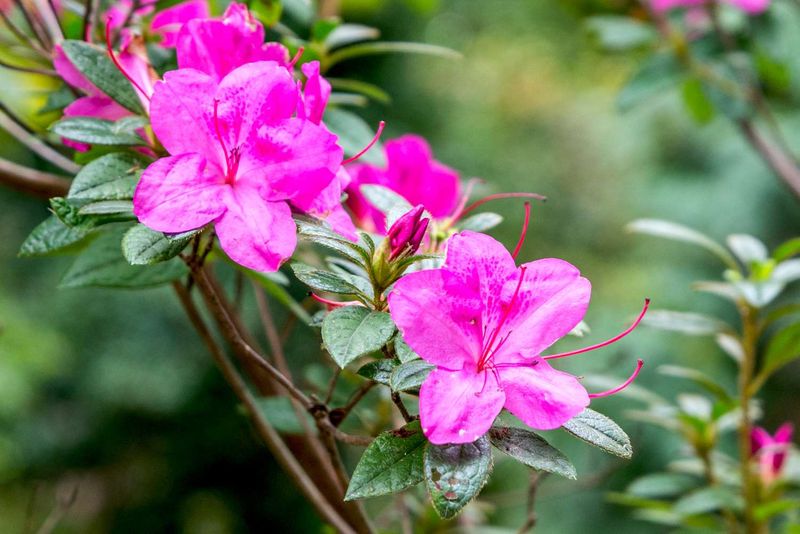
Not all azaleas are suited for every climate. Some prefer cooler environments, while others thrive in warmth. Research varieties that match your local conditions before planting. Consult with local nurseries or gardening clubs for recommendations. Choosing the right variety ensures your azaleas adapt well to their surroundings. With the right selection, you’re more likely to enjoy robust growth and stunning blooms year after year.
15. Neglecting Companion Planting
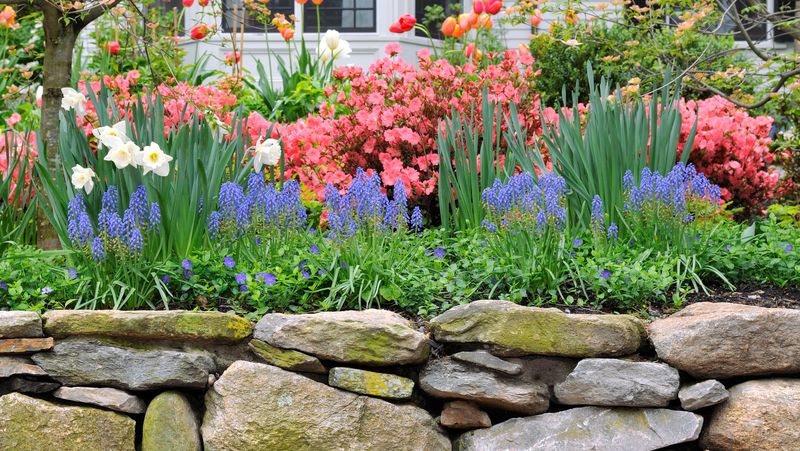
Companion planting can enhance the beauty and health of azaleas. Choose neighbors that enjoy similar conditions, such as ferns or hostas. These companions provide natural shade and help retain soil moisture. Avoid plants that compete for nutrients or require different care. By thoughtfully planning your garden, you create a harmonious environment where azaleas can flourish. Companion planting not only beautifies but also boosts plant health.