 Complete Gardening
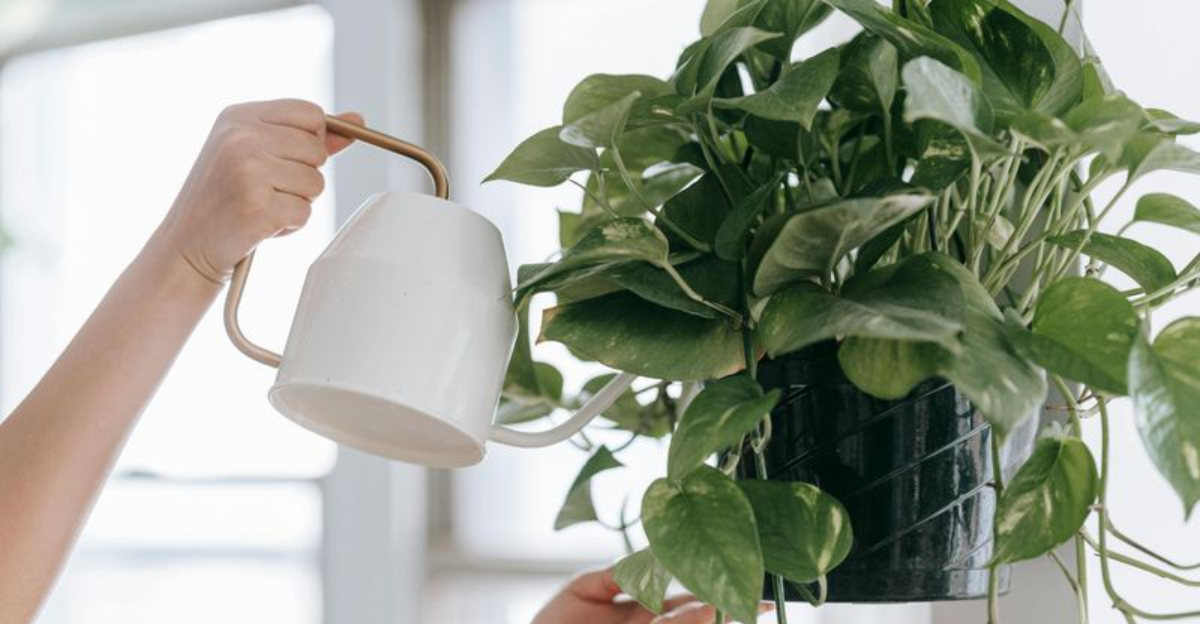
If you’ve ever killed a plant by loving it too much, you’re not alone. Overwatering is actually the number one reason houseplants die, and it’s an easy mistake to make.
The good news is that plenty of beautiful plants actually prefer when you forget about them for a while. These tough, resilient plants are perfect for busy people, beginners, or anyone who wants greenery without the stress.
Snake Plant (Sansevieria)
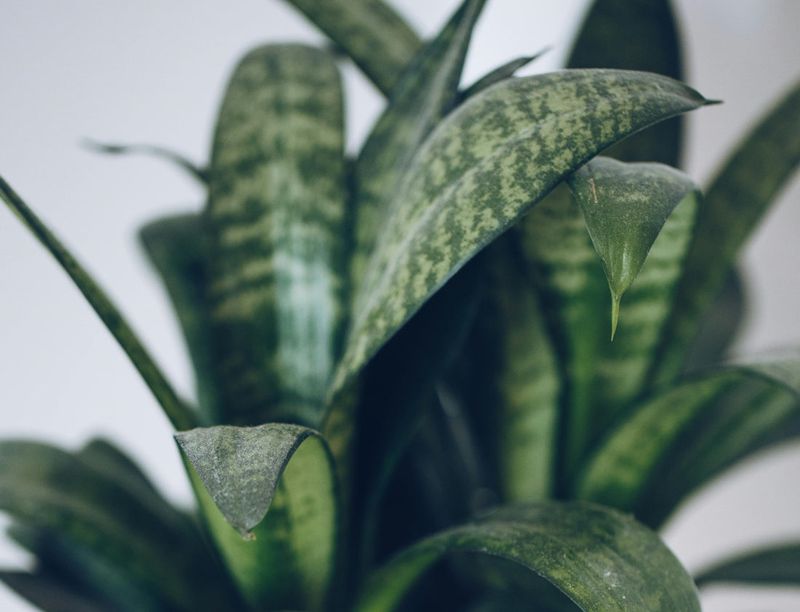
Nicknamed the “mother-in-law’s tongue,” the snake plant has earned a reputation as basically indestructible. It thrives in low light and only needs watering every two to six weeks.
Forget it on a shelf and it will still look sharp.
Snake plants also purify indoor air by removing toxins like formaldehyde. They grow slowly, so you won’t need to repot often.
If you water it once a month and walk away, this plant will reward you with steady, upright beauty.
Pothos
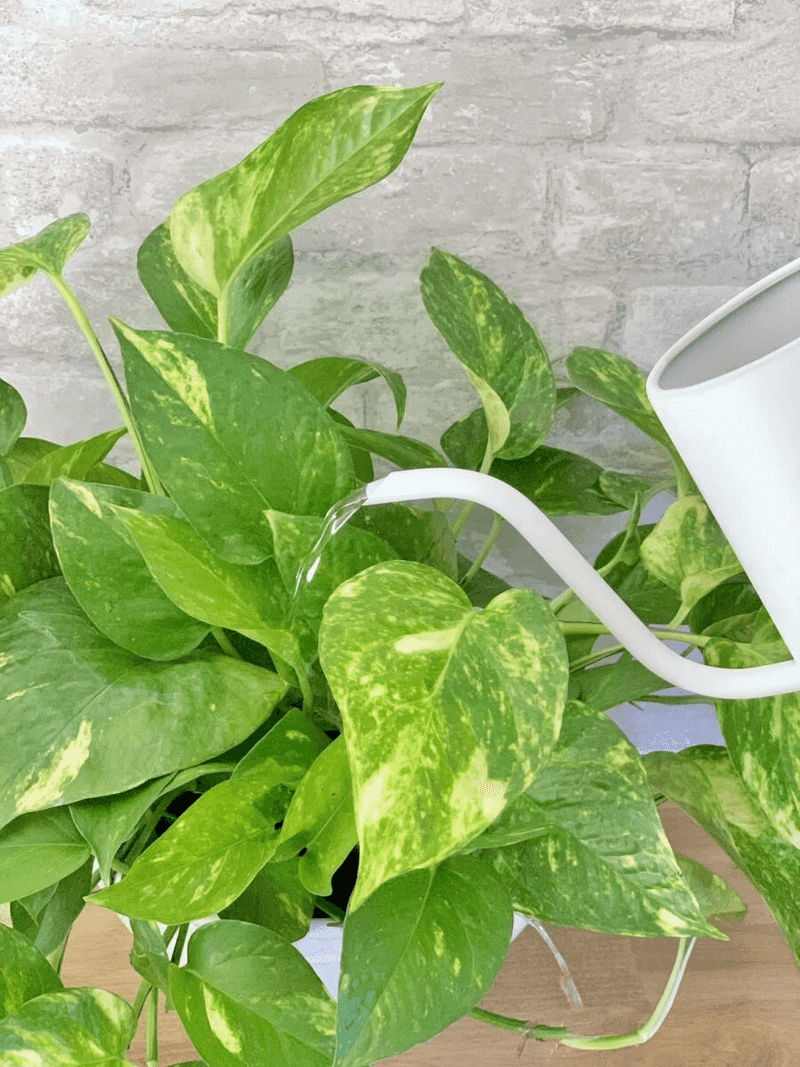
Pothos might just be the most forgiving plant on the planet. You can stick it in a dark corner, forget to water it for two weeks, and it will still be happily trailing its vines everywhere.
It practically laughs at neglect.
This plant signals when it needs water by letting its leaves droop slightly, then perks right back up after a drink. It grows fast and looks gorgeous on shelves or hanging baskets.
Beginners absolutely love it for good reason.
ZZ Plant (Zamioculcas zamiifolia)
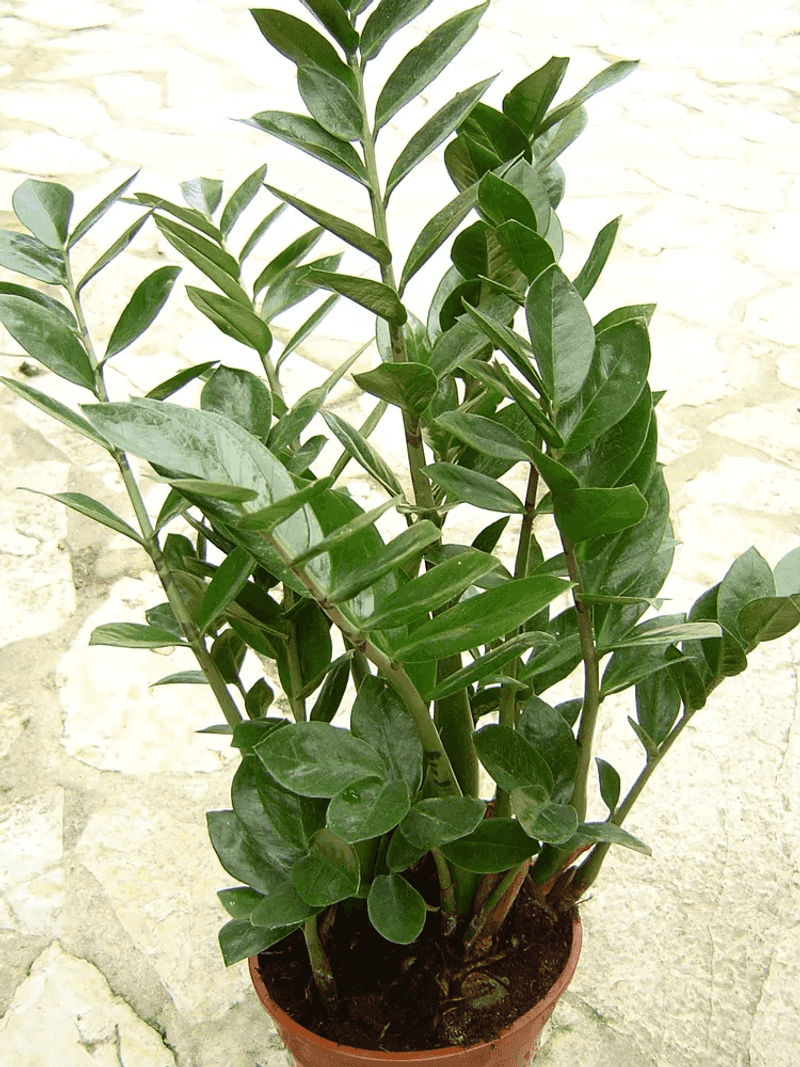
The ZZ plant stores water in its thick underground rhizomes, which means it can go weeks without a drink and barely notice. Water it every three to four weeks, and it will stay glossy and gorgeous all year long.
Its waxy, deep green leaves shine like they were polished, making it a showstopper in any room. Low light?
No problem. Dry air?
Totally fine. The ZZ plant was practically designed for people who always forget to water their plants.
Cactus
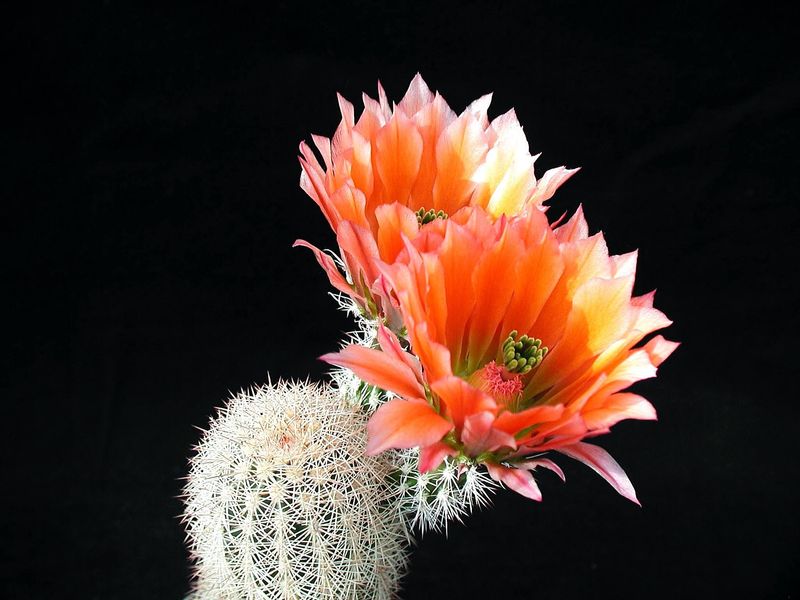
Cacti are the ultimate survivors. They evolved in some of the harshest deserts on Earth, storing water in their thick stems so they can go months without rain.
Watering yours once every two to four weeks during summer is plenty.
In winter, they need even less. The biggest mistake people make with cacti is drowning them in kindness.
Give them bright light, well-draining soil, and the occasional drink, and they’ll reward you with surprisingly charming shapes and even blooms.
Aloe Vera
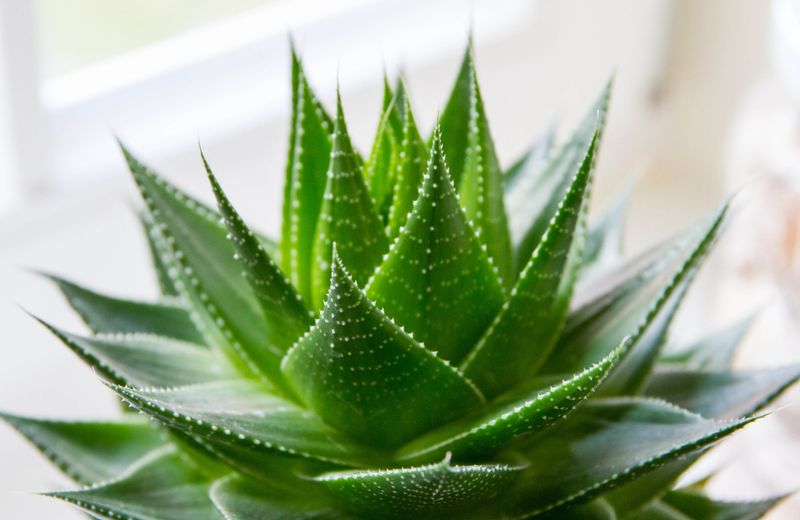
Aloe vera is the plant that pulls double duty, looking cool on your shelf while also being a natural first-aid kit for minor burns and cuts. It stores water in its fleshy leaves, so overwatering is its biggest enemy.
Water it every two to three weeks and let the soil dry out completely in between.
Place it in a sunny spot and it basically takes care of itself. Practical, stylish, and nearly impossible to kill, aloe vera earns its place in any home.
Spider Plant (Chlorophytum comosum)
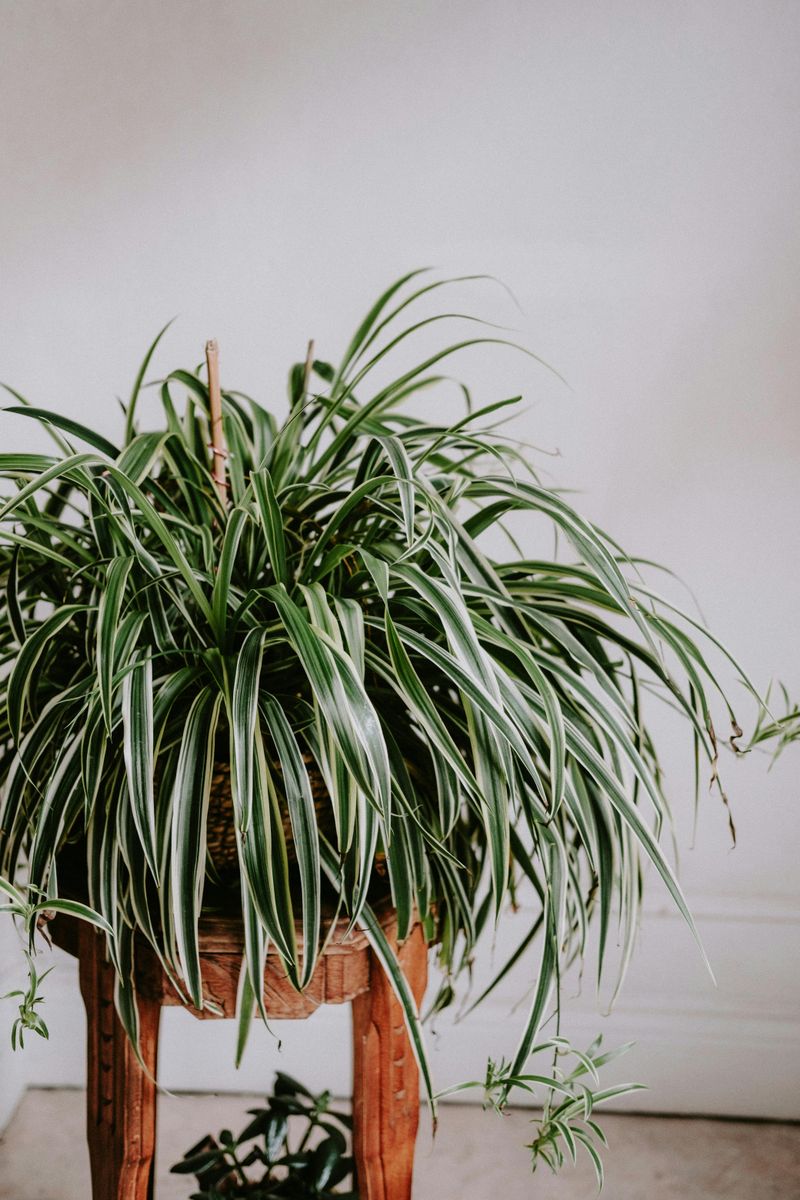
Spider plants have been thriving in living rooms since the 1970s, and there is a very good reason for that. They are incredibly adaptable, tolerating low light, dry air, and irregular watering without throwing a fit.
They even produce adorable little “babies” that dangle from long stems.
Water yours once a week in summer and cut back in winter. The spider plant is one of those rare plants that actually seems to enjoy being slightly ignored between waterings.
A true crowd-pleaser.
Succulents
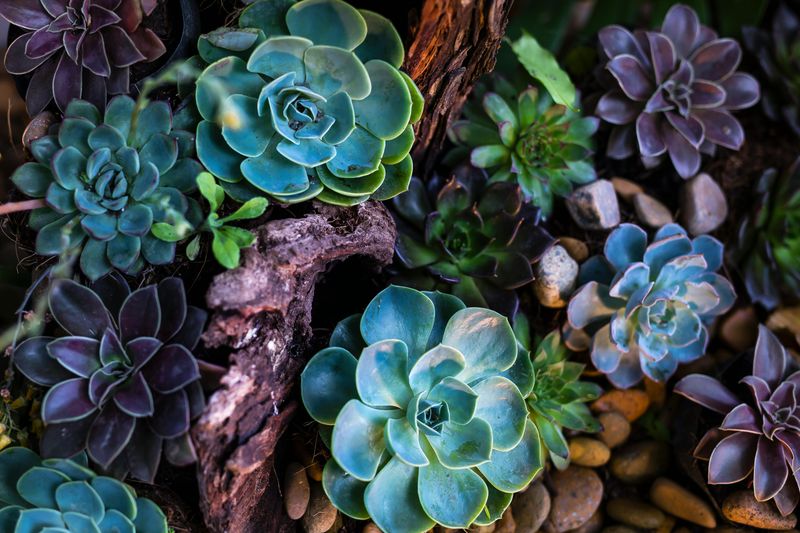
Succulents come in hundreds of shapes, colors, and sizes, from chubby rosettes to tall, sculptural forms. What they all share is a talent for storing water in their leaves, making them perfect for forgetful plant parents.
Water them deeply but infrequently, about once every one to two weeks.
Always let the soil dry out completely between waterings. The most common succulent killer is soggy soil, so good drainage is everything.
Get that right, and these little gems will thrive for years.
Cast Iron Plant (Aspidistra elatior)
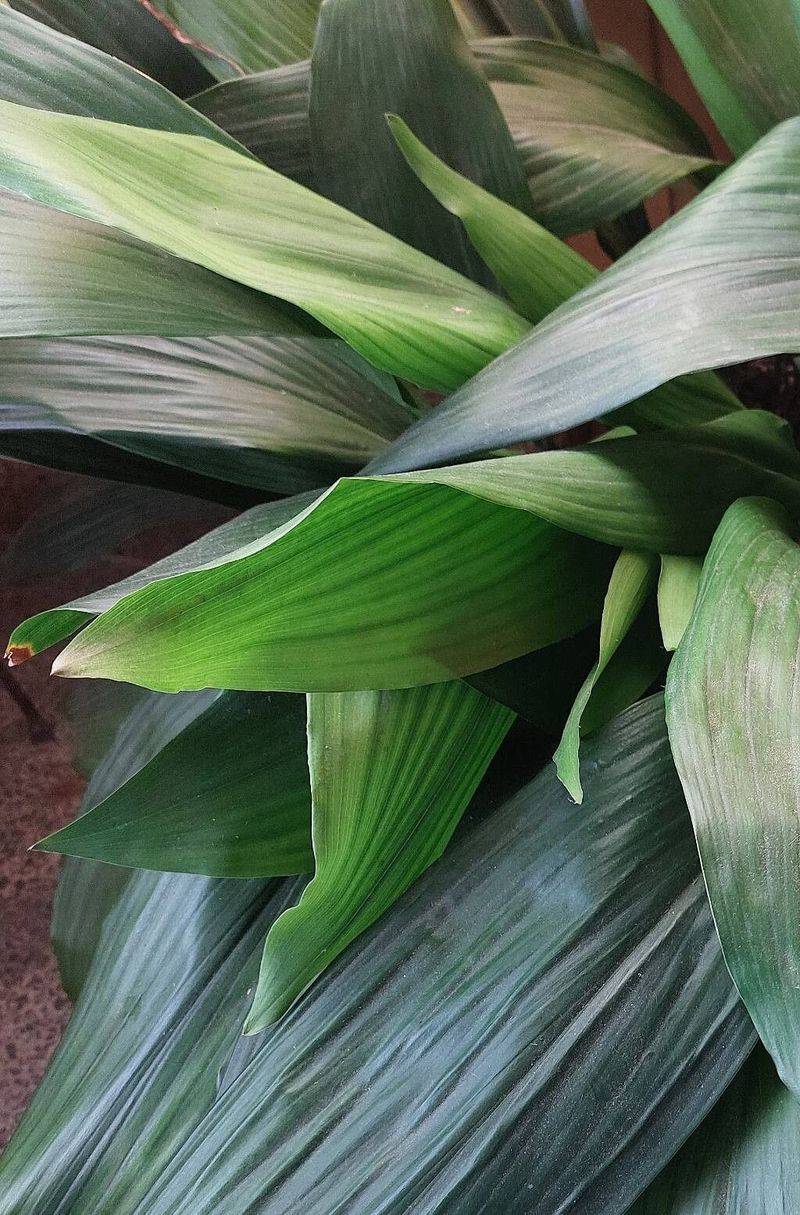
True to its name, the cast iron plant is tough as nails. It was a Victorian-era favorite because it could survive gas fumes, dust, deep shade, and sporadic watering, things that would kill most plants instantly.
Not much has changed. It still thrives in low-light corners with minimal attention.
Water it every two to three weeks and wipe the leaves occasionally to keep them looking their best. If you want a dramatic, lush plant that demands almost nothing from you, this is it.
Chinese Evergreen (Aglaonema)
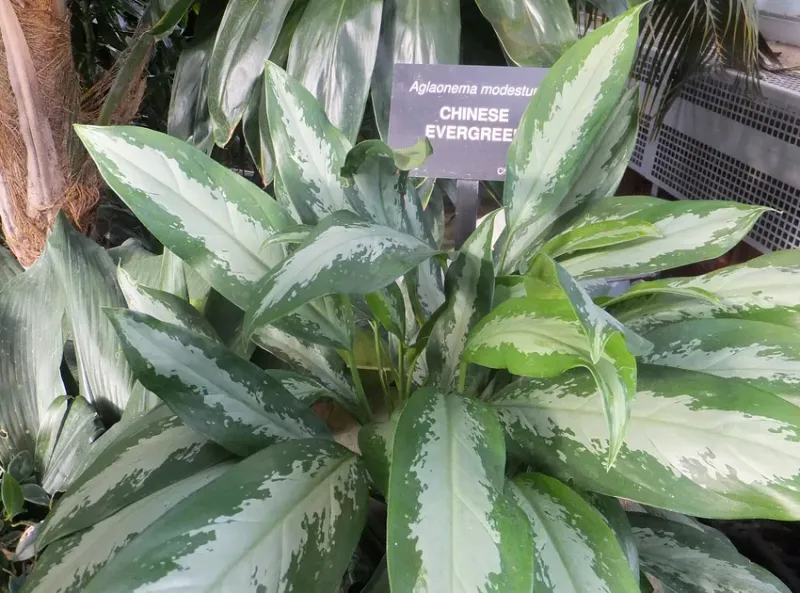
Few plants offer as much color and drama for as little effort as the Chinese evergreen. Its leaves come in stunning combinations of red, pink, green, and silver, and it genuinely does not need much light or water to stay vibrant.
Water it every one to two weeks, letting soil dry between sessions.
It even tolerates air conditioning and low humidity, making it ideal for offices and apartments. Bold, beautiful, and brilliantly low-maintenance, it is hard to find a better deal in the plant world.
Jade Plant (Crassula ovata)
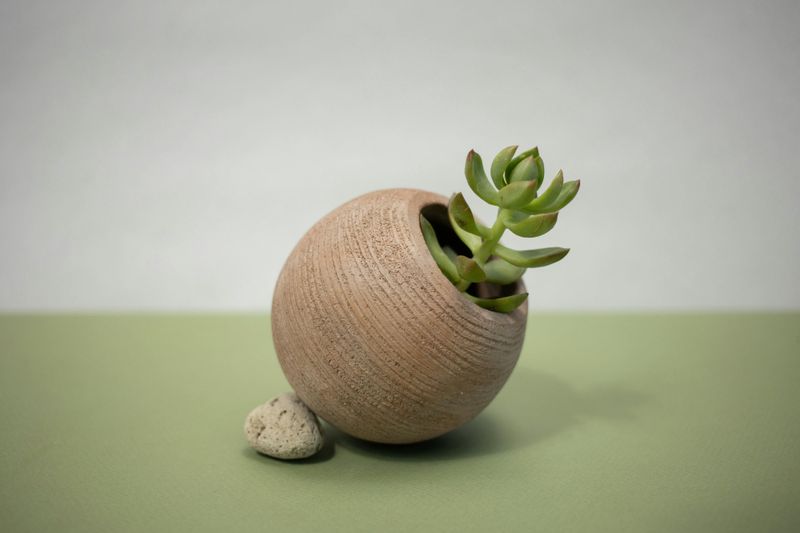
In many cultures, jade plants are considered symbols of good luck and prosperity, and they have been passed down through generations because they genuinely last for decades with minimal care. Their thick, coin-shaped leaves store water, so they only need watering every two to three weeks.
Give it bright light and well-draining soil, and it will slowly grow into a stunning miniature tree. Jade plants are patient, long-lived, and remarkably unbothered by occasional neglect.
A little sunshine goes a long way.
Peace Lily (Spathiphyllum)
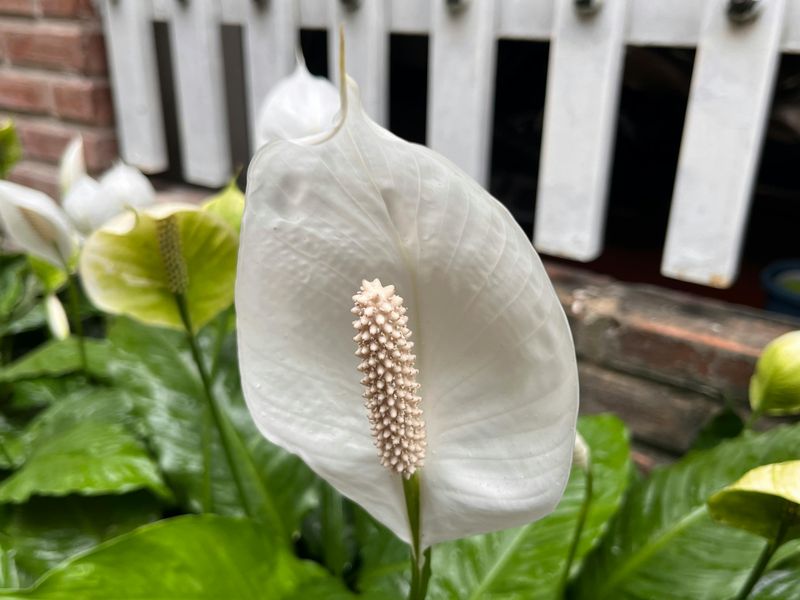
Here is something surprising: the peace lily actually tells you when it is thirsty. Its leaves droop dramatically when it needs water, then bounce back within hours of a good drink.
This built-in signal makes it one of the easiest plants to care for without guesswork or schedules.
It thrives in low light and prefers to dry out slightly between waterings. Overwatering causes root rot, so less is truly more here.
Elegant blooms and zero fuss make the peace lily a standout choice.
Ponytail Palm (Beaucarnea recurvata)
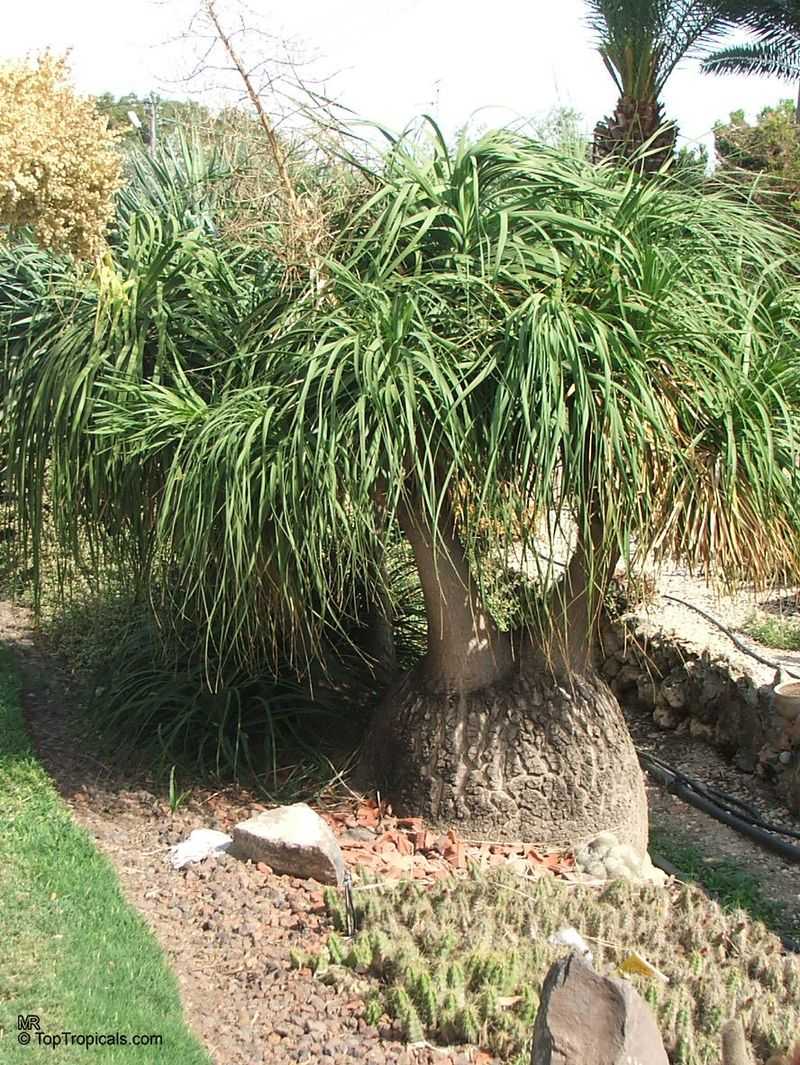
With its quirky swollen base and wild, flowing leaves, the ponytail palm looks like it belongs in a Dr. Seuss book. That bulging trunk is actually a water reservoir, storing moisture so the plant can survive long dry spells with ease.
Water it just once every two to four weeks.
It loves bright light and hates sitting in wet soil. Slow-growing and sculptural, this plant can live for decades and barely changes between visits.
Basically the most relaxed plant you will ever own.
Rubber Plant (Ficus elastica)
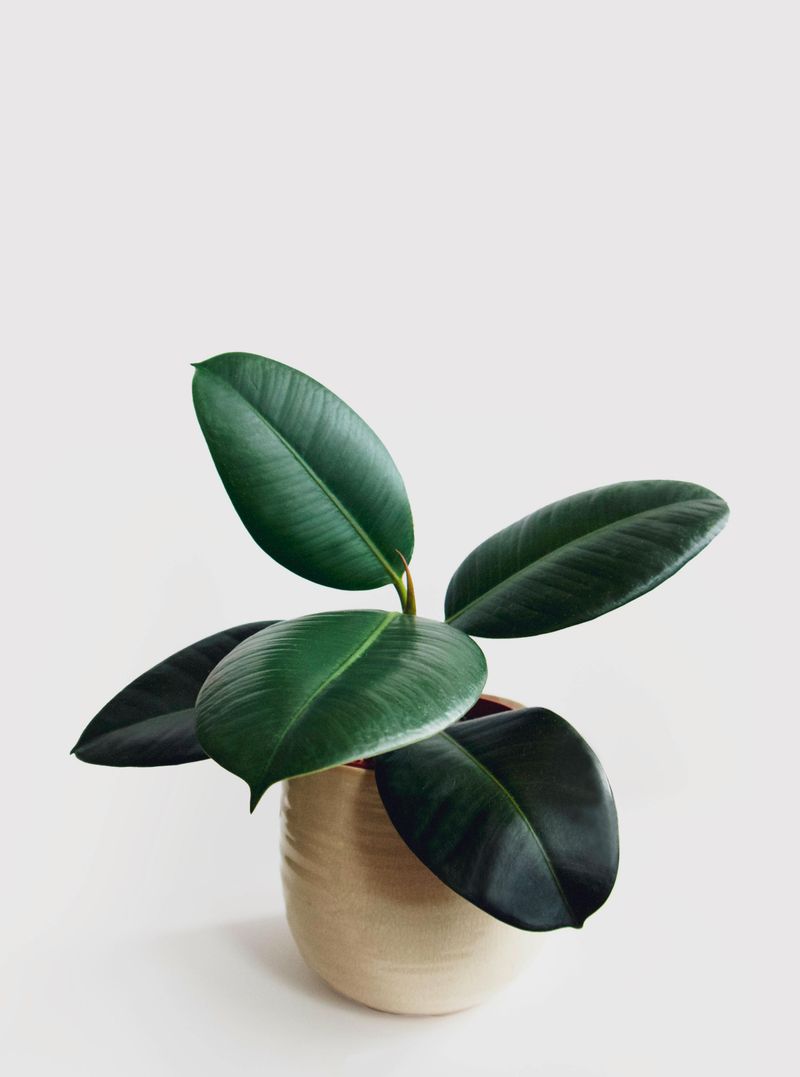
Rubber plants bring serious style to any room with their large, glossy leaves in shades of deep green, burgundy, or even variegated cream. They prefer bright indirect light and watering every one to two weeks, with soil drying out between sessions.
Give them too much water and they drop leaves fast.
Wipe the leaves with a damp cloth occasionally to help them breathe and shine. Once you find a good spot, avoid moving them around too much since they dislike change.
Reliable and gorgeous.
Haworthia
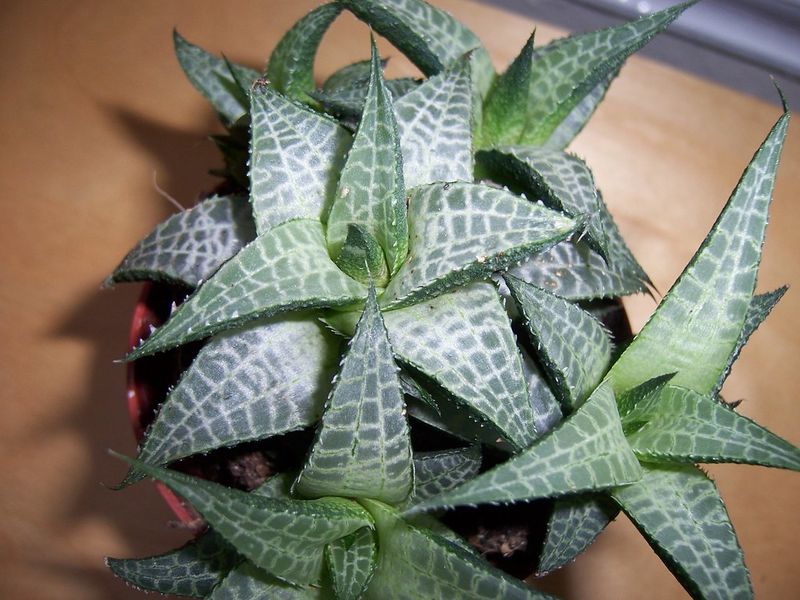
Haworthia is the perfect plant for a small desk or windowsill, staying compact and tidy no matter how long you leave it alone. Related to aloe, it stores water in its firm, patterned leaves and only needs watering every two to three weeks.
It even tolerates lower light than most succulents.
Unlike many plants, haworthia will not throw a tantrum if you skip a watering or two. Its striking geometric patterns make it look almost artificial.
Tiny in size, huge in personality, and wonderfully easygoing to maintain.