 Complete Gardening
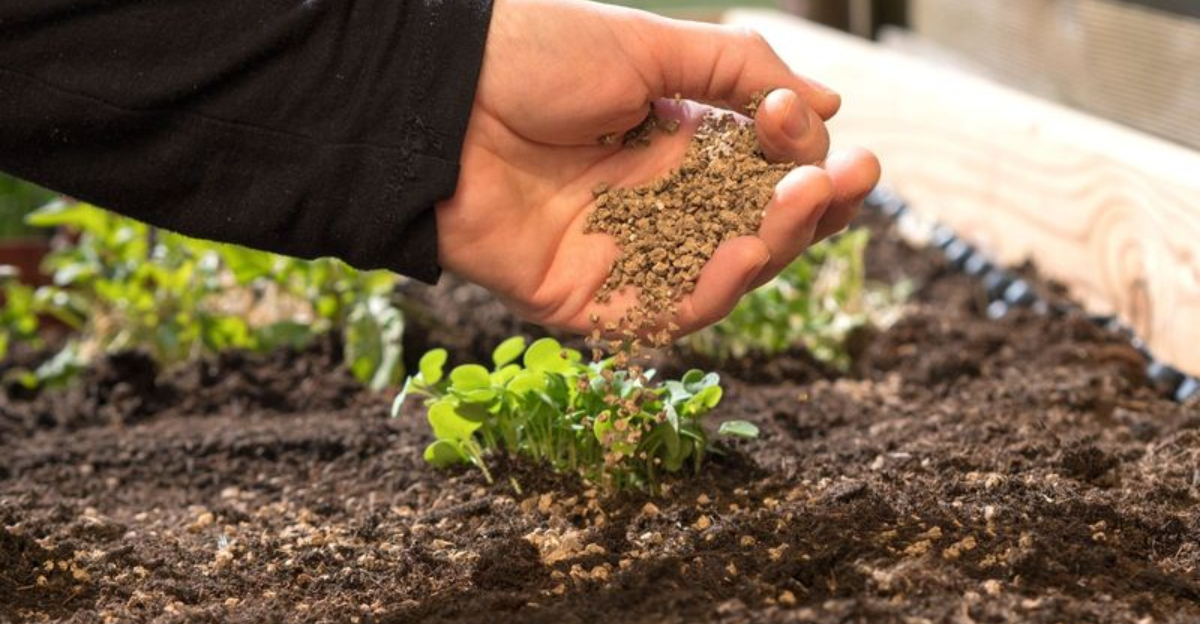
Tomato enthusiasts often rely on store-bought soil, trusting it to provide the best environment for their beloved plants. However, recent studies reveal surprising findings about the components needed for optimal tomato growth. This blog post delves into the 15 ingredients that are often overlooked yet crucial for nurturing juicy, flavorful tomatoes.
1. Volcanic Rock Dust
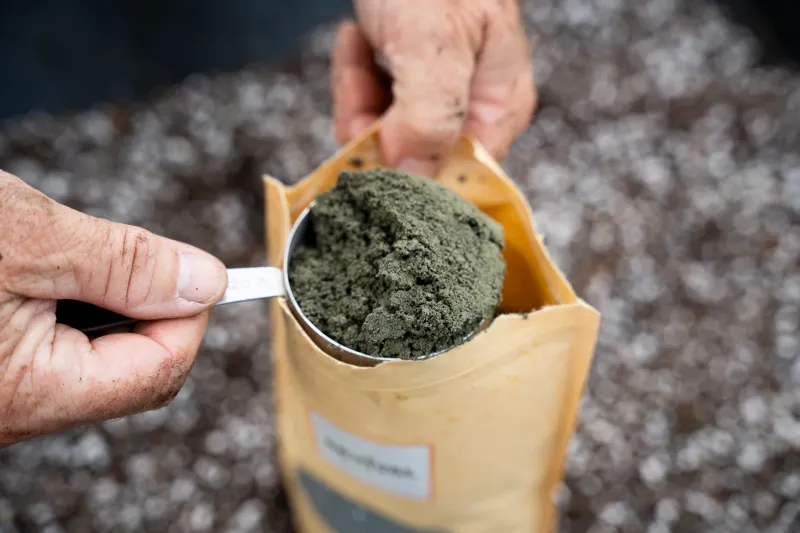
Imagine the power of a volcano harnessed in your garden. Volcanic rock dust, rich in essential minerals, enhances soil structure and promotes healthy root growth. This natural amendment rejuvenates exhausted soils, providing tomatoes with the trace elements they crave.
Sprinkling this dust ensures your plants have access to iron, magnesium, and calcium. These micronutrients, often lacking in commercial soil mixes, are vital for robust tomato health. The dust also improves water retention, reducing the need for constant watering.
Interestingly, ancient civilizations utilized volcanic ash to enhance crop yield. Embrace this organic powerhouse for thriving tomatoes.
2. Bone Meal
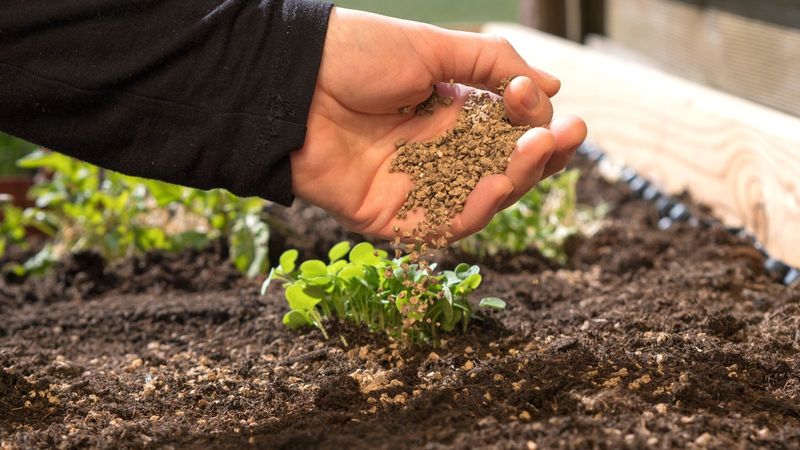
With a rich history in gardening, bone meal has long supported plant growth. This organic fertilizer, made from ground animal bones, offers a phosphorus boost crucial for fruiting plants like tomatoes.
Phosphorus aids in developing strong root systems and enhances flowering. Incorporating bone meal into your soil mix ensures your tomatoes have a steady supply of this essential nutrient.
As a slow-release fertilizer, it continues to nourish plants over time, making it a favorite among gardeners. Its natural composition aligns perfectly with eco-friendly gardening practices, providing an ethical choice for conscientious growers.
3. Worm Castings
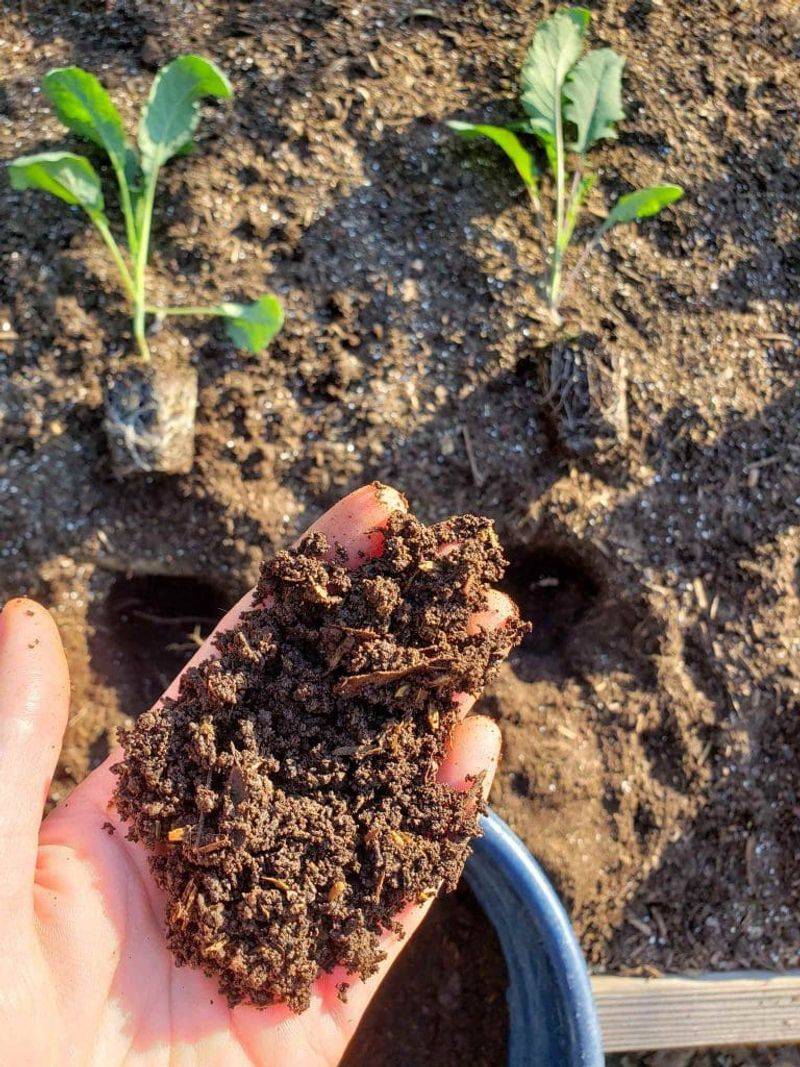
Worm castings, the humble product of earthworms, are a gardener’s secret weapon. These rich, dark granules are packed with nutrients that boost tomato growth and improve soil health.
Known for enhancing plant immunity, worm castings protect tomatoes from common diseases and pests. They enrich the soil with beneficial microbes, aiding nutrient absorption.
As an added bonus, they improve soil texture and water retention. Unlike synthetic fertilizers, they release nutrients slowly, ensuring a steady supply for your plants. This eco-friendly amendment is a must-have for any tomato grower seeking lush, vibrant plants.
4. Epsom Salt
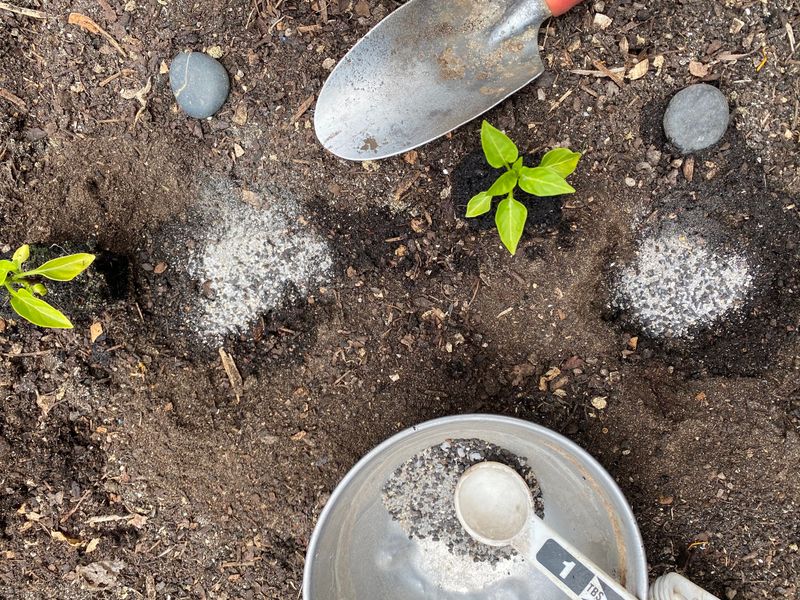
Epsom salt, a gardener’s ally, is a simple yet effective addition to tomato soil. Comprising magnesium sulfate, it addresses magnesium deficiencies common in acidic soils, which can hinder fruit development.
By supplementing soil with Epsom salt, you ensure vibrant, lush foliage and robust fruit production. Its easy solubility allows for application in watering solutions, making it a convenient choice.
Magnesium plays a crucial role in photosynthesis, enhancing the plant’s ability to convert sunlight into energy. This inexpensive amendment is a practical solution for gardeners striving for healthy, productive tomato plants.
5. Composted Cow Manure

Cow manure, when fully composted, is a nutrient-rich amendment that transforms tomato soil. It provides a balanced supply of essential nutrients, including nitrogen, phosphorus, and potassium, vital for healthy plant growth.
The composting process breaks down harmful pathogens, making it safe for garden use. This organic matter enhances soil structure and increases its ability to retain moisture.
Gardeners have used cow manure for centuries to improve soil fertility. Its natural components create a thriving environment for beneficial microorganisms, promoting strong, productive tomato plants. This sustainable choice supports eco-friendly gardening practices.
6. Bat Guano
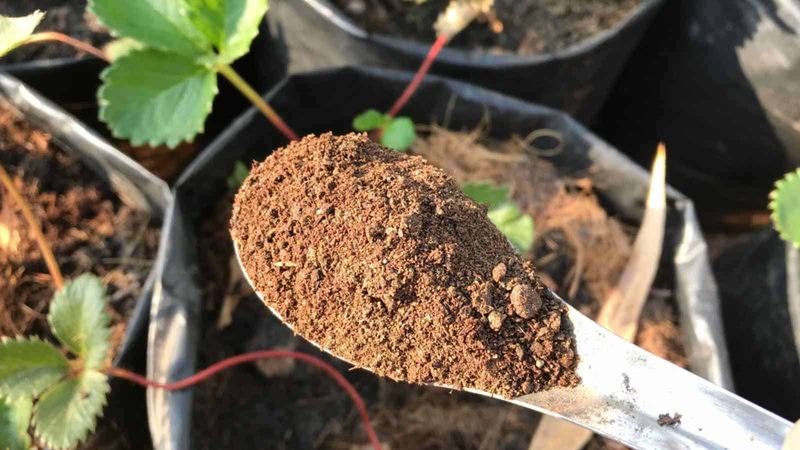
Bat guano, a potent fertilizer, offers a unique blend of nutrients that tomatoes thrive on. Known for its high nitrogen, phosphorus, and potassium content, bat guano stimulates vigorous growth and enhances fruiting.
This fast-acting amendment is easily absorbed, providing an immediate nutrient boost. Its organic nature supports a healthy soil ecosystem, encouraging beneficial microbial activity.
In addition to its nutritional benefits, bat guano improves soil texture and drainage. This makes it an ideal choice for gardeners looking to improve soil quality. Its storied use in agriculture highlights its ongoing value in sustainable gardening.
7. Seaweed Extract
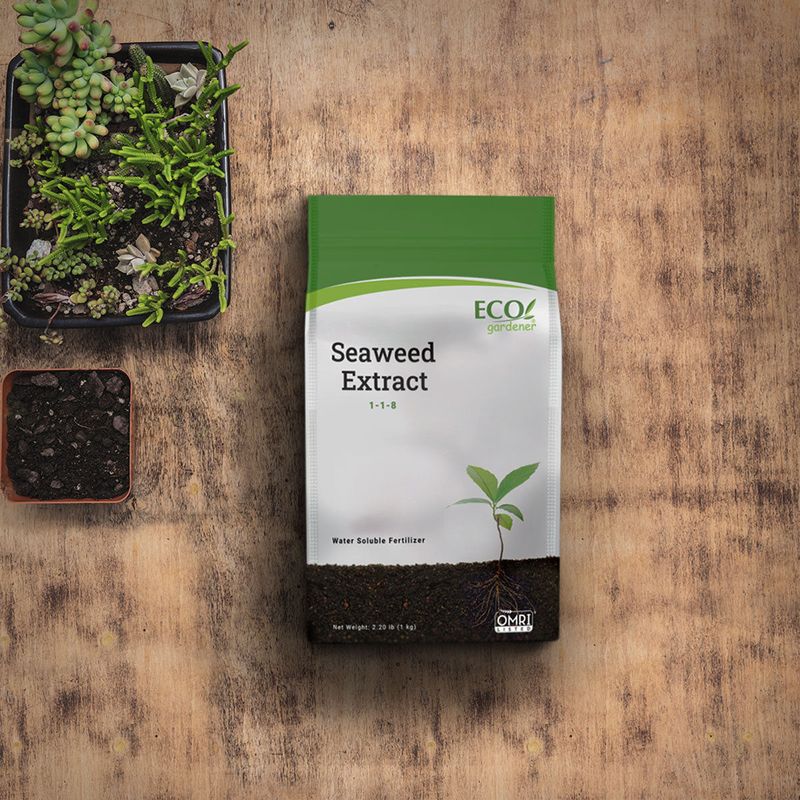
Seaweed extract, drawn from oceanic flora, is a liquid treasure for tomato growers. Packed with micronutrients and growth hormones, it stimulates plant growth and enhances resistance to environmental stress.
This amendment improves soil health, promoting beneficial microbial activity and improving nutrient uptake. Seaweed’s natural composition aids in water retention, vital for consistent plant hydration.
Its application is versatile, suitable for foliar sprays or soil drenches. As a renewable resource, seaweed extract aligns with sustainable farming practices. This ocean-derived solution supports lush foliage and bountiful tomato harvests, making it a favorite among organic gardeners.
8. Coffee Grounds
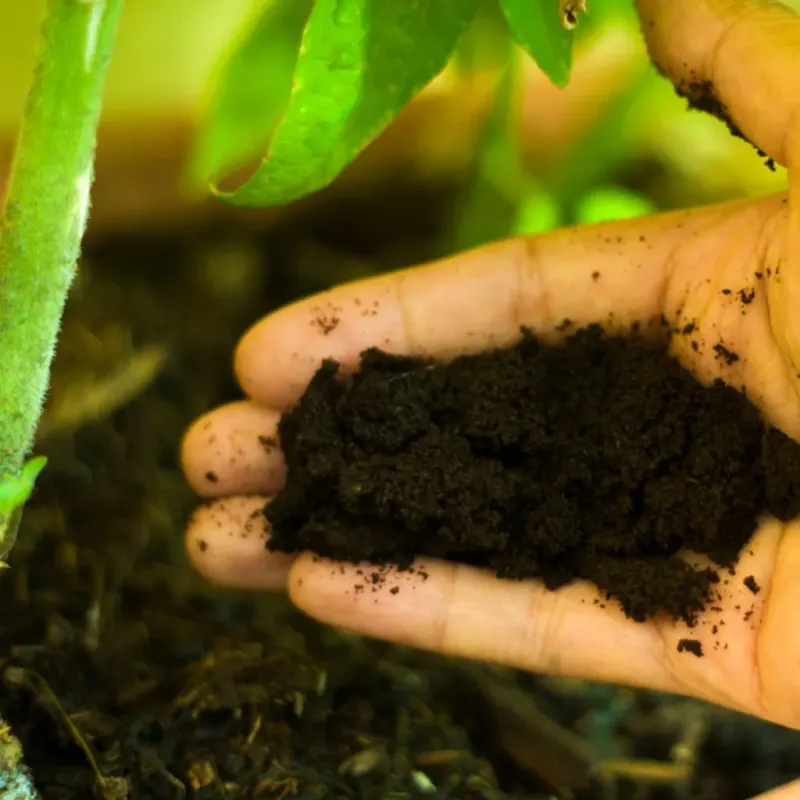
Coffee grounds, a kitchen staple, surprisingly serve as an excellent soil amendment for tomatoes. Rich in nitrogen, they provide a slow-release source of this essential nutrient, crucial for leaf growth.
In addition to nitrogen, coffee grounds improve soil structure and enhance drainage. They attract earthworms, natural soil aerators, further benefiting tomato health.
Interestingly, coffee grounds can deter common pests, providing a natural form of pest control. Used grounds are an eco-friendly option, repurposing waste in a beneficial way. This simple addition enriches your garden without the need for chemical fertilizers.
9. Peat Moss

Peat moss, harvested from decomposed plant material, offers unique benefits for tomato soil. It improves soil structure, aiding in water retention and drainage, crucial for tomato health.
Its acidic nature balances alkaline soils, creating an optimal environment for nutrient absorption. Peat moss also supports beneficial microbial activity, enhancing soil fertility.
While not a fertilizer, it complements other amendments by improving soil conditions. However, gardeners should be mindful of sustainable harvesting practices, as peat moss is a non-renewable resource. This versatile amendment remains a popular choice for boosting tomato growth.
10. Perlite
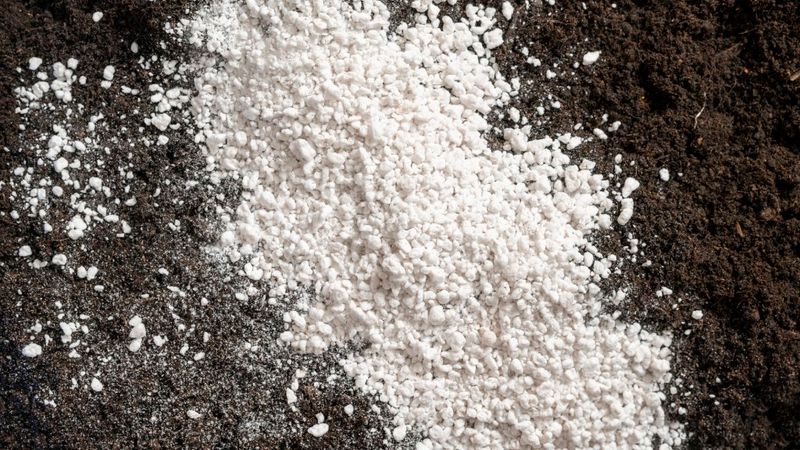
Perlite, a volcanic glass, is a lightweight amendment that transforms tomato soil. Its porous nature enhances aeration and drainage, preventing root rot and supporting healthy growth.
Mixing perlite into soil prevents compaction, ensuring roots have access to oxygen. Its neutral pH makes it compatible with various soil types, offering versatility in gardening applications.
While perlite doesn’t provide nutrients, it complements other amendments, optimizing soil conditions. Its widespread use in horticulture underscores its value in promoting vigorous plant growth. This essential component supports thriving tomato plants with minimal effort.
11. Fish Emulsion
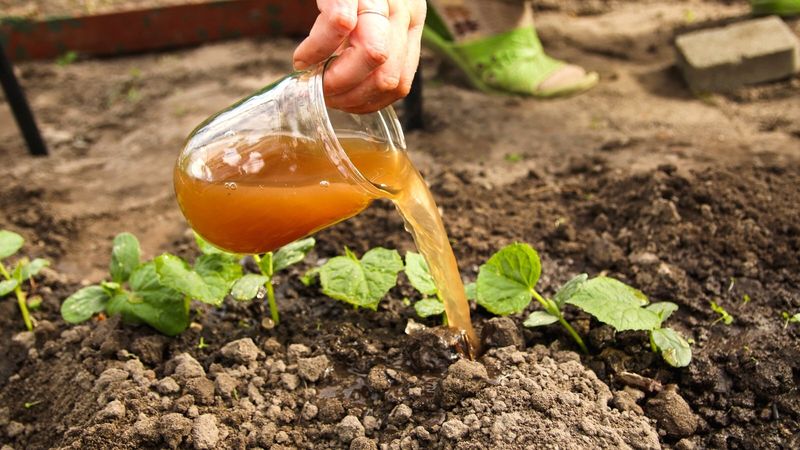
Fish emulsion, derived from fish waste, is a nutrient-rich liquid fertilizer perfect for tomatoes. It provides a balanced mix of nitrogen, phosphorus, and potassium, essential for plant growth and fruit production.
This organic fertilizer is quickly absorbed, delivering immediate nourishment to plants. It also contains trace elements, enhancing plant health and vitality.
Fish emulsion supports a thriving soil ecosystem, encouraging beneficial microbial activity. Its liquid form allows for easy application, either as a soil drench or foliar spray. This sustainable amendment offers a natural solution for gardeners seeking bountiful tomato harvests.
12. Green Manure
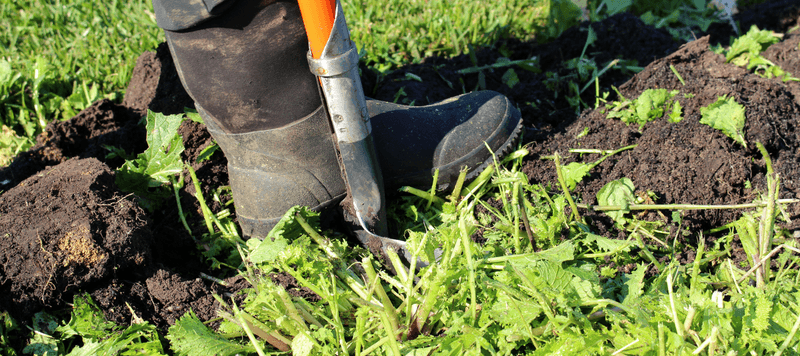
Green manure, a cover crop strategy, rejuvenates tomato soil. By growing specific plants and incorporating them back into the soil, gardeners improve soil fertility and structure.
These cover crops, like clover or vetch, fix nitrogen and add organic matter. This process supports a thriving soil ecosystem, enhancing nutrient availability and water retention.
Green manure suppresses weeds and reduces soil erosion, promoting sustainable gardening. Its application highlights the beauty of nature’s cycles, turning plants into soil builders. This regenerative practice benefits both the garden and the environment, creating a harmonious growing space.
13. Gypsum
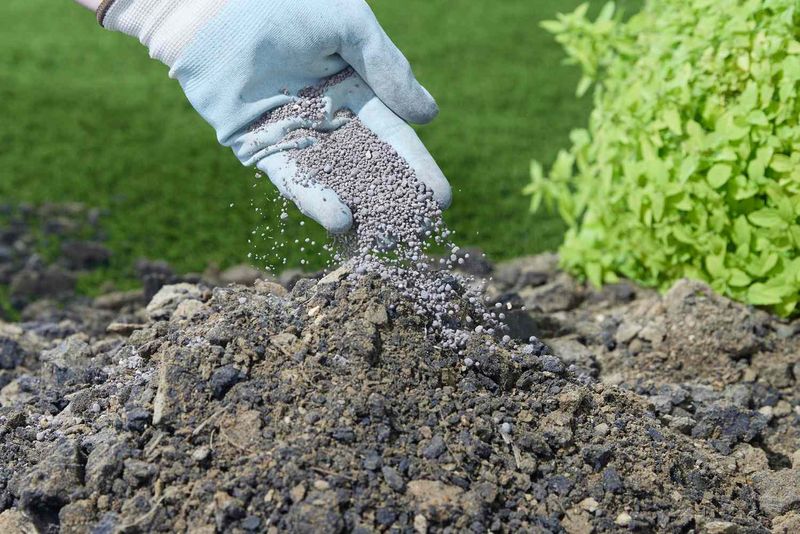
Gypsum, a mineral compound, offers unique benefits for clay-heavy tomato soils. It enhances soil structure by breaking up compacted soil, improving aeration and drainage.
By adding calcium and sulfur, gypsum balances soil pH and provides essential nutrients. These elements are crucial for robust plant growth and fruit development.
Unlike lime, gypsum doesn’t alter soil pH significantly, making it a versatile amendment. This makes it especially useful in soils with high sodium content, where it helps displace sodium ions. For gardeners dealing with challenging soil conditions, gypsum is an invaluable ally.
14. Mycorrhizal Fungi
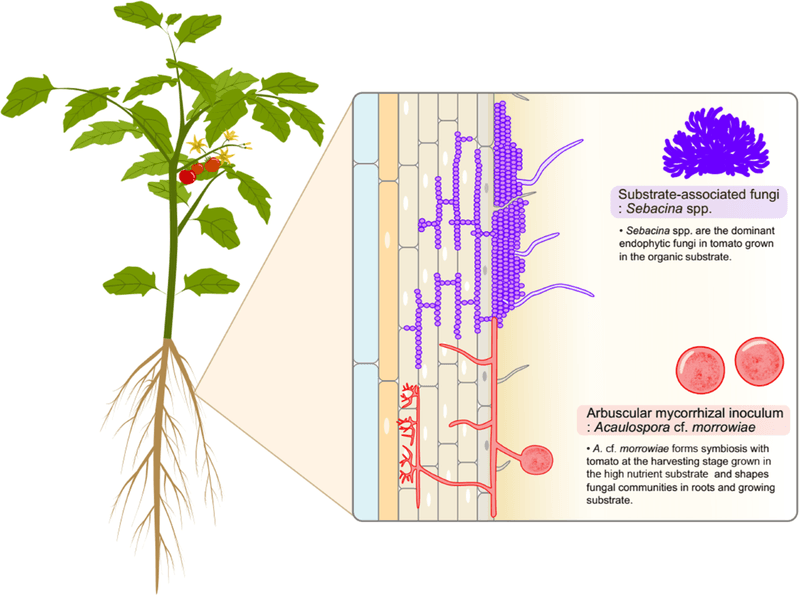
Mycorrhizal fungi, a symbiotic partner for plants, revolutionizes tomato growth. These beneficial fungi enhance nutrient absorption, particularly phosphorus, by extending the root system.
By forming a network around roots, they increase access to water and nutrients, boosting plant resilience. This natural relationship reduces the need for chemical fertilizers, promoting sustainable gardening.
Interestingly, mycorrhizal fungi improve plant resistance to stress and disease. Their presence supports a healthy soil ecosystem, enhancing overall garden vitality. For those seeking a harmonious and productive garden, these microscopic allies are indispensable.
15. Biochar
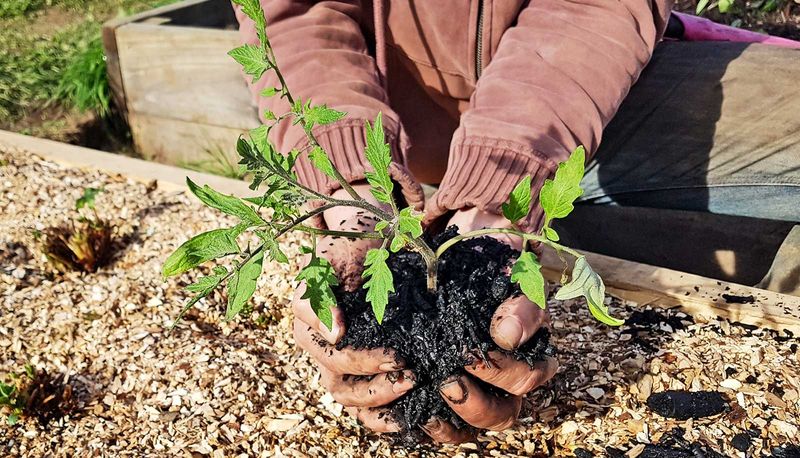
Biochar, a carbon-rich product made from organic materials, has been gaining attention among gardening enthusiasts. Its unique ability to improve soil fertility makes it a valuable ingredient in tomato soil.
By retaining nutrients and enhancing water retention, it supports robust plant growth. Biochar also fosters beneficial soil microorganisms, encouraging a thriving ecosystem.
Did you know? It has been used for centuries in Amazonian forests to enrich poor soils. Incorporating biochar into your soil mix could be the secret to bountiful tomato harvests, turning your garden into a flourishing paradise.