
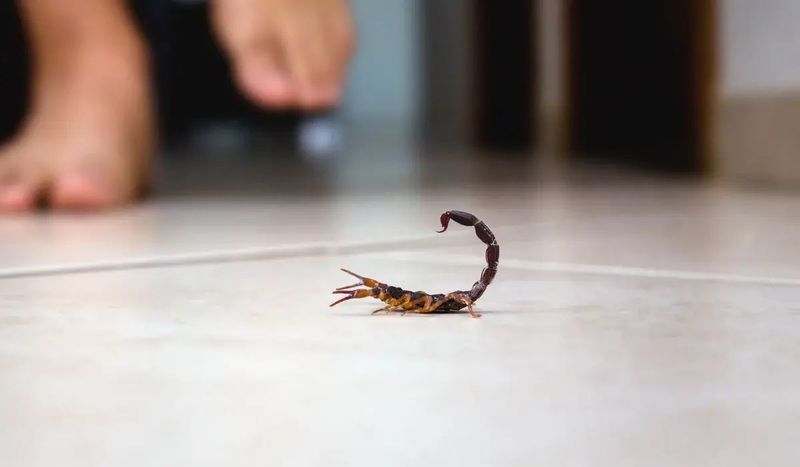
You reach under a pot or pull a clump of weeds, and suddenly your hand feels like it touched a hot wire. Scorpions live all over Texas, and gardens give them plenty of cool, shady places to hide.
Many stings cause only local symptoms, but some reactions are serious, so knowing the real first steps matters. Here is a calm plan for what to do, what to watch for, and when to get help.
Wash the sting and cool it for pain
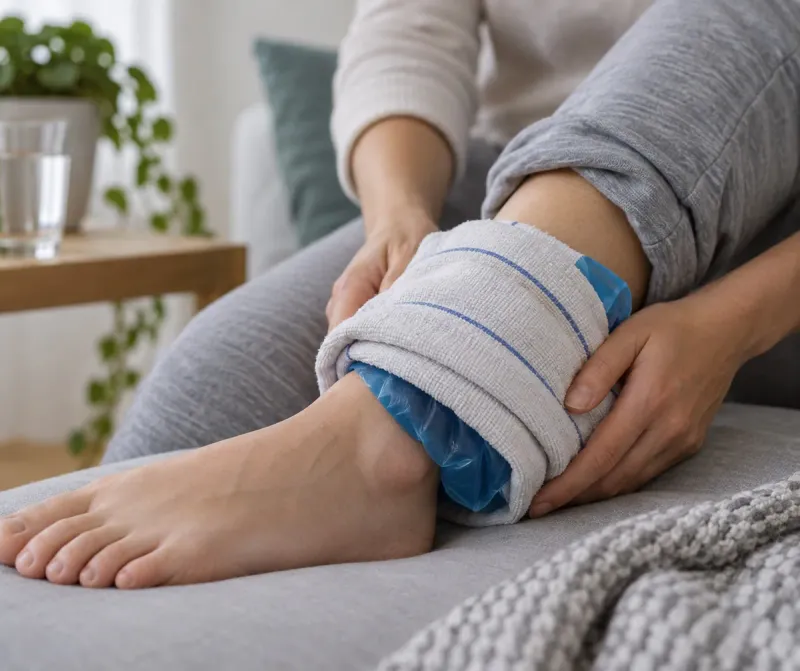
Right after a sting, move away from the spot where it happened and wash the area with soap and water. That is the simple first step, and Poison Control guidance on scorpions lists it first.
Do it before you look around for the scorpion or worry about what kind it was.
Next, hold a cold pack against the area. Wrap it in a thin towel or cloth so it does not touch bare skin.
If you do not have a cold pack, a bag of ice wrapped in a cloth works too.
Think of cold as a pain tool and nothing more. The 2024 American Heart Association and American Red Cross first aid guidelines support ice for pain relief.
Cold does not stop venom from spreading, so nobody should expect it to do that.
Skip the bucket of ice water. Do not dunk the hand, foot, or arm in ice water.
A wrapped cold pack on the sore spot is enough, and you can take it off and put it back as the pain allows.
Keep the person calm and still if you can, and sit them somewhere comfortable in the shade or indoors. A scared child in particular will feel better with a steady adult nearby.
Once the first steps are done, you can decide on next moves, such as calling Poison Control, without rushing.
Do not spend time hunting for the scorpion first. Washing and cooling take only a minute or two, and they should not wait on identifying anything.
A sting may hurt even when you see no mark
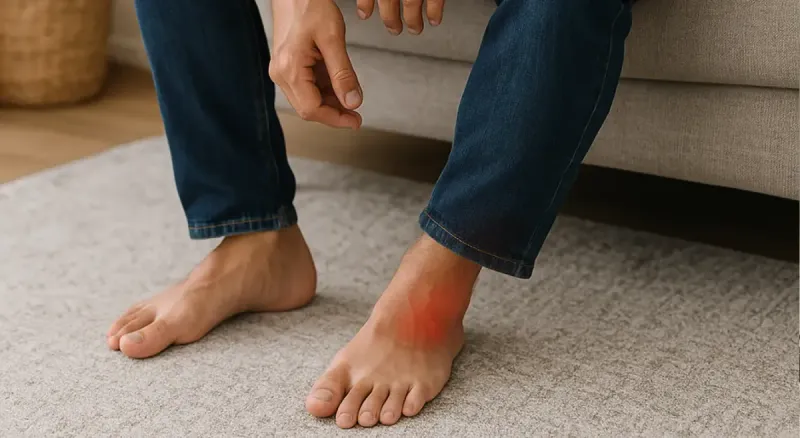
Plenty of people expect a scorpion sting to leave a clear puncture or a big lump. Often it does not.
Poison Control notes that a sting may leave no visible mark, and swelling can be slight or missing altogether.
What people usually feel is pain, burning, tingling, or numbness at the spot. These are common local symptoms, and many stings stay at that level.
Still, a calm, quiet-looking patch of skin does not mean you should skip the first steps or ignore how the person feels.
Here is a detail that confuses many readers. Tingling can sometimes travel along the stung arm or leg.
The American Academy of Pediatrics symptom checker treats tingling that stays in the affected limb differently from symptoms elsewhere in the body. That does not mean it is automatically harmless for every person, so it is worth mentioning to Poison Control.
Symptoms in other parts of the body deserve more attention. Think of trouble with the eyes, mouth, breathing, or muscle control.
Those are covered in the next section.
No single symptom decides how risky a sting is for every person. Age, health conditions, and how the person is acting all matter.
When you are unsure, call Poison Control at 1-800-222-1222 and describe what you see and feel.
Which symptoms call for 911?

Some reactions are not routine pain, and they need an ambulance. Call 911 for trouble breathing, trouble swallowing, or drooling.
Call as well for fainting, a seizure, or severe muscle jerking.
Dizziness or confusion also belong on the list. So does a severe allergic reaction that comes with breathing symptoms, such as widespread hives along with wheezing or a tight throat.
The 2024 first aid guidelines from the American Heart Association and American Red Cross point to these kinds of serious signs as the reason to get emergency help.
Picture a child who suddenly has odd, jerky movements after a sting near the tomato bed. Do not wait to see if it passes.
Call 911 first, then follow what the dispatcher tells you.
Poison Control is a helpful resource, but it does not replace 911 in an emergency. Poison Control’s scorpion page also makes clear that symptoms, not a guess about the scorpion, should guide how urgent things are.
You do not need to know the species before you call. Nobody needs to catch the scorpion or take a photo first.
Many stings never reach this level, but if any of these warning signs appear, act right away.
Call Texas Poison Control for case-specific advice

Keep this number handy: 1-800-222-1222. The line connects Texans to the state’s poison control program, which the Texas Commission on State Emergency Communications oversees.
Poison Control says the call is free and answered around the clock.
A specialist can ask about the person’s age, health, and symptoms, then suggest next steps for that case. You will not be bothering anyone, so call early instead of waiting to see how things go.
Contact them promptly for a child, for a known bark scorpion sting, or for any symptoms beyond the sting area.
Extra care makes sense for some groups. Young children are at higher risk, and the American Academy of Pediatrics symptom guidance also flags older adults and people with chronic medical problems.
That does not mean every sting in these groups turns out badly. It means a quick call is a smart move.
When you call, have the person’s age, weight if it is a child, medications, and current symptoms ready. Mention where on the body the sting happened and when.
One firm rule: if serious emergency symptoms appear, such as trouble breathing or swallowing, fainting, seizures, severe muscle jerking, or confusion, hang up and call 911 instead.
Ease pain safely and skip risky remedies
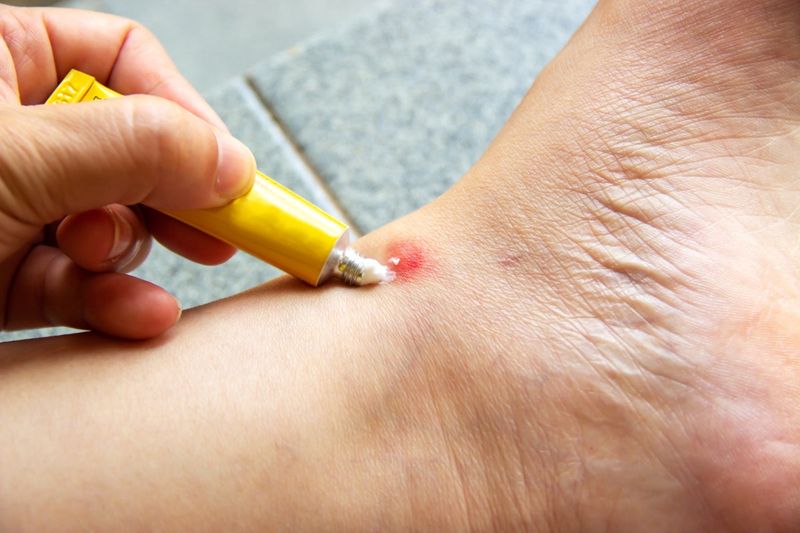
If the sting hurts, acetaminophen or an NSAID such as ibuprofen may help, but only if the person can safely take it. Read the product label and follow the directions.
Check with Poison Control or a pharmacist if the person is a child or has a health condition or takes other medicines.
Topical lidocaine may also help with local pain, and the 2024 American Heart Association and American Red Cross guidelines mention it for intact skin only. Do not put it on broken skin.
Some old habits can do harm. Do not cut the sting, try to suck out venom, apply electricity, or use a tourniquet.
Poison Control says never use a tourniquet, and none of these methods removes or neutralizes venom.
Every one of those steps can injure the person and waste time. Pain relief is about comfort, so keep it simple and stay focused on the symptoms.
The guidelines also admit that research on first aid is limited. Some of the studies on pain treatments were done in Turkey, not in Texas.
In plain terms, these are sensible comfort measures, not proven cures, so keep watching how the person feels.
Texas has scorpions, but identification can wait

Scorpions turn up across Texas, from Hill Country rock gardens to Gulf Coast mulch beds. Texas A&M AgriLife Extension names the striped bark scorpion, Centruroides vittatus, as the state’s most common species.
That statewide fact is only background. It does not tell you what kind of scorpion stung you, and it cannot predict how one person will react.
Looks are an unreliable guide, and Poison Control says to judge by symptoms, not by a guess at the species.
So leave the scorpion alone. Do not pick it up, chase it, or poke it into a jar while the sting is still burning.
If you can snap a photo from a safe distance in a few seconds, it may add context, but it is optional and should never delay washing, cooling, or calling for help.
Sources differ on saving the scorpion. CDC guidance for outdoor workers says to capture it only if that is safe, and care comes first either way.
Get medical care if pain worsens or spreads
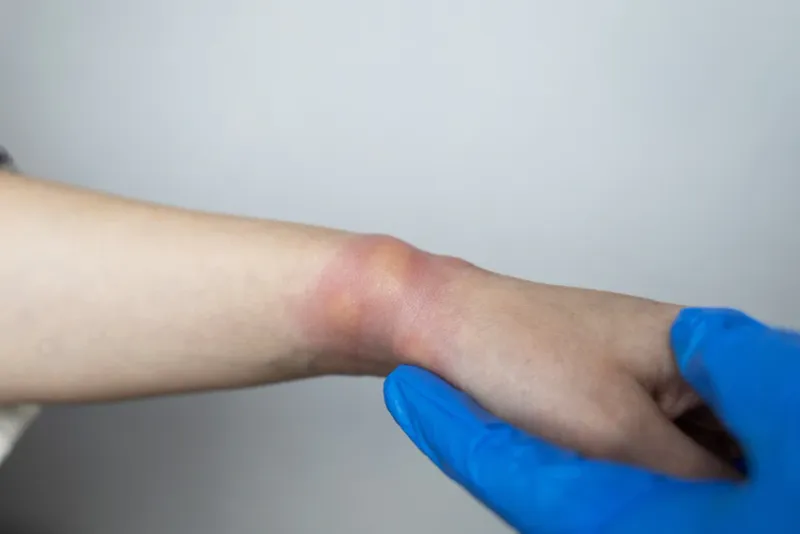
Not every problem starts as an obvious emergency. Seek medical care if pain becomes severe, spreads beyond the sting site, or is not controlled by over-the-counter pain relief.
Do the same if other concerning symptoms develop, as the 2024 first aid guidelines advise.
Say a gardener feels fine for an hour, then the ache climbs from the hand toward the shoulder and pills do nothing. That is the moment to call a doctor, urgent care, or Poison Control rather than tough it out.
Children, older adults, and people with chronic conditions should not wait long to make that call.
Remember that Poison Control describes many stings as manageable with guidance, while serious reactions can still happen.
The path is simple. Serious warning signs mean 911.
Questions or changes mean Poison Control. Escalating pain means medical care.
Texas beds will always have a few hidden visitors, so the best habit is a calm head and a phone within reach.