
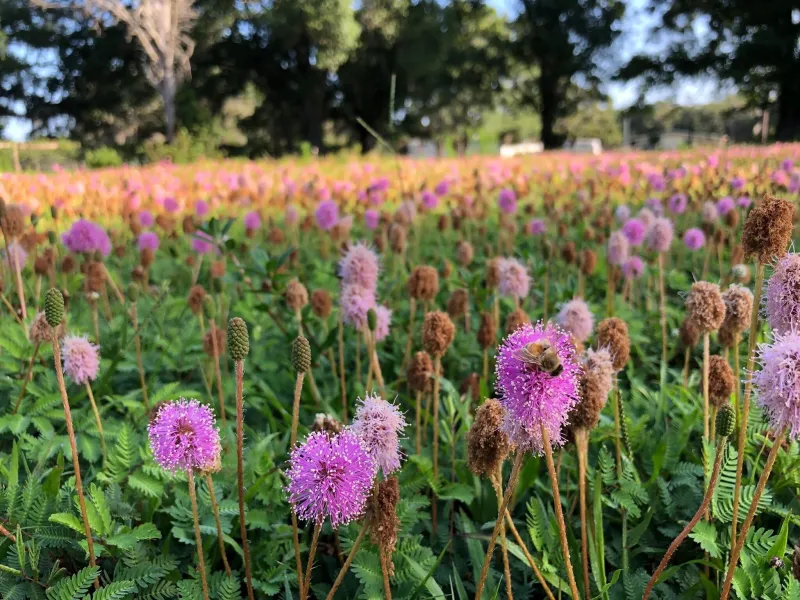
A brown, bare patch in the lawn is hard to ignore, and many Florida homeowners want to fill it fast. Sunshine mimosa is a Florida native with fuzzy pink blooms that some people use in lawn gaps.
It can be a good fit in the right spot, but it is not a magic cure for weeds or a speedy cover-up. Here is how to decide if it belongs in your yard this fall.
First, find out why the turf disappeared
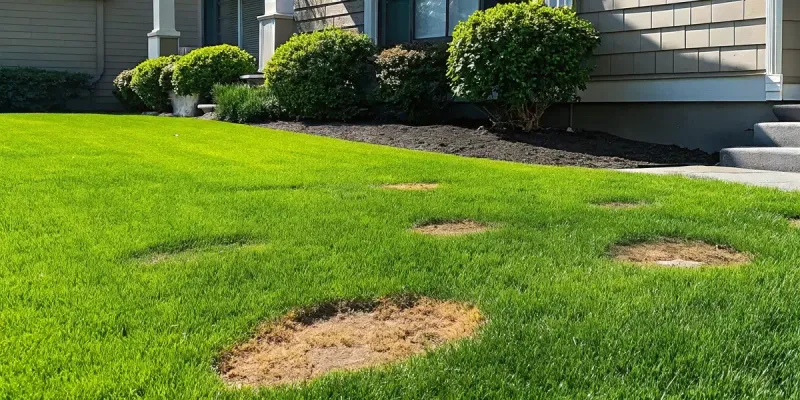
A brown or bare patch does not prove that summer heat did the damage. Florida lawns can lose turf to insects, disease, irrigation problems, and environmental stress, and the patches can look almost the same from the sidewalk.
Get down on the ground and look closely. UF/IFAS Extension in Putnam County describes several causes of brown lawn patches, and UF/IFAS turfgrass disease information explains why finding the cause comes before treating or replanting.
Check the edges of the patch for insects, tug on the runners to see whether they pull loose, and look at whether sprinklers miss the spot. Pay extra attention if the damage is growing, because a spreading problem can eat into the new planting too.
Once you know what happened, you can ask a better question: does this spot suit a groundcover at all? Light, traffic, and drainage will tell you.
Sunshine mimosa suits some Florida lawn gaps
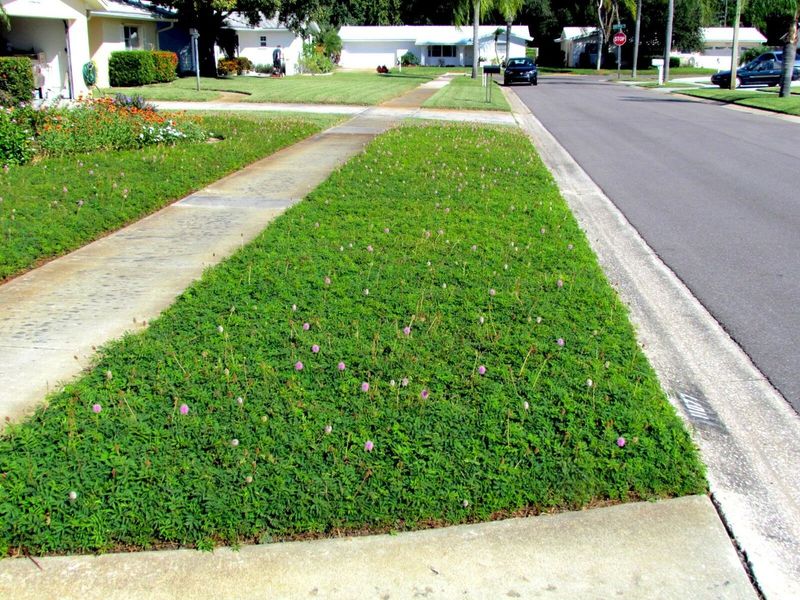
Sunshine mimosa (Mimosa strigillosa) is a Florida native that hugs the ground and spreads by creeping stems. In summer it produces round pink powderpuff blooms that pollinators visit, and its leaves fold up when touched.
According to UF/IFAS Gardening Solutions, it grows in full sun or partial shade and tolerates drought once established. It also handles sandy soil, which is a big plus for many Florida yards.
It can be mowed, and a UF/IFAS publication on common lawn plants lists it among the low-growing natives that can fill in open ground.
Think of it as a native option for a suitable gap, not a replacement for your whole lawn. A sunny corner, a thin spot near a driveway, or a side yard that few people walk across are the kinds of places where it makes sense.
The sections below cover timing, planting, weeds, and the trade-offs, so you can decide with realistic expectations.
Florida’s planting window depends on your region
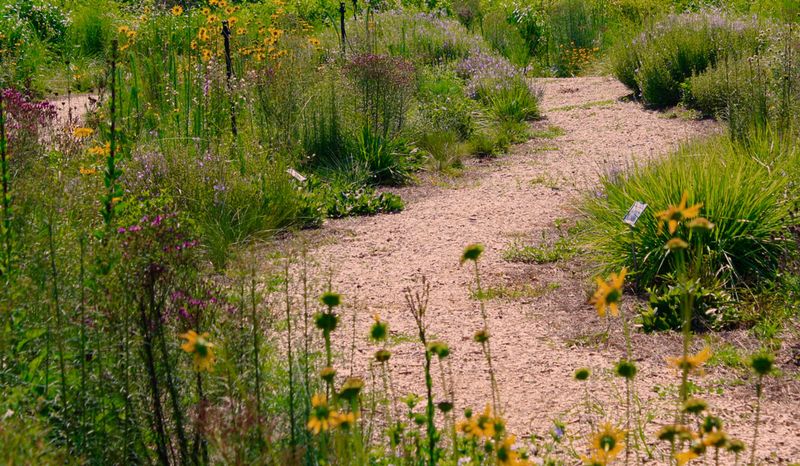
Florida is long enough that one calendar cannot fit everyone. The Florida Wildflower Foundation’s general guide to sowing native wildflowers suggests mid-September to mid-October in North Florida, mid-October through December in Central Florida, and November through January in South Florida.
Those are general wildflower dates, not a sunshine mimosa calendar. Treat them as a rough regional guide, not a promise that a planting will take.
As of November 8, 2026, the North Florida window has passed. Central and South Florida are still inside the broad guidance, so there is no single statewide deadline to race.
The foundation’s seeding dates page notes that late sowing can sometimes work with adequate rain and warm weather. It can also establish poorly in dry sites, so a late planting on dry sand needs a watering plan.
If you live in North Florida and missed the window, waiting for warmer spring weather may be wiser than forcing a late start.
Choose a quicker start than seed when time is short
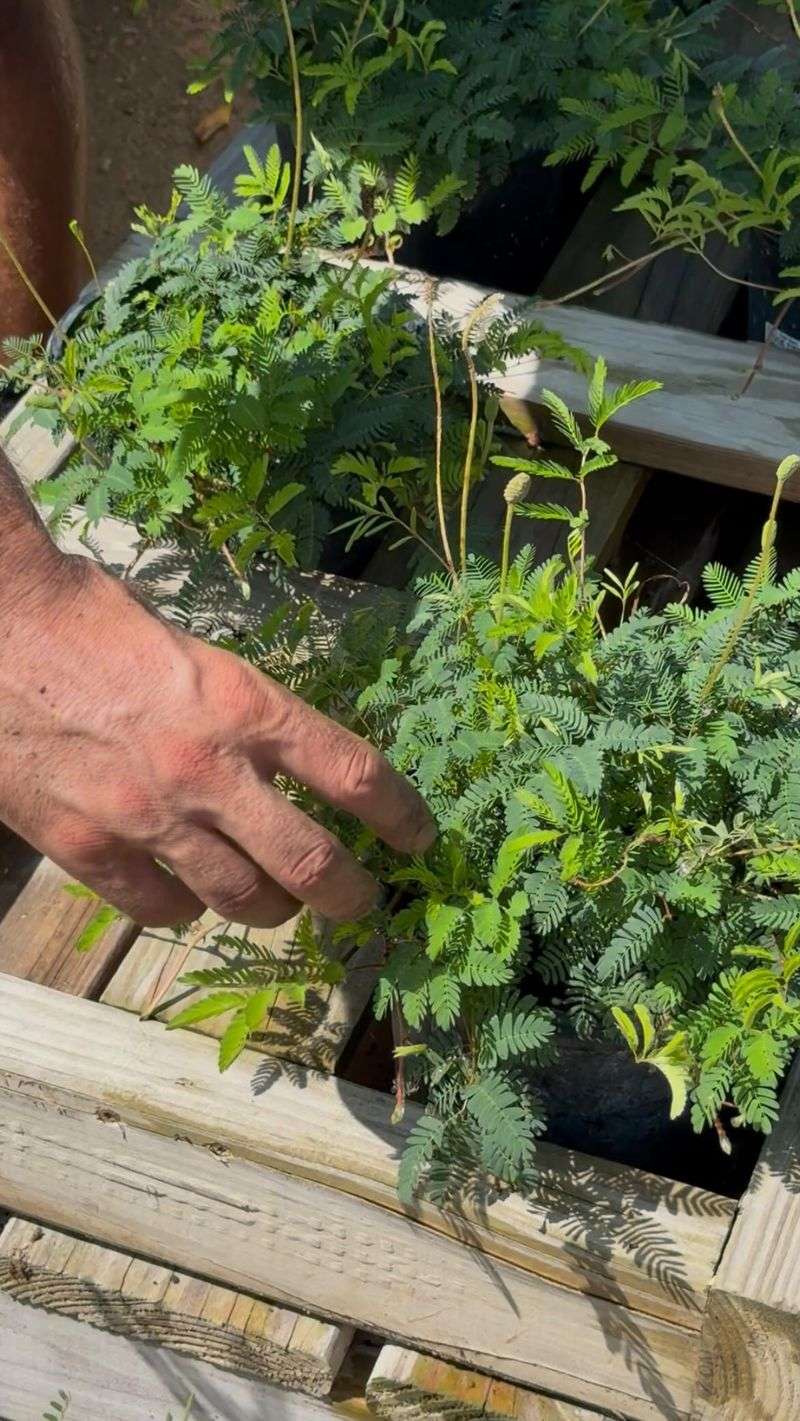
Seed is the cheapest way to begin, but it is the slowest. Sunshine mimosa seed has a hard coat, and UF/IFAS Extension in Charlotte County says the seed should be scarified, meaning the coat is nicked or scuffed, to germinate sooner.
Unscarified seed can take a year or more.
Container plants and rooted sprigs skip that wait. They give you living stems in the ground right away, which is helpful when the calendar is tight.
The same source reports that five potted transplants can cover up to 300 square feet in less than one growing season. Read that as an illustration of what is possible in good conditions, not a result to count on.
Sun, water, soil, and weed pressure all change how fast a patch fills in. Some yards will take longer, and bare spots may linger while the plants settle.
If you want a head start, buy a few containers or ask a neighbor or a native plant sale for rooted pieces. Use seed only if you are happy to wait.
Space new plants and water them through establishment
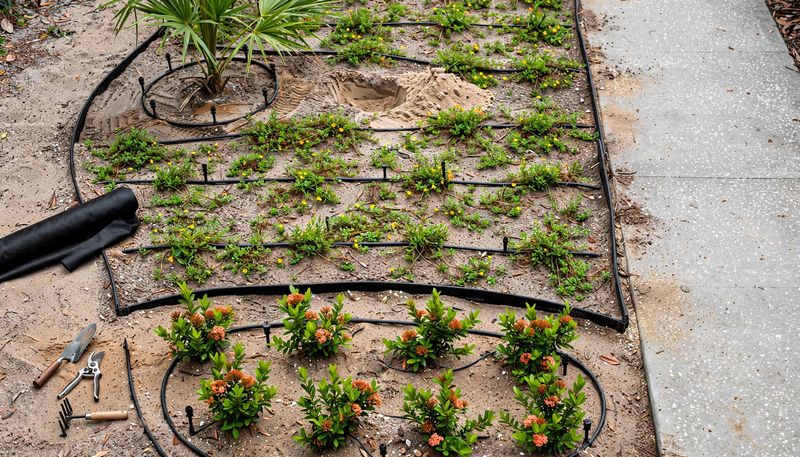
Give each plant room to run. The Florida-Friendly Landscaping plant guide lists spacing of at least 2 feet, while another UF/IFAS publication gives 2 to 3 feet for divisions.
Tight spacing looks fuller on day one, but wider spacing saves plants and money. The gaps between them are where the patch will grow.
Water is the other big job. New plants need regular watering while they establish, and the drought tolerance described by UF/IFAS Gardening Solutions applies only once they are established.
Sandy soil drains fast, so check it often in the first weeks. Water when the top inch or two feels dry, and keep it up through dry spells in the first season.
Once you see steady new growth, you can taper off. Watch the plants, not the calendar, to know when they are settled.
Can sunshine mimosa keep winter weeds out? Not by itself
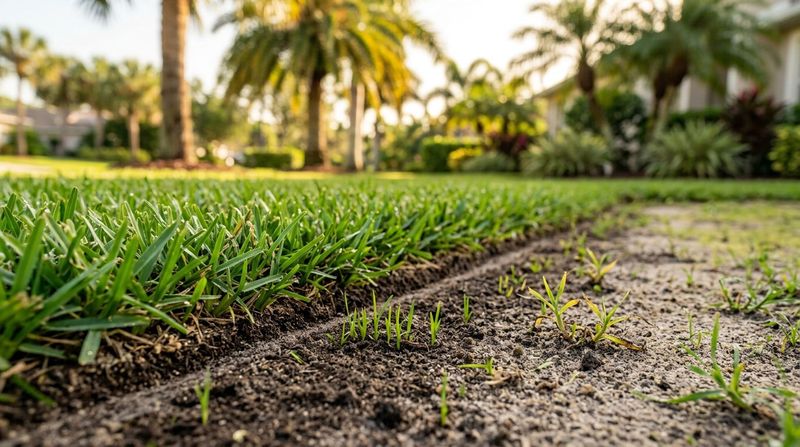
Here is where the idea of planting before winter weeds arrive falls short. The UF/IFAS plant guide calls sunshine mimosa a weak competitor that aggressive weeds can outgrow, and says a weed-management plan is needed for a uniform planting.
Bare soil between young plants is open ground, and winter weeds will use it. Expect to hand-pull, and start early while weeds are small.
Do not confuse weed timing with planting timing. The UF/IFAS weed guide for Florida lawns ties preemergent timing to several nights at 55 to 60 degrees F, around early October in North Florida and late October to early November in Central and South Florida.
That is a weed-control cue, not a deadline for sunshine mimosa.
Turf preemergents are another trap. The same guide notes that most should not be used where turf is to be established for 2 to 4 months before planting, and a turf label may not cover a new groundcover.
Read the product label and check compatibility before spreading anything near new plants. When unsure, pull weeds by hand and ask your county extension office.
Plan for winter thinning, spreading, and light use
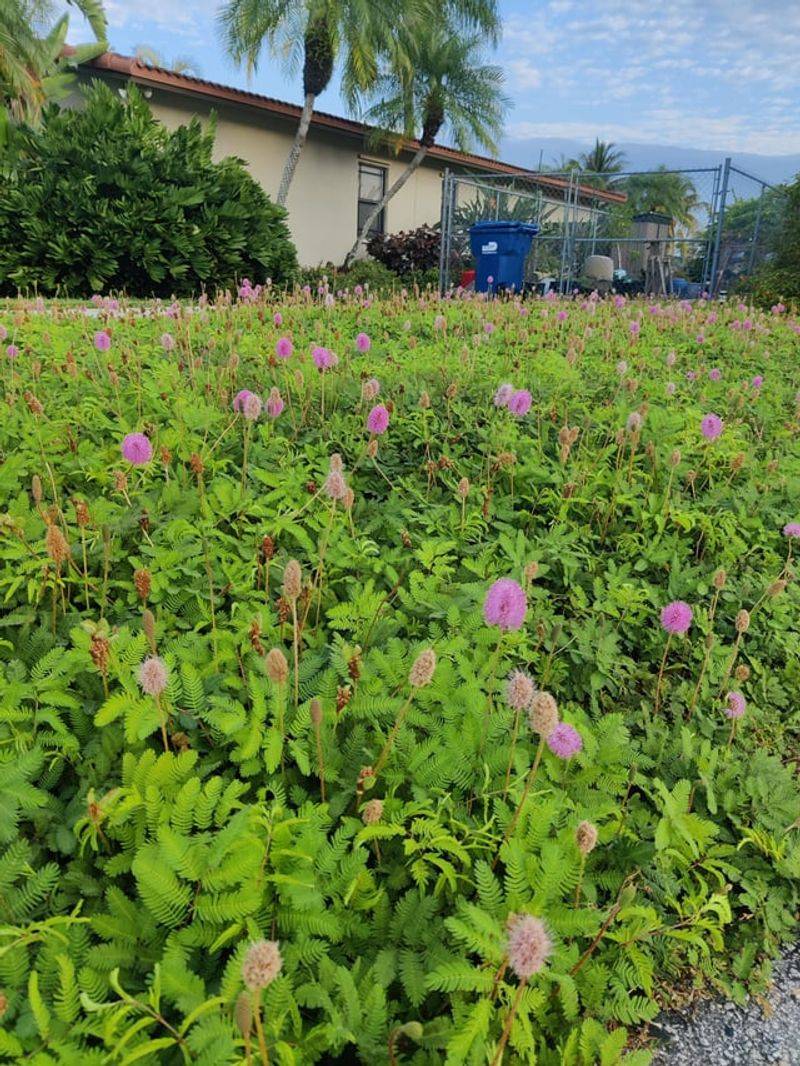
Sunshine mimosa is not evergreen. UF/IFAS Gardening Solutions says leaves can disappear and growth can go dormant in the coolest months, and the Florida-Friendly Landscaping guide says it is not the best cover from late fall to early spring.
So a thin or bare-looking patch in January does not always mean failure. Just do not count on it for steady green cover through winter.
It also wanders. UF/IFAS Extension in Charlotte County recommends trimming or edging where it creeps into beds, walkways, or turf.
You can mow it, but it is a poor fit where people walk often. UF/IFAS cautions against heavy foot traffic, so skip it on kids’ play paths, dog runs, and shortcuts to the mailbox.
Put it in a quiet corner, give it an edge, and it will behave better.
Use the patch as a suitable native groundcover, not a weed barrier
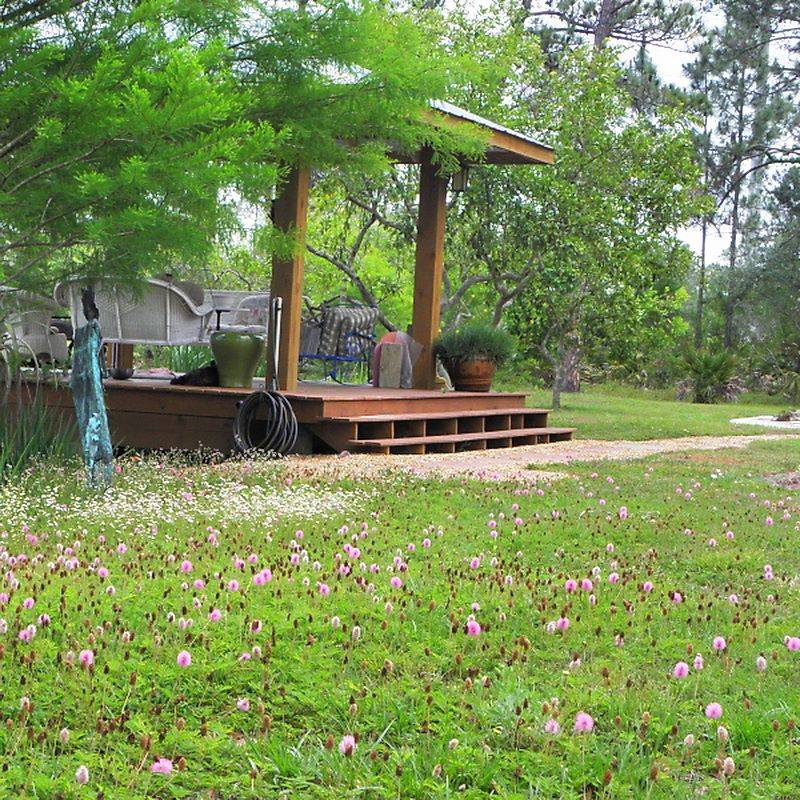
Start with the cause of the bare spot, then match the plant to the place. Sunshine mimosa fits sunny or partly shaded gaps with light use and room to spread, as described by UF/IFAS Gardening Solutions.
Pick a planting method that suits your region’s timing, water until it is established, and budget time for weeding, as the UF/IFAS plant guide advises.
It is a fair native choice for a lawn gap, and a slow one to judge. Give it a full season before deciding how it did.