
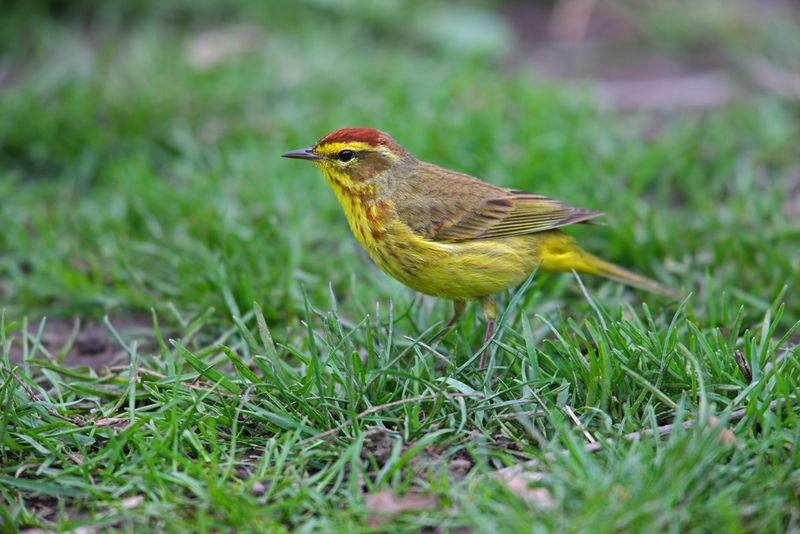
A small bird perched on your fence keeps pumping its tail up and down. In Florida’s cooler months, two different birds could be doing that very thing.
Learning a few simple clues makes your backyard birdwatching a lot more rewarding. Here is how to tell them apart and how to make your yard friendlier to wildlife.
A bobbing tail narrows the search, but does not settle the ID
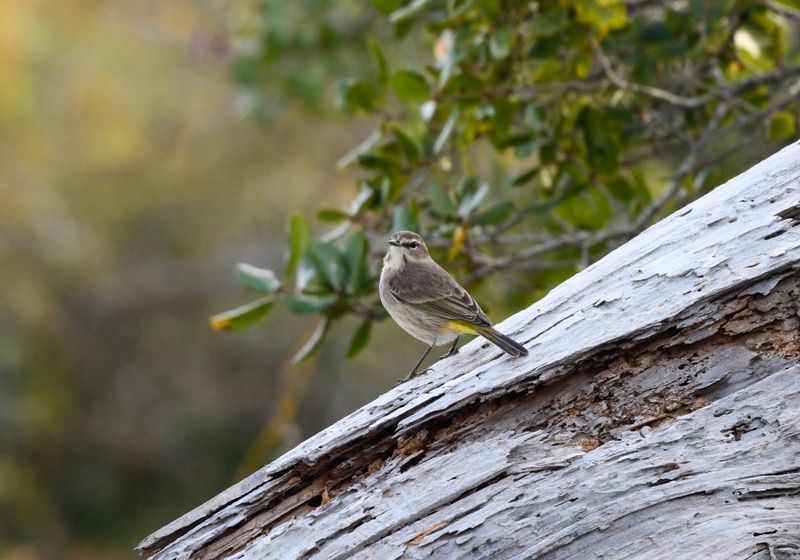
Two birds top the list when a Florida gardener spots a tail-bobber in the cooler months: the Eastern Phoebe and the Palm Warbler. Both are small, both are plain at first glance, and both pump their tails while they perch or move.
That shared habit is a good reason to look closer, but it is not enough to name the bird.
Cornell’s Eastern Phoebe identification page describes the tail wagging as a signature behavior of the phoebe, while the Palm Warbler overview notes that this species bobs its tail too. So a bobbing tail fits either one.
Three clues do more work. First, check the size: the phoebe is somewhat larger.
Second, look at plumage, including the underside color and any pale stripe above the eye. Third, watch where the bird feeds.
One tends to hunt from a perch, and the other often walks along the ground or works through low plants. The next two sections break those clues down, so keep a notebook or phone handy the next time a visitor shows up.
An Eastern Phoebe often hunts from a fence or low branch
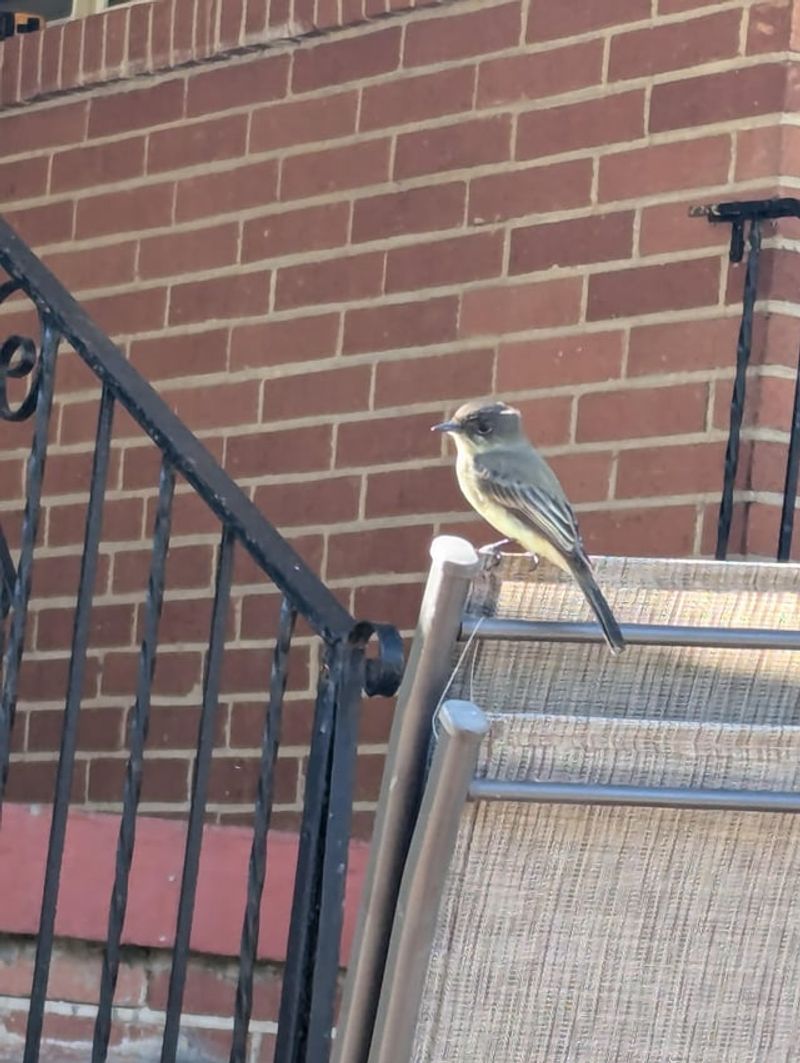
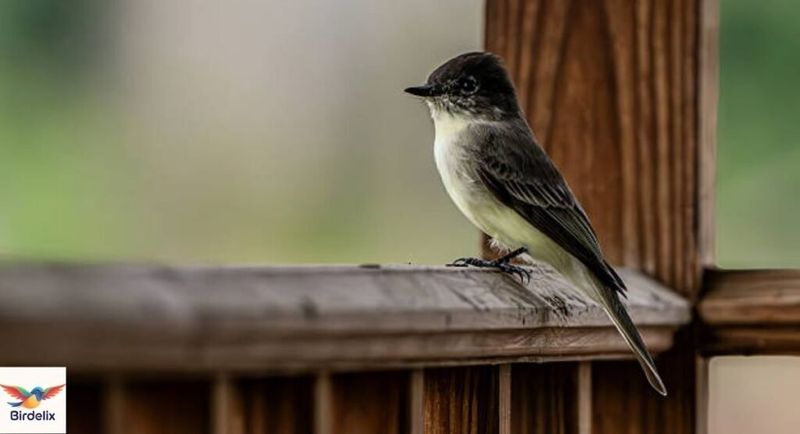
Picture a plain, brownish-gray bird with an off-white belly, a bit larger than a typical warbler. That is the Eastern Phoebe, as described on Cornell’s identification page.
It has no bold wing bars or bright colors, so its shape and manners matter more than its paint job.
The best clue is how it feeds. A phoebe often sits on a fence or low branch, darts out to snatch an insect, then flies right back to a perch, sometimes the very same one.
Watch for that repeated out-and-back loop, with the tail giving a gentle wag between flights.
Its winter habitat, according to the Eastern Phoebe life history page, includes woodland edges and openings. A yard that borders trees, with open spots and a few low perches, resembles that kind of setting.
Still, a bird on a fence is not automatically a phoebe. Many species use fences as lookout posts.
If the bird is plain gray-brown, fairly upright, and flying out and returning to its perch, a phoebe becomes a strong candidate.
A Palm Warbler is more likely to forage on foot
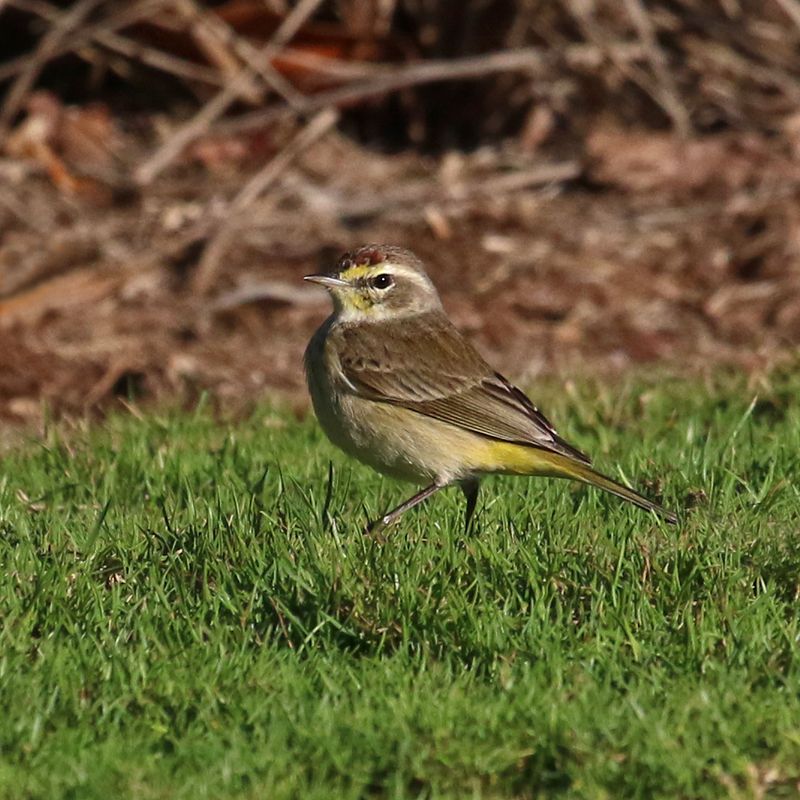
Compared with the phoebe, the Palm Warbler is smaller and more colorful up close. Cornell’s Palm Warbler overview describes a brownish-olive bird with a pale eyebrow.
Some birds are yellow below, while others have a paler belly, so the underside alone will not settle it.
Behavior is where the difference shows. Instead of sitting and sallying out, a Palm Warbler commonly walks on the ground or moves through low shrubs, bobbing its tail as it goes.
You may see it picking along a mulch edge, a lawn border, or the base of a hedge.
Try this quick check. If the bird stays on one perch and makes short aerial dashes, think phoebe.
If it keeps hopping or walking low to the ground while its tail pumps, think Palm Warbler.
Light and distance can fool anyone, so give yourself a few minutes of watching. Note size, the eyebrow, the belly color, and how the bird moves.
Together, those details tell you far more than the tail does.
Florida’s fall arrivals unfold over weeks
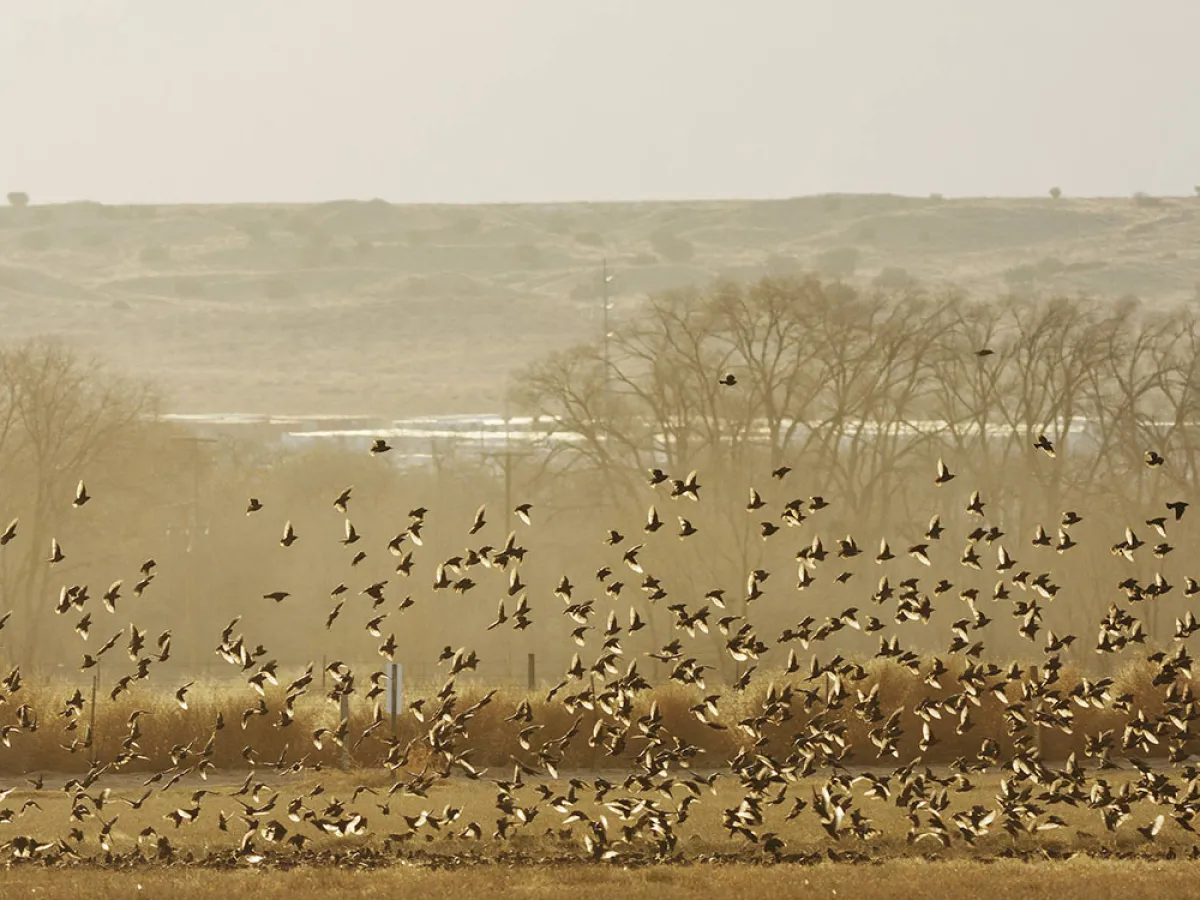
Few things in nature run on a single date. Fall migration reaches Florida gradually, and a bird you notice today may have been in the neighborhood for days or weeks.
Seeing it for the first time tells you when you noticed it, not when it landed.
A UF/IFAS Miami-Dade guide to bird migration in South Florida describes fall migration there as generally running from September into November. That window is specific to south Florida, so timing in other parts of the state can differ.
For local context in the Panhandle, the Friends of St. Marks Wildlife Refuge birding page lists both the Eastern Phoebe and the Palm Warbler among birds returning or arriving in fall. It describes that refuge, not every yard in Florida.
The practical takeaway is simple. Treat your tail-bobber as a possible winter visitor, jot down the date you first saw it, and keep watching.
Neither species will turn up in every yard or every region.
Insects matter, but they are not the whole winter menu
Watching a phoebe flick out from its perch, you might assume it lives on bugs alone. Insects are a big part of the diet, but they are not the whole story once the weather cools.
According to the Eastern Phoebe life history page, these birds eat mostly insects but also take small fruits and berries, which are likely important in winter. A shrub with small fruits could matter to a phoebe as much as a flying insect does.
The Palm Warbler follows a similar pattern. Its life history account lists insects along with seeds and berries in winter.
That mix helps explain why a warbler may pick at the ground, low plants, or fruiting shrubs.
It is tempting to picture these birds as a free pest patrol, but the sources only show that they eat insects. They do not show that a phoebe or warbler will thin out the bugs in your beds by any noticeable amount.
Enjoy them as guests rather than hired help, and let a varied yard supply a varied menu.
A less-cleared garden can support foraging and shelter
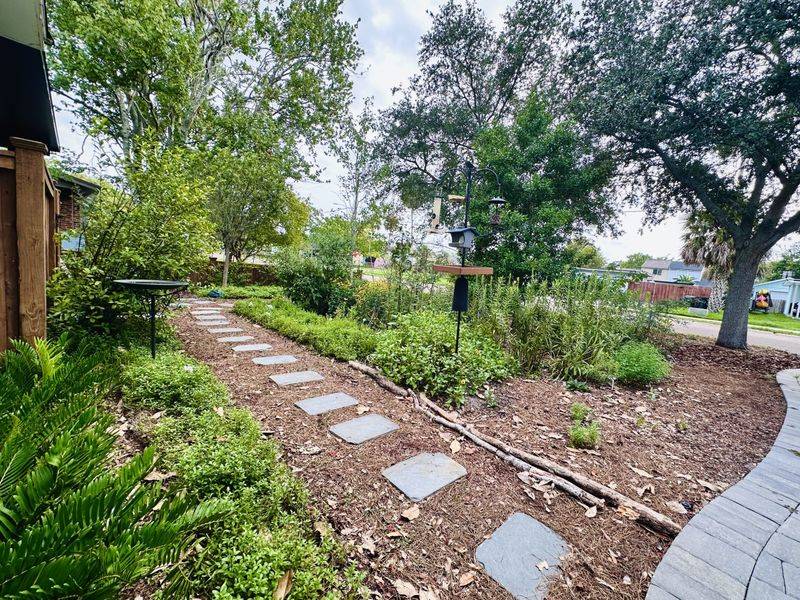
Birds like these forage differently, so a yard with some variety suits both. Cornell notes that phoebes use low perches and open edges, while the Palm Warbler works open areas, the ground, and low shrubs.
Clearing every bit of understory takes away those options.
Here are realistic steps to try:
Keep some low shrubs and an open, vegetated edge instead of mowing or trimming everything flat. Choose Florida-native plants where they fit, since UF/IFAS explains in its bird-friendly plants guide that native plantings can support insects and offer food and shelter.
Leave a little leaf litter, stems, or other plant material in a back corner or under shrubs, where practical. UF/IFAS says in its wildlife-friendly winter garden advice that this material can provide winter habitat and food for wildlife, including insects.
Offer fresh water and safe cover, which are general bird-friendly measures. If you use a birdbath, scrub it and refill it often, because disease can spread at birdbaths.
None of this guarantees a phoebe or warbler will stop by, and neither bird should be expected to act as pest control. What you are building is general habitat for foraging and shelter, and whoever visits is a bonus.
Protect the food web when managing garden pests
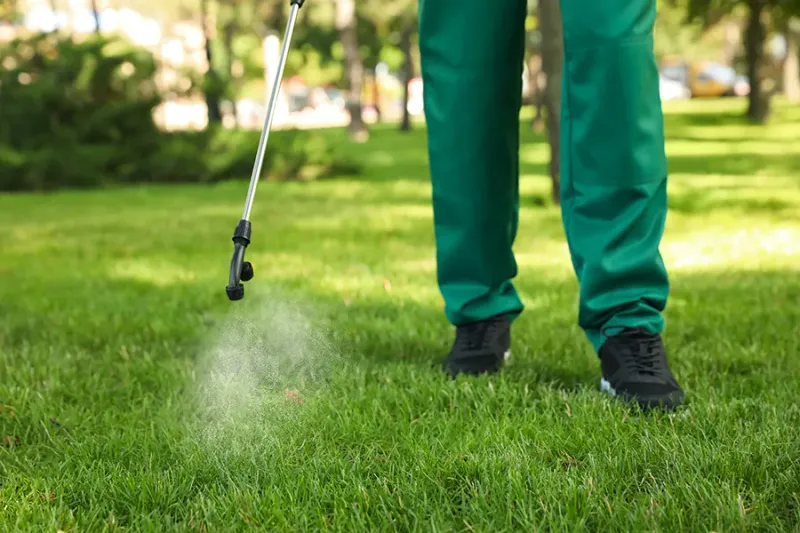
Insect-eating birds depend on insects, so how you handle garden pests can reach them too. Insecticide use is not automatically safe for birds or for the insects they hunt.
The EPA’s national pesticide applicator core manual describes bird exposure through pesticide-treated insects and other prey, along with other routes.
If you do treat a problem, read the product label first and follow its directions and precautions every time. Where you can, reduce exposure for wildlife.
Easing risks may help keep your garden a healthier place for wildlife, but it cannot ensure a phoebe or warbler will stay in your yard. Still, a fence post, a low shrub, and a clean food web give that tail-bobbing stranger a fair chance to linger, and that is worth the effort.