
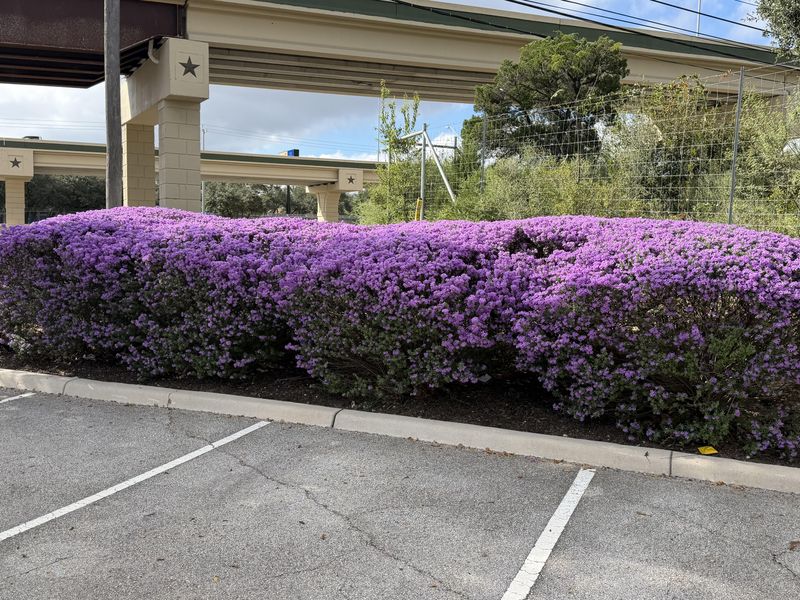
Silvery leaves that glow in a baking Texas yard are hard to miss, and one native shrub is known for exactly that look. Texas sage, also called cenizo, has a reputation for handling heat and dry spells once it settles in.
Fall is a popular time to put shrubs in the ground, but a new plant still has some growing up to do. Here is how to decide if this shrub fits your yard and how to help it get started.
Cenizo can suit hot, sunny Texas yards
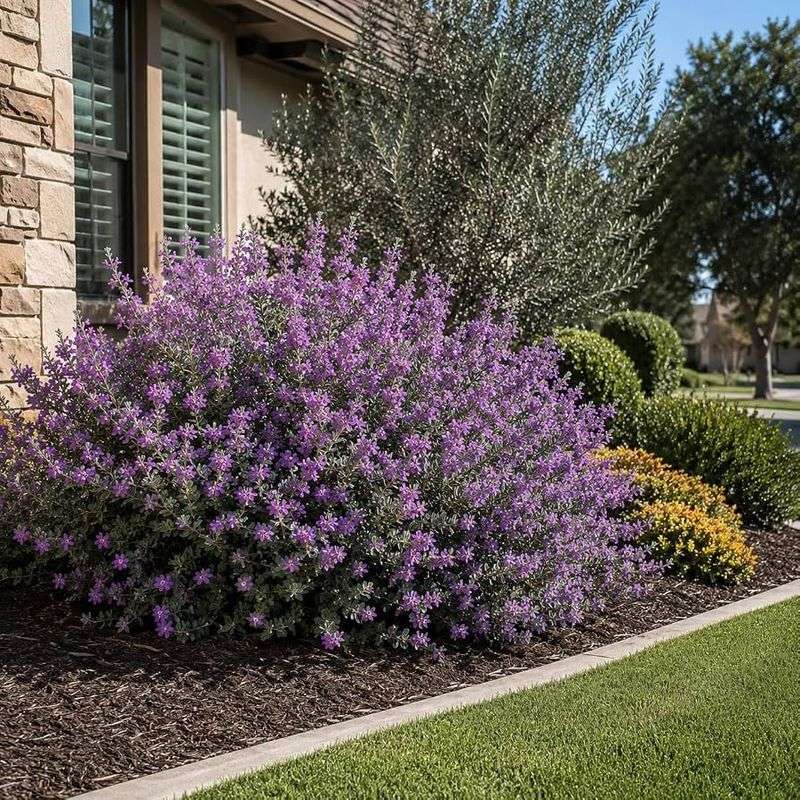
Picture a sunbaked bed where most plants look worn out by August. Texas sage, or cenizo (Leucophyllum frutescens), is the shrub many Texas gardeners reach for in that spot.
It is a woody landscape shrub, not the culinary sage you cook with, and the shared common name is the only thing connecting them.
The appeal is simple. According to Texas Tech’s plant resources sheet, it is native to Texas and New Mexico and tolerates heat and drought.
Gardeners like it because an established plant in a suitable spot can get by with little supplemental water.
The key words there are established and suitable. A shrub that was planted a few months ago has not built its full root system yet, so the low-water promise does not apply on day one.
Expect to give a new plant some attention before you step back.
Fit matters too. A University of Florida fact sheet describes its native range as concentrated in the Rio Grande Plains and Trans-Pecos, with a more limited presence elsewhere.
That does not mean it fails in other parts of the state. It does mean you should judge your own yard, not just the plant’s reputation.
If your spot is hot, sunny, and drains well, cenizo is worth a serious look. If it is shady or stays damp, keep reading, because another plant may serve you better.
Choose a sunny site with good drainage
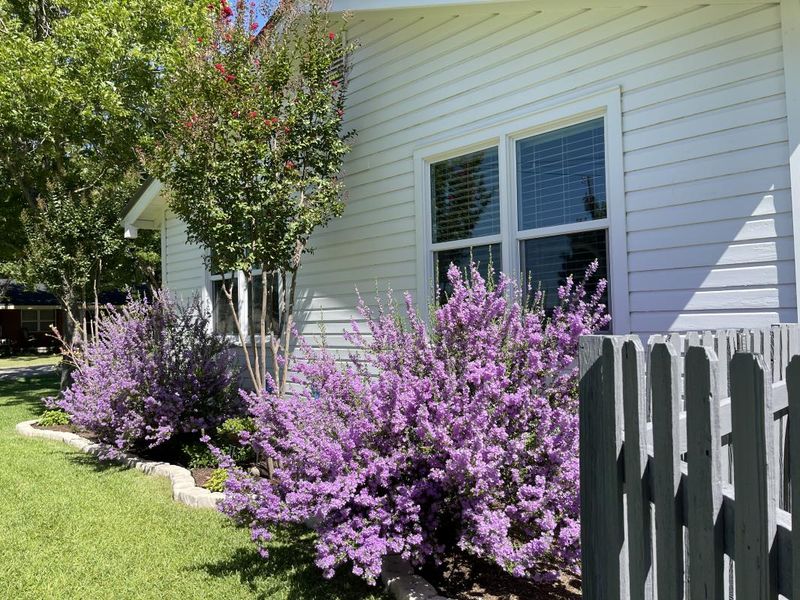
Before you buy anything, spend a day watching your yard. Cenizo wants full sun and soil that drains well.
UF/IFAS guidance points to hot, dry, sunny locations and warns that poor drainage and overwatering can kill it.
A quick test helps. Dig a hole about a foot deep, fill it with water, and see how long it takes to empty.
If water is still standing many hours later, or the spot stays soggy after a rain, skip it. In areas with heavy rainfall or slow drainage, the same source suggests a raised bed.
Shade is also a poor match. A shrub reaching for light in a shaded corner tends to look thin, and a damp, shaded bed combines two things this plant dislikes.
Size is the next question. Texas Tech’s plant sheet and other references report mature sizes from roughly 3 to 5 feet up to as much as 8 feet tall and wide, depending on the source and the plant selection.
No single number fits every shrub.
Read the nursery tag for the cultivar and its expected size. Then leave enough room so you are not forced to shear it into a box later.
Fall planting does not guarantee an established shrub by summer
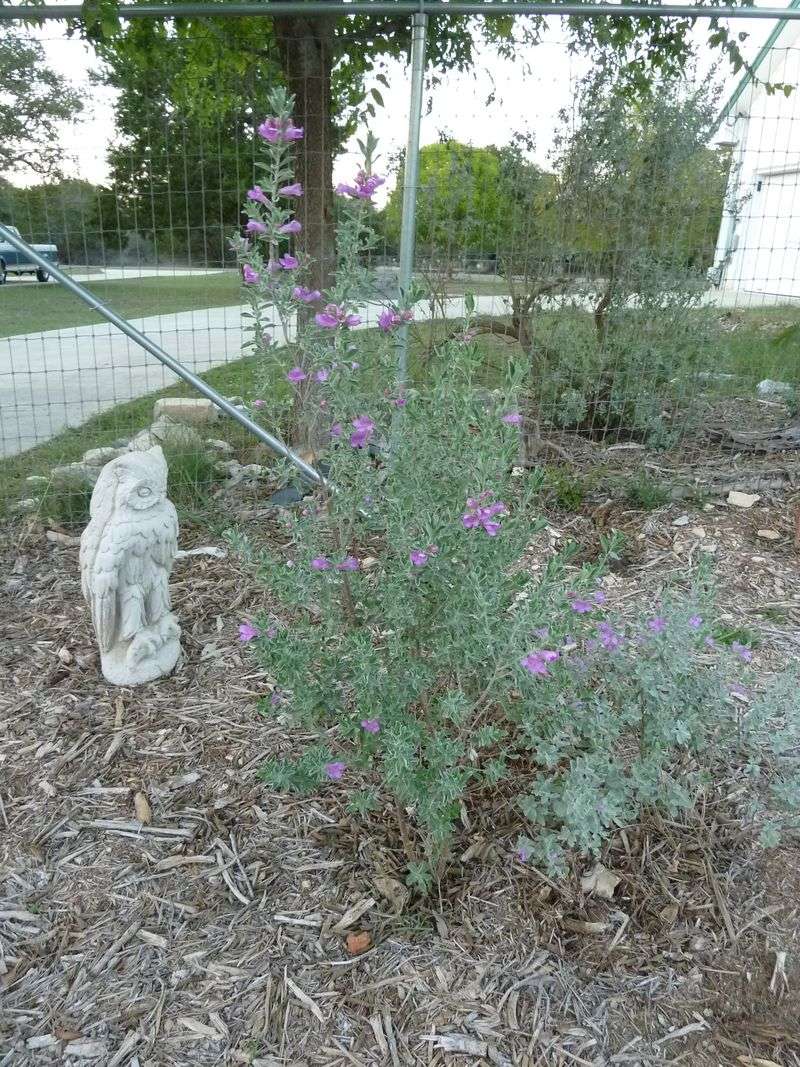
Fall has real backing as a planting season. Texas A&M’s Bexar County Extension calls fall a prime time to plant shrubs.
Cooler air and warm soil give roots a chance to grow without summer stress.
That advice covers shrubs in general, though. It is not a promise that a fall-planted cenizo will be ready to face next July unaided.
Sources even disagree a bit. A Texas Standard interview quotes a source who favors spring or summer planting for Texas sage.
The sources we have do not settle the best season for every region or every year, so local conditions and your own timing count.
Establishment takes time either way. Texas A&M’s Earth-Kind guidance notes that transplanted native plants often need water during their first year.
TxSmartScape says Texas sage can take up to two years to become fully established.
So if you plant this fall, treat the first summer as part of the establishment period. Check on the shrub when a hot, dry stretch arrives.
Monitor water as the new shrub establishes
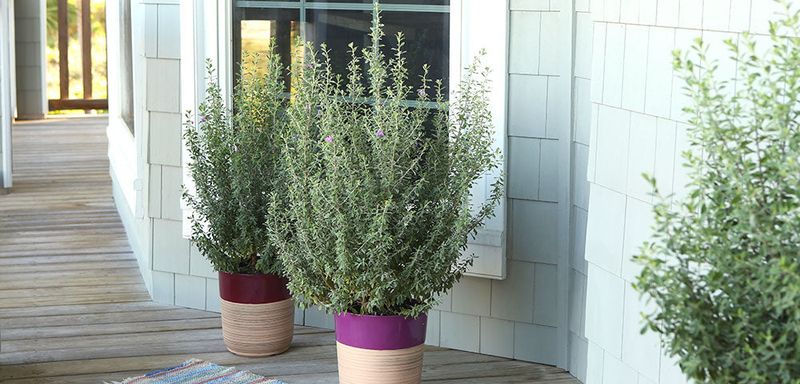
Start at planting time. Water the root ball well so it settles into the surrounding soil and has no dry pockets.
After that, the job is to watch the soil, not the calendar.
Push a finger or trowel a few inches down near the root zone. If it is dry, the plant likely needs a drink.
If it is damp, wait. Rain, soil type, drainage, and temperature all change how fast a bed dries out, which is why a rigid schedule can steer you wrong.
Texas A&M’s Earth-Kind guidance says transplanted native plants often need water during their first year. TxSmartScape adds that Texas sage can take up to two years to become fully established, and it cautions against heavy watering to trigger blooms.
There are two ways to go wrong. One is neglect, assuming a drought-tolerant label means a new plant needs nothing.
Wilting or leaf drop during a hot, dry spell is a sign to check the soil.
The other is too much kindness. UF/IFAS warns that overwatering and poor drainage can kill the shrub and encourage cotton root rot.
Soil that stays soggy is a problem, not a safety margin.
Aim for the middle: moisture that lets roots grow, followed by a chance to dry out. As the plant matures, you will find yourself watering less and less.
Established cenizo needs little routine care
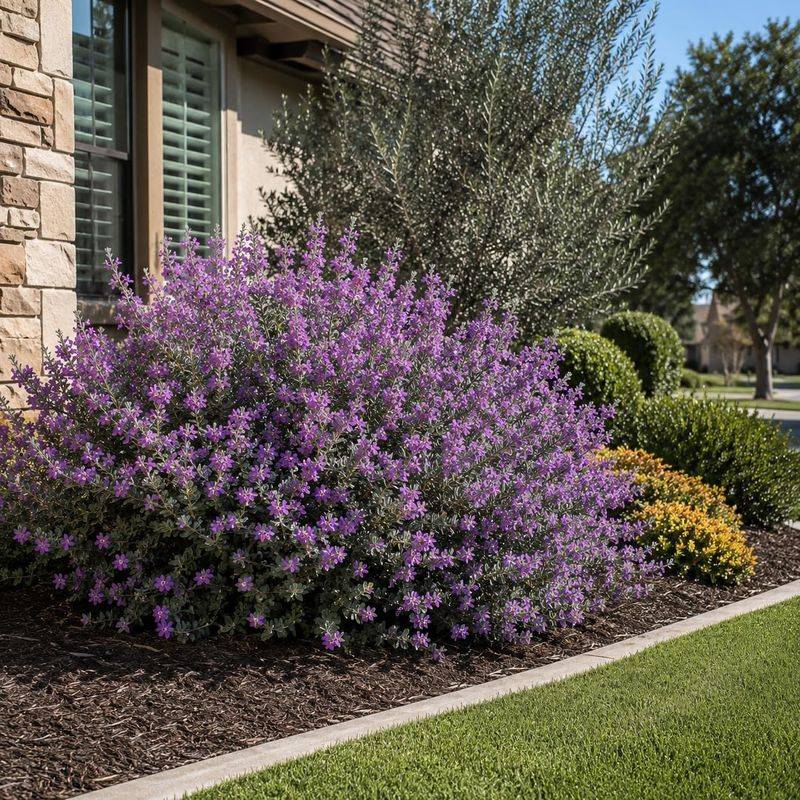
Here is where the patience pays off. Once cenizo is established in a suitable site, it tolerates drought and typically needs little supplemental water.
Texas Tech’s plant sheet lists drought tolerance among its main strengths.
Little water is not the same as none. During a long stretch of extreme heat with no rain, a quick look at the shrub is still reasonable.
If the leaves look stressed, check the soil before you grab the hose.
Feeding is rarely needed. UF/IFAS says fertilizer is generally unnecessary, so you can skip the bag of shrub food.
Pruning is where many people go wrong. Light trimming to keep the natural shape is better than routine shearing into a tight ball.
The same source recommends pruning in late winter or early spring, before buds form.
If a plant keeps outgrowing its spot, that is a clue the cultivar or location was a poor match, not a reason to shear harder. Also watch the drainage.
A bed that holds water after storms can undo years of easy care.
Expect silver foliage, not scheduled blooms
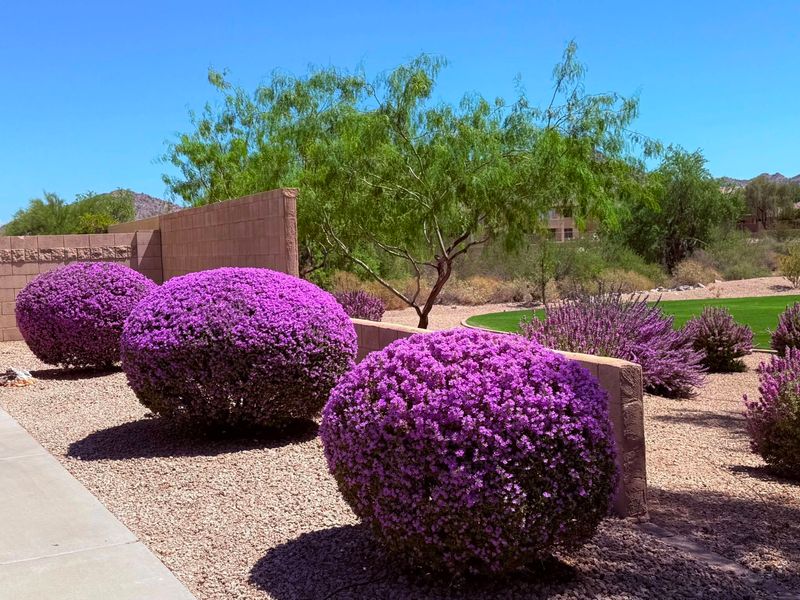
Ask ten Texans about cenizo and someone will mention the flowers that appear after rain. Blooms do happen, and they can be lovely, but they are variable.
Texas Tech’s plant sheet describes seasonal flowering, and timing can shift from year to year.
You may have heard it called the barometer bush. Texas Standard reporting says the science is not definitive.
Blooms may be linked to humidity or pressure changes, but that does not make the plant a reliable rain predictor, so do not cancel your plans because of it.
Flower color and habit also depend on the cultivar. Purple is common, but not every plant matches that picture, so check the nursery label.
The steadier feature is the foliage. The silvery leaves give a bed texture and contrast with green plants nearby.
UF/IFAS notes it is semi-evergreen in some conditions, so leaves may thin in winter.
Plan for a shrub that looks good most of the year and puts on a flower show when conditions line up. Forcing blooms with extra water backfires, so let the plant set its own pace.
Match cenizo to the site and give it time
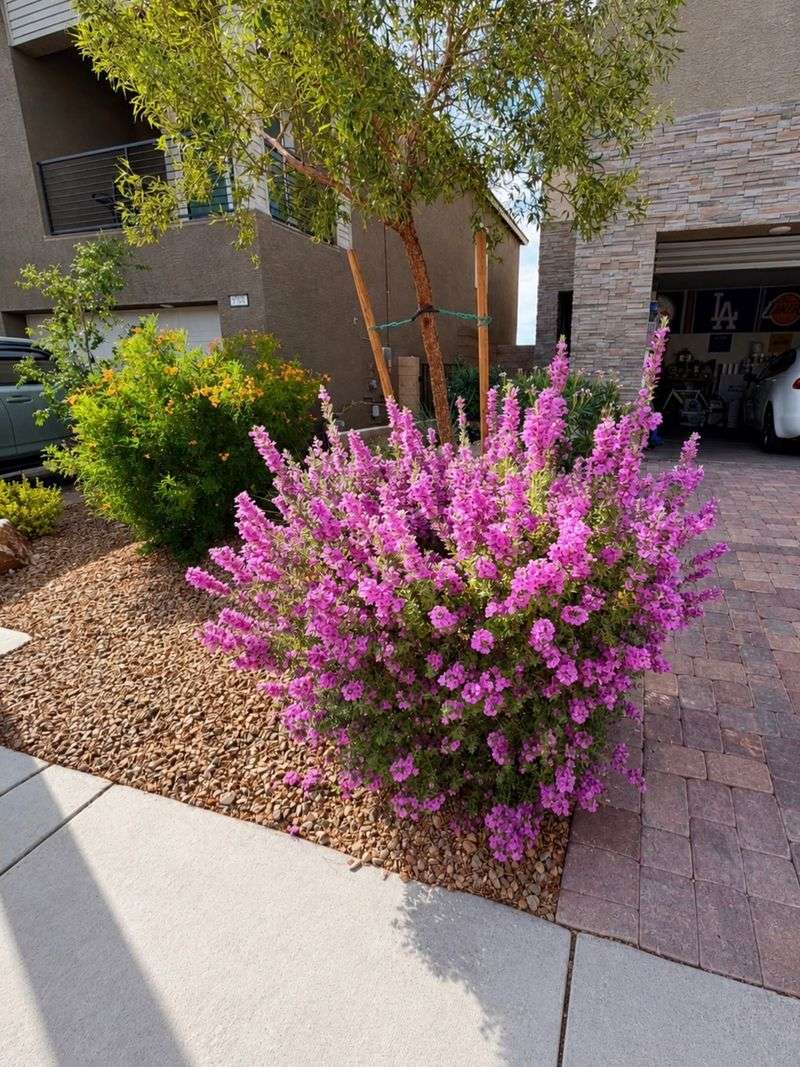
Here is a simple rule. If your yard is hot, sunny, and well drained, and you can give a new plant some attention while it settles in, cenizo is a sound pick.
Leave room for the cultivar’s mature size and check the label before you buy.
A new transplant may need watering, as Texas A&M’s Earth-Kind guidance points out, even though an established shrub typically needs little extra, as UF/IFAS notes.
Give it a season or two of care and it can quietly become the toughest silver shape in your yard.