 Complete Gardening
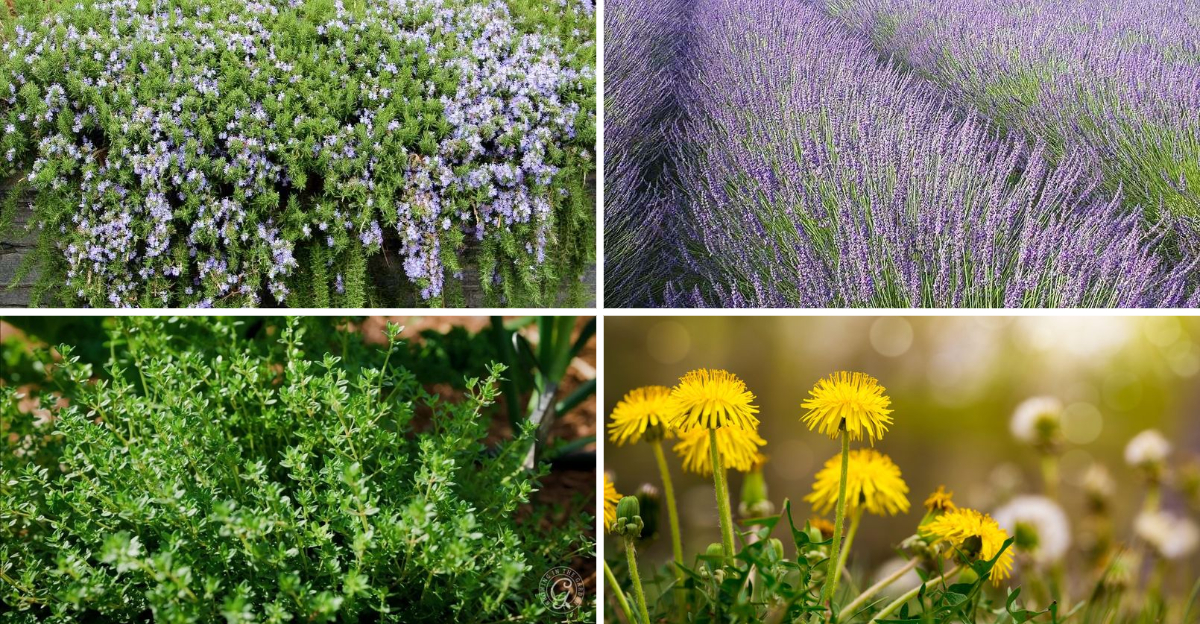
Gardens in 2025 faced unprecedented challenges, but thanks to these 17 remarkable plants, countless gardens flourished against the odds. Each of these plants brought unique attributes, thriving in various environments and conditions. Whether it was drought-tolerance, pest-resistance, or unique aesthetics, these plants proved to be essential allies for gardeners worldwide. Let’s explore the unsung heroes of gardening that made a significant impact in 2025.
1. Resilient Rosemary
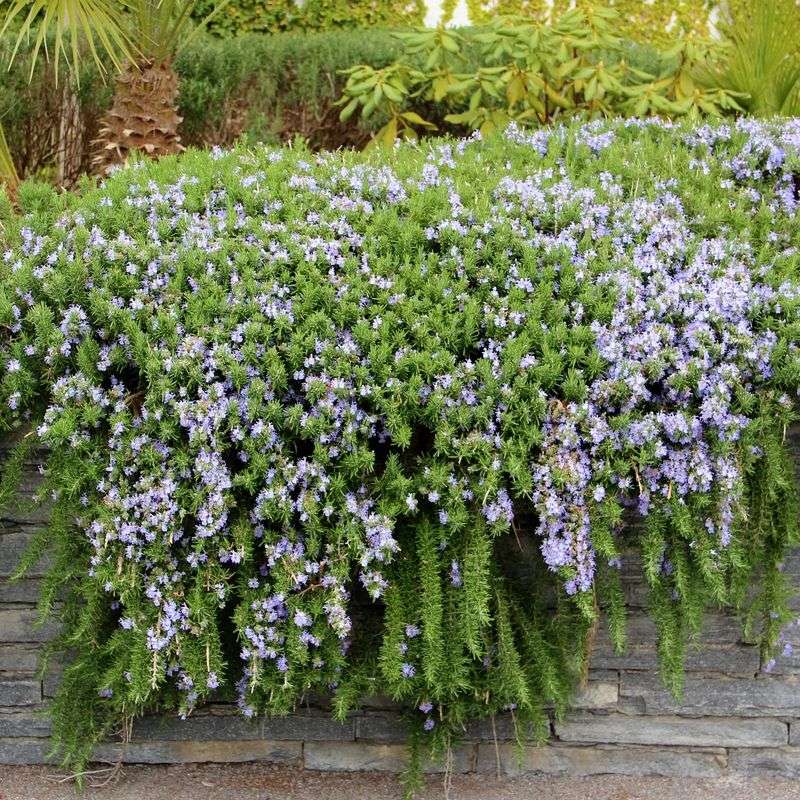
Did you know rosemary isn’t just for cooking? This aromatic herb proved its mettle in 2025, thriving in drought-stricken areas. Its resilience in harsh weather made it a gardener’s go-to plant.
Rosemary’s ability to thrive with minimal water helped preserve garden resources. Its needle-like leaves and woody stems added texture and fragrance to gardens.
Gardeners loved its multi-use nature, from culinary to decorative. Insect-repelling properties further enhanced its appeal. A must-have for environmentally-conscious gardeners, rosemary saved gardens while adding beauty and utility.
2. Unyielding Lavender
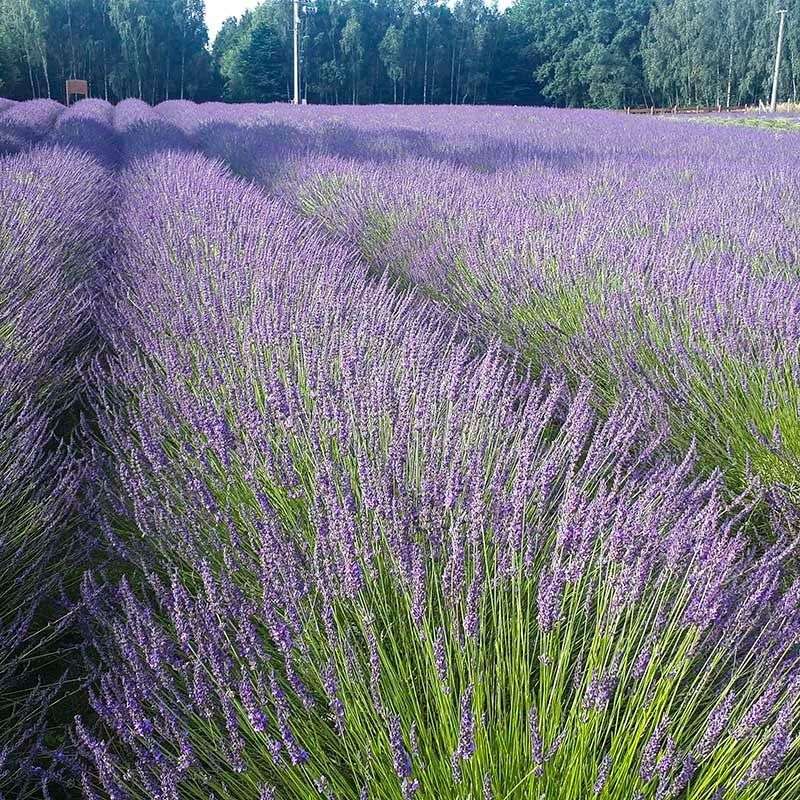
Lavender’s soothing scent isn’t its only strength. In 2025, gardens embraced lavender for its hardy nature and pest-repelling properties.
Despite dry spells, lavender continued to bloom, offering beauty and fragrance. Its vibrant purple flowers and silvery-green foliage provided a visual delight.
Lavender’s versatility extended to crafting and aromatherapy, making it indispensable. Its contribution to pollinator support also made it a garden favorite. Lavender’s tenacity and charm transformed struggling gardens into thriving landscapes.
3. Tenacious Thyme
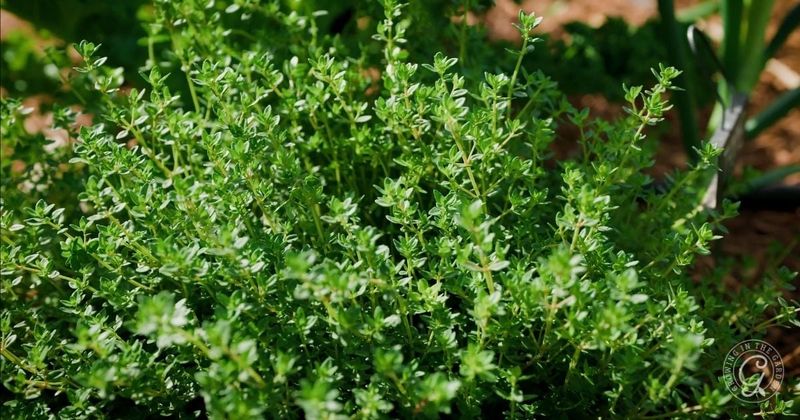
Thyme, often overlooked, became a hero for gardens in 2025. Its ability to thrive in poor soils and its drought tolerance were key.
Thyme’s small, fragrant leaves added flavor to dishes and filled gardens with a delightful aroma. Its low-growing habit made it perfect for ground cover.
This unassuming herb also attracted beneficial insects, aiding in natural pest control. Thyme’s resilience made it a staple in eco-friendly gardening practices, proving that great things come in small packages.
4. Dynamic Dandelion
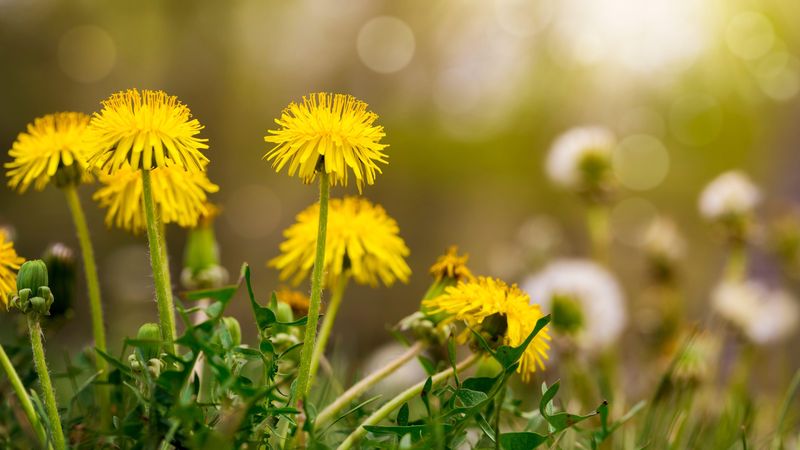
Once considered a weed, the dandelion gained new respect in 2025 for its adaptability and nutritional benefits.
Dandelions thrived in neglected gardens, their deep roots breaking up compacted soil and boosting aeration. Their bright yellow flowers attracted pollinators in droves.
Rich in vitamins, dandelion leaves added a healthy twist to salads. This humble plant showed that sometimes, wild beauty holds the key to garden success. Dandelions became a symbol of resourcefulness.
5. Sturdy Sage
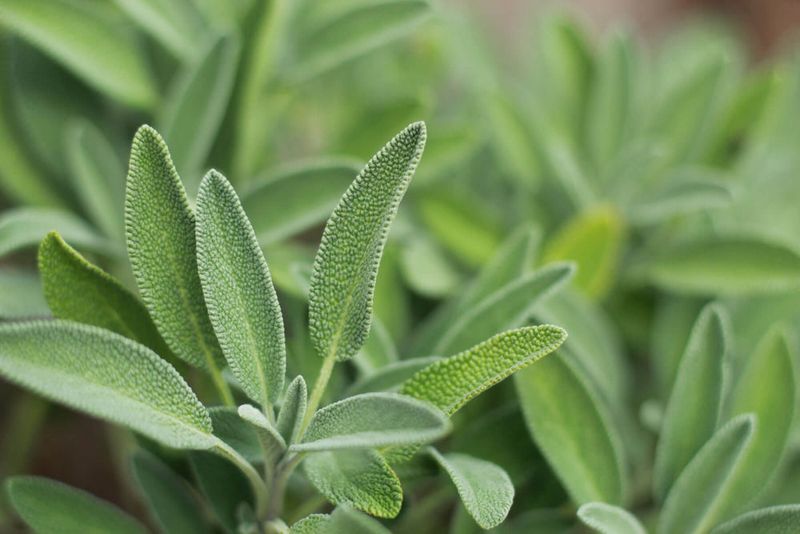
Sage, with its unmistakable fragrance, was a standout in 2025’s gardens. Known for its hardiness, sage thrived where other plants couldn’t.
Its soft, velvety leaves held up against dry climates, offering both beauty and utility. Gardeners appreciated its culinary versatility and soothing aroma.
Sage’s role in herbal remedies further cemented its place in the garden. By supporting local ecosystems, sage became a true ally for those seeking sustainable gardening solutions.
6. Hardy Hosta
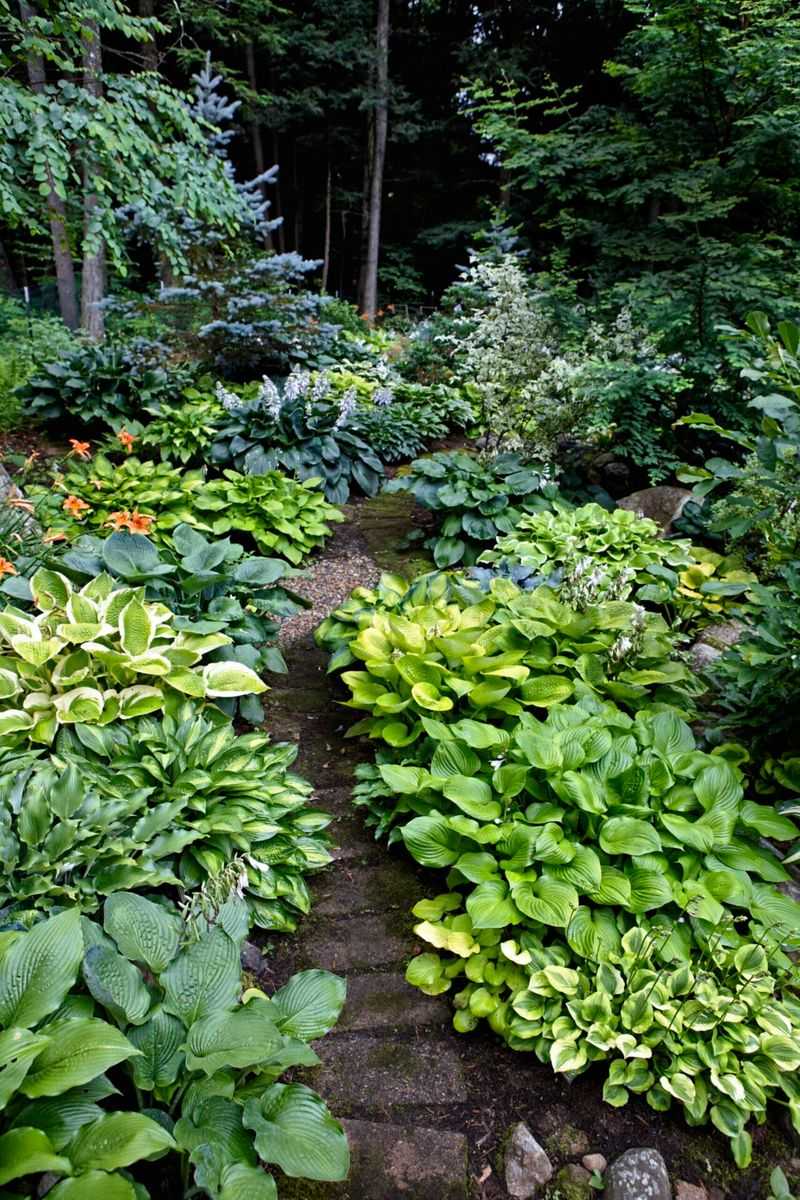
Hostas, often found in shaded areas, became essential in 2025 for their ability to thrive in low-light conditions.
Their lush, variegated leaves added elegance to gardens, while their resilience to pests was highly valued. Hostas also helped control soil erosion, making them a practical choice.
These plants’ adaptability to different soil types made them favorites among gardeners looking to enrich their landscapes. Hostas offered both aesthetic charm and functional benefits, proving indispensable.
7. Robust Rhubarb
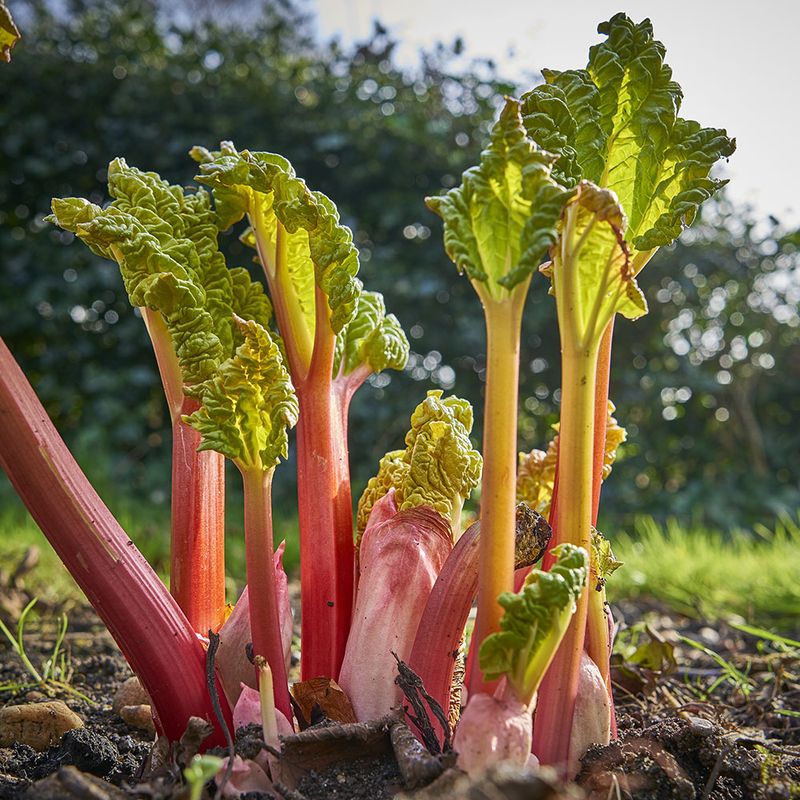
Rhubarb, known for its culinary uses, became a garden staple in 2025. Its large leaves and striking red stalks were a visual treat.
Rhubarb’s resilience to varying weather conditions made it invaluable. It thrived in rich, well-drained soil, providing abundant harvests.
Beyond its tasty stalks, rhubarb contributed to garden biodiversity, attracting beneficial insects. Its ability to return each year without replanting added to its appeal. Rhubarb’s durability and productivity made it a gardener’s delight.
8. Gritty Garlic
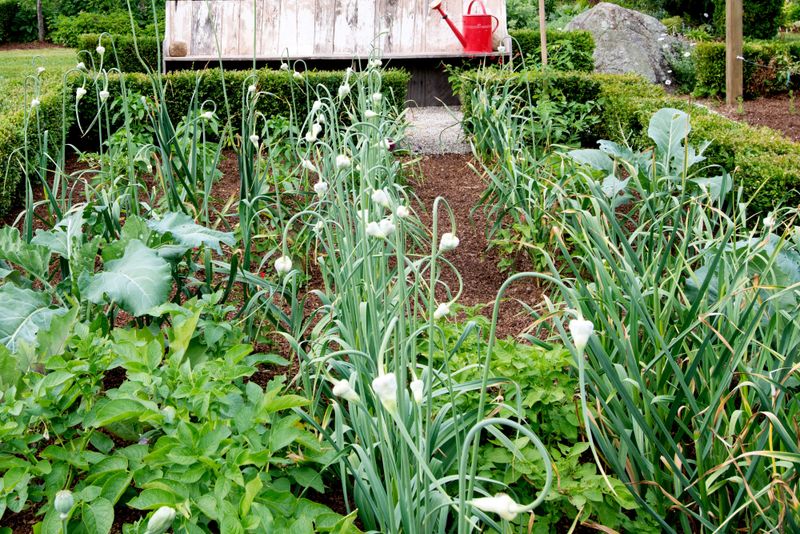
Garlic’s robust nature made it indispensable in 2025’s gardens. This hardy bulb not only repelled pests but also enriched the soil with its natural properties.
Garlic’s pungent aroma added flavor to dishes and deterring garden invaders. Its ease of growth and low maintenance requirements were appreciated by many.
As a companion plant, garlic supported surrounding crops, enhancing overall garden health. Its enduring presence made it a favorite for those embracing sustainability in gardening.
9. Vigorous Verbena
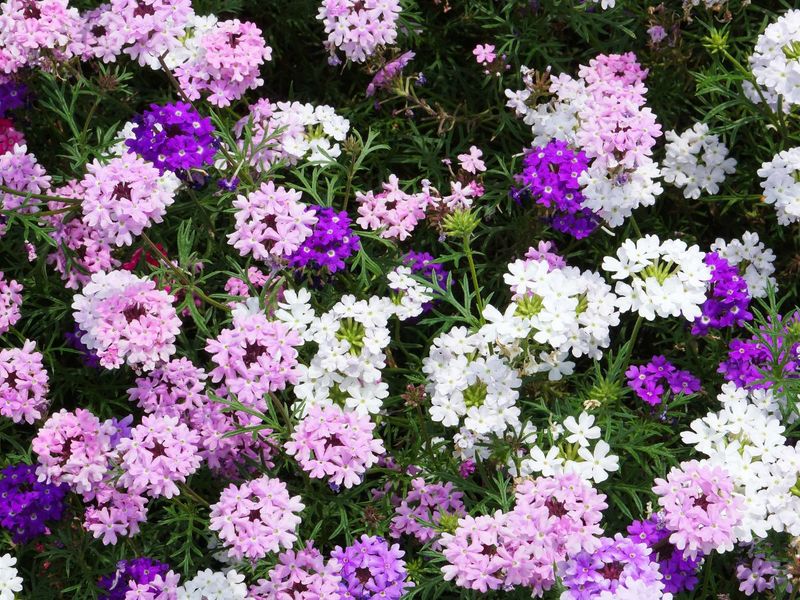
Verbena’s cheerful blooms brought joy to gardens in 2025. Known for its vibrant colors and long blooming season, verbena was a gardener’s delight.
This hardy plant thrived in sunlit spaces, requiring minimal care. Verbena’s ability to attract pollinators, like butterflies and bees, enhanced garden biodiversity.
For gardeners seeking color and resilience, verbena was an obvious choice. Its continuous flowering and drought tolerance made it a garden favorite, proving beauty can also be easy-care.
10. Persistent Peony
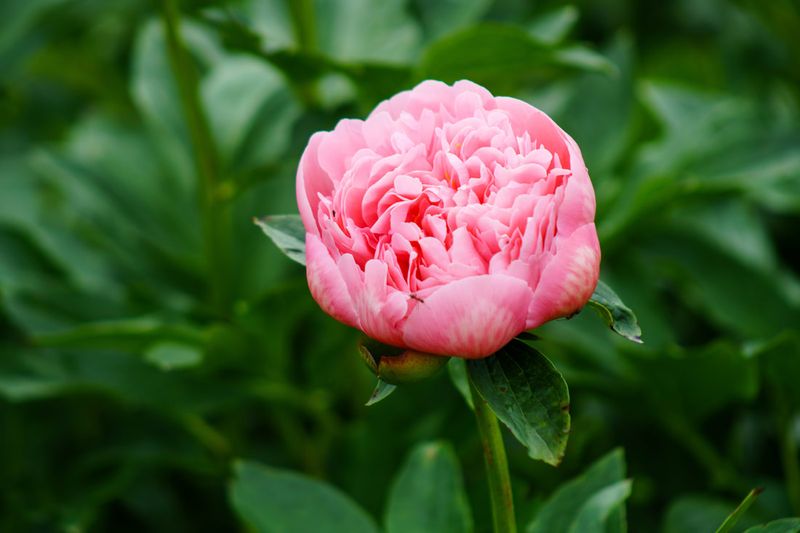
Peonies, with their breathtaking flowers, became a symbol of hope in 2025’s gardens. Their ability to withstand cold winters and rebloom each year was remarkable.
Peonies graced gardens with lush foliage and stunning blooms, requiring minimal intervention. These plants served as the perfect backdrop for more delicate flora.
By attracting pollinators, peonies played a crucial role in garden ecosystems. Their enduring beauty and reliability made them beloved by gardeners everywhere.
11. Steadfast Succulent
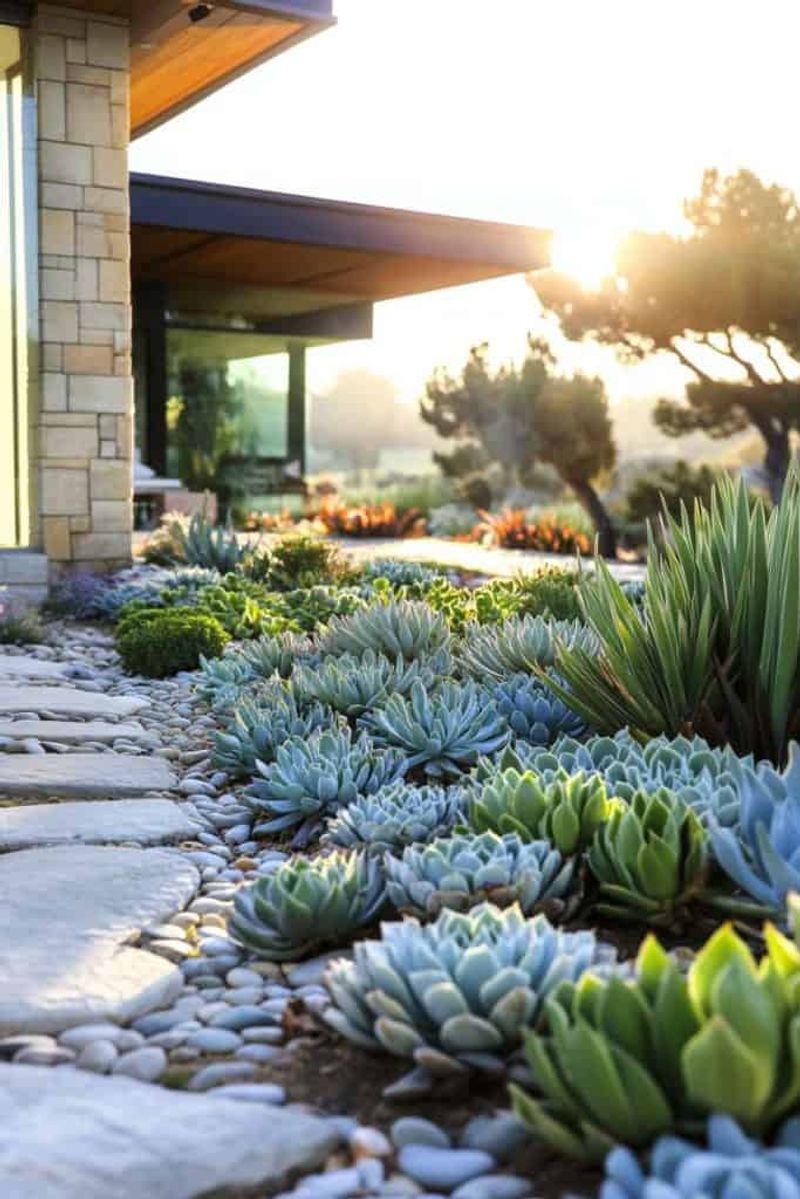
Succulents, known for their water-storing abilities, were indispensable in 2025’s parched gardens. Their unique forms provided visual intrigue and texture.
These plants required minimal water, thriving in arid conditions. Succulents’ adaptability made them suitable for various garden designs, from rock gardens to terrariums.
Their low maintenance and ability to propagate easily appealed to busy gardeners. Succulents’ role in conserving water resources highlighted their importance, proving style could meet sustainability.
12. Adaptive Aloe Vera
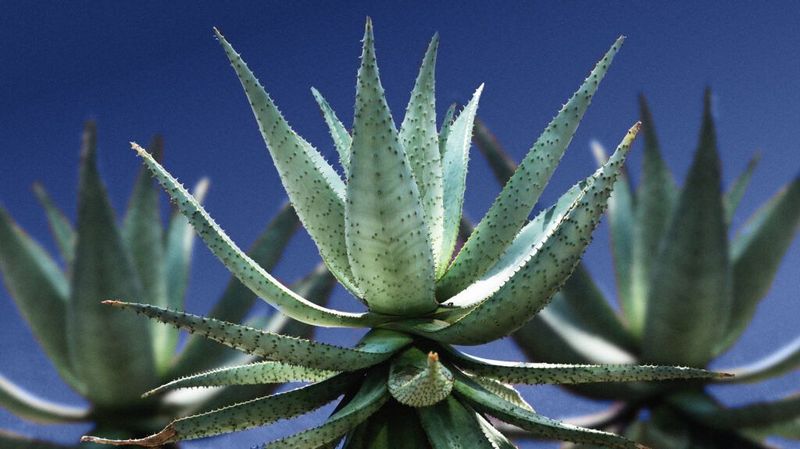
Aloe vera, famous for its healing properties, was a fixture in 2025 gardens. Its resilience to heat and ease of care made it ideal for novice gardeners.
Aloe’s thick leaves stored water, allowing it to thrive in dry conditions. Its soothing gel was a bonus for skin care and injuries.
This plant’s medicinal uses and decorative appeal made it a dual-purpose garden resident. Aloe’s ability to flourish with little intervention made it a top choice for sustainable gardening practices.
13. Perennial Phlox
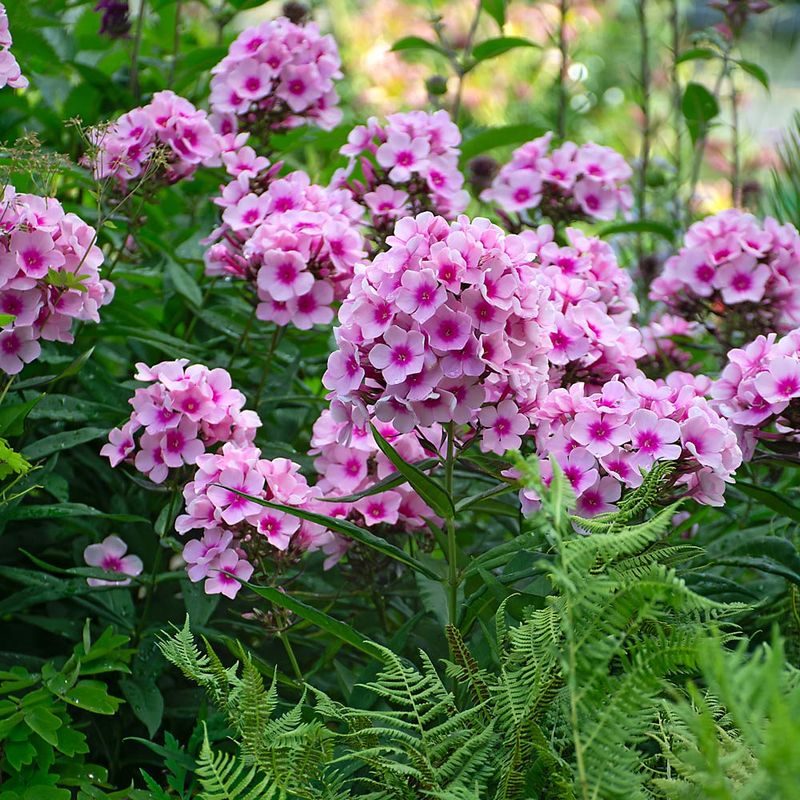
Phlox, known for its fragrant clusters of flowers, was a favorite in 2025. Its long blooming season added lasting color to gardens.
This hardy perennial thrived with minimal care, offering a variety of colors to suit any garden palette. Phlox attracted butterflies, supporting ecosystem health.
Gardeners appreciated its versatility in borders and rock gardens. Phlox’s charm and ease of growth made it a staple for those wanting enduring beauty with little effort.
14. Bountiful Blueberry Bush
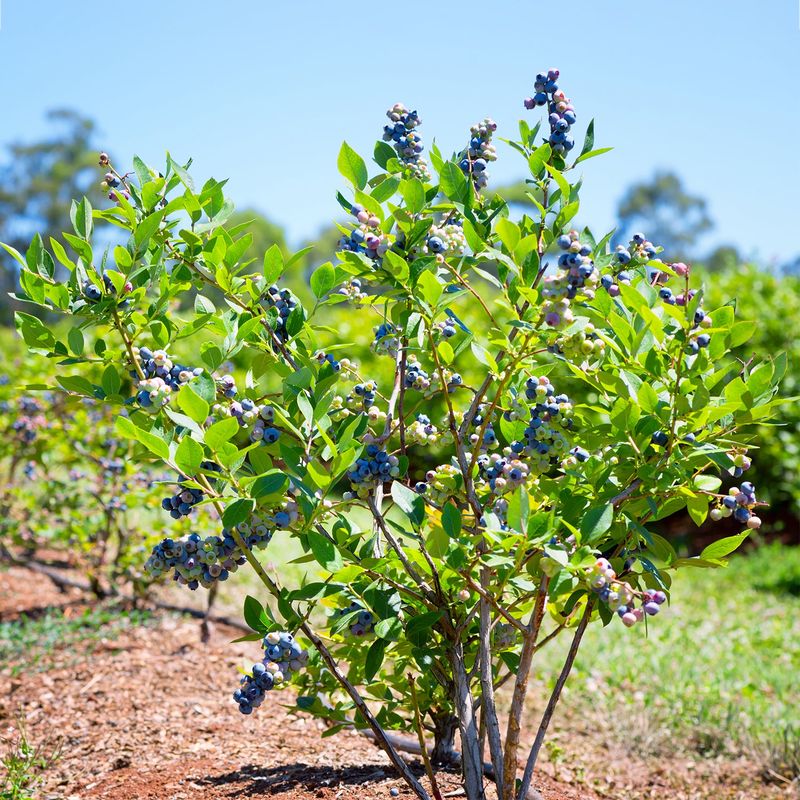
Blueberry bushes, with their delicious fruits, were stars in 2025 gardens. Their ability to adapt to different soils and climates made them popular.
Beyond their tasty berries, blueberry plants offered stunning foliage that changed colors with the seasons. This dual-purpose nature added ornamental value.
Blueberries supported wildlife and provided gardeners with nutritious harvests. These resilient bushes proved that functional gardening could also be fruitful and beautiful.
15. Hardy Helianthus
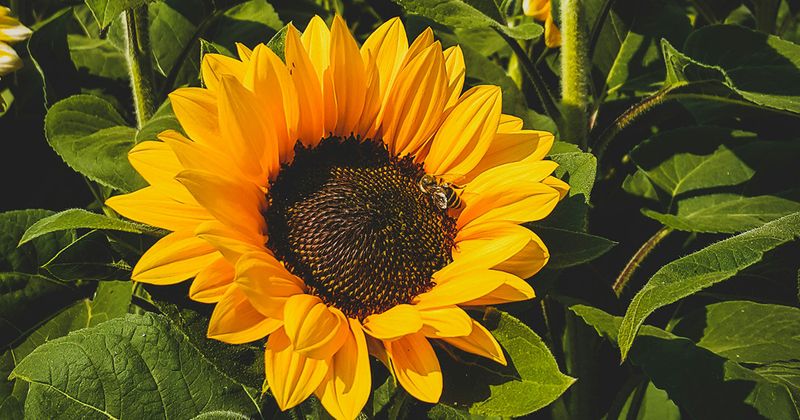
Sunflowers, or helianthus, brought sunshine to 2025’s gardens. Known for their towering height and cheerful faces, they were loved by many.
Sunflowers’ ability to thrive in less-than-ideal soil conditions made them a staple. Their seeds offered nourishment and their blooms provided a visual feast.
Apart from aesthetics, sunflowers supported pollinators and soil health. Their robust nature made them a favorite in sustainable practices, embodying joy and resilience.
16. Versatile Viola
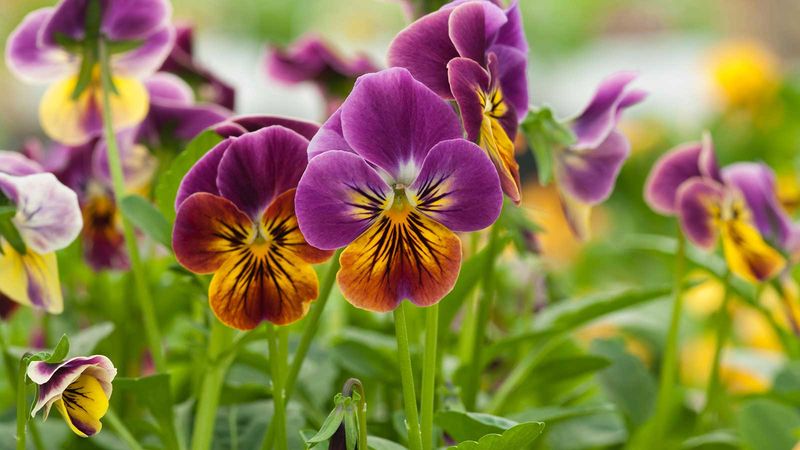
Violas, with their delicate appearance, surprised many with their hardiness in 2025. These plants thrived in cool weather, offering a splash of color.
Violas’ ability to bloom in early spring and late fall extended garden enjoyment. Their compact size made them perfect for borders and containers.
Gardeners valued violas for their edible flowers and role in supporting pollinators. Violas proved that strength often comes in the most unexpected forms, bringing charm and resilience to gardens.
17. Indomitable Indigo
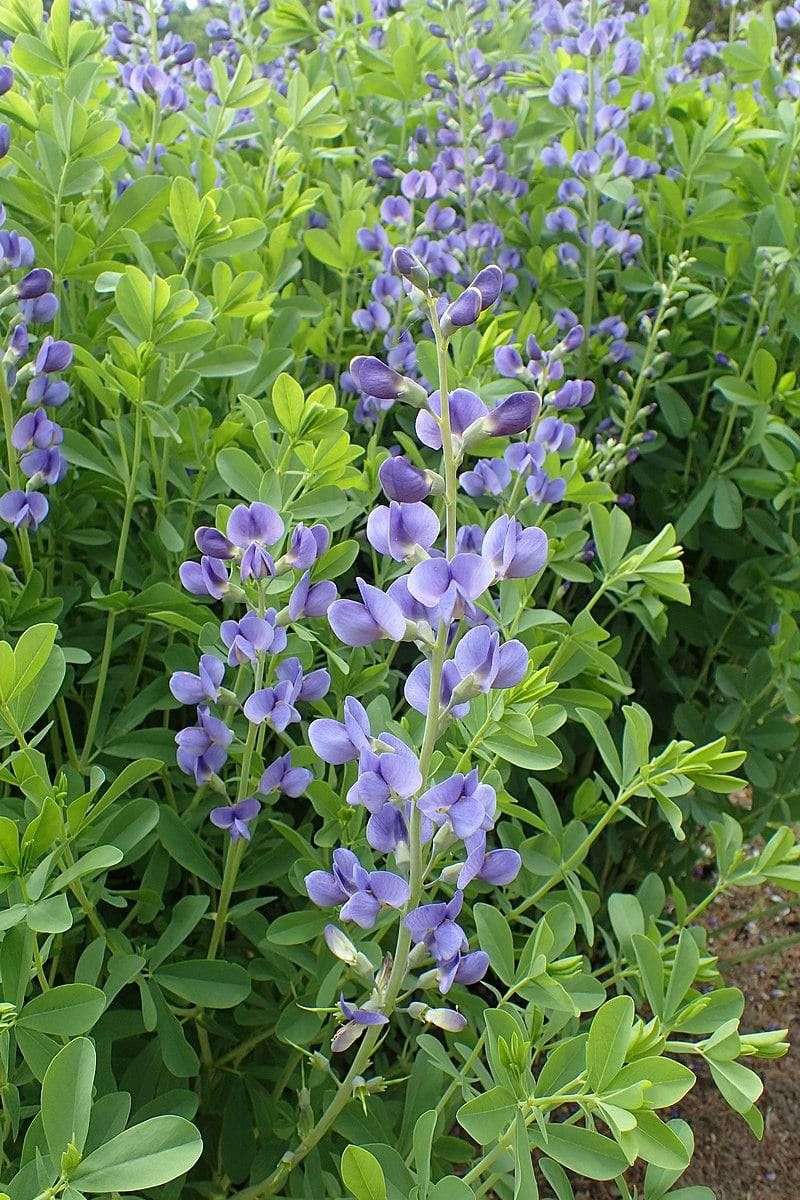
Indomitable Indigo
Known for its vibrant blue flowers, Indomitable Indigo became a gardener’s best friend in 2025. Its ability to thrive in poor soil conditions makes it a resilient choice for challenging environments.
Beyond its beauty, this plant acts as a natural pest deterrent, helping protect neighboring plants without the need for chemicals. Indigo’s deep roots also contribute to soil health by preventing erosion.
Curiously, this plant’s dye properties have historical significance, adding a touch of history to your garden. It’s both a practical and aesthetic marvel that won many gardeners’ hearts.