 Complete Gardening
Growing lettuce can be a rewarding experience, especially when you know the right plants to have by its side. Companion planting not only helps in disease control but also enhances growth and flavor. Here, we explore 19 perfect partners for your lettuce, each bringing its unique benefits.
1. Radishes
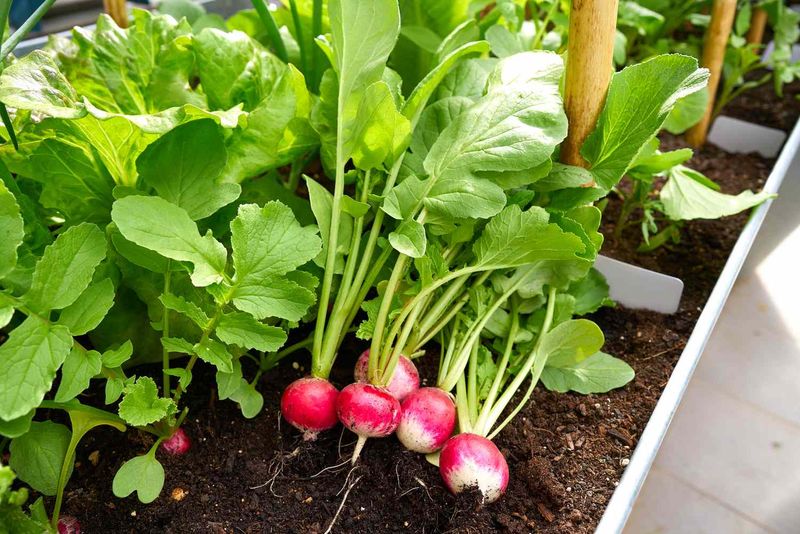
Radishes are more than just a crunchy addition to your salad. Their fast-growing leaves can help shade lettuce, keeping it cool and moist. This symbiotic relationship encourages stronger growth and improves the flavor profile of both plants. Planting radishes among lettuce also draws away pests, providing a natural barrier. Radishes mature quickly, allowing for multiple harvests in a season.
The peppery bite of radishes complements the mild flavor of lettuce, creating delightful salads. Radishes’ deep roots also help in breaking up soil, improving its texture. This makes them an excellent choice for gardeners seeking to cultivate rich, robust soil over time.
2. Carrots
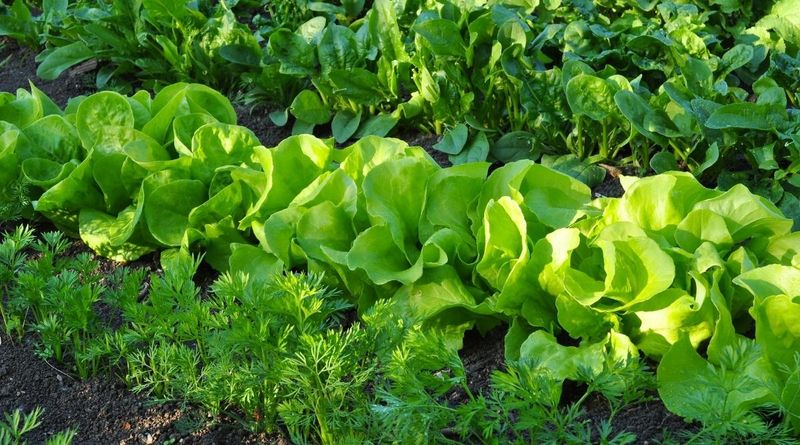
With a love for similar growing conditions, carrots and lettuce make a harmonious garden duo. Carrots, with their underground growth habit, share space well with lettuce’s shallow roots. This efficient use of space is perfect for small gardens or raised beds. Carrots help loosen the soil, benefiting the growth of lettuce.
The sweetness of carrots complements the crisp texture of lettuce, adding variety to your salad bowl. Their differing root depths mean minimal competition for nutrients. Moreover, carrots’ feathery foliage can help protect lettuce from the harsh sun, keeping it tender and delicious.
3. Marigolds

Marigolds bring a splash of color and a touch of magic to any vegetable garden. Known for their pest-repelling properties, marigolds act as a natural deterrent against nematodes and aphids, protecting your lettuce. Planting marigolds alongside lettuce not only wards off unwanted guests but also adds a cheerful visual appeal.
The vivid flowers attract beneficial insects, enhancing pollination and overall garden health. Marigolds are easy to grow and maintain, making them an excellent choice for gardeners at any level. Their vibrant presence creates a picturesque and productive garden space.
4. Chives
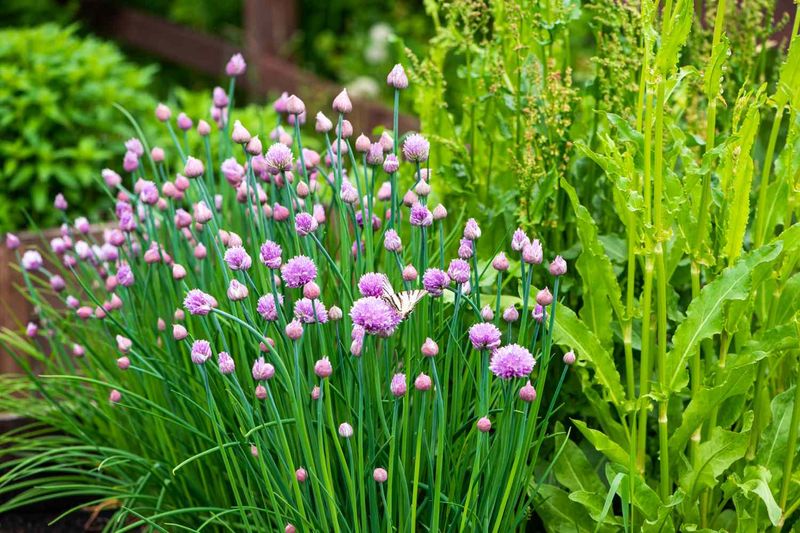
Chives, with their slender leaves and delicate purple flowers, are a charming addition to any garden. Their mild onion scent acts as a natural repellent to aphids and other pests that might target lettuce. Chives’ compact growth habit makes them ideal for planting among lettuce, maximizing space and productivity.
Besides their protective qualities, chives add a subtle onion flavor to salads and dishes. They are perennial plants, providing year-round benefits in many climates. Chives’ blossoms can also be used to garnish dishes, adding both flavor and a pop of color.
5. Onions
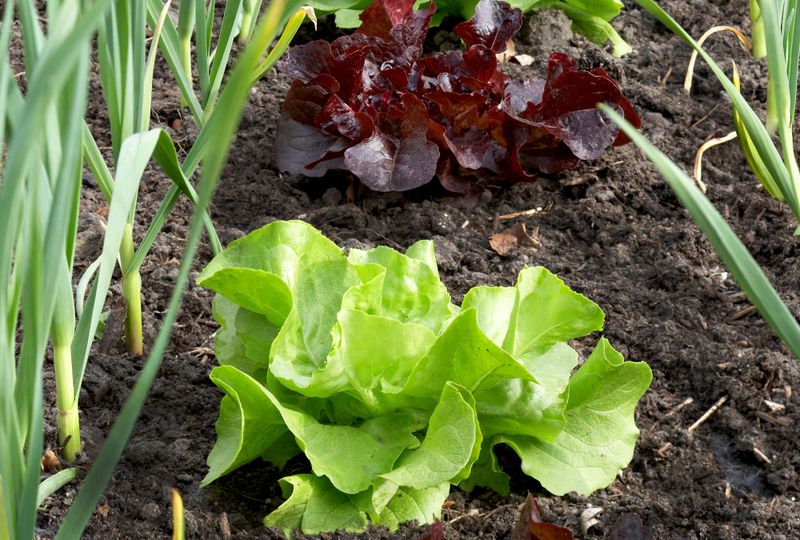
The trusty onion, with its robust flavor and pest-repelling abilities, is a superb companion for lettuce. Onions help deter aphids, slugs, and other pests, allowing lettuce to thrive unbothered. Their strong aroma can mask the scent of more vulnerable plants, providing a protective barrier.
Onions’ shallow roots make them compatible with lettuce, as they don’t compete aggressively for nutrients. This harmonious coexistence boosts overall garden health. The crisp taste of lettuce is beautifully complemented by the sharpness of onions, adding layers of flavor to your culinary creations.
6. Basil
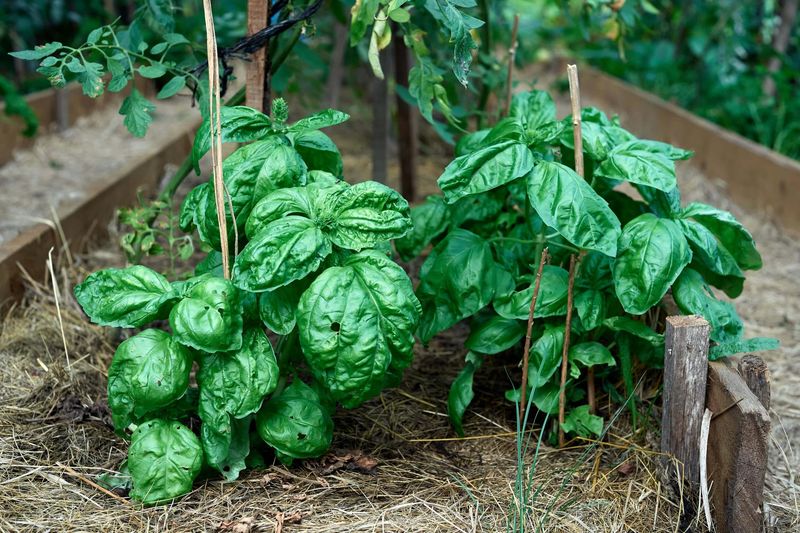
Basil is a delightful companion for lettuce. Its aromatic leaves not only ward off pests but also enhance the flavor of lettuce. Imagine a garden where basil’s scent mingles with the crispness of lettuce.
In addition to its protective qualities, basil also attracts beneficial insects like bees, ensuring a thriving garden ecosystem. Its vibrant green leaves create a picturesque contrast against the softer shades of lettuce.
Basil’s easygoing nature makes it a favorite among gardeners. Its historical importance in various cuisines adds to its charm, making it a must-have in your garden.
7. Beets
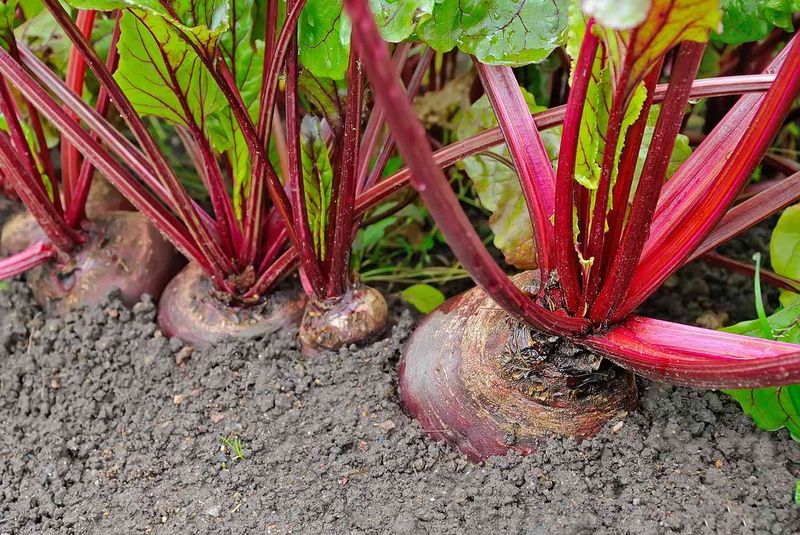
Beets, with their earthy tones and robust roots, make an excellent companion for lettuce. Their ability to loosen up the soil benefits the shallow roots of lettuce, providing essential nutrients.
Picture a garden where the deep reds of beet leaves contrast beautifully with the soft greens of lettuce. This visual appeal is matched by the harmony they create underground.
Beets also bring a historical touch to your garden, having been cultivated for centuries. Their ability to adapt to various climates makes them a versatile and reliable plant for any garden setup.
8. Cilantro
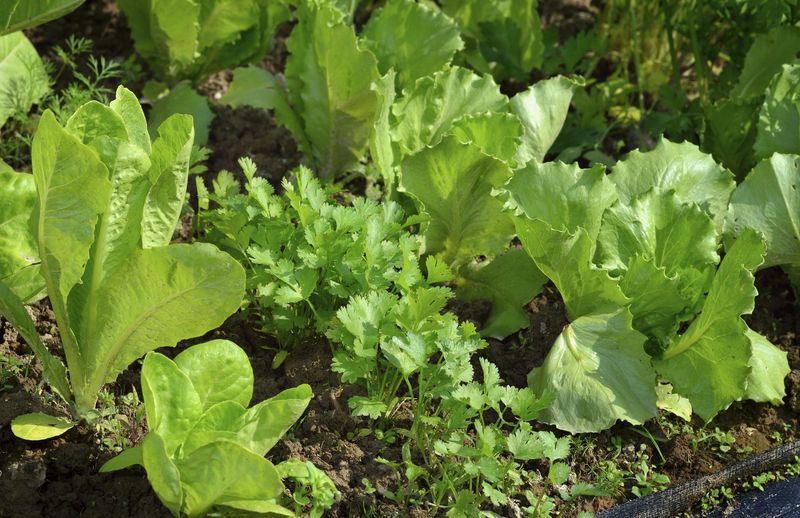
Cilantro, known for its distinct aroma and flavor, pairs wonderfully with lettuce. Its pest-repelling qualities help protect lettuce from unwanted visitors, while its rapid growth ensures it never overshadows its leafy neighbor.
Imagine a garden alive with the fragrance of cilantro, intermingling with the crisp, clean scent of lettuce. This combination not only benefits the plants but also elevates the sensory experience of your garden.
Cilantro’s cultural significance in various cuisines adds an exotic touch, making your garden both functional and globally inspired.
9. Parsley
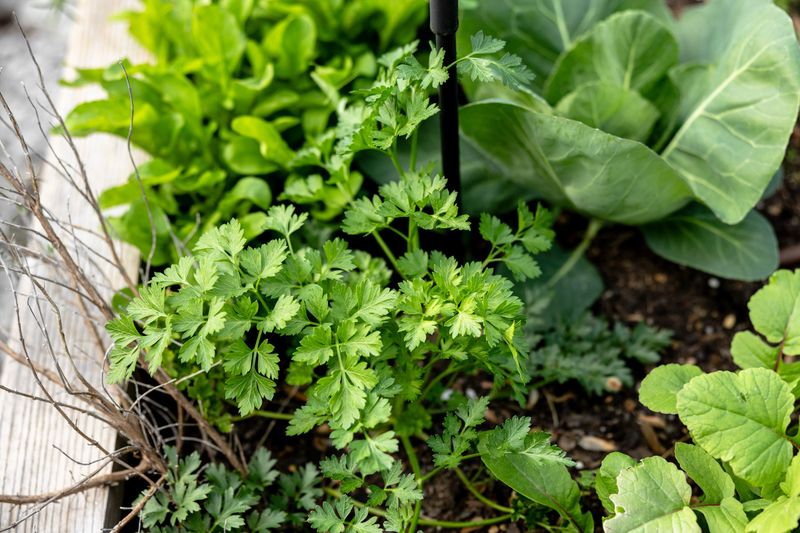
Parsley, a culinary staple, is more than just a garnish. Its companionship with lettuce is marked by mutual benefits, as it repels pests and attracts beneficial insects.
Visualize a garden where parsley’s rich green leaves complement the delicate texture of lettuce. This pairing not only enhances each plant’s growth but also adds a lush, green diversity to your garden.
The historical significance of parsley, used since ancient times, provides a connection to the past, enriching the gardening experience with a sense of tradition and continuity.
10. Nasturtiums
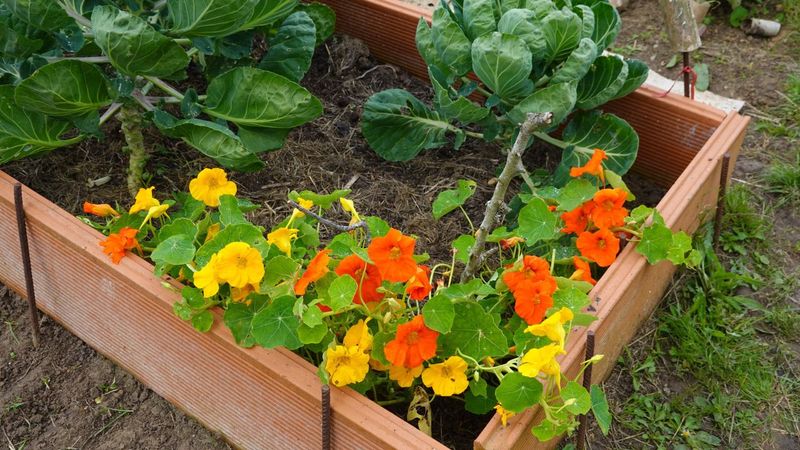
Nasturtiums, with their vibrant blooms, are a feast for the eyes and a boon for lettuce. These cheerful flowers attract pollinators while deterring destructive pests, offering lettuce both beauty and protection.
Imagine nasturtiums’ bright, sunlit petals creating a vivid backdrop for the subtle greens of lettuce. Their sprawling nature can fill garden gaps, providing a natural mulch that retains soil moisture.
Nasturtiums’ edible flowers also add an adventurous culinary twist, making them a delightful addition to both your garden and your kitchen.
11. Dill
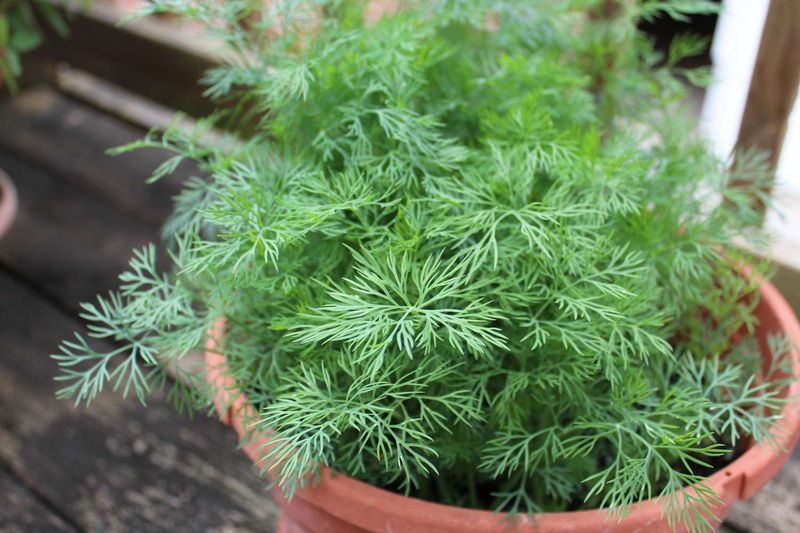
Dill, with its feathery fronds and aromatic presence, is a natural ally to lettuce. It attracts beneficial insects like ladybugs, which keep aphid populations in check, ensuring lettuce remains healthy.
Envision a garden where dill’s tall, wispy foliage provides a gentle contrast to the compact leaves of lettuce. This vertical interest adds dimension and depth to your green space.
Dill’s historical use in cooking and medicine adds layers of interest, transforming your garden into a place of both beauty and historical exploration.
12. Beans
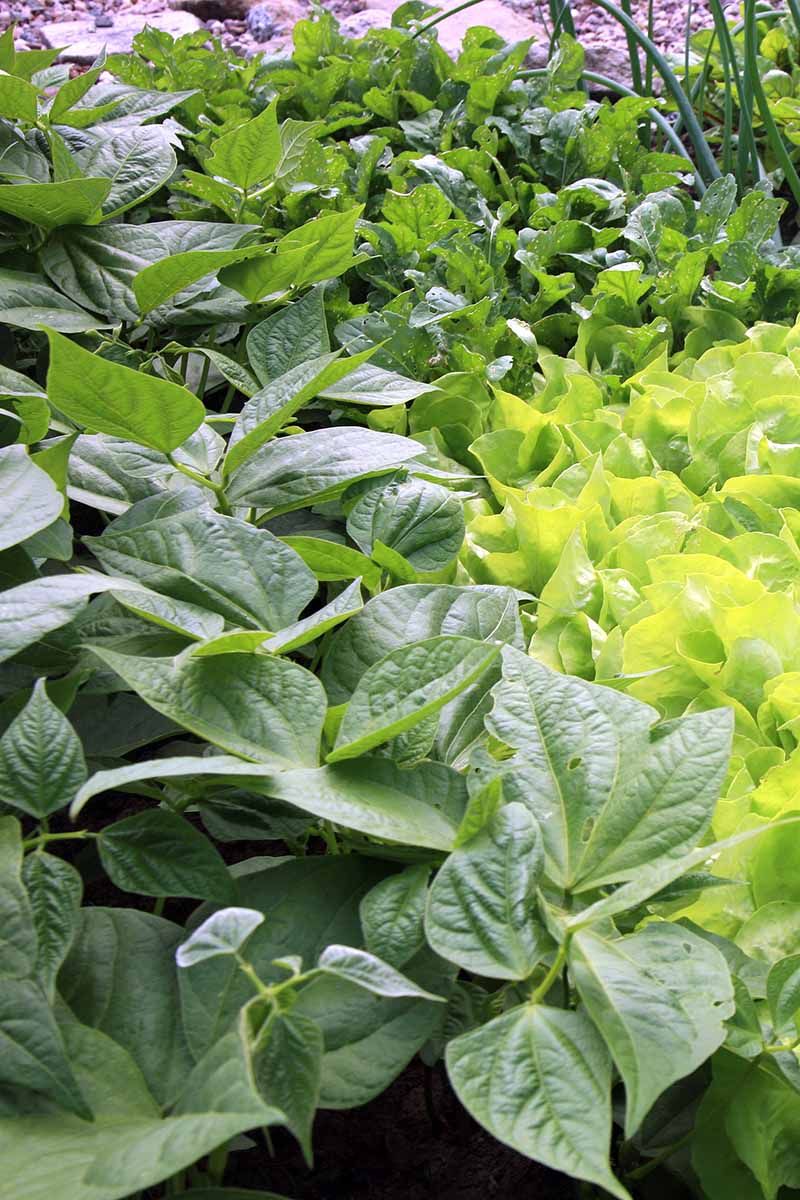
Beans, whether bush or pole, are excellent companions for lettuce. Their ability to fix nitrogen in the soil ensures that lettuce receives essential nutrients, promoting vigorous growth.
Visualize a dynamic garden where the vertical elegance of bean plants complements the low-growing, leafy beds of lettuce. This pairing maximizes space and provides a harmonious visual contrast.
Beans also offer a touch of history, having been a staple in agricultural societies for millennia, enriching your garden with a sense of tradition and sustainability.
13. Cucumbers
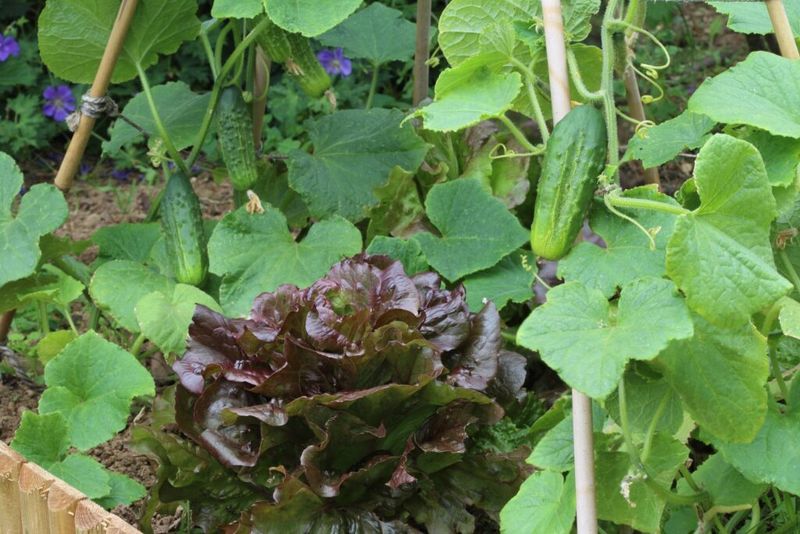
Cucumbers, with their sprawling vines and refreshing fruit, provide ideal shade for lettuce during hot summer days. This natural canopy helps keep lettuce cool, reducing the risk of bolting.
Imagine a garden where cucumber vines weave lazily around lettuce beds, their large leaves creating a protective shield from the sun. This symbiotic relationship enhances both plants’ growth and health.
Cucumbers, long celebrated for their cooling properties, add a refreshing touch to your garden, making it a place of both productivity and relaxation.
14. Borage
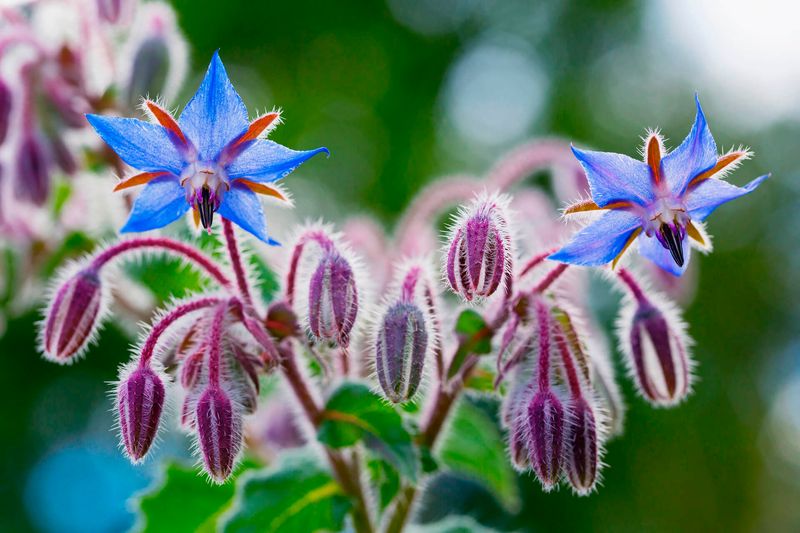
Borage, known for its star-shaped blue flowers, is a wonderful companion for lettuce. Its ability to attract pollinators strengthens the overall health of your garden ecosystem.
Picture a garden where borage’s striking blue flowers add a splash of color amidst the greenery of lettuce. Beyond aesthetics, borage improves soil quality, benefiting nearby plants.
Historically used in herbal remedies, borage brings a touch of the past into your garden, blending beauty with traditional wisdom for a truly enriching gardening experience.
15. Mint
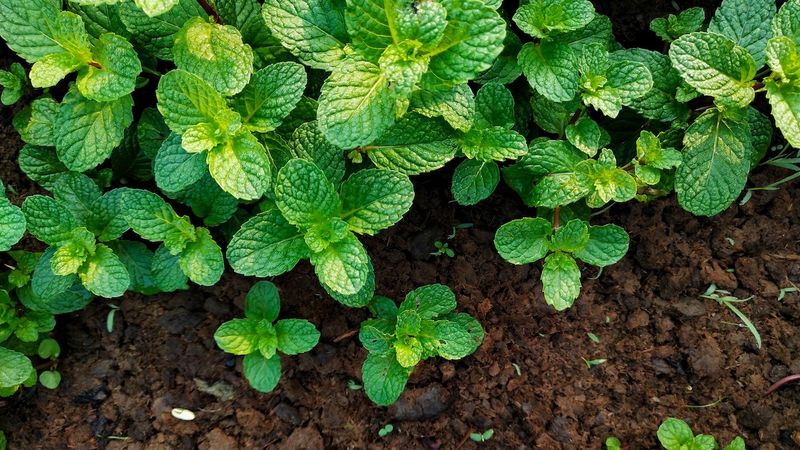
Mint, with its refreshing aroma, is a protective neighbor for lettuce. It deters pests like aphids and ants, allowing lettuce to thrive without interference.
Visualize a garden filled with mint’s invigorating scent, mingling with the crispness of lettuce. This aromatic combination not only benefits plant health but also enriches your garden’s sensory appeal.
Mint’s historical use in culinary and medicinal practices enhances its value, turning your garden into a fragrant, multifunctional space that delights the senses and honors tradition.
16. Thyme
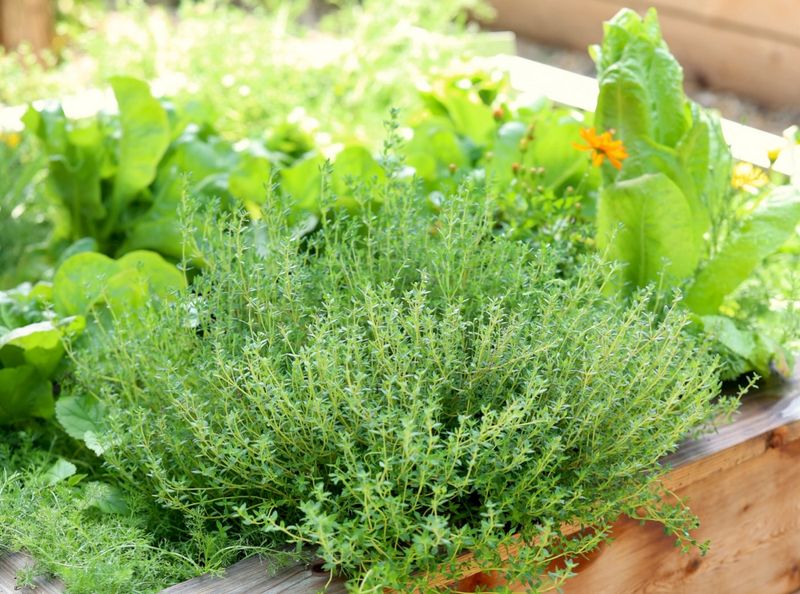
Thyme, with its low-growing habit and aromatic leaves, is a reliable companion for lettuce. It serves as a living mulch, conserving soil moisture and preventing weed growth around delicate lettuce beds.
Imagine a garden where thyme’s fragrant presence envelops lettuce plants, creating a harmonious and protective environment. This pairing not only supports plant health but also adds culinary flair.
Thyme’s historical significance in various cultures enriches your garden, making it a place of both practical beauty and cultural appreciation.
17. Oregano
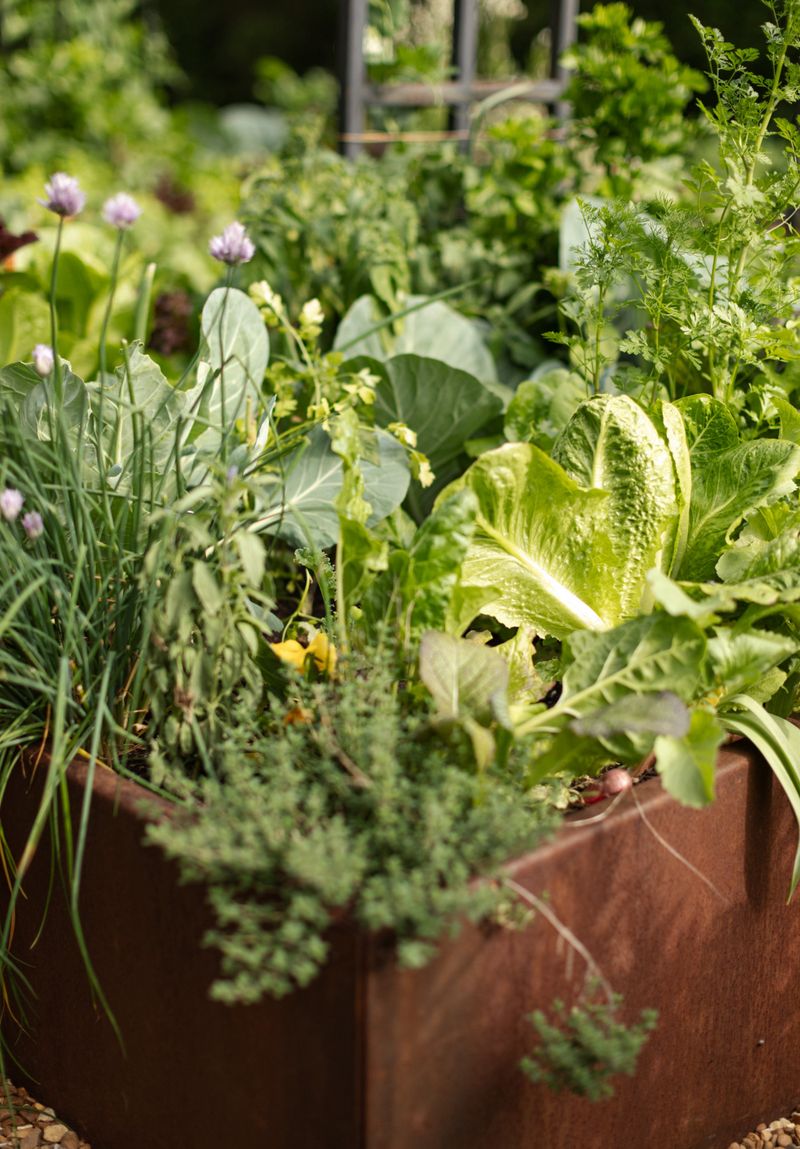
Oregano, with its robust flavor and compact growth, pairs well with lettuce. It repels pests, reducing the need for chemical interventions, and attracts beneficial insects.
Envision a garden where oregano’s lush green foliage provides a vibrant backdrop to the softer shades of lettuce. This relationship not only supports healthy growth but also enriches your garden’s biodiversity.
Known for its use in Mediterranean cuisine, oregano brings a worldly touch to your garden, enhancing its sensory and cultural dimensions.
18. Sage
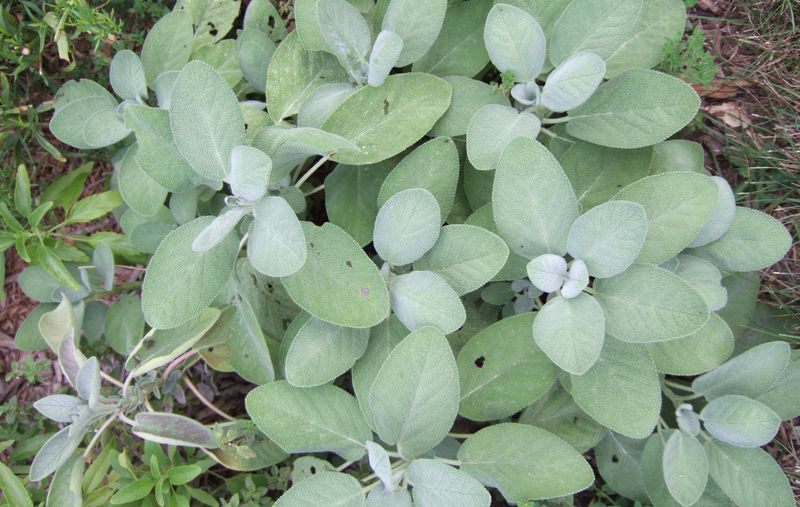
Sage, with its velvety leaves and earthy aroma, is an excellent protector for lettuce. It deters cabbage moths and other pests, ensuring your lettuce stays healthy and pest-free.
Picture a garden where sage’s distinctive foliage complements the vibrant greens of lettuce. This combination of textures and scents makes for a visually and aromatically pleasing garden.
Sage’s historical role in cooking and medicine adds depth to your gardening experience, connecting you to ancient traditions while fostering a thriving plant community.
19. Garlic
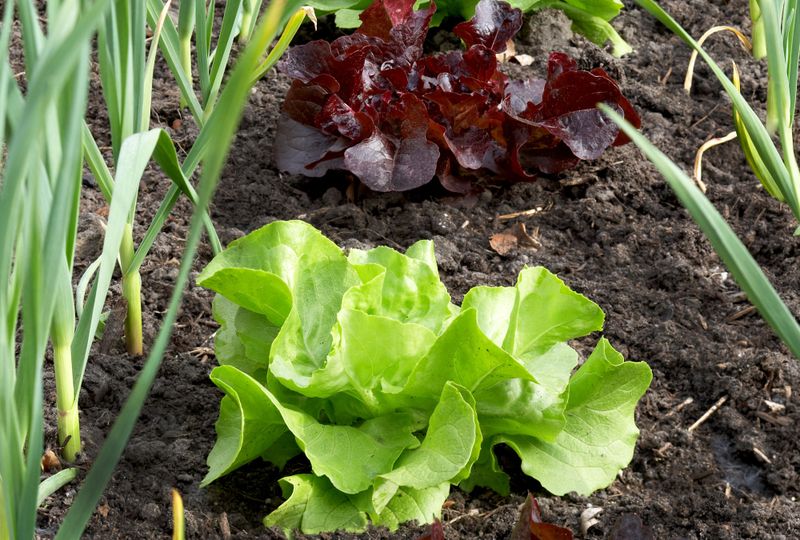
Garlic, with its robust aroma, serves as a natural pest deterrent. Planting garlic near lettuce can help ward off harmful insects that may otherwise feast on your greens.
Beyond its protective qualities, garlic enriches the soil with sulfur, promoting healthier lettuce growth. This symbiotic relationship boosts not only the health but also the flavor profile of your lettuce.
Interestingly, garlic’s presence doesn’t overshadow the delicate taste of lettuce, making it an ideal companion. Did you know? Garlic has been used in gardens since ancient times, celebrated for its powerful protective properties.