 Complete Gardening
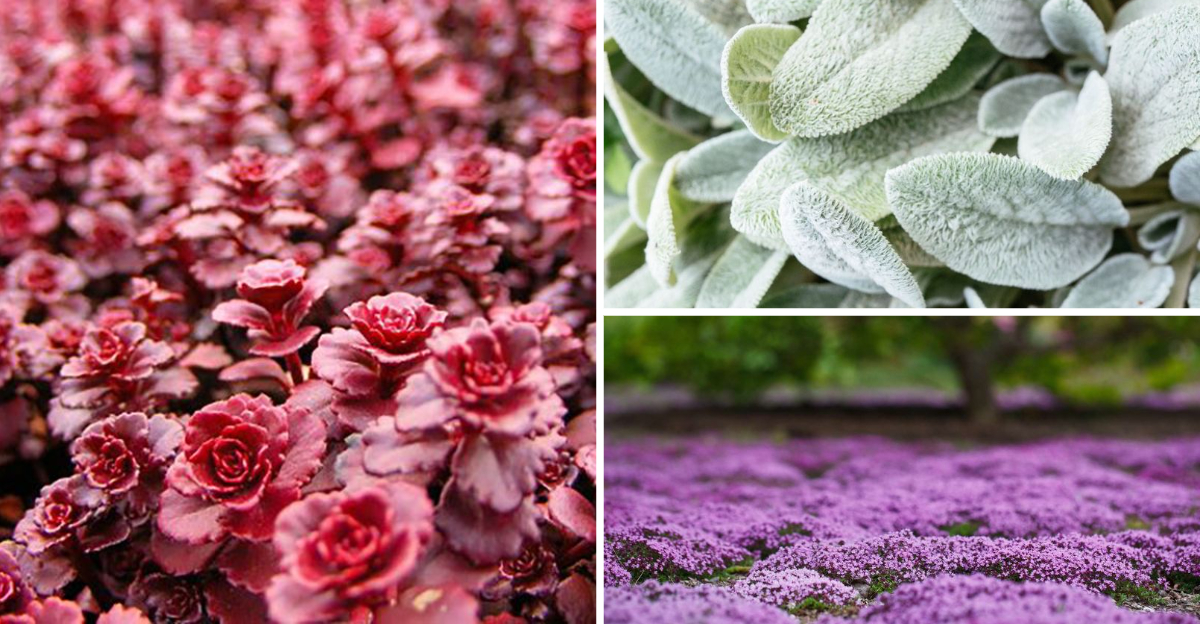
Ground covers are essential for any garden, offering both aesthetic appeal and practical benefits. They provide a lush, captivating carpet that suppresses weeds, reducing the need for chemical interventions. These botanical wonders not only enhance the beauty of your landscape but also play a crucial role in conserving soil moisture and preventing erosion. By incorporating diverse textures and colors, ground covers create visual interest and harmony. This article explores the most beautiful ground covers that effectively fight weeds, each with its unique charm and functionality. With careful selection, you can transform your garden into a thriving, low-maintenance oasis.
1. Creeping Thyme
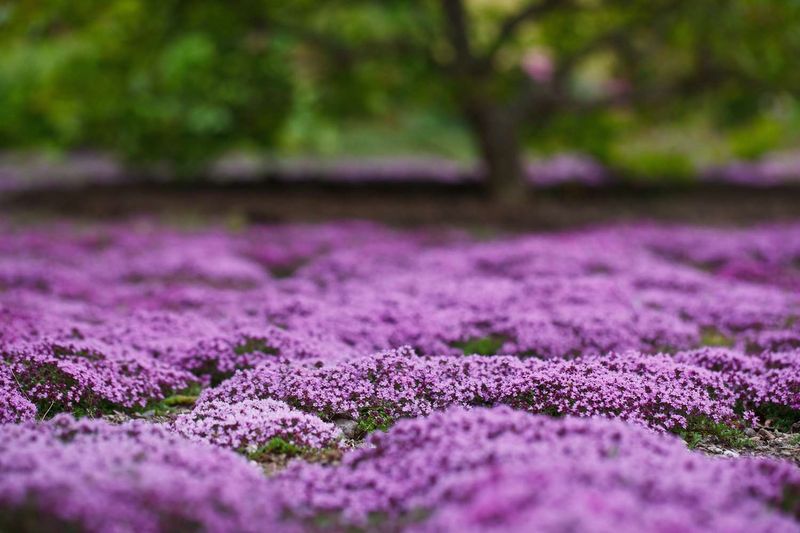
Imagine a garden alive with the subtle fragrance of thyme. Creeping Thyme forms a dense mat of tiny leaves, each topped with vibrant purple flowers. The plant’s low-growing nature makes it an excellent choice for filling spaces between stepping stones or edging pathways. The aromatic leaves release a pleasant scent when walked upon, creating a sensory experience that enhances any garden stroll. Apart from its beauty, Creeping Thyme is a vigilant weed suppressor, covering the ground so thickly that unwanted plants stand no chance. Its resilience to foot traffic and drought makes it a gardener’s ally.
2. Irish Moss
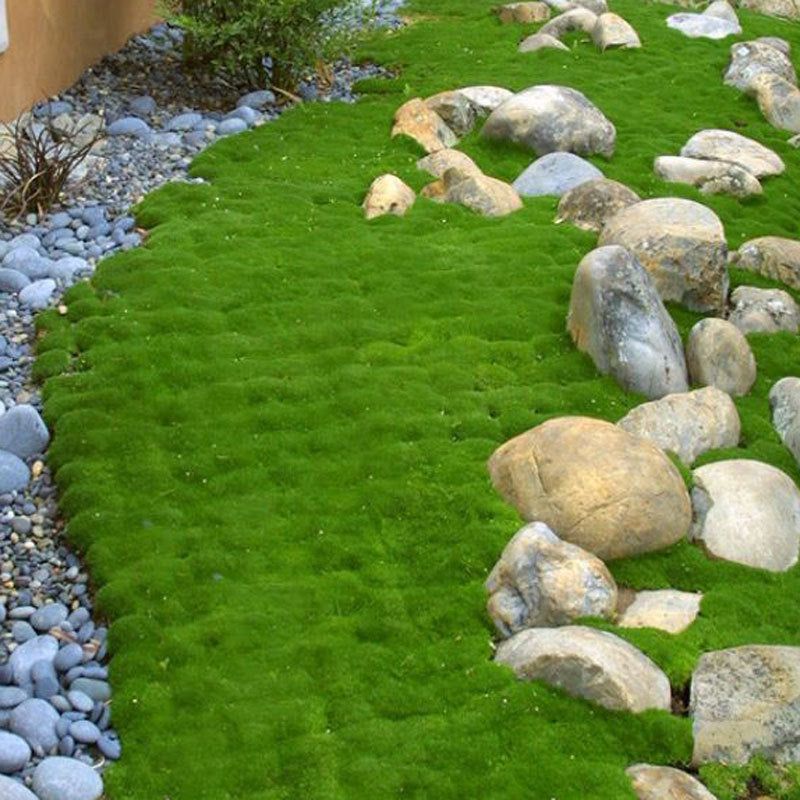
Irish Moss offers a soft, emerald carpet that transforms any shady corner into a verdant oasis. Its delicate texture and rich color create a soothing landscape, inviting barefoot wanderings. This resilient plant flourishes in moist, shaded environments where other ground covers might falter. Its compact form effectively suppresses weeds, making it a favorite among gardeners seeking beauty with functionality. The moss-like foliage looks stunning between stones, adding an elegant touch to walkways. Despite its name, Irish Moss is not a true moss, but its allure and weed-fighting prowess are undeniably captivating.
3. Sedum ‘Dragon’s Blood’
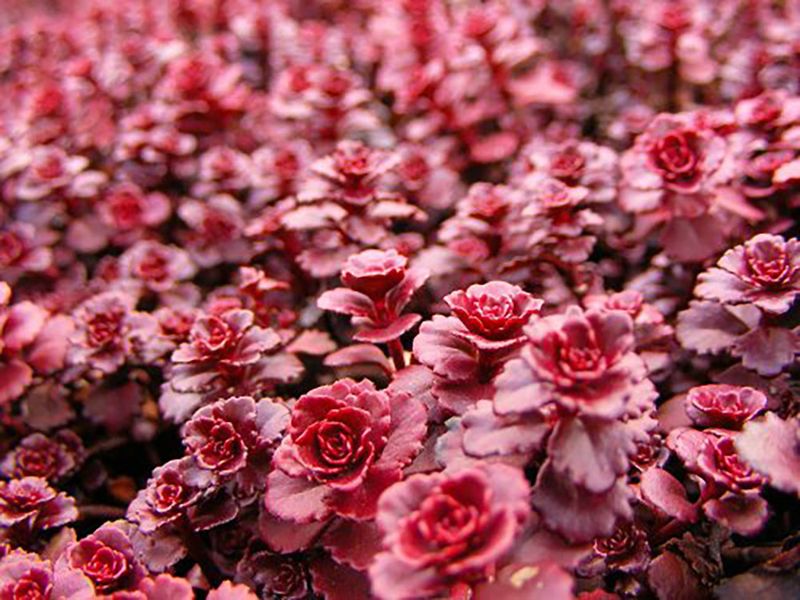
Sedum ‘Dragon’s Blood’ is a show-stopper with its rich, red foliage that darkens as the season progresses. This ground cover thrives in sunlit areas, where it forms a dense mat that crowds out weeds effectively. In summer, it produces small, rosy flowers that attract pollinators, adding another layer of interest to your garden. The plant’s succulent nature allows it to withstand drought, making it a low-maintenance option for busy gardeners. Its dramatic color and robust growth habit make ‘Dragon’s Blood’ a striking addition to any landscape, contrasting beautifully with green companions.
4. Periwinkle (Vinca Minor)
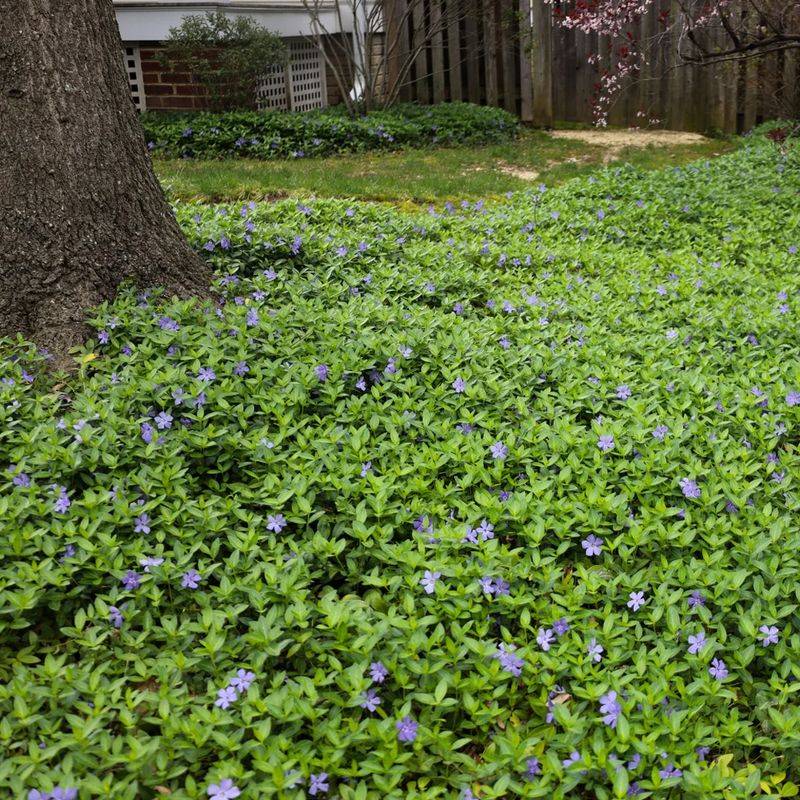
Periwinkle, also known as Vinca Minor, is a beloved classic in the world of ground covers. Its glossy green leaves form a thick, lush carpet, while its periwinkle-blue flowers add a cheerful pop of color in spring. This hardy plant is excellent at suppressing weeds, spreading rapidly to cover bare ground. Its versatility allows it to thrive in both sun and shade, making it a flexible choice for various garden settings. Whether used on slopes or under trees, Periwinkle enhances landscapes with its vibrant hues and robust growth, providing both beauty and utility.
5. Ajuga (Bugleweed)
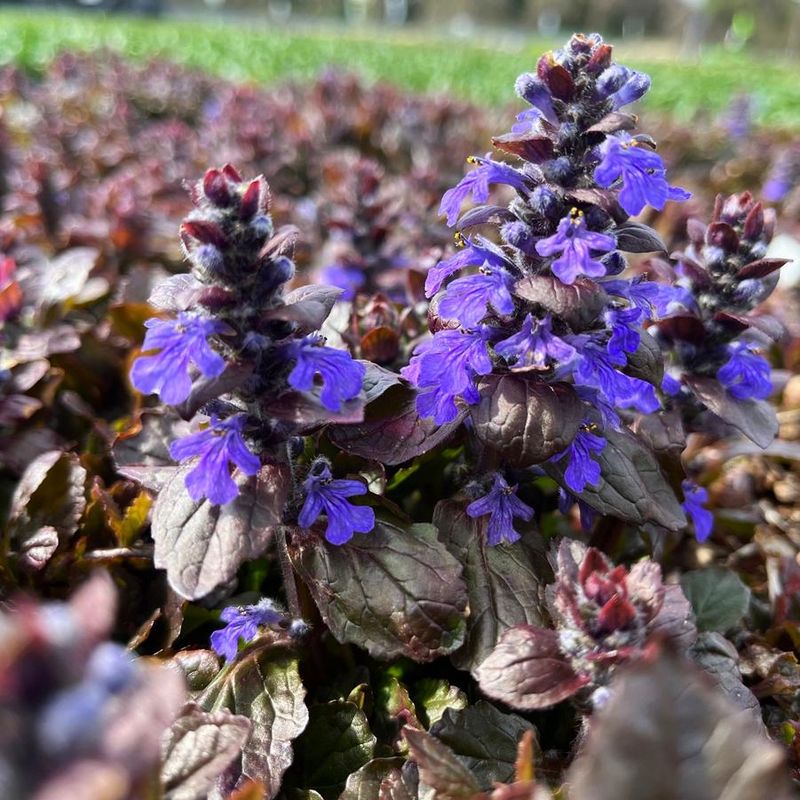
Ajuga, commonly known as Bugleweed, is a versatile ground cover celebrated for its rapid growth and weed-suppressing abilities. Its dark green leaves form a dense mat, while spiky blue flowers rise above, adding vertical interest. This hardy plant adapts well to various conditions, thriving in both sun and partial shade. Ajuga’s resilience makes it ideal for covering large areas quickly, providing an attractive solution to weed problems. Whether planted in borders or as a lawn alternative, its striking foliage and vibrant blooms bring a dynamic energy to any garden.
6. Lamb’s Ear
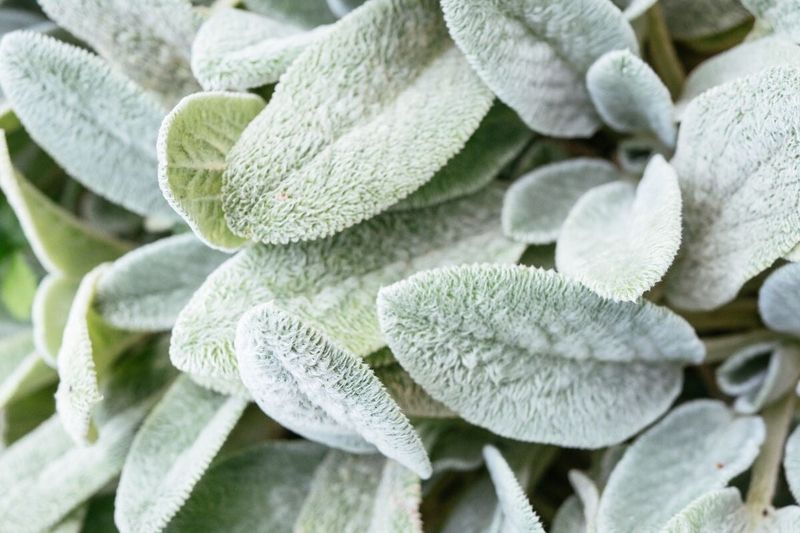
Lamb’s Ear offers a tactile delight with its soft, fuzzy leaves that shimmer in sunlight. This ground cover is perfect for dry, sunny areas, where it can thrive with minimal care. Its silvery foliage adds a unique texture to gardens, creating a striking contrast against green plants. Lamb’s Ear is excellent at weed suppression, forming dense clumps that leave no room for intruders. Its drought tolerance and low maintenance requirements make it a favorite among gardeners. Additionally, its ability to attract bees with its subtle blooms enhances its ecological value.
7. Creeping Jenny
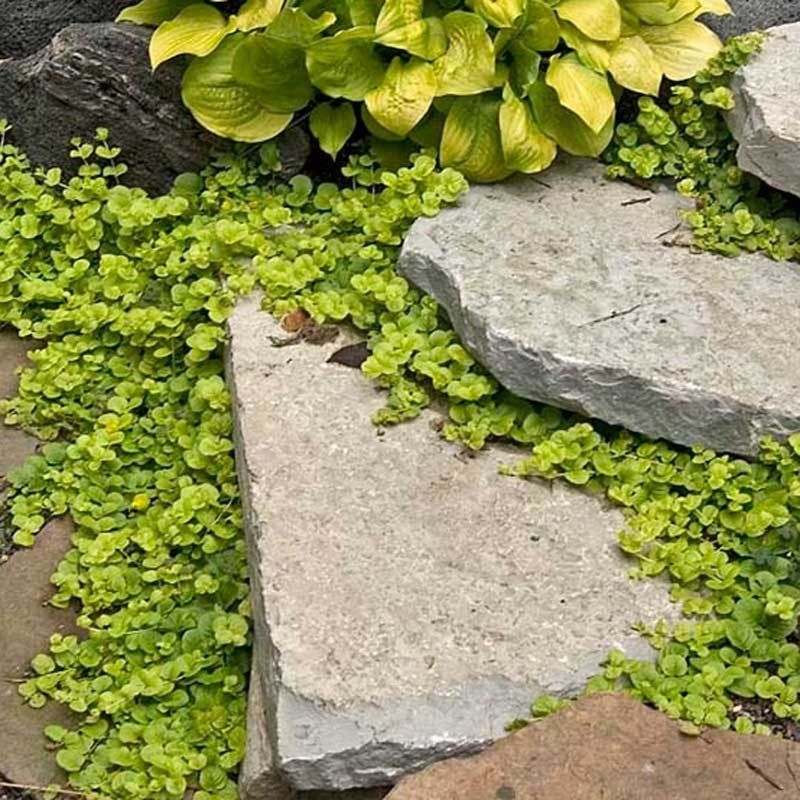
Creeping Jenny is a vibrant ground cover known for its cheerful, bright green foliage. This plant’s trailing habit makes it ideal for cascading over rocks or spilling out of containers. Its round leaves form a dense mat that effectively suppresses weeds, providing a lush, uninterrupted green carpet. Creeping Jenny thrives in moist, sunny areas, where its growth can be easily managed. In fall, the leaves turn a golden hue, adding seasonal interest to the garden. Its adaptability and eye-catching appearance make it a versatile choice for enhancing landscapes.
8. Sweet Woodruff
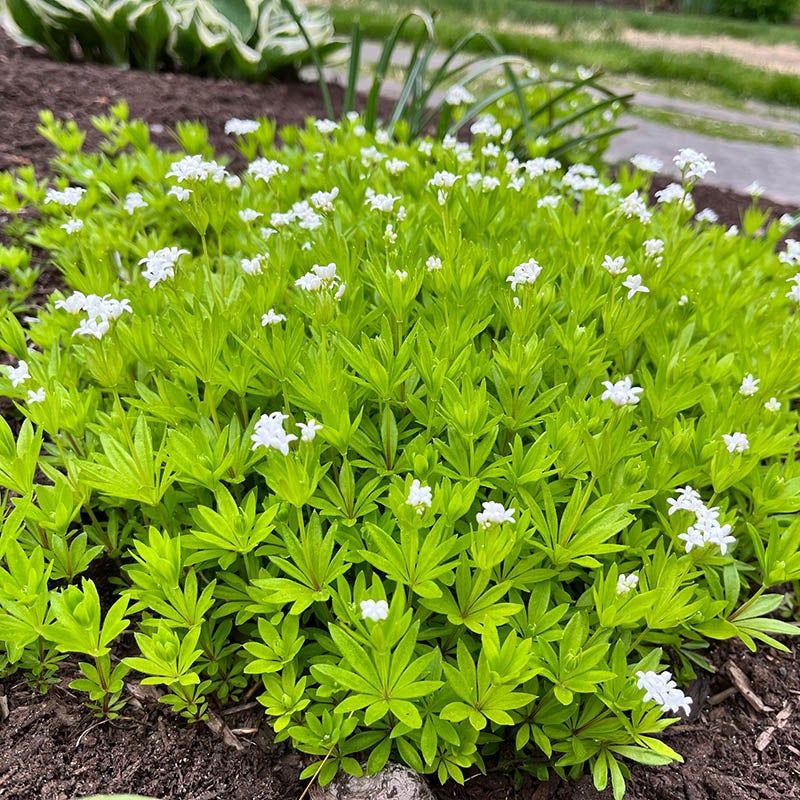
Sweet Woodruff is a charming ground cover that enchants with its star-shaped white flowers and whorled green leaves. Ideal for shaded areas, it effortlessly creates a soft, woodland ambiance. This plant’s fragrant foliage adds an aromatic element to gardens, making it a delightful addition beneath trees or along shaded paths. Sweet Woodruff’s dense growth habit effectively suppresses weeds, providing both beauty and practicality. It’s often used in naturalistic plantings, where its delicate blooms and lush greenery enhance the overall aesthetic. Its enchanting qualities make it a favorite among garden enthusiasts.
9. Pachysandra
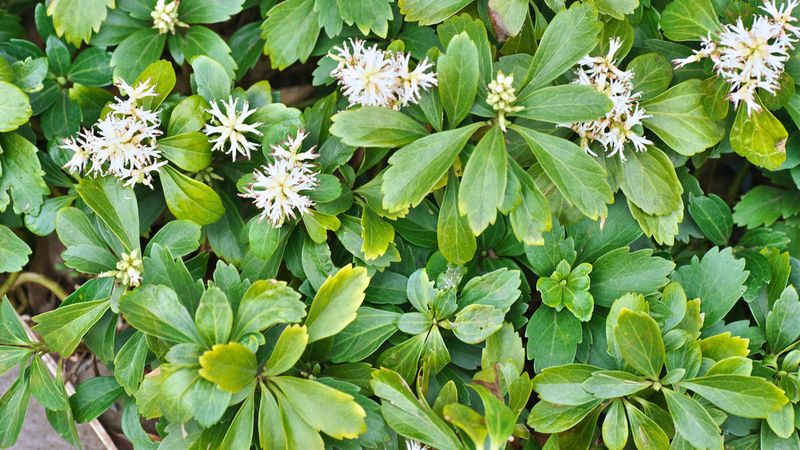
Pachysandra is a reliable ground cover known for its glossy green leaves and ability to thrive in shaded areas. This plant forms a dense mat that effectively suppresses weeds, providing a lush, carpet-like appearance on the forest floor. Its subtle white flowers add a touch of elegance, though the foliage remains the main attraction. Pachysandra is particularly valued for its low-maintenance nature and ability to thrive under trees, where other plants may struggle. Its robustness and appealing greenery make it a staple for creating serene, low-light landscapes.
10. Creeping Phlox
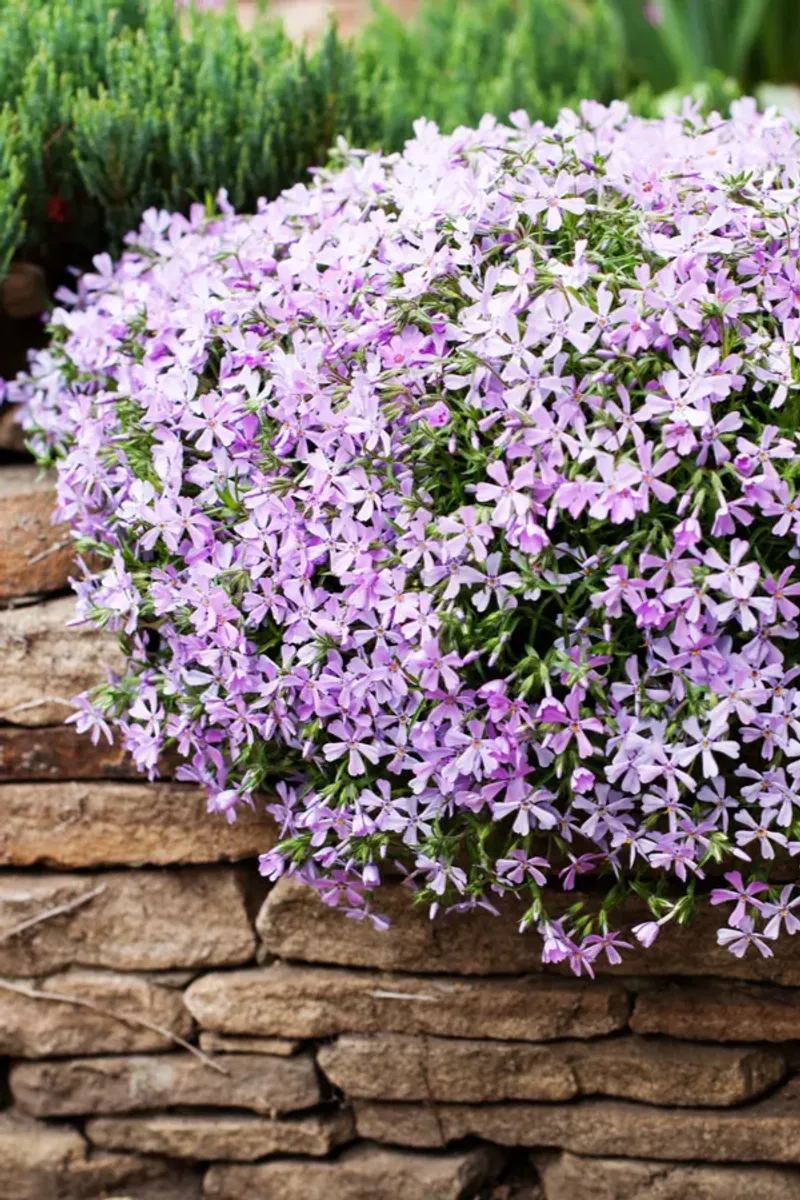
Creeping Phlox dazzles with its profusion of colorful blooms that cascade like living confetti over rocks and slopes. This ground cover offers a brilliant display of pink, purple, and white flowers in spring, creating a breathtaking tapestry of color. Its dense growth habit not only provides a visual feast but also effectively suppresses weeds. Thriving in sunny locations, Creeping Phlox is ideal for brightening up rock gardens or borders. Its ability to attract pollinators adds ecological value, making it a vibrant and beneficial addition to any landscape.
11. Bishop’s Weed
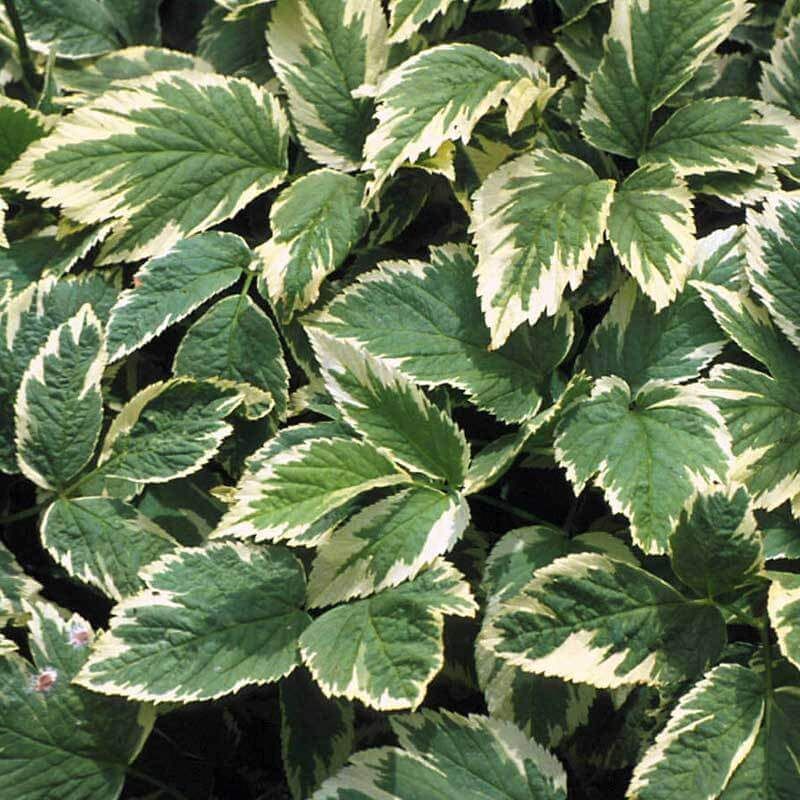
Bishop’s Weed, also known as Goutweed, enchants with its variegated green and cream leaves that bring light to shaded spots. This ground cover’s rapid growth and dense foliage make it a formidable opponent against weeds. It’s particularly effective under trees, where its bright leaves add visual interest and contrast. While its invasive nature requires careful management, its striking appearance and robust growth habit make it a popular choice for challenging areas. This plant’s unique ability to illuminate dark corners ensures it remains a favorite among seasoned gardeners.
12. Mazus reptans
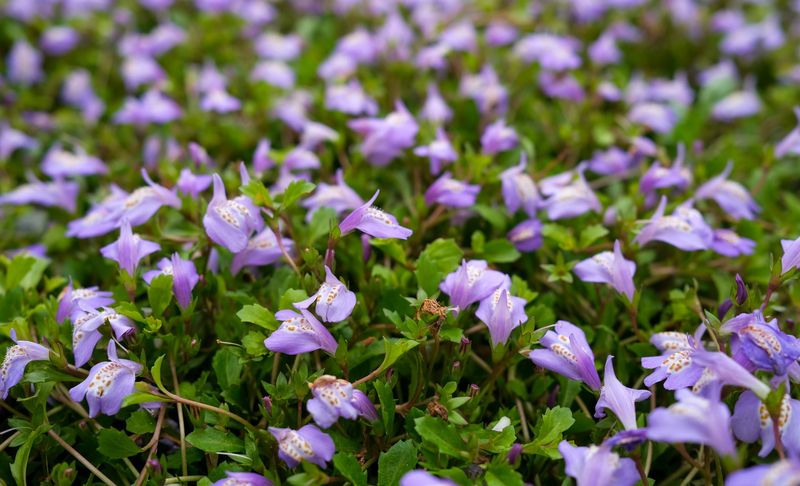
Mazus reptans is a delightful ground cover known for its vibrant foliage and small, purple flowers. Flourishing in moist environments, it spreads quickly to form a lush mat that effectively suppresses weeds. This plant’s low-growing habit makes it ideal for filling gaps between stepping stones or along paths. Its resilience and adaptability are matched by its visual appeal, as the purple blooms add a cheerful splash of color to any garden setting. Mazus reptans is a favorite for those seeking a low-maintenance, colorful ground cover that thrives in damp conditions.
13. Blue Star Creeper
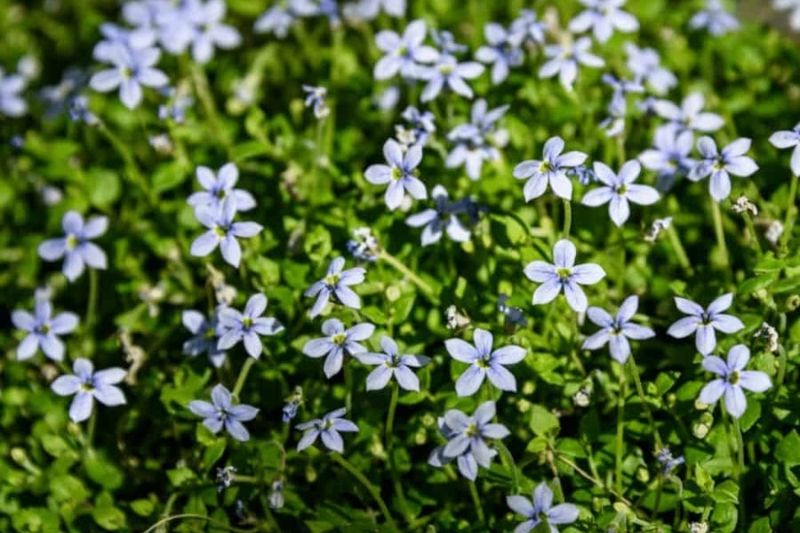
Blue Star Creeper forms an enchanting carpet of pale blue flowers and tiny green leaves, creating a serene landscape. This ground cover is perfect for shaded gardens, where it thrives and spreads to form a dense mat. Its delicate flowers add a touch of whimsy, making it a charming addition to pathways or rock gardens. Despite its gentle appearance, Blue Star Creeper is a tough competitor against weeds, ensuring your garden remains tidy and beautiful. Its combination of aesthetic appeal and practicality makes it a cherished choice for garden enthusiasts.
14. Liriope
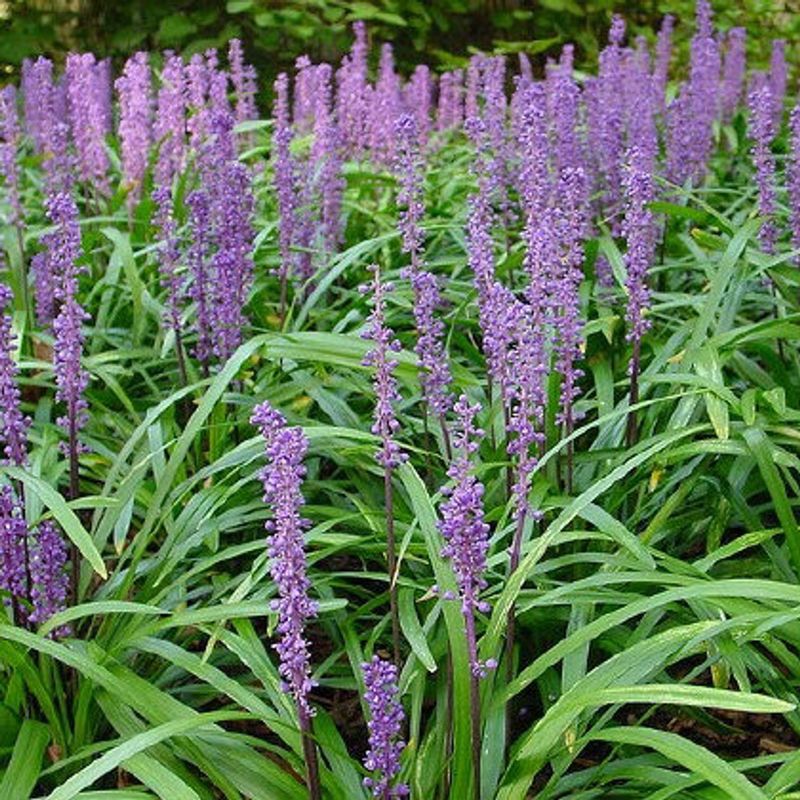
Liriope, often referred to as ‘Lilyturf,’ is celebrated for its attractive, grass-like leaves and striking flower spikes. This ground cover thrives in diverse conditions, from sunlit borders to shaded undergrowth. In late summer, it produces stunning purple flower spikes that rise above the foliage, adding vertical interest to landscapes. Liriope’s dense growth habit effectively suppresses weeds, while its adaptability makes it suitable for challenging areas. Its elegant appearance and resilience to varying conditions make it a versatile and visually pleasing addition to any garden.
15. Herniaria glabra (Rupturewort)
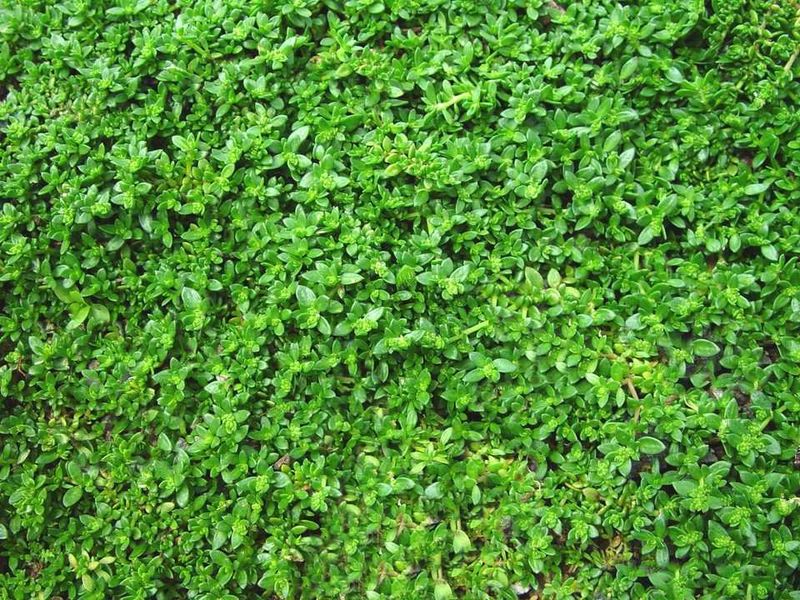
Herniaria glabra, commonly known as Rupturewort, forms a dense carpet of tiny green leaves that hug the ground closely. This resilient ground cover thrives in sunny, well-drained areas, making it an excellent choice for rock gardens or dry slopes. Its robust nature allows it to withstand foot traffic, while its compact growth effectively suppresses weeds. The plant’s subtle beauty lies in its simplicity, providing a lush, green backdrop that enhances other garden features. Herniaria glabra’s low-maintenance requirements and weed-fighting abilities make it a practical addition to any landscape.
16. Golden Creeping Jenny
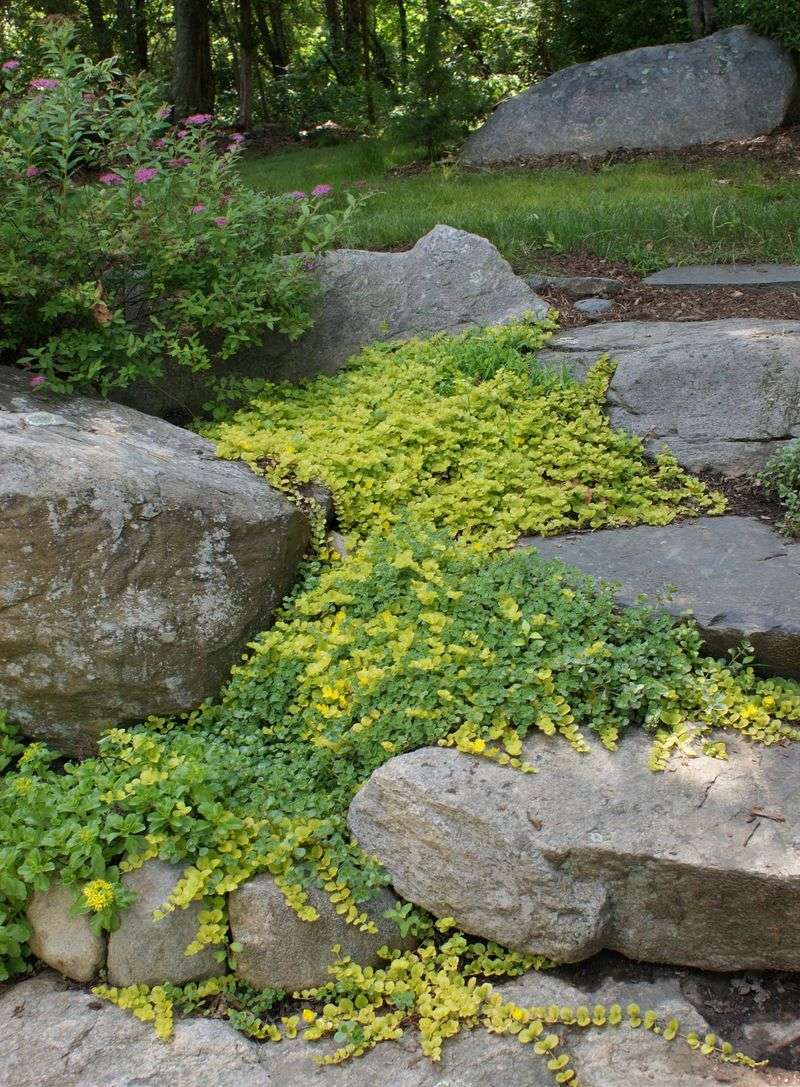
Golden Creeping Jenny brings a radiant glow to gardens with its bright yellow foliage. This ground cover’s trailing habit allows it to cascade beautifully over garden edges, adding a touch of sunshine to any landscape. Its dense mat of round leaves suppresses weeds effectively, making it both an attractive and practical choice. Thriving in moist, sunny areas, Golden Creeping Jenny requires minimal maintenance. Its golden hue intensifies in the sun, providing a stunning contrast to surrounding greenery. This cheerful plant’s vibrant color and easy care make it a garden favorite.
17. Thyme-leaved Speedwell
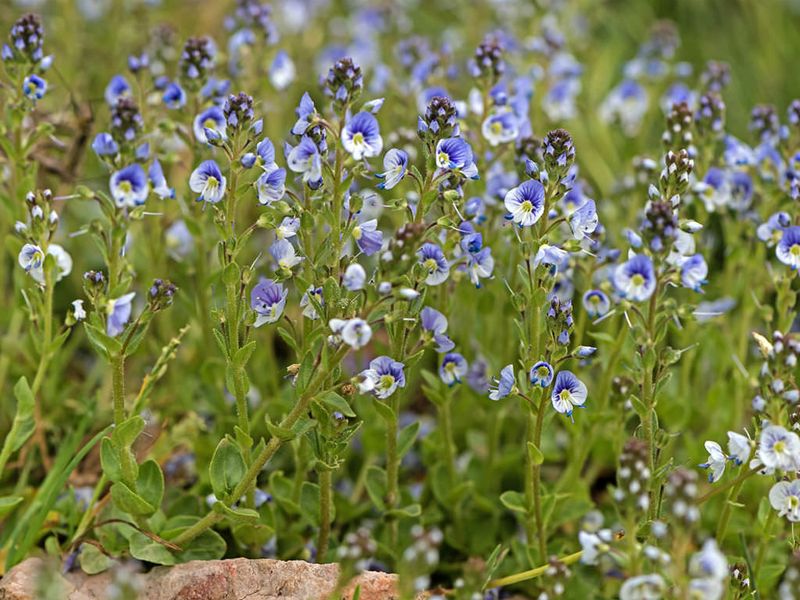
Thyme-leaved Speedwell is a charming ground cover known for its tiny blue flowers and delicate foliage. This plant thrives in sunny garden beds, where it forms a dense mat that effectively suppresses weeds. Its low-growing habit makes it ideal for filling spaces between stones or along paths. The vibrant blue blooms add a cheerful splash of color, attracting pollinators and enhancing the garden’s biodiversity. Thyme-leaved Speedwell’s resilience and beauty make it a favored choice for those seeking a low-maintenance, attractive ground cover that supports ecological diversity.
18. Moneywort
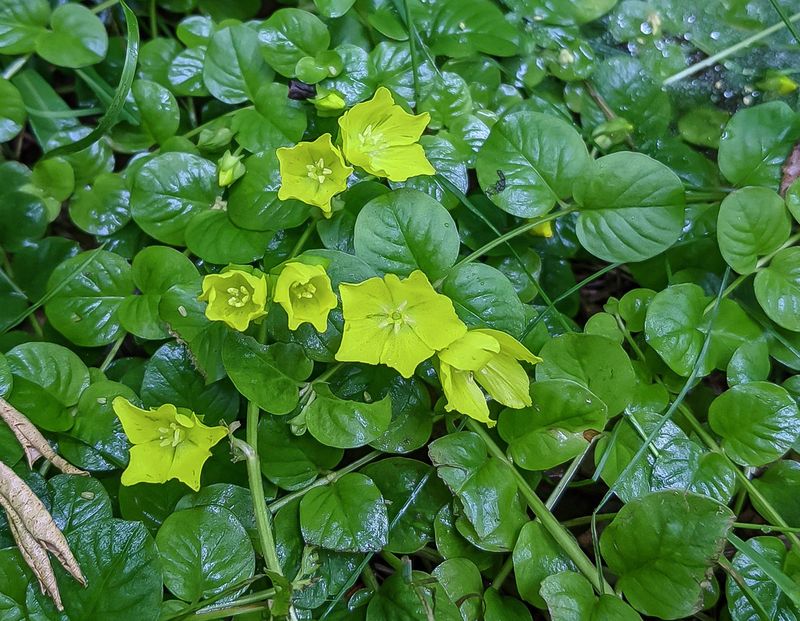
Moneywort is a versatile ground cover celebrated for its round, green leaves and bright yellow flowers. This plant thrives in damp areas, where it quickly spreads to form a lush, weed-suppressing carpet. Its trailing habit allows it to cascade over edges or fill gaps between stones, adding visual interest to gardens. The vibrant yellow blooms enhance its appeal, making it a lively addition to any landscape. Moneywort’s adaptability and cheerful appearance make it a popular choice for gardeners seeking both beauty and practicality in moist environments.
19. Clover (Trifolium repens)
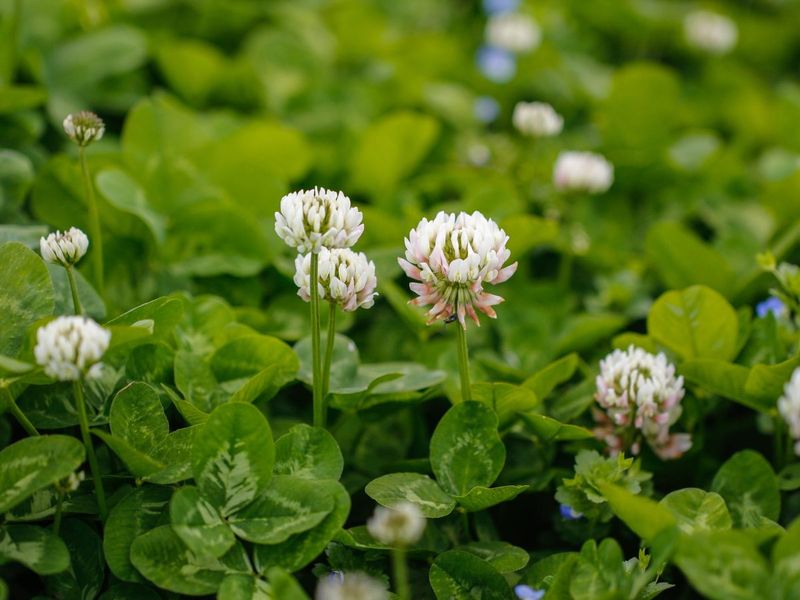
Clover, specifically Trifolium repens, is a beloved ground cover known for its lush green leaves and clusters of white flowers. This plant thrives in sunny meadows, where it forms a dense carpet that effectively suppresses weeds. Its ability to fix nitrogen in the soil makes it a valuable addition to gardens, promoting healthy growth of surrounding plants. Clover’s charming appearance and ecological benefits make it a favorite among gardeners. Whether used in lawns or garden beds, its vibrant greenery and delicate blooms add a touch of natural beauty to any landscape.
20. Epimedium
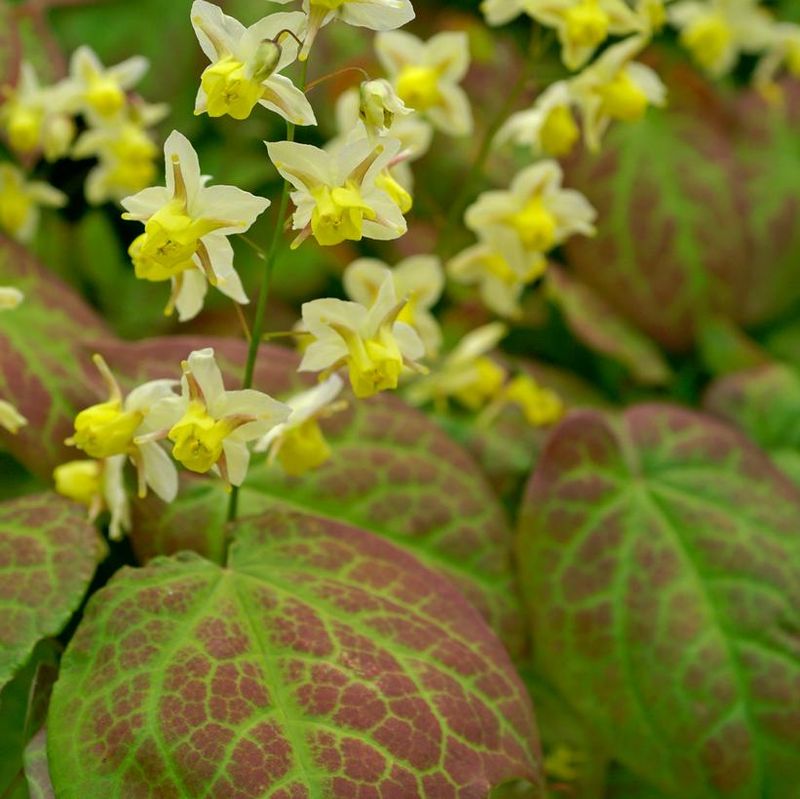
Epimedium, often called ‘Barrenwort,’ enchants with its heart-shaped leaves and delicate yellow flowers. This ground cover thrives in shaded areas, where its lush foliage forms a dense mat that suppresses weeds effectively. The plant’s unique leaf shape adds visual interest, while its subtle blooms bring a touch of elegance to gardens. Epimedium is particularly valued for its resilience and low-maintenance nature, making it a practical choice for challenging spots. Its combination of beauty and functionality ensures it remains a cherished addition to woodland gardens and shaded landscapes.
21. Woolly Thyme
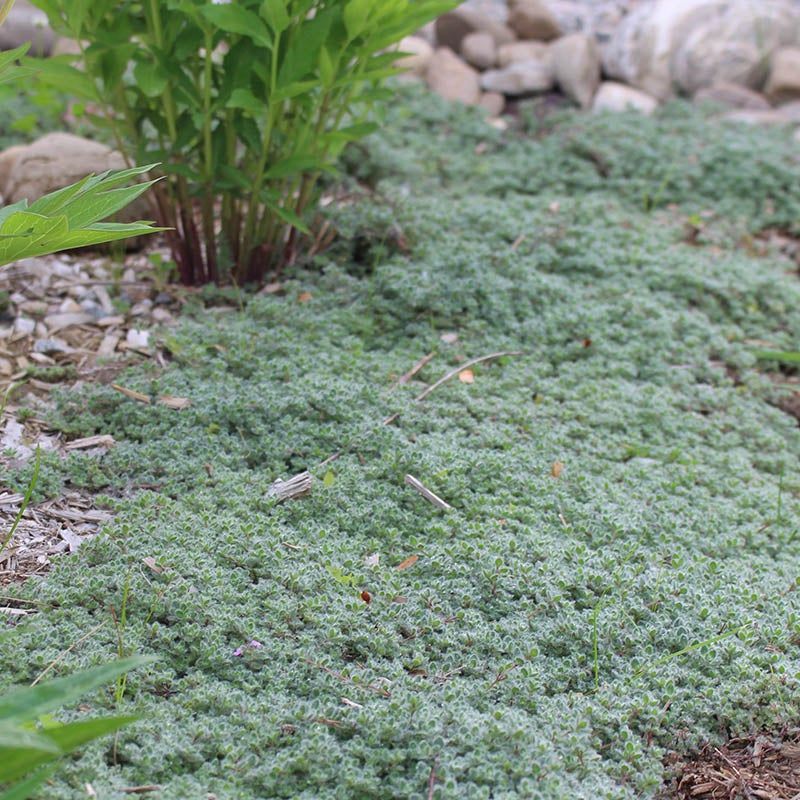
Woolly Thyme, with its soft, fuzzy leaves, invites you to touch. Its gray-green foliage forms a dense carpet that crowds out weeds effectively. In summer, tiny pink flowers dot the greenery, adding charm without overshadowing. This hardy plant thrives in poor soil and needs minimal watering, making it perfect for those seeking a low-maintenance garden.
Imagine walking barefoot and feeling the gentle texture underfoot. Woolly Thyme’s resilience in harsh conditions is remarkable. Did you know? It was once used as a fragrant strewing herb in medieval times, enhancing its historical allure.
Whether in rock gardens or borders, it stands as a testament to nature’s artistry.