
Some of the prettiest plants at the edge of a North Carolina yard are also on state or federal regulated lists. Most gardeners have no idea, because these plants were sold in garden centers for decades or arrived with an old house.
Knowing which ones carry legal strings can save you a headache, protect nearby woods and streams, and point you toward native swaps that birds and pollinators love. Late September is a great time to sort it out, since fall is prime planting season for replacements across the mountains, Piedmont, and coast.
1. Cogongrass
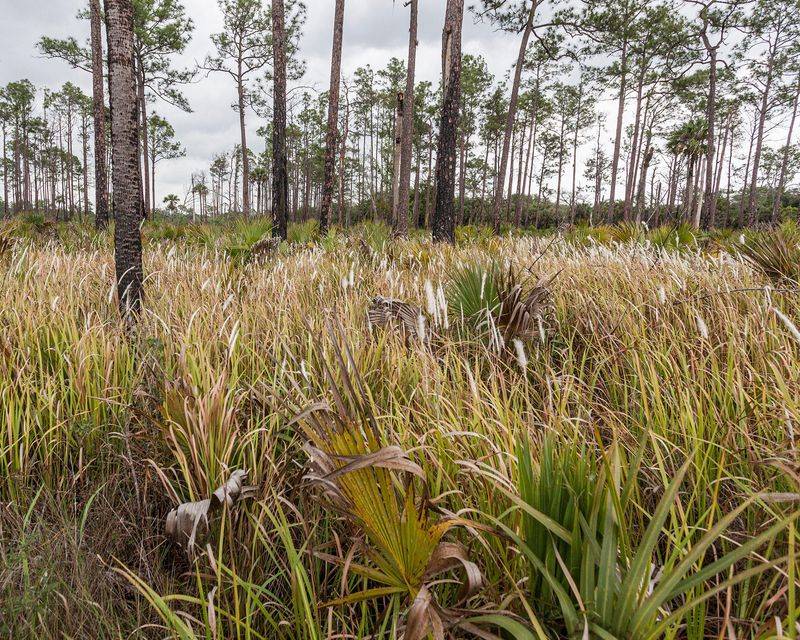
Picture a tidy clump of grass with red-tinged blades and silky white plumes. It looks harmless, even ornamental, and that is exactly the trap.
Cogongrass is listed as a federal noxious weed and is on the North Carolina Noxious Weed List, which means moving, selling, or spreading it is restricted.
A red-leaf form called Japanese blood grass was once sold widely as a landscape plant. Regulators have noted that it can revert to the aggressive green type, so older plantings may deserve a closer look.
Infestations have been confirmed in several NC counties, and the NC Department of Agriculture asks residents to report suspected patches.
Do not dig and share it, and do not toss it in a compost pile. Call your county Extension office or NCDA&CS for guidance.
For a similar look, little bluestem offers coppery fall color and feeds native birds through winter.
2. Callery Pear
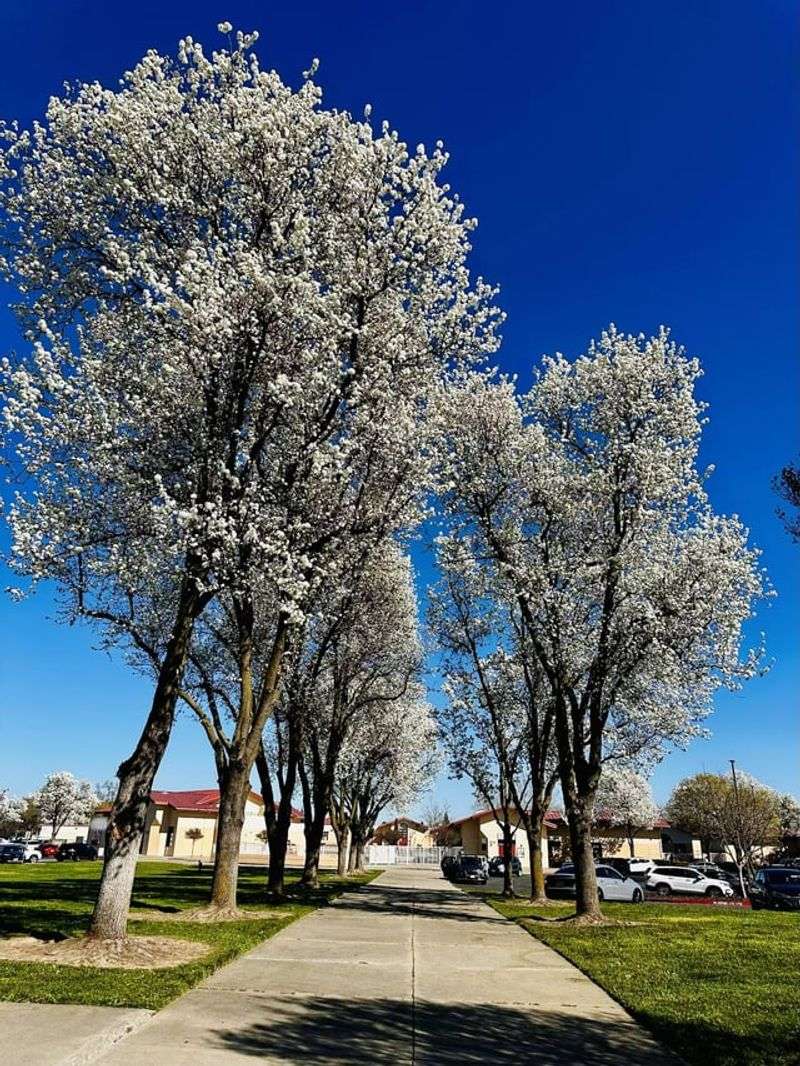
Every March, roadsides from Raleigh to Hickory turn snowy white, and almost all of it traces back to suburban Bradford pears. Those single trees cross-pollinate with other Callery cultivars, birds eat the fruit, and thorny wild thickets pop up in fields.
North Carolina added Callery pear to its Plant Protection and Conservation regulations, with a sales ban taking effect in 2024. Keeping an existing tree is not a crime, but buying or selling new ones from nurseries in the state is no longer allowed.
The good news? Programs like the NC Bradford Pear Bounty have offered free native trees to homeowners who remove theirs.
Fall is a smart planting window, and serviceberry, redbud, or fringetree can give you spring flowers without the odd smell.
3. Tropical Soda Apple
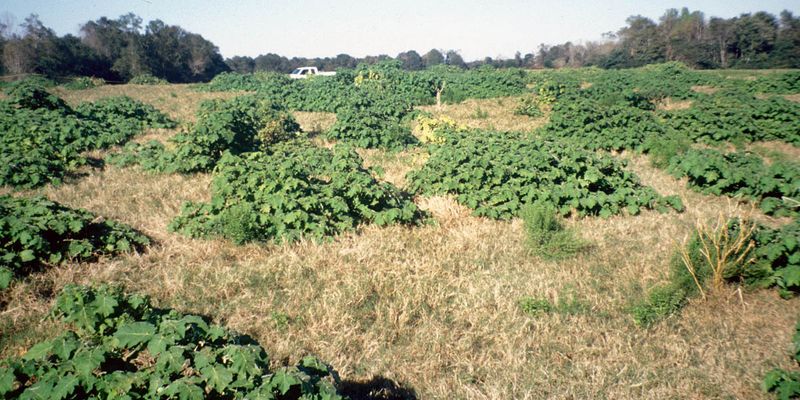
Gardeners who buy manure or hay for their beds sometimes get a surprise guest. Tropical soda apple, a prickly relative of eggplant, hitches a ride in livestock feed and droppings.
Its small fruits look like miniature watermelons before turning yellow.
The plant is a federal noxious weed and is regulated in North Carolina. A single plant can produce tens of thousands of seeds, so patches can spread quickly into pastures.
If something spiny with striped fruit shows up after you spread manure, bag the fruit before it ripens. Then contact Extension to confirm the ID.
Asking your manure source about weed control is a simple habit that can prevent the problem.
4. Water Hyacinth
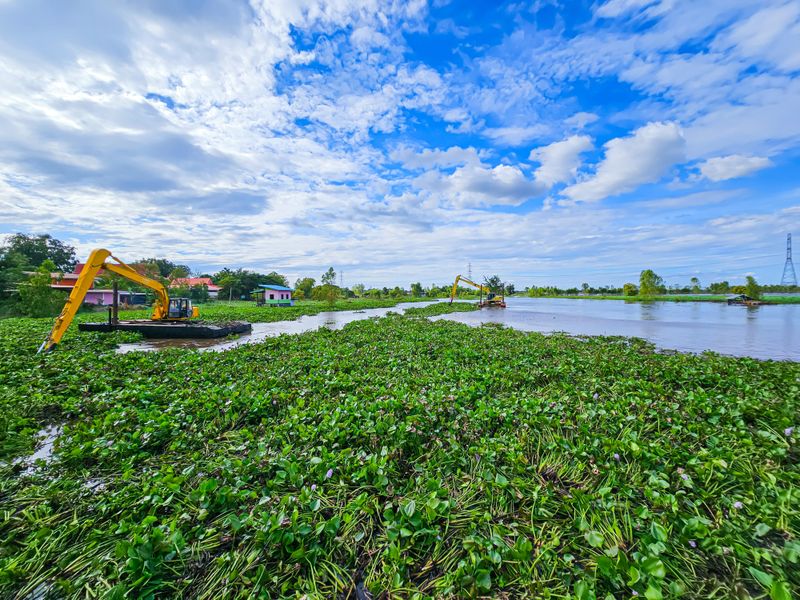
Backyard pond owners adore the lavender blooms and puffy floating leaves. Water hyacinth can double its coverage in a couple of weeks during a hot Southern summer, choking out light and oxygen.
Its sale and possession are restricted in many Southern states, and North Carolina lists it as a noxious aquatic weed. That means ordering it online or passing extras to a neighbor can create legal trouble.
Native pickerelweed gives you purple spikes along the pond edge, and it supports bees and dragonflies. As cooler fall nights arrive, it is an easy time to pull out non-native floaters and replant the margins.
5. Hydrilla
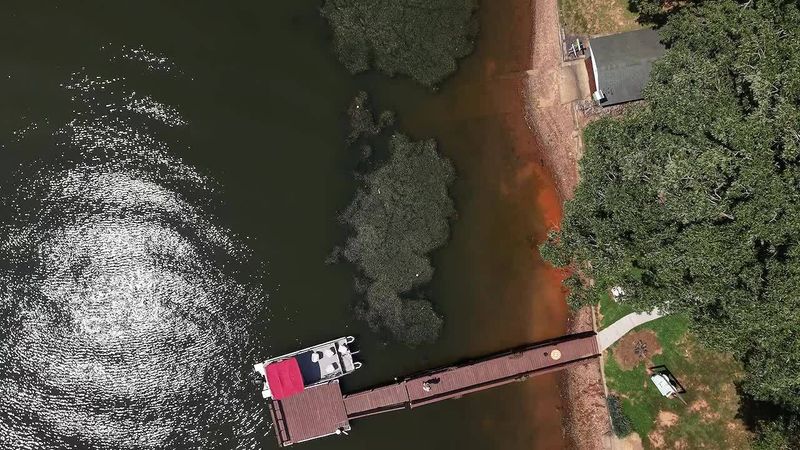
Here is the sneaky one. Hydrilla rarely gets planted on purpose, but it often arrives tucked into aquarium plants or clinging to boats and trailers.
It is a federal and state noxious weed, and it has caused major headaches in lakes like Lake Gaston. Even a small fragment can root and start a new colony.
- Never dump aquarium water or plants into ditches or ponds.
- Rinse and dry kayaks, boats, and trailers.
- Buy pond plants from reputable sellers that inspect stock.
Small habits like these can help keep NC waterways clear.
6. Witchweed
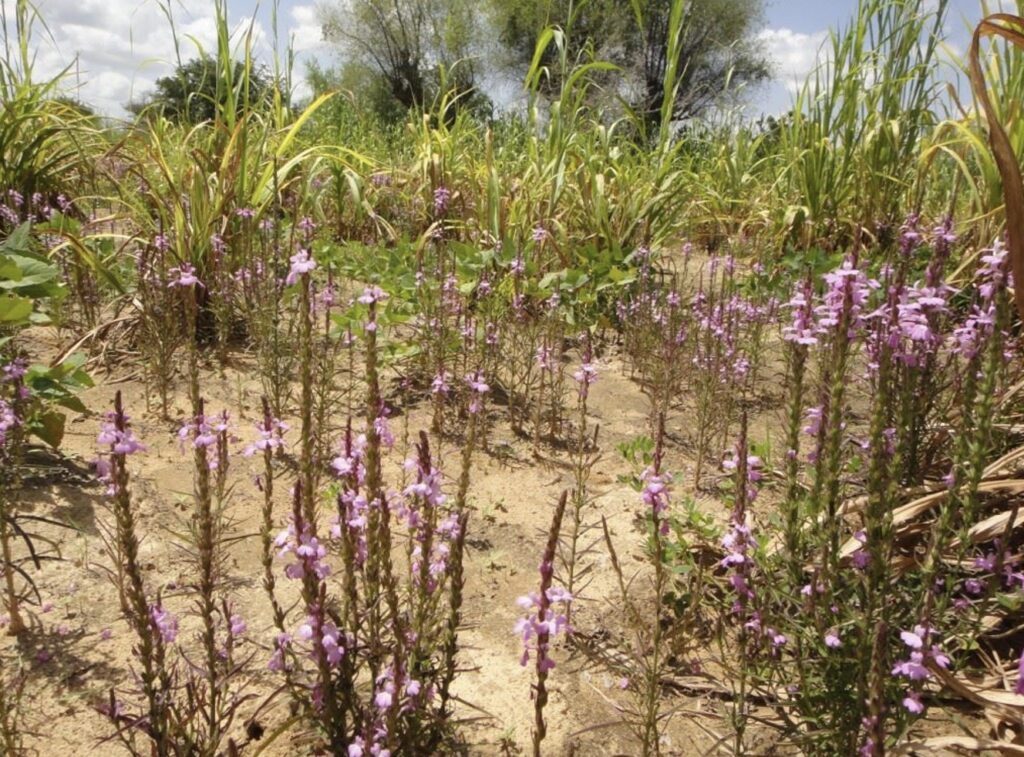
History buffs, this one is for you. Witchweed showed up in the Carolinas in the 1950s, and a decades-long federal effort pushed it close to eradication.
It is a parasite that steals water and nutrients from the roots of corn and other grasses. Its tiny red flowers are pretty, which is part of why it can go unnoticed in a home vegetable patch.
Any suspected sighting in North Carolina should be reported right away. Moving soil or plants out of regulated areas can also be restricted, so check with Extension before hauling dirt from farm country to your garden.
7. Giant Salvinia
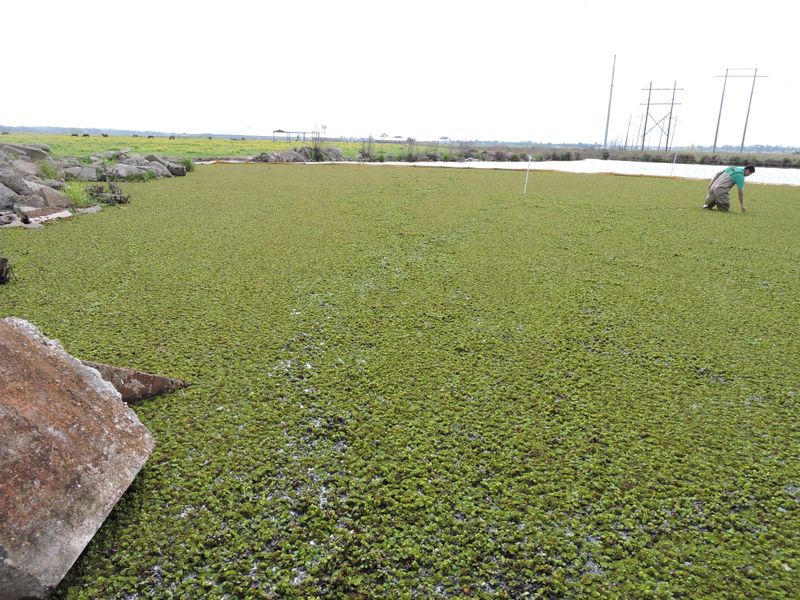
A floating fern with fuzzy, egg-beater hairs on its leaves sounds like a fun water-garden novelty. It has been sold that way under labels that hide its true identity.
Giant salvinia is a federal noxious weed, and it has been found in some North Carolina ponds. Thick mats can block sunlight and make fishing or swimming tough.
If your water garden has a mystery fern, a quick photo sent to your Extension agent can confirm the ID. Native duckweed or fragrant water lily make more neighborly choices.
8. Japanese Barberry and Other Watch-List Shrubs
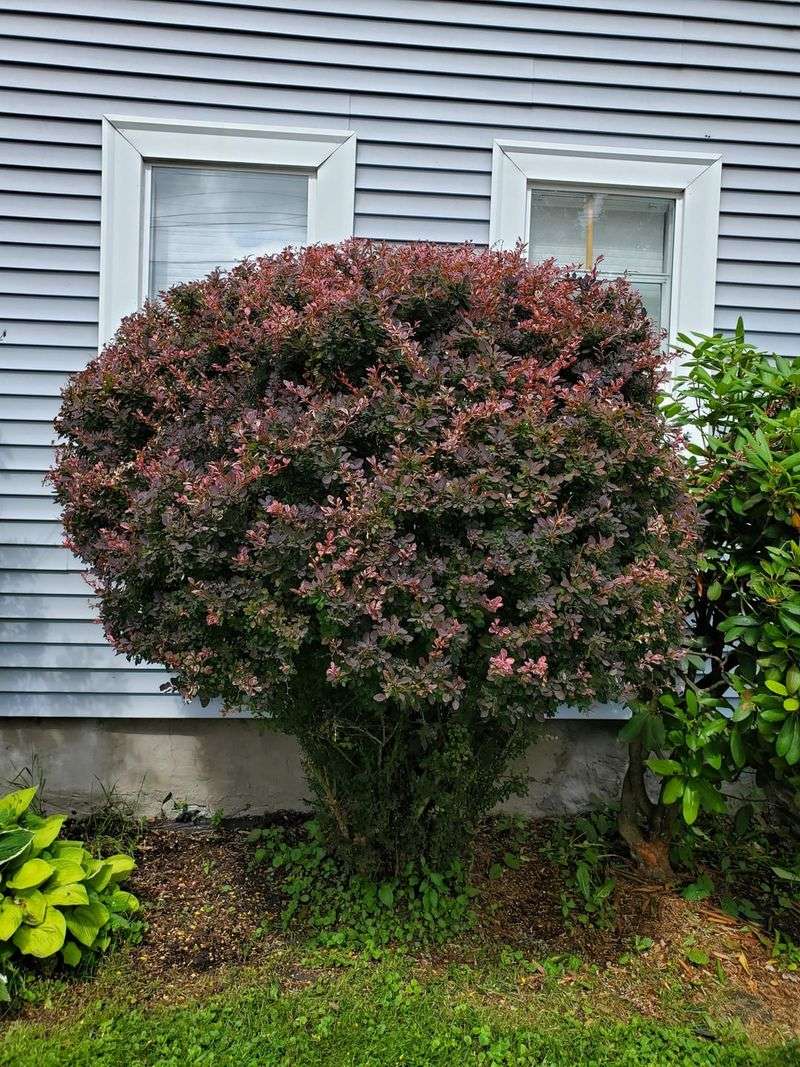
Not every problem plant is banned yet, and that gray zone matters. Japanese barberry, burning bush, and privet appear on invasive lists from the NC Invasive Plant Council, even where sales remain legal.
Barberry earns special attention for families. Research in the Northeast found dense thickets may hold more blacklegged ticks because they create humid, mouse-friendly cover.
Rules can change, as the Callery pear ban showed. Swapping now can put you ahead of the curve.
Try native inkberry, Virginia sweetspire, or beautyberry, and plant this fall while soil stays warm for root growth.