 Complete Gardening
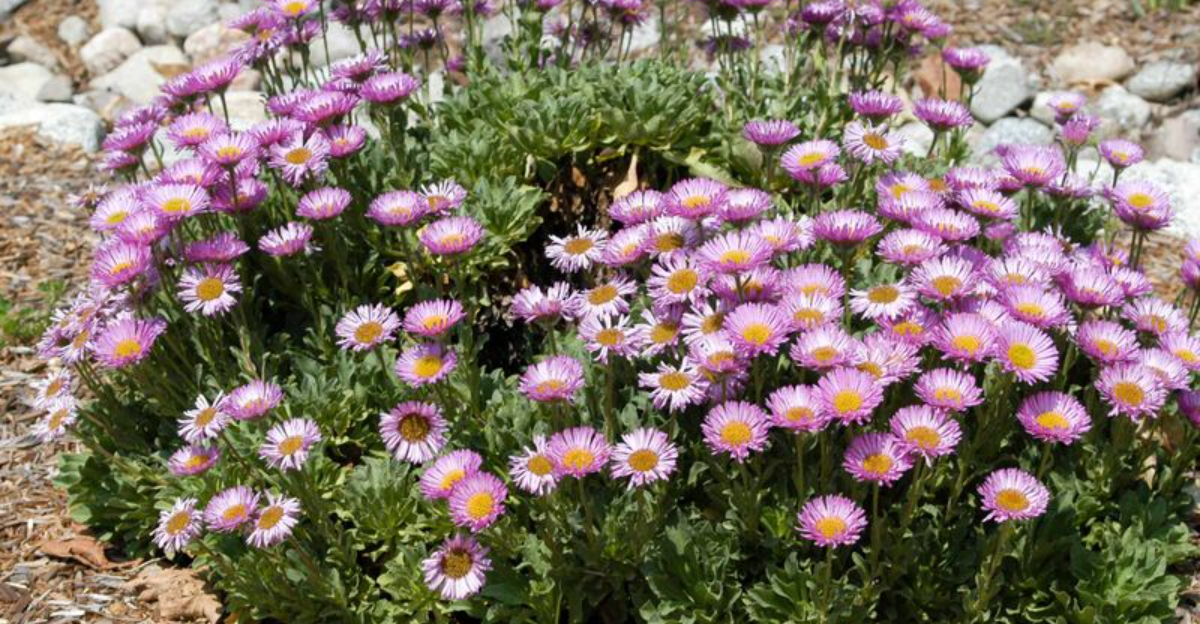
Discover 20 stunning ground cover plants native to California that will transform your garden with their unique beauty and adaptability.
These plants not only enhance the aesthetic appeal of your space but also support local ecosystems by providing habitat and food for various species.
Perfect for gardeners seeking eco-friendly options, these plants are resilient and require minimal maintenance, making them ideal for sustainable landscaping.
1. Kinnikinnick (Arctostaphylos uva-ursi)
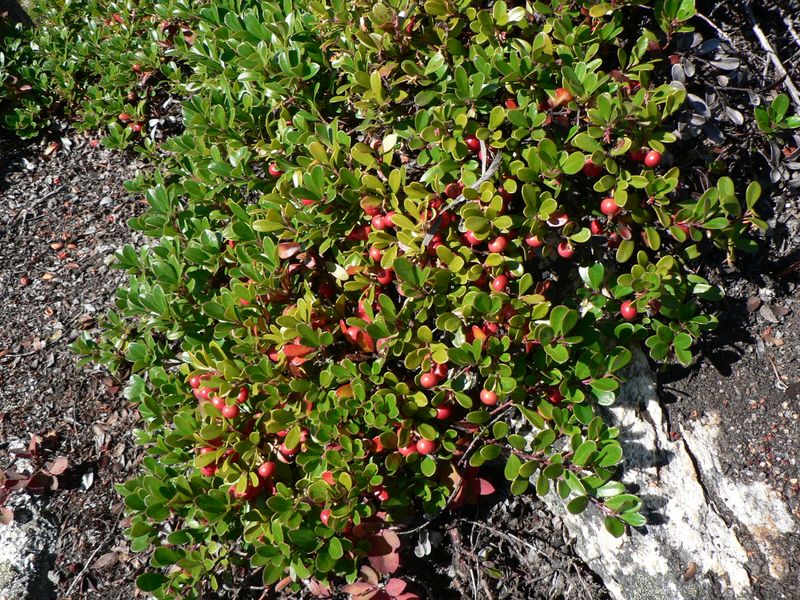
Kinnikinnick, a charming evergreen ground cover, features glossy leaves and vibrant red berries. Perfect for shaded areas, it thrives in well-drained, acidic soils. Its dense, low-growing habit makes it an excellent choice for erosion control on slopes. The bright berries attract birds, adding lively visitors to your garden. This plant’s hardiness in various climates ensures it remains lush and green year-round. Consider using Kinnikinnick under trees where other plants struggle to grow. It’s a low-maintenance option that requires minimal watering once established, providing effortless beauty to any landscape.
2. Carmel Creeper Ceanothus (Ceanothus griseus var. horizontalis ‘Carmel Creeper’)
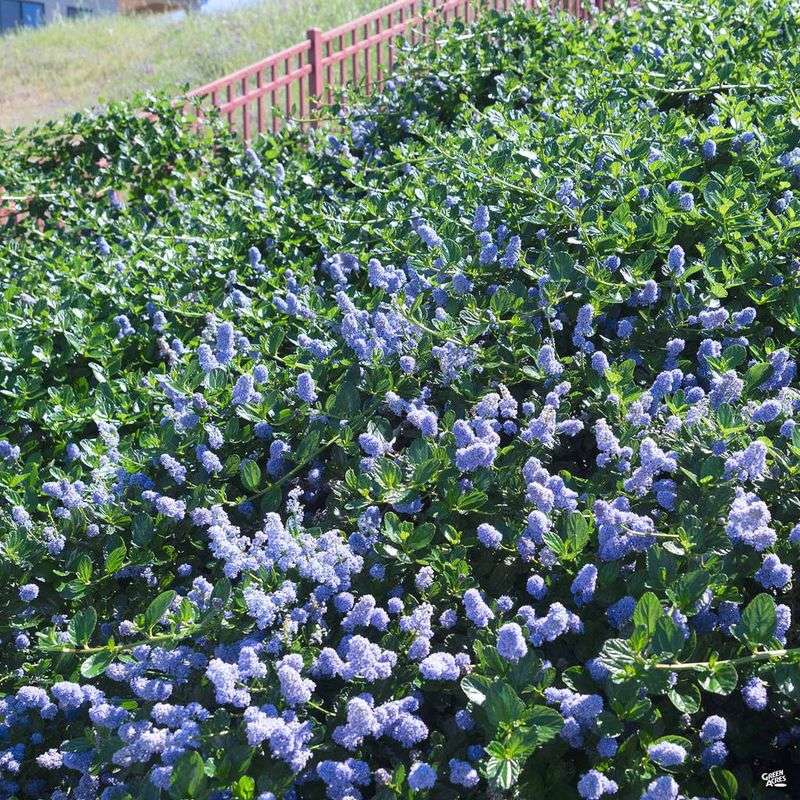
Carmel Creeper Ceanothus is a versatile ground cover with glossy green leaves and stunning blue flowers. This robust plant is ideal for coastal gardens, tolerating salty air and sandy soils. It spreads quickly, providing excellent coverage for large areas. During spring, its vibrant flowers attract pollinators, enhancing your garden’s biodiversity. Consider planting Carmel Creeper in rock gardens or along pathways. Its ability to thrive in difficult conditions makes it a reliable choice for gardeners looking to add color and texture to challenging spots.
3. ‘Yankee Point’ Ceanothus (Ceanothus griseus var. horizontalis ‘Yankee Point’)
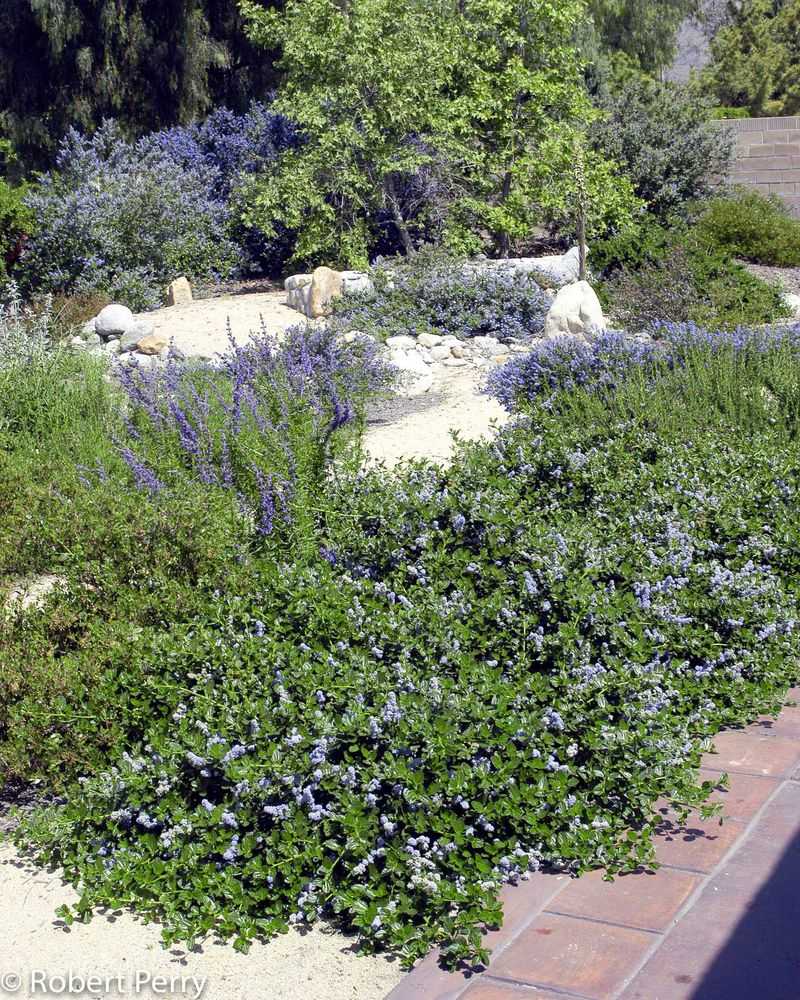
‘Yankee Point’ Ceanothus impresses with its profusion of blue flowers and dense foliage. This ground cover is perfect for sunny locations and can tolerate drought once established. Its low-growing nature makes it ideal for bank stabilization and erosion control. The plant attracts bees and butterflies, promoting garden biodiversity. Use ‘Yankee Point’ to cover large areas with minimal effort, as it requires little maintenance. Its stunning floral display each spring will become a highlight in any garden, rewarding minimal care with maximum beauty.
4. Prostrate Coyote Brush (Baccharis pilularis ‘Pigeon Point’ or ‘Twin Peaks’)
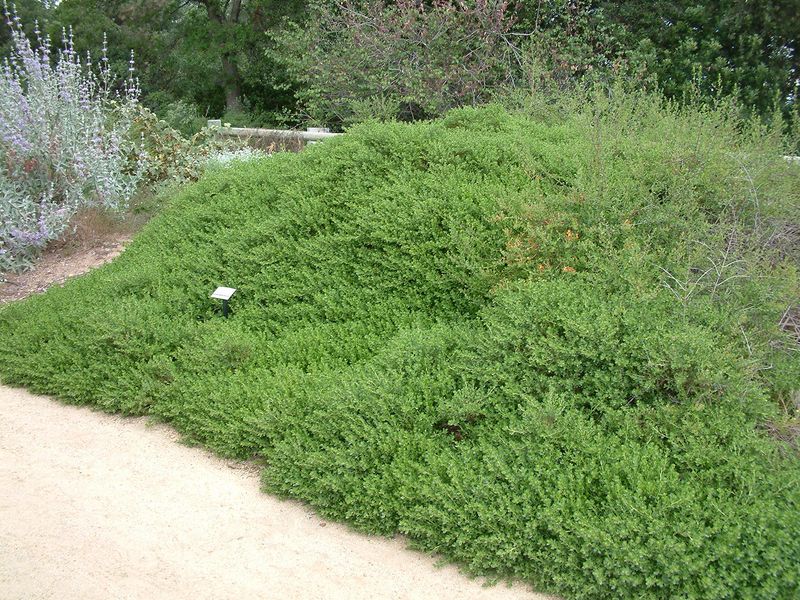
Prostrate Coyote Brush is a resilient, evergreen ground cover known for its adaptability. With small, bright green leaves, it forms a dense mat that’s perfect for erosion control. This plant thrives in full sun and is highly drought-tolerant, making it an excellent choice for dry or rocky landscapes. It supports local wildlife, providing cover and food for birds and insects. Prostrate Coyote Brush is suitable for large-scale plantings on slopes and banks. Its low maintenance needs and ability to thrive in poor soils make it a valuable addition to any garden.
5. Beach Strawberry (Fragaria chiloensis)
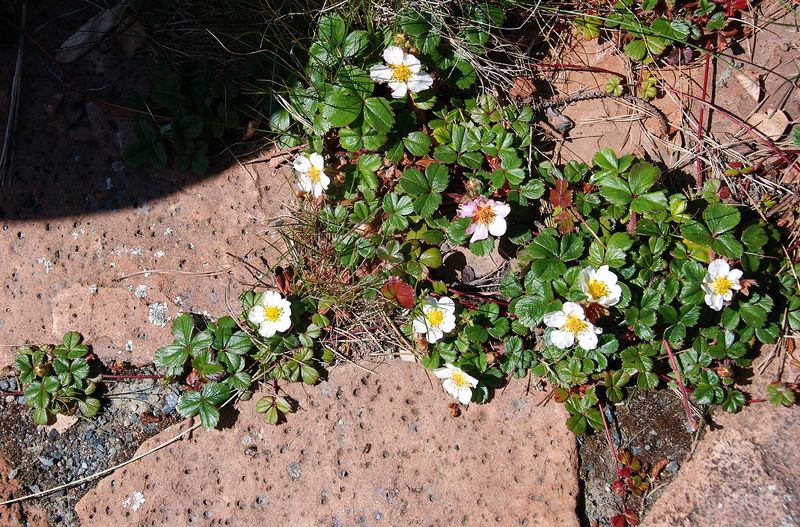
Beach Strawberry is a delightful ground cover with glossy leaves and white flowers, followed by edible red berries. Ideal for coastal gardens, it tolerates sandy soils and salty winds. This low-growing plant forms a dense mat, making it effective for erosion control. Its fruit attracts birds and other wildlife, adding life to your garden. Perfect for informal gardens and naturalistic plantings, Beach Strawberry requires little maintenance. Consider it for a ground cover where its spreading habit will provide lush, year-round coverage with the added bonus of delicious berries.
6. Creeping Sage (Salvia sonomensis)
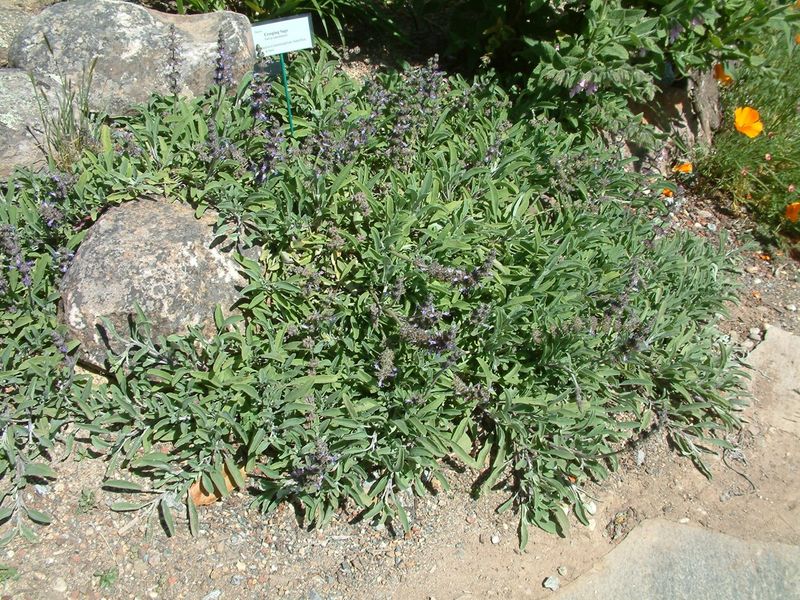
Creeping Sage, with its aromatic silvery leaves and vibrant purple flowers, is a striking ground cover. It’s drought-tolerant and thrives in full sun, making it perfect for arid gardens. The sage’s flowers attract pollinators, including bees and butterflies, enhancing your garden’s ecosystem. Its fragrant foliage provides a sensory delight as you brush past. Consider Creeping Sage for slopes or rocky areas where it can spread and fill in gaps. Its resilience and low water requirements make it an ideal choice for sustainable gardening.
7. Yarrow (Achillea millefolium)
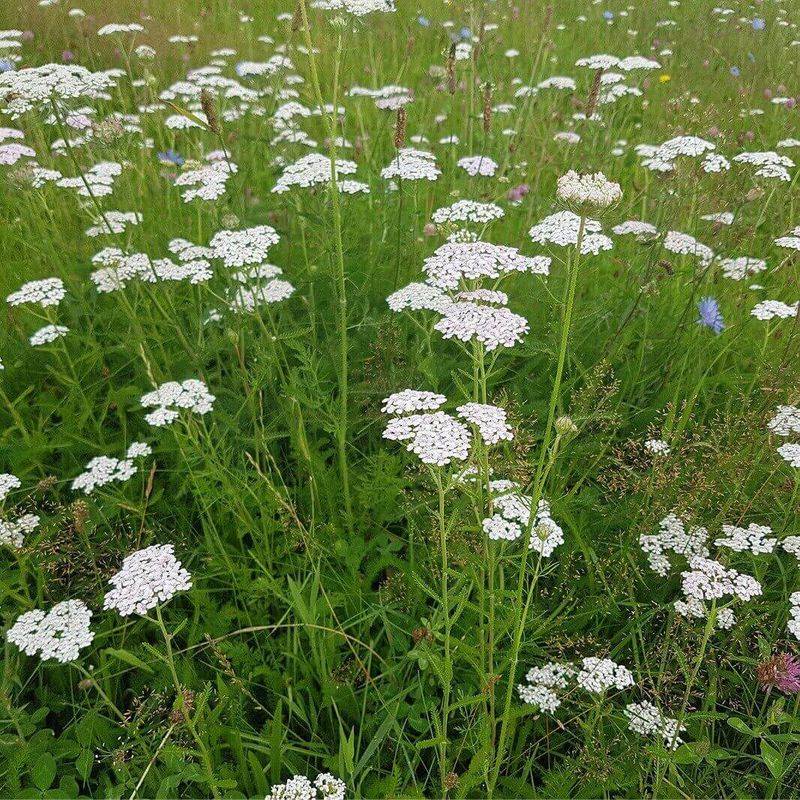
Yarrow is a versatile ground cover known for its feathery foliage and clusters of white flowers. It thrives in a variety of soils, from dry sandy areas to rich garden beds. This hardy plant is drought-tolerant and requires minimal care once established. Its flowers attract beneficial insects, promoting a healthy garden ecosystem. Perfect for naturalized areas or borders, Yarrow’s dense growth suppresses weeds effectively. Its ability to withstand harsh conditions while providing long-lasting blooms makes it a favorite among gardeners seeking tough, beautiful ground covers.
8. Canyon Gray California Sagebrush (Artemisia californica ‘Canyon Gray’)
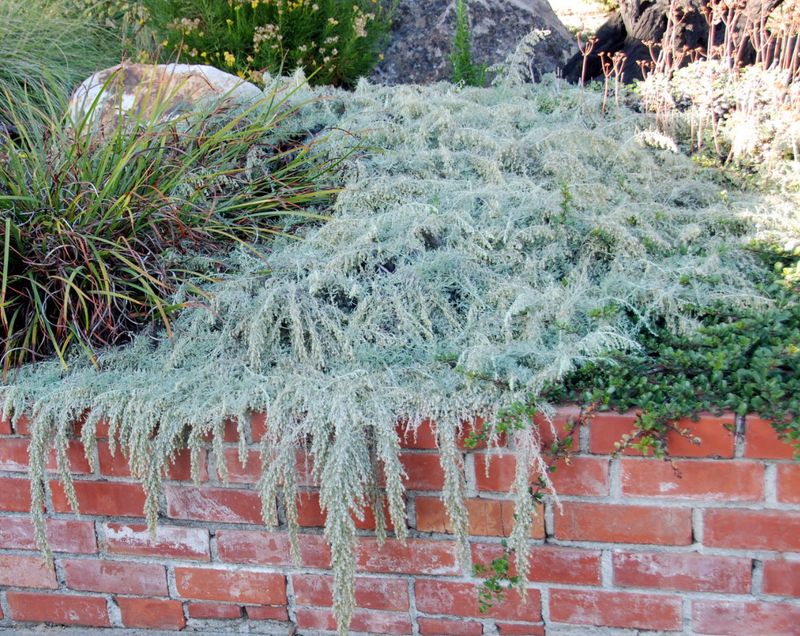
Canyon Gray California Sagebrush is a captivating ground cover with silver-gray foliage and tiny yellow flowers. Its aromatic leaves add a touch of fragrance to the garden. Ideal for sunny, dry areas, this plant is highly drought-tolerant and helps prevent erosion on slopes. Its foliage provides habitat for beneficial insects and small wildlife. Use Canyon Gray California Sagebrush to add texture and color to rocky landscapes. Its low water needs and unique appearance make it a standout choice for xeriscaping efforts and sustainable gardening.
9. Yerba Buena (Clinopodium douglasii / Satureja douglasii)
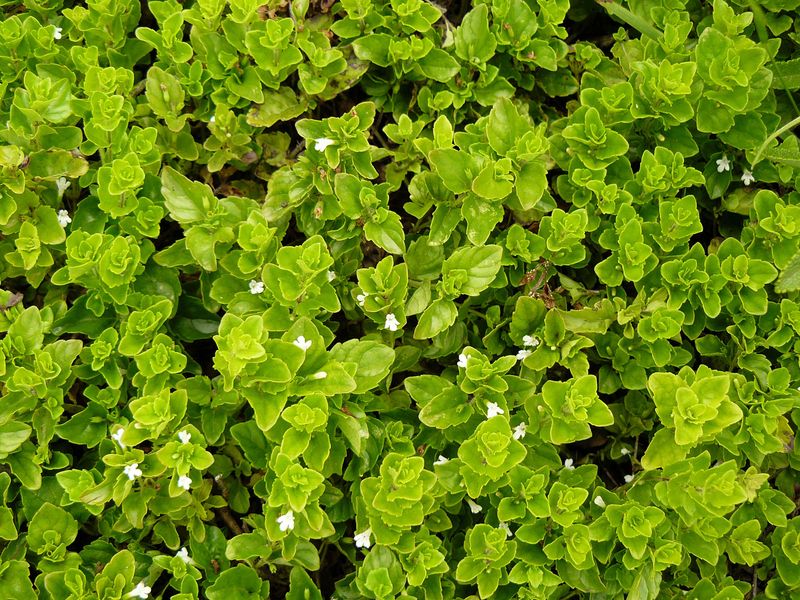
Yerba Buena is a charming ground cover with small green leaves and delicate white flowers. It thrives in shaded areas, making it perfect for woodland gardens. This aromatic plant is known for its fresh scent and has been used traditionally for medicinal purposes. Its dense growth helps suppress weeds and maintain soil moisture. Consider using Yerba Buena in shaded borders or under trees where its fragrance can be appreciated. It’s a low-maintenance option that enhances the sensory experience of any garden with its refreshing aroma.
10. Redwood Sorrel (Oxalis oregana)
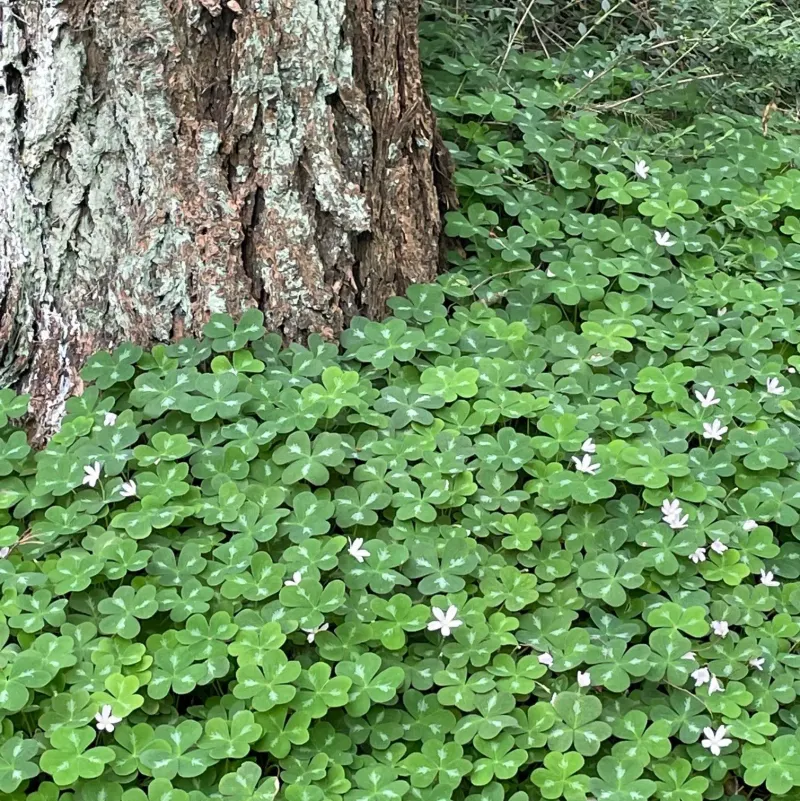
Redwood Sorrel, with its heart-shaped leaves and pinkish-white flowers, is a delightful ground cover. It thrives in the shade of Redwood forests, preferring moist, well-drained soils. This plant forms a lush carpet, providing a serene look to shaded areas. Its flowers add a touch of color amid the greenery. Redwood Sorrel is perfect for woodland gardens or shaded borders. Its ability to thrive under trees where little else will grow makes it an invaluable addition to any garden seeking a touch of wild, natural beauty.
11. California Meadow Sedge (Carex pansa)
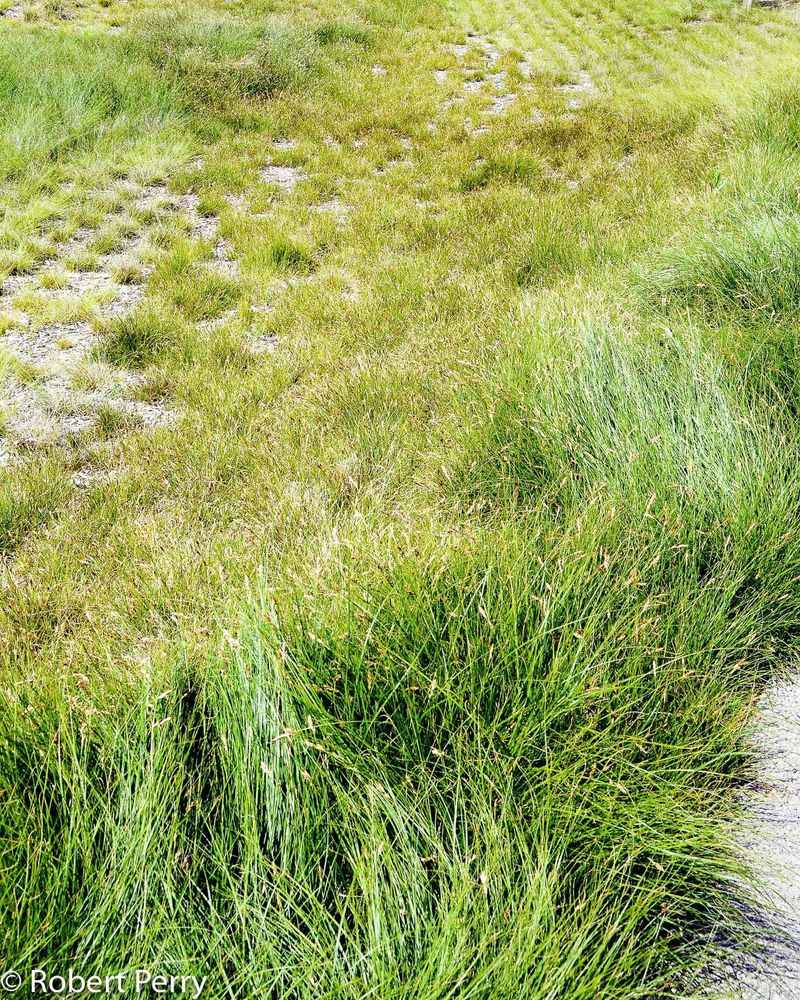
California Meadow Sedge is a resilient ground cover that forms a dense, grass-like mat. Its slender blades sway gently, adding movement to the landscape. This plant is highly tolerant of various soil conditions, from dry to moderately moist areas. It requires little maintenance, making it ideal for low-water landscapes. Use California Meadow Sedge to create lush lawns or fill in sunny meadows. Its ability to adapt to different conditions while maintaining a neat appearance makes it a versatile choice for sustainable gardening.
12. Catalina Perfume (Ribes viburnifolium)
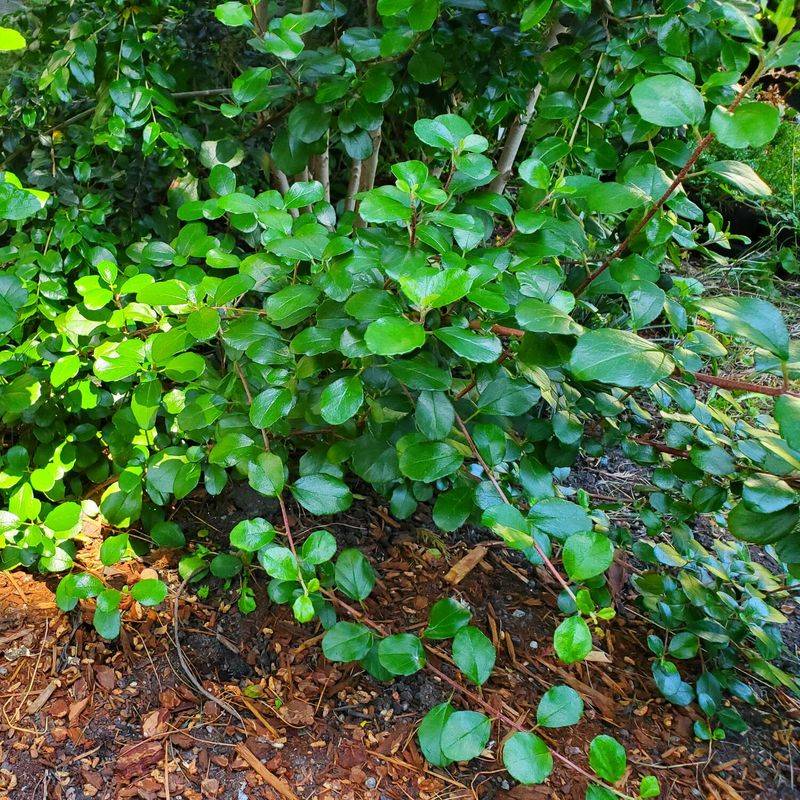
Catalina Perfume is an attractive ground cover with glossy leaves and small clusters of red flowers. It thrives in shaded, moist areas, making it perfect for woodland gardens. This evergreen plant provides year-round interest with its lush foliage and fragrant blooms that attract pollinators. Its dense growth suppresses weeds effectively. Consider Catalina Perfume for shaded borders or under trees where its fragrance can be appreciated. This plant’s ability to thrive in challenging conditions makes it a valuable addition to any garden seeking beauty and resilience.
13. Seaside Daisy (Erigeron glaucus)
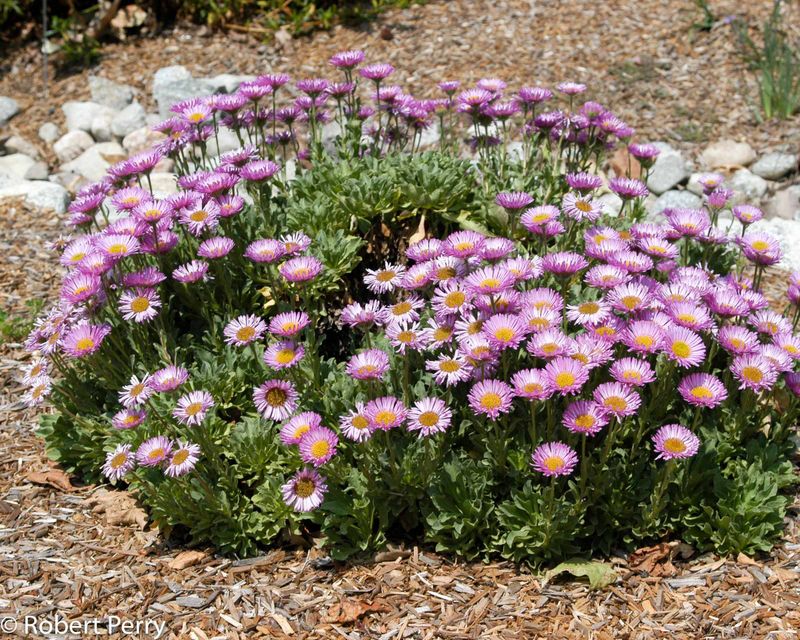
Seaside Daisy is a charming ground cover with purple daisy-like flowers and gray-green foliage. Perfect for coastal gardens, it tolerates salty air and sandy soils. This hardy plant blooms from spring to fall, providing continuous color. Its flowers attract bees and butterflies, enhancing garden biodiversity. Use Seaside Daisy in rock gardens or coastal borders to add color and texture. Its ability to withstand harsh conditions while maintaining vibrant blooms makes it a favorite among gardeners looking for reliable, beautiful ground covers.
14. Prostrate California Buckwheat (Eriogonum fasciculatum var. polifolium ‘Prostrate’)
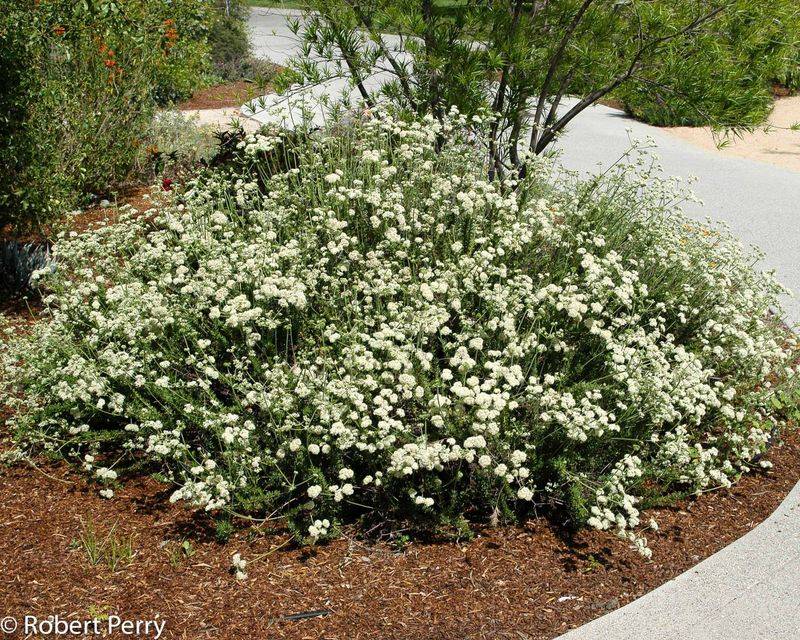
Prostrate California Buckwheat is a tough ground cover with small, round clusters of white flowers. Its slender green leaves form a dense mat, ideal for erosion control. This plant thrives in dry, sunny areas and requires minimal water once established. Its flowers attract pollinators, supporting local wildlife. Consider using Prostrate California Buckwheat on slopes or in dry gardens where it can spread and fill in gaps. Its resilience and low water needs make it a practical choice for sustainable landscapes seeking visual interest.
15. California Fuchsia (Epilobium canum ‘Everett’s Choice’, formerly Zauschneria)
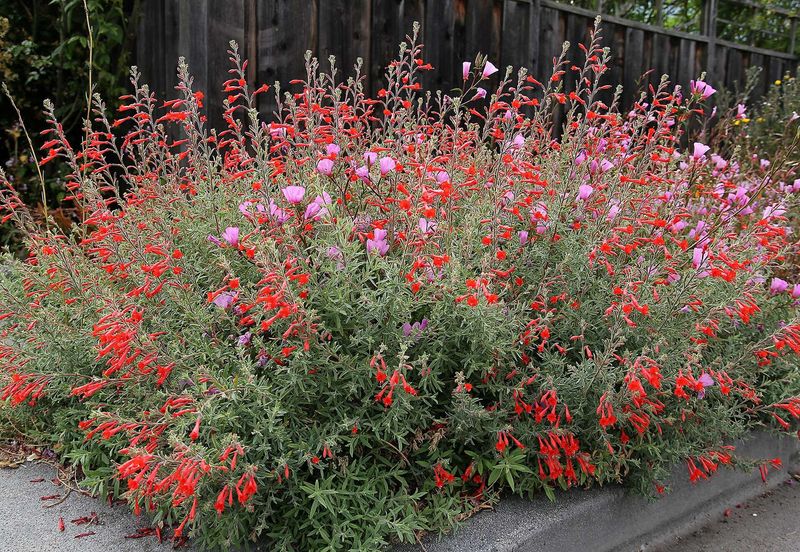
California Fuchsia is a striking ground cover with vibrant red tubular flowers. Its silver-green foliage adds contrast and interest to the landscape. This plant thrives in sunny, dry conditions and blooms from summer to fall, providing late-season color. The flowers attract hummingbirds, adding lively visitors to your garden. Use California Fuchsia in rock gardens or dry slopes where its bold colors can be appreciated. Its resilience and minimal water needs make it an excellent choice for gardeners seeking to add vibrant beauty to challenging spots.
16. Hearst’s Ceanothus (Ceanothus hearstiorum)
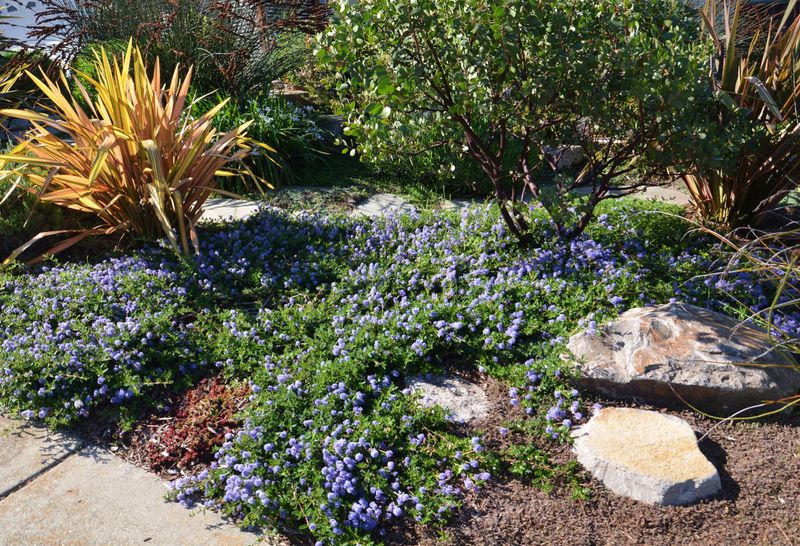
Hearst’s Ceanothus is a delightful ground cover with compact blue flower clusters and glossy leaves. This plant thrives in sunny locations and is drought-tolerant once established. Its spreading habit makes it ideal for covering large areas quickly, providing both beauty and functionality. The flowers attract pollinators, enhancing garden diversity. Consider Hearst’s Ceanothus for sunny banks or slopes where it can spread and stabilize soil. Its ability to thrive with minimal care makes it a practical choice for gardeners seeking easy-to-maintain beauty in their landscapes.
17. Blue-Eyed Grass (Sisyrinchium bellum)
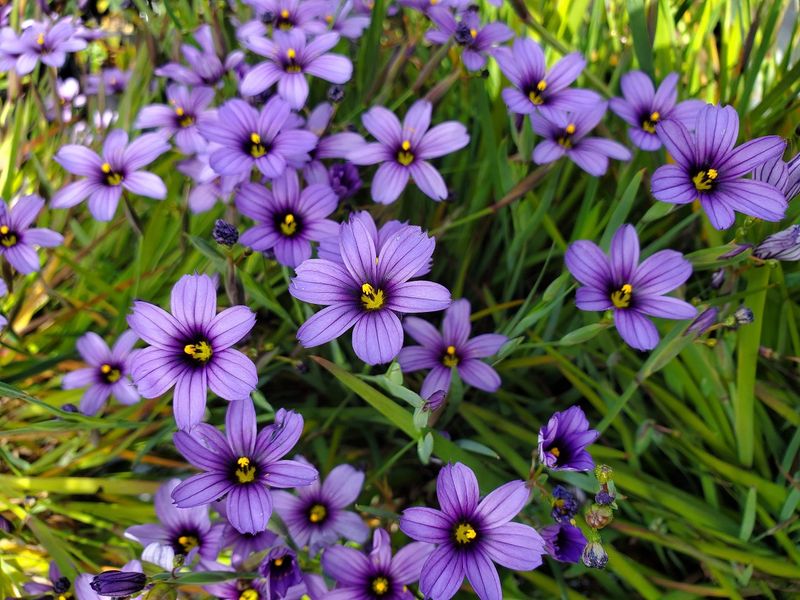
Blue-Eyed Grass is a charming ground cover with delicate blue star-shaped flowers. Its grass-like foliage adds a soft texture to the landscape. Thriving in sunny areas, this plant is perfect for meadows or borders. It requires minimal water once established, making it ideal for low-maintenance gardens. Use Blue-Eyed Grass to add a splash of color to sunny spots. Its ability to adapt to various conditions while providing continuous blooms makes it a favorite among gardeners seeking easy-care, beautiful plants for their landscapes.
18. Trailing Blackberry (Rubus ursinus)
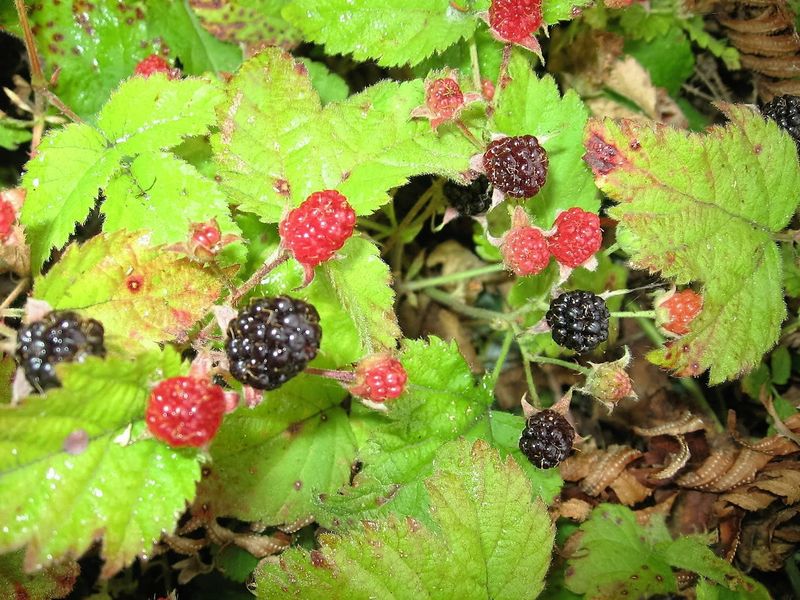
Trailing Blackberry is a robust ground cover with thorny stems and white flowers that give way to juicy blackberries. Ideal for sunny locations, it thrives in different soil types. This plant provides food for birds and insects, enhancing your garden’s ecosystem. Its trailing habit makes it perfect for large areas where it can spread naturally. Consider using Trailing Blackberry in naturalized settings or wildlife gardens. Its combination of beauty and functionality makes it a valuable addition to gardens seeking to support local wildlife and enjoy delicious fruit.
19. Coyote Mint (Monardella villosa)
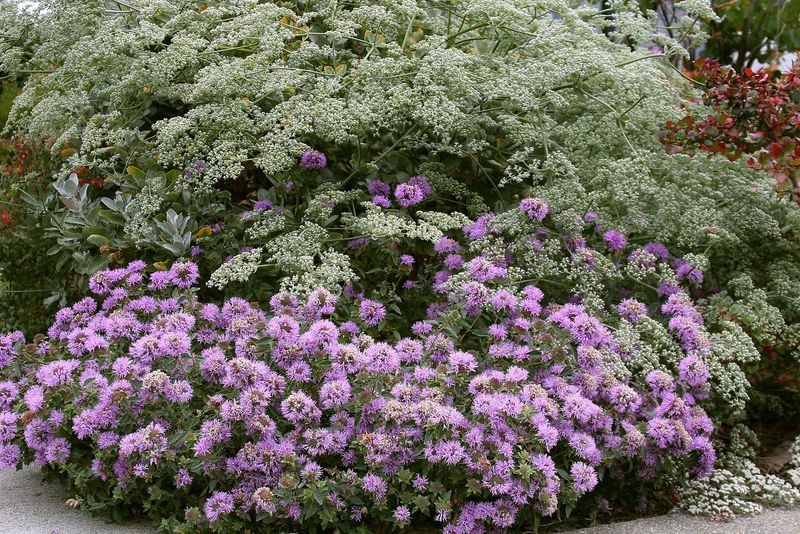
Coyote Mint is a delightful ground cover with purple flower clusters and aromatic foliage. This plant thrives in sunny, dry locations and attracts pollinators, including bees and butterflies. Its fragrant leaves add a sensory element to the garden, making it a favorite for pathways or borders. The flowers provide a long-lasting display from summer to fall. Consider Coyote Mint for dry gardens or meadows where its low water needs and vibrant colors can be appreciated. Its resilience and aromatic qualities make it a standout choice for sustainable landscaping efforts.
20. Monkeyflower (Creeping varieties of Diplacus / Mimulus spp.)
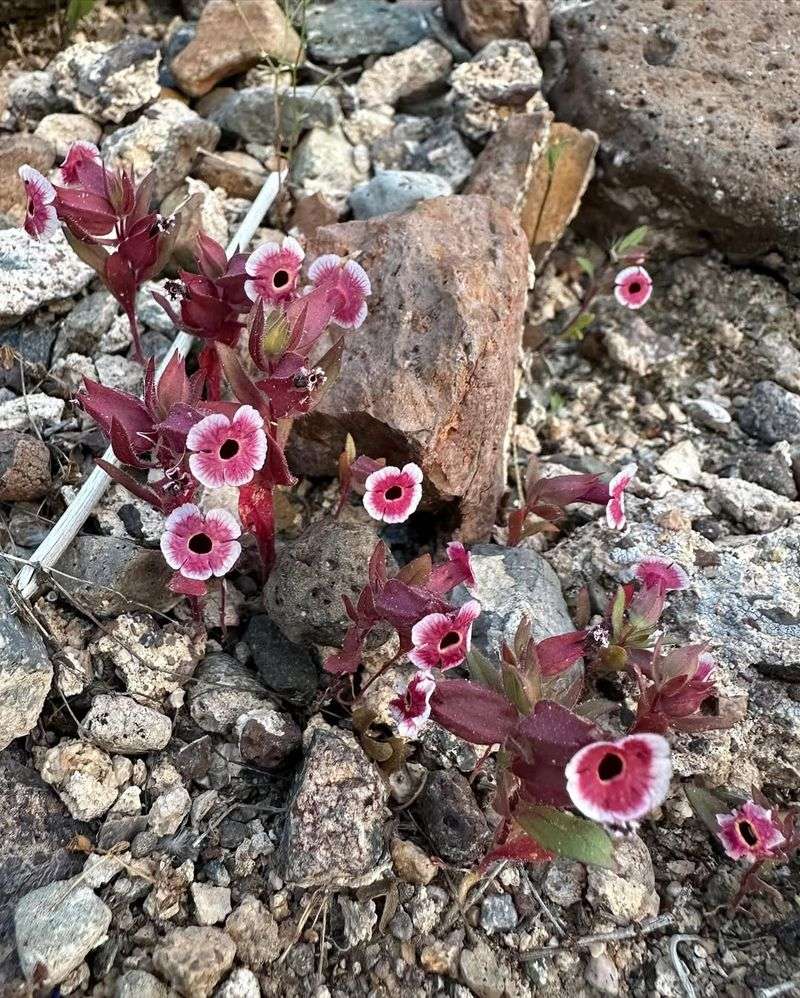
Monkeyflower is a vibrant ground cover with bright orange flowers and glossy leaves. This plant thrives in rocky, well-drained soils and prefers sunny conditions. Its flowers attract hummingbirds and butterflies, adding life to any garden. The plant’s spreading habit makes it suitable for cascading over rocks or garden edges. Use Monkeyflower to add bold color and texture to your landscape. Its ability to thrive in challenging conditions with minimal care makes it a versatile choice for gardeners seeking to create dynamic, wildlife-friendly gardens.