 Complete Gardening
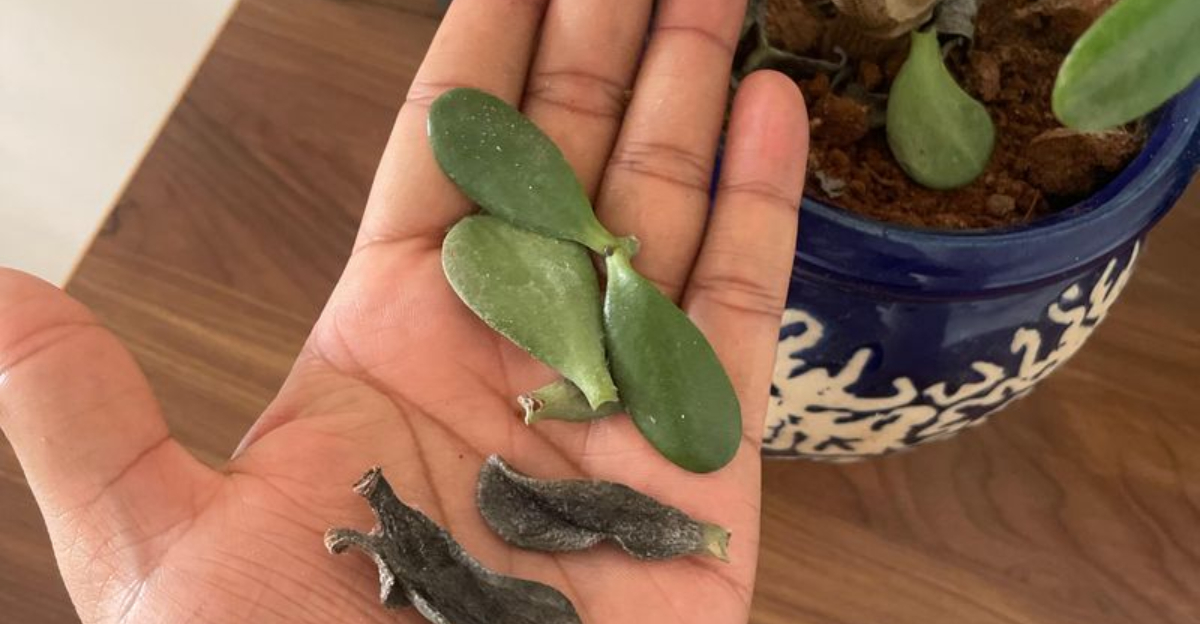
Maintaining jade plants can be a rewarding experience, but proper pruning is essential for their health and aesthetics. By following the right techniques, you can ensure that your jade plants remain lush and vibrant.
1. Timing is Everything
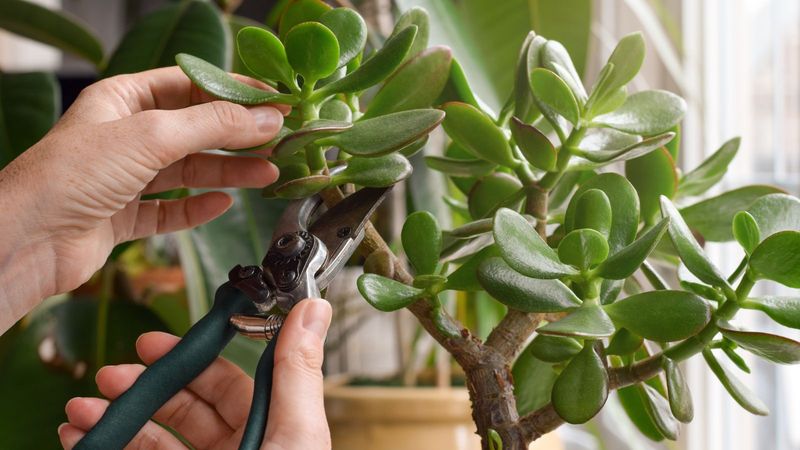
Pruning your jade plant at the right time is crucial for its health. Spring is the ideal season as the plant enters its active growth phase. This timing allows the plant to heal quickly and produce new growth. Waiting until this period ensures the plant’s energy is directed towards new buds rather than maintaining old foliage.
Before you begin, sterilize your tools to prevent infections. Clean cuts encourage healthy regrowth and minimize stress on the plant. Avoid pruning during winter when the plant is dormant, as it might not recover well.
Remember, timing can make a significant difference in the plant’s health.
2. Understanding the Plant’s Structure
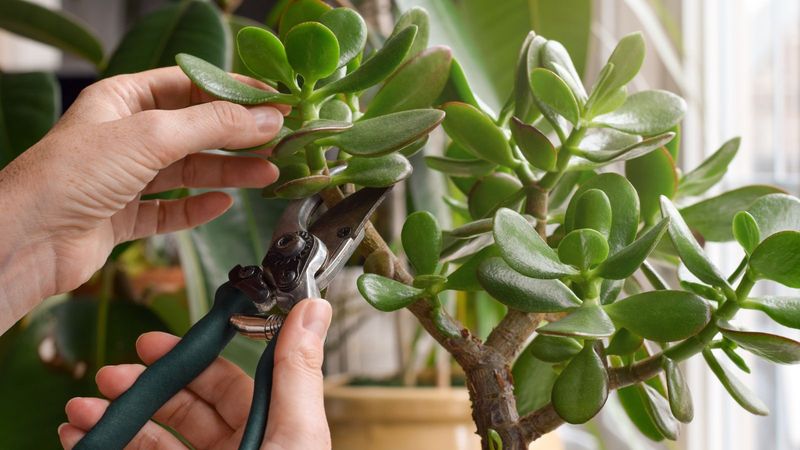
The structure of a jade plant is unique, with its thick, woody stems and fleshy leaves. Understanding this structure is key to effective pruning. Each branch junction is a potential point for new growth, so identifying these is essential.
Focus on removing leggy growth to maintain a compact shape. Remove crossing branches to avoid crowding and improve air circulation. This practice helps prevent diseases and allows sunlight to reach all parts of the plant.
Grasp the plant’s natural form, and prune to enhance its beauty while promoting healthy development.
3. Tools of the Trade
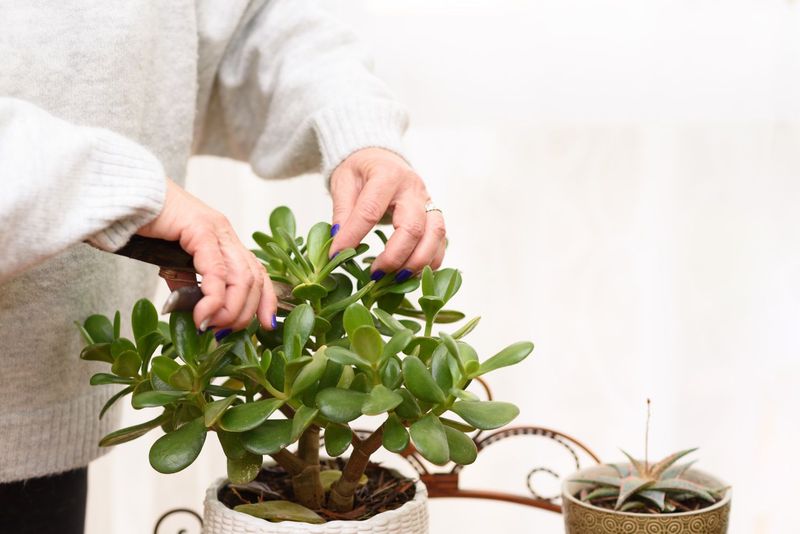
Having the right tools can transform your pruning process. Invest in a pair of sharp pruning shears; clean cuts are less stressful for the plant. Before pruning, sterilize the tools with rubbing alcohol to prevent disease transmission.
Consider the size of your jade plant. Smaller plants may only need scissors, while larger ones require shears for thicker branches. Proper tools make the task easier and more efficient.
A well-maintained tool set not only aids in effective pruning but also prolongs the lifespan of your equipment.
4. Encouraging New Growth
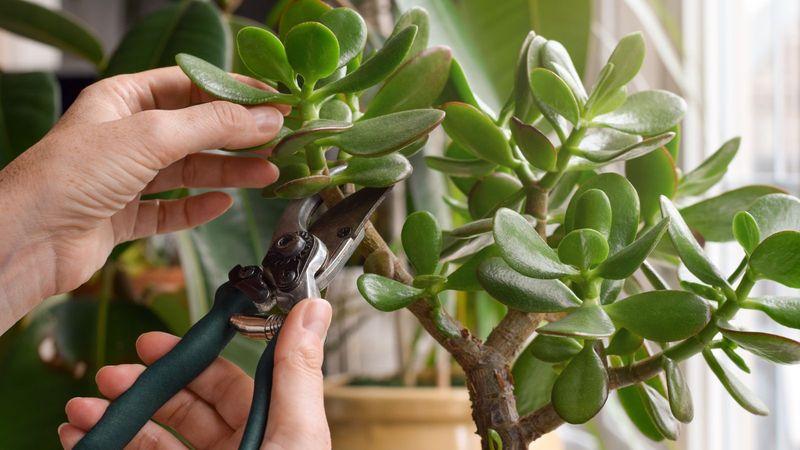
Promoting new growth is one of the joys of pruning jade plants. By cutting just above a leaf node, you stimulate the plant to produce new branches. This encourages a fuller and more visually appealing form.
After pruning, position the plant in a spot with indirect sunlight. This helps the new growth to develop without the risk of sunburn. Regular watering, without over-saturating, supports the growth process.
Engage in regular observation; new growth is a sign of your plant’s happiness and vitality.
5. Safety and Aftercare
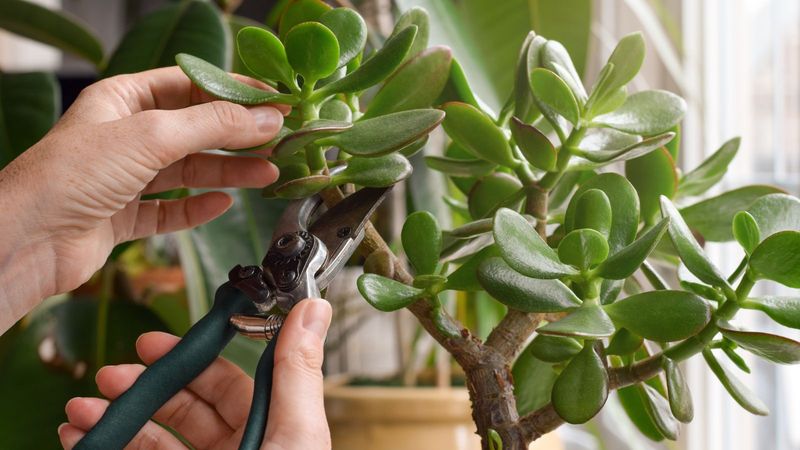
The aftercare of your jade plant post-pruning is as vital as the pruning itself. Ensure the plant is well-hydrated, but avoid over-watering, which could lead to root rot. A gentle misting can also help maintain leaf moisture.
Monitor the plant for signs of stress or disease. Adjust its environment if needed, by providing adequate light and stable temperatures. This support encourages resilient growth.
A well-cared-for jade plant not only thrives but adds a vibrant touch to your space, rewarding your diligent aftercare.
6. Identifying Dead Leaves
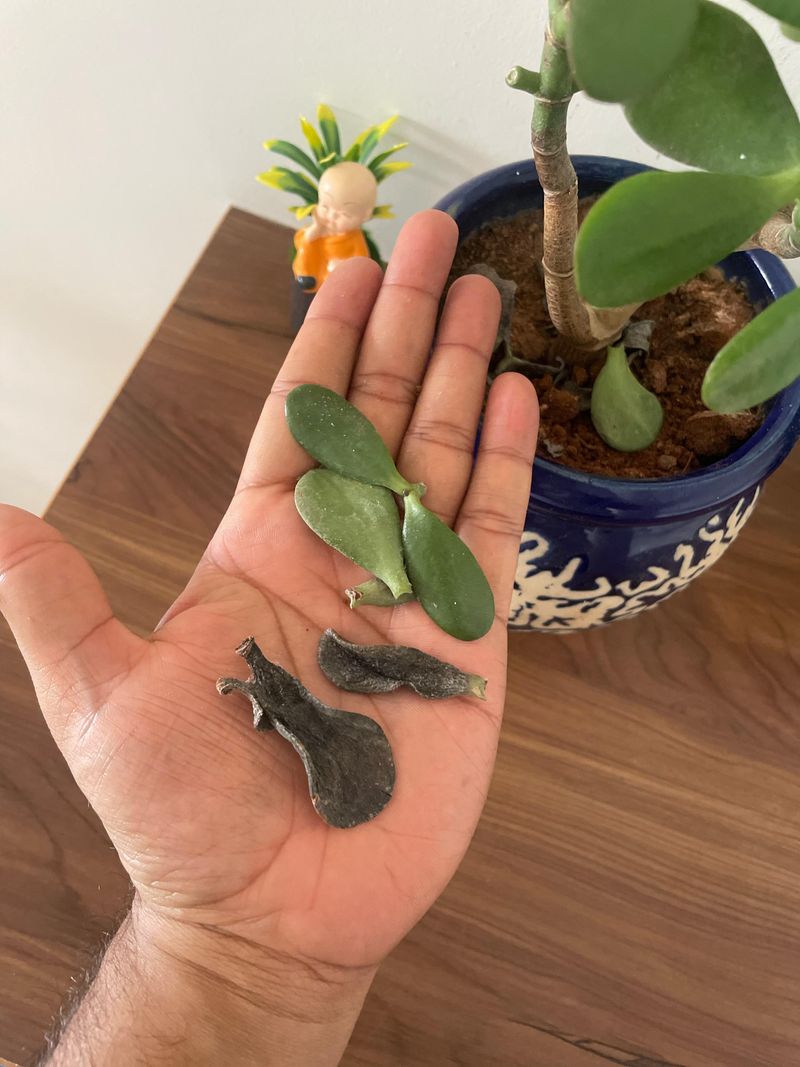
Start by identifying the dead or shriveled leaves on your jade plant. These leaves often appear brown or black and may feel dry to the touch. Removing them allows the plant to redirect energy to healthier parts, promoting overall vitality.
Gently pinch off the dead leaves with your fingers. Make sure to dispose of these leaves properly to prevent any potential disease from spreading.
This practice also enhances the jade plant’s appearance, making it look vibrant and well-maintained. By paying attention to these details, you contribute to the plant’s long-term health.
7. Balancing Branches
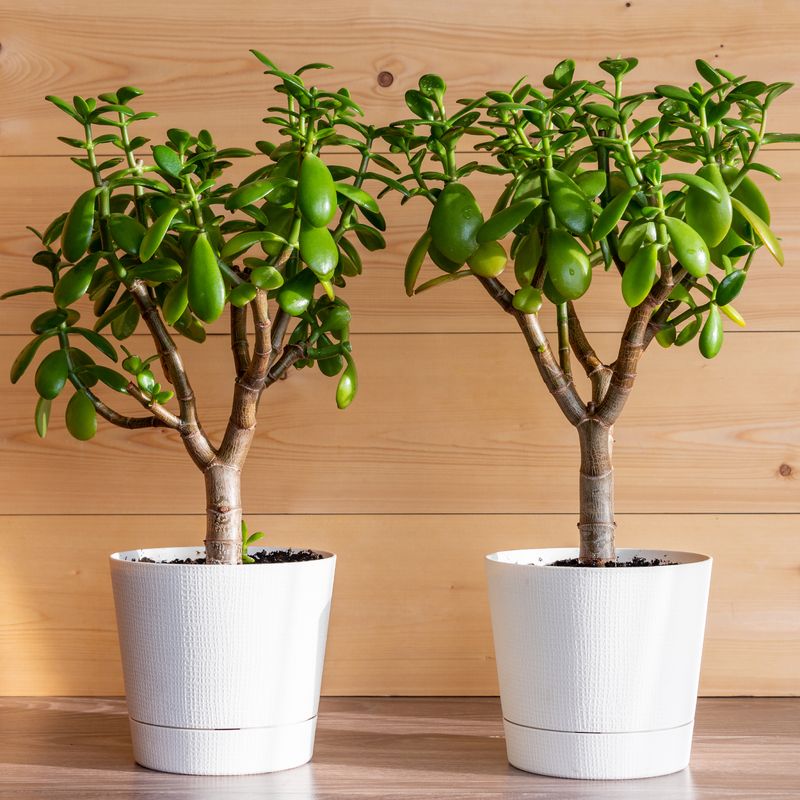
Balancing the branches of a jade plant is crucial for aesthetic appeal and health. Uneven branches can lead to an unbalanced look and may cause the plant to tip over.
Trim the longer branches that might be overshadowing shorter ones. This ensures equal light distribution across all parts of the plant.
By maintaining symmetry, your jade plant not only looks more appealing but also grows evenly. This simple step contributes to a robust and attractive plant, delighting all who see it. Balance is key in keeping your jade thriving.
8. Promoting Air Circulation
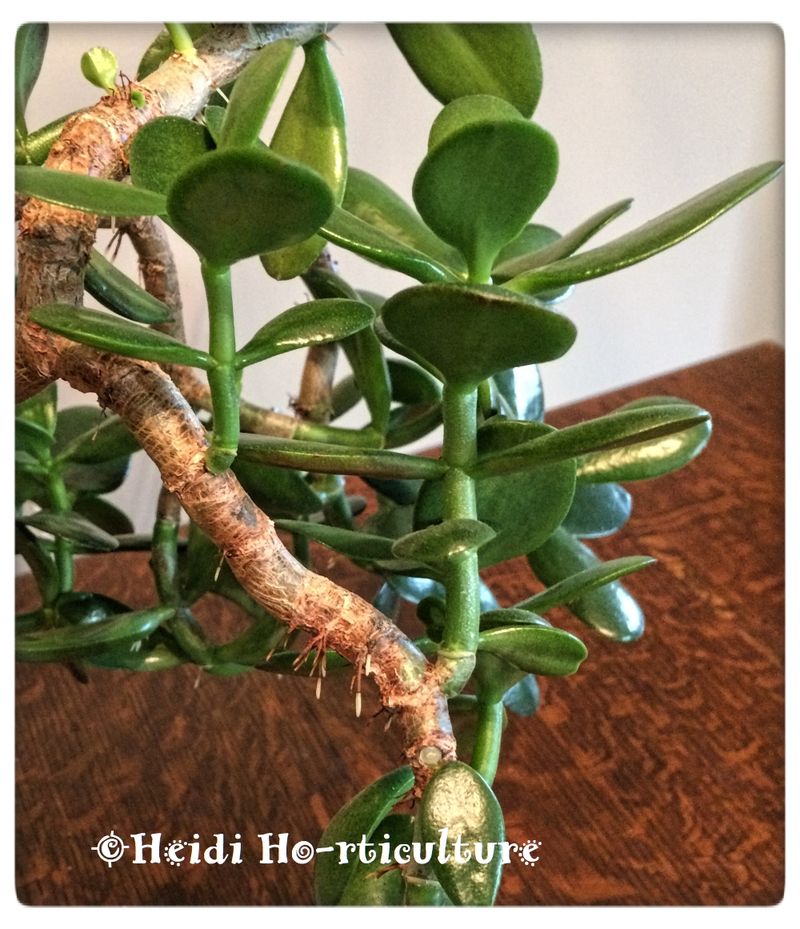
Promoting air circulation within the jade plant’s branches aids in preventing fungal infections and encourages healthy growth. Ensure the branches are not overcrowded, which can stifle airflow.
Carefully trim branches that are too close together. This allows air to move freely, reducing the risk of mildew and other issues.
By fostering good air circulation, you create an environment where the plant can flourish. This practice not only enhances the plant’s health but also improves its overall appearance, making it a joy to behold.
9. Enhancing Sunlight Exposure
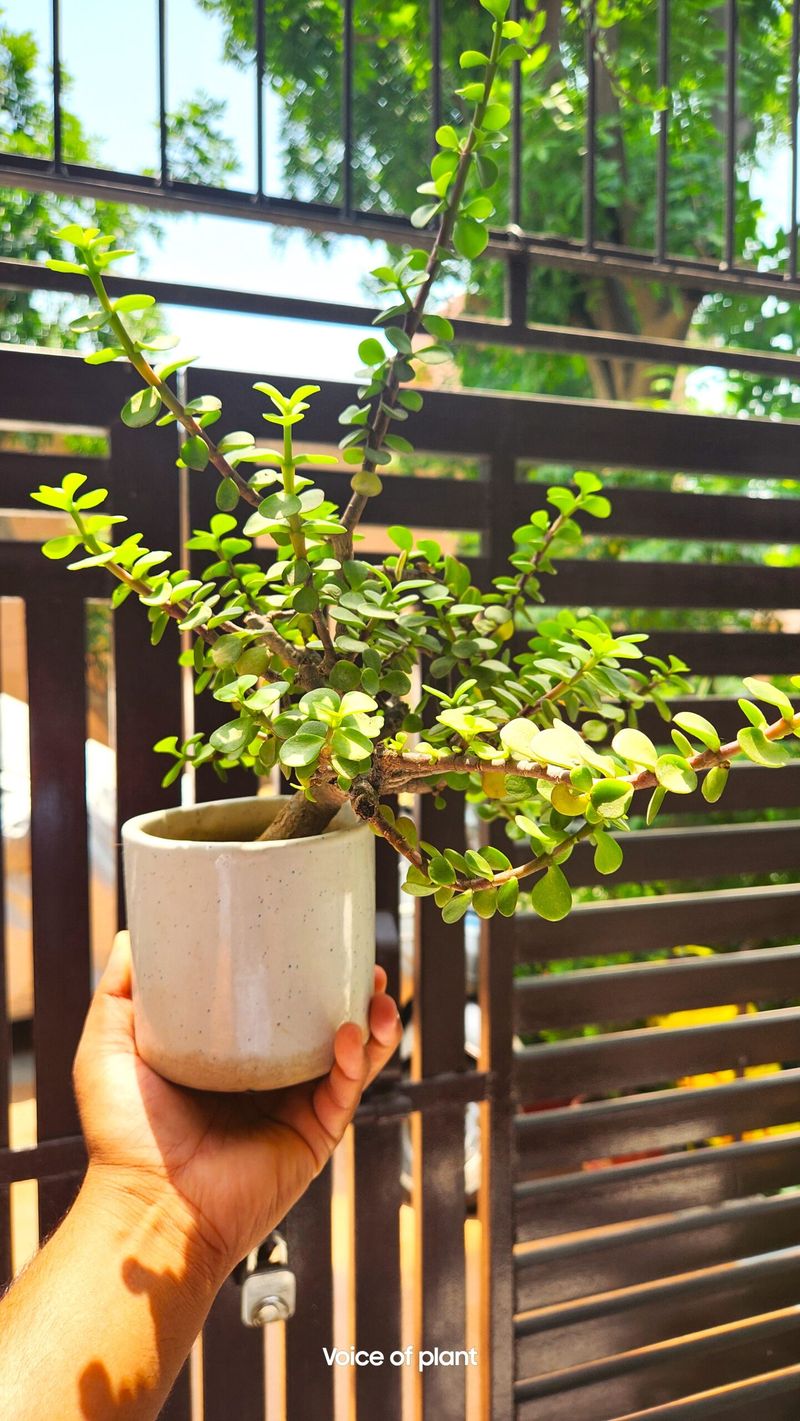
Enhancing sunlight exposure is vital for a jade plant’s growth and energy absorption. Position your plant where it can receive plenty of sunlight, as these succulents thrive in bright environments.
Trim any branches that block the sun’s rays from reaching the center of the plant. This ensures all parts receive adequate light.
By maximizing sunlight exposure, you support the plant’s photosynthesis process, leading to a healthier and more vibrant jade. Embrace this strategy to witness your plant flourish with renewed vigor and vitality.
10. Shaping for Aesthetic Appeal
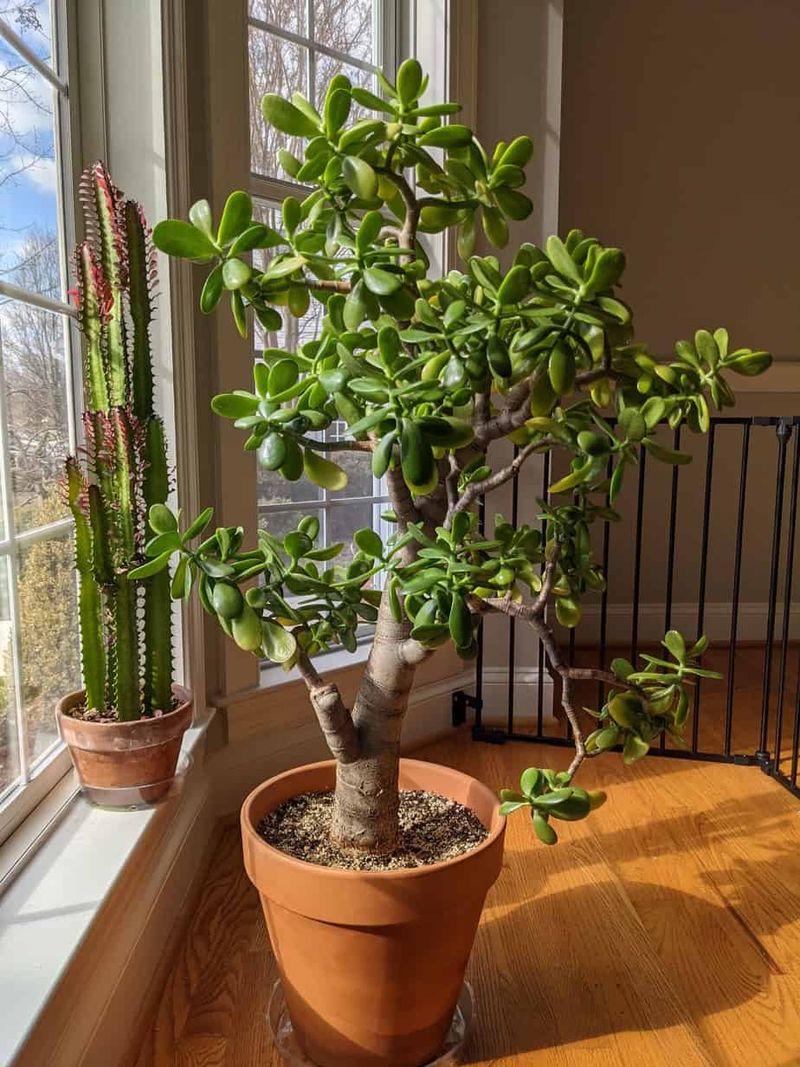
Shaping your jade plant for aesthetic appeal involves pruning with an artistic touch. Consider the overall form you’d like the plant to take, whether bushy or more tree-like.
Trim branches to achieve the desired shape, ensuring symmetry and elegance. This not only beautifies the plant but also supports its structural integrity.
A well-shaped jade plant becomes a focal point in any room, drawing admiration from all who view it. Let your creativity guide you in shaping a plant that reflects your personal style and enhances your living space.
11. Controlling Plant Size
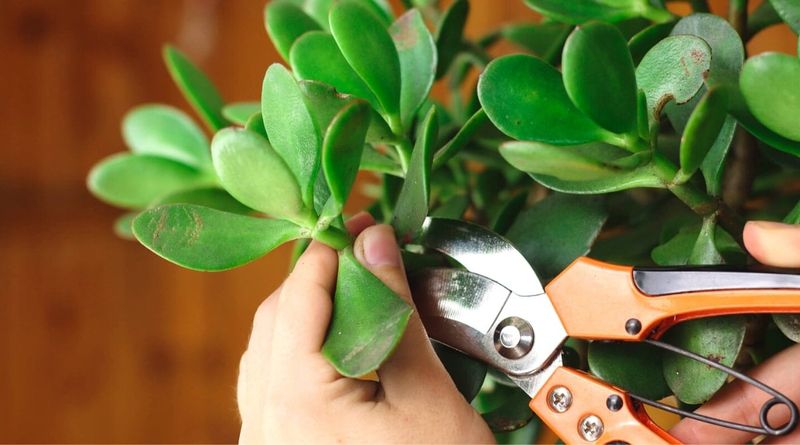
Controlling the size of your jade plant is essential for maintaining its position within your space. These plants can grow quite large, so periodic pruning is necessary.
Cut back overgrown branches to prevent the plant from infringing on surrounding areas. This keeps the jade plant manageable and well-contained.
By managing its size, you ensure the plant remains an attractive addition to your home without becoming overwhelming. This thoughtful approach allows your jade to thrive in harmony with its environment.
12. Removing Weak Branches
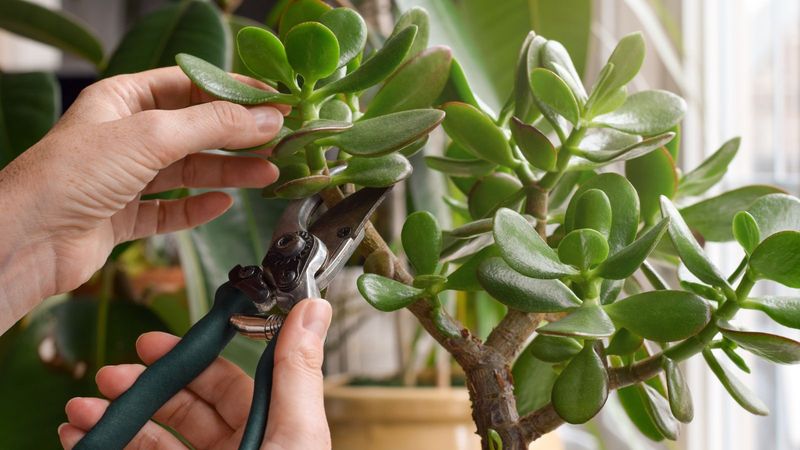
Removing weak branches from your jade plant strengthens its overall structure. Weak branches can sap energy and resources from healthier parts of the plant.
Identify branches that appear thin or discolored and remove them carefully. This allows the plant to focus its energy on more robust growth.
By eliminating these weaker elements, you enhance the plant’s vitality and appearance. This proactive step ensures your jade plant remains strong and vibrant, ready to showcase its beauty.
13. Preventing Disease Spread
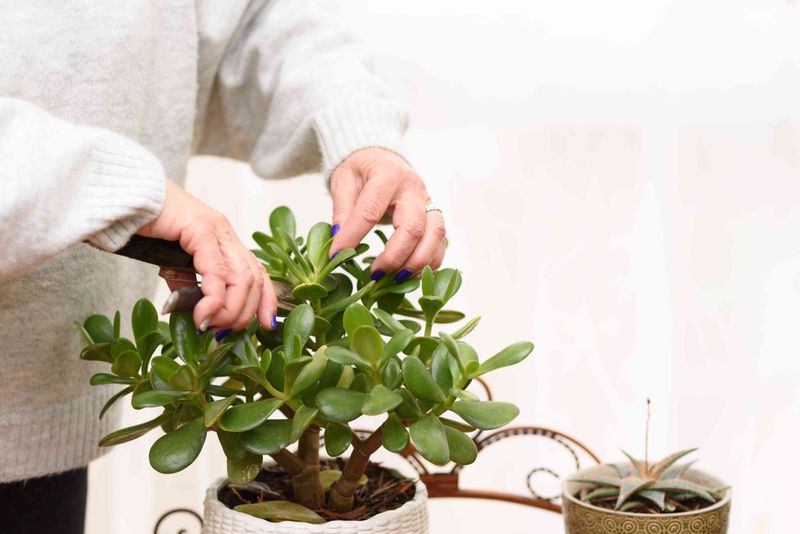
Preventing the spread of disease is crucial in maintaining a healthy jade plant. Regular inspection and prompt removal of any diseased areas are vital.
Carefully cut away sections that show signs of infection, such as spots or discoloration. Use sanitized tools to prevent further contamination.
By acting swiftly, you safeguard the plant’s health and ensure its longevity. This vigilant practice keeps your jade plant flourishing, free from unwanted ailments and thriving in its environment.
14. Rejuvenating Older Plants
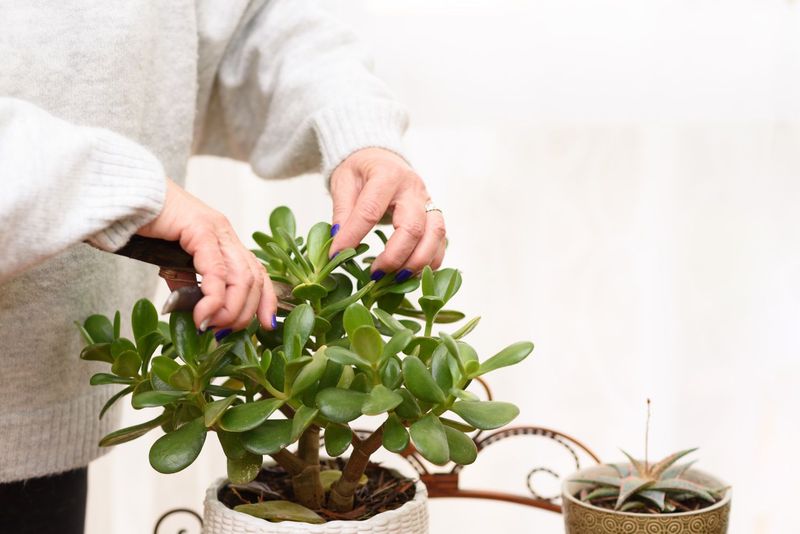
Rejuvenating older jade plants through pruning can breathe new life into them. These mature plants may develop woody stems and sparse foliage over time.
Prune back the older growth to encourage fresh development. Focus on trimming dead wood and stimulating new branch production.
This rejuvenation process restores vitality and encourages lush, vibrant growth. By tending to your jade plant with care and precision, you ensure it remains a cherished part of your home for years to come.
15. Improving Overall Symmetry
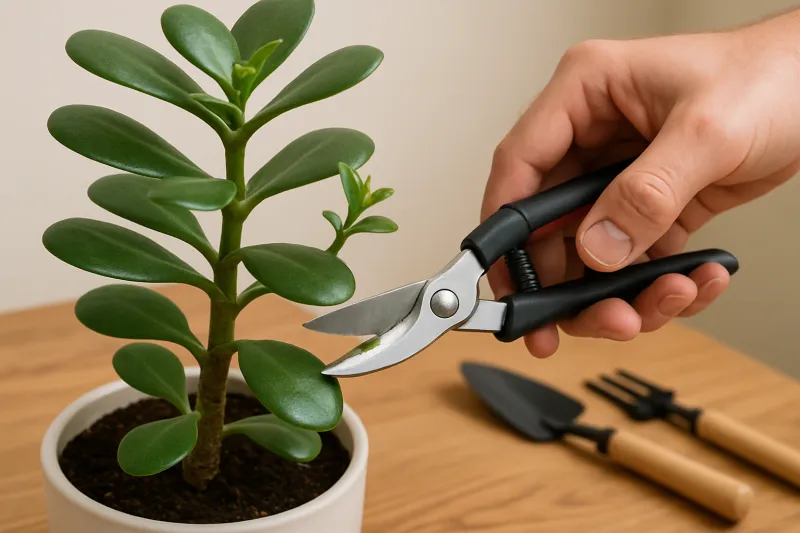
Improving overall symmetry in your jade plant involves thoughtful pruning to create a balanced appearance. Symmetry enhances both the health and beauty of the plant.
Trim branches that disrupt the harmony of its shape. Focus on achieving an even distribution of foliage.
A symmetrical jade plant not only looks pleasing but also supports even growth, ensuring all parts receive equal care. This balanced approach contributes to a thriving, attractive plant that complements any space.
16. Encouraging Bushier Growth
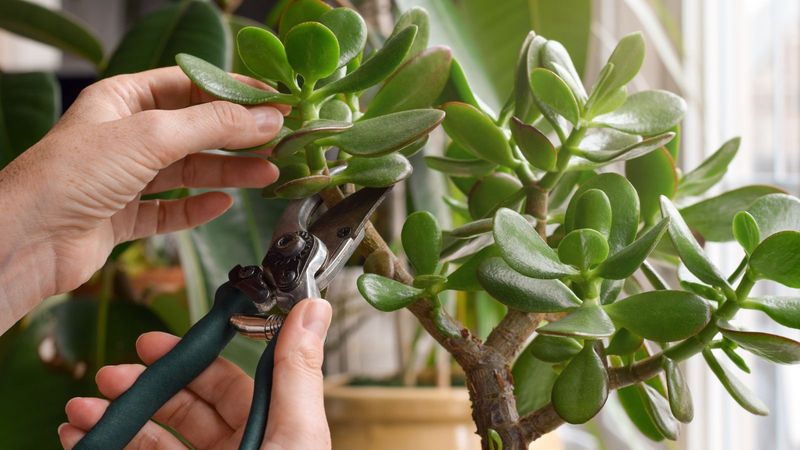
Encouraging bushier growth in jade plants can lead to a lush, full appearance. Focus on pruning techniques that promote branching.
Trim the tips of growing branches to stimulate lateral growth. This results in a denser, more compact plant.
A bushier jade plant is more visually appealing and can enhance its setting with vibrant greenery. By fostering this growth, you create a plant that is both healthy and aesthetically pleasing, making it a centerpiece in any room.