 Complete Gardening
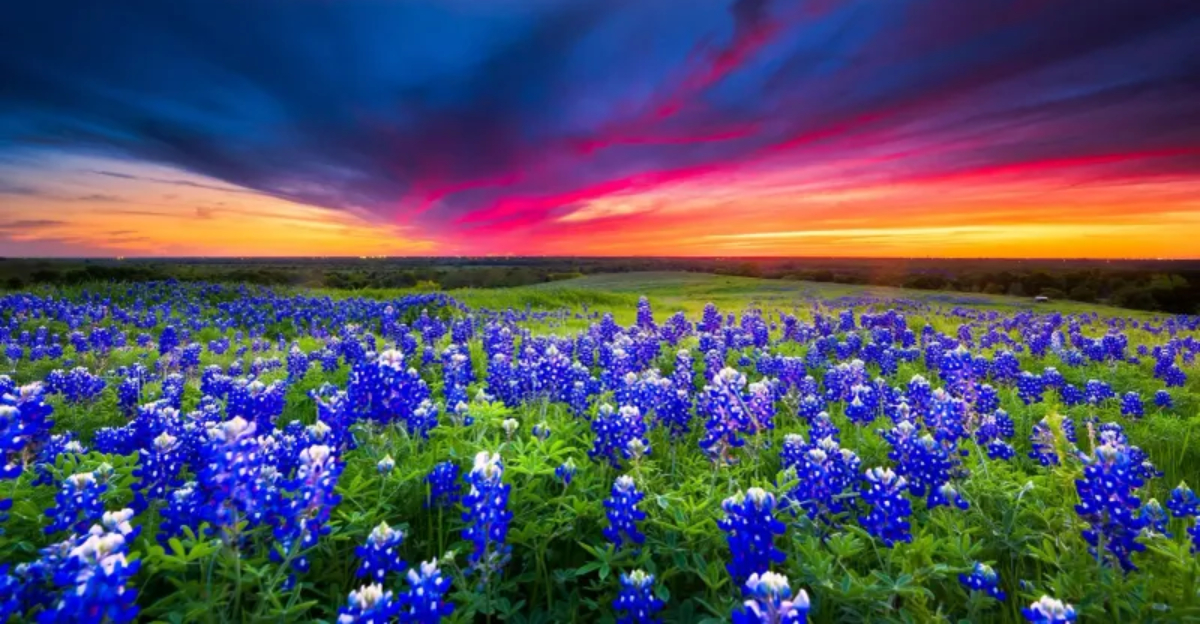
Texas, with its diverse climate and rich soils, is home to a stunning array of wildflowers that can transform any yard into a painter’s palette of vibrant colors. These native blooms not only offer aesthetic appeal but also support local ecosystems by attracting pollinators like bees, butterflies, and birds. Whether you’re looking to add a pop of color, create a natural habitat, or simply enjoy the beauty of nature, planting these wildflowers in your Texas yard is a delightful choice.
1. Indian Paintbrush
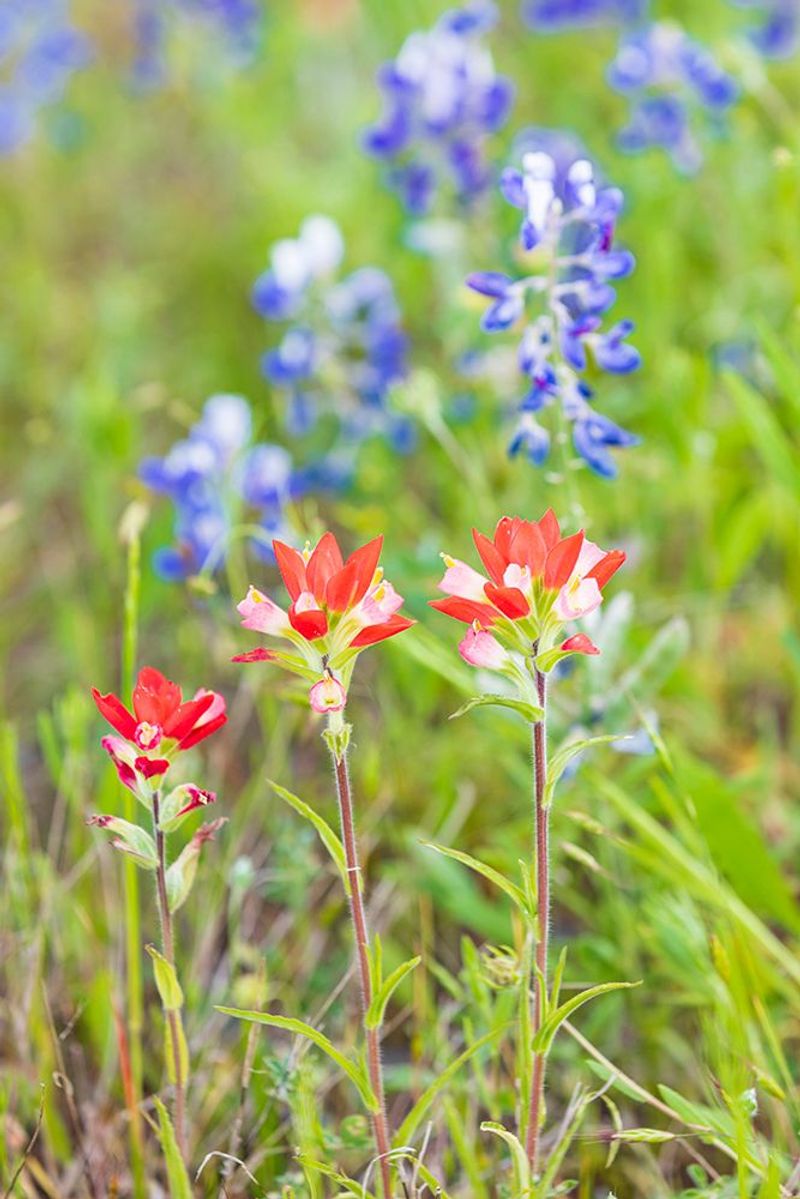
With fiery red spikes, Indian Paintbrush offers a burst of color to any landscape. These flowers are known for their unique structure, where the brilliant red color comes from modified leaves, not petals. This striking plant often grows alongside bluebonnets, creating a dramatic visual duo.
Indian Paintbrush thrives in sandy soils and full sunlight. It is a hemiparasitic plant, meaning it derives some of its nutrients from neighboring plants. This makes it an intriguing addition to any garden, adding both color and ecological interest.
Did you know? Indian Paintbrush is also known as ‘prairie-fire’ due to its vivid red coloring.
2. Black-eyed Susan
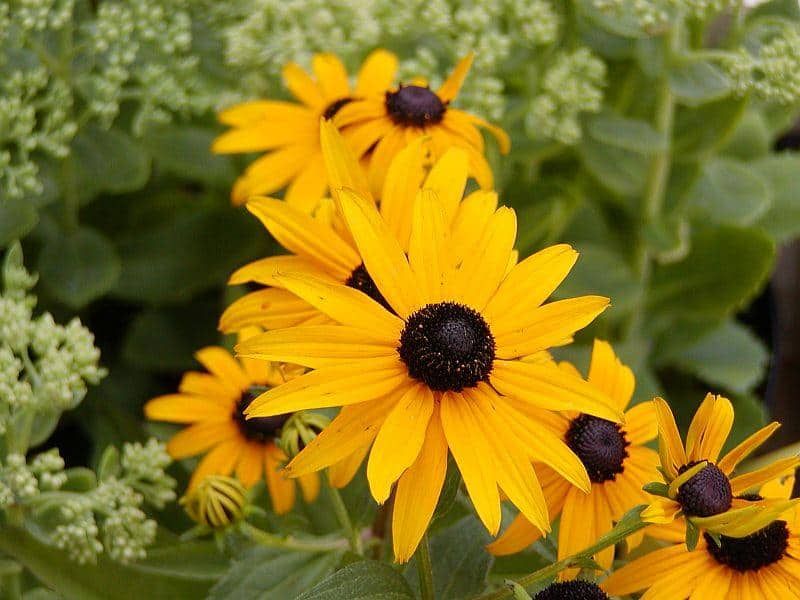
Black-eyed Susans are cheerful flowers that bring a sunny disposition to gardens. With bright yellow petals and a contrasting dark brown center, they are reminiscent of miniature sunflowers.
These hardy flowers are drought-tolerant, making them ideal for Texas’s hot climate. They bloom from mid-summer to fall, providing a long-lasting splash of color. Their resilience and vibrant appearance make them a favorite among gardeners.
Fun fact: Black-eyed Susans are often associated with encouragement and motivation, symbolizing justice and truth.
3. Mexican Hat
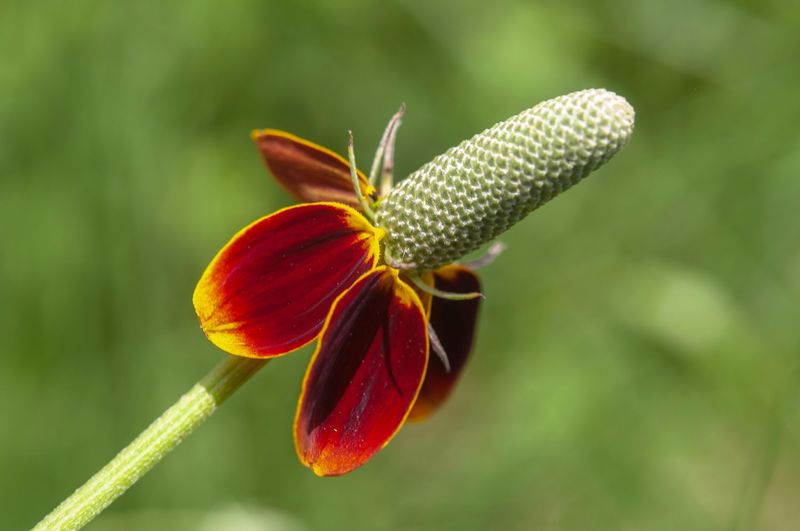
The Mexican Hat, known for its distinctive shape, adds a playful touch to gardens. Its drooping red and yellow petals resemble a sombrero, hence the name. The tall, slender flowers sway gracefully in the breeze.
These flowers are easy to grow, preferring well-drained soils and full sunshine. They bloom from late spring to early autumn, attracting bees and butterflies to your yard. Their unique shape and vibrant colors make them a standout choice for any landscape.
In history, the Mexican Hat has been used in traditional medicine for its purported healing properties.
4. Winecup
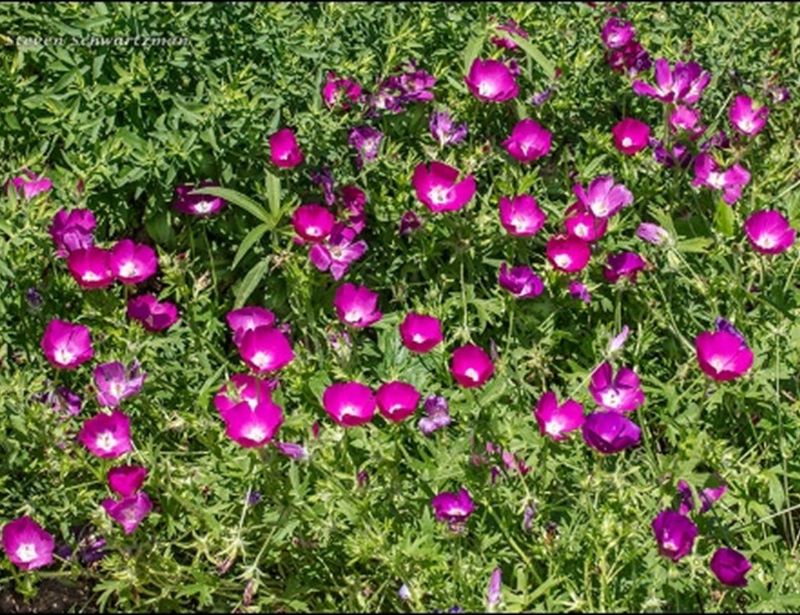
The Winecup flower, with its rich purple hue, resembles a delicate chalice of wine. These low-growing perennials create a carpet of color, enhancing any garden space.
Growing easily in well-drained soils and full sun, Winecups are drought-resistant and ideal for the Texan climate. They bloom from spring through early summer, offering extended visual enjoyment. Their simplicity and elegance make them a cherished addition to native gardens.
Did you know? Winecup flowers close at night and reopen with the morning sun, a trait known as nyctinasty.
5. Bluebonnet
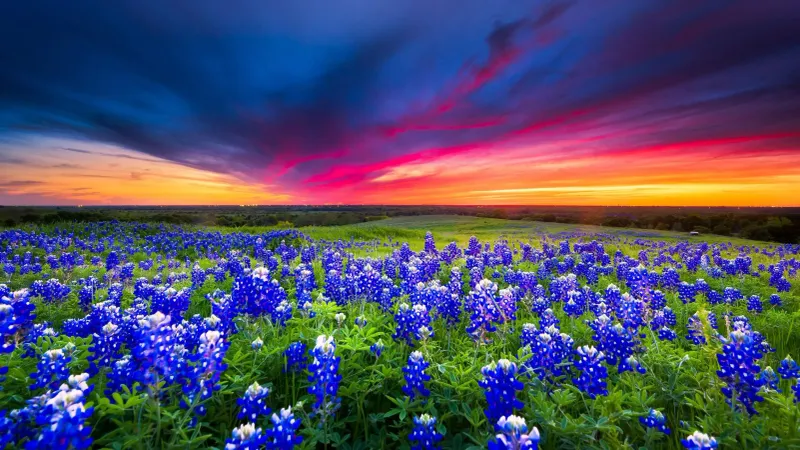
Bluebonnets are the quintessential Texas wildflower, symbolizing the state’s rich natural beauty. Their vibrant blue petals create a striking contrast against green foliage. These flowers bloom in early spring, painting the landscapes with mesmerizing blue hues.
Known as the state flower of Texas, bluebonnets thrive in well-drained soils and full sun. They are often seen lining roadsides and pastures, providing a picturesque view that captures the essence of Texan landscapes. Planting bluebonnets in your yard will ensure a stunning display in springtime.
Fun fact: The name ‘bluebonnet’ is derived from the flower’s resemblance to bonnets worn by pioneer women.
6. Texas Bluebell
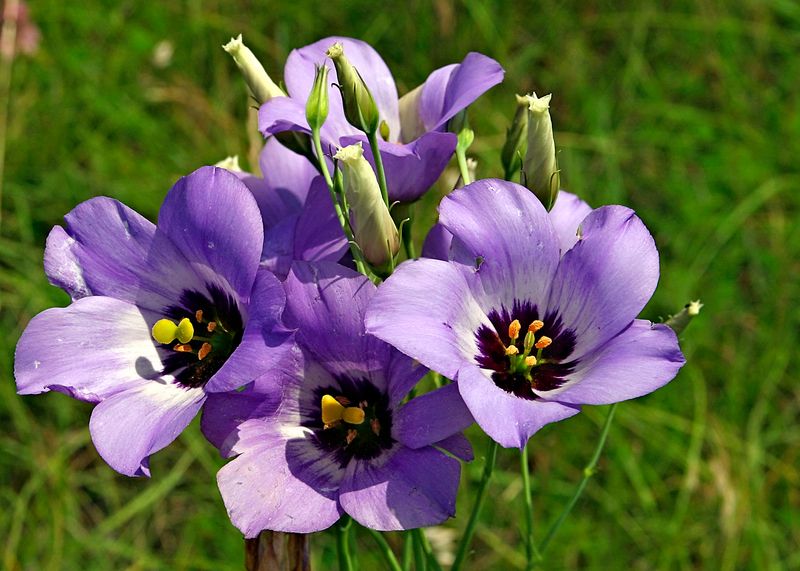
Texas Bluebells are strikingly beautiful, often compared to roses due to their full, layered petals and rich colors. They bring a touch of elegance to any landscape, thriving in wet, clay soils and full sun.
These flowers bloom in summer, offering lush purple blooms that attract butterflies and bees. Their graceful appearance and resilience make them a treasured choice for gardeners looking to add a touch of sophistication.
Fun fact: Despite their delicate appearance, Texas Bluebells are tough and can withstand the harsh Texas climate.
7. Firewheel
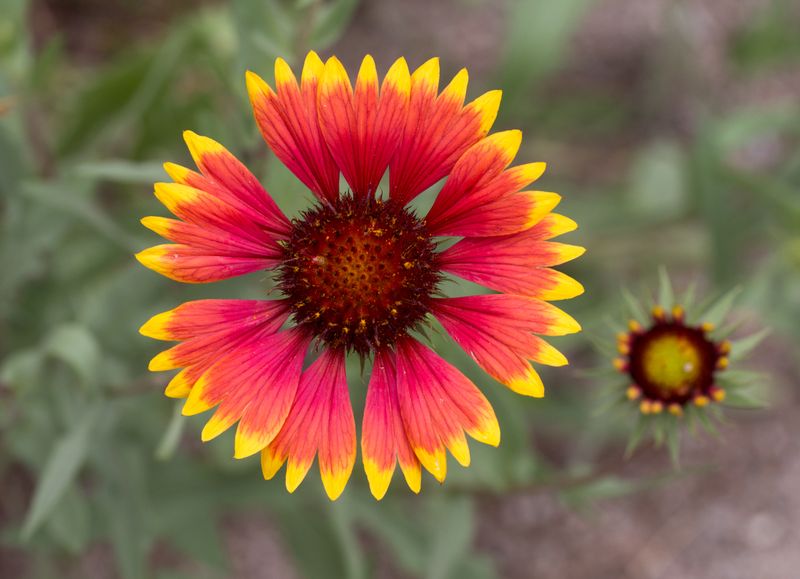
The Firewheel, or Indian Blanket, is a vibrant wildflower known for its circular pattern of red and yellow petals. These hardy plants thrive in dry, sandy soils and full sunlight, making them perfect for Texas gardens.
Blooming from May to September, Firewheels create a warm, inviting atmosphere in any landscape. Their cheerful presence and easy care make them a popular choice for gardeners seeking to embrace local flora.
Did you know? Firewheels are often associated with courage and endurance, symbolizing strength in adversity.
8. Showy Primrose
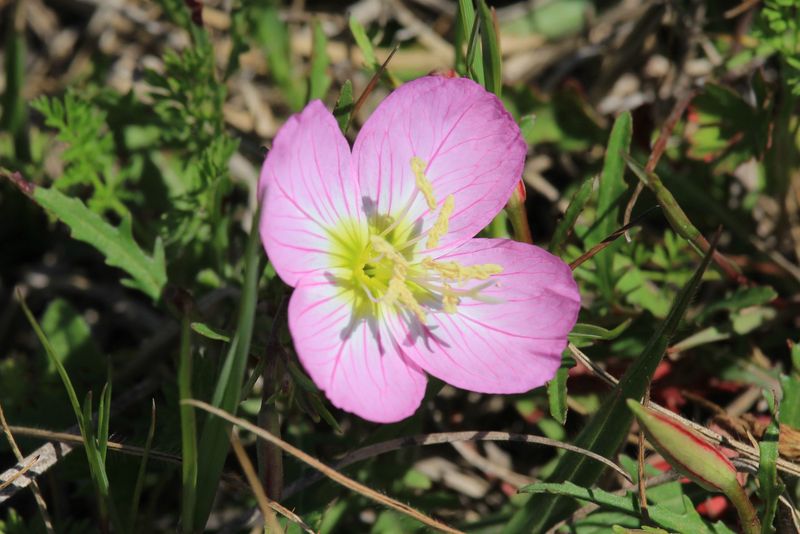
Showy Primrose, with its soft pink petals, adds a touch of romance and charm to gardens. These flowers open during the evening, filling the air with a gentle fragrance.
Preferring well-drained soils and full sun, Showy Primroses are both beautiful and low-maintenance. They bloom from spring to early summer, providing a subtle elegance that enhances any garden setting.
Fun fact: Showy Primroses are also known as ‘buttercup evening primrose,’ a nod to their butter-yellow buds that open to reveal pink flowers.
9. Coreopsis
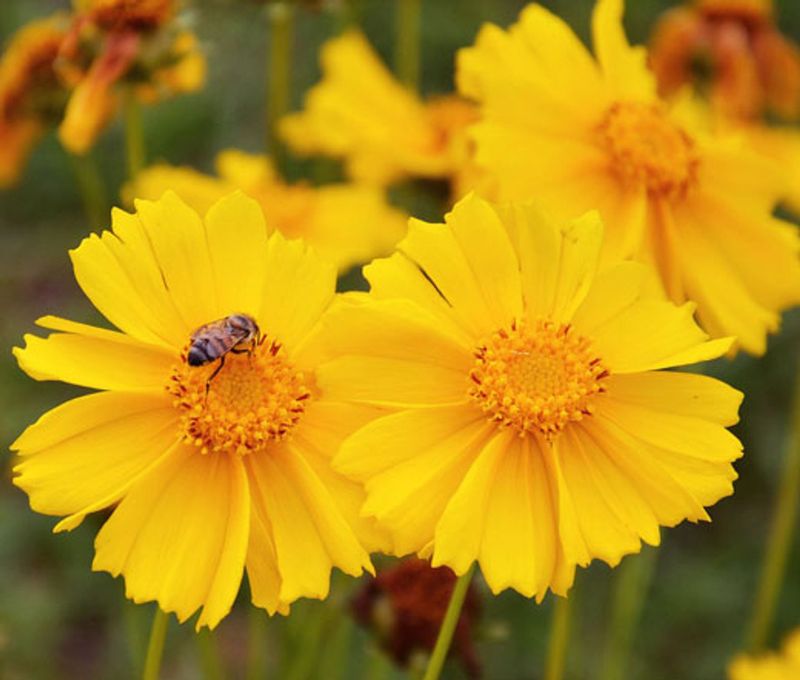
Coreopsis, often called tickseed, is a vibrant wildflower that brings bright yellow blooms to gardens. These hardy plants are drought-tolerant and thrive in full sun, flowering from early summer to fall.
Their daisy-like appearance and cheerful color make Coreopsis a favorite for gardeners looking to add brightness and optimism to their yards. They are also great for attracting butterflies and bees, supporting local pollinators.
Did you know? Coreopsis is the state wildflower of Florida, celebrated for its beauty and resilience.
10. Purple Coneflower
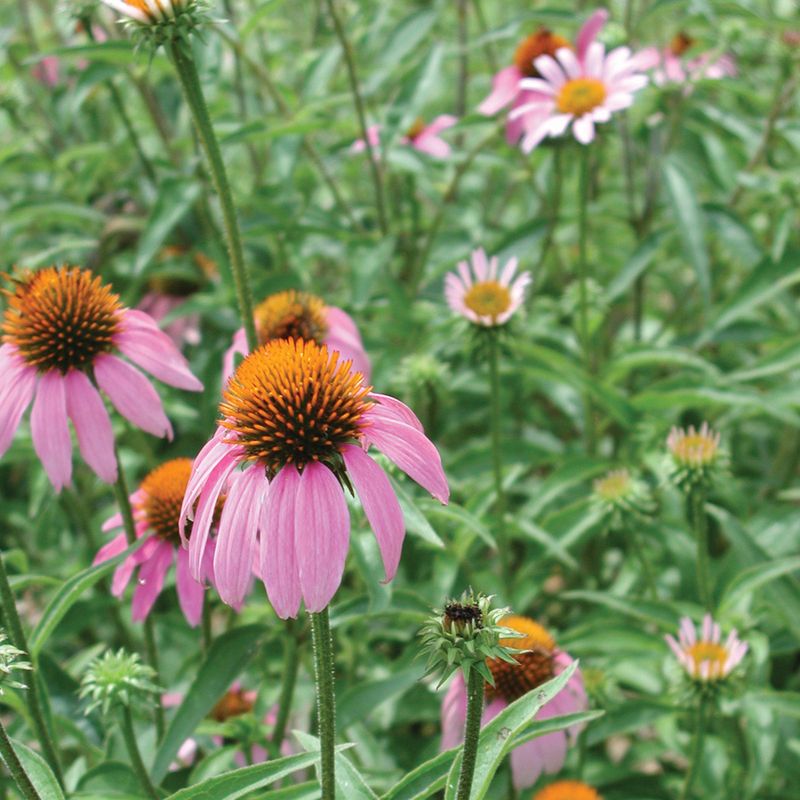
Purple Coneflower, with its striking pink petals and spiky brown center, is a standout in any garden. Known for its medicinal properties, it’s often used in herbal remedies.
These flowers are drought-tolerant and thrive in full sunlight, making them ideal for Texas environments. Blooming from late summer to early fall, they provide a long-lasting display of color and attract various pollinators.
Fun fact: Purple Coneflower is commonly used in echinacea supplements, believed to boost the immune system.