
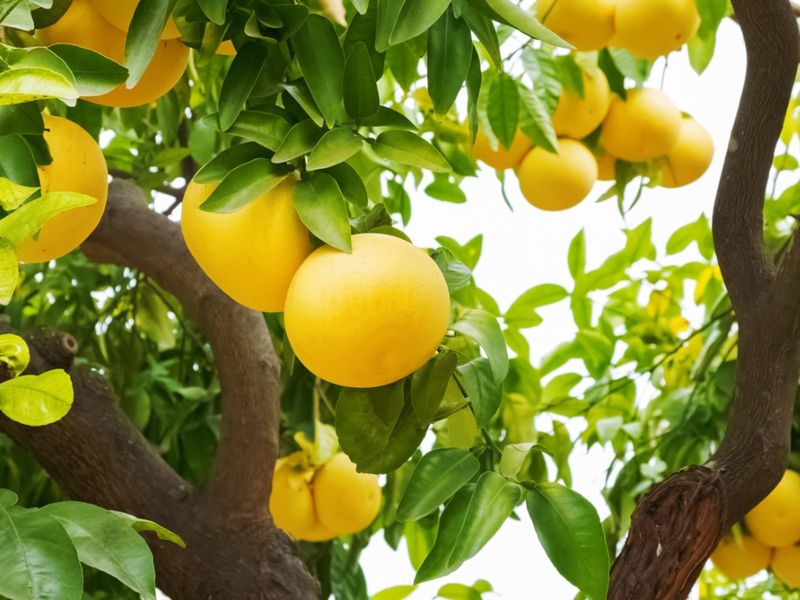
A lemon tree in a pot sounds like the easiest win on a California patio, until it sits there for three years without a single fruit. The truth is that some citrus trees love life in a container and others sulk the whole time.
Picking the right one saves you money, water, and a lot of frustration. Here are the varieties that reliably produce on a small patio, plus the ones you can safely skip.
1. Improved Meyer Lemon
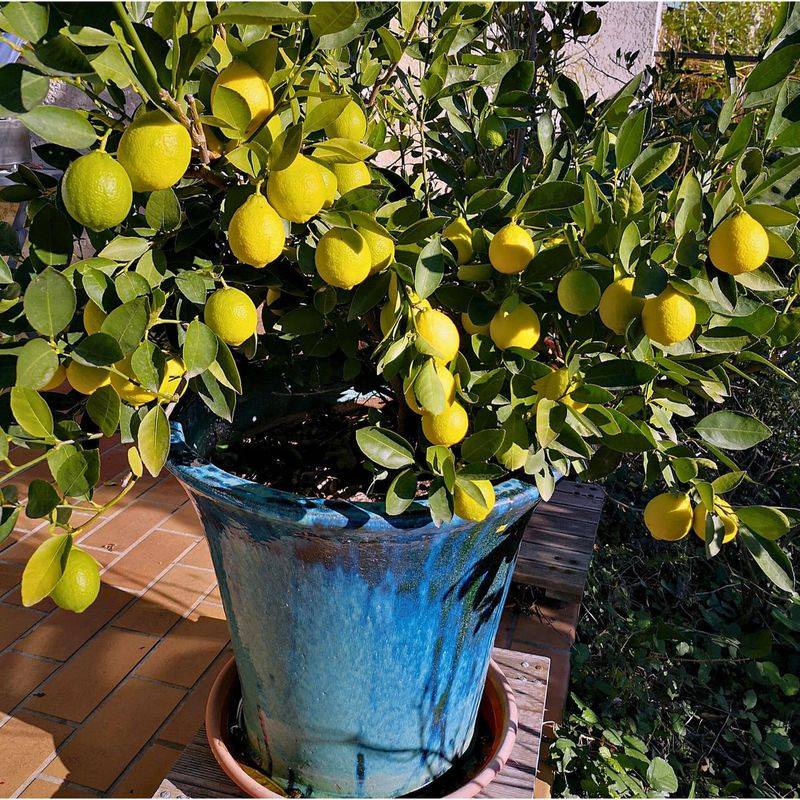
Ask ten California container gardeners which citrus to start with, and most will point straight at the Meyer. It blooms on and off through much of the year, so a pot on a sunny patio can hold flowers and ripe fruit at the same time.
Look for a dwarf tree on Flying Dragon or similar rootstock, since it tends to stay around 4 to 6 feet in a 20-inch pot. The fruit is sweeter and thinner-skinned than a grocery store lemon, which makes it a favorite for lemonade and baking.
Fun fact: the original Meyer carried a virus that threatened commercial groves, so the Improved Meyer was developed as a cleaner version. Always buy from a licensed California nursery, since the state has strict rules aimed at slowing citrus diseases like huanglongbing.
2. Bearss Lime
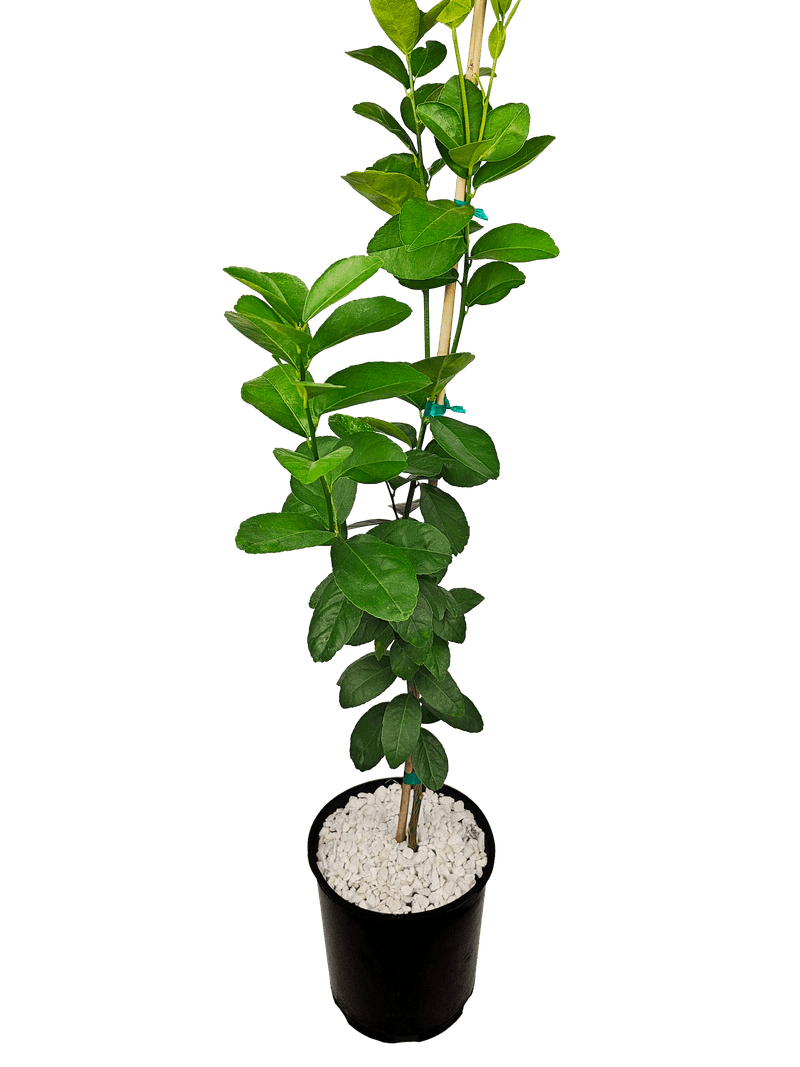
Taco night gets a whole lot better when the limes come from three steps outside your kitchen door. Bearss, also sold as Persian or Tahiti lime, is seedless, juicy, and surprisingly productive on a dwarf rootstock.
It likes heat, so inland valley patios in places like Riverside or Sacramento often see bigger crops than foggy coastal yards. Give it the warmest corner you have, ideally against a south or west wall that radiates heat.
One caution: limes are a bit more cold-sensitive than lemons. If your area dips below freezing, slide the pot onto a plant caddy so you can roll it under an overhang on frosty nights.
3. Nagami Kumquat
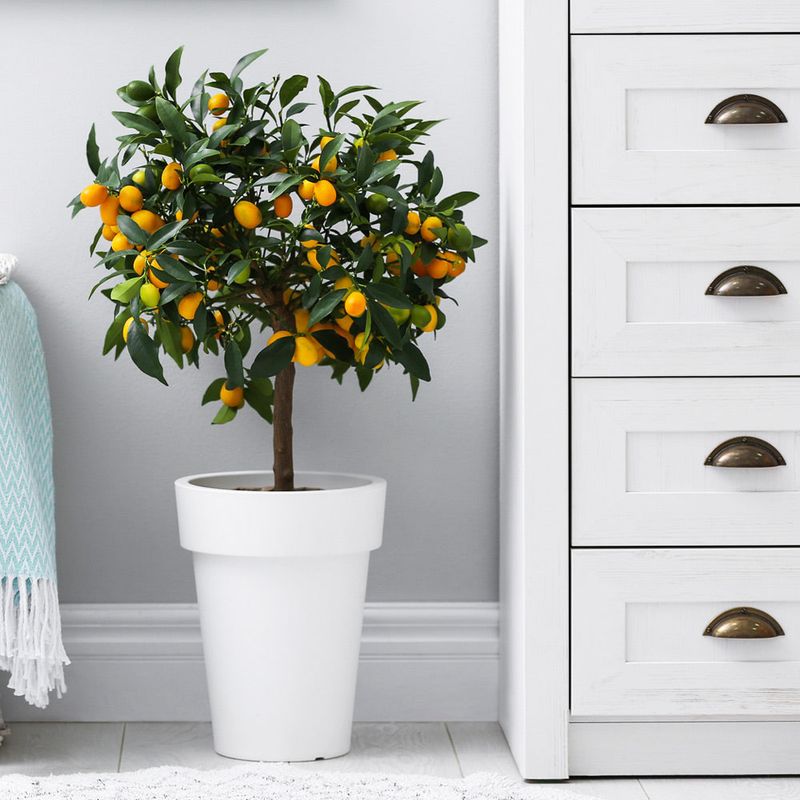
Pop the whole fruit in your mouth, peel and all, and you will understand why kids get hooked on kumquats. The sweet skin and tart center make it a snack that feels like candy.
Kumquats are naturally compact and shrubby, so they handle pots better than almost any other citrus. They also tolerate cooler nights, making them a strong pick for coastal patios where oranges struggle to sweeten.
A single tree can carry hundreds of fruits that hang on for weeks, adding bright color to a small space. Plant a few sweet alyssum at the base and you may attract hover flies, which can help keep aphids in check.
4. Satsuma Mandarin
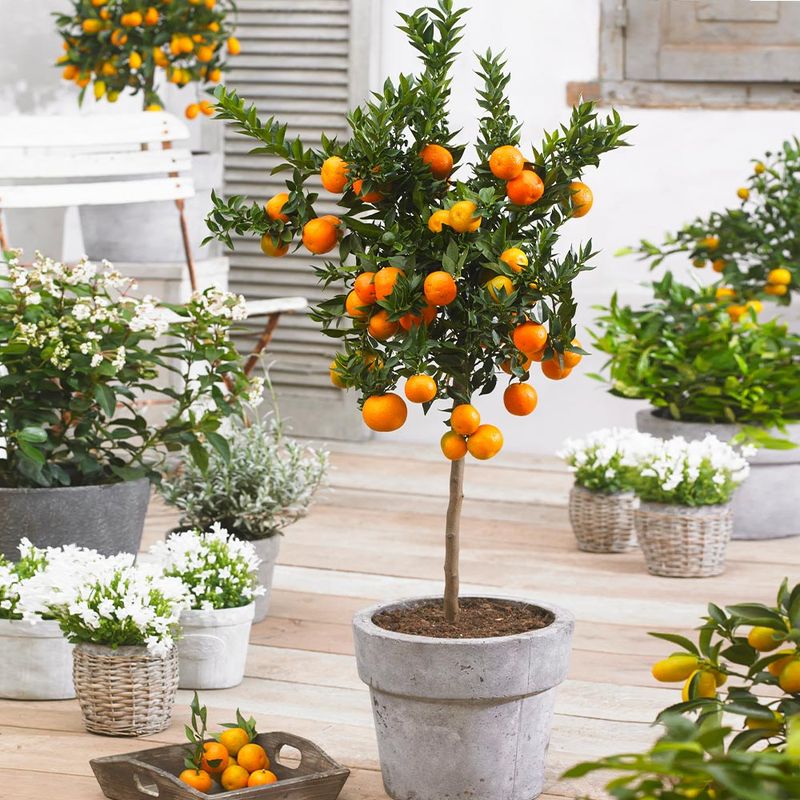
December brings a little gift for satsuma growers: easy-peel, mostly seedless mandarins ready right around the holidays. Owari is the classic variety, and it stays tidy on dwarf rootstock.
Satsumas are among the more cold-hardy citrus, which helps in Central Valley and foothill yards where winter nights get crisp. They ripen early, so the fruit is usually picked before the hardest freezes arrive.
Water deeply, then let the top inch or two of soil dry before watering again. That rhythm uses less water than daily sprinkling and can reduce root rot, a common reason potted mandarins fail.
5. Calamondin
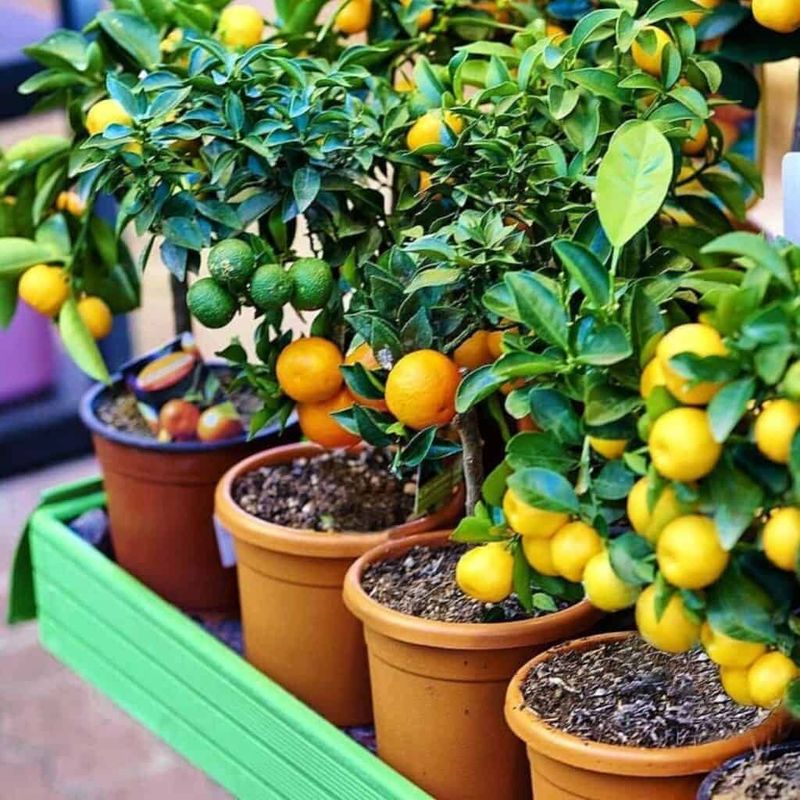
Some citrus earn their spot for the fruit, and calamondin earns it for nearly everything else. The glossy leaves, fragrant white blooms, and marble-sized orange fruit make it look like a decorated topiary year-round.
The fruit is very sour, closer to a lime than an orange. Many Filipino families in California use it for marinades, drinks, and dipping sauces, so you will not be short on ways to use the harvest.
It handles partial shade better than most citrus. That makes it a smart choice for a porch or entry where you only get five or six hours of direct sun.
6. Eureka or Lisbon Lemon (Skip Unless Dwarf)
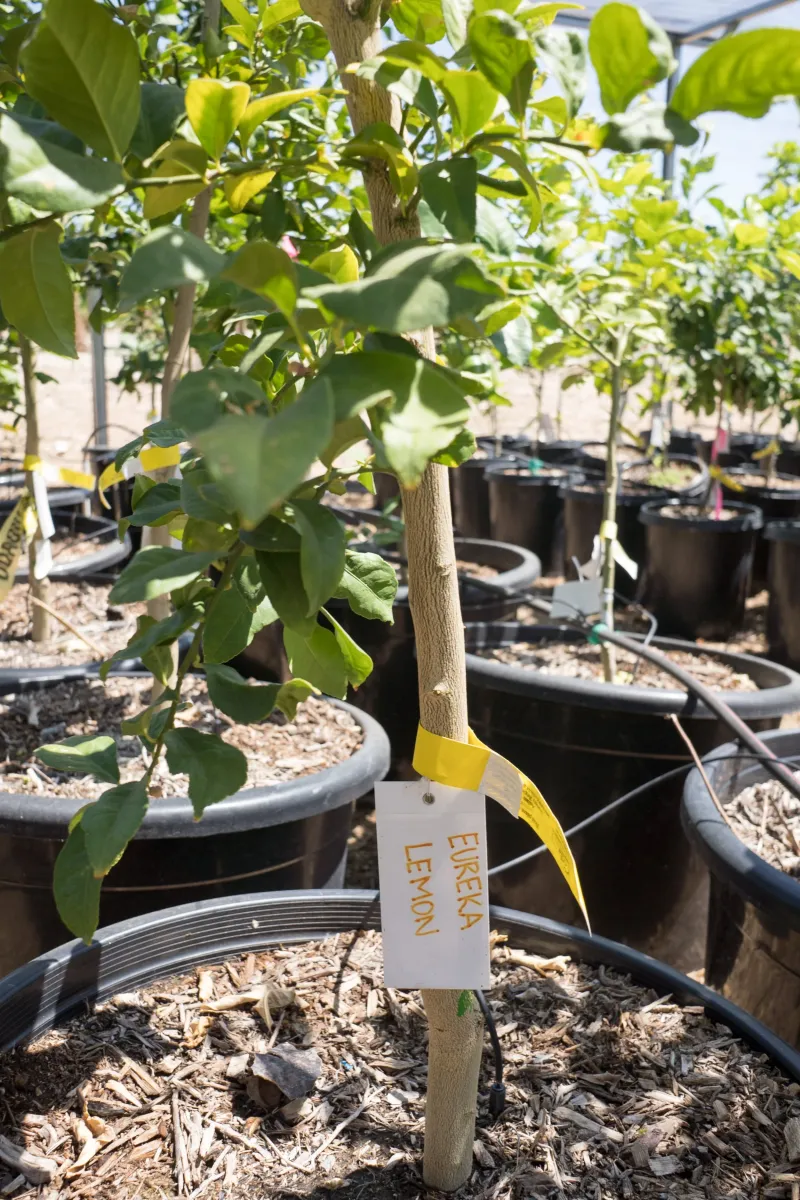
Here is where many patio growers go wrong. Eureka and Lisbon are the lemons you buy at the store, and on standard rootstock they want to become 20-foot trees.
Squeezed into a pot, a standard tree often grows thorny, leggy branches and sets few lemons while it fights its own roots. Lisbon in particular can be quite spiny, which is no fun next to patio chairs.
If you really want the classic tart lemon, look for a clearly labeled dwarf version and a pot of at least 20 gallons. Otherwise, the Meyer will likely give you more fruit with less hassle.
7. Grapefruit (Skip)
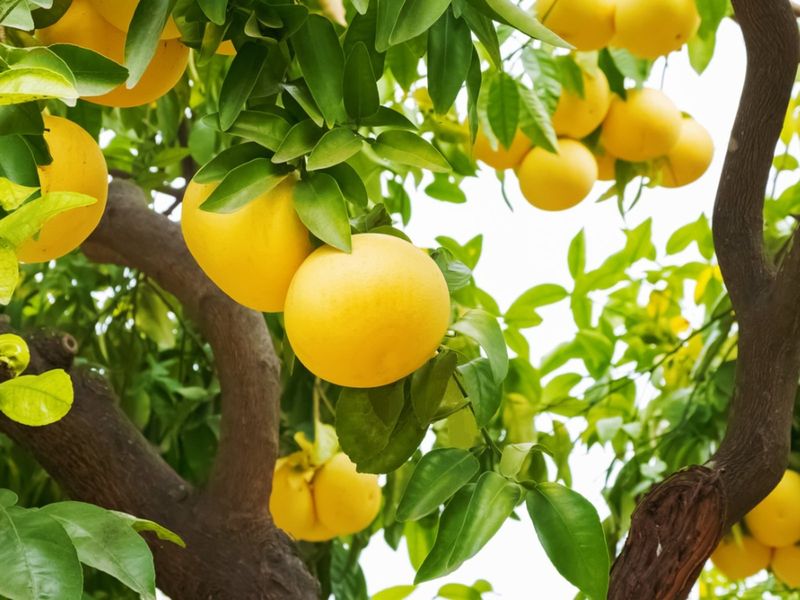
Grapefruit needs a serious amount of summer heat to turn sweet. In a pot on a mild coastal patio, you might wait more than a year for fruit that still tastes sour and thick-skinned.
The trees also grow large and heavy, and the fruit itself weighs down branches in a way small containers struggle to support. Even desert-area gardeners tend to have better luck with grapefruit in the ground.
If you love the flavor, a neighbor’s backyard tree or the farmers market may be the better plan. Save the patio pot for something that will reward you sooner.
8. Navel and Valencia Oranges (Skip on Tiny Patios)
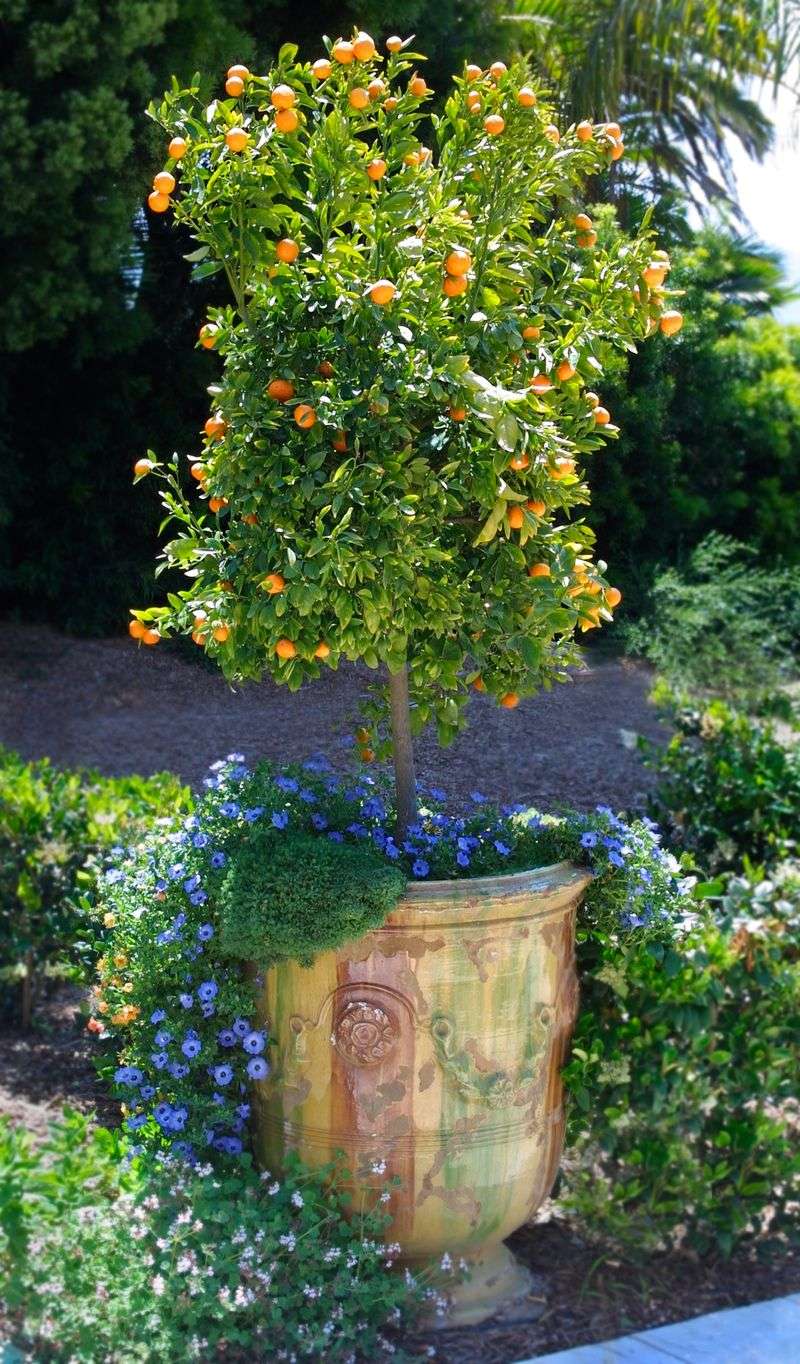
Oranges feel like the ultimate California tree, so it stings to put them on the skip list. Dwarf navels and Valencias can fruit in pots, but the harvest on a truly small patio is often just a handful.
They want lots of sun, warm summers, and big containers, ideally 25 gallons or more. Valencias also hold fruit for months, which ties up the tree and can lead to lighter crops the next year.
If you have a roomy, sun-baked patio, a dwarf navel is worth a try. For a tight balcony, a mandarin gives you a similar sweet treat in a far more manageable package.
9. Finger Lime and Other Trendy Picks (Skip for Beginners)
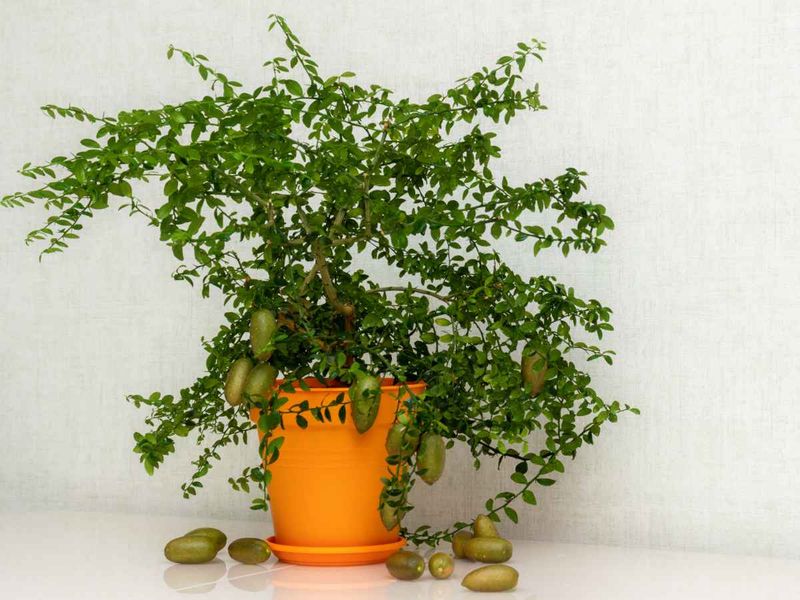
Social media loves finger limes, with their tiny pearl-like pulp that pops like citrus caviar. In real life, they can be slow, thorny, and stubborn about fruiting in a container.
Many potted finger limes take several years before producing much, and the spines make pruning and picking a chore. Yuzu and Buddha’s hand fall into a similar camp, rewarding patience more than quick results.
Start with an easy producer like a Meyer or kumquat first. Once you have the watering and feeding routine down, a trendy variety becomes a fun second project instead of a frustrating first one.