
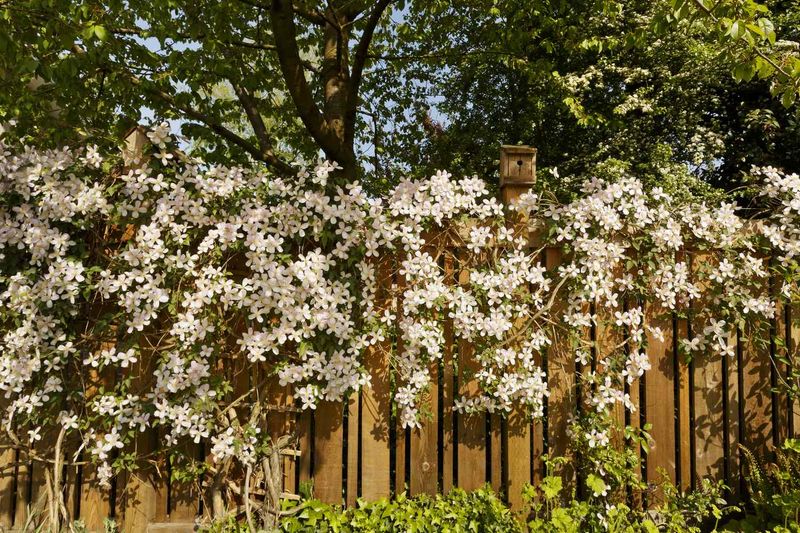
A bare fence can make even a nice California yard feel unfinished, and plenty of homeowners want it covered fast. The tricky part is that some vigorous climbers send roots or heavy woody vines into walls and footings, causing real damage over time.
The good news is you can get quick, leafy coverage using climbers that stay well-behaved near your foundation. Here are eight California-friendly picks that fill in a fence quickly while playing nice with the structure underneath.
1. Star Jasmine (Trachelospermum jasminoides)
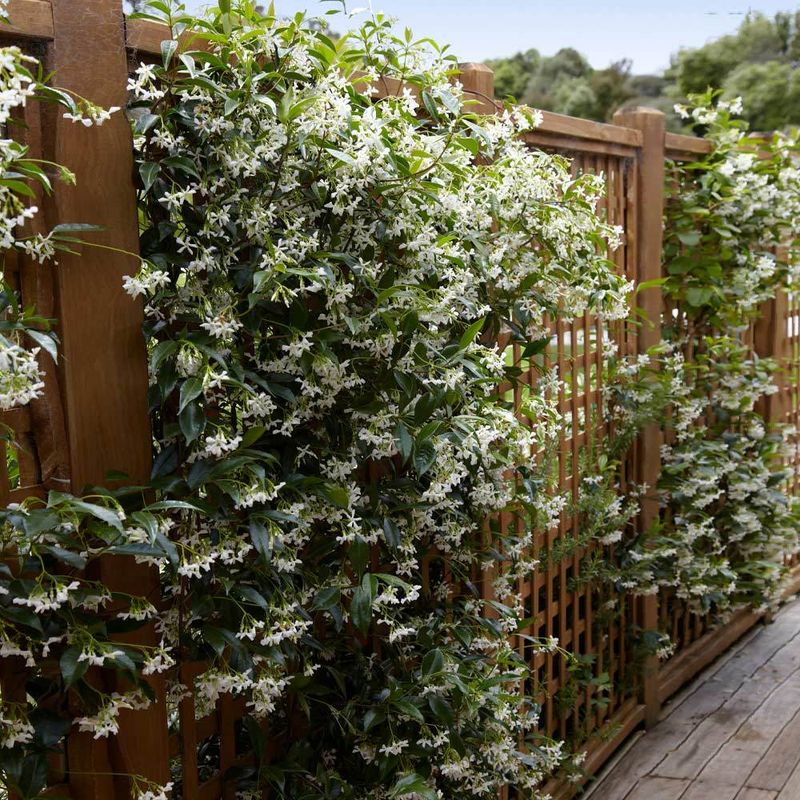
Few climbers give you as much reward for so little trouble as star jasmine. It twines with soft, flexible stems rather than digging in with destructive clinging roots, so it leans on a fence instead of attacking whatever is behind it.
In California’s mild coastal and inland zones, it grows fast enough to blanket a section of fence in a season or two. The creamy white blooms release a sweet scent in late spring that drifts across the whole yard.
Once established, it handles dry summers with only occasional deep watering, which fits our long rainless stretches nicely. Give it a trellis or wires to grab, keep it a few inches off any stucco wall, and it stays a tidy green curtain rather than a foundation problem.
2. California Wild Grape (Vitis californica ‘Roger’s Red’)
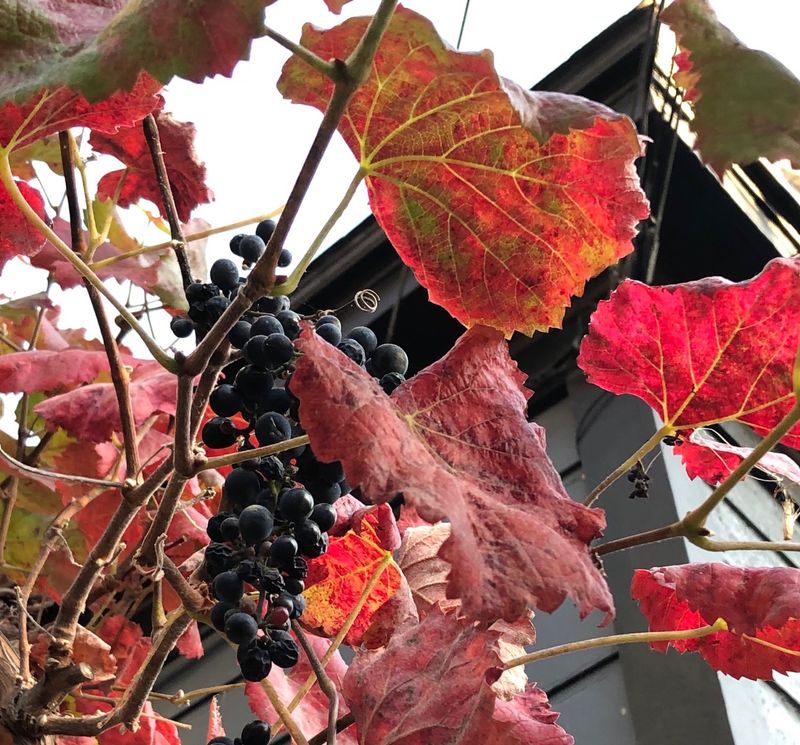
Want a native that shows off? California wild grape climbs with tendrils, not invasive anchors, so it grabs a fence or wire and leaves your footings alone.
This is one of the fastest native cover-ups you can plant, throwing out long shoots that fill gaps in a single warm season. Come fall, ‘Roger’s Red’ turns a blazing crimson that few other climbers can match.
Because it belongs here, it supports local birds and native insects, feeding into the wildlife-friendly yard so many California homeowners are aiming for. Cut it back hard in winter and it bounces right back, staying vigorous without turning into a woody wall-wrecker.
3. Pink Jasmine (Jasminum polyanthum)
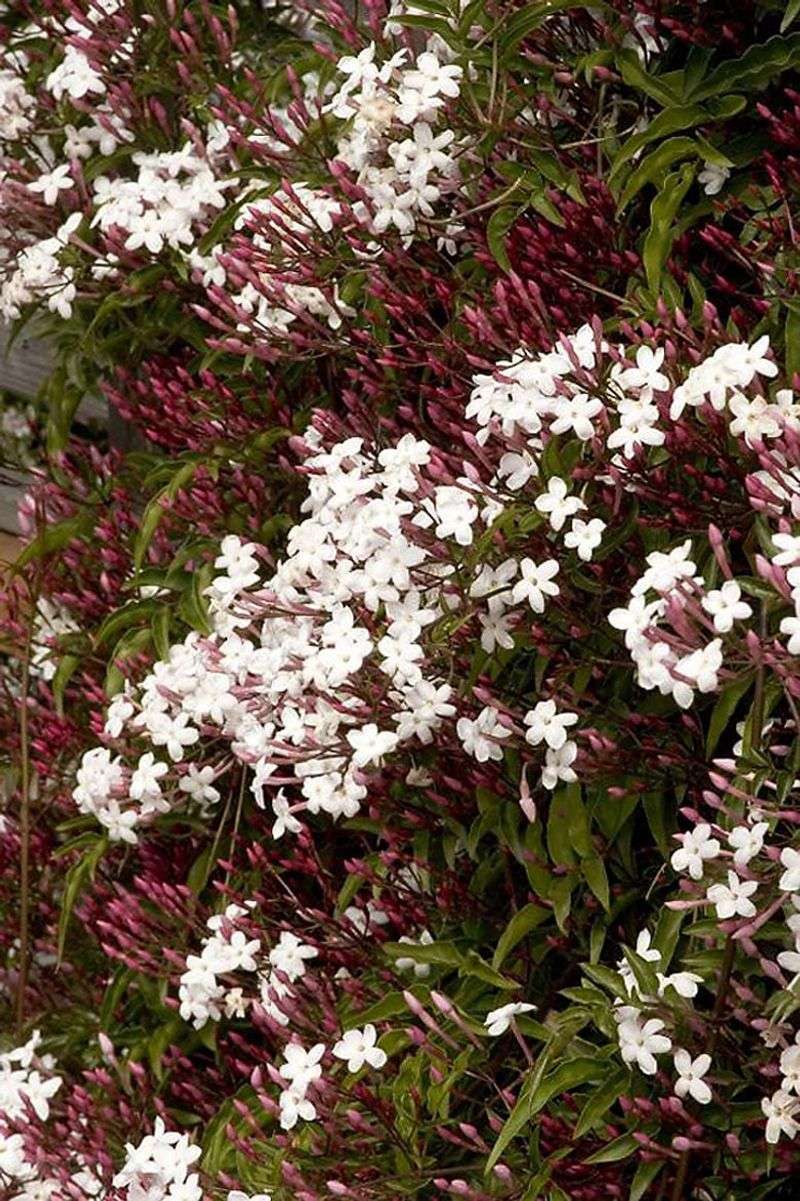
If speed is your priority, pink jasmine is almost aggressive about getting the job done. It twines its way across a fence in a hurry, piling up soft growth that hides ugly panels within a season.
Late winter into spring brings a flood of pink buds opening to white flowers, and the perfume can fill a whole coastal patio. It thrives in California’s mild-winter zones and shrugs off summer dry spells once its roots are down.
Because the stems are twining and non-woody at the base, it does not pry into masonry the way clinging aggressors do. Keep it thinned each year so it does not smother nearby plants, and it stays a fragrant, fast-filling favorite.
4. Bower Vine (Pandorea jasminoides)
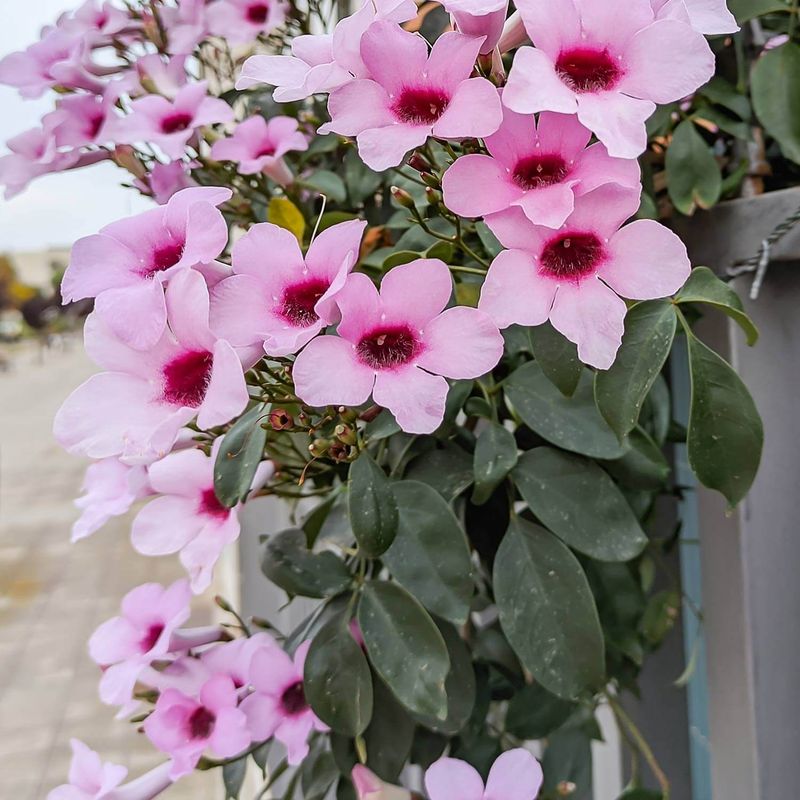
Bower vine looks fancy but behaves like an easygoing roommate. Its glossy leaves stay green most of the year in mild California climates, giving you evergreen fence cover instead of a bare tangle in winter.
The trumpet-shaped pink flowers with dark throats bloom for months across our long warm season, drawing hummingbirds right up to the fence line. It twines gently and does not send clinging feet into stucco or slab.
Give it a sunny spot and a support to weave through, and it fills in quickly without becoming a bully. Water it through the first summer, then let it settle into a low-fuss routine that suits dry-climate yards.
5. Lilac Vine (Hardenbergia violacea)
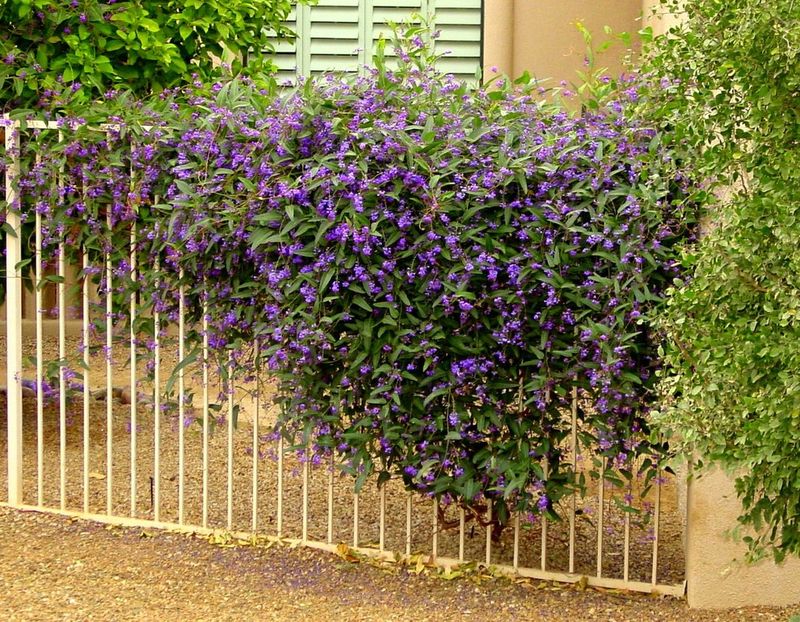
Just when the yard looks tired in late winter, lilac vine bursts into cascades of purple blooms that stop people in their tracks. This Australian native loves California’s Mediterranean climate and asks for very little water once rooted.
It climbs by twining, staying lightweight against a fence rather than boring into anything solid. The narrow evergreen leaves keep coverage year-round, so the fence never goes fully naked.
Because it stays modest in size compared to woody bruisers, it works beautifully on smaller suburban fences and side yards. Trim it after flowering to keep it dense, and it rewards you with a purple show every year while sipping barely any water.
6. Cape Honeysuckle (Tecoma capensis)
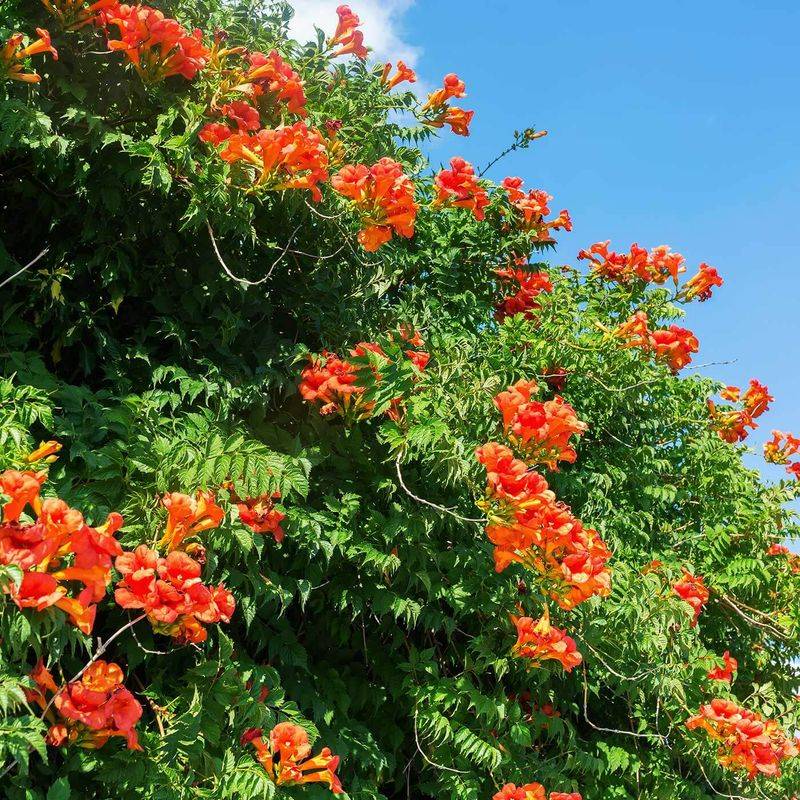
Bright orange flowers and a steady parade of hummingbirds make cape honeysuckle a magnet for anyone who wants a lively fence line. It grows fast and dense, filling gaps with glossy foliage that stays green through mild winters.
Technically more of a scrambling shrub than a true clinger, it leans and sprawls against a fence without prying into masonry or footings. That habit makes it a safe choice near walls where you would never risk a destructive vine.
It laughs at heat and drought once settled, which suits inland valley yards perfectly. Prune it a few times a year to keep it shaped, and it repays you with tubular blooms that feed pollinators through most of the warm season.
7. Coral Vine (Antigonon leptopus)
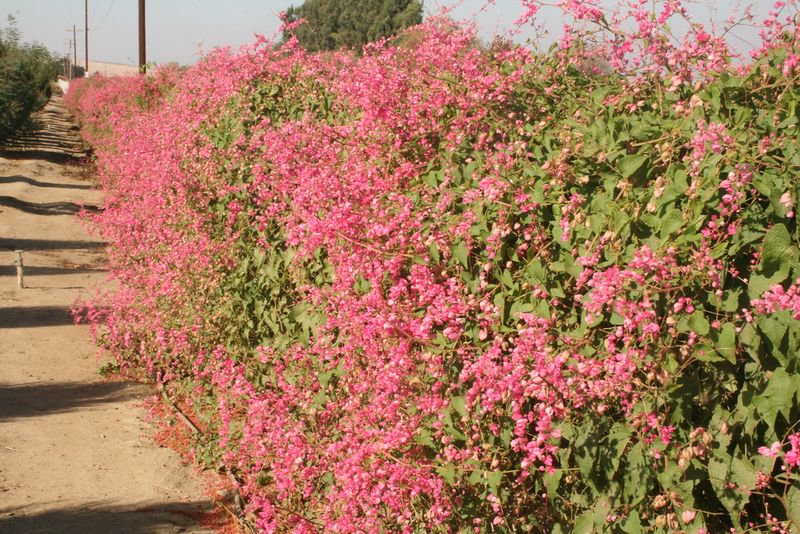
For summer color when everything else is fading, coral vine throws sprays of bright pink blooms across a fence like confetti. It climbs with tendrils, grabbing onto wire or lattice instead of clawing into your wall.
Heat and drought only seem to encourage it, making it a strong pick for hot inland California yards. Bees and butterflies flock to the flowers, adding to the pollinator activity so many homeowners want to see.
Keep in mind it can reseed, so deadhead spent flowers and pull volunteers to keep it in bounds. Managed that way, it delivers a fast, foundation-safe blast of color exactly when the summer garden needs it most.
8. Sweet Pea Shrub / Twining Clematis (Clematis lasiantha)
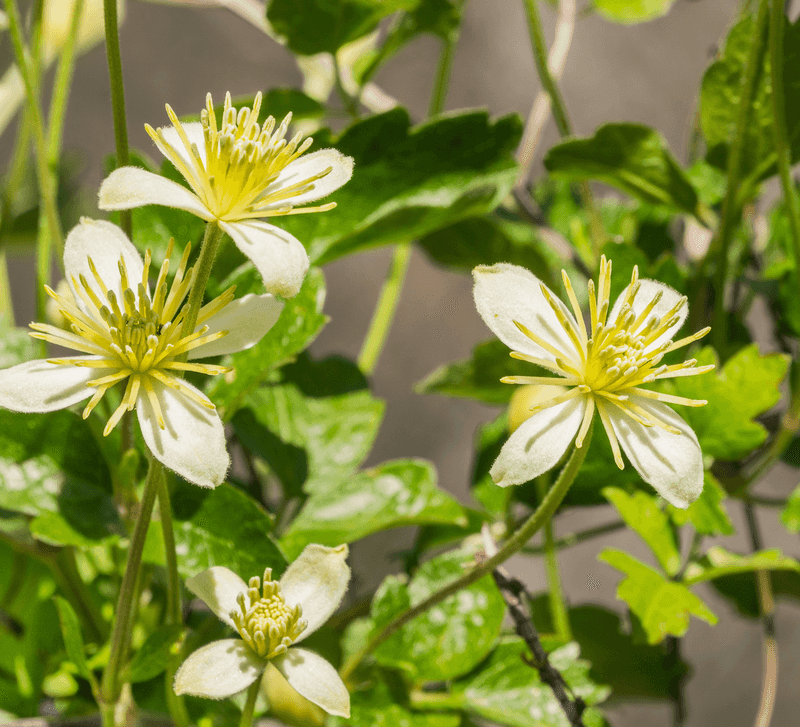
Native chaparral clematis brings a wild, natural look to a fence without any of the wall-wrecking baggage of tougher vines. It climbs by wrapping its leaf stems around supports, so it holds on gently and never digs into concrete.
Spring brings creamy star-shaped flowers, followed by fluffy silvery seed heads that catch the light and feed the local scene. Being a true California native, it fits right into a water-wise, wildlife-friendly plan and handles our dry summers with ease.
It works especially well on fences near natural or hillside areas where a softer, less manicured look feels right at home. Give it something thin to grab, cut it back after seeding, and it fills space quickly while keeping your foundation completely untouched.