
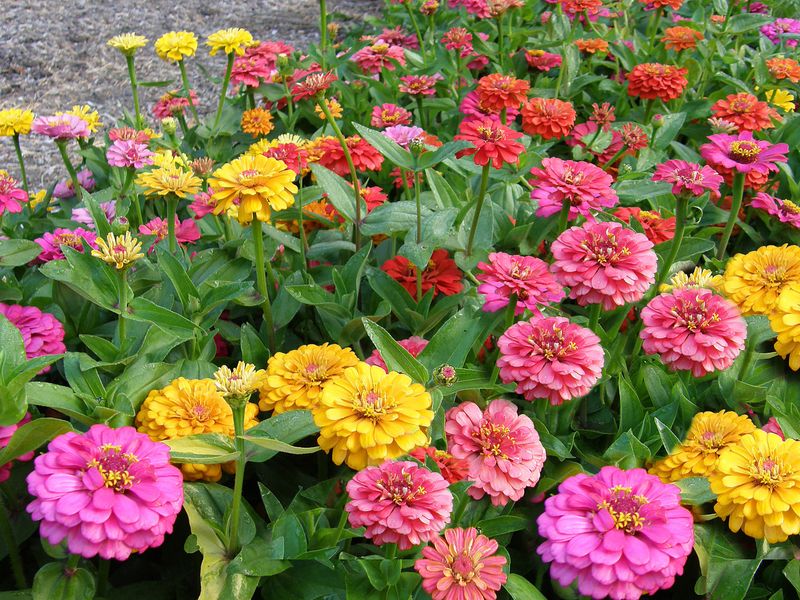
Fall in California can still bring long, dry, warm days that leave a lot of gardens looking tired and crispy. The good news is that some flowers actually love that lingering heat and keep blooming when other plants throw in the towel.
If you want color that lasts into autumn without draining your water bill, these tough bloomers are worth a spot in your yard. Here are eight flowers that thrive in California’s warm fall stretch and keep the pollinators coming.
1. California Fuchsia (Epilobia canum)
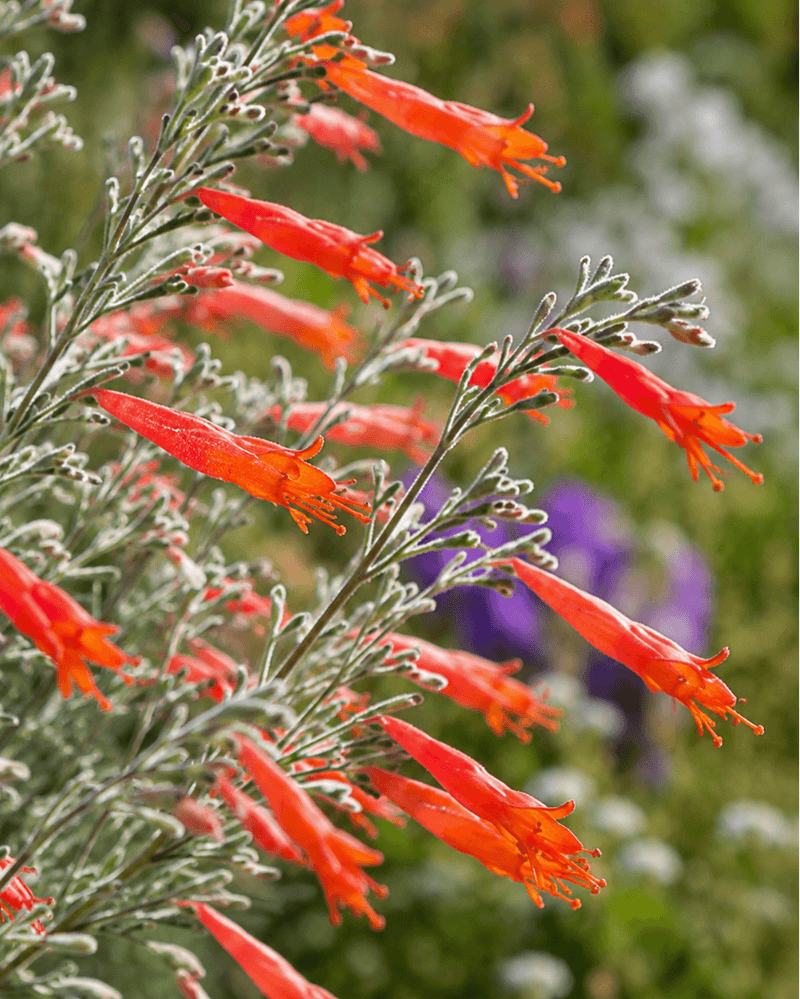
Right when most summer flowers give up, California fuchsia lights up with fiery orange-red tubes that hummingbirds cannot resist. It is a true native, so it is built for our dry Mediterranean climate and long warm autumns.
This low, spreading plant asks for almost nothing once it settles in. Full sun, sharp drainage, and very little water are all it wants, which makes it perfect for water-wise inland and coastal yards alike.
Fun bit of timing: its peak bloom often lands in September and October, exactly when migrating and resident hummingbirds need the fuel most. Plant it along a slope or dry border and you get color plus a wildlife payoff with zero fuss.
2. Lantana
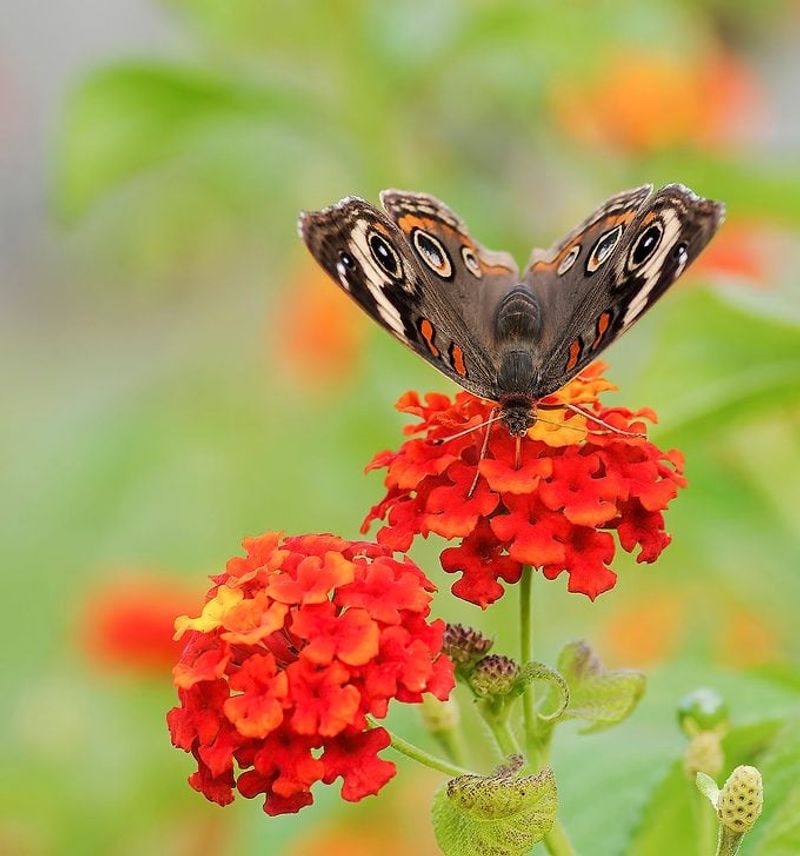
Few plants shrug off heat the way lantana does. While your petunias are melting, lantana keeps pumping out clusters of tiny flowers in candy colors that butterflies swarm all afternoon.
Heat is basically its fuel. The hotter and sunnier the spot, the harder it blooms, which makes it a reliable pick for inland valley gardens that bake well into October.
A quick word of caution for California homeowners: some lantana can spread aggressively and certain forms are considered invasive in parts of the state. Choose sterile or well-behaved varieties, keep it contained, and you get nonstop color that supports pollinators without creating a problem down the road.
3. Salvia (Autumn Sage and California Natives)
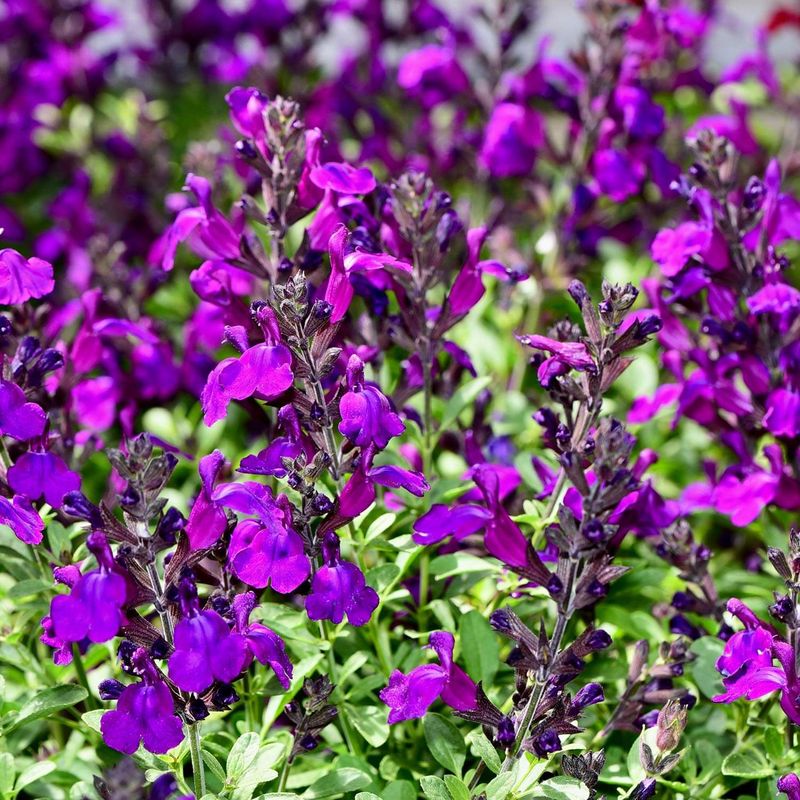
Bees and hummingbirds treat salvia like an all-you-can-eat buffet, and the plant happily obliges deep into fall. Autumn sage, true to its name, hits a second wind when the weather stays warm and dry.
What makes salvia special is the range. There are native California options like Cleveland sage and hummingbird sage, plus tough hybrids that handle heat, poor soil, and skipped waterings without complaint.
Give it sun and let the soil dry between drinks, and it rewards you with spikes of red, purple, or blue for weeks. Snip off spent flower stalks and many salvias will push out fresh blooms right through the warm autumn stretch.
4. Blanket Flower (Gaillardia)
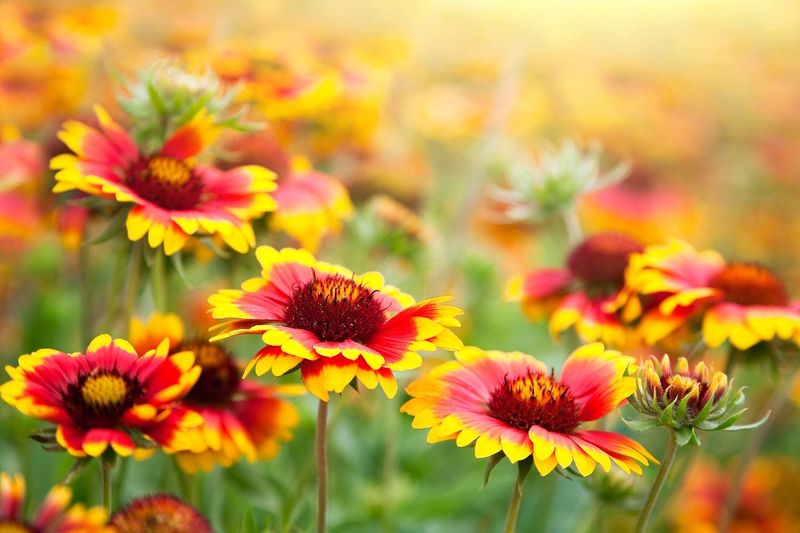
Picture a sunset packed into a single flower and you have gaillardia. Its red-and-yellow daisy faces seem to glow, and they keep coming long after the summer show is over.
Drought is no threat here. Blanket flower actually prefers lean soil and hot, sunny spots, so it fits right into a low-water California border where fussier plants would sulk.
It also earns its keep with wildlife. Bees and butterflies work the blooms all day, and if you leave a few seed heads standing, finches will show up to snack.
Deadhead now and then for even more flowers stretching toward the first cool nights.
5. Zinnia
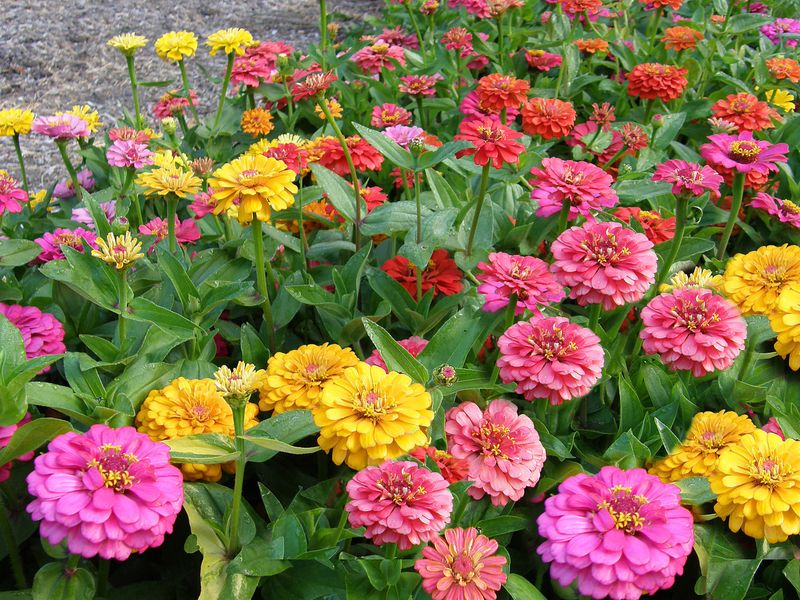
Cheerful almost to a fault, zinnias are the flower that keeps grinning through a heat wave. Plant them in late summer and they will still be throwing out bold blooms when your neighbors’ beds have gone quiet.
They love heat, sun, and a good chop for bouquets, which is why cutting gardeners adore them. The more you cut, the more they bloom, so a single row can supply the kitchen table for weeks.
Butterflies, especially, treat zinnias like a landing pad, floating from flower to flower on warm afternoons. For California yards that get scorching fall sun, few annuals give this much color for so little effort.
6. Cosmos
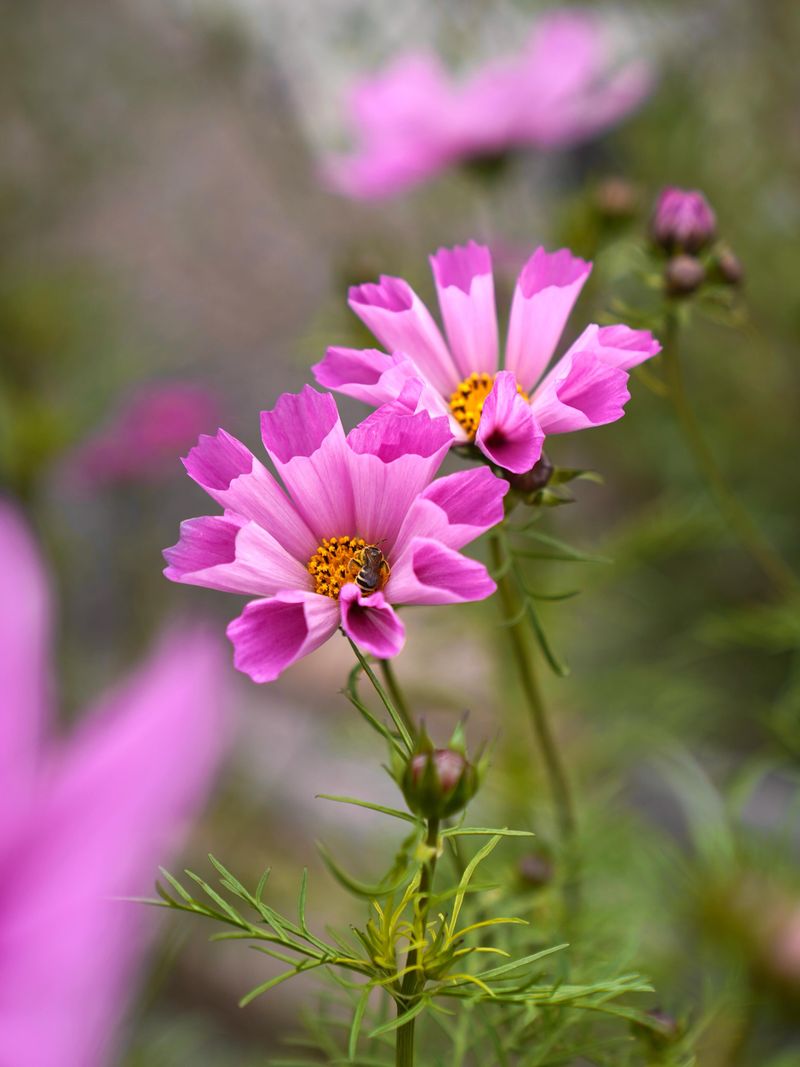
Light, airy, and almost weightless, cosmos dance on tall stems whenever a warm breeze passes through. They look delicate, but do not let that fool you; these are among the toughest heat-lovers you can grow.
Poor soil is a feature, not a bug. Give cosmos too much rich soil or water and you get leaves instead of flowers, so they are made for the lean, dry conditions of a California fall.
Pollinators adore the open, flat blooms because they are easy to land on. Scatter seeds in late summer and you can have clouds of pink, white, and magenta swaying above the garden well into autumn.
7. Marigold
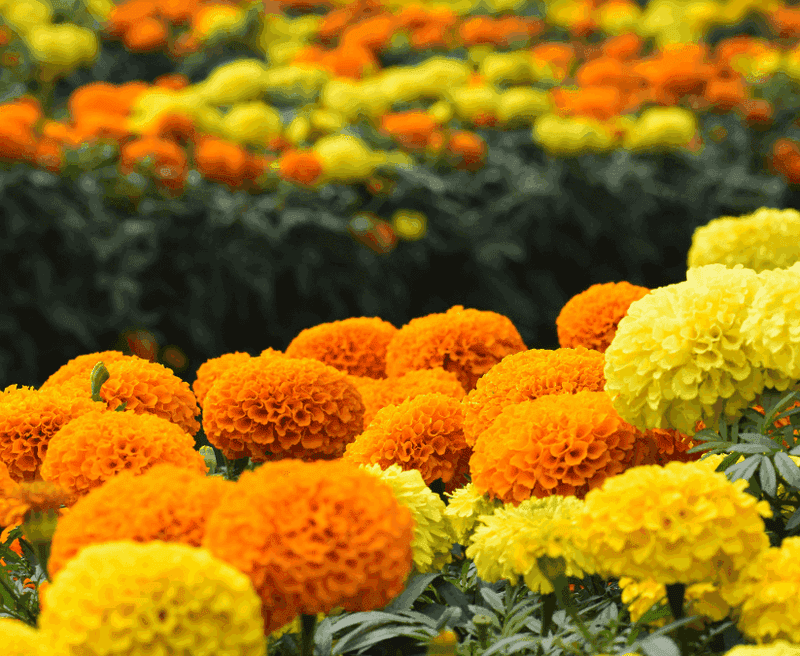
There is a reason grandmothers everywhere tucked marigolds along the vegetable patch. Their bold gold and orange pom-poms keep glowing through heat that would flatten more tender flowers.
Beyond the color, marigolds pull double duty. Gardeners often plant them near tomatoes and peppers because their strong scent can help deter certain pests, giving your fall veggies a little backup.
They ask only for sun and occasional deadheading. In California’s warm autumns, a border of marigolds stays crisp and bright while feeding bees and adding an easy shot of curb appeal near the front walk.
8. Yarrow (Achillea)
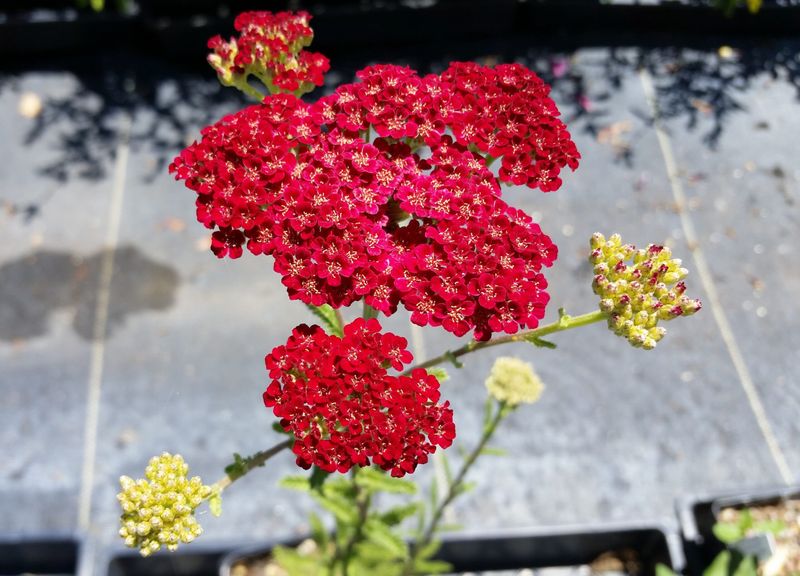
Flat-topped clusters of tiny blooms make yarrow look like a landing strip for good bugs, and that is exactly its superpower. Ladybugs, lacewings, and native bees flock to it, quietly helping keep your garden pests in check.
Drought does not faze this one at all. Yarrow shrugs off heat, poor soil, and long dry spells, and several forms are California natives perfectly suited to our summers that stretch deep into fall.
Colors range from soft white and butter yellow to warm reds and peaches. Cut a few stems for the vase or leave them standing, and yarrow keeps offering blooms and beneficial insect habitat right through the warm season.