
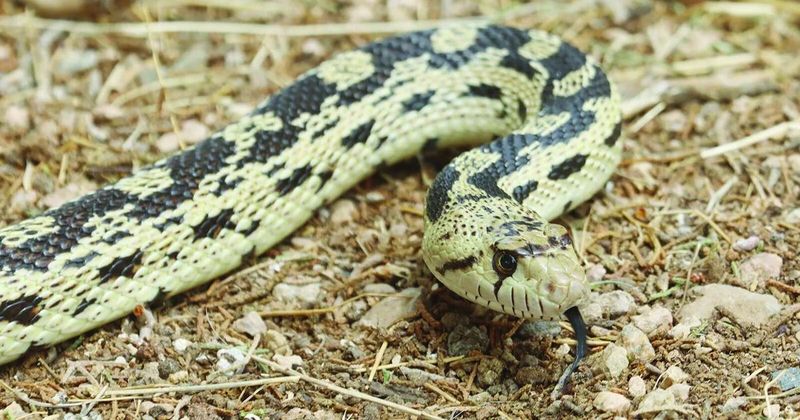
Spot a thick, patterned snake moving through your California garden and your first instinct might be to grab a shovel. Before you act, consider that the animal coiling near your raised beds could be one of the yard’s most effective native predators, quietly working on the same rodent problem you’ve been fighting all season. Gopher snakes are nonvenomous, native to California, and often killed by homeowners who mistake them for rattlesnakes. Knowing the difference, and knowing what to do instead, can protect both your garden and a beneficial piece of local wildlife.
A gopher snake may help your yard—but it is not a complete pest-control program
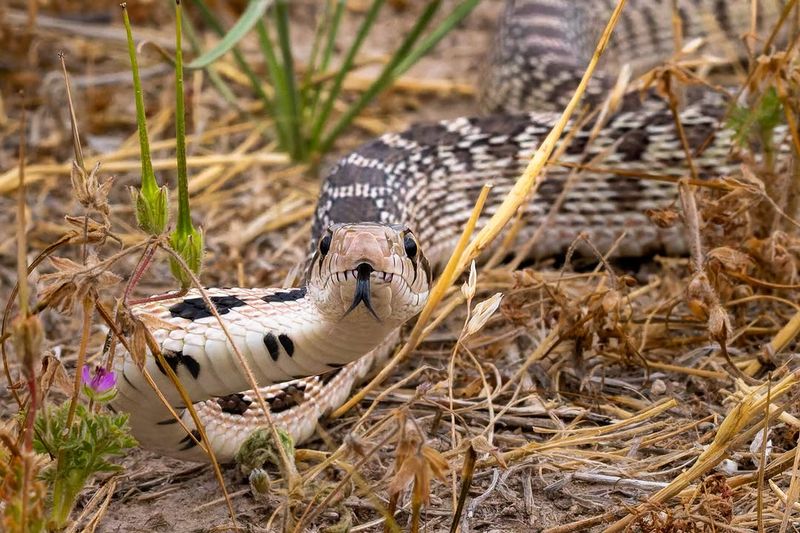
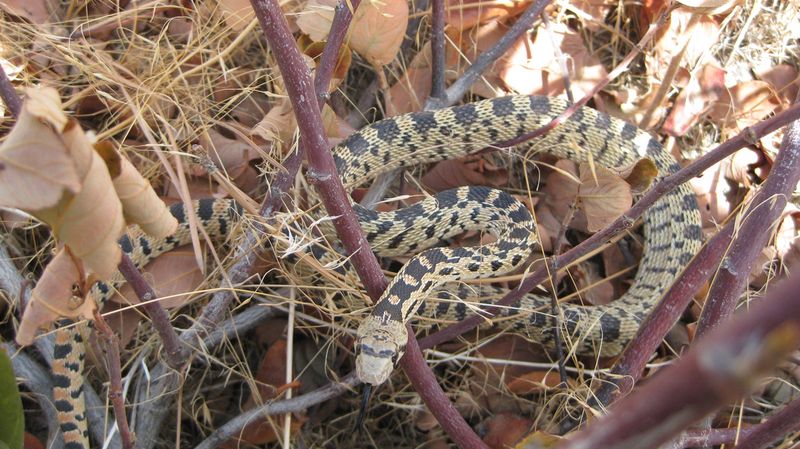
Native to a wide range of California habitats, the gopher snake (Pituophis catenifer) shows up regularly in suburban yards, crawl spaces, and garden beds. California Herps’ species account notes that gopher snakes are active hunters capable of entering rodent burrows directly, which puts them in contact with prey that traps and poisons often miss. Finding one near your vegetable beds or compost pile is not unusual, and it is not automatically a problem worth solving.
Calling the gopher snake the best rodent control available would overstate what the science actually shows. OEHHA’s California ecotoxicology profile documents gopher snakes consuming ground squirrels, pocket gophers, mice, meadow mice, woodrats, cottontails, and other prey, which supports the label of rodent predator. What it does not support is the promise that a single resident snake will eliminate or even meaningfully reduce every pest causing damage in a particular yard.
UC IPM’s guidance on pocket gophers is explicit on this point: natural predators such as snakes, hawks, and owls generally consume too few gophers to maintain low populations on their own, especially in smaller, intensively managed garden spaces. The snake may contribute to natural predation and is worth leaving alone for that reason. Persistent or worsening damage, however, still calls for targeted management matched to the specific pest causing it.
Think of a resident gopher snake as a useful part of the yard’s ecology rather than a standalone fix. Its presence can reduce pressure from some rodents over time, but it does not replace monitoring, exclusion, or properly chosen trapping when a real infestation takes hold. Keeping the snake alive and undisturbed costs nothing and adds a layer of natural predation that chemical or mechanical controls cannot replicate.
Why a gopher snake can look like a rattlesnake
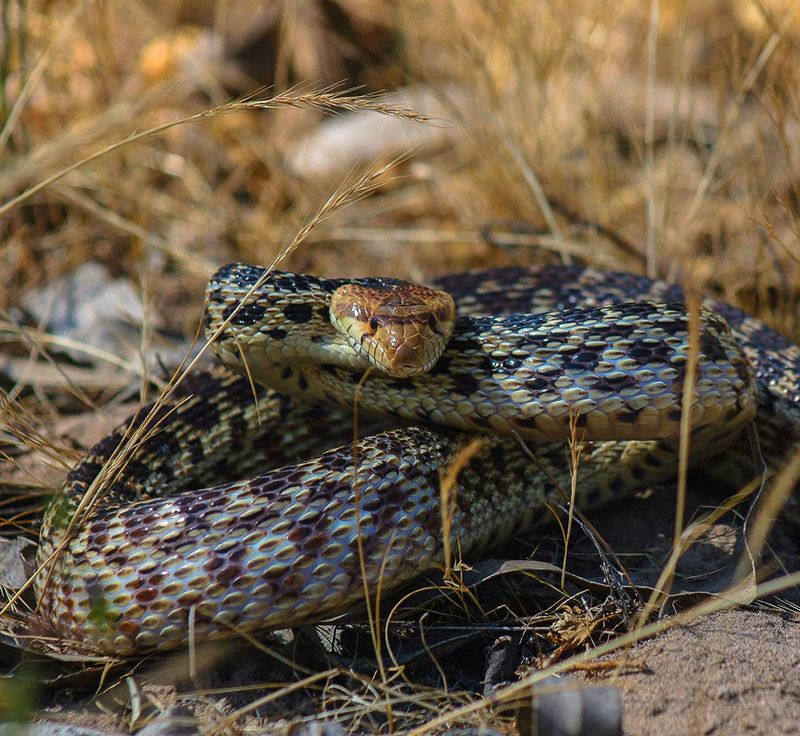
When a gopher snake feels cornered or threatened, it puts on a convincing performance. California Herps describes the defensive repertoire: the snake flattens and widens its head into a more triangular shape, pulls its body into a loose coil, hisses loudly, and vibrates its tail rapidly against the ground or dry leaves. To someone who has never seen this behavior up close, the display can be genuinely alarming.
The tail vibration is the detail that causes the most confusion. When a gopher snake’s tail strikes dry grass or gravel, it produces a buzzing sound that resembles a rattlesnake’s warning. California State Parks’ snake safety page acknowledges the similarity and notes that gopher snakes are among the species most commonly confused with rattlesnakes for exactly this reason. The vibration is a defensive bluff, not evidence of a rattle.
Recognizing that behavior, however, is not the same as safely identifying the snake. CDFW’s rattlesnake guidance advises against handling any snake, and UC IPM’s rattlesnake page reinforces that coloration, head shape, and tail behavior are not reliable identification tools in the field. A rattlesnake may not always display its rattle clearly, and a gopher snake’s defensive mimicry can be convincing enough to fool experienced observers.
The practical takeaway is straightforward. If a snake in your yard looks threatening, sounds threatening, or cannot be identified with confidence, treat it as potentially dangerous and give it room. The goal is not correct identification from a few feet away; it is creating enough distance that neither you nor the snake is at risk.
Its broad diet includes rodents, but not necessarily the pest damaging your beds
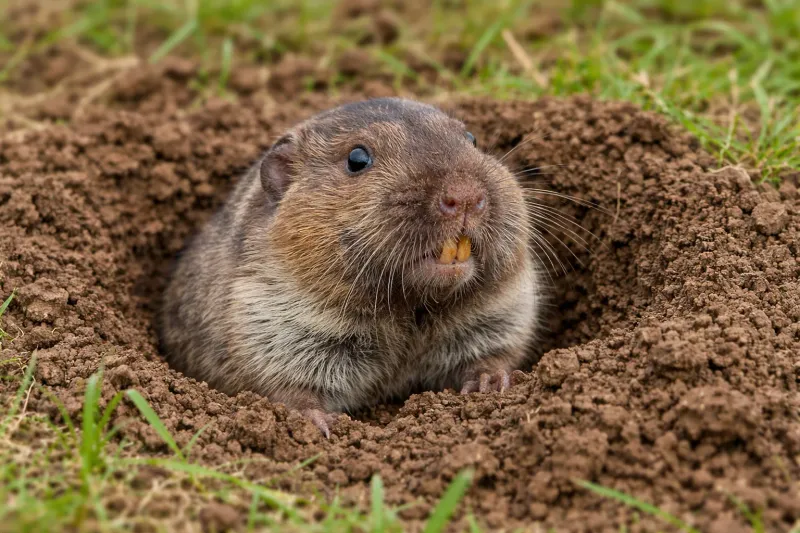
The name “gopher snake” suggests a specialist, but the animal’s actual diet is considerably broader. A major diet review drawing on more than 2,600 specimens found substantial geographic and size-related variation in what gopher snakes eat across their range. Prey included small mammals, birds, eggs, lizards, and other vertebrates, with the proportion of each varying significantly by region and individual snake size.
California-specific records add more detail. The OEHHA ecotoxicology profile for the species documents consumption of pocket gophers, ground squirrels, woodrats, cottontails, mice, and meadow mice in California populations. That list confirms gopher snakes as genuine rodent predators. What it does not confirm is that a gopher snake living near your vegetable beds will target the specific animal tunneling under your raised planters or gnawing your drip line.
Roof rats and Norway rats, the two most common suburban rat species in California, are not well represented in published gopher snake diet studies. A gopher snake may take a young or small rat when the opportunity arises, but that is different from reliable suppression of an established rat population. Pocket gophers, voles, mice, and woodrats are all documented prey, yet even within that group, what any individual snake eats depends on what is locally available and the snake’s own size and condition.
UC IPM notes that natural predators generally cannot maintain low pocket gopher populations in managed garden areas without additional control measures. Treating the snake as a contributing predator, rather than a guaranteed solution, keeps expectations accurate and motivates homeowners to identify and address their actual pest problem through appropriate methods.
Give the snake space instead of trying to identify it by handling
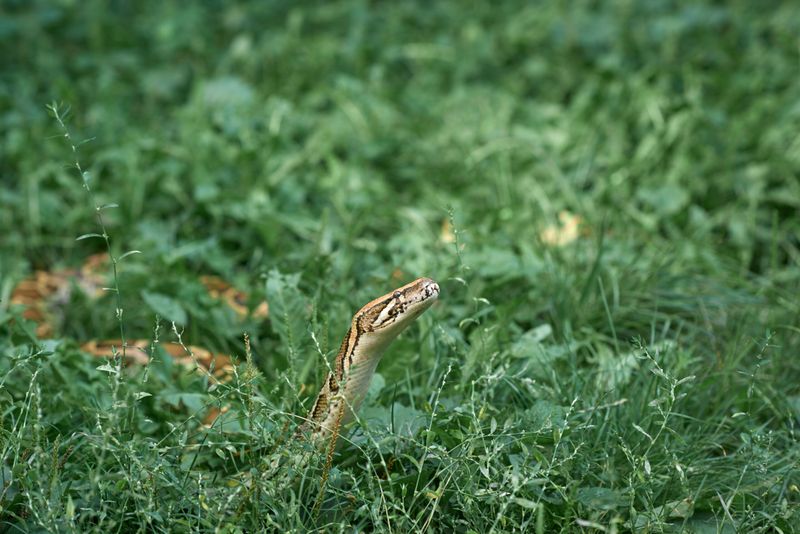
Encountering a snake in the yard calls for one immediate action: back away and create distance. CDFW’s public guidance on rattlesnakes is clear that most bites happen when people handle or disturb snakes, not when they simply walk past one. Keeping children and pets away from the animal while it moves through the yard is the correct first response, regardless of what species you think you are looking at.
Do not attempt to corner, prod with a stick, pick up, relocate, or kill an unidentified snake. Each of those actions puts you closer to the animal and dramatically increases the chance of a bite. CDFW’s human-wildlife conflict page for snakes reinforces that free-ranging snakes should be left alone and given space to leave on their own. A gopher snake moving through a garden in daylight is typically just passing through, and most will exit without intervention if they are not cornered or threatened.
Dead or recently dead snakes deserve the same caution. A snake that appears dead can still deliver a bite through reflex, particularly if it has died recently or is disturbed. Leave dead wildlife in place and contact an appropriate wildlife authority or pest management professional for guidance on removal rather than handling the animal yourself.
If the snake is inside the house, trapped in a garage, or genuinely impossible to avoid, that is the time to call a qualified wildlife professional rather than attempting removal yourself. CDFW also recommends against relocating snakes, partly because moving wildlife to unfamiliar habitat can harm the animal and partly because CDFW has documented snake fungal disease in Pacific gopher snakes, making casual handling a potential disease vector. When in doubt, step back and make a phone call.
California law is another reason to avoid taking an unidentified snake
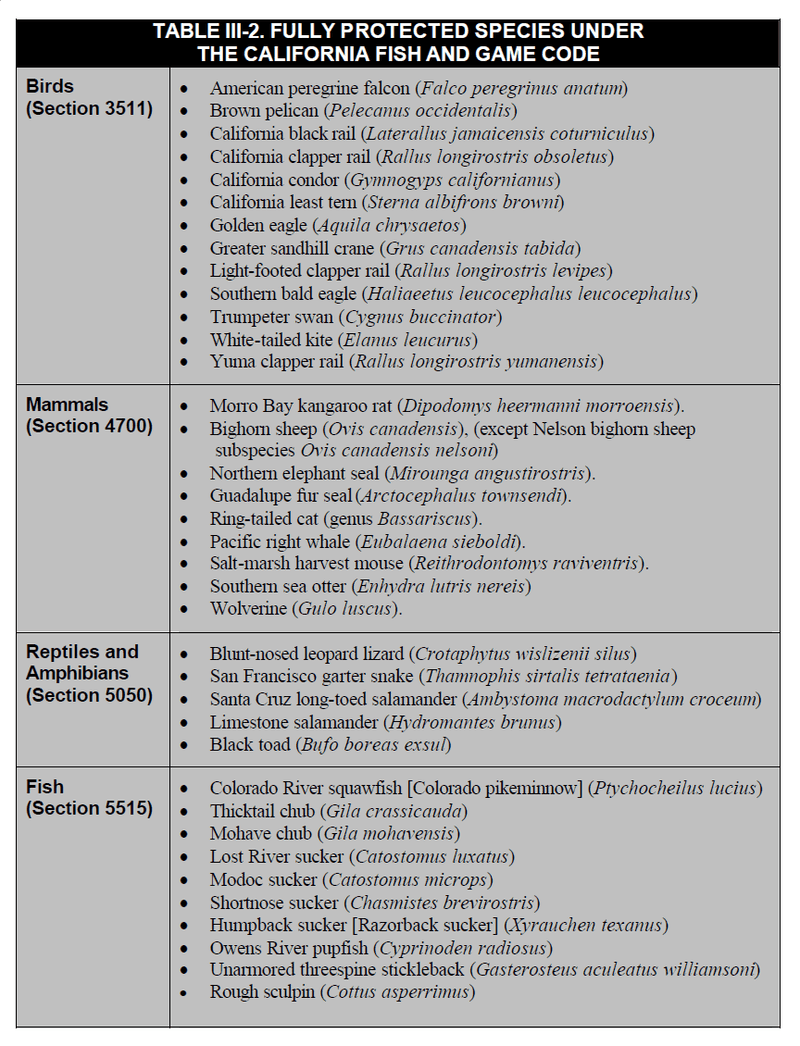
Beyond the safety reasons for leaving a snake alone, there is a legal dimension most California homeowners do not think about in the moment. California Fish and Game Code, Division 3 establishes the state’s framework for wildlife protection, and Division 6, Part 2, Chapter 1, Article 3 addresses restrictions on taking reptiles specifically. Whether a particular action is lawful depends on the species involved, the location, the method used, and the regulations currently in effect.
Assuming you can legally kill or capture any snake found on your property is not a safe assumption. California’s regulatory framework can apply even to animals encountered on private land, and the rules are not always intuitive. Gopher snakes are native reptiles, and native wildlife in California generally falls under state jurisdiction regardless of where the encounter occurs.
If you find a snake and genuinely cannot leave it alone, the right move is to contact CDFW or a licensed wildlife professional before taking any action. They can advise on what is permitted given the specific situation, species, and location. Killing or capturing a snake without confirming that it is legal to do so could result in a violation, even if the action felt like a reasonable response to a perceived threat. Verifying current regulations before acting protects both you and the animal.
Identify the animal actually damaging the garden
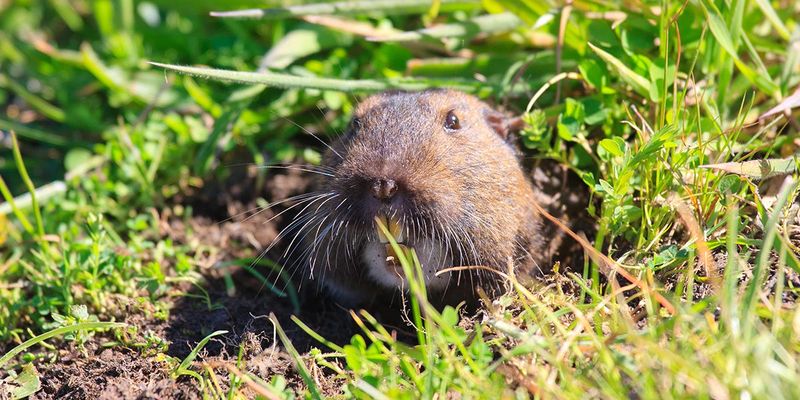
Once the snake encounter is resolved, the rodent problem still needs attention. A common mistake is treating every disturbance in the garden as the same issue, when pocket gophers, voles, mice, woodrats, roof rats, and Norway rats all behave differently and respond to different controls. Choosing the wrong method wastes time and money, and some products can harm wildlife if applied without knowing what you are actually targeting.
UC IPM’s pocket gopher page describes the characteristic fan-shaped or horseshoe mounds with a plugged opening that distinguish pocket gophers from other burrowing animals. Voles, by contrast, leave shallow surface runways and small burrow openings at ground level, as detailed on the UC IPM vole management page. Rats tend to leave greasy rub marks along walls, dark cylindrical droppings, and gnaw marks on wood or irrigation lines, and UC IPM’s rat page walks through how to distinguish roof rats from Norway rats by nesting location and evidence.
A UC ANR FAQ on moles, voles, and gophers offers a practical comparison of the three most frequently confused yard pests, including how to read fresh mound shape, soil texture, and burrow depth. Spending a few minutes on this step before purchasing any product or setting any trap prevents mismatched treatment and avoids unnecessary chemical use in the garden.
Accurate identification is the starting point for every other decision. Fresh evidence, such as new mounds appearing overnight, active burrow openings, or recently gnawed plant stems, tells you which animal is currently active and where. That information determines whether trapping, exclusion, underground barriers, or plant baskets are the right first tool, and it keeps the response proportionate to the actual problem.
Use integrated control without poisoning the predators that share your yard
Coexisting with a gopher snake fits naturally into an integrated pest management approach, but it does not replace one. Monitoring the yard regularly, noting where fresh mounds or active burrows appear, and matching the control method to the confirmed pest are the foundations of effective management that does not create new problems for the wildlife living alongside you.
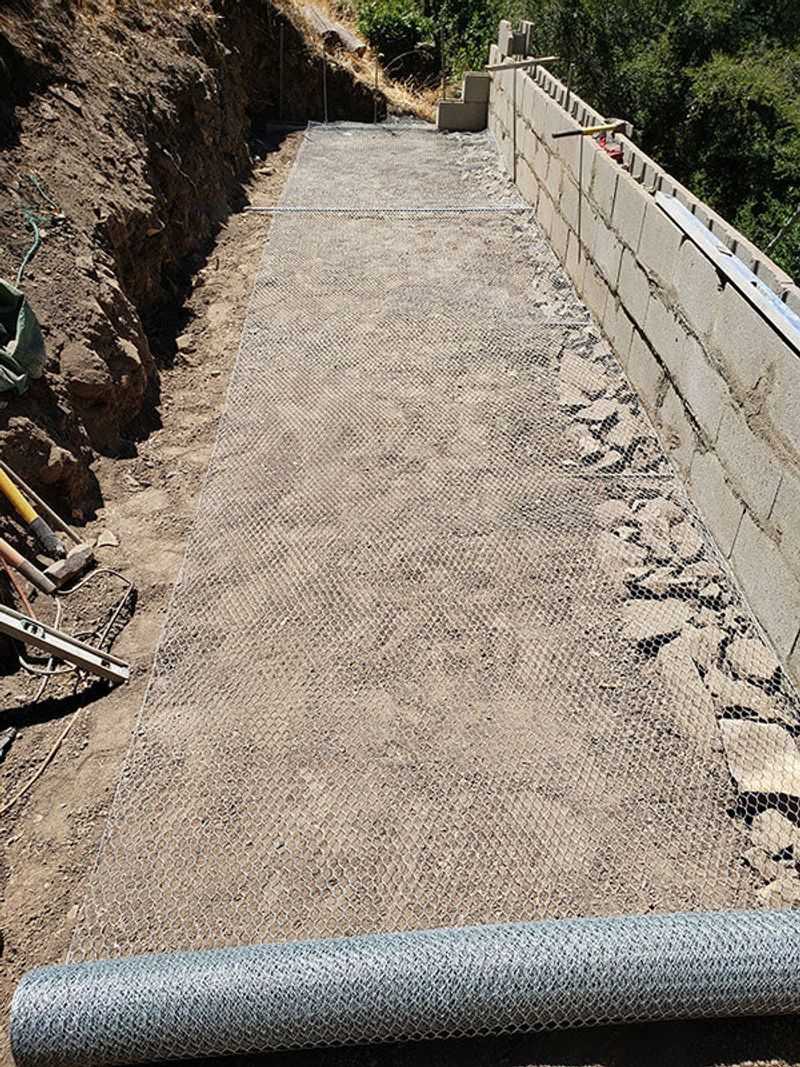
For pocket gophers, UC IPM recommends a combination of trapping using pincher or box traps placed directly in active main tunnels, exclusion with underground wire mesh barriers for new planting areas, and gopher baskets for individual plants. These methods are species-specific, do not pose risks to neighboring wildlife, and can be highly effective when applied to confirmed active burrow systems. UC IPM’s agricultural gopher guidance echoes that even with natural predators present, trapping and exclusion remain the most reliable tools for keeping populations low in managed spaces.
Rodenticides deserve careful consideration before use. UC IPM’s rat management guidance warns that anticoagulant and other rodenticides can poison pets, raptors, and predatory mammals that eat bait directly or consume poisoned rodents. Secondary poisoning is a documented risk for hawks, owls, foxes, and yes, snakes. If a gopher snake in your yard eats a rodent that has consumed rodenticide bait, the snake can be harmed or killed.
Using bait casually in a yard that also supports beneficial predators works against the goal of natural pest suppression.
When rodenticides are genuinely necessary, choose tamper-resistant bait stations, follow current label directions exactly, and place them where non-target animals cannot access them. Labels are legally binding, and current formulations and placement rules may differ from products used in previous seasons. Targeted mechanical controls, used after confirming the pest, are almost always the better starting point for a California homeowner who wants to protect both the garden and the animals that help maintain it.
Let the snake pass, then solve the problem you can document
Putting it all together comes down to a short sequence. When a snake appears in the yard, step back, move children and pets away, and give the animal room to leave. If it is inside the house, trapped, or cannot be identified with confidence, contact a qualified wildlife professional rather than attempting to handle or remove it yourself. CDFW’s guidance consistently points toward avoidance and professional assistance as the safest responses for homeowners.
Once the snake has moved on, shift focus to the rodent damage you can actually document. Examine fresh mounds, active burrow openings, gnaw marks, and droppings to confirm which animal is causing the problem. Then choose a control method matched to that specific pest. UC IPM is clear that natural predators alone are rarely sufficient to eliminate a rodent problem in a managed garden, so a resident gopher snake is a welcome presence but not a reason to skip targeted management when damage continues.
Rodenticides should be a last resort, used only when mechanical and exclusion methods have not resolved the problem, and always according to current label directions. UC IPM’s rat guidance documents the secondary poisoning risk to predators, which includes the same snake you just let pass through the yard. Protecting that snake and protecting the garden are not competing goals. A yard that supports native predators and uses targeted, documented pest management is more resilient than one that relies on either approach alone.
The snake is not the solution, but it is part of the system worth keeping.