
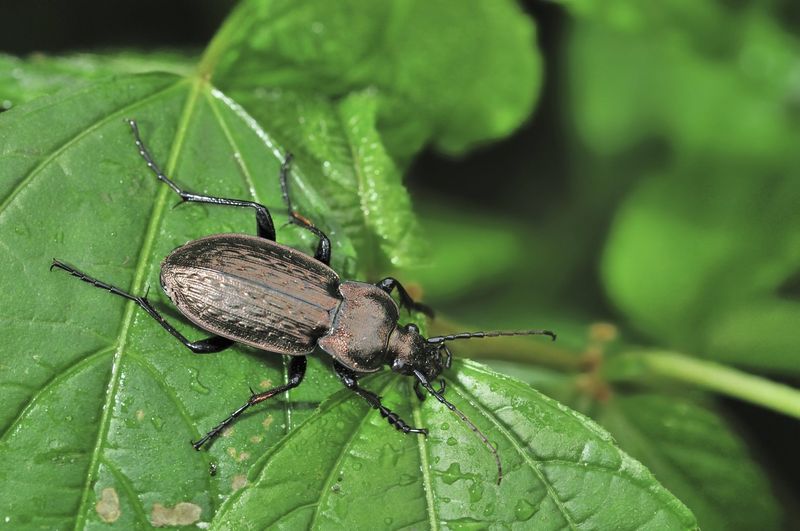
Snails and cutworms can hollow out a seedling overnight, and most California gardeners have reached for bait or gone searching for any natural predator that might help. What many do not realize is that two very different beneficial organisms, predatory ground beetles and decollate snails, may already be working in their beds, and some common pest-control choices can wipe them out. The story is more complicated than one headline can hold, and getting it right means knowing which creature you are actually looking at, what it can realistically do, and which bait ingredients pose the real risks.
California has many ground beetles, not one garden species
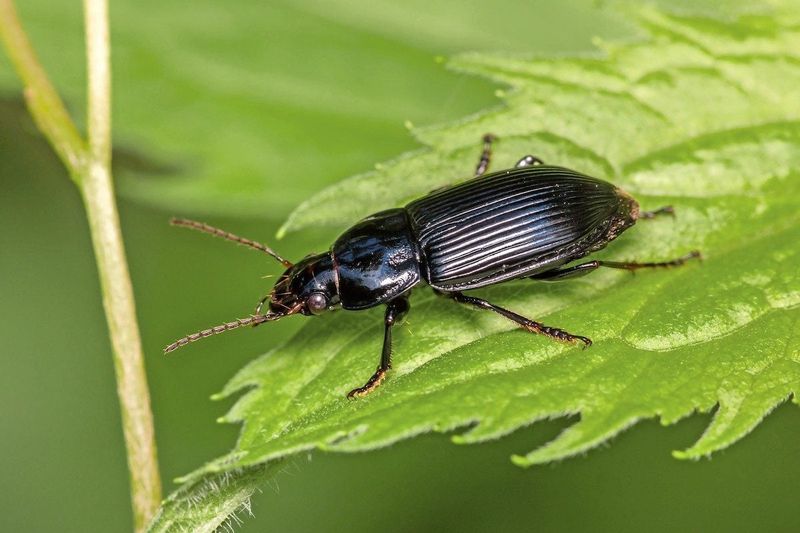
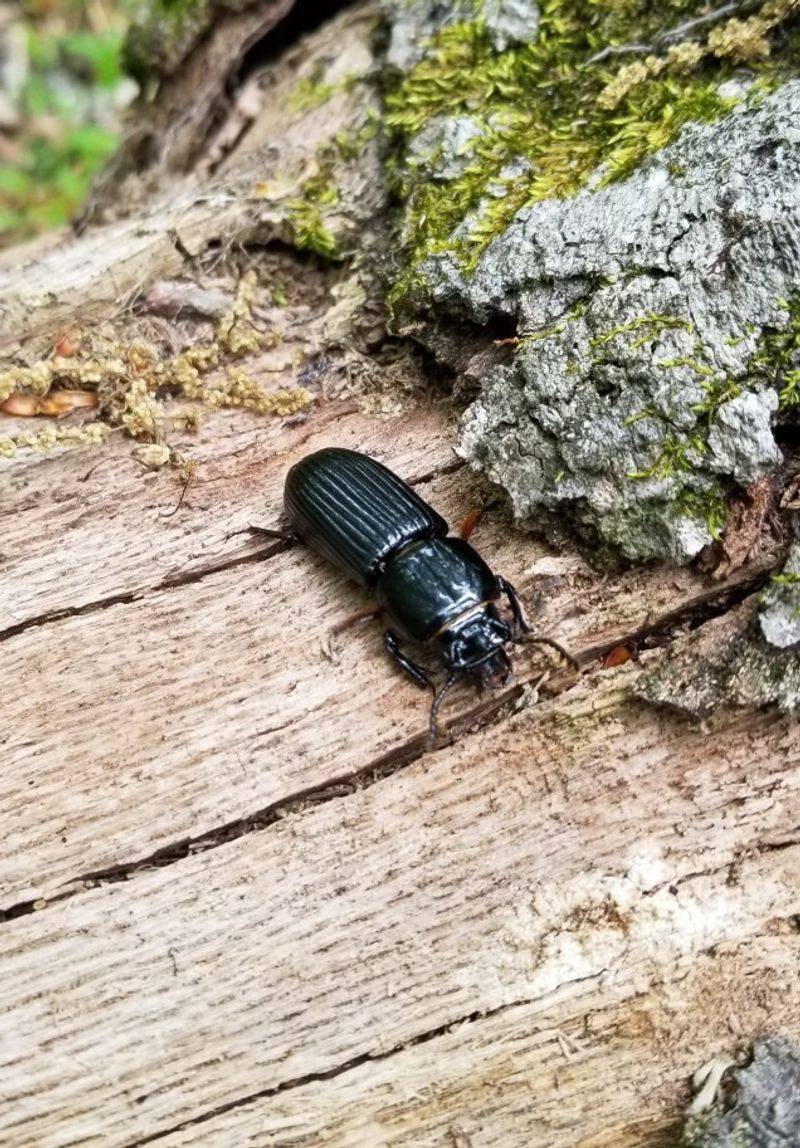
Walk outside at night with a flashlight and flip a board in your garden bed, and you may spot a fast-moving, shiny black insect scurrying for cover. That could be a predatory ground beetle, a member of the family Carabidae, but it could also be a number of other beetles that share a similar look without sharing the same diet or habits. Calling it “the California ground beetle” implies a single, recognizable species, and that framing does not hold up to scrutiny.
California is home to a large and varied group of carabid beetles, ranging widely in size, color, and prey preference. The UC IPM Natural Enemies Gallery lists ground beetles among the beneficial predators found in California gardens, but it does so as a group rather than a single species. A beetle’s general appearance, such as a dark, shiny body, cannot confirm that it is a predatory carabid. Some dark beetles are plant feeders, seed eaters, or scavengers that provide little or no pest control.
Most predatory ground beetles are nocturnal, spending daylight hours hidden under boards, stones, bark, or dense leaf litter and becoming active after dark when many of their prey are also on the move. The Smithsonian National Museum of Natural History’s ground beetle reference notes that carabids are among the most species-rich beetle groups in the world, underscoring just how diverse this family is. Because of that diversity, accurate identification typically requires close examination of specific physical features rather than a quick glance at color or size.
For California gardeners, the practical takeaway is this: if you find a fast, dark beetle in your soil at night, treat it with caution rather than certainty. Avoid crushing it reflexively, but also resist assuming it is a beneficial predator without a closer look. The rest of this article addresses what these beetles can and cannot do, and which pest-control choices affect them most.
Ground beetles can reduce pest pressure, but they cannot do the whole job
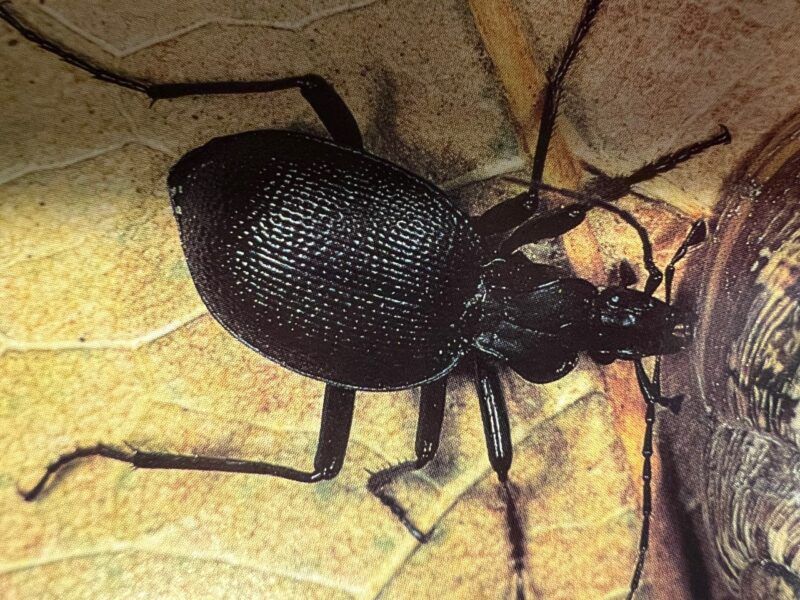
Predatory ground beetles earn their place in the garden. They consume a wide range of soft-bodied prey, including slugs, snails, caterpillars, and various soil-dwelling insects. Some species are documented predators of cutworms, which are the larvae of certain moth species that sever seedlings at the soil line and can devastate a newly planted bed in just a few nights. UC ANR’s cutworm resource identifies ground beetles among the natural enemies that may help reduce cutworm populations in garden settings.
That said, “may reduce” is doing important work in that sentence. Ground beetles hunt opportunistically along the soil surface, and their impact on a pest population depends on how many beetles are present, what other food sources are available, local conditions, and the size of the infestation they are up against. A handful of ground beetles patrolling a large bed with a heavy snail problem will not eliminate that problem on their own.
UC IPM’s guidance on snails and slugs is direct on this point: natural enemies such as ground beetles are usually not abundant or effective enough by themselves to provide complete snail control. Gardeners who rely solely on beetle predation and skip other management steps are likely to remain frustrated by snail damage, especially in coastal areas or irrigated yards where conditions favor year-round snail activity.
The most useful way to think about ground beetles is as one component in a broader strategy rather than as a stand-alone solution. Keeping them alive and active in your garden adds a layer of natural pressure on pest populations. Monitoring your beds at night, when both beetles and their prey are most active, gives you a clearer picture of what is actually happening in the soil. If you spot beetles alongside slugs or caterpillars, that is a sign the system is at least partially functional, even if additional controls are still needed.
Decollate snails are a separate, limited biological-control option
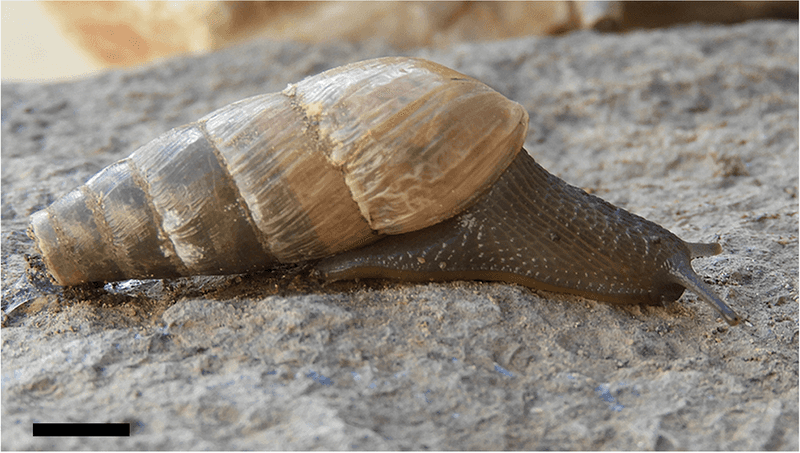
Somewhere in the conversation about beneficial garden creatures, decollate snails often get tangled up with ground beetles, as if they are the same organism or close relatives. They are not. A decollate snail is a terrestrial gastropod, a mollusk, not an insect, beetle, or anything related to reptiles. Its scientific name is Rumina decollata, and its most recognizable feature is a shell that looks as though the tip has been cut off, giving it a truncated, cone-like profile that distinguishes it from the round-shelled brown garden snail it hunts.
UC IPM’s decollate snail profile describes it as a predator that feeds especially on young brown garden snails (Cornu aspersum), the same species responsible for much of the chewing damage California gardeners see on leaves, stems, and fruit. Decollate snails can provide biological control of brown garden snails, but the results are inconsistent and slow. UC IPM notes that introductions may take four to ten years to reduce brown garden snail populations to insignificant levels, and even then, outcomes vary by site.
The timeline alone means decollate snails are not a quick fix for a garden currently under heavy snail pressure. A homeowner dealing with serious damage this season will still need other controls while waiting years for a decollate snail population to build and have an effect. Patience is genuinely required, and there is no guarantee the population will establish successfully in every yard.
Decollate snails also carry tradeoffs that gardeners should weigh honestly. They are not restricted to eating pest snails. They may also consume seedlings, small flowering plants, and other tender vegetation, particularly when prey snails are scarce. Treating them as universally beneficial without accounting for those risks can lead to a different kind of plant damage than the one you were trying to prevent.
They work best as a long-term complement to other integrated management practices, not as a replacement for them.
Bait risk depends on the predator and the formulation
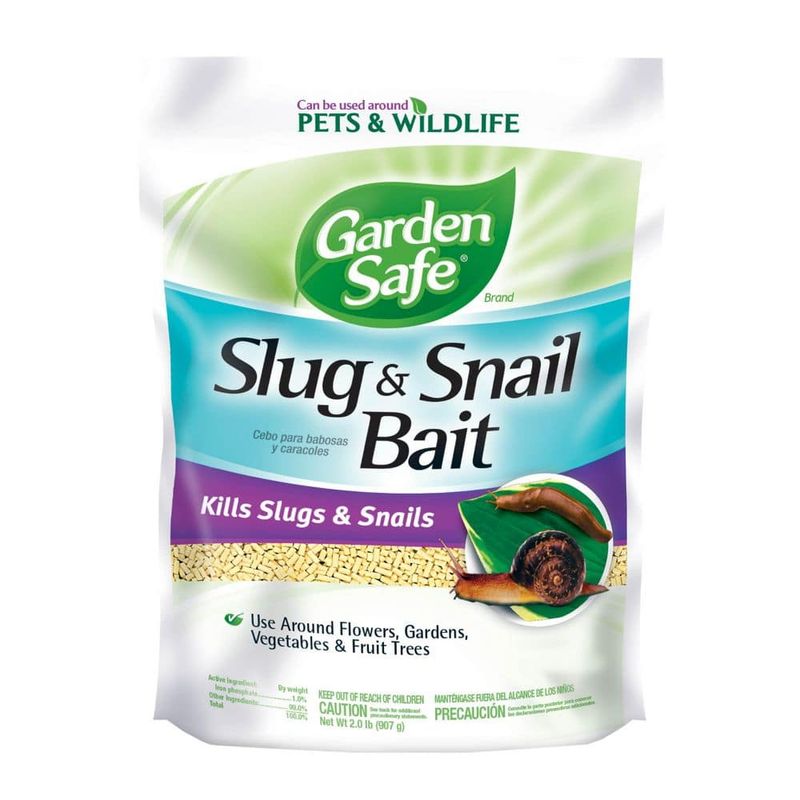
One of the most common mistakes California gardeners make is treating all snail bait as a single category with identical risks. The active ingredient matters enormously, and the effects on beneficial organisms vary depending on what that ingredient is and how the product is formulated. Lumping every bait together as equally harmful to ground beetles, or equally safe for them, leads to decisions that are not grounded in what the evidence actually shows.
UC IPM’s snails and slugs guidance specifically identifies carbaryl-containing snail baits as harmful to soil-dwelling beneficial insects, including ground beetles. Carbaryl is a broad-spectrum insecticide, and its presence in a bait product is the documented concern for carabid beetles. That documented risk should not be extended automatically to every other bait formulation. If protecting ground beetles is a priority, read the active ingredient list before purchasing and avoid products that contain carbaryl.
The picture is different for decollate snails. Molluscicide baits can kill active decollate snails regardless of the active ingredient, because decollate snails are mollusks and respond to these products the same way pest snails do. UC IPM’s floriculture and ornamentals pest management guidance confirms that iron-phosphate baits, often marketed as safer or more natural options, still function as molluscicides and can kill decollate snails. Do not apply any snail bait in areas where decollate snails are active if preserving that biological control is the goal.
Iron phosphate is generally considered lower risk than metaldehyde for children, pets, birds, and many wildlife species when used according to the label. However, metaldehyde carries a specific and serious hazard: it is particularly poisonous to dogs and cats, and UC IPM advises against using it anywhere children or pets may come into contact with it. EPA-registered iron-phosphate molluscicide labels still carry use restrictions that require careful reading. No bait product should be applied without checking the current label, because formulations and approved uses can change.
Start with physical and cultural controls
Before reaching for any bait product, there are practical steps that can meaningfully reduce snail, slug, and cutworm pressure without putting beneficial organisms at risk. These are not consolation prizes for gardeners who want to avoid chemicals. They address the conditions that let pest populations build in the first place, and they work best when combined rather than applied one at a time.
For snails and slugs, reducing hiding places is one of the most effective starting points. Boards, dense ground cover close to beds, low-hanging plant debris, and stacked pots all provide the daytime shelter these pests need to survive. Removing or relocating those features makes the habitat less hospitable. UC IPM’s snail and slug management page also recommends switching from overhead sprinklers to drip irrigation where practical, because surface moisture is a key driver of snail and slug activity.
Coastal gardens and irrigated inland yards that stay wet overnight are significantly more attractive to these pests than drier conditions allow. Hand-picking during active periods, typically after dark or on overcast mornings, can remove large numbers of snails quickly and is especially effective when combined with habitat reduction.
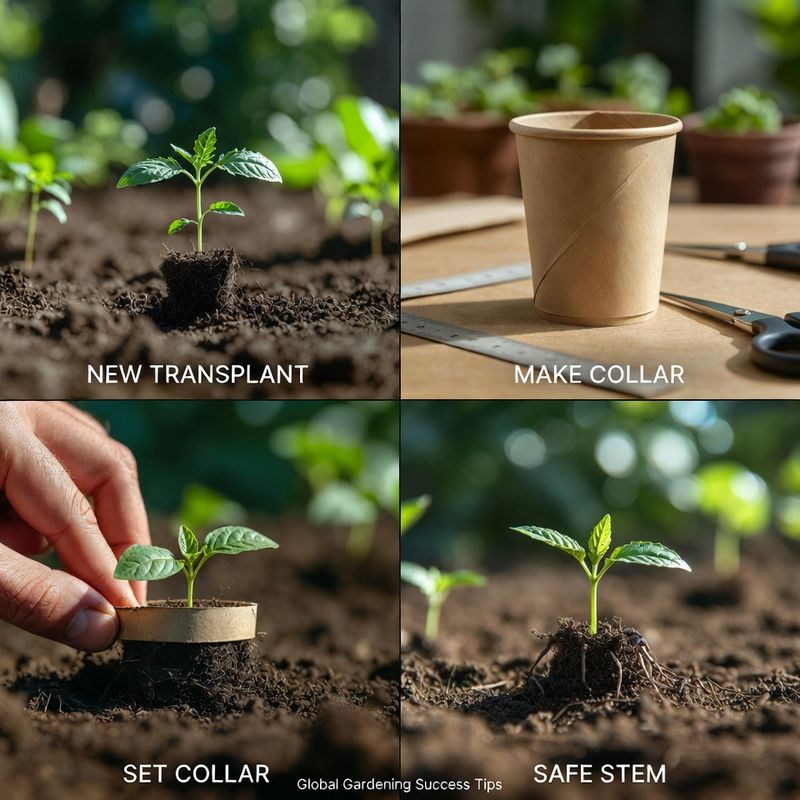
Cutworms require a slightly different approach because the pest is a caterpillar living at or just below the soil surface. UC ANR’s cutworm guidance recommends nighttime hand-picking, since cutworms feed after dark and can be found on the soil surface with a flashlight. Removing weeds and crop debris before planting eliminates egg-laying sites and reduces the population before it reaches your seedlings. Cardboard collars or similar barriers placed around individual transplants at planting time create a physical obstacle that prevents cutworms from cutting stems at the soil line.
These collars should extend an inch or two below the soil surface and a few inches above it.
None of these measures guarantee a pest-free bed, but each one lowers the baseline population and makes other controls, whether biological or chemical, more effective when they are needed.
California restricts decollate-snail release and warns about natural areas

If you live in California and are considering decollate snails as a biological control tool, the first question is not where to buy them. The first question is whether you are legally permitted to release them at all. California restricts the release of decollate snails to specific counties, and purchasing them outside those boundaries or releasing them without checking local requirements is not a step to skip.
UC IPM’s decollate snail profile lists the permitted counties as Fresno, Imperial, Kern, Los Angeles, Madera, Orange, Riverside, Santa Barbara, San Bernardino, San Diego, Tulare, and Ventura. Even within those counties, county agricultural-authority requirements may apply. Before purchasing or releasing decollate snails, contact your county agricultural commissioner’s office to confirm current rules and any permit requirements. Counties outside that list are not approved for release, and statewide mail-order purchases followed by backyard releases are not a legally straightforward option for most California gardeners.
The ecological reasoning behind these restrictions is grounded in conservation concern, not bureaucratic caution. The California Department of Food and Agriculture’s Plant Quarantine Manual addresses the nonnative status and movement controls for mollusks including decollate snails. Decollate snails were introduced to California from North Africa and the Mediterranean region. They are effective predators, which is precisely why releasing them near natural areas, wildlands, parks, or habitat corridors is discouraged.
California is home to native and some endangered mollusk species, and a nonnative predatory snail introduced near those habitats could cause harm that is difficult or impossible to reverse.
For gardeners in permitted counties, decollate snails can be a reasonable long-term strategy in an enclosed or well-managed yard, provided bait is kept away from areas where the snails are active. For everyone else, this particular biological control option is off the table, and other integrated management approaches are the path forward.
Support ground beetles without creating moist snail habitat
Helping predatory ground beetles thrive in your yard is a reasonable goal, but the habitat conditions they prefer can overlap uncomfortably with conditions that also suit snails and slugs. Striking a workable balance means thinking through each recommendation rather than applying a blanket rule about mulch or leaf litter.
Ground beetles benefit from protected resting spots at the soil surface: flat stones, low-growing perennial plants, and stable ground cover that stays in place season to season. Avoiding unnecessary applications of broad-spectrum insecticides is one of the most direct ways to protect them, since these products can reduce beneficial insect populations along with the target pests. UC IPM’s biological control and natural enemies guidance supports habitat conservation as a strategy for encouraging natural enemies, while stopping short of promising that any one plant or feature will attract a specific beetle species. That caution is worth heeding, because the relationship between habitat and beetle presence is site-specific.
The complication is that moist debris, thick mulch, and dense ground cover also provide exactly the kind of daytime shelter that snails and slugs depend on. UC IPM’s floriculture pest management guidance notes that reducing hiding places and lowering surface moisture are among the most effective cultural controls for snails and slugs. Those two goals can pull in opposite directions when you are also trying to keep ground cover and litter for beetle habitat.
The practical resolution is to observe your specific yard. If snails are a serious and ongoing problem, prioritize reducing moist shelter and switching to drip irrigation, even if that means less beetle-friendly habitat in some areas. If snail pressure is moderate and ground beetles are visibly active, a thinner, drier mulch layer and stable perennial plantings can provide some habitat without dramatically increasing snail refuge. Local conditions, including your proximity to the coast, your irrigation habits, and the shade profile of your yard, should shape these choices more than any single rule.
Identify first, then protect the predators that are actually helping
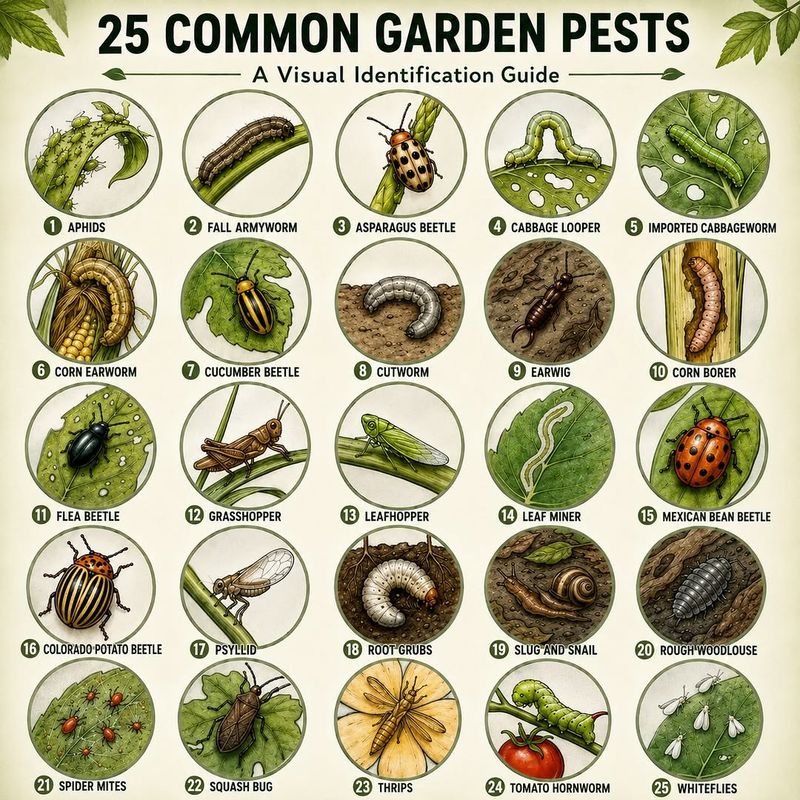
Every good pest-management decision in a California garden starts with the same step: knowing what you are actually dealing with. Before picking up bait, a sprayer, or a beneficial organism from a supplier, take a few nights to observe the bed. Look for the pest causing damage, check whether decollate snails are already present, and watch for the fast-moving ground beetles that may already be hunting there after dark.
Once you know what is active, the sequence becomes clearer. Start with cultural and physical controls: remove daytime hiding places, switch to drip irrigation where that is practical, hand-pick snails during active periods, and use cardboard collars around new transplants to block cutworms. These steps reduce pest pressure without putting any beneficial organism at risk and create conditions where biological predators can be more effective.
If you find active decollate snails in your beds, keep bait away from those areas entirely. Any molluscicide, regardless of active ingredient, can kill them. UC IPM’s snail and slug management guidance is clear that bait should not be applied where decollate snails are active if preserving biological control is the goal. If chemical control remains necessary in other parts of the yard, check the active ingredient on the label and avoid carbaryl-containing products in areas where ground beetles are present.
Decollate snails are a restricted, slow-acting tool with real tradeoffs, and ground beetles are a diverse group that can help but cannot promise complete control of any pest. Keeping both alive and working in your garden improves the overall system. A yard that supports its own predators, paired with smart cultural practices and careful bait selection, handles pest pressure more durably than any single product ever could.