
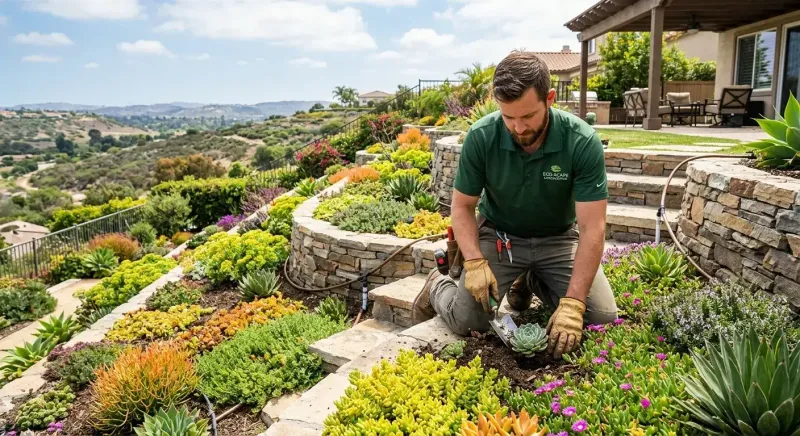
If you have a slope in your California yard, you already know the struggle. Weeds move in fast, the soil slides during winter rains, and mowing a hillside is downright dangerous.
The good news is that certain tough groundcovers spread on their own, crowd out weeds, and hold soil in place while sipping very little water. Here are ten spreading plants that do the hard work for you, so your slope stays green without constant babysitting.
1. Trailing Rosemary (Rosmarinus officinalis ‘Prostratus’)
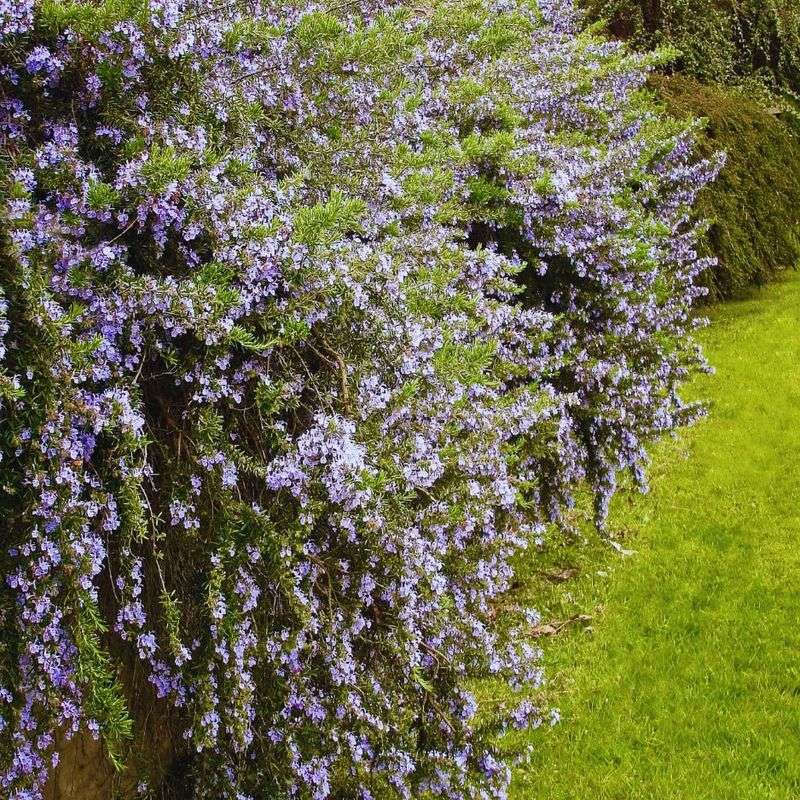
Picture a plant that smells amazing, feeds the bees, and refuses to let weeds get a foothold. Trailing rosemary does all three while draping over slopes like a living waterfall.
Once its roots settle in, it spreads outward and roots where the stems touch the ground. That creeping habit forms a dense mat that shades out weed seeds before they can sprout.
For California hillsides, it is a dream. It laughs at drought, thrives in the long dry summers, and asks for almost no water once established.
The little blue flowers pull in honeybees and native pollinators, so you get a wildlife-friendly slope as a bonus.
Plant it on a sunny, well-drained bank and give it room to roam. Within a couple of seasons it will knit together into a fragrant carpet you can trim for cooking.
2. Ceanothus ‘Yankee Point’ (California Lilac)
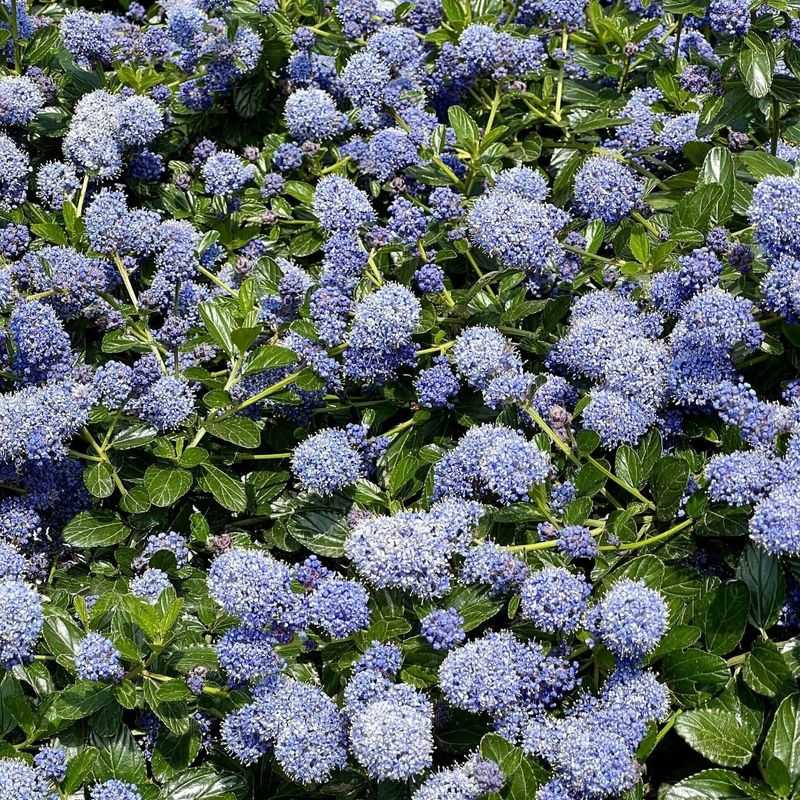
Few native plants put on a spring show like California lilac. ‘Yankee Point’ spreads low and wide, blanketing a slope in glossy green leaves topped with clouds of powder-blue flowers.
Because it is a true California native, it is perfectly tuned to our Mediterranean climate. Wet winters, bone-dry summers, and lean soil are exactly what it wants.
The dense, sprawling growth smothers weeds while its roots grip the hillside and fight erosion. Native bees and butterflies swarm the blooms, making it one of the best choices for a homeowner who worries about supporting pollinators.
Give it full sun and skip the summer watering once it is settled. Overwatering is actually the fastest way to kill it, so a neglected slope suits it just fine.
3. Creeping Manzanita (Arctostaphylos ‘Emerald Carpet’)
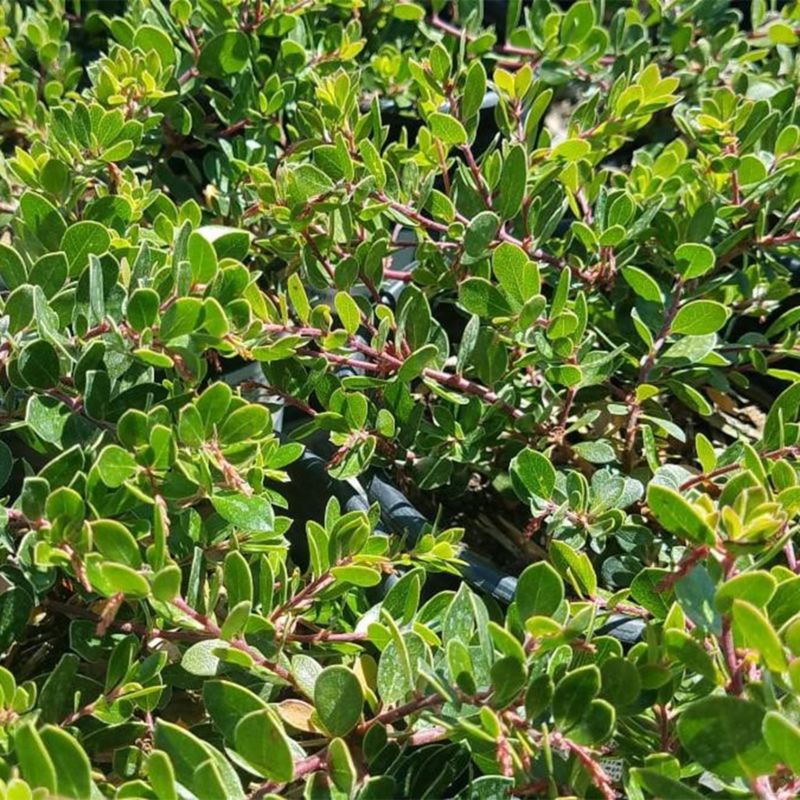
With its smooth reddish stems and tidy green leaves, creeping manzanita looks polished even when totally ignored. ‘Emerald Carpet’ hugs the ground and forms one of the neatest weed-blocking mats you can grow.
Native to California, it handles drought like a champ and holds soil firmly on a slope. The low, tight canopy leaves no sunlight for weed seedlings underneath.
Tiny pink urn-shaped flowers appear in late winter and early spring, feeding hummingbirds and native bees during a hungry time of year. Later, small berries draw in birds.
Plant it in full sun to light shade with good drainage. It stays low, spreads steadily, and rarely needs a thing beyond an occasional deep summer soak in its first year.
4. Coyote Brush (Baccharis pilularis ‘Pigeon Point’)
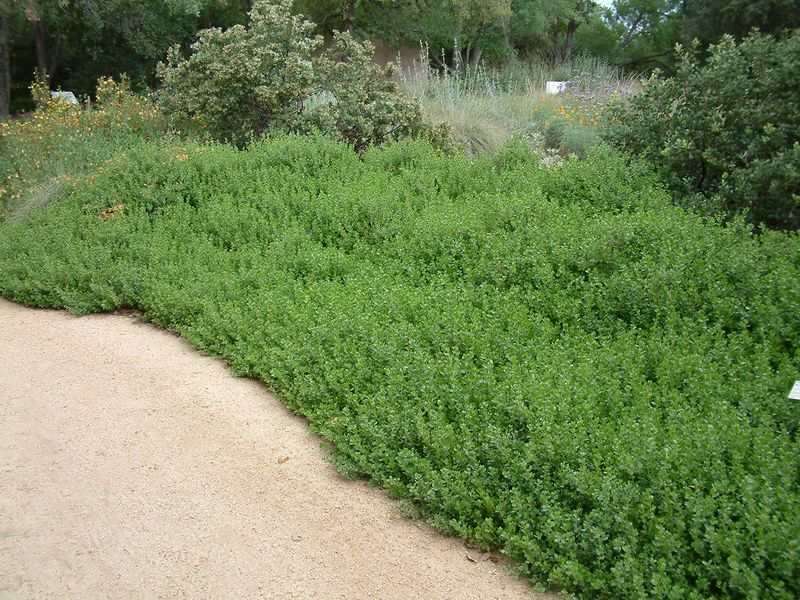
Firefighters and land managers plant coyote brush for a reason. The ‘Pigeon Point’ selection grows fast, spreads wide, and forms a thick green mat that weeds simply cannot break through.
As a California native shrub trained low, it thrives in poor soil and shrugs off summer drought. Its roots dig in deep, making it a workhorse for holding crumbly hillsides together.
What sets it apart is speed. When you need to cover a big slope in a hurry, few groundcovers fill in as quickly as this one.
It also plays well in fire-prone areas when kept low and hydrated as part of a defensible-space plan. Give it sun, space, and a light shearing now and then, and it will handle the rest.
5. Dymondia (Dymondia margaretae)
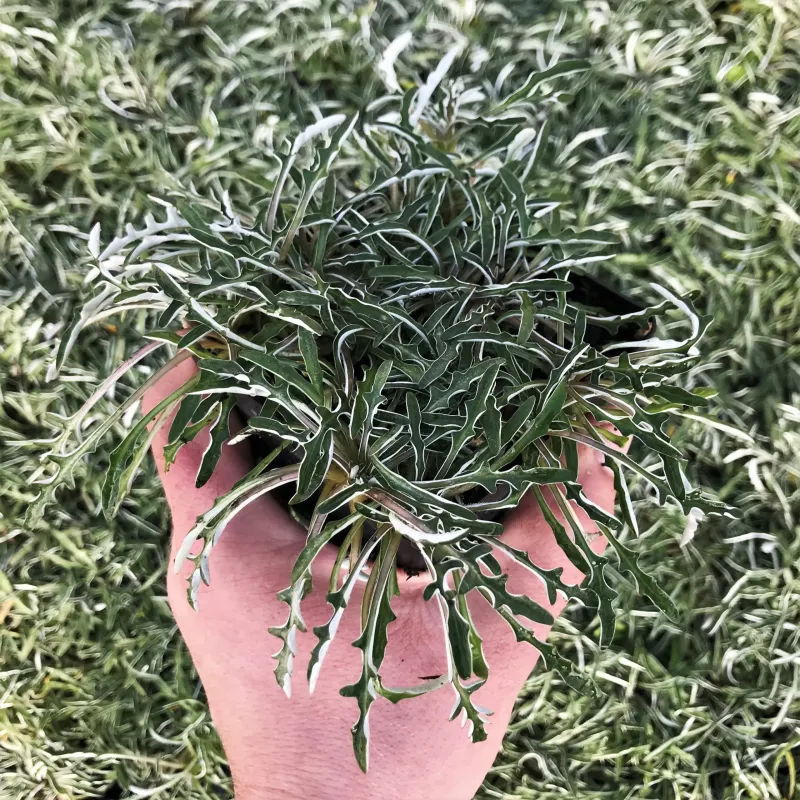
Want something you can actually walk on? Dymondia forms a flat, silvery-green carpet so tough it handles foot traffic and even light car tires.
The leaves have silvery undersides that curl up in heat, giving the whole planting a shimmery look. Underneath, roots weave into a mat that leaves weeds no room to move in.
For gentle to moderate California slopes, it is a low, tidy solution that almost never needs mowing or edging. It sips very little water once established, fitting right into a water-wise yard.
Small yellow daisy-like flowers pop up in warm weather as a cheerful surprise. Plant it in full sun with good drainage and let it spread between pavers or across an open bank.
6. Yarrow (Achillea millefolium)
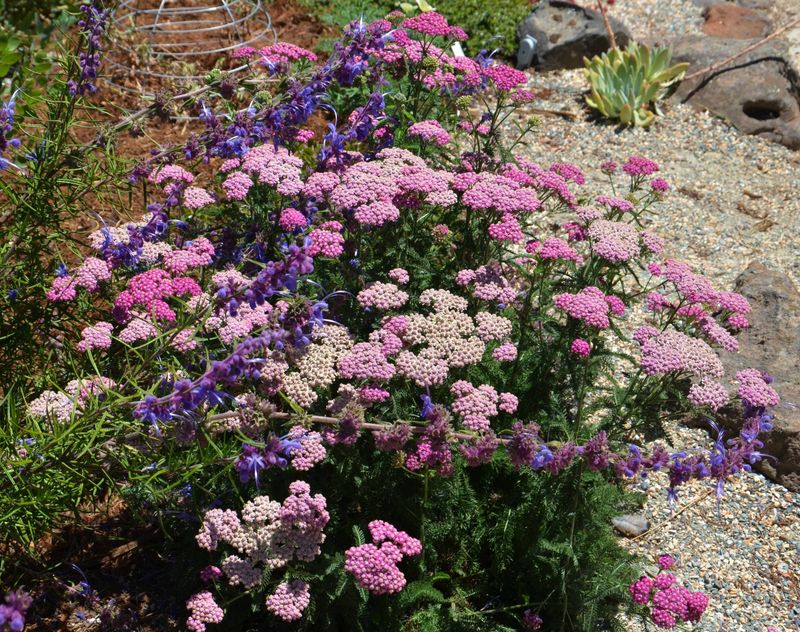
Soft, ferny leaves and flat-topped flower clusters make yarrow look delicate, but this plant is a survivor. It spreads by underground runners, filling in bare slope soil and pushing weeds out along the way.
California has its own native white yarrow, perfectly matched to our dry summers and lean soils. Once rooted, it needs little water and keeps looking green with minimal fuss.
Pollinators adore it. Butterflies, native bees, and beneficial insects flock to the blooms, turning your slope into a busy little habitat.
You can mow it low for a soft meadow look or let it flower for wildlife. Either way, it knits soil together and asks almost nothing in return.
7. Creeping Thyme (Thymus serpyllum)
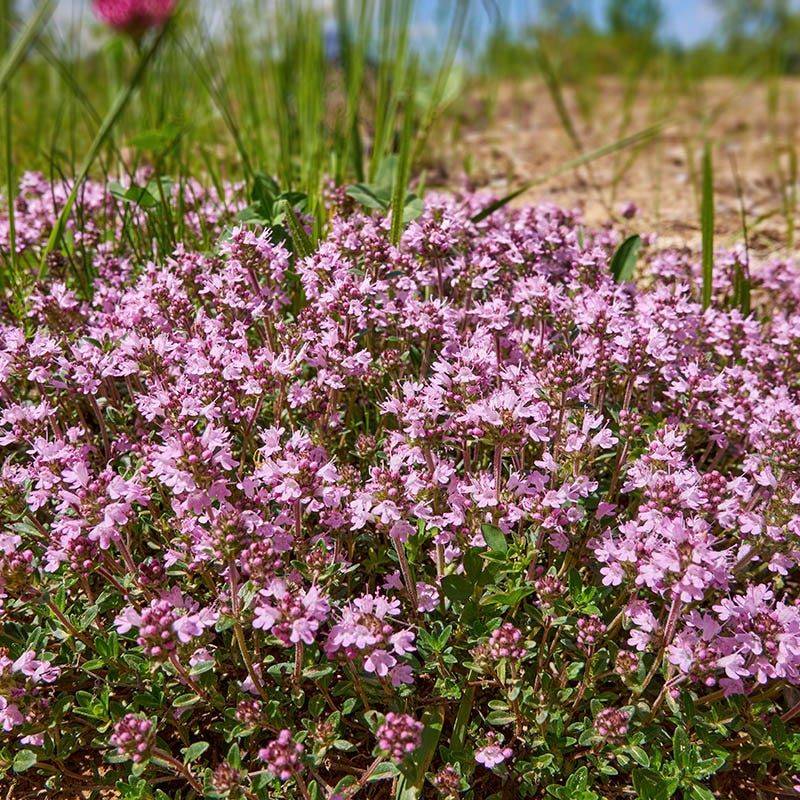
Step on creeping thyme and it releases a wonderful herbal scent, a small reward for a plant that works so hard. It hugs the ground tightly and spreads into a low, weed-smothering mat.
The dense growth blocks sunlight from weed seeds while the shallow roots stitch loose soil in place. On a sunny California bank, it needs very little water once it settles.
Come late spring, it erupts in tiny purple-pink flowers that hum with honeybees. That makes it a favorite for gardeners who want their slope to buzz with life.
It tolerates poor soil and light foot traffic, so a rocky, forgotten hillside is right up its alley. Give it full sun and sharp drainage, and it will do the rest.
8. Trailing Lantana (Lantana montevidensis)
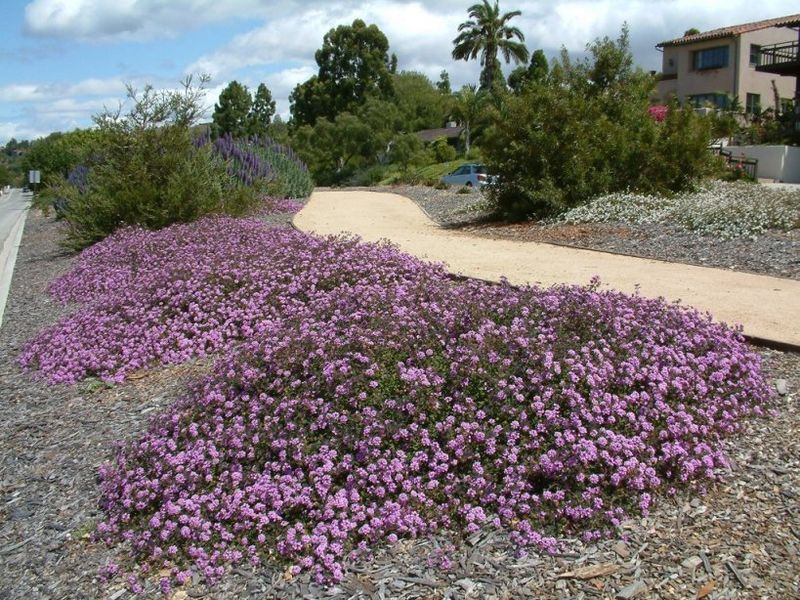
For nonstop color on a hot slope, trailing lantana is hard to beat. It sprawls quickly, spilling clusters of purple or white flowers over banks and retaining walls for months on end.
Heat and drought barely register with this tough spreader. Through California’s long dry summers it just keeps blooming while its dense growth chokes out competing weeds.
Butterflies find it irresistible, so a lantana-covered slope becomes a magnet for pollinators all season long. The fast fill-in also means quick erosion control on bare ground.
Plant it in full sun and give it space to trail. A hard trim in late winter keeps it fresh, and by summer it is back to blanketing the hillside in blooms.
9. Point Reyes Ceanothus (Ceanothus gloriosus)
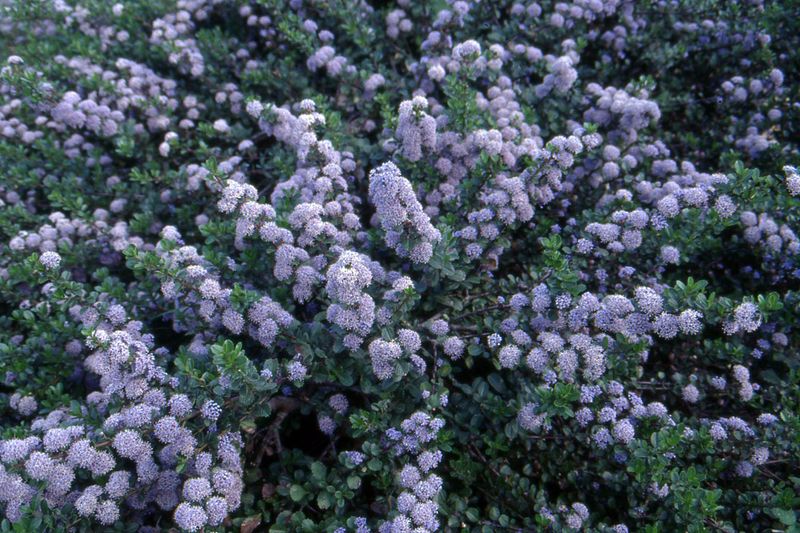
Coastal gardeners have a native ace up their sleeve with Point Reyes ceanothus. It stays low and creeps outward, covering slopes with glossy, holly-like leaves and blue spring flowers.
Salt air and wind, which stress many plants, are no trouble for this one. That toughness makes it ideal for coastal California hillsides where other groundcovers struggle.
Its dense, spreading form blocks weeds while the deep roots anchor unstable ground. Native bees and butterflies visit the blooms, adding pollinator value to the erosion control.
Skip the summer irrigation once it is established, since dry soil keeps it healthiest. Full sun near the coast or a bit of shade inland suits it well.
10. Sea Fig / Trailing Ice Plant (Delosperma cooperi)
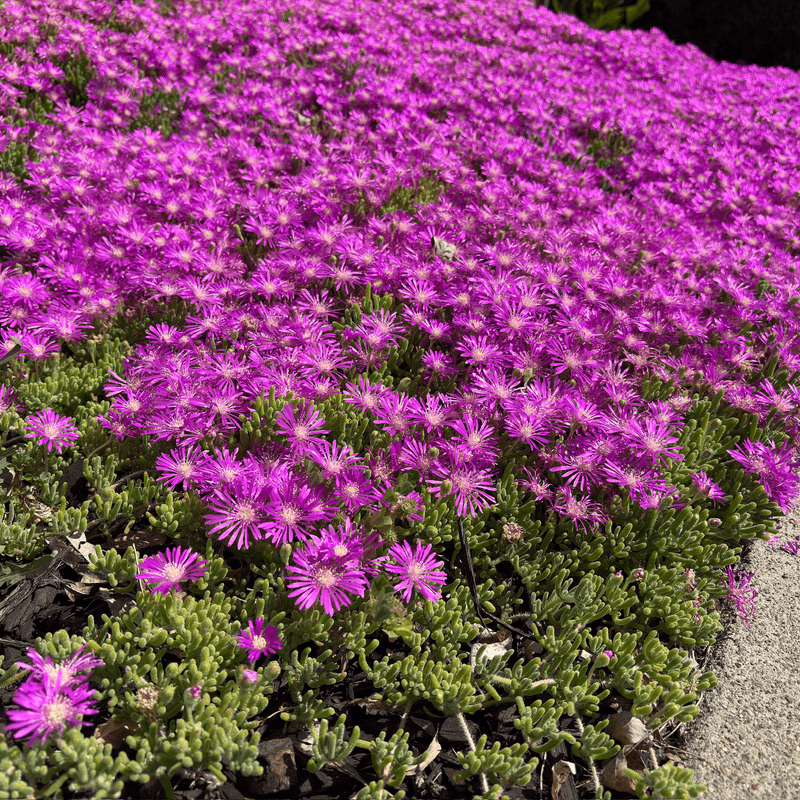
When a slope is baking hot and nothing else will grow, hardy ice plant steps up. Its plump succulent leaves store water, letting it thrive on the driest, sunniest banks with barely any help.
The fast-spreading mat is so thick that weeds rarely find an opening. Those water-filled leaves also make it a smart, low-fuel choice for fire-conscious California yards when used thoughtfully in defensible space.
In warm weather it explodes with vivid magenta, daisy-like flowers that draw bees. The color show against gray-green foliage is striking on any hillside.
One caution worth noting: choose the well-behaved Delosperma types rather than aggressive invasive iceplants that can escape into wildlands. Plant in full sun with fast-draining soil and water it only rarely once it takes hold.