
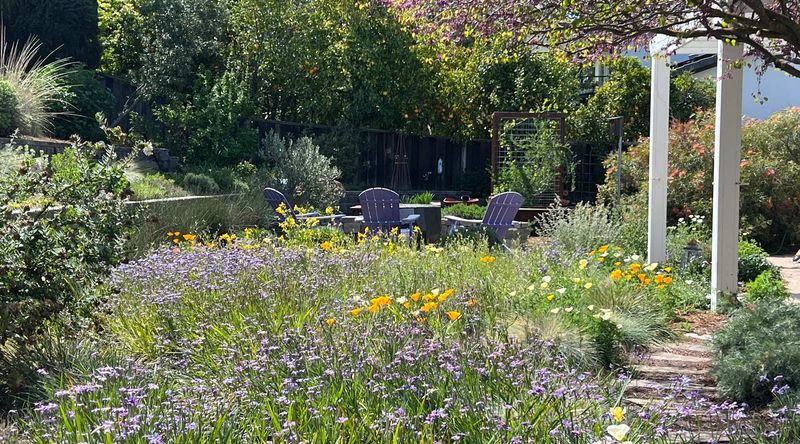
California summers are long, hot, and dry, and bare soil bakes like a sidewalk in July. The good news is that the right groundcover acts like a living blanket, shading the dirt, holding in moisture, and slashing how often you drag out the hose.
Many homeowners water twice as much as they need to simply because the ground is exposed to the sun. Pick a few of these tough, water-wise plants and your yard stays greener, cooler, and friendlier to bees and birds while your water bill quietly drops.
1. Yarrow (Achillea millefolium)
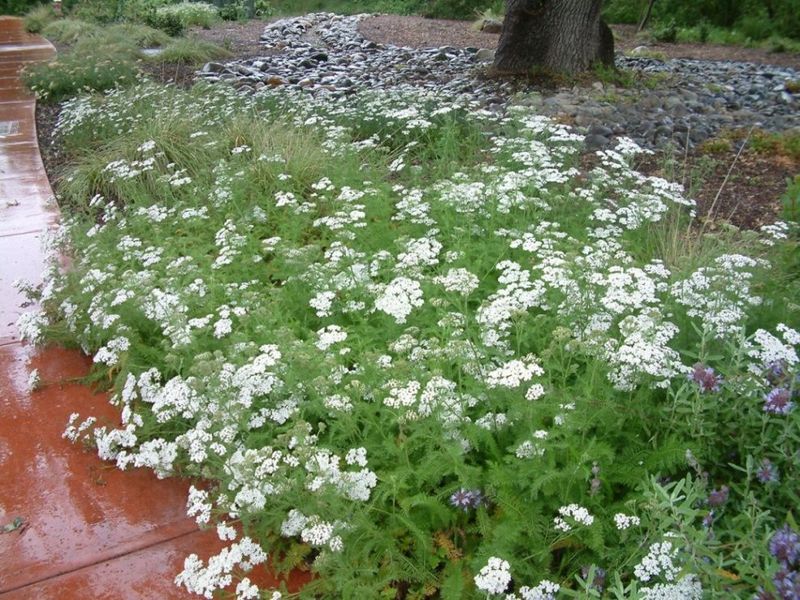
Tough as nails and soft to look at, yarrow spreads into a feathery green carpet that shrugs off heat like it was born for it, which it was. This California native handles poor soil, full sun, and long dry spells without complaint.
The lacy leaves shade the ground and keep the soil below noticeably cooler, which means less evaporation and less watering for you. Once it settles in during its first season, you can taper watering way back.
Fun bit: yarrow has been used for centuries to help heal wounds, and its flat flower heads are landing pads for tiny beneficial insects. Mow it low for a lawn look or let it bloom for the pollinators.
Either way, it earns its spot.
2. Creeping Thyme (Thymus serpyllum)
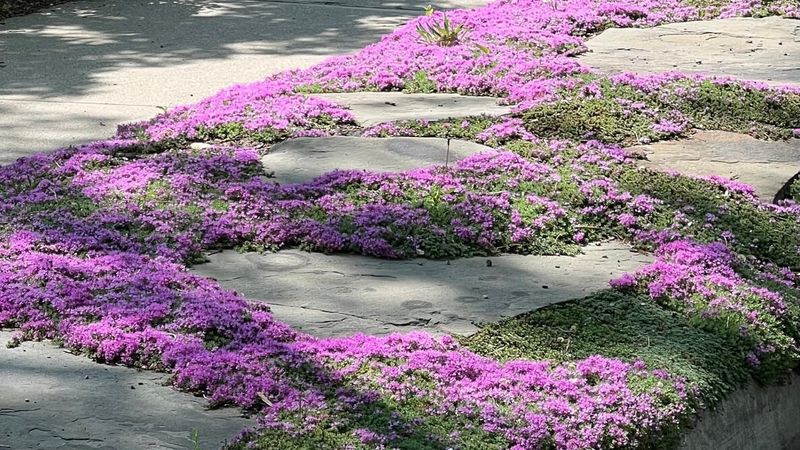
Step on it and it forgives you, then rewards you with a whiff of herby fragrance. Creeping thyme hugs the ground in a tight, springy mat that fills gaps between pavers and edges of beds beautifully.
Because it grows so low and dense, it traps moisture at the soil line and blocks the sun from drying things out. That living mulch effect is exactly what cuts summer watering.
Bees adore the little purple blooms, so a thyme patch hums with life all summer. It thrives in the lean, fast-draining soils common across inland California and asks for very little once established.
3. Dymondia (Dymondia margaretae)
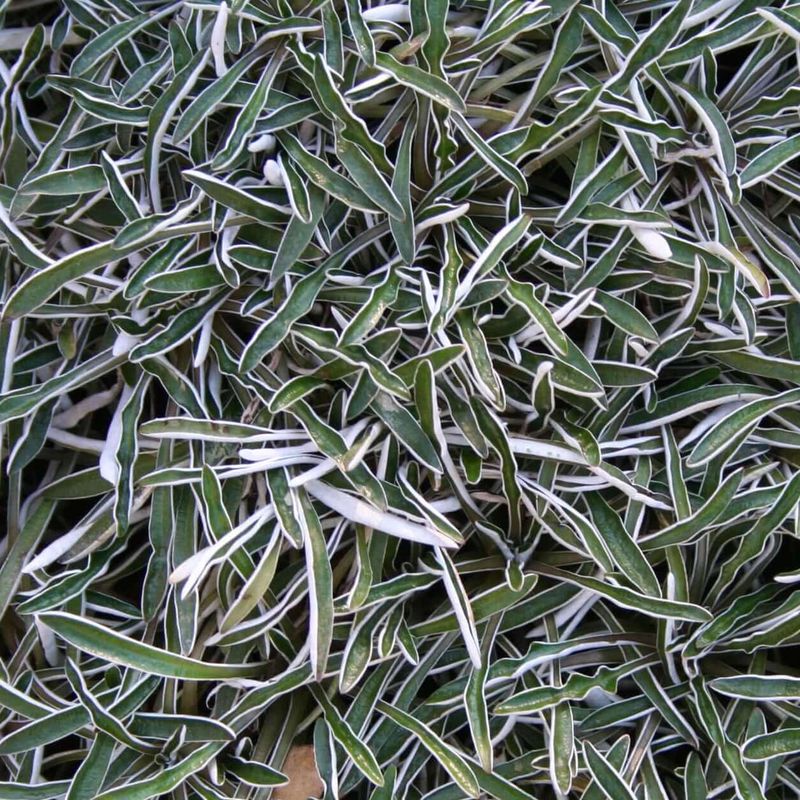
If you want something that looks like a manicured carpet but drinks like a cactus, dymondia is your plant. Its silver-backed leaves curl in the heat to conserve water, giving the whole patch a cool, frosty shimmer.
Flat and dense, it presses tight against the soil and locks moisture underneath, which keeps roots comfortable even during a heat wave. It even takes light foot traffic, so it works as a low lawn alternative.
Coastal and inland gardeners alike love how tidy it stays without mowing. Give it good drainage and full sun, and it will slowly knit into a seamless, water-thrifty ground layer.
4. California Lilac (Ceanothus ‘Yankee Point’)
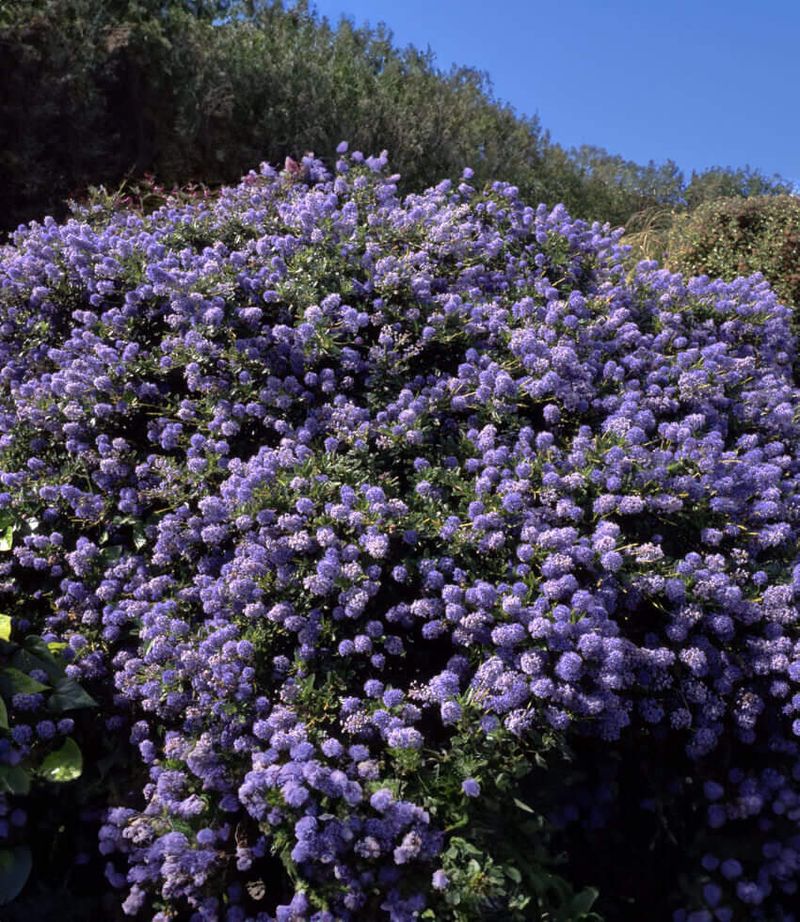
Nothing says California quite like a hillside lit up with electric blue Ceanothus blooms in spring. The low-growing varieties like ‘Yankee Point’ sprawl into a glossy evergreen mat that smothers weeds and shades the soil year-round.
Being a true native, it is built for the state’s wet-winter, dry-summer rhythm and needs almost no water once its roots go deep. That deep, established root system is what lets the soil above stay cool and undisturbed.
Native bees and butterflies swarm the flowers, making it a favorite for wildlife-minded homeowners. Plant it on a slope where watering is a hassle and let it do the heavy lifting.
5. Beach Strawberry (Fragaria chiloensis)
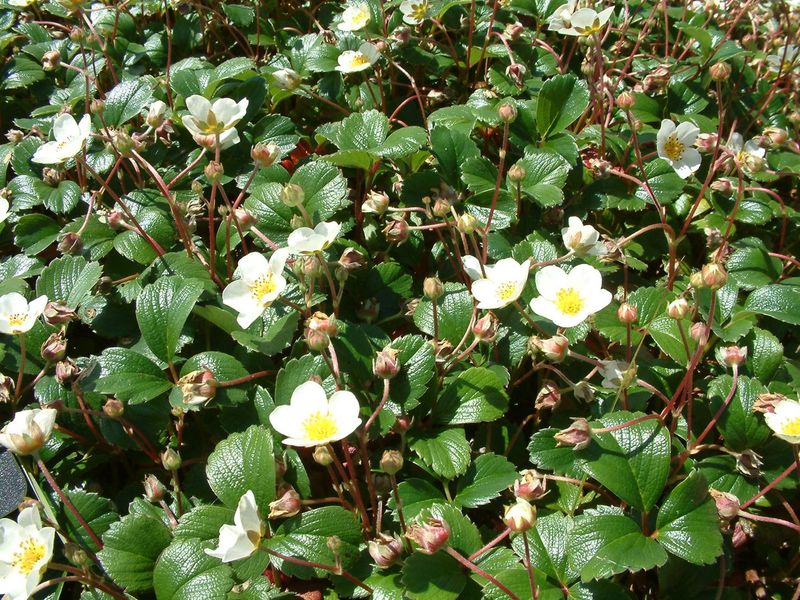
Here is a native that comes with a snack. Beach strawberry runs along the ground with glossy, deep green leaves and sends out runners that quickly stitch bare patches closed.
The leafy cover shades the soil and holds humidity right where roots want it, easing your watering load through the dry months. Its runners root as they travel, so a few plants become a full carpet surprisingly fast.
You may even get small, sweet berries that birds will happily share with you. Happiest along the coast and in cooler inland spots with some afternoon shade, it brings both function and a little fun to the garden.
6. Woolly Thyme (Thymus pseudolanuginosus)
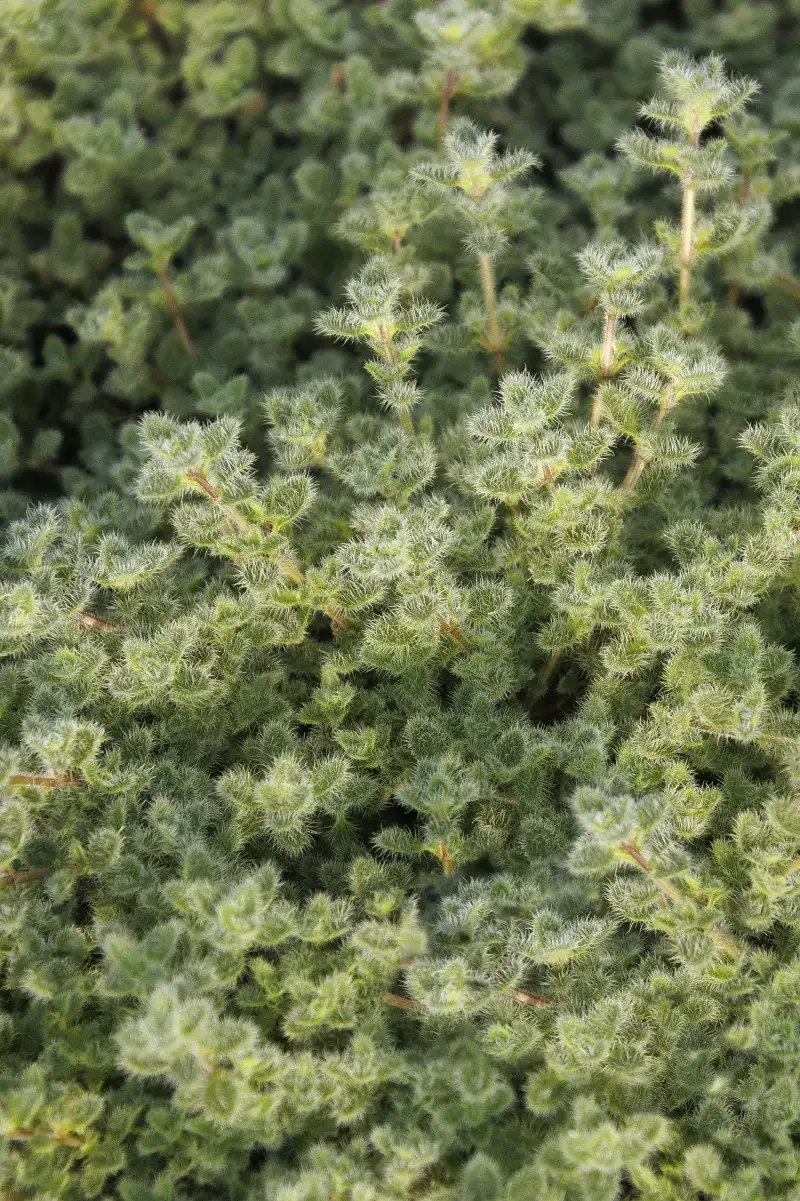
Run your hand across woolly thyme and it feels like petting a fuzzy gray-green kitten. That soft, silvery fuzz is not just charming, it reflects sunlight and helps the plant hold water in brutal heat.
It stays extremely low, hugging rocks and slopes to create a snug living mulch that keeps the ground beneath cool and damp. Weeds struggle to break through such a tight mat, which means less maintenance overall.
Perfect for rock gardens, dry borders, and those tricky spots where grass gives up. Once rooted, it sips water and asks for almost nothing in return.
7. Silver Carpet (Dymondia) Alternative: Sedum ‘Angelina’
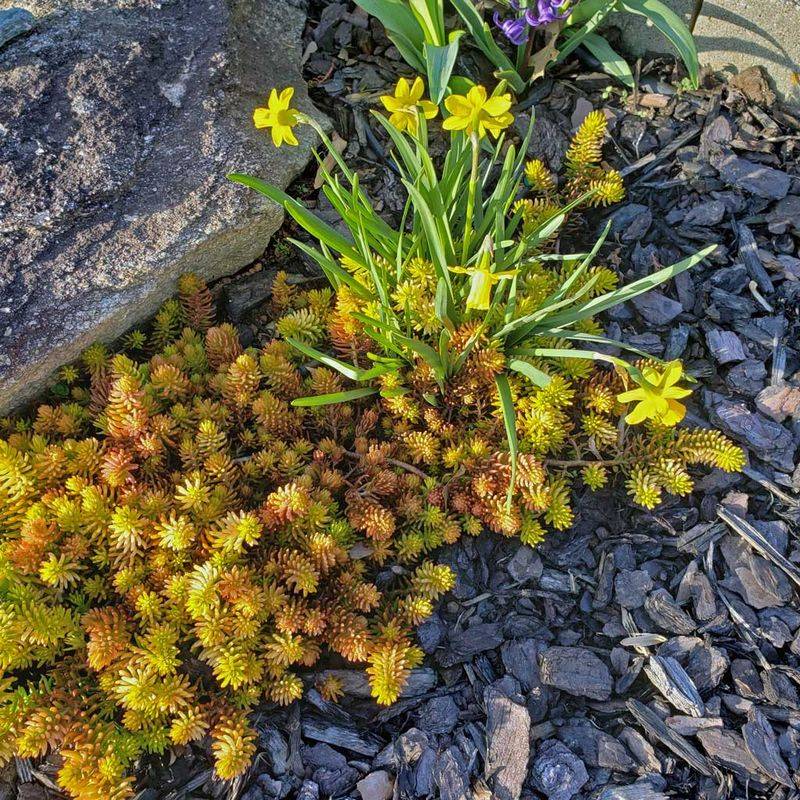
Bright as a splash of sunshine, Sedum ‘Angelina’ glows chartreuse in summer and turns amber-orange when the weather cools. It is a succulent, which means it stores water in its own leaves and barely needs help from you.
The fleshy foliage forms a dense mat that shades and insulates the soil, keeping evaporation to a minimum. Spilling over walls and filling dry cracks, it thrives exactly where thirstier plants would fry.
Drought, heat, poor soil, neglect, it laughs at all of it. For a fire-wise, water-wise splash of color, few groundcovers pull their weight like this one.
8. Prostrate Manzanita (Arctostaphylos ‘Emerald Carpet’)
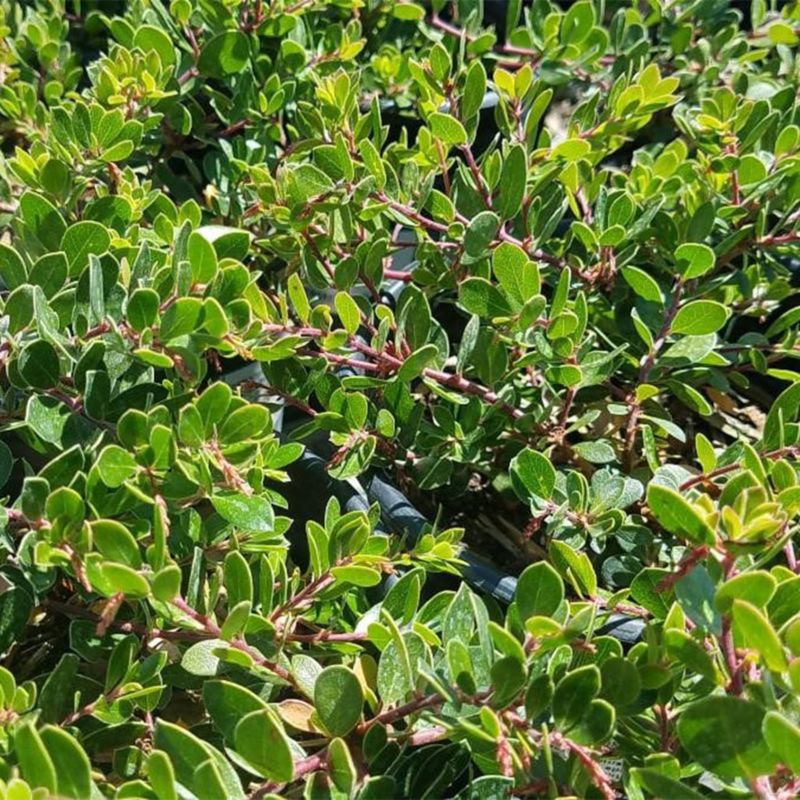
Manzanita usually means a tall, sculptural shrub, but the low forms like ‘Emerald Carpet’ spread into a lush, mounding green blanket instead. Rich, small leaves stay evergreen and shade the soil straight through the driest stretch of summer.
As a California native, it is deeply adapted to our climate and thrives on minimal water once its roots are set. The dense canopy keeps the ground cool and moist below, doing the mulching for you.
Early spring brings tiny bell-shaped flowers that hummingbirds and native bees flock to. Give it good drainage and it will reward you with quiet, low-fuss beauty for years.
9. Trailing Lantana (Lantana montevidensis)
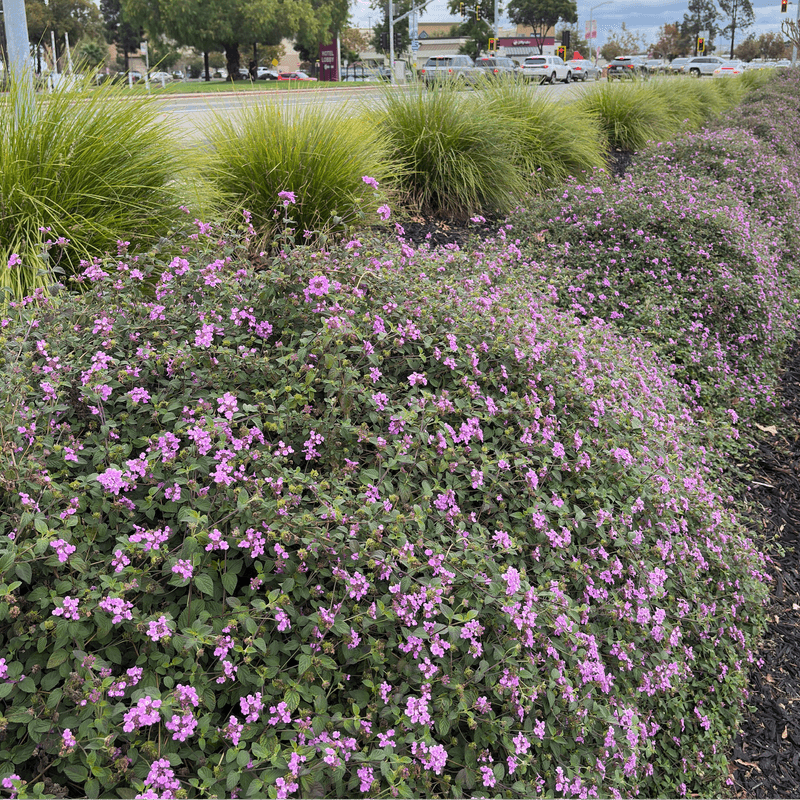
Bloom-crazy and heat-proof, trailing lantana keeps flowering long after other plants have thrown in the towel. Its low, sprawling stems knit together into a dense, colorful mat that shades the soil all season.
Because it covers ground so thoroughly, it slows evaporation and blocks weeds, trimming both your watering and your weeding. Butterflies cannot resist the clusters of purple, gold, or white flowers dancing above the foliage.
It loves the hot, sunny slopes that torture other plants and stays tough through California’s driest months. Plant it where you want maximum color for minimum effort.
10. Kurapia (Lippia nodiflora)
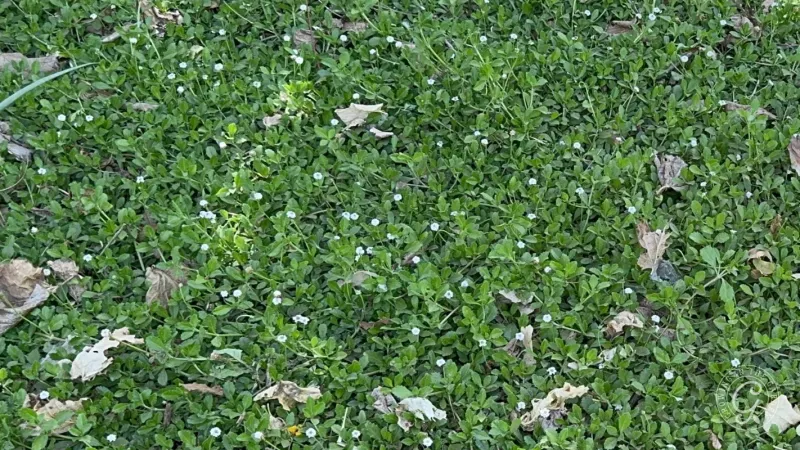
Gaining fans fast across California, Kurapia is a low, tough groundcover marketed as a genuine lawn replacement. It forms a soft, walkable green carpet dotted with small white flowers that pollinators love.
Its deep roots and dense top growth shade the soil and dramatically reduce water needs compared to a traditional lawn. Many homeowners report cutting irrigation significantly after switching, which is exactly the payoff we are after.
It handles foot traffic, resists weeds, and stays green with far less fuss than turfgrass. If you have been eyeing that thirsty lawn wondering what to do with it, Kurapia may be the answer that keeps the space usable.