
When a big winter storm hits a bare California slope, rain can carry tons of soil downhill in a single night. The right native groundcovers grab that soil with deep, tangled roots, then coast through the long dry summer with no hose at all once they are established.
They also feed bees, birds, and butterflies that depend on native plants. Here are eight tough, water-wise choices that can turn a crumbling hillside into a living, wildlife-friendly slope.
1. Creeping Manzanita (Arctostaphylos ‘Emerald Carpet’ and Kin)
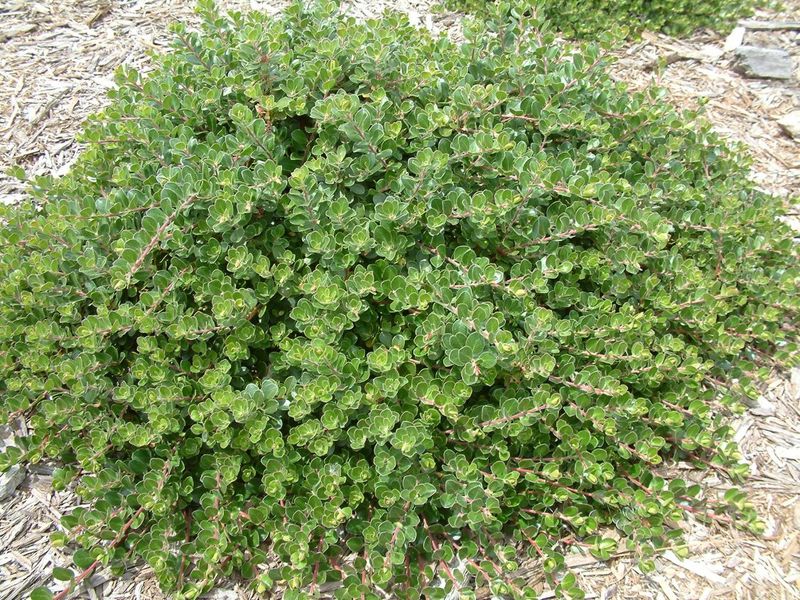
Picture a slope that looks freshly polished in August while the neighbor’s lawn has gone crispy. Low manzanitas like ‘Emerald Carpet’ and Arctostaphylos uva-ursi form tight evergreen mats with woody stems that root where they touch the ground.
Those stems create a living net, and the roots below help knit the top layer of soil. In late winter, tiny pink bells open just when native bumblebees and early hummingbirds are hunting for food.
Plant in fall so winter rain does the watering. Give it fast-draining soil and avoid summer irrigation once it settles in, since too much water in warm months can invite root rot.
Coastal and foothill gardens tend to have the best luck, while hot inland valleys may need a little afternoon shade.
2. California Sagebrush ‘Canyon Gray’
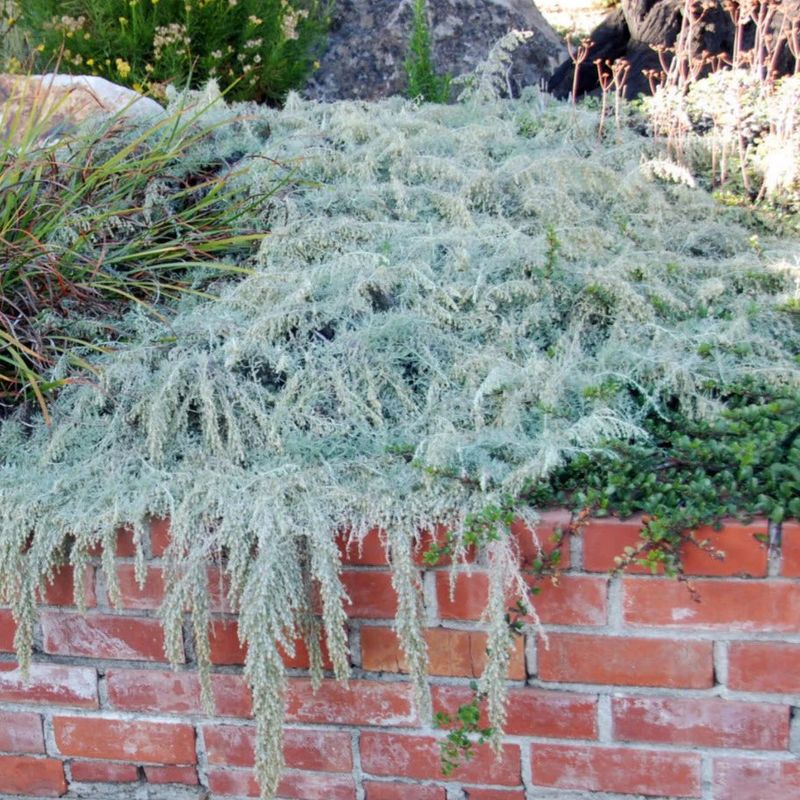
Crush a leaf and you will smell the whole coastal backcountry. ‘Canyon Gray’ is a low, sprawling form of Artemisia californica that can stretch several feet wide while staying under a foot tall.
Its fine silver foliage spills down banks and cut slopes, and its fibrous roots are well suited to loose, sandy ground. It is a host and shelter plant for many small native insects, which in turn feed birds like the California gnatcatcher in coastal sage scrub.
A quick tip from experience: trim lightly in fall to keep it dense, never hard into old wood. It goes semi-dormant in summer, which is normal behavior, not a cry for water.
3. Dwarf Coyote Brush
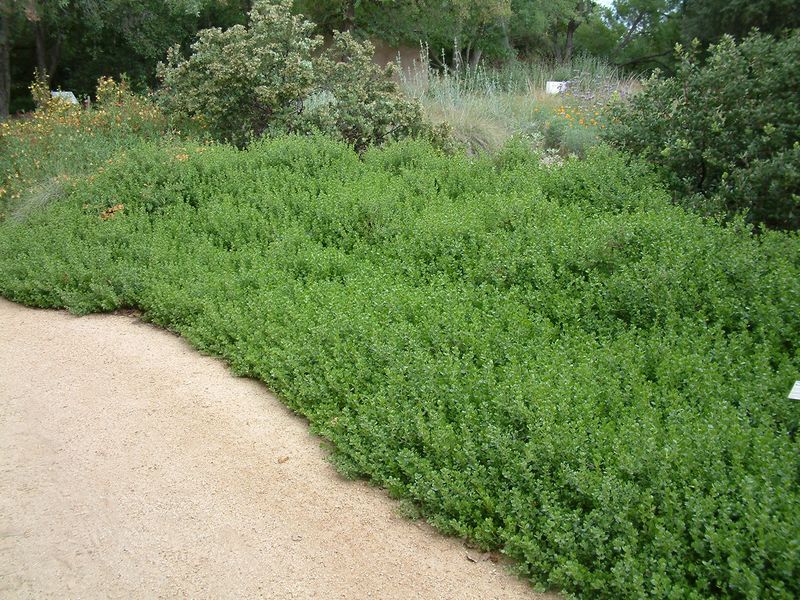
Ask a California landscape pro what they plant on a scary-steep bank, and dwarf coyote brush comes up fast. Selections like ‘Pigeon Point’ and ‘Twin Peaks’ form bright green mounds two feet tall and up to eight feet across.
The roots run deep, which is exactly what a slope needs when January rains soak in. It handles clay, sand, coastal wind, and inland heat with very little fuss.
Fall flowers on female plants buzz with native bees, wasps, and butterflies at a time when little else blooms. In fire-prone areas, keep it trimmed low and free of dead wood, and follow your local defensible-space rules near the house.
4. Prostrate Ceanothus
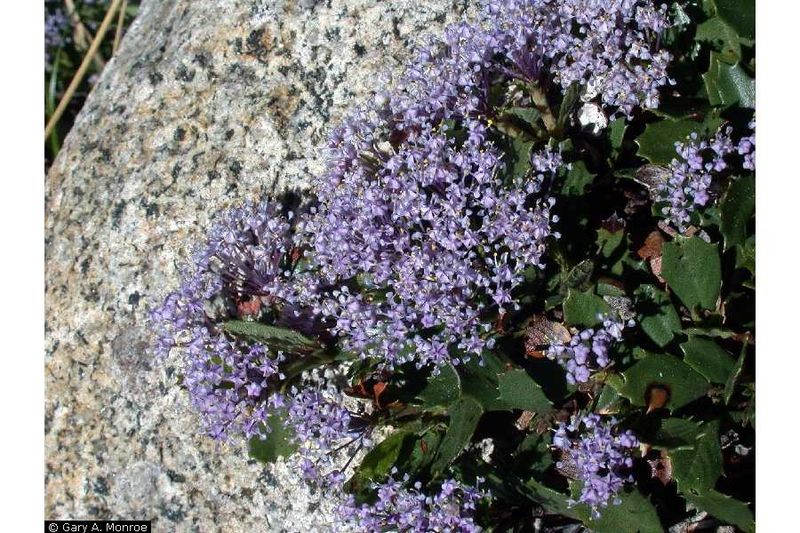
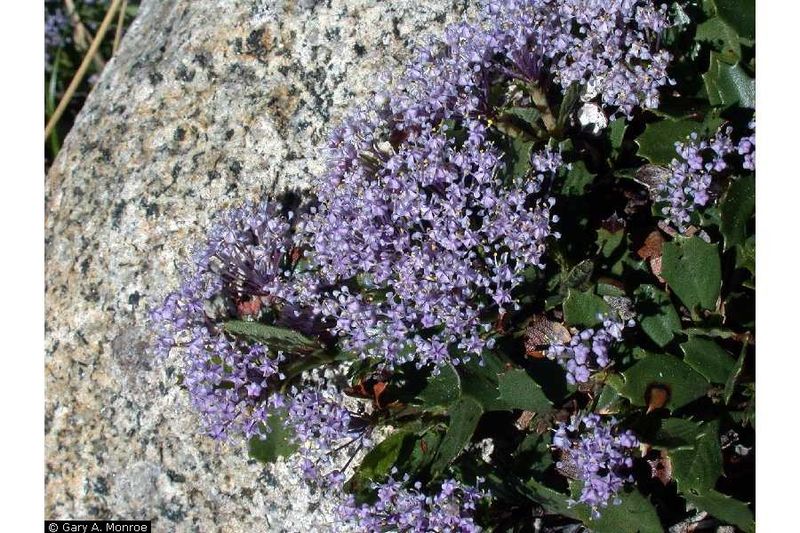
Every spring, certain California hillsides turn so blue they look like spilled paint. Low ceanothus such as ‘Yankee Point’, ‘Centennial’, and Ceanothus maritimus bring that show to home slopes.
Here is the part many gardeners do not know: ceanothus roots can partner with soil bacteria that pull nitrogen from the air. That can help improve poor, eroded soil over time while the stems hold it in place.
The catch is that ceanothus really dislikes summer water. Drip lines left running in July are one of the most common ways homeowners lose it.
Water the first summer only, sparingly, then let nature take over.
5. California Fuchsia
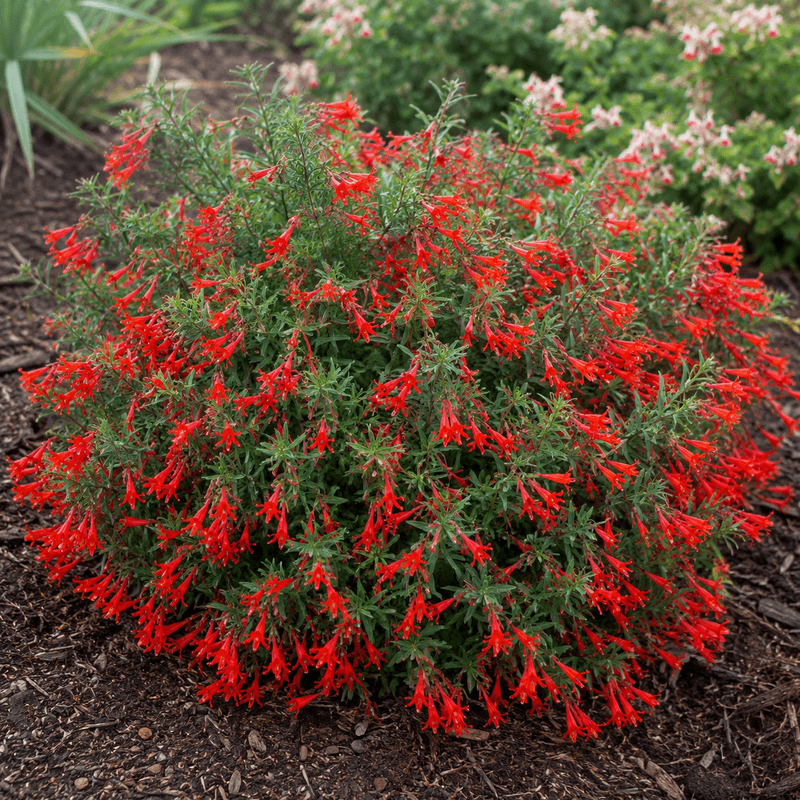
Hummingbirds in late summer have a problem: most flowers are done. California fuchsia solves it with fiery orange-red trumpets from August into fall, right when the birds are fattening up.
It spreads by underground runners, so a few plants can fill in a patch of bank and help bind the surface soil. Forms like ‘Everett’s Choice’ stay low and work well along rocky cuts.
Cut it nearly to the ground in winter. It will come back with the rains, spread a little more, and bloom again on zero summer water once established.
6. Creeping Sage (Salvia sonomensis)
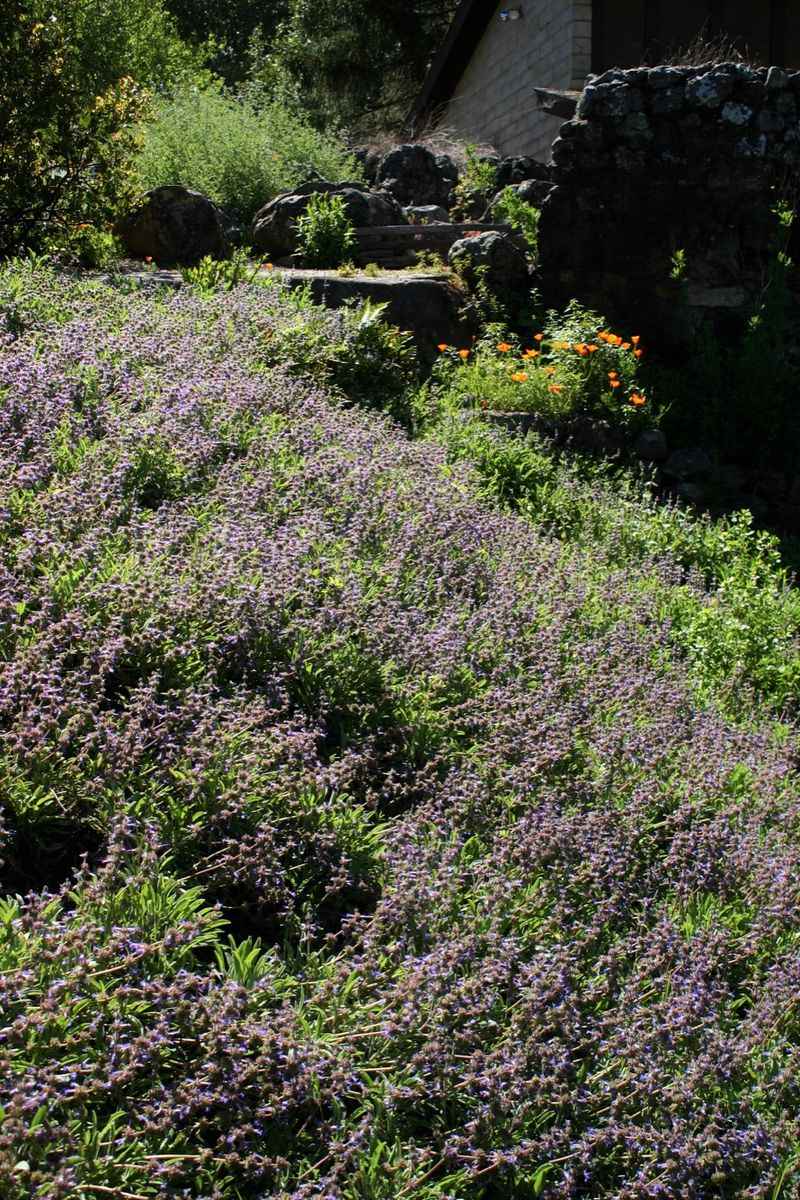
Soft, gray-green, and fragrant, creeping sage feels like walking through a foothill trail. It forms a low, dense mat that layers itself into the ground, which helps shield bare soil from pounding rain.
Spring flower spikes in lavender blue attract native bees by the dozen. Hybrids like ‘Bee’s Bliss’ are easier in gardens and spread wide fast.
Plant on a slope with excellent drainage and full sun. Overwatering is its main enemy, so once roots are set, the best care is mostly leaving it alone.
7. California Meadow Sedge
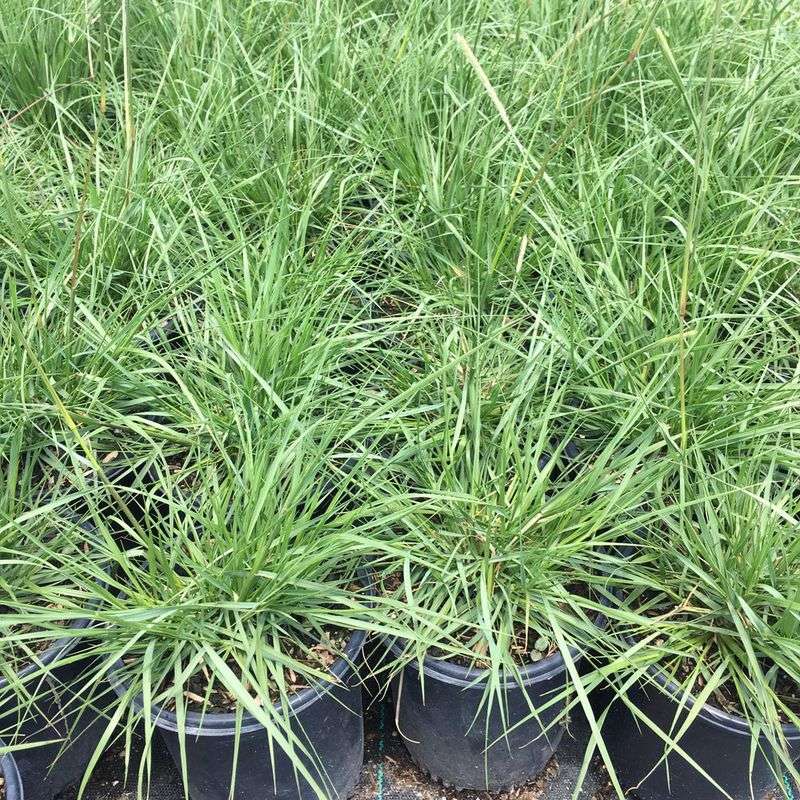
Want something that looks like soft grass but does not need a sprinkler schedule? California meadow sedge (Carex praegracilis) spreads by rhizomes into a thick, fine-textured carpet.
Those rhizomes weave through the soil like stitching, which makes it a strong pick for gentler slopes and swales where water runs during storms. It also works as a lawn alternative you can mow occasionally or leave shaggy for insects and ground-feeding birds.
Fair warning: in full sun inland, it may brown and go dormant without summer water. That is normal for a native, and it greens up when rains return.
Light shade or coastal gardens keep it greener.
8. Yarrow (Achillea millefolium)
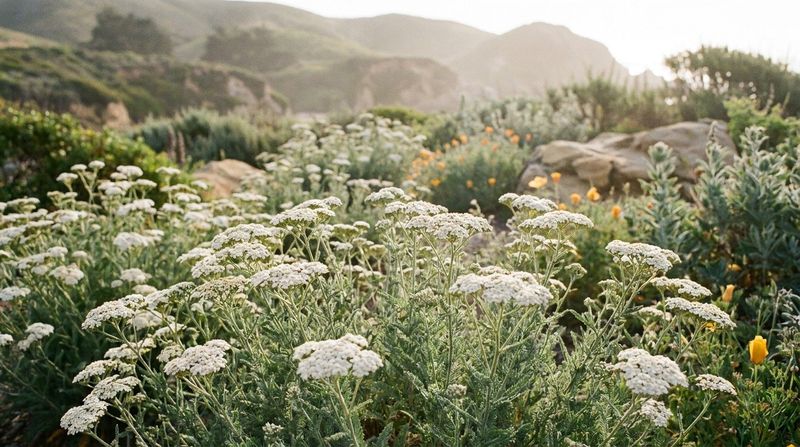
Yarrow has been growing across California long before any of us got here, from beaches to mountain meadows. Its ferny leaves form a low mat, and spreading roots help hold soil on mild slopes.
Flat white flower clusters are landing pads for small butterflies, hoverflies, and beneficial wasps that help control garden pests. That means fewer reasons to reach for sprays that can harm pollinators.
It is also tough enough to take light foot traffic. Mix it with the shrubby groundcovers above for a layered slope that blooms, feeds wildlife, and stays put when the next storm rolls in.