
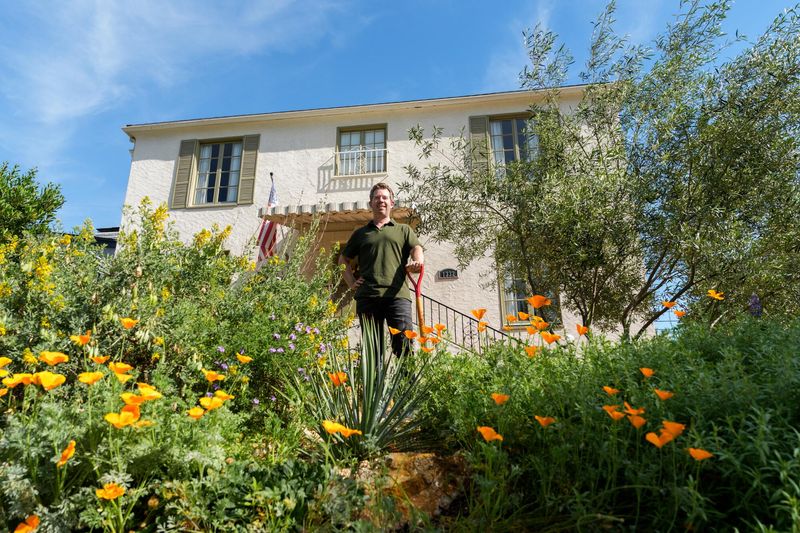
California pays homeowners to swap thirsty grass for water-wise plants, but the list of what actually qualifies is bigger than most people realize. Plenty of gorgeous native plants count toward the 2026 lawn replacement rebate, and folks skip them simply because they never knew.
If you have been staring at a lawn you no longer want, this could be the nudge you need. Here are eight California natives that quietly check the boxes and turn a boring yard into a living, water-saving landscape.
1. Cleveland Sage (Salvia clevelandii)
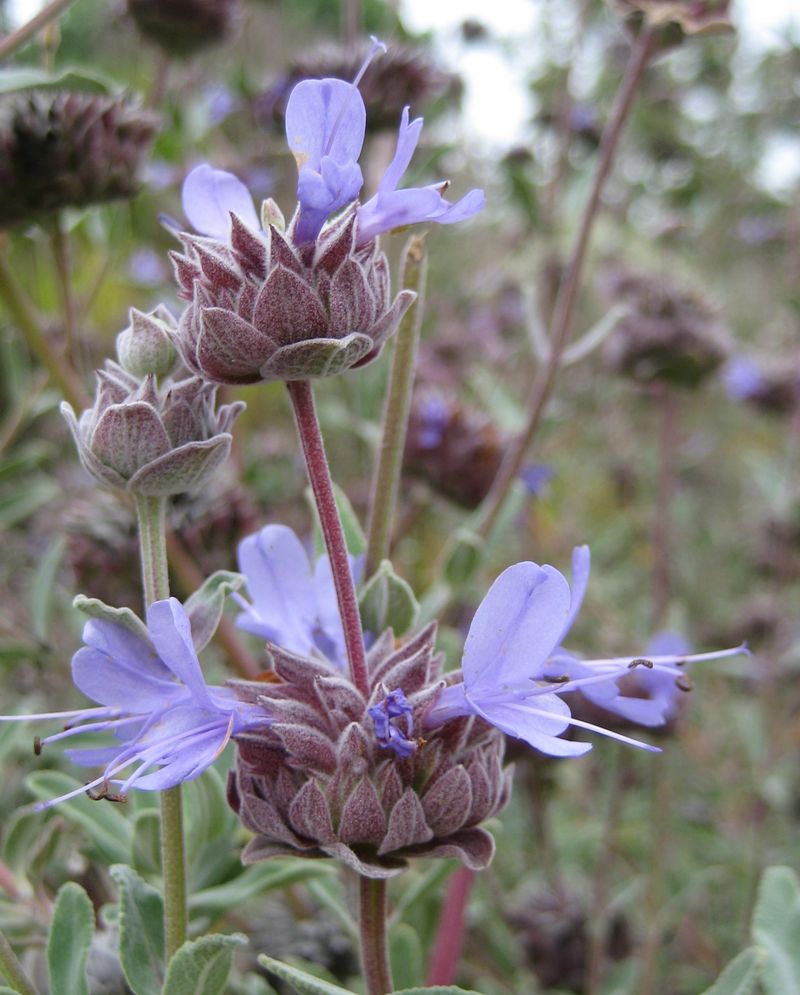
Brush past this shrub on a warm afternoon and you will understand why gardeners fall for it. Cleveland sage releases a sweet, almost minty perfume that fills the whole yard, and the bees cannot get enough of it.
What makes it a rebate favorite is how little it asks for. Once established, it thrives on rainfall alone through California’s long dry summers, which is exactly the kind of low-water performance most rebate programs reward.
The tidy mounding shape works well as a replacement for a chunk of removed lawn, especially in inland valley and hillside yards. Its purple flower balls stack up the stems in late spring, giving you a real show before the dry season kicks in.
Fun bit: the dried flower stalks look great in arrangements, so you get bouquets long after the color fades. Plant it in full sun with good drainage and resist the urge to overwater.
2. California Fuchsia (Epilobium canum)
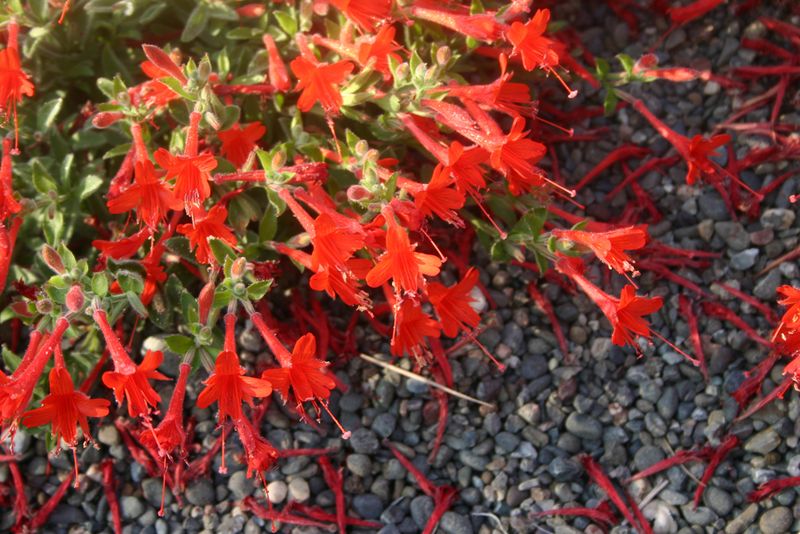
Just when everything else in the yard looks tired and crispy, California fuchsia lights up with fiery orange-red trumpets. Hummingbirds treat it like a favorite diner, showing up again and again through late summer and fall.
Its late-season timing is the secret weapon. Most rebate-friendly gardens go quiet by August, but this one keeps the color and the wildlife action going when it matters most.
It spreads into a soft, low mat that covers ground quickly, which helps if you are trying to fill space where turf used to sprawl. That coverage also cuts down on weeds and bare dirt.
Give it sun, sharp drainage, and almost no summer water once it settles in. Cut it back hard in winter and it bounces back fuller the next year, making it one of the easiest natives to keep looking sharp.
3. Deergrass (Muhlenbergia rigens)
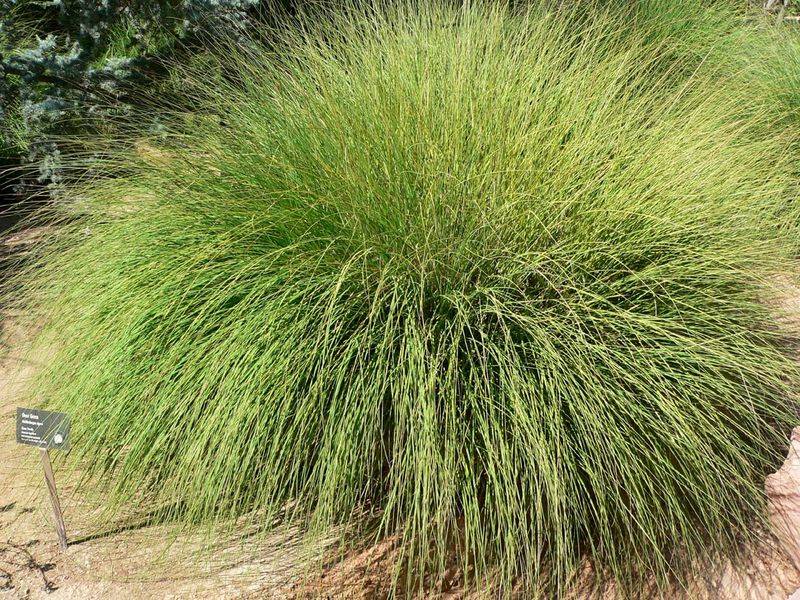
If you miss the soft, flowing look of a lawn but not the water bill, deergrass is your answer. It forms a graceful fountain of fine green blades that sway in the slightest breeze.
Rebate programs often love it because it reads as a true grass replacement without behaving like thirsty turf. One good clump can anchor an entire corner of a converted lawn.
Homeowners appreciate that it stays put instead of spreading aggressively, so it plays nicely with pathways and borders. Birds pick through the tall seed spikes in fall, adding a little quiet wildlife traffic to your yard.
Practical care is refreshingly simple. Comb out the old growth with your fingers or shears once a year, water sparingly, and let it do its thing in full sun to part shade.
4. Coyote Mint (Monardella villosa)
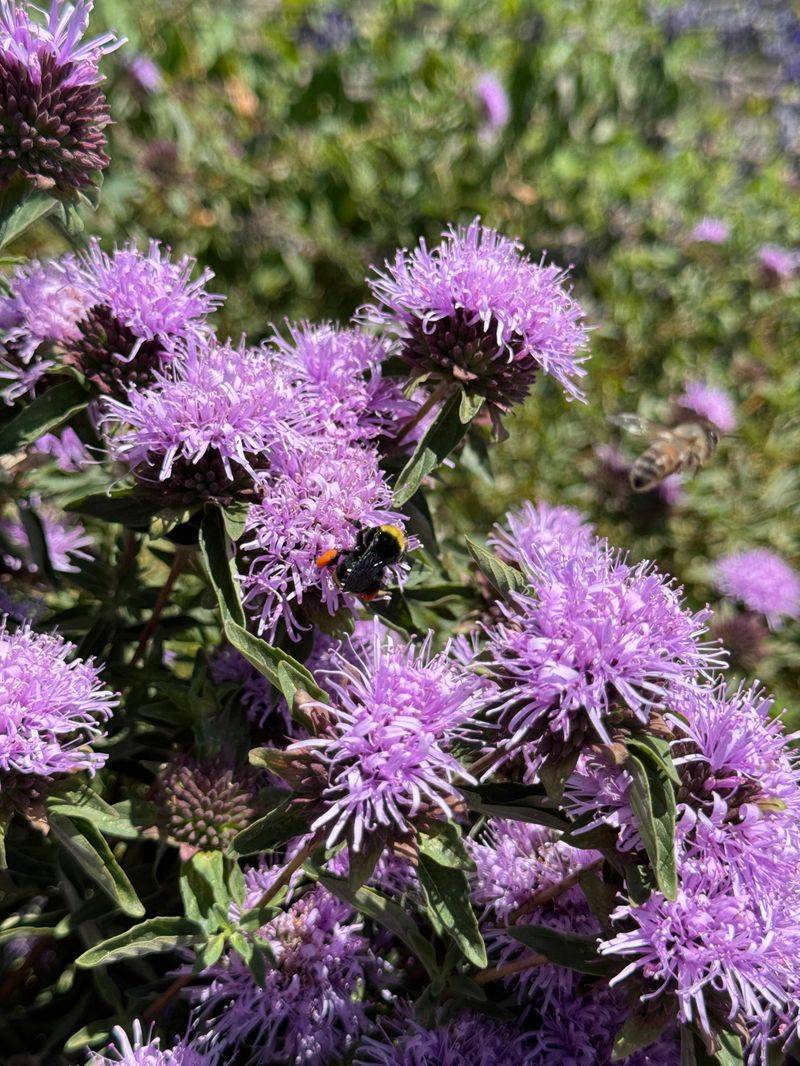
Crush a leaf between your fingers and coyote mint hits you with a bright, herbal scent somewhere between mint and oregano. That fragrance is more than a treat for your nose, it helps keep some hungry pests uninterested.
Butterflies and native bees swarm its lavender pom-pom flowers, which is a big plus for homeowners who feel guilty about losing pollinator habitat when they pull out a lawn.
Its small, tidy size makes it perfect for the front edge of a rebate bed or tucked between larger shrubs. You get maximum wildlife value from a plant that barely takes up any room.
Coyote mint prefers decent drainage and light summer water in hotter inland zones. Shear off the spent blooms and you may coax a second flush of flowers before the season ends.
5. Toyon (Heteromeles arbutifolia)
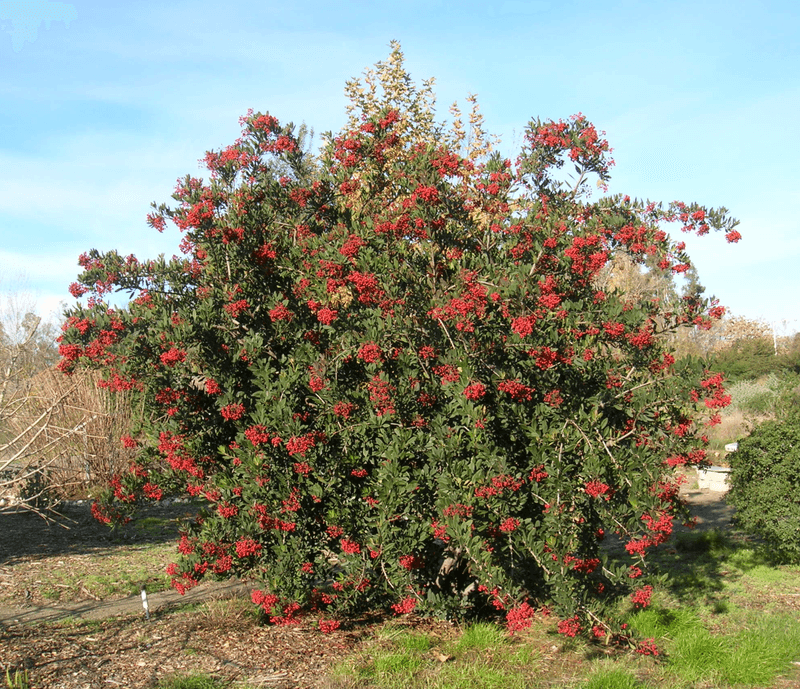
Ever wonder where Hollywood got its name? Legend ties it to toyon, the shrub that blankets California hillsides with clusters of bright red berries every winter.
Beyond the fun history, toyon earns its spot on rebate lists as a sturdy, drought-tough evergreen that can carry the backbone of a converted yard. It handles heat, poor soil, and long dry stretches without complaint.
The winter berries are a lifeline for mockingbirds, robins, and cedar waxwings when other food is scarce. That makes it a standout choice for homeowners who want their new landscape to feed real wildlife.
It can grow into a large shrub or small tree, so give it room and it will reward you with privacy and structure. For fire-prone hillside properties, keep it pruned and spaced thoughtfully within your defensible-space plan.
6. Yarrow (Achillea millefolium)
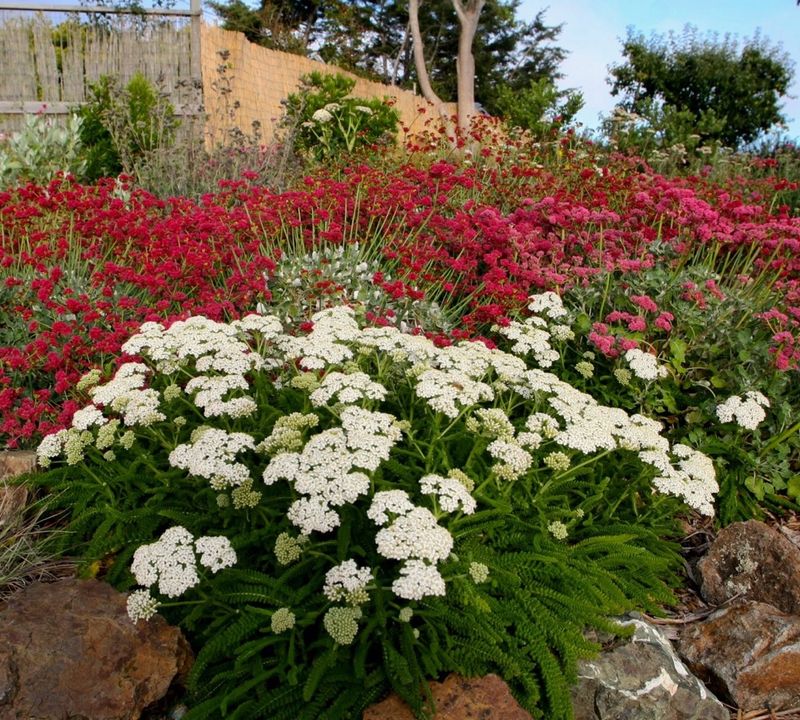
Here is a plant that can literally be walked on. Native yarrow tolerates light foot traffic, which is why so many homeowners use it as a soft, low groundcover where a lawn used to be.
Its feathery leaves stay green and lush looking with only a fraction of the water turf demands. Flat-topped white or pink flower clusters float above the foliage and pull in beneficial insects like crazy.
Because it spreads on its own, yarrow fills gaps and knits a bed together without you buying dozens of plants. That coverage keeps weeds down and gives converted lawns a finished, intentional look.
Mow it a couple times a year if you want a neat carpet, or let it bloom for a meadow feel. Either way it shrugs off drought once it is rooted, making it a quiet rebate all-star.
7. Ceanothus (California Lilac)
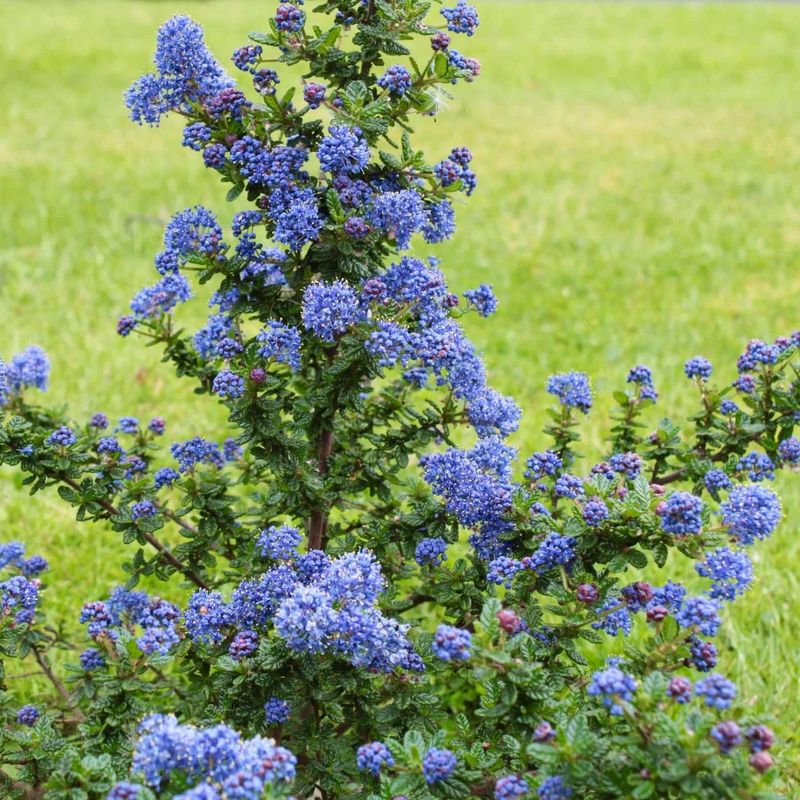
Come spring, ceanothus explodes into clouds of blue and purple so dense the shrub practically hums with bees. Few native plants deliver that much drama for so little effort.
Water-wise to the extreme, established ceanothus often resents summer irrigation entirely, which is precisely the trait rebate programs are looking to reward. Overwatering is the fastest way to kill it, so lazy gardeners actually win here.
Varieties range from low sprawling mats to tall screening shrubs, so you can match one to almost any spot in a former lawn. The evergreen foliage keeps things looking full year-round.
Pollinators flock to those blue blooms, and the seeds later feed birds. Plant it in full sun with fast-draining soil, step back, and let one of California’s most iconic natives do the heavy lifting.
8. California Poppy (Eschscholzia californica)
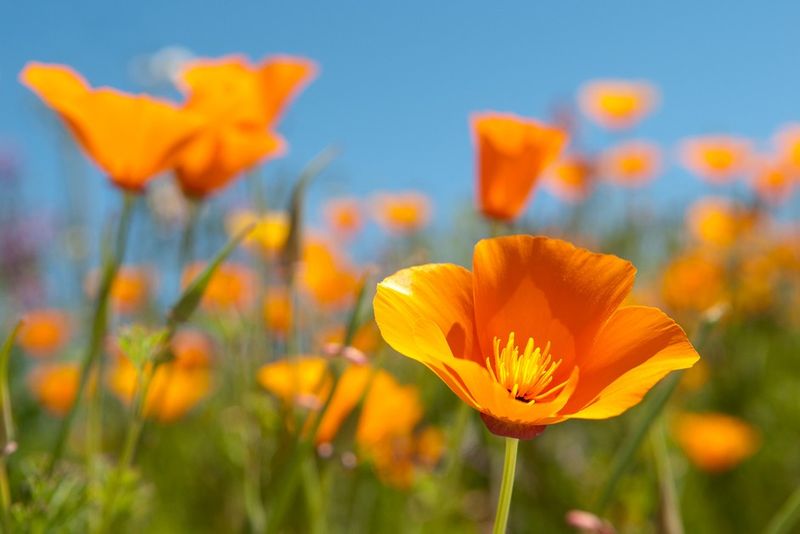
Nothing says California quite like a sweep of glowing orange poppies, the state flower itself. Scatter the seed once and you may have a self-sowing carpet that returns year after year for free.
Its ability to reseed makes it a budget-friendly filler between the bigger anchor plants in a rebate-converted yard. Bare patches turn into color instead of weeds.
The flowers close up at night and on cloudy days, then blaze open again with the sun, giving your yard a living, changing personality. Native bees dive into the pollen-rich blooms all spring.
Poppies thrive on neglect, wanting sun, lean soil, and next to no summer water. Once they finish, let the seed heads dry and drop, and you have essentially set up next spring’s show without lifting a finger.