
Crape myrtle looks pretty, but it drinks a lot of water during California’s long, dry summers, and that can feel wrong when your neighbors are dealing with water restrictions. The good news is that California has its own native shrubs that grow tall, bloom bright, and shrug off months without rain. Line them up along your fence and you get privacy, color, and a buzzing crowd of native bees and birds without the guilt of a thirsty water bill. Here are eight tough natives that can take crape myrtle’s place and barely blink when the hose stays off.
1. Toyon (Heteromeles arbutifolia)
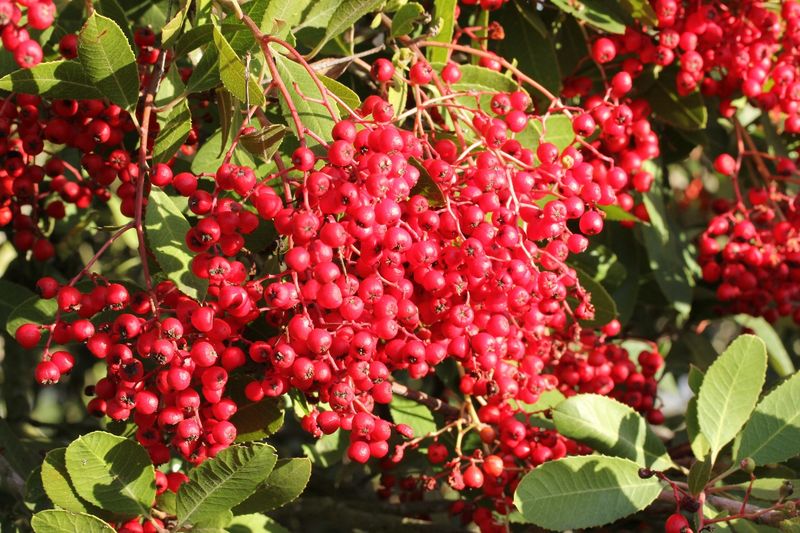
Ever wonder where Hollywood got its name? Local lore ties it to the toyon, a bushy California native famous for the fiery red berries it throws out every winter. That timing alone makes it a standout, since it puts on a show right when most yards look tired.
Along a fence line, toyon grows six to ten feet tall and just as wide, giving you a solid green wall with almost no effort. The leaves stay glossy and dark through the driest months, and once the plant is settled in, it can go all summer on rainfall alone.
Birds absolutely mob the berries. Cedar waxwings, mockingbirds, and robins strip the branches clean, which means you get a living bird feeder instead of a plant that only takes from your water supply. Bees find the creamy summer flowers, too.
Plant it in full sun or part shade, skip the heavy watering after year one, and resist the urge to fuss over it. Toyon actually prefers to be left alone, and it rewards that neglect with more berries.
2. Cleveland Sage (Salvia clevelandii)
Brush past a Cleveland sage on a warm afternoon and your whole yard suddenly smells like a mountain hillside. The fragrance is the first thing people notice, and it’s reason enough to tuck one near a gate or path where you’ll bump it often.
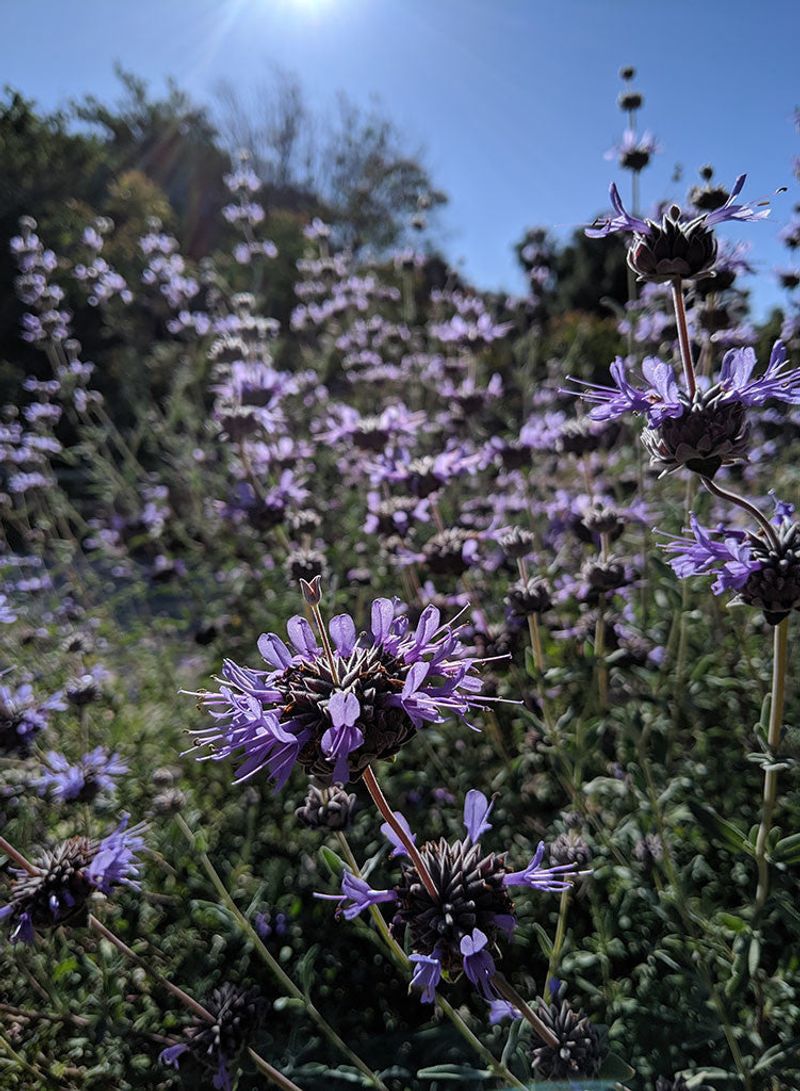
Come late spring, the shrub sends up whorls of violet-blue flowers stacked along tall stems, and pollinators lose their minds over them. Native bees, hummingbirds, and butterflies work the blooms from morning to dusk.
Growing three to five feet tall and spreading wider, Cleveland sage fills the lower and middle part of a fence line nicely. It wants full sun, sharp drainage, and shockingly little water once established. Overwatering is actually the fastest way to kill it, so err on the dry side.
A light trim after flowering keeps it tidy and encourages a fuller shape next year. Leave the dried flower stalks up through fall if you can, since seed-eating birds will thank you.
3. Manzanita (Arctostaphylos species)
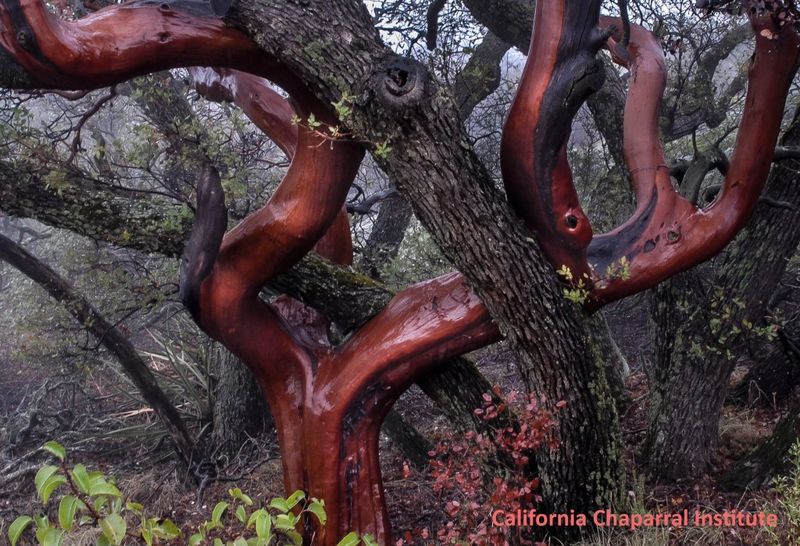
Few native plants have bark this beautiful. Manzanita’s twisting branches turn a smooth mahogany red that looks almost polished, so even in the dead of winter the shrub is worth staring at.
There’s a manzanita for nearly every yard, from low ground-huggers to upright forms that reach six feet or more, making the taller varieties a smart fence-line pick. Little pink or white urn-shaped flowers appear in winter and early spring, feeding hummingbirds and early native bees when almost nothing else is blooming.
Drought toughness is where this shrub really shines. Once its roots reach down, manzanita can sail through a rainless summer without a single drink, which is exactly what you want when water bills climb.
Give it excellent drainage and full sun, and whatever you do, keep summer water away from the crown. Choose a variety sized for your space so you’re not hacking it back every year, and let that gorgeous bark do the talking.
4. California Lilac (Ceanothus species)
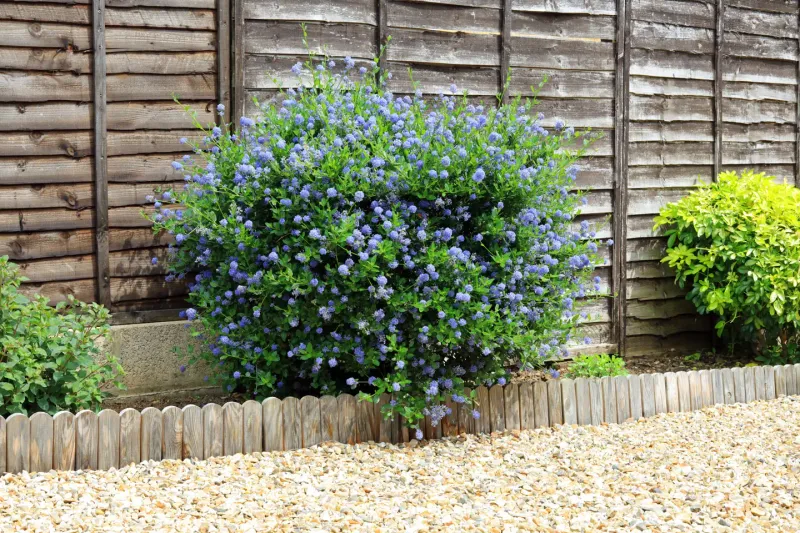
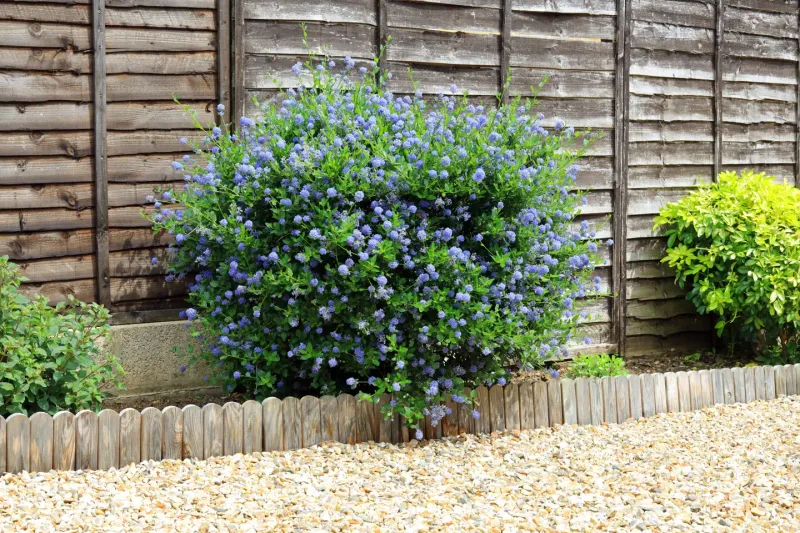
When a Ceanothus hits full bloom, it stops traffic. The shrub disappears under a cloud of blue so dense that the leaves practically vanish, and the whole thing hums with visiting bees.
For a fence line, the taller upright species can climb eight to twelve feet, creating a fast privacy screen that turns electric blue every spring. Butterflies and native bees swarm the flowers, and the seeds later feed quail and finches.
Water-wise gardeners love how little Ceanothus asks for. After the first year, most types resent summer irrigation and do best on rain alone, so it fits perfectly into a drought-conscious California yard.
One honest note: many Ceanothus live fast and don’t stick around for decades, so treat it as a brilliant medium-term screen rather than a forever plant. Plant it in lean soil, full sun, and let it dry out between any rare waterings to help it last as long as possible.
5. Flannel Bush (Fremontodendron californicum)
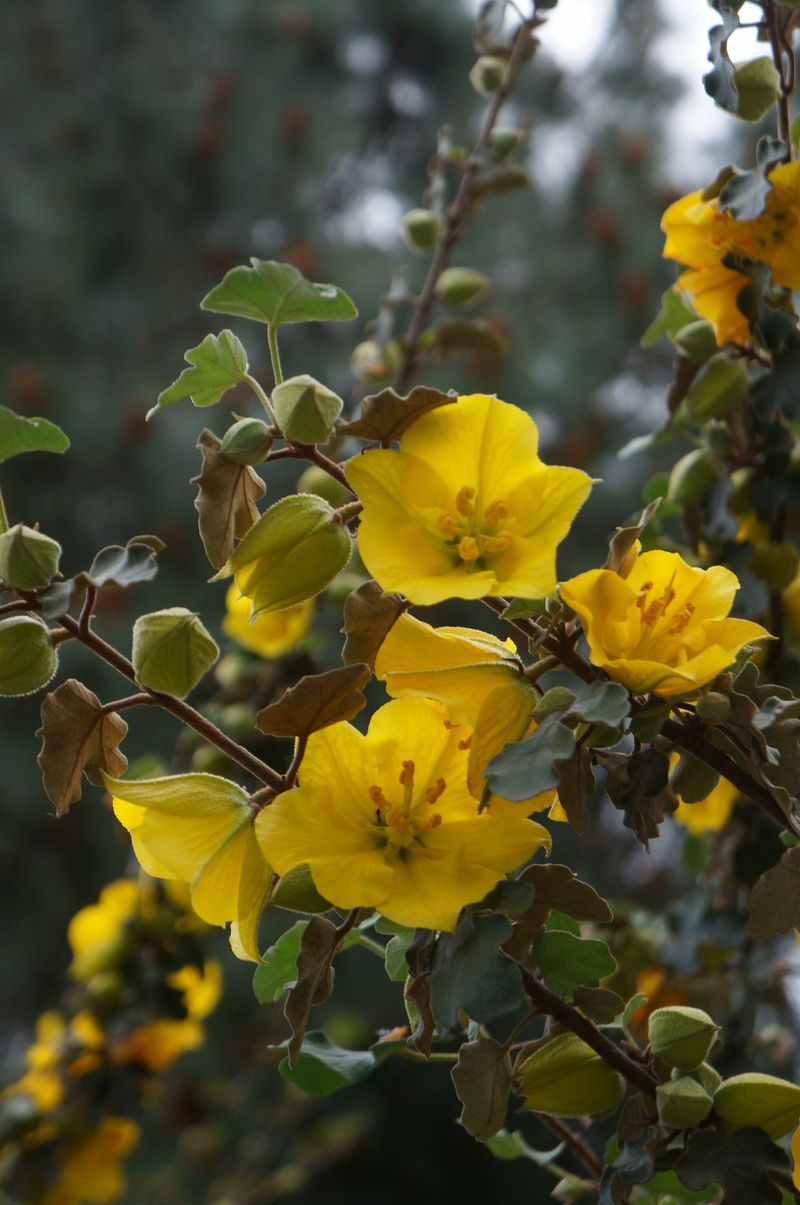
If you want drama, flannel bush delivers it by the armful. Big golden, saucer-shaped flowers cover the plant in spring so thickly that from a distance it looks like a wall of gold coins.
Fast and tall, this native can shoot up to twelve or fifteen feet, making it one of the quickest ways to fill a bare stretch of fence. Native bees and other pollinators pile onto the sunny blooms, and the fuzzy leaves give the whole shrub a soft, flannel-like texture that earns its name.
Drought is no problem here. Flannel bush practically demands a dry summer and can rot if you baby it with the hose, so this is the definition of a plant-it-and-forget-it native.
A quick heads-up: those fuzzy leaves can irritate skin, so wear gloves when you prune. Give it blazing sun, poor fast-draining soil, and plenty of elbow room, and it may reward you with the most jaw-dropping spring color on the block.
6. Coffeeberry (Frangula californica)
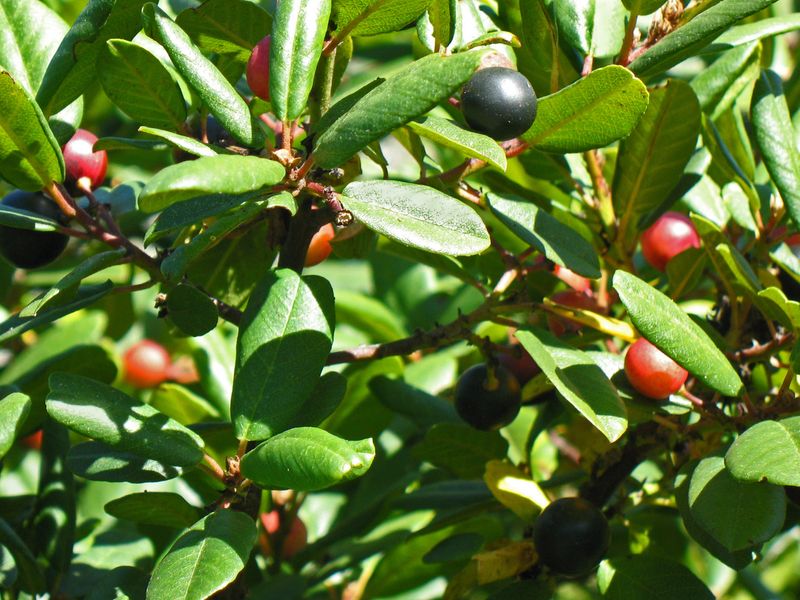
Quiet workhorse of the native garden, coffeeberry doesn’t scream for attention, and that’s exactly why so many gardeners rely on it. It forms a dense, tidy green screen that just keeps doing its job season after season.
The berries are the real magic. Starting green, they ripen to red and finally deep black, so the shrub carries a mix of colors like little traffic lights, and birds feast on them through late summer and fall.
Coffeeberry grows anywhere from three to fifteen feet depending on the variety, so you can pick a size that matches your fence without constant pruning. It also handles sun or shade with ease, which makes it a lifesaver for that tricky spot where other plants sulk.
Water needs drop to almost nothing after establishment. Give it a home, let the rains handle it, and enjoy a clean, wildlife-packed hedge that never seems to notice the dry months rolling by.
7. Bush Anemone (Carpenteria californica)
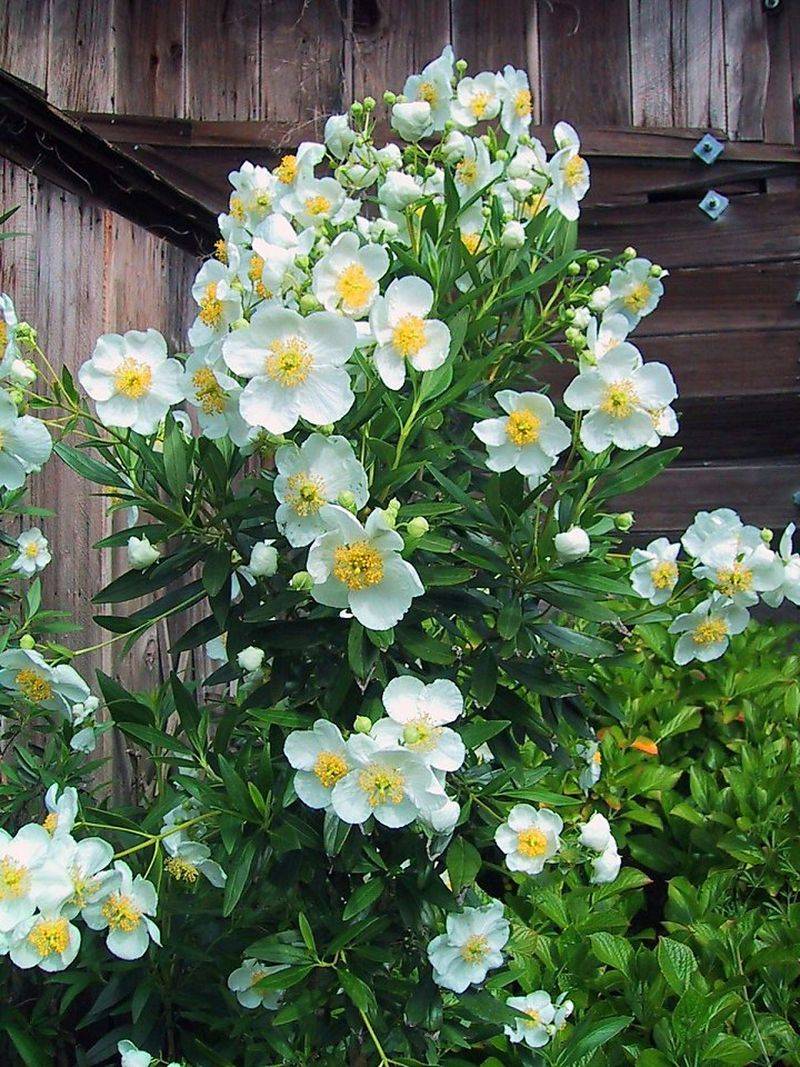
Rare in the wild but a gem in the garden, bush anemone offers something the flashier natives can’t: big, pure-white flowers with bright golden centers that glow against dark, glossy leaves. The effect is elegant, almost like a native version of a fancy camellia.
Blooming through late spring and early summer, it draws in bees and butterflies while giving your fence line a cool, refined look. It settles in at around six feet tall and wide, filling space without overwhelming it.
Here’s a bonus most natives can’t match: bush anemone handles a bit more shade and even a touch of extra water, so it works in spots where the sun-loving drought plants would struggle. Still, once established it shrugs off a dry summer just fine.
Plant it where you’ll appreciate those blooms up close, give it decent drainage, and enjoy having one of California’s most graceful natives holding down your property edge.
8. Lemonade Berry (Rhus integrifolia)
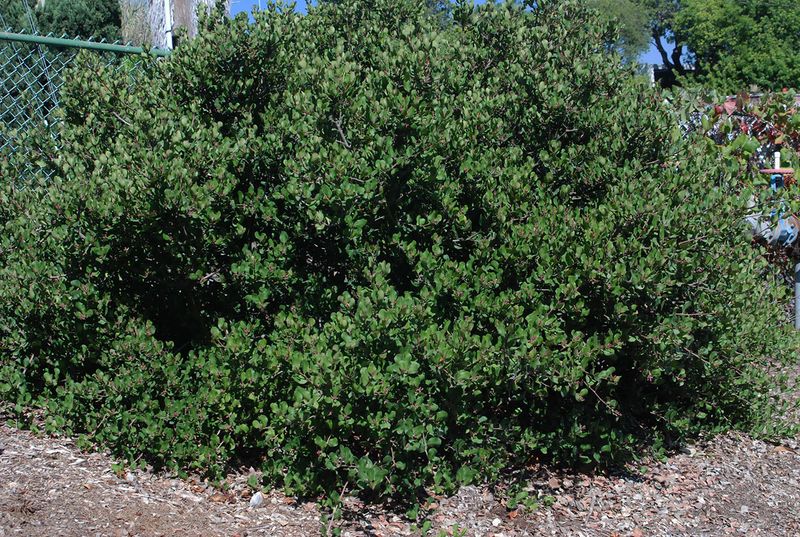
Coastal gardeners, this one’s for you. Lemonade berry laughs off salty ocean wind, tolerates poor soil, and forms one of the toughest evergreen hedges you can grow near the sea.
Its name comes from the sticky, tart berries that early Californians soaked in water to make a tangy lemonade-like drink, so the plant carries a little edible history along with its good looks. Small pinkish-white flower clusters appear in late winter, feeding bees when forage is scarce.
Leathery green leaves stay dense and healthy right through the driest stretch of summer, giving you reliable year-round privacy. Left alone it can reach eight feet or more, yet it also takes shearing well if you prefer a neater hedge.
Fire-conscious homeowners should note that well-hydrated, well-maintained lemonade berry is often used in coastal defensible-space plantings, though you should still keep it pruned and check your local guidelines. Sun or part shade, almost no summer water, and salt air are all fine by this steadfast native.