
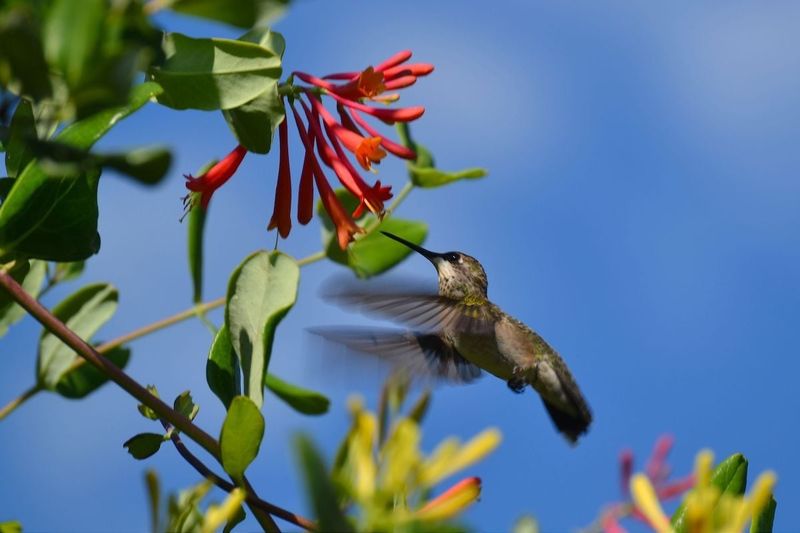
If you have a hummingbird feeder in your California yard, you already know the joy of watching those tiny wings blur past. But there is a native plant that can give hummingbirds a real flower to visit near your fence or trellis, no sugar water needed on your end. California honeysuckle, or Lonicera hispidula, is a pink-flowered native vine worth knowing about, though the full story is a little more nuanced than the headline suggests.
Choose the right California honeysuckle
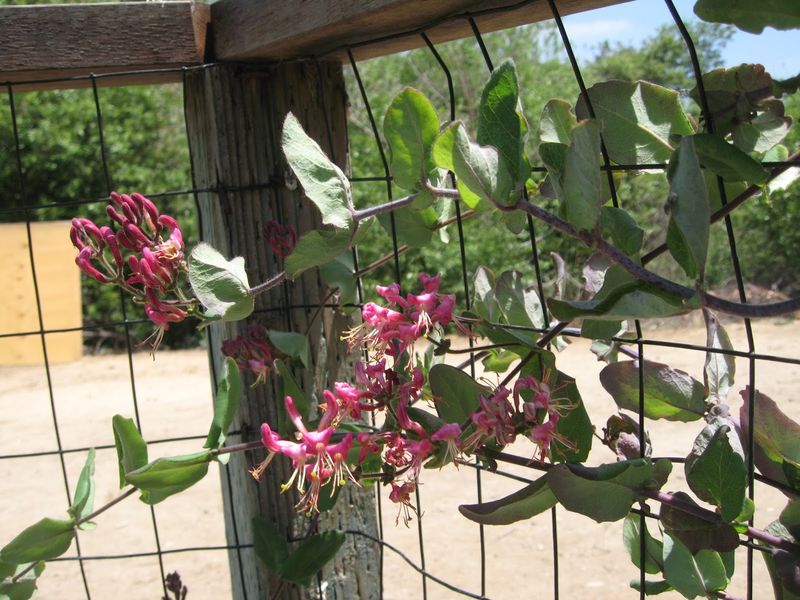
California honeysuckle sounds like a single, easy-to-find plant, but the common name covers more than one species. The plant best suited to the fence-and-hummingbird goal described here is Lonicera hispidula, also called pink honeysuckle or hairy honeysuckle. Before you buy anything at a nursery, look for that scientific name on the tag, because “California honeysuckle” alone does not guarantee you are getting the right plant.
Calflora records confirm that L. hispidula is native to California, occurring naturally along streambanks, on slopes, and in woodland and forest communities across the state. Its flowers are pink, tubular, and arranged in clusters, making them visually distinct from the orange-flowered honeysuckles you may have seen in other gardens. The fruit that follows is a small red berry, which adds a second season of wildlife value.
Growth habit matters when you are planning around a fence. UC Master Gardeners describe California honeysuckle as a small vine or sprawling shrub, roughly 4 feet high by 8 feet wide. Some California native-plant guidance notes it can climb a fence or tree with support, but it is not a fast-growing screen and should not be expected to cover a large structure on its own. Plan to guide it toward your fence rather than assume it will find its way there independently.
UC Cooperative Extension identifies L. hispidula as one of the California honeysuckle vines used in hummingbird gardens, and the California Native Plant Society specifically mentions it as suitable for climbing a tree or fence. Those endorsements are worth something, but they describe potential, not a guarantee of performance in every yard.
Why its flowers can attract hummingbirds
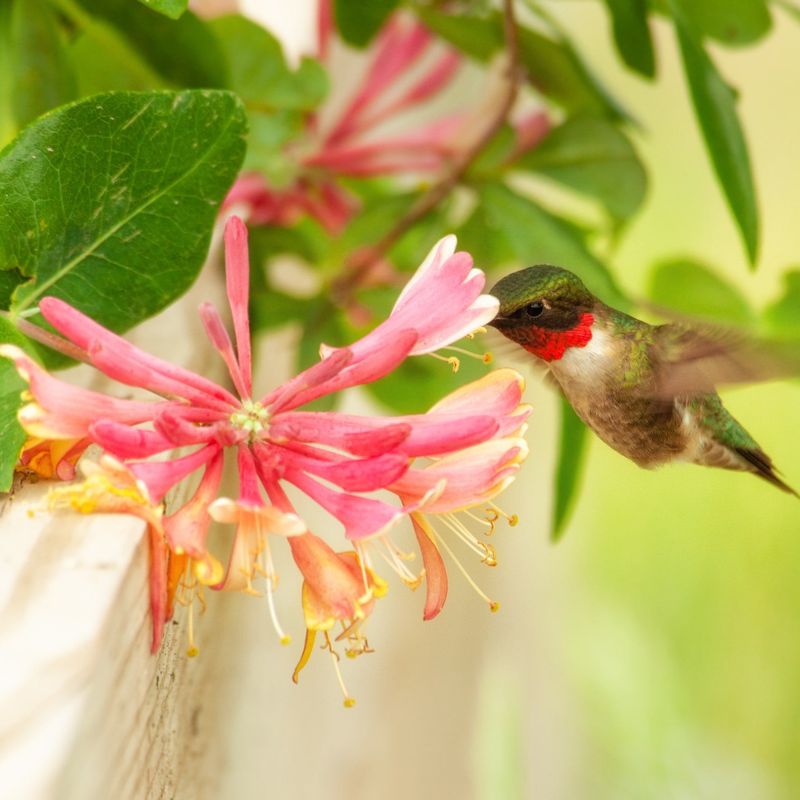
Hummingbirds feed by probing flowers for nectar, and tubular shapes suit their long bills especially well. UC Cooperative Extension lists honeysuckle among the California native plants that provide nectar for hummingbirds, and the pink, clustered blooms of Lonicera hispidula fit the profile well. When a plant like this grows near a fence or trellis, it puts natural nectar within easy reach of birds already moving through your yard.
Bloom timing also plays a role in how useful the plant is. A California Department of Fish and Wildlife plant manual lists flowering from April through July, while a USDA Forest Service honeysuckle guide gives an April through June period. Either way, the plant contributes during spring and into summer, which covers some of the busiest months for hummingbird activity in California gardens.
What L. hispidula does not do is reliably pull birds away from a feeder or guarantee visits in the first place. Audubon recommends native plants as the foundation of hummingbird habitat, with feeders used as supplements rather than something plants automatically replace. A hummingbird visiting your yard may choose the flowers, the feeder, or both, depending on what else is available and what the bird has learned to expect. Adding L. hispidula near a fence gives hummingbirds one more real food option, and that is a meaningful contribution even without any stronger promise attached.
Treat the fence as support, not a promise
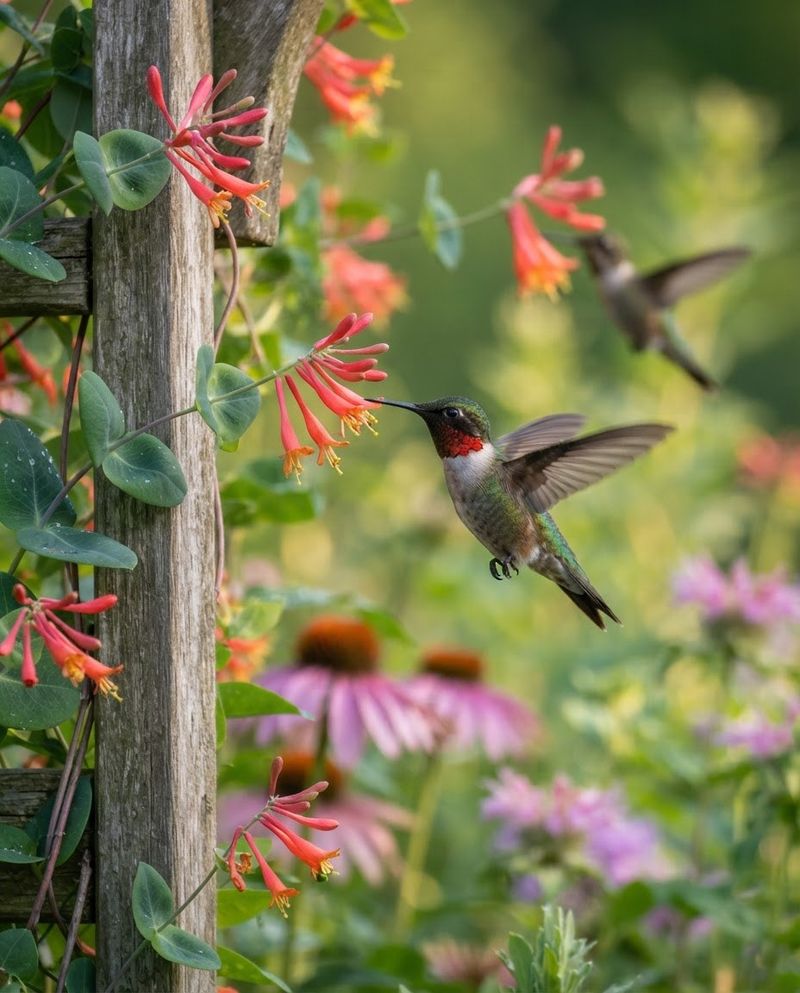
Placing flowers near a fence or trellis can create a useful feeding area for hummingbirds, and that is genuinely worth doing. What a fence cannot do is guarantee that specific birds will appear, perch there regularly, or return to that exact spot year after year. Bird visits depend on local hummingbird populations, habitat quality, competing food sources, weather, season, and whether your yard falls within a bird’s normal range. Any of those factors can shift from one summer to the next.
Hummingbirds do have strong spatial memory. Cornell research on hummingbird spatial memory shows they can track and recall multiple food locations across a foraging territory, and studies published in peer-reviewed behavioral research and additional published research on hummingbird cognition confirm that they learn and revisit rewarding sites. That memory is real, but it applies to their whole foraging territory, not to a single vine on a single fence.
Whether a hummingbird returns to your yard each summer depends on migration patterns, territorial behavior, and what the bird finds when it arrives, not on the presence of one particular plant. Audubon notes explicitly that location and natural population fluctuations affect whether hummingbirds appear at all. A yard with diverse native plants, some water, and reduced pesticide use is more likely to attract and hold hummingbirds than a yard with a single vine and nothing else.
Think of the fence as a practical trellis for training the plant, and think of the plant as one piece of a larger habitat picture. That framing sets you up for real satisfaction when birds do show up, rather than disappointment when they do not arrive on schedule.
Match planting care to the yard
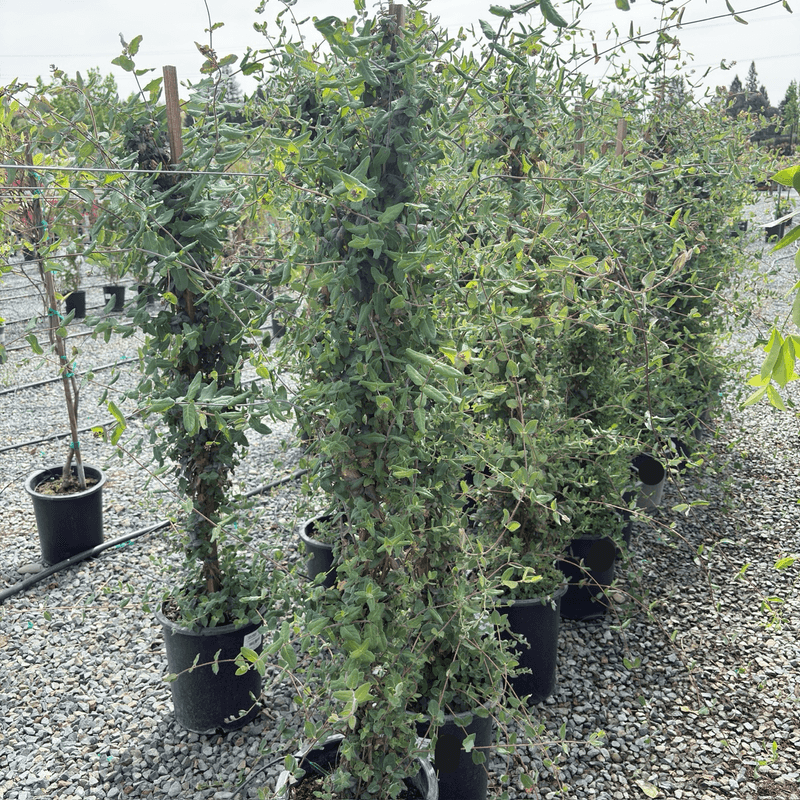
Sun exposure, soil type, and summer heat all shape how well Lonicera hispidula performs in a given yard. UC Master Gardeners note that California honeysuckle grows in sunny or partly shaded sites, and in areas with intense summer heat, some afternoon shade can help the plant stay healthier through the dry season. Coastal yards with mild summers give you more flexibility than inland valleys where temperatures regularly climb above 95 degrees.
The plant grows as a sprawling shrub or small vine and will not climb a fence on its own without some guidance. Attach a few horizontal wires or use simple plant ties to train new growth toward the fence in the direction you want it to go. California Native Plant Society guidance describes it as capable of climbing a fence or tree, but that outcome depends on the gardener providing a path for the plant to follow, especially in the first season or two.
Oregon State University’s landscape plant database describes L. hispidula as drought tolerant once established, and that is accurate, but establishment itself takes consistent work. Water newly planted vines regularly through the first dry season, checking soil moisture rather than following a fixed schedule. Sandy soils dry faster than clay, and a plant in full sun needs more frequent checks than one in partial shade.
After the plant is established, usually after one to two full growing seasons, you can reduce irrigation significantly. UC guidance on California native plants suggests that occasional deep summer irrigation may still benefit established plants during prolonged dry spells. Drought tolerant does not mean zero water, and a plant that goes too dry in summer may drop leaves, reduce flowering, or fail to recover fully before the following spring bloom.
Build a hummingbird garden, not a one-plant guarantee
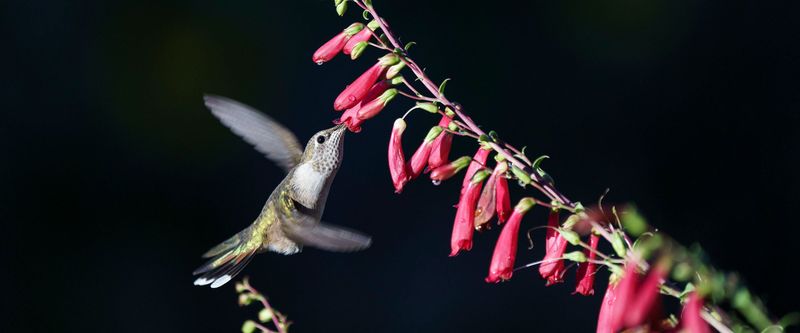
One vine adds real value to a yard, but a single plant blooming from April through July leaves hummingbirds without a consistent native food source for the rest of the year. Audubon’s guidance on hummingbird-friendly yards recommends combining multiple native plants that bloom in sequence across different seasons, so nectar is available from late winter through fall. In California, that might mean pairing L. hispidula with a winter-blooming native currant, a summer-blooming salvia, and a fall-blooming monkeyflower, depending on your region.
Nectar is not the only resource hummingbirds need. They also eat small insects, which provide protein essential for breeding and migration. Audubon’s hummingbird and oriole guide emphasizes that native plants support the insects hummingbirds rely on, which is another reason a diverse planting does more than a single vine. Reducing or eliminating pesticide use in your yard protects that insect supply.
Some homeowners prefer to garden without a feeder entirely, and a well-planted native yard makes that a reasonable choice. Audubon’s hummingbird feeding FAQ makes clear that feeders are supplements to natural habitat, not replacements for it. Choosing not to use a feeder is fine, but one vine filling in for a few months is not the same as a yard designed to provide food, shelter, and insects across the full year. Build toward that fuller picture and the vine becomes one strong piece of something that genuinely works.
Keep any feeder safe
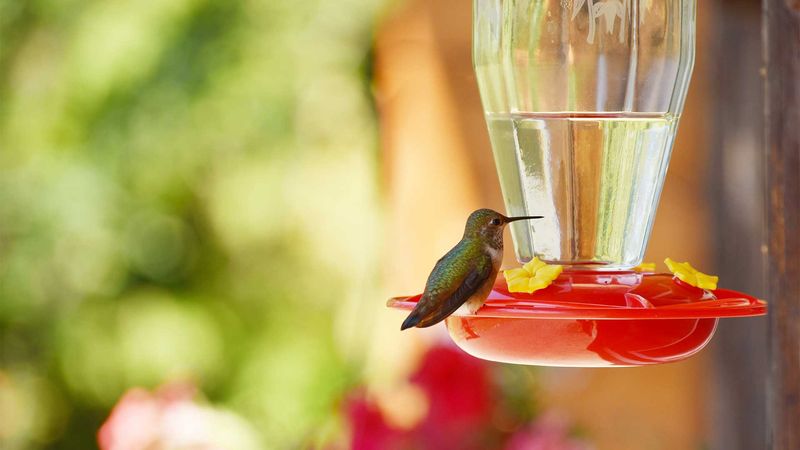
Adding Lonicera hispidula to your yard does not make an existing feeder safe to ignore. If a feeder is hanging in your yard, it needs regular attention regardless of what else is blooming nearby. Fermented or moldy nectar can harm hummingbirds, and a feeder left out too long in warm California weather becomes a health risk faster than most people expect.
Audubon’s nectar guidance recommends replacing feeder nectar every two to three days and doing so more frequently when temperatures are high. In inland California during summer, that can mean refreshing the feeder every day or two. Clean the feeder thoroughly each time you refill it, scrubbing all surfaces to remove any residue or mold growth.
The nectar formula is straightforward: four parts water to one part plain white granulated sugar, dissolved and cooled before filling the feeder. UC Cooperative Extension guidance and Audubon’s yard guide both advise against substitutions. Honey can promote bacterial growth. Artificial sweeteners provide no calories.
Brown sugar, agave, and molasses contain compounds that are not appropriate for hummingbirds. Red food coloring is unnecessary and potentially harmful, and most quality feeders have enough red on the feeder itself to attract birds without it.
If feeder maintenance feels like too much during a busy stretch, that is a reasonable moment to consider removing the feeder temporarily rather than leaving old nectar out. A clean yard with native flowers and no feeder is safer for hummingbirds than a yard with a neglected one.
Check wildfire risk before using a fence
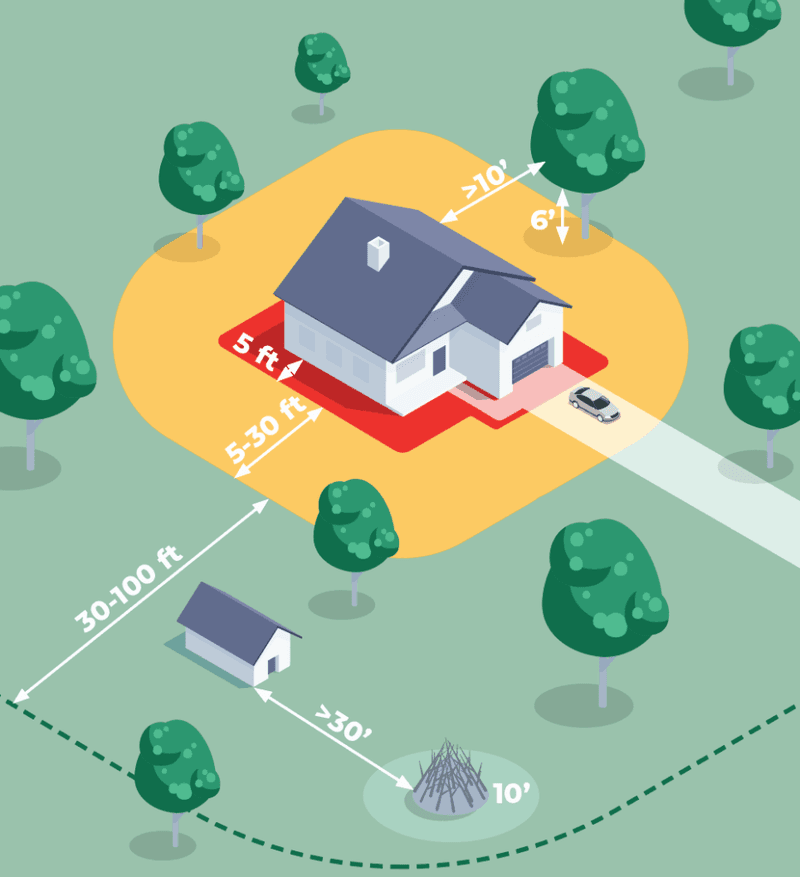
Fences and trellises are practical supports for a vine like L. hispidula, but in California, any vegetation growing against or near a structure carries a fire-safety dimension that deserves attention before planting. Vines accumulate dry leaves and stems over time, and that material can become fuel during fire season. When embers land in debris-filled vegetation growing along a fence attached to a home, the risk of ignition increases significantly.
CAL FIRE’s home hardening guidance specifically warns that climbing plants using fences as trellises can contribute to vulnerability, and it advises cleaning vegetation and debris from fences regularly. If your fence connects directly to your house, garage, or deck, that connection creates a potential pathway for fire to travel from the yard to the structure.
CAL FIRE’s defensible space rules identify the first 5 feet around a structure as especially critical. Combustible fencing, gates, and arbors within that zone may need to be replaced with non-combustible materials, relocated, or removed entirely depending on your local requirements. A vine trained along a combustible fence within that zone adds to the risk rather than reducing it.
Before you plant, find out whether your property falls within a State Responsibility Area or a local high fire hazard severity zone. Your county fire department or local fire safe council can tell you what clearance rules apply. If you are in a lower-risk area with a non-combustible fence set away from the structure, the vine is a much simpler proposition. If you are on a fire-prone hillside with wood fencing close to the house, the plant may need to go somewhere else in the yard entirely, or you may need to address the fence first.
Regular maintenance matters in any fire-risk area. Clear dry debris from around the base of the plant through summer and fall, and remove dead stems promptly rather than letting them accumulate.
Verify the species before you plant
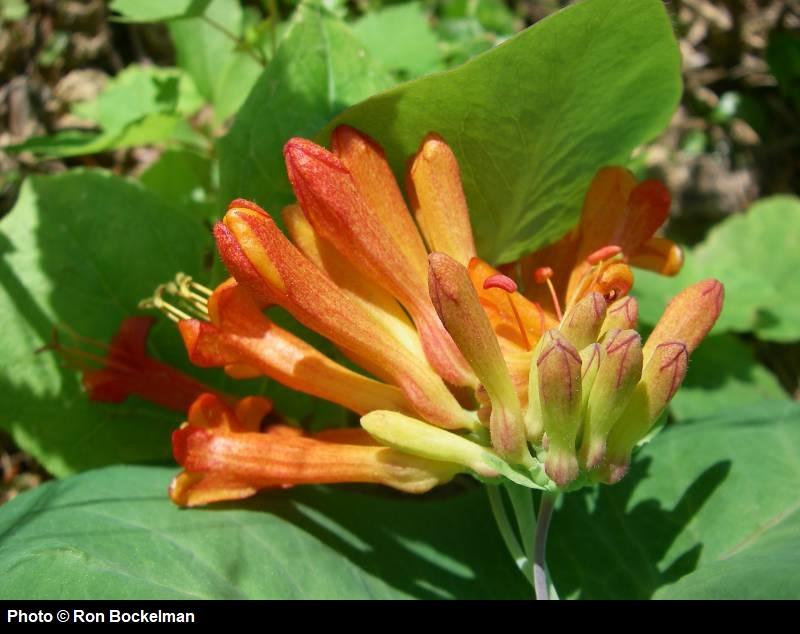
Not every honeysuckle sold at a California nursery is the same plant, and the differences matter more than the shared name suggests. Confirm the scientific name on the tag before buying anything, and cross-check it against a reliable source such as Calflora’s species records, which include photos, native range maps, and habitat data for California plants.
Orange honeysuckle or western trumpet honeysuckle (Lonicera ciliosa) is a California-region native and is also documented as a hummingbird plant. Audubon’s native plant profile for orange honeysuckle confirms its value for hummingbirds, and regional native plant records describe it as a more clearly climbing vine with orange tubular flowers. Its strongest native range is in western forests and woodland habitats, which can make it a better fit for cooler, moister Northern California settings than for hot, dry Southern California yards where L. hispidula may perform more reliably.
Japanese honeysuckle (Lonicera japonica) is a different matter entirely. UC Cooperative Extension identifies Japanese honeysuckle as invasive and advises against planting it in California landscapes. It has white to yellow flowers that age to yellow, and it spreads aggressively in ways that crowd out native vegetation. If a nursery or neighbor offers you honeysuckle without a clear species name, ask before accepting it.
The simplest rule: buy from a California native plant nursery, ask for the scientific name, and verify it before you take the plant home. Getting the species right from the start saves you from removing an invasive plant later or wondering why your “native” honeysuckle is not behaving as expected.