
Every garden has those awkward empty spots between plants, and the wrong filler can take over your whole bed in a single season. The good news is that California has a handful of perennials that spread just enough to cover bare soil, then politely hold their ground.
These plants save you water, feed local bees and butterflies, and keep your beds looking full without becoming a weeding nightmare. Here are ten California-friendly perennials that fill the gaps and know exactly when to stop.
1. Cleveland Sage (Salvia clevelandii)
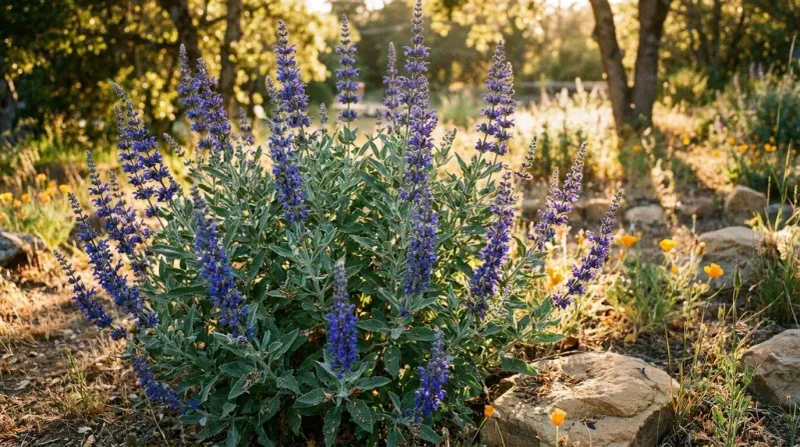
Brush past this shrubby sage on a warm afternoon and the whole yard smells like a coastal hillside. Cleveland Sage forms a tidy mound of gray-green leaves that quietly fills the middle of a bed without flopping into its neighbors.
Native to Southern California, it thrives on dry summers and shrugs off water restrictions once its roots are settled. The lavender-blue flower whorls sit on tall stems that pull in native bees and hummingbirds all through late spring.
What keeps it well-mannered is its rounded growth habit. It expands outward at a predictable pace, then stops, so you never find it swallowing the path or crowding a young shrub.
A light shearing after bloom keeps the mound dense and neat.
Plant it where afternoon sun hits hardest and drainage is sharp. It pairs beautifully with buckwheat and manzanita for a low-water bed that looks alive rather than empty.
2. California Fuchsia (Epilobium canum)
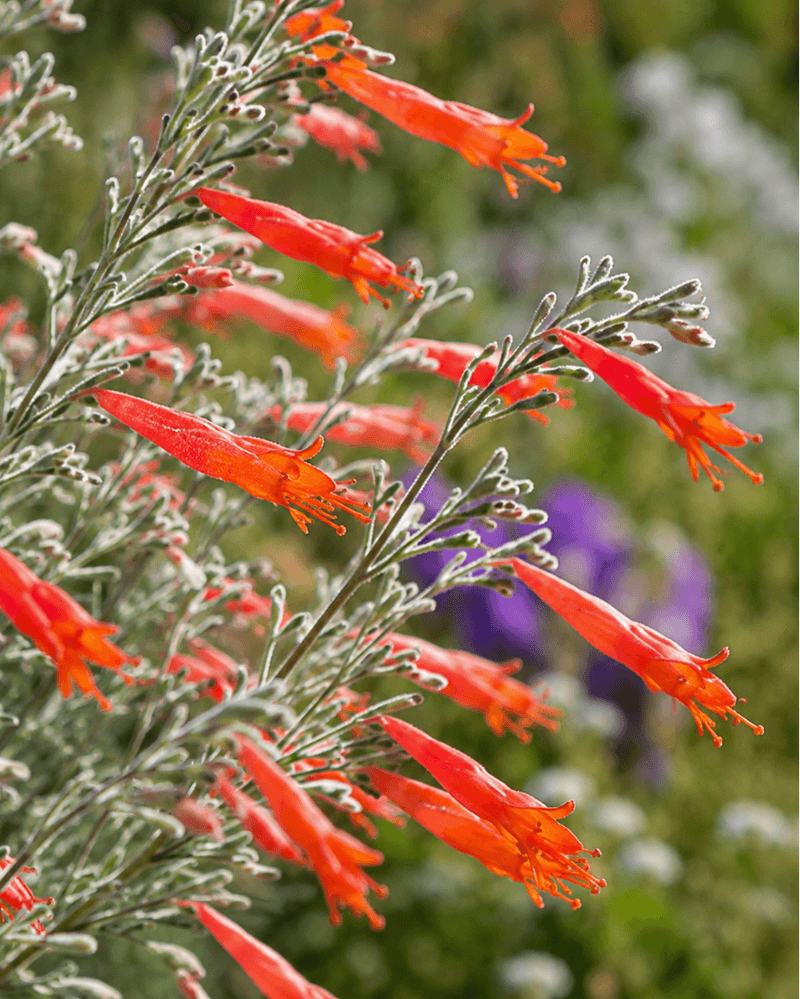
Just when the summer heat has bleached everything else, California Fuchsia lights up with fiery orange-red trumpets that hummingbirds chase across the yard. It fills gaps at the front of a bed with a low, spreading carpet of silvery foliage.
The plant does creep, but it creeps politely by underground runners that are easy to pull if one wanders too far. In most home beds it settles into a defined patch and blooms hardest during the dry, water-restricted months when nectar is scarce.
Because it goes semi-dormant in winter, you can cut it back hard and it returns fuller each spring. That habit keeps it from turning woody or ragged like some spreaders do.
Give it lean soil and full sun on a slope or bed edge, and it will fill the dead zone where nothing else wants to grow through August and September.
3. Yarrow (Achillea millefolium)
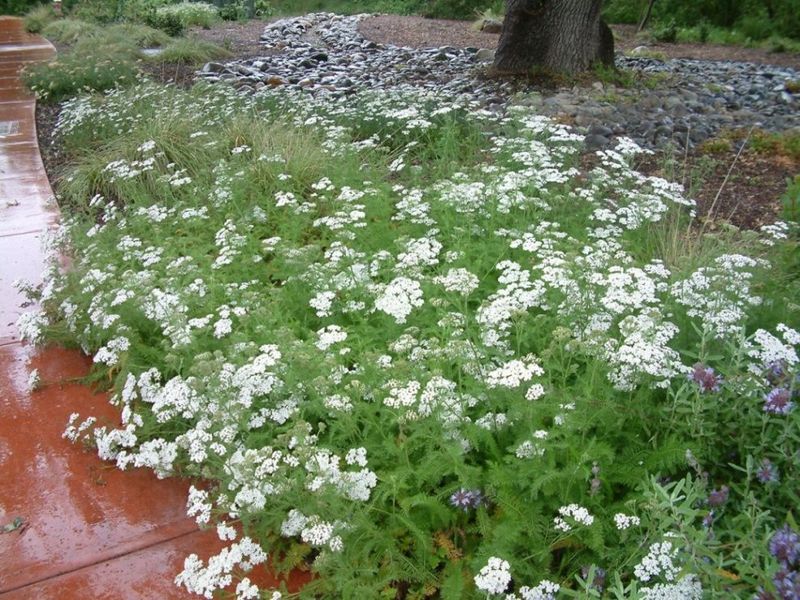
Ask any pollinator-minded gardener what carpets bare soil fastest without becoming a bully, and yarrow usually tops the list. Its ferny foliage knits together into a soft green mat, then sends up flat flower heads that butterflies and hoverflies land on like tiny helipads.
Our native white yarrow handles California’s dry summers with almost no fuss and tolerates poor soil that would starve fussier plants. It spreads by rhizomes but stays shallow and simple to divide, so you can lift chunks and move them to new gaps.
Mow it, walk on it lightly, or let it bloom tall, and it adapts. That flexibility makes it a favorite for filling the strip between stepping stones or the empty apron around a young tree.
Fun bit of history: the botanical name honors Achilles, who legend says used yarrow to treat soldiers’ wounds on the battlefield.
4. Coral Bells (Heuchera maxima)
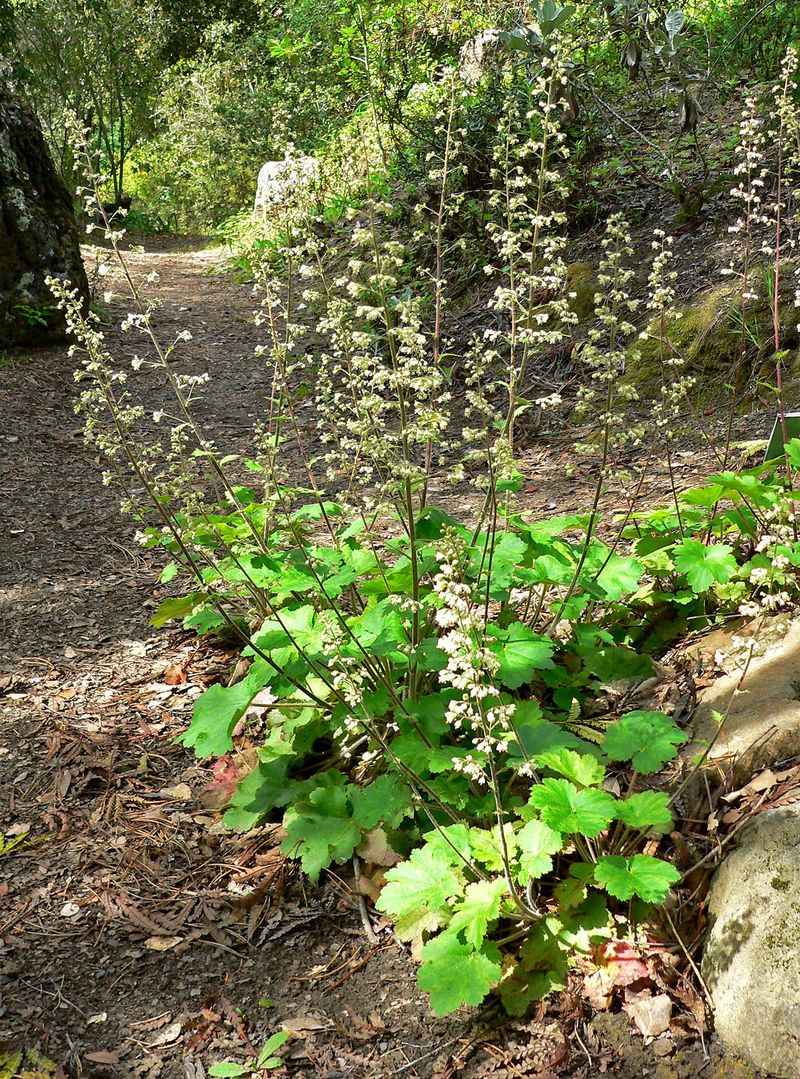
Shady spots under oaks tend to become bare, dusty gaps, and that is exactly where island coral bells shine. This California native forms generous rosettes of big scalloped leaves that cover ground other plants refuse.
In late winter and spring it throws up airy spikes of tiny cream flowers that hummingbirds work over quietly. The clump widens slowly and stays put, so it never elbows out the ferns or currants you tucked in beside it.
It is one of the few good gap-fillers for dry shade, which is a real headache in older California yards with mature trees. Once established, it wants only occasional summer water and appreciates the leaf litter oaks drop naturally.
Set several plants a foot or two apart and let them close the space between. In a season or two you get a lush, low understory instead of packed dirt.
5. Seaside Daisy (Erigeron glaucus)
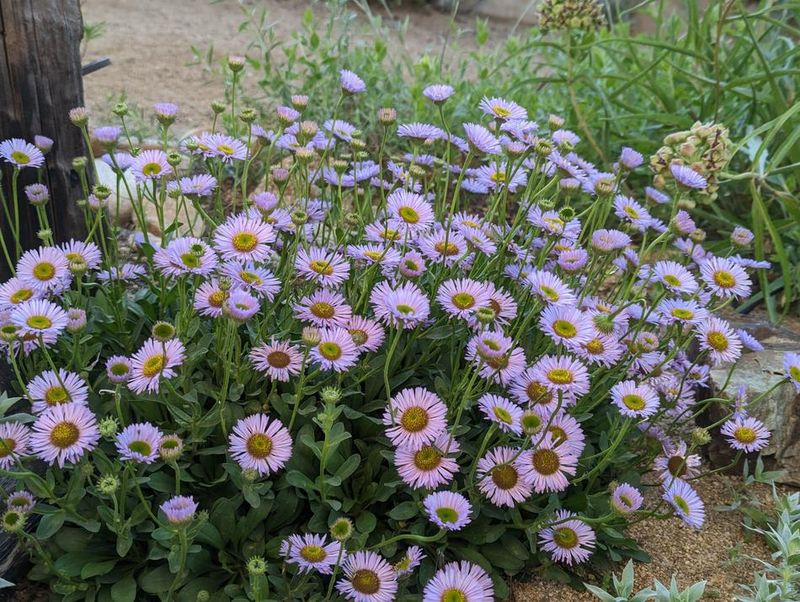
Along the coast, few plants look as cheerful with so little effort as the seaside daisy. It hugs the ground in a low mound of paddle-shaped leaves and covers itself in lavender daisies for months, filling the front edge of a bed with color.
The mound expands gently outward and then holds, spilling nicely over a wall or path lip without launching runners across the yard. Coastal fog and salty air do not bother it, which makes it a lifesaver for tricky beachside beds.
Deadhead the spent blooms and it simply keeps flowering, sometimes nearly year-round in mild coastal zones. Native bees and small butterflies treat it like a steady buffet.
Inland gardeners can grow it too, as long as they offer a little afternoon shade and slightly more water. Either way, it fills gaps without demanding much back.
6. California Buckwheat (Eriogonum fasciculatum)
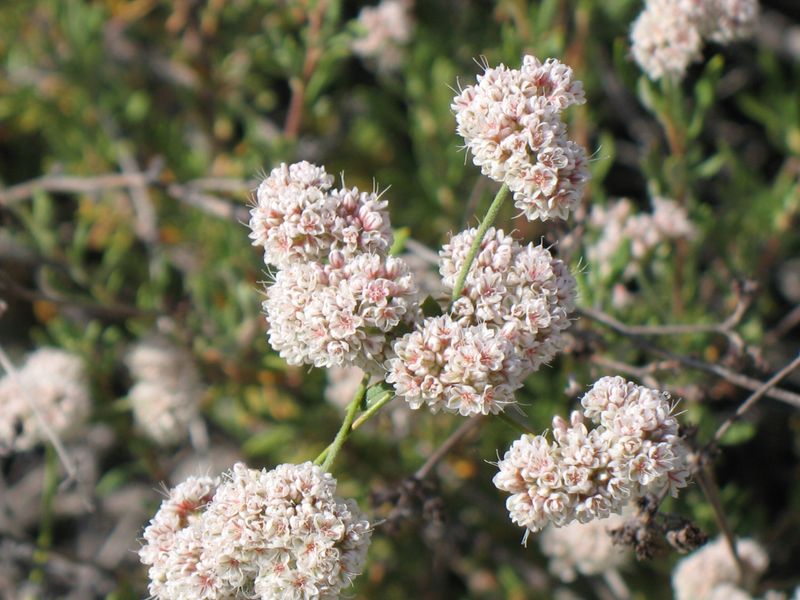
If you want a plant that feeds more native insects than almost anything else, California buckwheat is the workhorse. It builds a rounded, waist-high dome that closes off large empty patches in a sunny bed while staying within its footprint.
The pinkish-white pompom flowers arrive in summer and slowly age to a rusty color that looks great well into fall. Butterflies, native bees, and beneficial wasps swarm it, making it a quiet powerhouse for backyard habitat.
Drought is where it truly proves itself, sailing through the driest, most restricted summers on almost no supplemental water. Its deep roots also help hold soil on slopes, which matters in fire-prone hillside yards.
Prune it lightly in late winter to keep it compact and it will not sprawl. Think of it as the dependable anchor that fills the big middle gaps while everything around it comes and goes with the seasons.
7. Douglas Iris (Iris douglasiana)
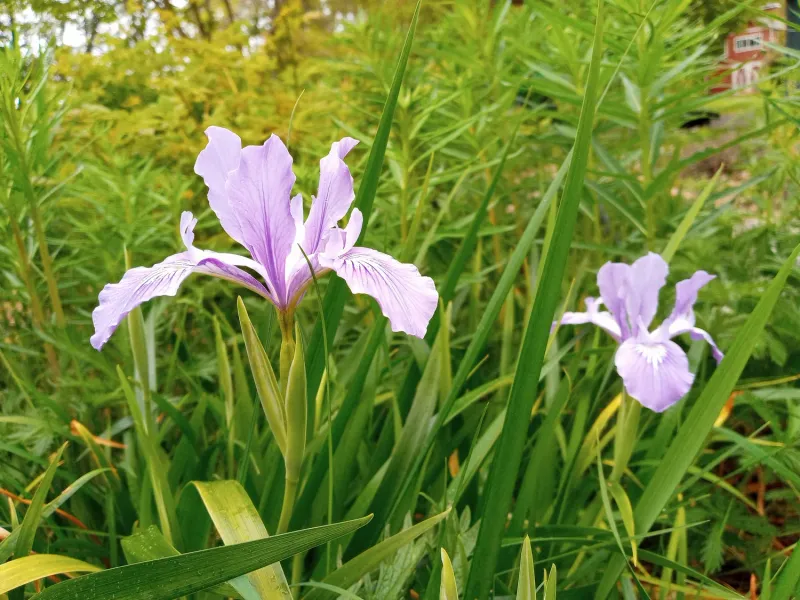
Grassy, evergreen, and topped with orchid-like blooms, the Douglas iris fills gaps with the kind of structure most groundcovers can’t offer. Its fans of strappy leaves stay green through the year and knit into a tidy clump that never wanders far.
Come spring, purple and cream flowers with delicate veining rise above the foliage and draw the eye to spots that were bare all winter. The clumps thicken slowly and are easy to divide, so one plant becomes many over a few years.
Native to California’s coastal and foothill woodlands, it likes filtered light and a bit of summer moisture in hotter zones. In cooler coastal gardens it gets by on winter rain alone.
Because it holds its shape so reliably, it works beautifully edging a path or filling the gap between shrubs where you want form without fuss.
8. Coyote Mint (Monardella villosa)
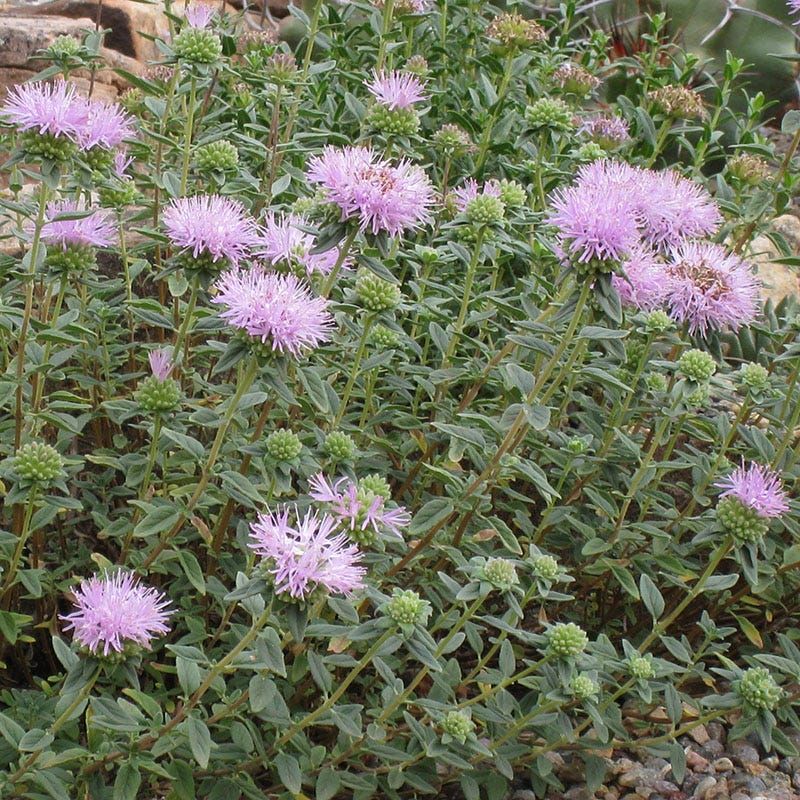
Crush a leaf of coyote mint and you get a sharp, minty scent that hints at its herb-family roots, without any of the aggressive spreading real mint is famous for. It stays a modest, cushiony patch that tucks neatly into small openings.
Round lavender flower heads sit atop the fragrant foliage in summer and pull in butterflies, native bees, and skippers by the dozen. For gardeners who love pollinators but fear a plant taking over, this one hits the sweet spot.
It asks for excellent drainage and full sun, thriving on the dry summer conditions California hands out. Overwatering is the main way to lose it, so lean soil is a feature, not a flaw.
Use it to fill the pockets between rocks or along a gravel path where a scented, low mound completes the picture without any threat of a takeover.
9. Hummingbird Sage (Salvia spathacea)
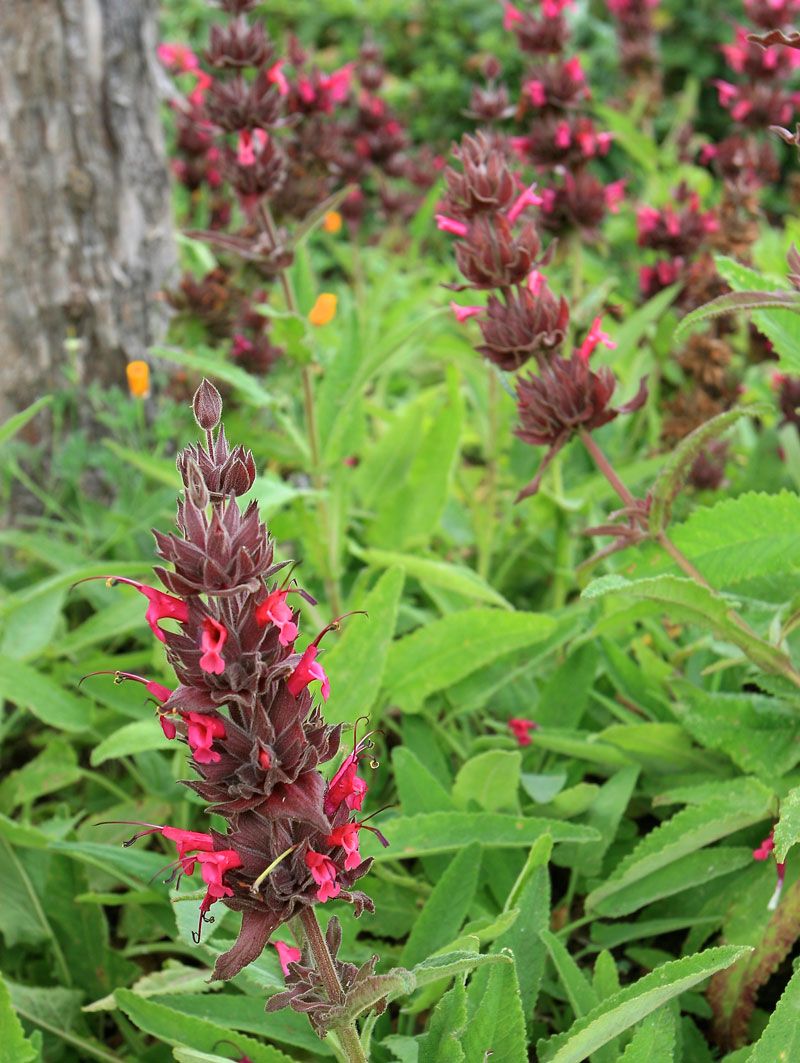
Deep magenta flower spikes and a fruity, fragrant leaf make hummingbird sage feel like a plant showing off, yet it fills shady gaps with real generosity. It spreads by underground stems to form a leafy carpet where grass and other groundcovers give up.
The spread is steady but forgiving, easy to edge back with a shovel if it drifts past its zone. Hummingbirds cannot resist the tall pink whorls, and the show runs through much of spring.
Dry shade under oaks and along north-facing fences is where it earns its keep, thriving on the winter rain and taking summer drought in stride. Big soft leaves keep the ground covered and cool even after flowering ends.
Plant it once in a hard-to-fill shady gap and let it slowly stitch the space closed, feeding hummingbirds the whole time.
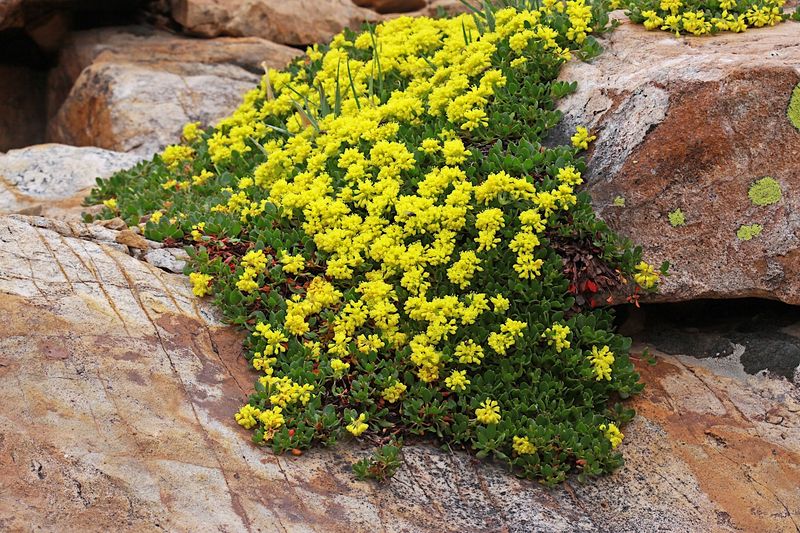
10. Sulphur Buckwheat (Eriogonum umbellatum)
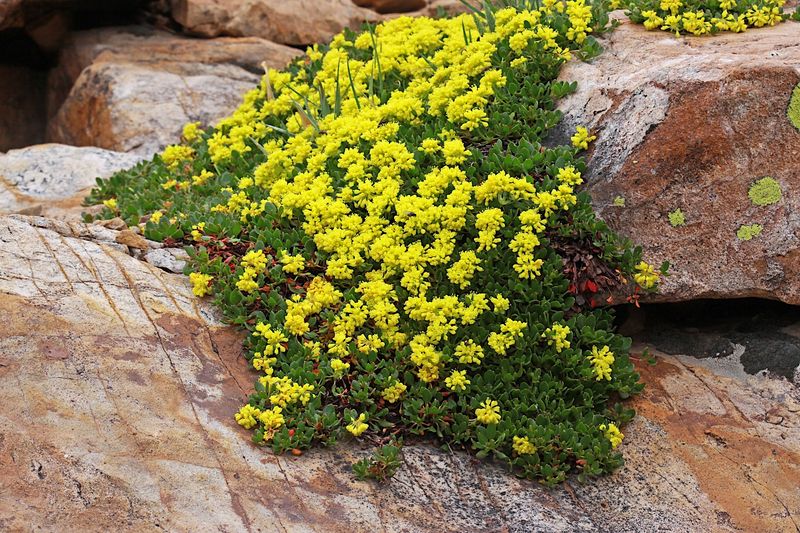
Bright sulphur-yellow flowers that fade to warm copper give this low buckwheat a long, changing season that few gap-fillers match. It forms a tight mat of small gray-green leaves that spreads across bare ground and then simply settles.
Unlike aggressive mat-formers, it grows outward at a gentle, predictable pace and never launches runners into the lawn. Native bees and butterflies flock to the flat flower clusters, and seed-eating birds visit the dried heads later on.
Rocky, lean, fast-draining soil suits it perfectly, which makes it a natural for slopes and hell strips where topsoil is thin. It handles California’s dry summers with almost no help once rooted.
Tuck it between boulders or along a sunny edge and it will quietly close the gaps with color that shifts from gold to bronze as the seasons turn.
Taken together, these ten perennials prove you can have a full, living, wildlife-friendly bed without one plant bullying the rest, and without draining your water bill.