
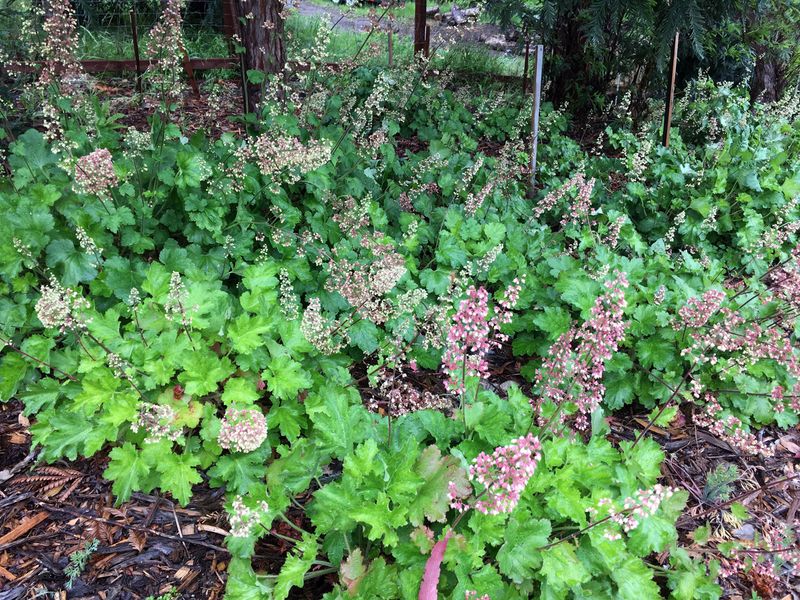
That dusty strip of dirt along your fence might look harmless, but dry weeds there can carry flames right up to your home. The good news is that a few tough, low-growing California plants can hold moisture, crowd out weeds, and slow a fire’s path.
Plant them this fall or winter, while the rains help roots settle, and they can be filled in before the next dry season. Here are nine choices that pull double duty as a firebreak and a home for bees and birds.
1. Creeping Sage (Salvia sonomensis)
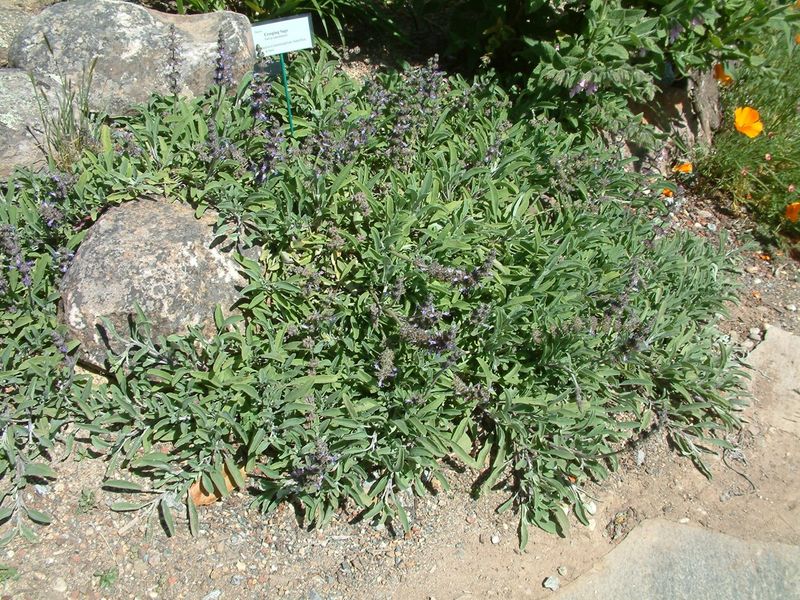
Picture a silver carpet that hums with native bees every spring. Creeping sage stays only a few inches tall, which keeps fuel low right where fences tend to collect dry grass.
Once established, it gets by on very little summer water in most inland and coastal gardens. Its leaves hold resinous oils, so it is not fireproof, but keeping it lightly watered and trimmed of dead stems can help it stay green and less likely to ignite.
Give it full sun and fast-draining soil. Space plants about three feet apart and they can knit together in a season or two.
2. California Fuchsia (Epilobium canum)
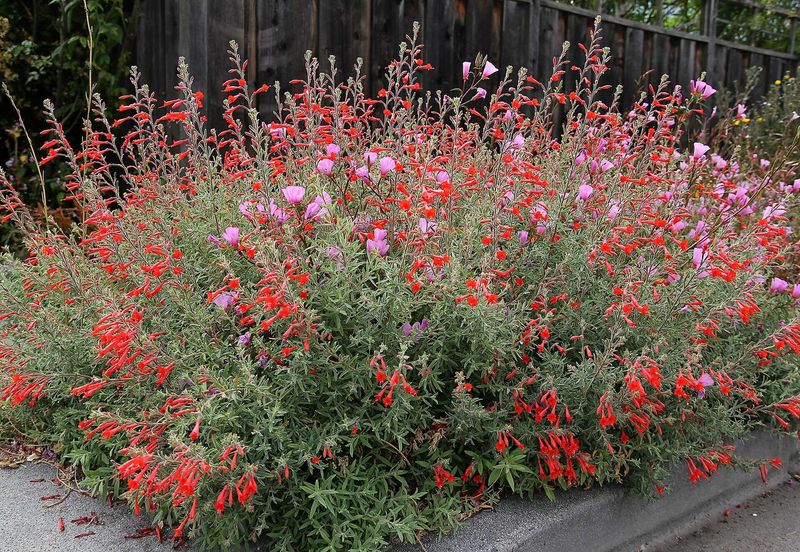
Hummingbirds treat this plant like a late-summer gas station. When almost everything else in a California yard has gone brown, California fuchsia lights up with scarlet trumpets from August into fall.
Low forms such as ‘Everett’s Choice’ spread into a soft mat that shades the soil and blocks weed seeds. That shading matters, because bare ground along a fence usually sprouts foxtails and wild oats that dry into tinder.
Cut it back hard in late fall to remove old woody growth. Fresh shoots return with winter rain, keeping the strip lean and green.
3. Coyote Brush ‘Pigeon Point’ (Baccharis pilularis)
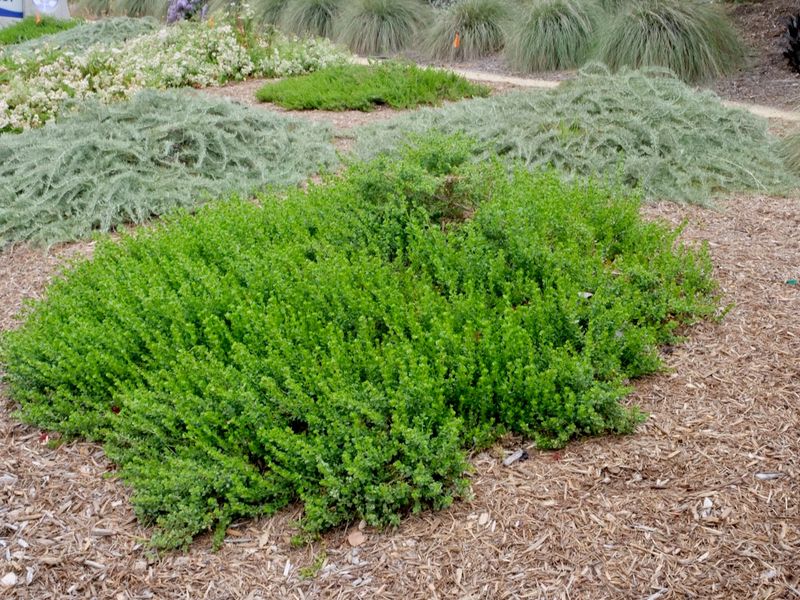
Some plants sulk when you ignore them. Prostrate coyote brush seems to enjoy it, spreading into a thick green blanket up to eight feet wide with almost no fuss.
The low cultivars like ‘Pigeon Point’ and ‘Twin Peaks’ stay under two feet tall. Fire agencies often list them among the better-performing native groundcovers for defensible space, provided they are kept low and dead material is cleared out every few years.
It handles clay, coastal wind, and inland heat. For a long, wide fence line, a few plants can cover a surprising amount of ground fast.
4. Yarrow (Achillea millefolium)
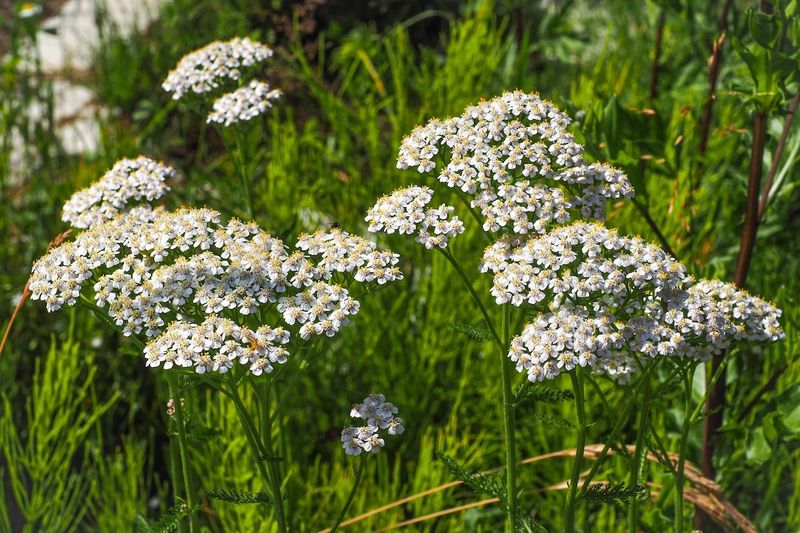
Feathery, fern-like, and nearly impossible to kill. Native yarrow can be mowed like a lawn or left to bloom, which makes it one of the most flexible fillers for a fence strip.
Its soft, moisture-holding leaves stay green longer than grass, especially with an occasional deep soak in summer. Small flat flower heads feed native bees, hoverflies, and tiny parasitic wasps that help control garden pests.
Plant plugs about a foot apart in fall. By late spring, many gardeners find the gaps closed and the weeds noticeably fewer.
5. Seaside Daisy (Erigeron glaucus)
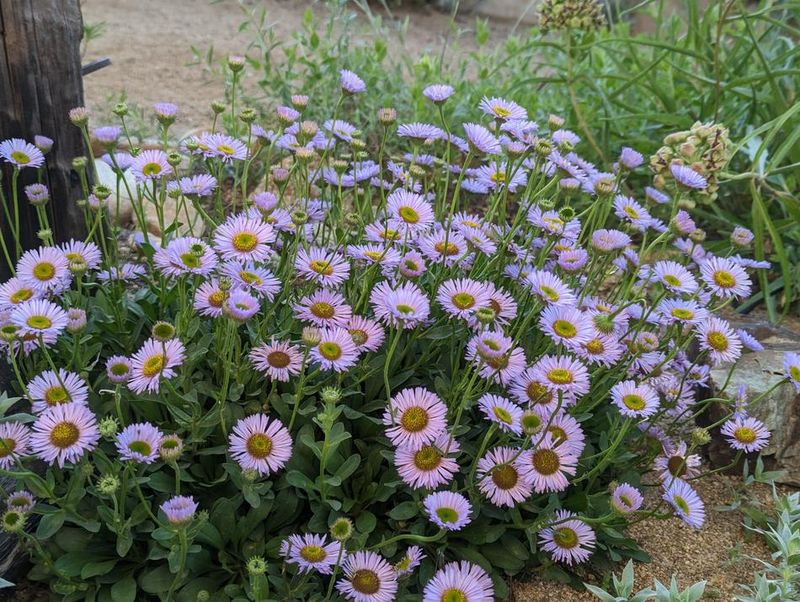
Coastal gardeners, this one is for you. Seaside daisy grows naturally on bluffs from Oregon to Southern California, so salty breeze and sandy soil barely slow it down.
The plump, slightly fuzzy leaves hold water well, and the mounds stay under a foot tall. Pale lavender flowers pop up for months, giving butterflies a steady snack.
Inland, it appreciates afternoon shade and a little more water. Pull off spent blooms now and then, and it rewards you with tidy, green clumps instead of dry tangles.
6. Dudleya and Native Succulents
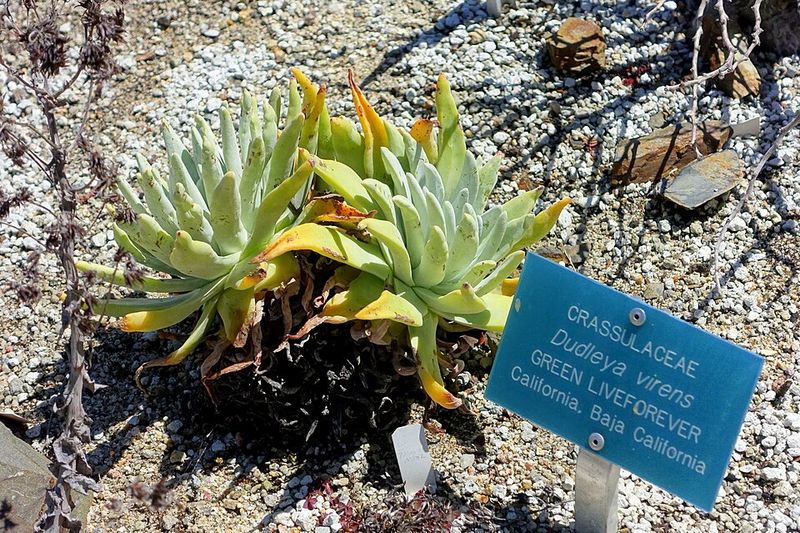
Did you know some Dudleya species grow only on a single cliff or island in California? These chalky rosettes are about as local as a plant gets.
Succulents store water in their leaves, which helps them resist ignition better than twiggy shrubs. Paired with gravel mulch instead of bark, they create a very low-fuel strip right where a fence meets the house.
Plant them on a slight slope so water never pools. Skip summer watering for most species, since they rest in the heat just like they do in the wild.
7. Blue Grama Grass (Bouteloua gracilis)
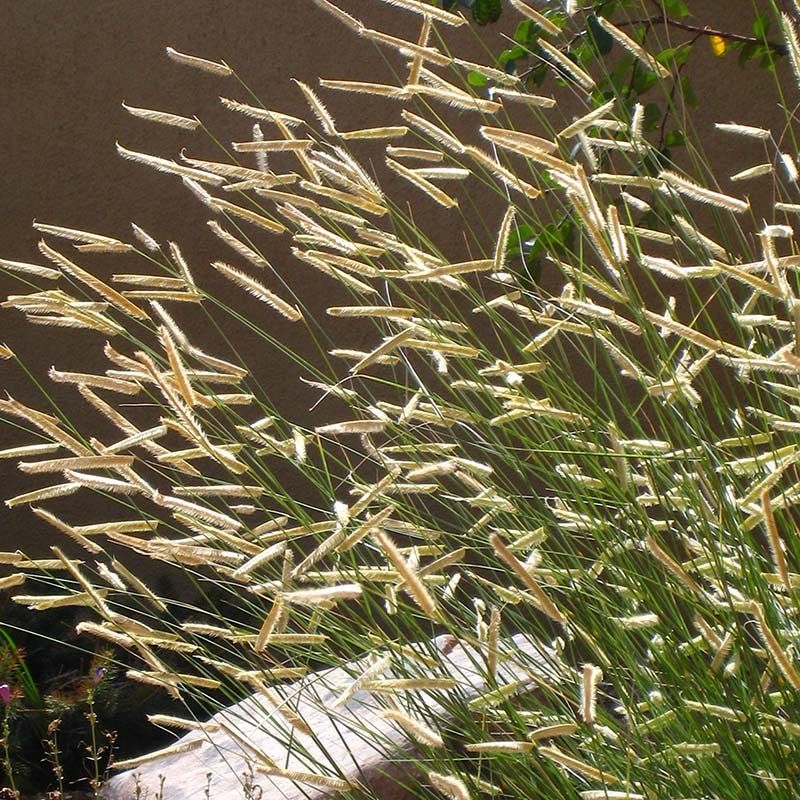
Want the look of grass without the summer fire worry of foxtails? Blue grama forms a low, fine-textured turf with quirky seed heads that look like tiny eyelashes.
Here is the honest catch: any grass can carry fire once it dries. Mowing it short in early summer and giving it an occasional deep watering can keep it green longer than the weedy annuals it replaces.
It loves heat and sun, which makes it a strong pick for Inland Empire and Central Valley yards. Seed or plug it in fall for best results.
8. Island Alum Root (Heuchera maxima)
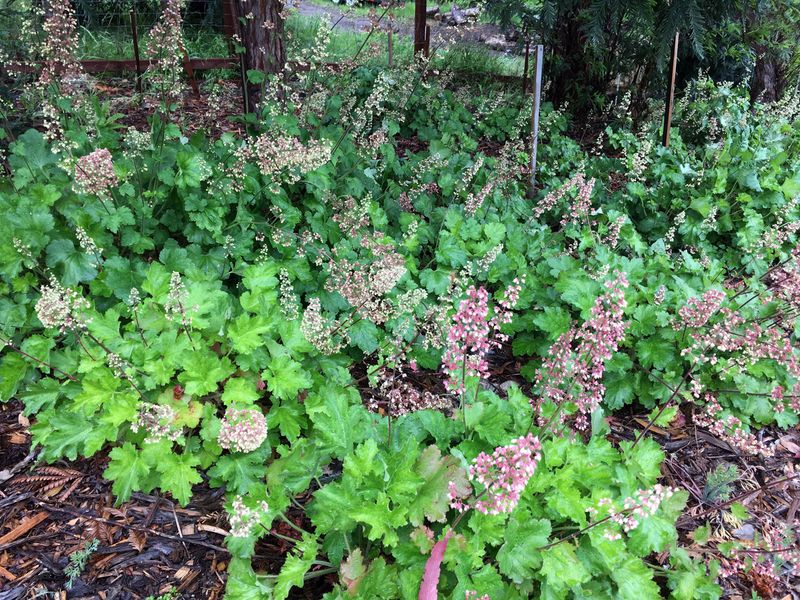
Shady fence lines often stay bare because nothing seems to grow there. Island alum root, native to the Channel Islands, happily fills that gloomy gap.
Big rounded leaves form lush clumps that keep soil covered and cool. In late winter, tall wands of pale pink flowers draw hummingbirds into spots they would normally skip.
It prefers some summer water, so it fits best near a drip line or under oaks with partial shade. Clear away dead leaves each year to keep the clumps tidy and less flammable.
9. Pacific Coast Iris (Iris douglasiana)
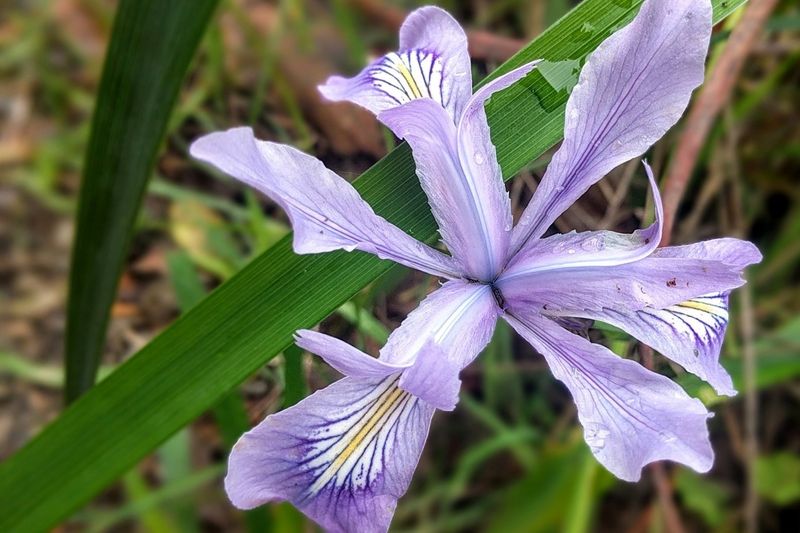
Every spring, gardeners in Northern California get a surprise show of purple, cream, and gold blooms from this tough little iris. It is a native that looks like it came from a fancy nursery.
Strappy leaves form dense clumps that crowd out weeds along a fence. Since the foliage stays fairly low and green through much of the year, it can work well inside the lean, clean zone near your home.
Plant in fall in part shade near the coast or full shade inland. Trim brown leaves in late summer, and a small patch can steadily spread into a handsome border.