
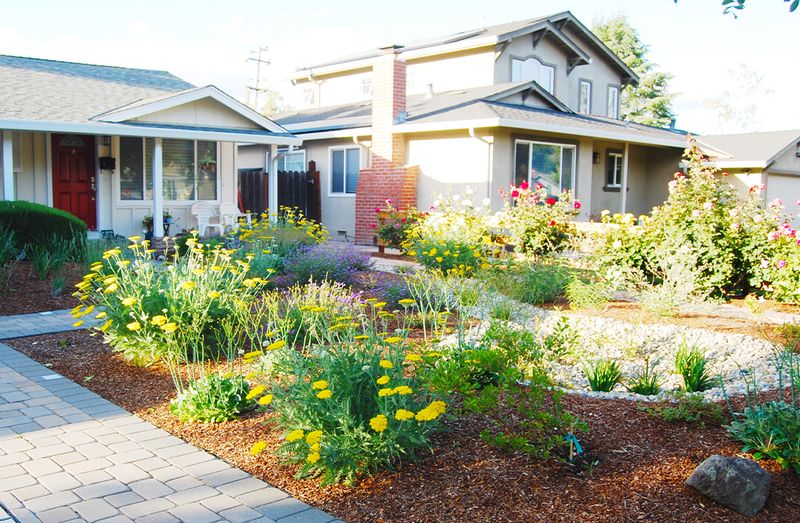
That thirsty green lawn out front might be costing you more than you think, and California will actually hand you money to replace it. In 2026, a whole stack of rebate programs pay homeowners to swap grass for drought-tolerant, wildlife-friendly plants that sip water instead of guzzling it.
Many folks never claim these rebates simply because they do not know they exist. Here is a plain-language guide to the programs quietly paying you to trade your turf for something better.
1. Metropolitan Water District’s SoCal Water$mart Turf Replacement Program
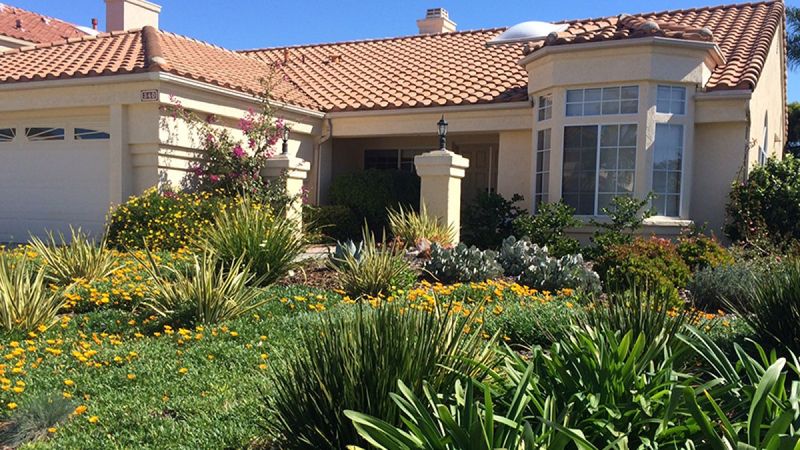
If you live anywhere across the sprawling Los Angeles, Orange, Riverside, San Bernardino, San Diego, or Ventura county region, this is often the biggest fish in the pond. SoCal Water$mart, run by the Metropolitan Water District of Southern California, pays a base rate per square foot of grass you tear out and replace with water-wise landscaping.
The rate has hovered around two dollars per square foot in recent years, and many local water agencies stack their own bonus on top. That means your actual payout can climb well past the base number depending on where your home sits.
You have to apply and get approved before you touch a single blade of grass, which trips up a lot of eager homeowners. Take your before photos, wait for the green light, then start digging.
The program also requires that your new landscape includes living plants, not just rock and mulch, so pollinators and birds still have somewhere to land.
2. Los Angeles Department of Water and Power Turf Replacement Rebate
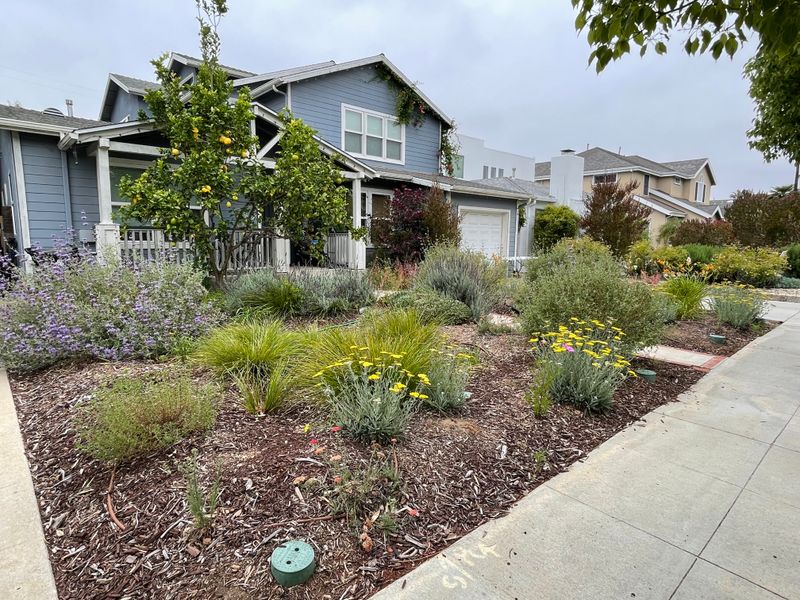
LADWP customers get their own sweetened deal that often runs higher than the regional base rate. As the largest municipal utility in the country, LADWP has been aggressive about pushing turf out of the city, and the per-square-foot payment reflects that.
What sets this one apart is the extra rebates bundled alongside it. You can often claim money back for rain barrels, cisterns, and permeable surfaces at the same time you convert your lawn, which turns a single project into a stacked payout.
There is a catch worth knowing: LADWP wants a minimum percentage of your new yard covered in living, climate-appropriate plants. Bare gravel deserts will not qualify.
That rule quietly protects the bees, butterflies, and hummingbirds that a lifeless rock yard would leave with nowhere to go.
Applications open in cycles, so check availability before you plan your weekend demolition.
3. San Diego County Water Authority WaterSmart Landscape Rebate
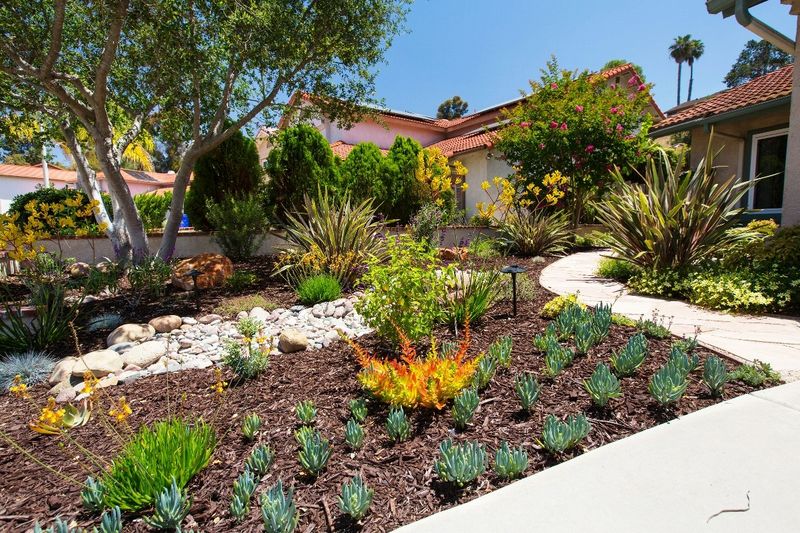
Down in San Diego County, the WaterSmart Landscape Rebate rewards homeowners for the same turf-to-native swap, and it plays especially well with the region’s dry coastal climate. Succulents, agaves, and California natives thrive here with almost no irrigation once established.
One thing longtime San Diegans appreciate is how the program pairs with local city top-ups. The City of San Diego and several smaller districts add their own dollars, so residents inside those boundaries can end up with a noticeably fatter check than the county base alone.
The application flow follows the familiar pre-approval, install, then submit-photos rhythm. You will also need to prove your new plants and irrigation meet efficiency standards, meaning drip systems instead of old-school spray heads.
For anyone battling salty air and sandy soil, this rebate turns a stubborn patch of struggling grass into a low-maintenance haven for local pollinators.
4. Santa Clara Valley Water District Landscape Rebate Program
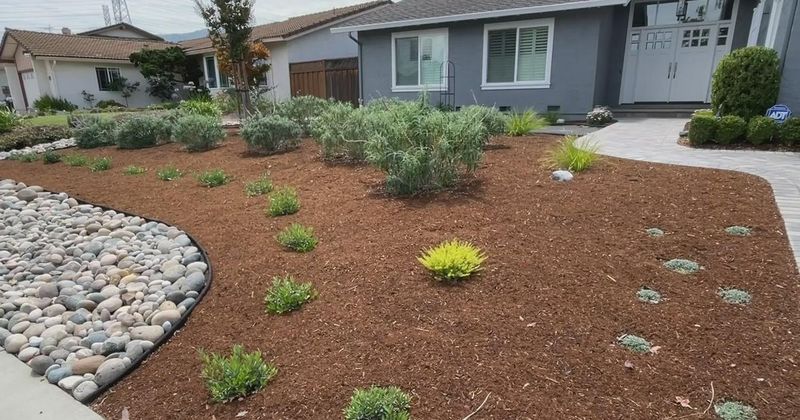
Silicon Valley homeowners have their own reason to celebrate here. Valley Water, which serves Santa Clara County, offers a landscape conversion rebate that rewards ripping out turf and installing qualifying low-water plants and efficient irrigation.
What makes this program stand out is its generous treatment of extras. Beyond the per-square-foot turf payment, Valley Water often supports graywater systems, rain gardens, and permeable hardscape, giving Bay Area residents multiple ways to layer their savings.
The district tends to emphasize plants that support California’s native ecosystem, so poppies, ceanothus, and native sages are welcome guests. That focus means your converted yard becomes a genuine pit stop for local bees and butterflies rather than a barren square.
As with its cousins statewide, snap those before pictures and get approval first. Skipping that step is the single most common way homeowners accidentally disqualify themselves.
5. East Bay Municipal Utility District Lawn Conversion Rebate
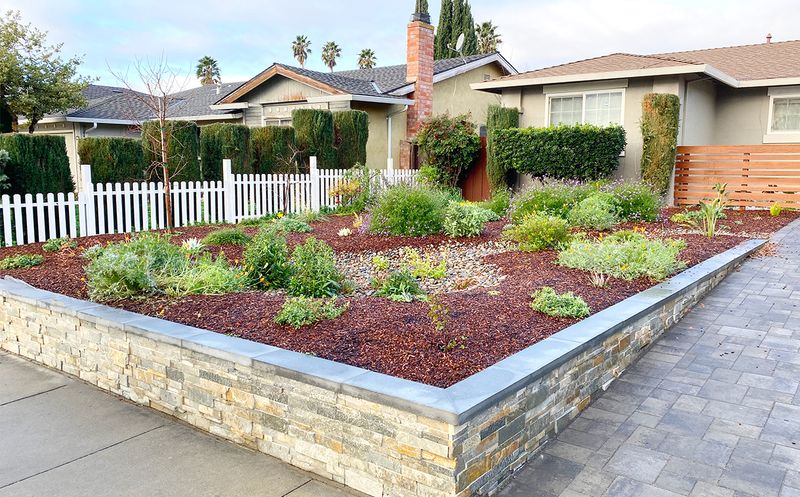
Serving Oakland, Berkeley, and much of the East Bay, EBMUD runs a lawn conversion rebate that fits the region’s cooler, foggier microclimates. Its plant recommendations lean toward species that love the Bay’s mild, moody weather.
A quiet strength of this program is its education side. EBMUD pairs the cash with free classes, plant lists, and design help, which takes the guesswork out of choosing what to plant once the grass is gone.
First-timers who feel overwhelmed find that hand-holding genuinely useful.
The rebate covers turf replacement by the square foot and also touches on efficient irrigation upgrades. Living plants are required, keeping the door open for the pollinators and songbirds that make an East Bay garden feel alive.
Pre-approval remains mandatory, and there is often a per-household cap, so plan your project size around the maximum you can actually claim.
6. Sacramento Regional Water Authority River-Friendly Landscape Rebate
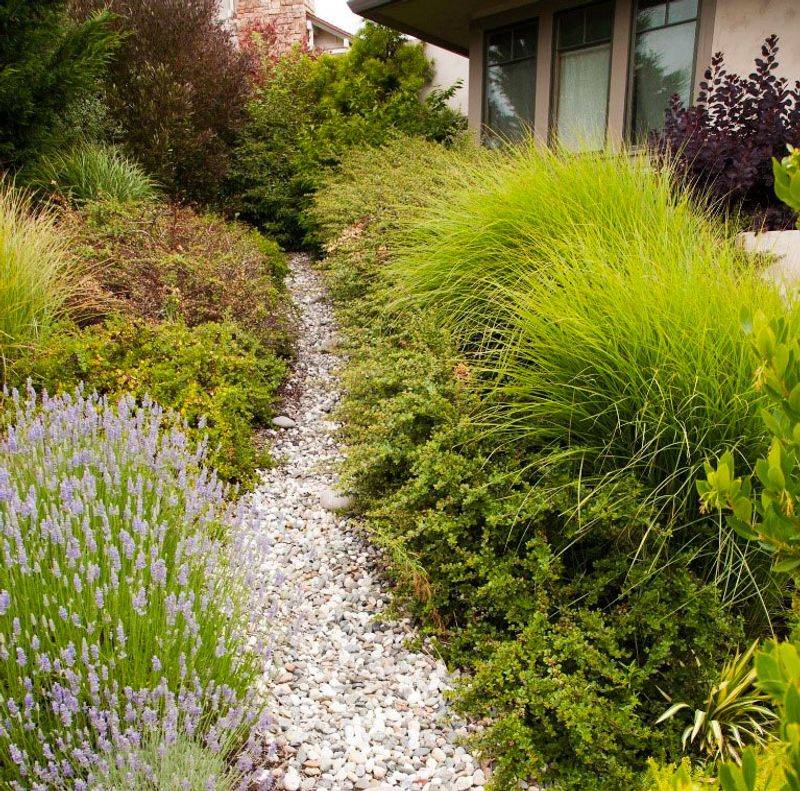
The Sacramento region bakes through brutally hot, dry summers, which makes ripping out a thirsty lawn especially smart here. The Regional Water Authority coordinates River-Friendly Landscape rebates across a network of member water providers in the greater Sacramento area.
Because so many separate agencies participate, the exact rate and rules depend on which utility bills you. Some offer flat per-square-foot payments, others cap the total, so checking your specific provider is the crucial first move.
The River-Friendly branding is not just marketing. Programs here push landscapes that soak up rainwater and cut runoff into local waterways, protecting the rivers and salmon habitat the region depends on.
Your yard becomes part of a bigger watershed win.
Heat-tolerant natives like yarrow, buckwheat, and toyon shine in this climate, giving you a yard that laughs at 100-degree afternoons while feeding native insects.
7. Inland Empire Utilities Agency Landscape Efficiency Rebate
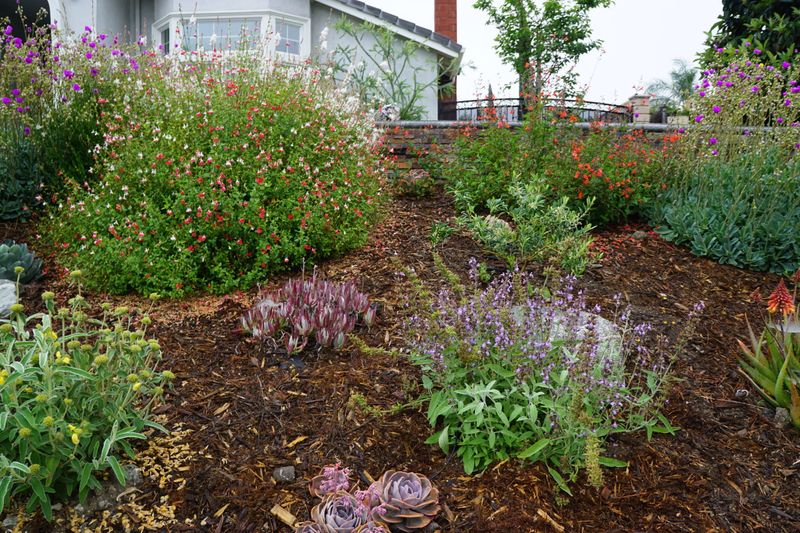
Out in the Inland Empire, where summer heat is no joke, IEUA and its retail partners in western San Bernardino County offer landscape efficiency rebates aimed squarely at turf removal. Grass struggles here, so the payout feels almost like a reward for common sense.
The agency leans heavily on drip irrigation and smart controllers, and it often bundles rebates for those upgrades right alongside the lawn conversion. Swapping a broken sprinkler system for efficient drip can pay you twice in one project.
Desert-adapted choices such as desert marigold, red yucca, and native penstemon thrive in the inland heat and still draw pollinators. That combination gives homeowners a colorful, buzzing yard without the water bill panic.
Confirm your retail water provider participates before you start, since the Inland Empire is a patchwork of districts with slightly different terms.
8. City of Long Beach Lawn-to-Garden Program
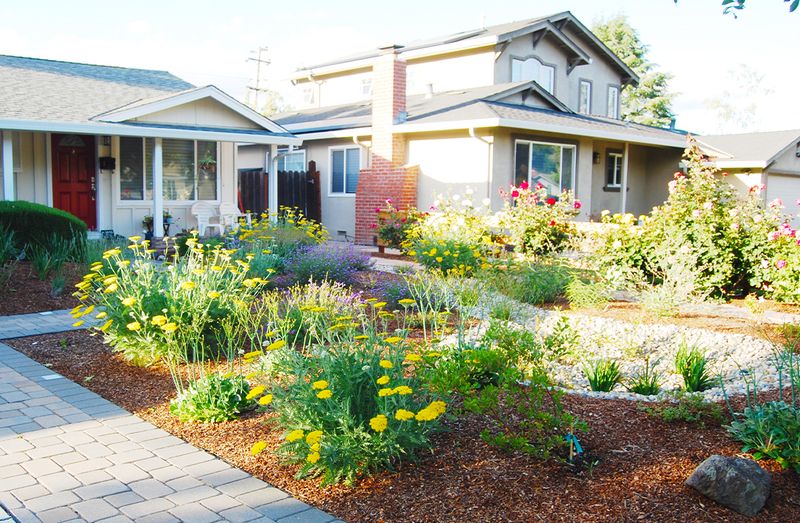
Long Beach earned a bit of a cult following among landscape nerds for its Lawn-to-Garden program, and for good reason. Beyond the per-square-foot cash, the city hands participants a design template, workshops, and a curated palette of California-friendly plants.
The hallmark here is that guided approach. Instead of leaving you staring at a dirt patch wondering what comes next, Long Beach walks you through creating a sponge-like garden that captures rain and supports native life.
Homeowners get points, so to speak, for including specific native plant zones, permeable pathways, and rainwater capture features. That structure produces yards that genuinely function as mini habitats rather than just gravel lots.
Because the program has been popular, funding can run out during the year. Applying early in the cycle gives you the best shot at locking in your spot before the money is spoken for.
9. Coachella Valley Water District Landscape Conversion Rebate
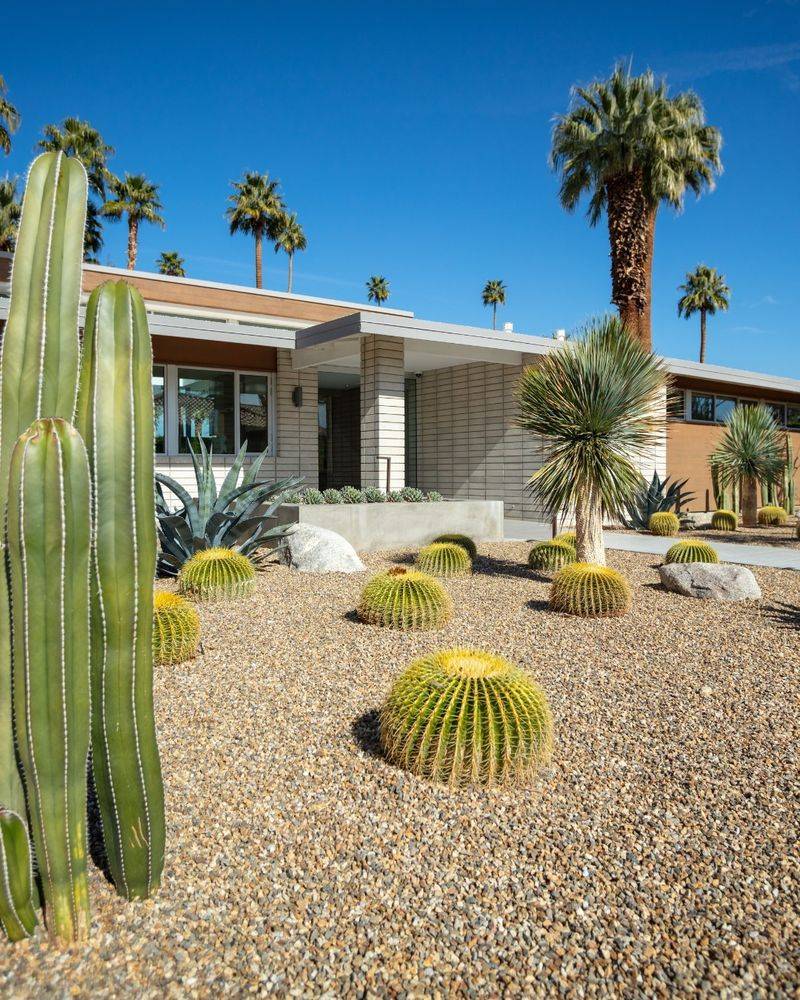
In the desert around Palm Springs and Indio, keeping a green lawn alive borders on defiance of nature. The Coachella Valley Water District pays some of the more attractive turf conversion rates in the state, reflecting just how precious water is out there.
The desert setting shapes everything about this program. Approved plants skew toward true desert survivors, and the district actively steers homeowners away from thirsty ornamentals that would gulp irrigation year-round.
What distinguishes this rebate is scale. Larger desert lots mean bigger turf areas to convert, and with a strong per-square-foot rate, the total checks can be substantial for homeowners with sizable yards.
Desert landscaping done thoughtfully still buzzes with life, drawing native bees, hummingbirds, and lizards to boulders and blooming succulents. Get your pre-approval, then let the harsh sun work for you instead of against you.
10. Turf Replacement Program by Individual City Top-Ups
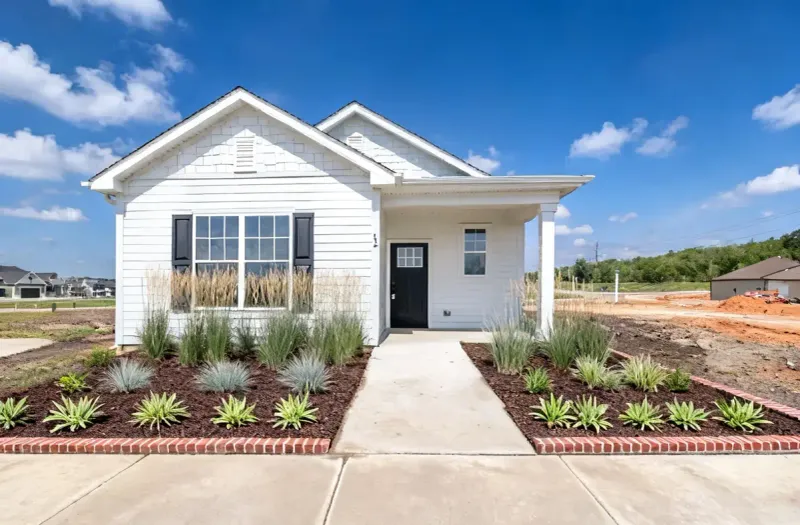
Here is the sleeper move most homeowners miss entirely. On top of the big regional and utility rebates, dozens of individual California cities quietly add their own local top-ups that stack directly onto whatever program you already qualify for.
Places like Santa Monica, Burbank, Glendale, and Roseville have offered municipal bonuses that pile extra dollars per square foot onto the base rate. Stacked correctly, these combinations can push your total payout to double or more what a single program pays alone.
The trick is checking with your specific city’s water conservation office, not just your regional supplier. That one phone call or website visit is where the hidden money often lives, and it takes ten minutes.
Because these local pots are smaller, they empty faster. Homeowners who move early in the fiscal year tend to scoop up the richest combined rebates before neighbors even realize the offers exist.
Stack smart, plant living natives, and your former lawn can pay you handsomely while giving California’s pollinators a fresh place to thrive.