
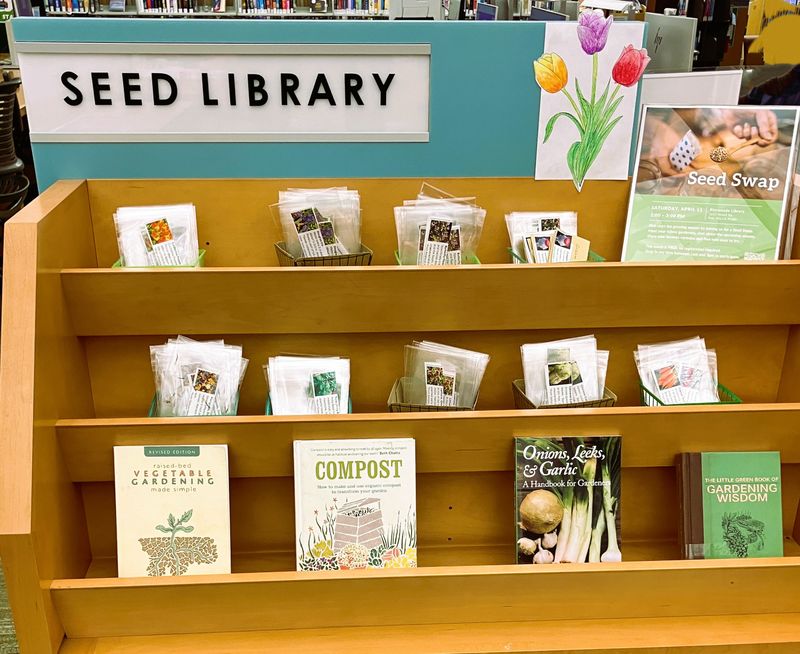
Imagine walking into your local library and checking out packets of seeds instead of books. Across California, seed libraries are doing exactly that, giving away free native plant seeds to anyone who stops by and asks. These little packets can help you grow a yard that feeds bees, butterflies, and birds while using far less water than a thirsty lawn. If you have ever worried that your garden might be the wrong kind for California, this is one of the easiest and cheapest ways to start doing right by the land under your feet.
1. Grassroots Ecology Native Seed Library (Palo Alto)
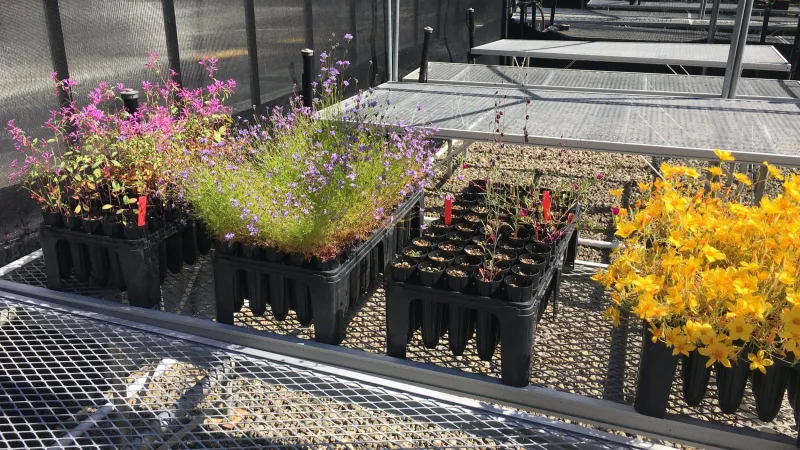
Volunteers at Grassroots Ecology hand-collect seeds from local restoration sites, which means the poppies and lupines you take home are genuinely adapted to the Santa Clara Valley. That local sourcing matters more than most people realize, because a California poppy grown from Bay Area stock behaves differently than one shipped in from out of state.
The organization runs a physical seed library along with workdays where you can watch how seeds are cleaned and sorted. You do not have to be a member or pay a cent to walk away with a handful of packets.
What sets this program apart is its tight focus on ecological restoration. The people running it are the same folks pulling invasive weeds from local preserves, so the advice you get comes with real dirt under the fingernails. Grab their milkweed if you want to support monarch butterflies, and ask which species is native to your exact neighborhood before you plant.
2. Sacramento Public Library Seed Library
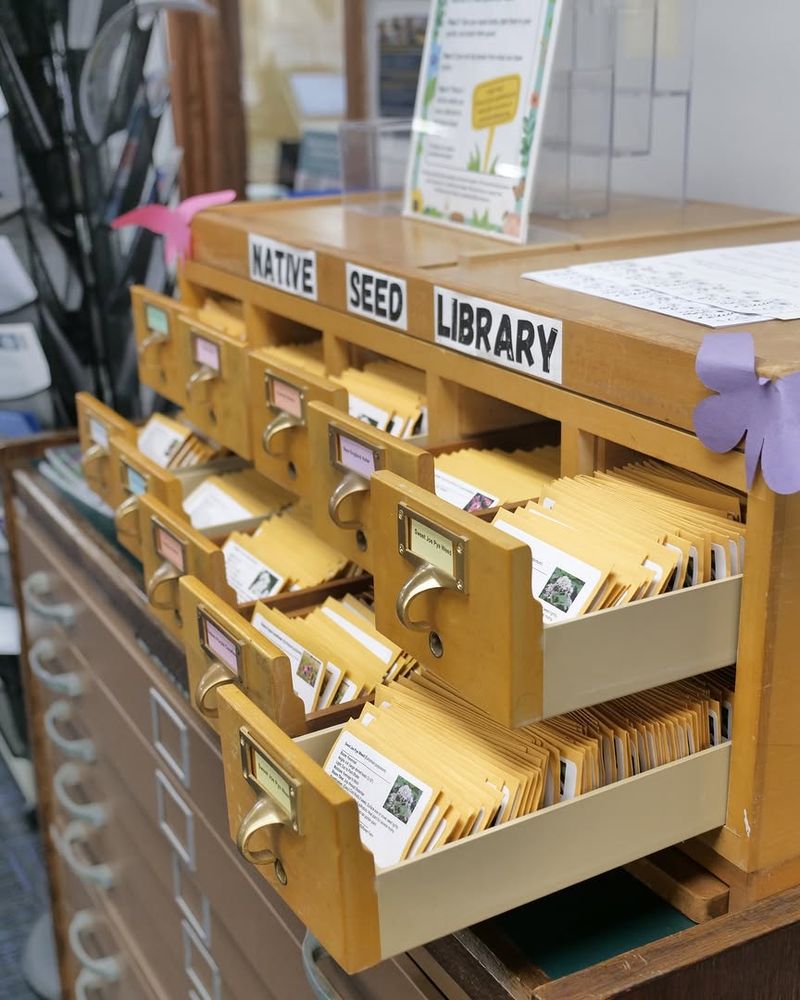
Housed inside a real public library system, the Sacramento seed collection borrows the same idea as checking out a novel: take some seeds, grow your plants, and if you can, save seeds to return at season’s end. That give-and-take loop keeps the whole thing running for free, year after year.
Because Sacramento sits in the hot Central Valley, the collection leans hard into drought-tolerant and heat-loving natives that can handle triple-digit summers without constant watering. Think of it as a shortcut past the trial and error that new gardeners usually suffer through.
The library also stocks how-to guides and hosts seed-saving classes, so you learn the skill instead of just taking the product. For a valley homeowner staring at a water bill and a struggling lawn, this is a low-risk way to test native plants before committing your whole yard.
3. Theodore Payne Foundation Seed Program (Sun Valley)
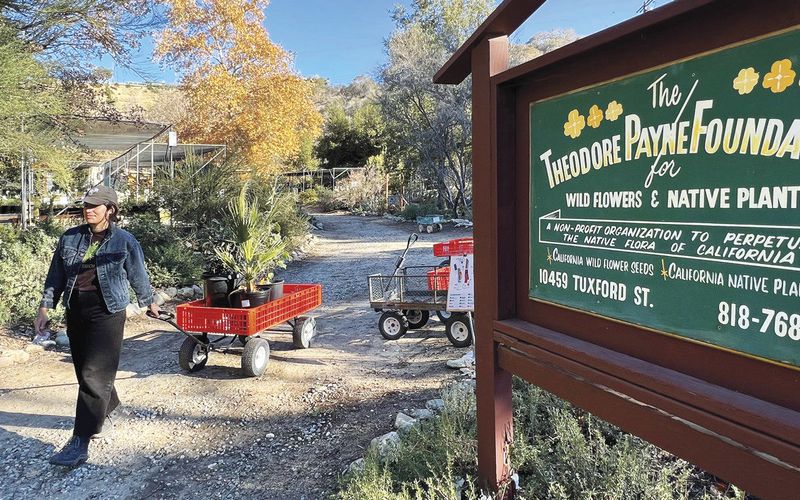
Few names carry as much weight in California native gardening as Theodore Payne, a nursery that has championed local flora since 1922. While much of what they offer is for sale, they also run generous seed giveaways and share seed from their own preserved stock of Southern California species.
Their catalog reads like a field guide to the region, covering everything from coastal sage scrub to desert bloomers. If you live in a fire-prone hillside community around Los Angeles, their staff can point you toward lower-fuel, defensible-space-friendly natives instead of the resinous shrubs that raise fire risk.
Fun bit of history: Theodore Payne pushed for native landscaping decades before anyone was talking about water restrictions, which makes the foundation feel less like a trend and more like a promise finally being kept. Reach out to ask about their seasonal seed offerings, because availability shifts with what ripens each year.
4. Berkeley Public Library Tool and Seed Lending
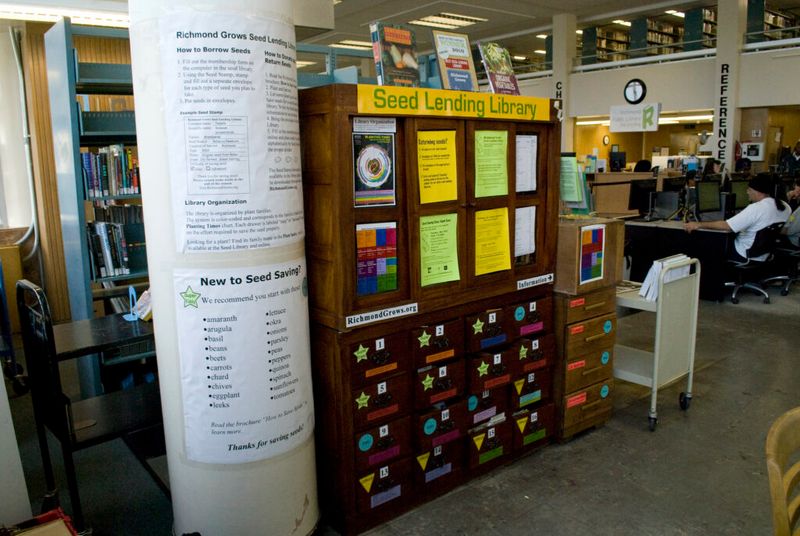
Berkeley folded seeds into its broader lending program, so you can borrow a hand trowel and pick up native seeds in the same trip. That pairing quietly removes two excuses at once: no tools and no seeds.
The East Bay collection favors species suited to the region’s cool, foggy coast and clay soils, which trip up plenty of newcomers who plant desert species by mistake. Staff and volunteer gardeners can steer you toward things like California fuchsia and coast buckwheat that hummingbirds and native bees actually visit.
Berkeley has long treated libraries as community hubs rather than just book warehouses, and the seed program fits that spirit. It is an easy first stop for a renter-turned-homeowner who wants a pollinator patch but has no idea where to begin.
5. San Diego Seed Company Community Seed Sharing
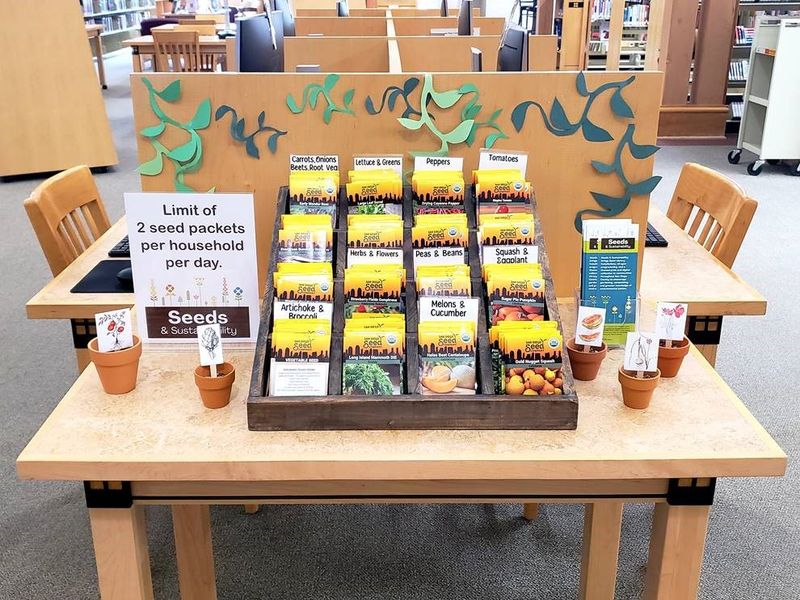
Down in San Diego, community seed sharing hubs and library branches team up to spread seed suited to the driest corner of the state. When your normal is coastal chaparral and long rainless stretches, generic seed packets from a big box store simply do not cut it.
Local sharing spots emphasize species that thrive on little water once established, which matters a lot in a county where drought and water pricing shape every planting decision. Many focus on plants that support native pollinators the region could lose if backyards keep filling with lawn and imported ornamentals.
The appeal here is neighbor-to-neighbor knowledge. Someone two streets over has already figured out what survives your slope and your soil, and seed sharing is how that hard-won lesson gets passed along without a price tag attached.
6. Sonoma County Regional Parks Native Seed Bank
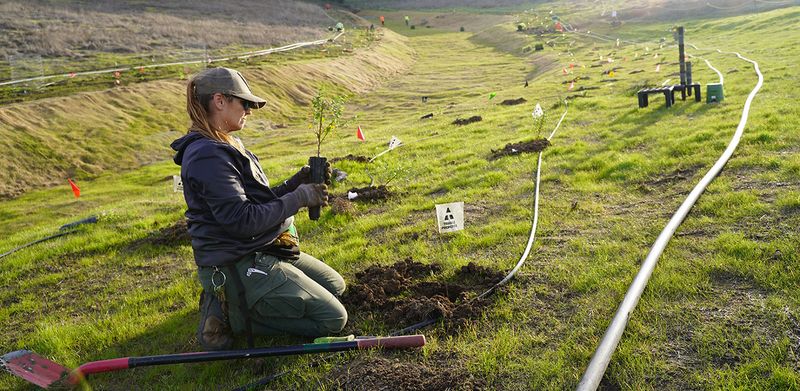
Wine country hides a serious conservation effort: Sonoma County protects and shares seed from its own oak woodlands, grasslands, and wetlands. After the region’s devastating wildfires, restoring native habitat became urgent rather than optional.
Seed collected from local parks helps homeowners rebuild landscapes that resist fire better and shelter displaced wildlife. Deep-rooted native grasses and fire-adapted wildflowers behave very differently from the dry, flammable annual weeds that took over so many hillsides.
For anyone living in the wildland-urban edge, planting locally sourced natives is one small piece of building a more resilient property. Ask park staff about which species suit your defensible-space zones, and treat the free seed as an invitation to garden with the fire ecology of North Bay, rather than against it.
7. Los Angeles Public Library Seed Library Network
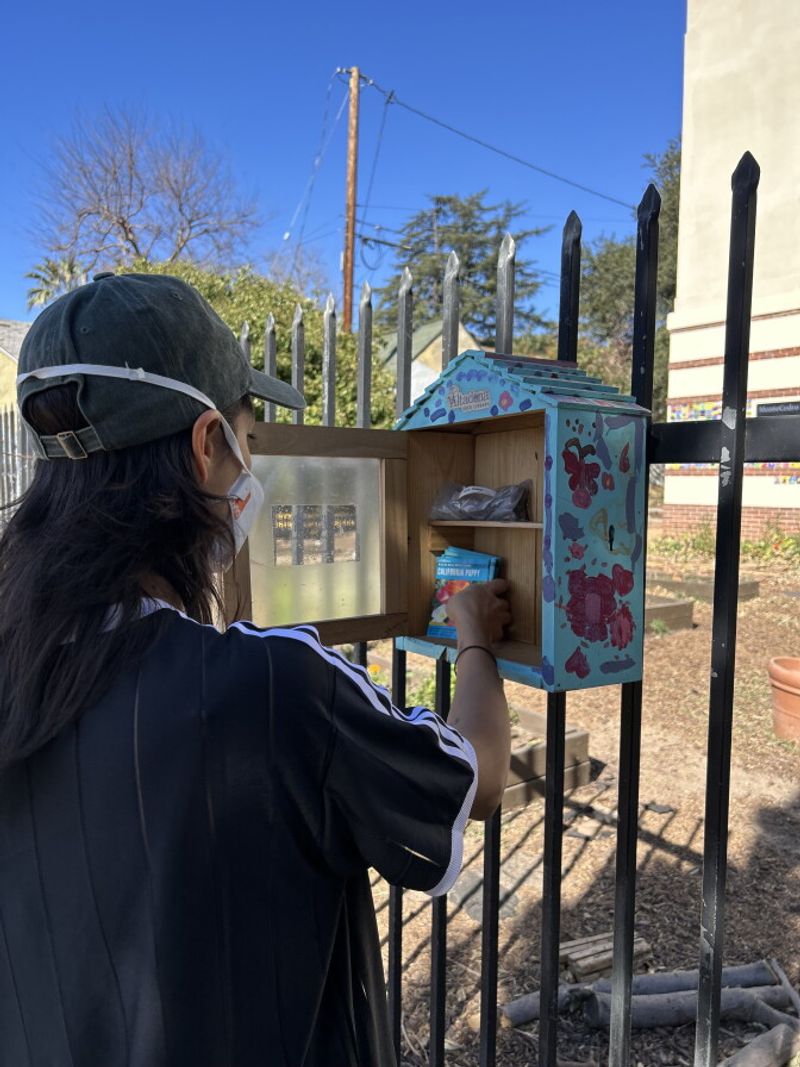
Scale is the story with LA’s library seed network, which spreads free seeds across dozens of branches in one of the most spread-out cities in the country. For a homeowner in a neighborhood with little green space, a nearby branch may be the closest thing to a garden center that costs nothing.
The branches stock drought-tolerant and California-native varieties chosen for the region’s Mediterranean climate of wet winters and bone-dry summers. Many patrons show up worried they are watering wrong or growing plants that give nothing back to local bees and butterflies, and staff gently redirect them toward smarter choices.
Beyond the seeds themselves, the network runs workshops on lawn replacement and pollinator gardens. Swapping even a strip of turf for native blooms can shrink your water use and turn a sterile yard into something buzzing with life. Ask your local branch which packets are ready, since stock rotates with the seasons.