
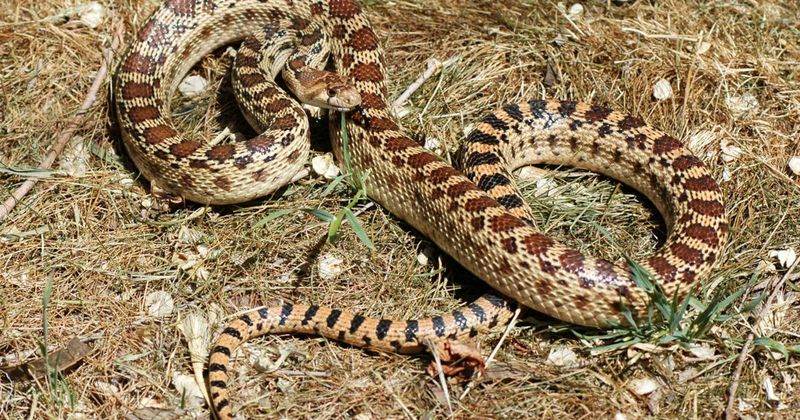
A large, patterned snake turning up near your raised beds is enough to make most California homeowners freeze, then reach for a shovel. More often than people realize, that snake is a gopher snake, a native, nonvenomous species that may be quietly hunting the same rodents tearing up your garden. Knowing what you are actually looking at, and what to do about it, can protect both your yard and a beneficial neighbor you did not know you had.
The snake in the garden may be a gopher snake
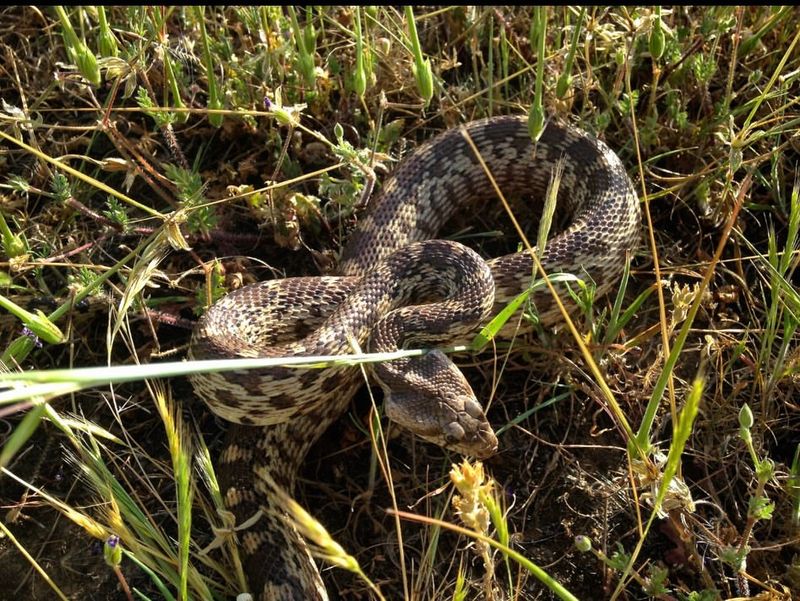
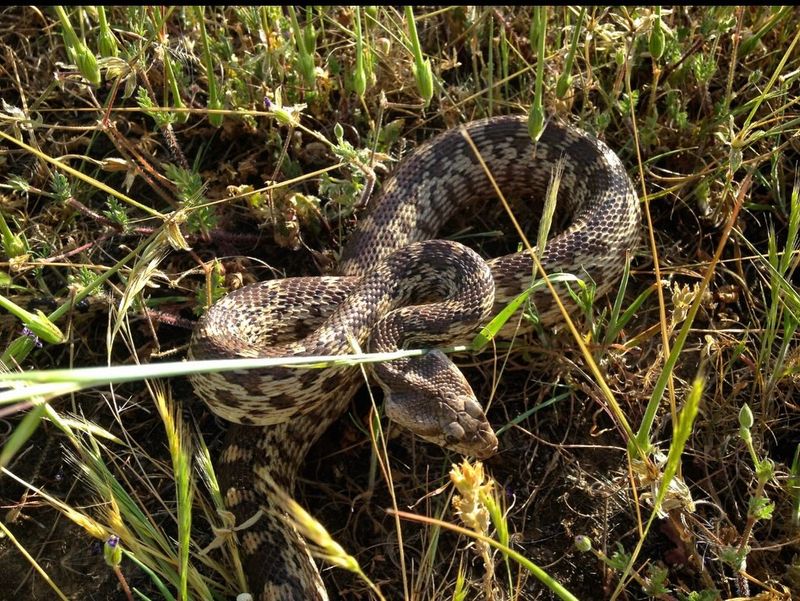
California yards host a surprisingly wide range of wildlife, and among the most commonly encountered, and most commonly misidentified, is the gopher snake, Pituophis catenifer. The California Wildlife Habitat Relationships account for the gophersnake calls it the state’s most widespread and common snake, found in grasslands, open woodland, agricultural areas, suburban yards, and home gardens alike. That range means a patterned snake showing up near your beds, compost pile, or back fence has a reasonable chance of being this species rather than a rattlesnake.
Gopher snakes are nonvenomous constrictors. They kill prey by squeezing rather than by injecting venom, and they pose no significant chemical threat to people or pets when left alone. As native predators, they occupy a real role in the yard’s food web, one that California Department of Fish and Wildlife recognizes when it notes that snakes provide an ecosystem benefit by helping control rodent populations.
That ecological value is worth understanding before reacting. A gopher snake encountered in the garden is not evidence of a pest problem. It may, in fact, be a sign that natural rodent pressure in the area is being kept in check to some degree. UC Agriculture and Natural Resources describes gopher snakes as beneficial predators around residences and agricultural areas, a characterization supported by their diet and habitat use.
One important limit applies here. No article can identify a specific snake in your yard as a gopher snake based on a brief description alone. Color patterns vary between individuals, partial views can be misleading, and a startled or moving snake may not offer the features needed for a confident call. The sections that follow give you the clues to observe safely from a distance, but the controlling rule is this: if you are not certain, treat the snake as potentially venomous and keep away.
Why the gopher snake can sound like a rattlesnake
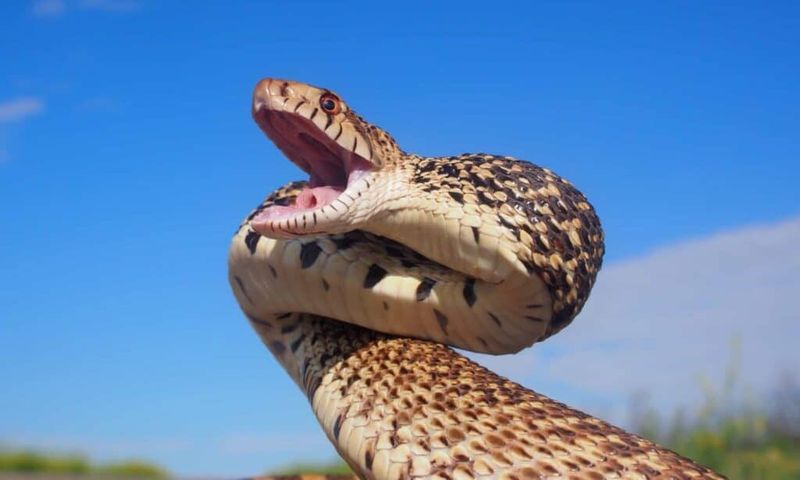
Few yard encounters are as alarming as hearing a sharp hiss followed by what sounds like a rattle coming from the base of a shrub. When that happens, most homeowners assume the worst, and the assumption is understandable. What they may be witnessing is a gopher snake’s defensive display, a set of behaviors so convincing that even experienced observers sometimes do a double-take.
When a gopher snake feels cornered or threatened, it can flatten and slightly widen its head, pull its body into a loose coil, hiss forcefully, and vibrate its tail rapidly. UC IPM’s rattlesnake guidance explains that when a gopher snake’s pointed tail strikes dry leaves, gravel, or other debris during that vibration, the result can be a convincing rattle-like sound. The snake is not producing a rattle; it is creating friction noise against whatever material happens to be nearby.
The display is a survival strategy, not aggression. A gopher snake that successfully mimics a rattlesnake is more likely to be left alone by a predator or a startled human. The behavior works partly because it targets the exact cues people use to make a snap judgment: the coiled posture, the wide-looking head, the noise. A brief or partially obscured encounter gives a homeowner very little time to notice the differences that actually matter.
Understanding why the snake behaves this way matters for your response. A gopher snake performing this display is frightened, not attacking. UC IPM’s rattlesnake pest notes point out that most snake bites to people happen when someone tries to handle, kill, or move a snake rather than leaving it alone. Backing away calmly is both the safest response and the one most likely to let the snake move on without further incident.
Use identification clues without moving closer
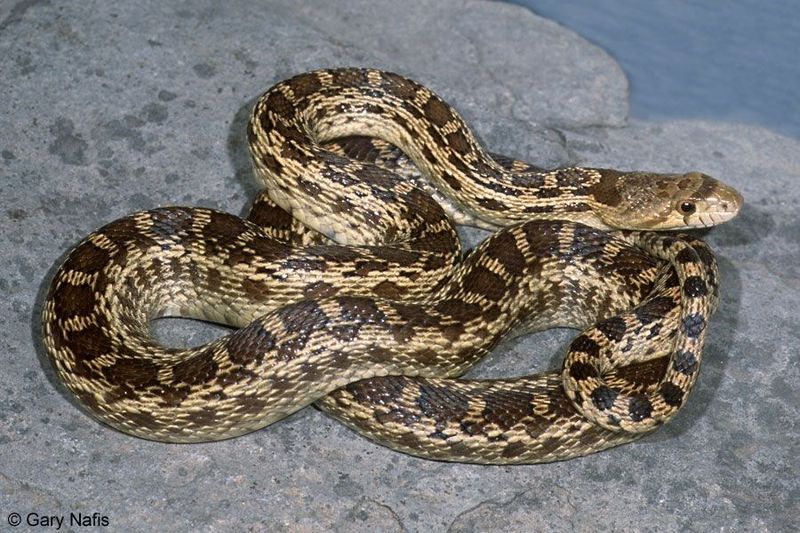
Watching a snake from a safe distance and noting a few physical features can help you make a more informed guess about what species you are looking at. The key word is “guess.” These clues are starting points for distant observation, not a checklist that produces a guaranteed answer, especially when the view is partial, the snake is moving, or the light is poor.
Gopher snakes tend to have relatively slender bodies, glossy scales, heads that are only slightly wider than the neck, round pupils, and a pointed tail with no rattle. The UC IPM rattlesnake pest notes describe rattlesnakes as generally heavier-bodied, with a distinctly broader triangular head, elliptical or slit-shaped pupils, and a rattle or rattle button at the tail tip. Those are meaningful structural differences when you can see them clearly from a comfortable distance.
Color and pattern, however, are not reliable guides on their own. CaliforniaHerps’ snake identification guidance warns that individuals vary considerably in color and markings, and that a moving or partially seen snake may simply not show enough detail for an accurate call. Both gopher snakes and rattlesnakes can appear tan, brown, gray, or yellowish with darker blotches, and the overlap is real enough to fool people who have seen both species before.
Two specific cautions deserve emphasis. First, the absence of a visible rattle does not confirm that a snake is nonvenomous. Rattles can break off completely, leaving no obvious stub. Juvenile rattlesnakes may have only a small button that produces little or no sound, and they are fully venomous.
Commonly encountered California snakes include juveniles that are easy to misread.
Second, attempting to get a better look by moving closer, crouching down, or lifting vegetation puts you in the strike zone. Pupil shape and head width are only useful clues when you can observe them from a genuinely safe distance. If the view does not give you enough information to feel confident, the right call is to treat the snake as potentially venomous, keep people and pets away, and contact a qualified wildlife professional or your local agency for guidance.
Its broad diet can reduce rodent pressure
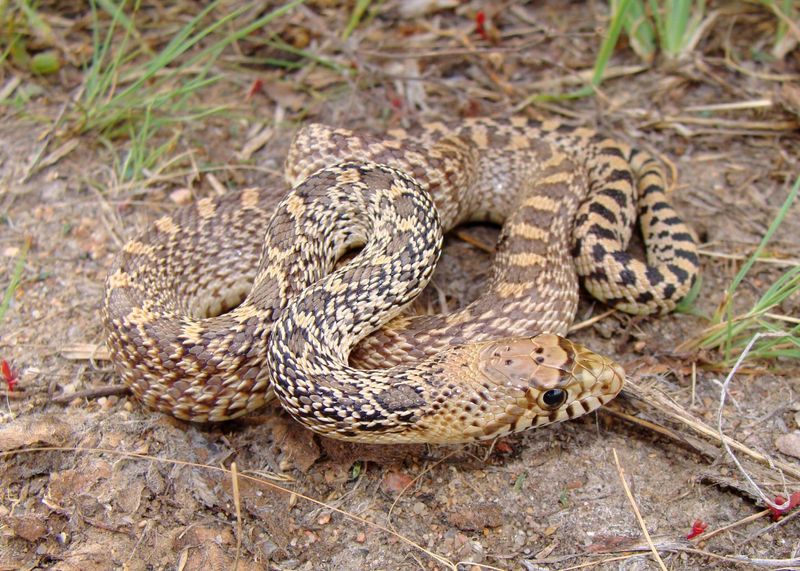
Gopher snakes earned their common name for a reason. Pocket gophers are among their documented prey, along with mice, rats, ground squirrels, and other small mammals. A study on the feeding ecology of North American gopher snakes found that their diet is broad and opportunistic, varying by region, season, and prey availability. Beyond rodents, they also take birds, eggs, lizards, and other small animals when the opportunity arises.
The California Wildlife Habitat Relationships account specifically lists gophers, mice, rats, ground squirrels, and rabbits among the prey consumed by gopher snakes, and UC Agriculture and Natural Resources describes them as beneficial predators in residential and agricultural settings. Leaving a correctly identified gopher snake alone preserves a native animal that may contribute to keeping rodent numbers lower over time.
The practical benefit is real but needs honest framing. A gopher snake hunting through your yard may eat a mouse that would otherwise find its way into a garage, or a young gopher before it establishes a burrow system. That is a genuine service. What it is not is a targeted, reliable patrol of your specific raised beds.
Snakes move across a landscape based on shelter, warmth, and prey scent, not property lines or garden plans.
The snake you see near your beds may have arrived from a neighboring lot, crossed through briefly, or be passing through on its way elsewhere. Its presence tells you that a native predator is active in the area. It does not confirm that it has been hunting the animals that damaged your squash or undermined your irrigation lines. Preserving it makes ecological sense, but it is one piece of a larger picture rather than a substitute for addressing an active infestation on its own terms.
Natural predation will not fix every gopher problem
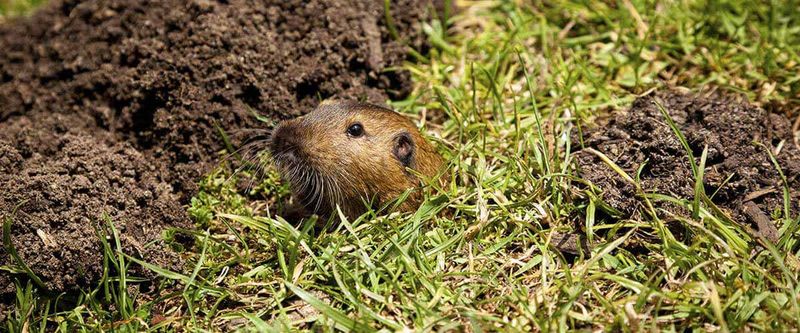
Pocket gophers are remarkably effective at protecting themselves from predators, including snakes. When a gopher detects a threat in its tunnel system, it can seal off the entry with an earthen plug, cutting off access and forcing the predator to move on. UC IPM’s pocket gopher guidance states directly that natural predators, including snakes, rarely reduce gopher populations enough to prevent landscape damage. That is a meaningful limit on what any individual snake can accomplish in a yard where gophers are actively burrowing.
Knowing what active gopher damage looks like helps you catch problems early, when control options are most effective. Fresh mounds are the most obvious sign. Pocket gopher mounds tend to be crescent-shaped or horseshoe-shaped, with a plugged opening that sits off to one side rather than at the center. A single gopher can push up several mounds in a single day, and the tunneling that produces them can damage plant roots, sever drip irrigation lines, undermine raised bed walls, and kill established perennials without any above-ground warning until the plant suddenly wilts.
When gopher activity is confirmed, the most reliable responses are trapping and physical exclusion. UC IPM recommends installing hardware cloth, roughly three-quarter-inch mesh, beneath raised beds at the time of construction, with additional buried protection along the sides to prevent lateral entry. For existing in-ground beds or lawns, trapping placed directly in the main tunnel is generally the most effective and fastest method of reducing a damaging population.
Relying on a gopher snake to solve an active infestation means watching the damage continue while waiting for an outcome that may not arrive. The snake is worth protecting as part of the yard’s broader ecology, but the beds themselves need physical defenses that work regardless of which predators happen to be passing through.
Leave the snake alone and manage the encounter safely
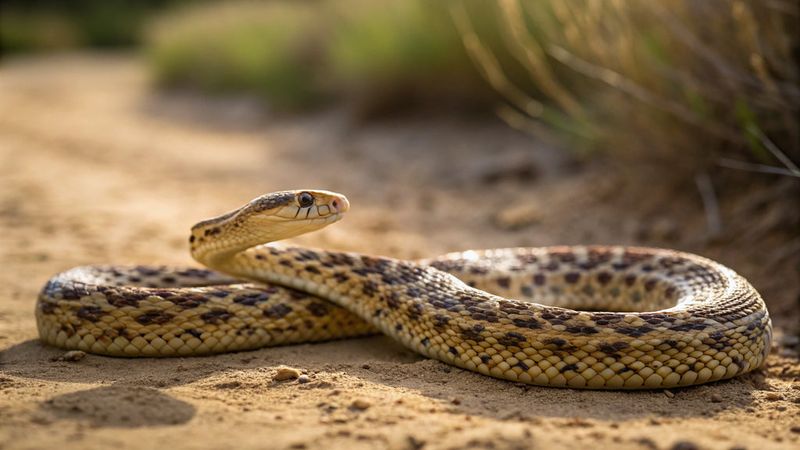
Spotting a snake near the house triggers a fast instinct to act, but the safest response in almost every case is to stop moving and give the animal space. Keep children and pets inside or well away from the area. Do not attempt to herd, corner, pin, photograph at close range, kill, or pick up the snake, regardless of what species you think it might be.
UC IPM notes that most rattlesnake bites happen when someone tries to handle, move, or kill the snake, not during unprovoked encounters. The same risk applies to gopher snakes. Animal Diversity Web’s account of Pituophis catenifer notes that gopher snakes can bite when harassed, and while the bite is nonvenomous, it can be painful and carries a risk of infection like any animal bite. Nonvenomous does not mean consequence-free.
If you cannot identify the snake confidently from a safe distance, treat it as potentially venomous until a qualified person tells you otherwise. Most snakes encountered in California yards will move on within hours if left undisturbed. Removing cover objects like woodpiles, debris, or dense ground cover near the house can reduce the habitat features that attract snakes in the first place.
When removal is genuinely necessary, contact your local animal control agency or a qualified wildlife professional, and confirm before booking that the provider handles wild-snake conflicts specifically. CDFW’s human-wildlife conflict resources for snakes can help you find appropriate contacts. Do not attempt to transport or release a captured snake without professional guidance, as California law regulates the taking and relocation of native wildlife, including reptiles. If a rattlesnake bite is suspected, call 911 or go to an emergency room immediately without waiting to see whether symptoms develop.
Control rodents without poisoning their predators
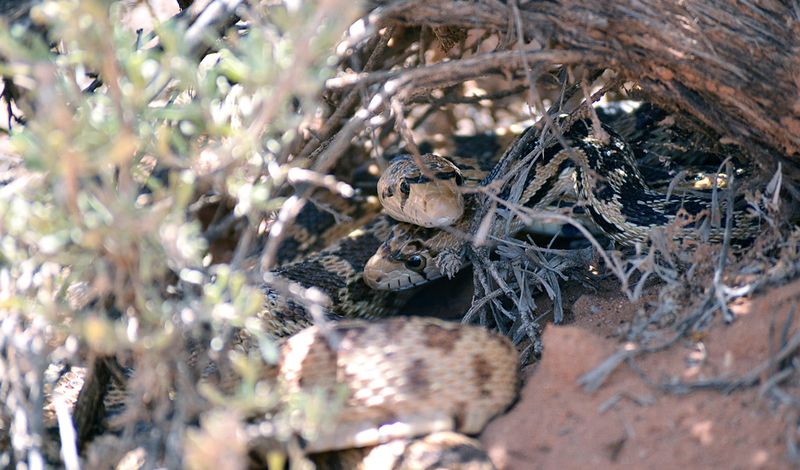
Reaching for rodent poison feels like a straightforward fix when gophers or rats are causing damage, but the consequences can extend well beyond the target animal. When a predator eats a rodent that has consumed certain poisons, that predator can absorb a lethal or debilitating dose itself. EPA’s rodenticide safety review confirms that predators and scavengers, including raptors, foxes, coyotes, and snakes, can be poisoned through this secondary exposure pathway.
Second-generation anticoagulant rodenticides are a particular concern. California Department of Fish and Wildlife has documented that these compounds persist in animal tissues and accumulate through the food chain, creating secondary-poisoning risks for wildlife that never consumed the bait directly. Gopher snakes, hawks, owls, and other predators that eat rodents in treated areas are all potentially exposed. A single poisoned rat can harm multiple animals up the food chain before the rodenticide breaks down.
If a rodenticide is the chosen tool, EPA’s guidance on safely using rodent bait products requires using only legally registered products, placing them exclusively in approved tamper-resistant bait stations, following the current product label exactly, and removing dead rodents promptly wherever it is safe to do so. California applies additional restrictions on certain active ingredients and application settings beyond the federal label; check current state rules before purchasing. CDFW’s wildlife health investigations continue to document rodenticide exposure in California wildlife, underscoring that these products carry real ecosystem costs when used carelessly.
Exclusion and trapping address the rodent problem at its source without creating a poisoning risk for the predators that are already working on your behalf. When rodenticides are genuinely needed as part of a broader management plan, treating them as a last resort rather than a first response keeps gopher snakes, raptors, and other beneficial wildlife out of the collateral damage.
Protect the snake without expecting it to save the garden
Three decisions pull together everything covered here. First, do not kill a correctly identified gopher snake simply because it resembles a rattlesnake. It is a native predator that may help reduce rodent pressure, and UC IPM’s rattlesnake guidance is clear that most bites happen during handling or attempted removal, not during passive encounters. Second, do not approach any snake you cannot identify safely from a distance.
Uncertainty is a reason to back away and contact a qualified professional, not a reason to get closer.
Third, do not treat natural predation as sufficient control for active gopher damage. UC IPM is explicit that predators rarely reduce pocket gopher populations enough to prevent landscape damage, so confirmed infestations need trapping and exclusion regardless of which snakes are present. For unresolved or unsafe snake conflicts, CDFW’s snake conflict resources connect you with appropriate help.
A yard that shelters a gopher snake is a yard with one more working part in its natural system, and that is worth something, even if it is not the whole answer.