

Rats are experts at finding the easy life, and a lot of California yards accidentally roll out the welcome mat for them. The tricky part is that most of these mistakes look totally normal, like feeding the birds or letting fruit ripen on the tree.
Once you know what draws them in, you can make small changes that keep rats out without hurting the wildlife you actually want around. Here are the everyday habits worth breaking first so your yard stays lively but rodent-free.
1. Letting Fallen Fruit Pile Up Under Citrus and Avocado Trees
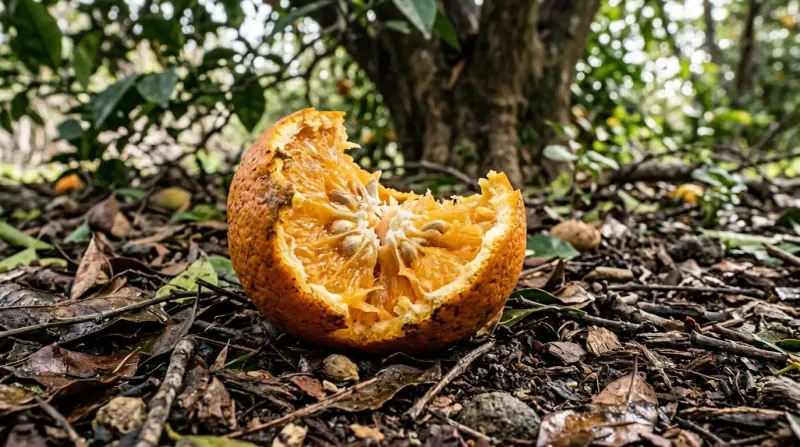
Nothing says free buffet to a rat quite like a lawn dotted with dropped oranges, lemons, and avocados. In many California yards these trees are a point of pride, but the fruit that hits the ground and softens overnight becomes a nightly feeding station.
Roof rats in particular love citrus, and they will climb right up the trunk to reach whatever is still hanging. Once they learn your tree feeds them, they set up shop nearby and start scouting your house for a warm place to nest.
The fix is simple and satisfying. Pick up fallen fruit every day or two, harvest ripe fruit before it turns, and prune branches so they do not touch fences, roofs, or walls.
You still get your homegrown citrus, and the rats lose their easiest meal.
2. Overflowing Bird Feeders and Spilled Seed
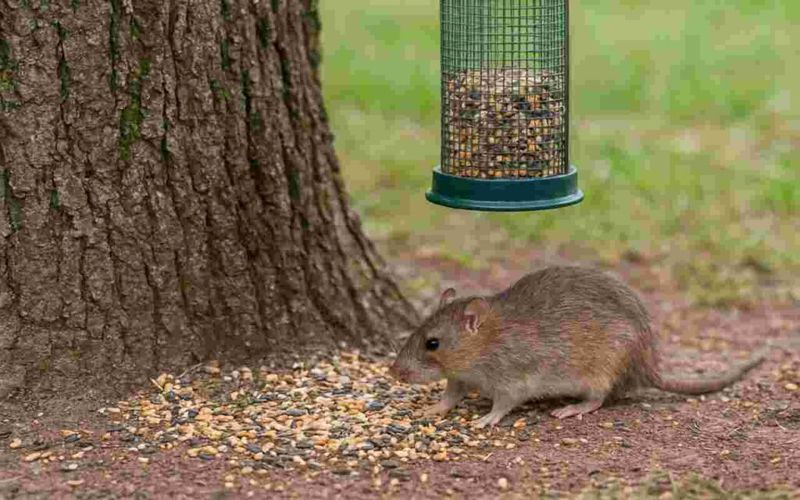
Feeding the birds feels like one of the kindest things you can do for backyard wildlife, so this one stings a little. The trouble is that seed spilling out of the feeder and piling up on the ground is basically a rat cafeteria that runs all night.
Birds eat during the day, but rats show up after dark to clean up the leftovers. A feeder that scatters seed onto the soil below can quietly feed a whole colony without you ever seeing it happen.
You do not have to give up your birds. Switch to a catch-tray feeder, offer only what gets eaten in a day, and sweep up hulls regularly.
Bringing feeders in at night during heavy rodent months makes a real difference too, especially in suburban neighborhoods where rats already have plenty of cover.
3. Dense Ivy and Overgrown Ground Cover Along Walls

Ivy climbing a wall looks storybook charming, but to a roof rat it is a five-star apartment complex. Thick ivy, jasmine, and tangled ground cover give rats cover, nesting spots, and a hidden highway straight up to your eaves.
Rats hate being exposed, so anything that lets them travel without being seen is gold to them. A wall blanketed in vines lets them scurry up to the roofline and slip into attic vents without a single predator noticing.
Thinning out dense plantings, keeping vines off the house, and clearing a gap between ground cover and your foundation takes away that cover. You keep the greenery you love, just trimmed back enough that rats no longer feel safe living in it.
4. Leaving Pet Food and Water Bowls Outside
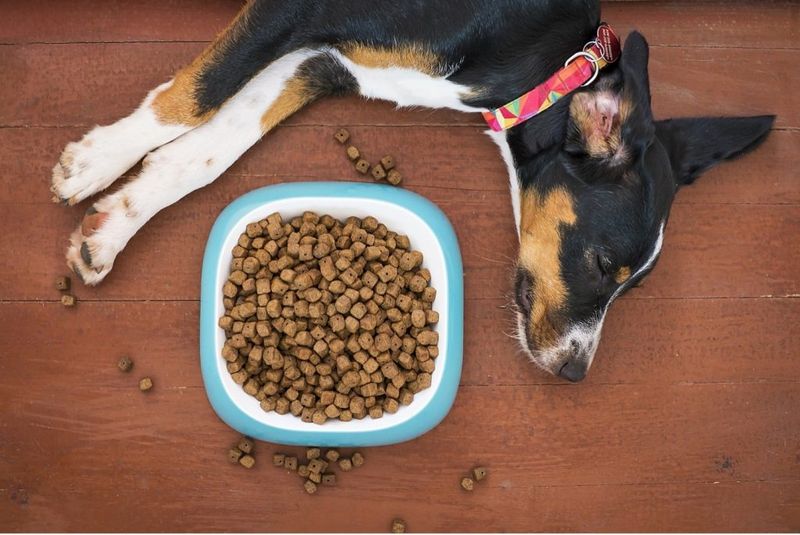
That bowl of kibble you leave out for the cat or dog does not stop working when your pet walks away. Rats treat outdoor pet food as an all-you-can-eat spot, and they are happy to visit long after dark when nobody is watching.
Water counts too. During California’s long dry summers, a filled water dish can be just as attractive as the food, especially when natural water is scarce.
Feed pets indoors when you can, and if you feed outside, put the bowl down only at mealtime and take it up when your pet finishes. Store bulk pet food in a sealed metal or hard plastic container, never a paper bag, which rats chew through in minutes.
5. Open Compost Piles With Food Scraps
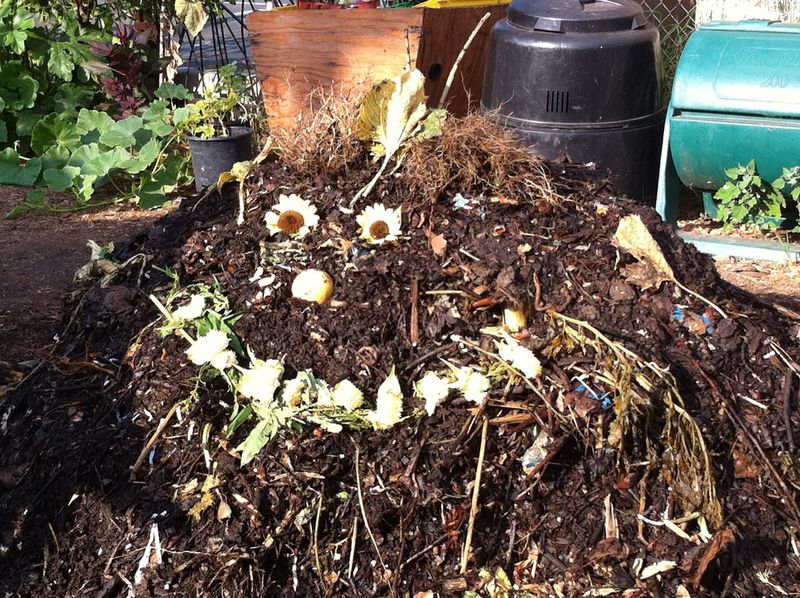
Composting is one of the greenest habits a California gardener can have, so it feels unfair that it can backfire. An open pile with fresh food scraps, though, is a warm, snack-filled invitation that rats simply cannot resist.
Meat, dairy, cooked food, and bread are the worst offenders because they smell strong and pack in calories. Rats will burrow right into a loose pile and treat it as both pantry and bedroom.
Switch to an enclosed compost bin or tumbler with a secure lid and a solid or fine-mesh bottom. Keep food scraps buried under browns like leaves and cardboard, and skip meat and dairy entirely.
You still build great soil, minus the tenants.
6. Stacking Firewood Against the House
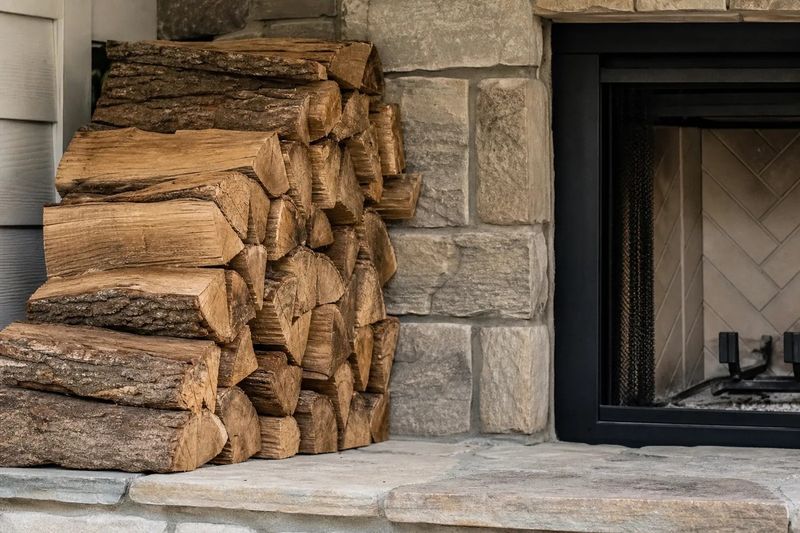
A neat woodpile leaning against the house seems practical, right up until you realize you built a rat condo with a covered walkway to your door. The gaps between logs are perfect nesting nooks, dark, dry, and undisturbed for months.
Pushed up against a wall, that pile also hides any cracks or vents a rat might use to get inside. They can nest in the wood and slip into your home without ever crossing open ground.
Move firewood at least a few feet from the house and raise it off the ground on a rack. Keeping it away from walls and up in the air removes the shelter and lets you spot any activity before it becomes a problem.
7. Clutter and Junk Piles in Side Yards
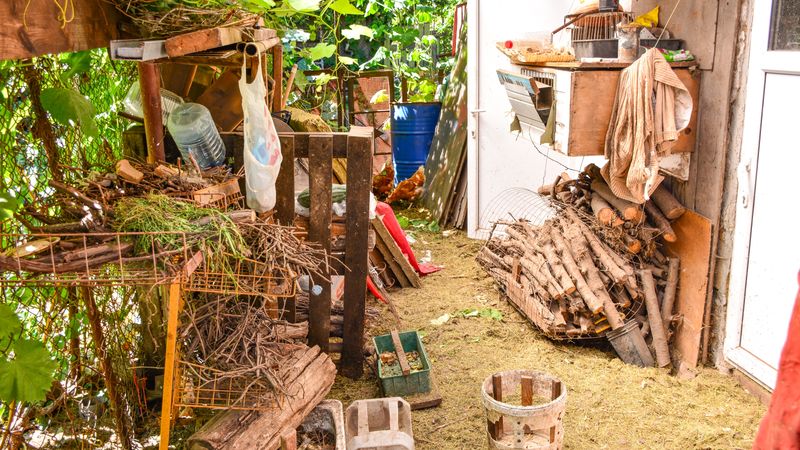
The narrow side yard is where good intentions go to gather dust, along with old pots, cardboard boxes, spare lumber, and that broken patio chair. Rats look at all that clutter and see prime real estate with plenty of hiding spots.
Piles that sit untouched for weeks give rodents exactly what they crave: darkness, shelter, and zero foot traffic. Cardboard is a bonus for them since they shred it for nests.
Clearing out the junk, storing supplies in sealed bins, and keeping items off the ground opens the space back up. A tidy, breezy side yard is far less inviting, and you might even reclaim a usable strip of your property in the process.
8. Vegetable Gardens Left Unharvested

You planted that vegetable bed for yourself, but overripe tomatoes and forgotten zucchini are just as tasty to a rat. Produce left to rot on the vine or drop into the soil turns your garden into a self-serve snack bar.
Rats also gnaw on root crops, melons, and squash sitting low to the ground, sometimes hollowing them out overnight. In California’s long growing season, an unharvested bed can feed rodents for months.
Harvest often, even picking a little early when needed, and clear away spoiled or fallen produce right away. Fine mesh over low crops and daily cleanup keep the food chain pointed at your kitchen instead of the rats’.
9. Tree Branches Touching the Roof or Fence
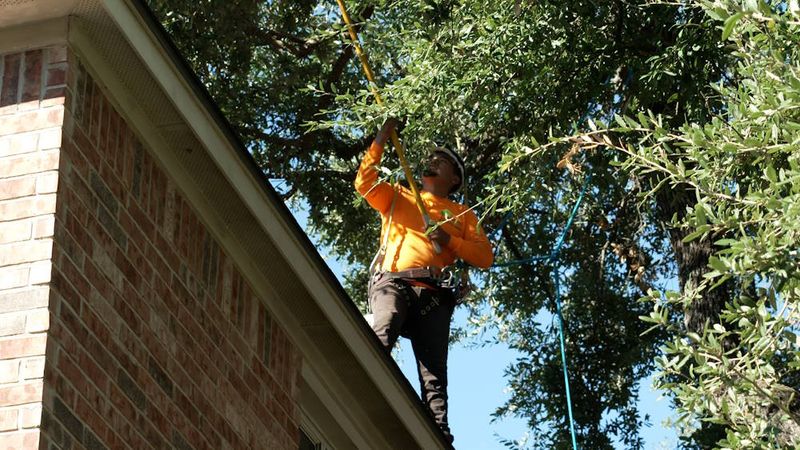
Roof rats did not earn their name by accident. Branches that stretch over to your roofline or brush against a fence are the aerial freeways that let them travel up high, away from cats, hawks, and your watchful eye.
Once they reach the roof, they hunt for gaps around vents, eaves, and chimneys to slip into the attic. A single overhanging limb can be all it takes to turn an outdoor rat into a houseguest.
Trim back any branches within about four feet of your roof or fence lines, and keep tall shrubs from bridging the gap. Cutting those connections forces rats back down to the ground, where they are far easier to keep out.
10. Ponds, Fountains, and Constant Water Sources

During a dry California summer, reliable water can matter to a rat even more than food. A leaky hose, a dripping spigot, a pet bowl, or a low pond edge all promise a steady drink when the rest of the landscape is parched.
Water features are lovely and great for birds and pollinators, but the same steady supply keeps rats coming back night after night. Standing puddles from overwatered beds count too.
Fix leaks quickly, adjust irrigation so it does not pool, and keep pond and fountain edges clean and clear of dense cover. You can still enjoy the sound of running water while making the surrounding area feel too exposed for rats to linger.
11. Unsecured Trash and Green Waste Bins

The humble trash bin is a rat’s favorite restaurant, and a loose or cracked lid is the open door. Food packaging, scraps, and green waste all send out a scent trail that rodents follow from surprising distances.
Green waste bins get overlooked, but grass clippings, fruit trimmings, and garden debris rot into a smelly, calorie-rich mix rats adore. Bins that sit right against the house make the trip even shorter for them.
Use bins with tight, latching lids, rinse them out now and then, and never leave bags on the ground beside them. Keeping cans a little away from the wall and closing lids fully cuts off one of the most dependable food sources in the whole yard.
12. Reaching for Rat Poison as the First Fix
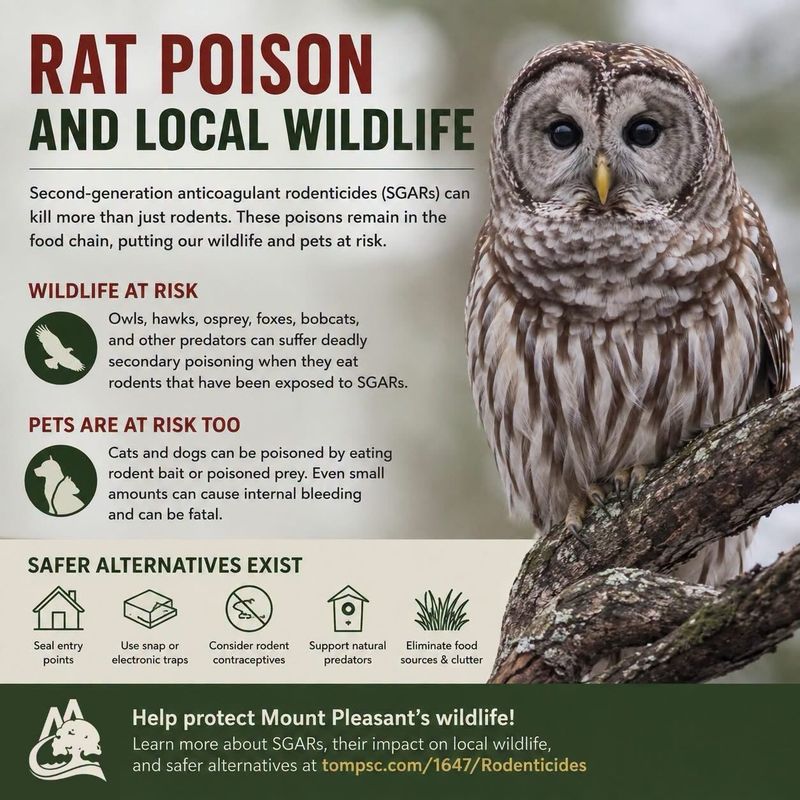
When rats show up, grabbing a box of poison feels like the fastest solution, but it can quietly harm the very wildlife you want in your yard. Owls, hawks, and even neighborhood pets get sick after eating rats that swallowed bait, and California has tightened rules on many rodenticides for exactly this reason.
Poison also treats the symptom, not the cause. If the fruit, seed, water, and shelter are still there, new rats simply move in to replace the ones that die.
Start instead with exclusion and cleanup: seal entry points, remove food sources, and use snap traps in protected spots if you need them. Protecting the owls and raptors that hunt rats for free may reduce your rodent pressure far more than any bait ever could, and it keeps your yard part of the living landscape you set out to build.