
You do not need a backyard to pick a bowl of fresh berries in California. A sunny balcony, a few good pots, and the right compact bush can give you fruit from spring into fall.
Many gardeners are finding that small berry plants also feed bees, use less water than a lawn, and turn a bare railing into a living snack bar. Here are eight varieties that stay tidy in containers and handle the long, dry California summer.
1. Sunshine Blue Blueberry
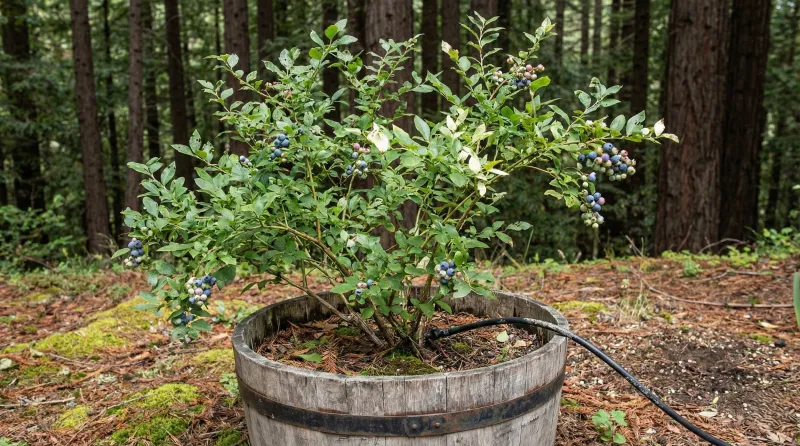
Ask any coastal container grower which blueberry forgives the most mistakes, and Sunshine Blue tends to come up first. It is a semi-dwarf southern highbush that needs very few chill hours, which matters in places like San Diego and Los Angeles where winters barely dip below 40 degrees.
The bush usually tops out around three feet, so it fits next to a patio chair without crowding. Pink flowers in late winter can draw native bees early in the season, and the evergreen-ish foliage turns burgundy when temperatures drop.
Blueberries want acidic soil, so skip regular potting mix and use an azalea or blueberry blend. If your tap water is hard, as it is in much of Southern California, collecting rainwater in winter or adding a little vinegar to your watering can may help keep the pH in range.
2. Raspberry Shortcake
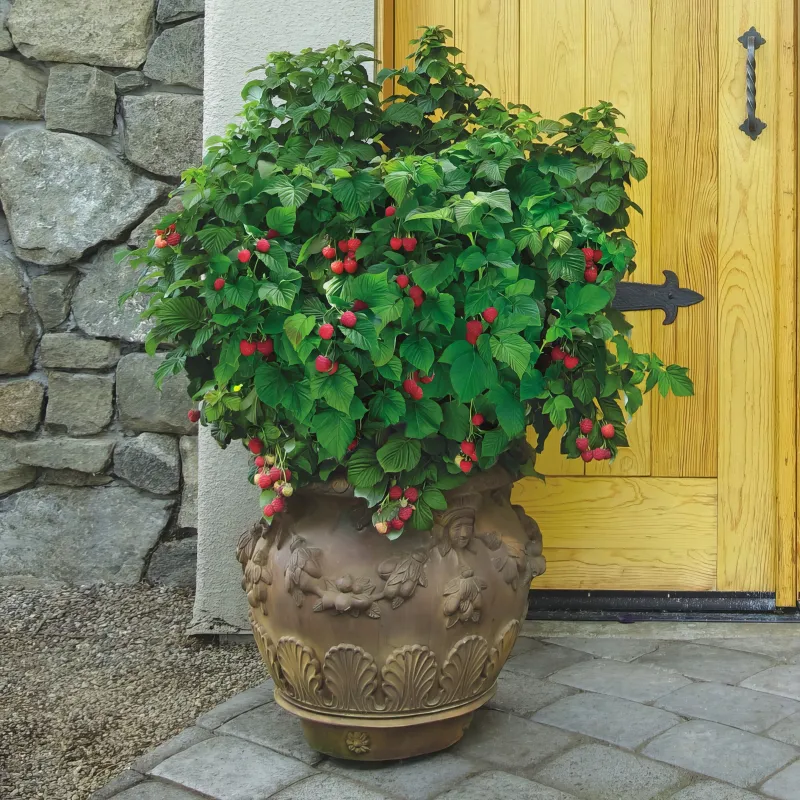
Picture a raspberry patch with no thorns, no sprawling canes, and no ladder. That is the whole pitch behind Raspberry Shortcake, a dwarf thornless variety that grows into a rounded mound about two to three feet tall.
Balcony gardeners love it because it does not need a trellis. The canes stay stiff and upright, and kids can grab berries without scratched hands.
Fruit usually ripens in midsummer.
In hot inland spots like Sacramento or Riverside, give it afternoon shade, since raspberries sulk when the thermometer climbs past 95. A 14 to 18 inch pot with drip irrigation on a timer can keep the roots evenly moist through August without wasting water.
3. Baby Cakes Blackberry
Blackberries have a reputation in California, and not a good one. The wild Himalayan blackberry is an invasive bully that chokes creeks across the state, so many homeowners hesitate to plant any blackberry at all.
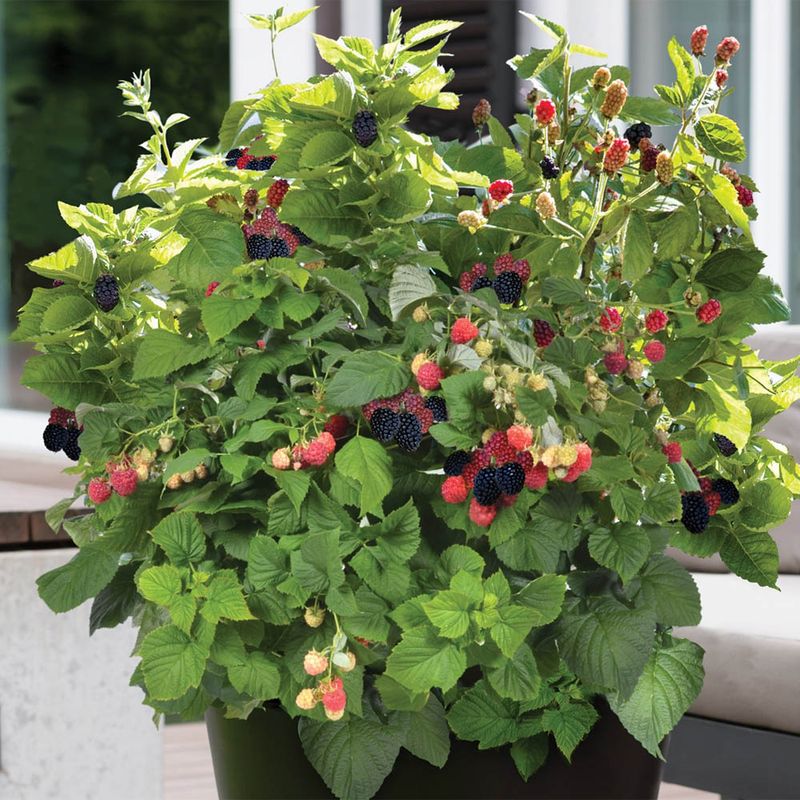
Baby Cakes is a different story. It is a thornless, compact cultivar that stays around three to four feet and is easy to contain in a pot, which keeps it from wandering into nearby wild areas.
As a bonus, it can fruit twice, once in early summer and again in fall.
Pick a container at least 16 inches wide and prune spent canes after harvest. Keep fallen fruit cleaned up so birds are less likely to carry seeds offsite, a small habit that shows good stewardship.
4. Alpine Strawberry
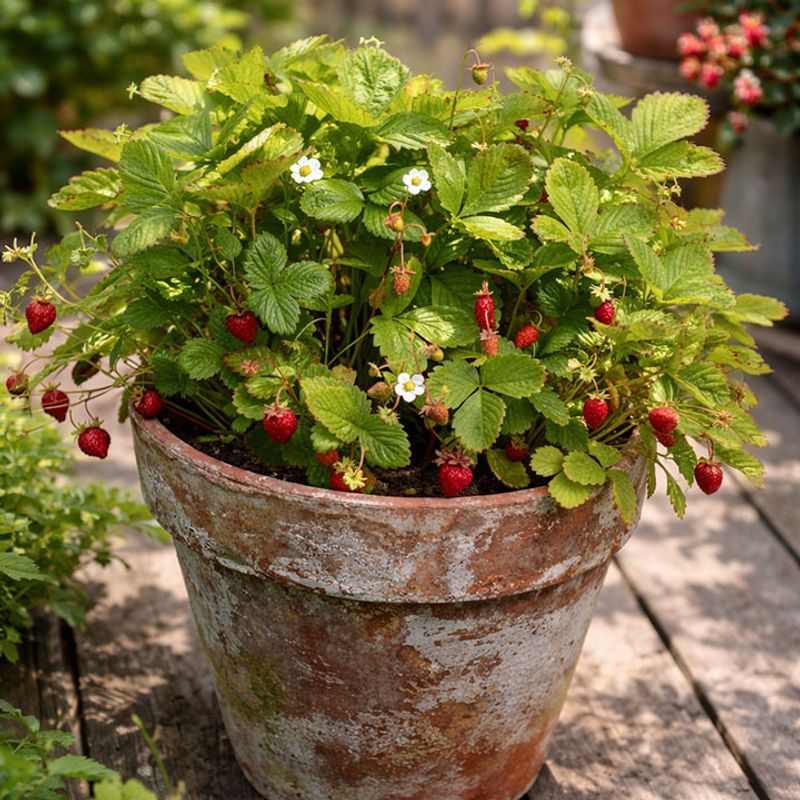
Tiny, fragrant, and almost never sold in stores, alpine strawberries are the berry chefs fuss over. Each fruit is barely the size of a fingertip, but the flavor hints at pineapple and rose.
Unlike regular strawberries, alpines rarely send out runners. They form neat clumps that fit happily in railing planters, hanging baskets, or the edge of a larger pot holding a blueberry.
They tolerate partial shade better than most fruit, which makes them handy on north-facing balconies or foggy coastal decks. Yellow-fruited types like Pineapple Crush are also less tempting to birds, so you may keep more of the harvest for yourself.
5. Pink Lemonade Blueberry
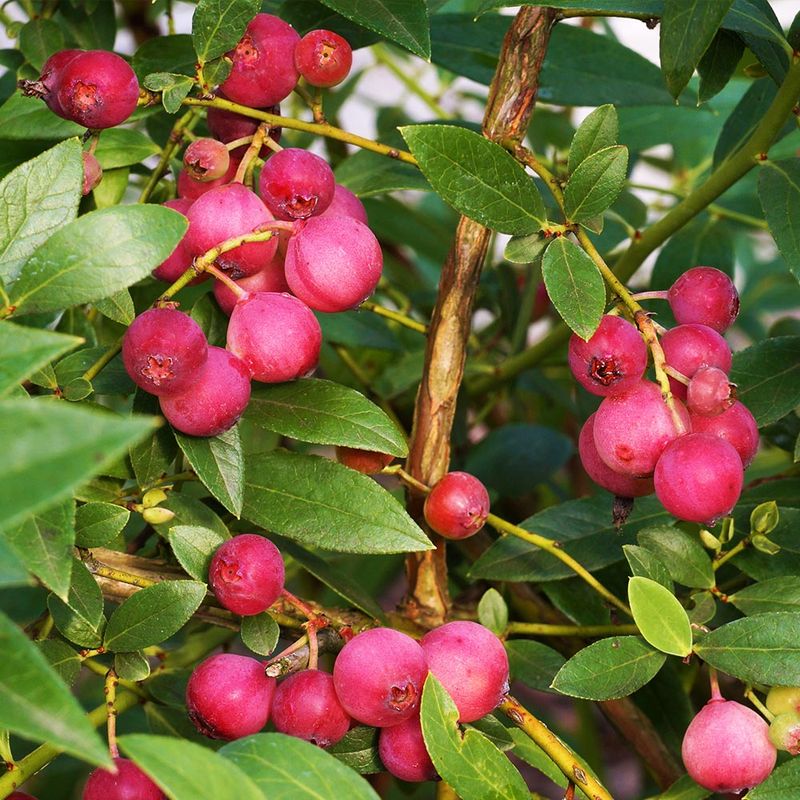
Guests do a double take when they see it. Pink Lemonade bears berries that ripen to a bright bubblegum pink instead of blue, and they taste sweeter and milder than most.
The shrub grows a bit larger, around four to five feet, so it suits a roomy corner. It needs moderate chill and does especially well in coastal and mild valley areas of California.
Plant it with a second blueberry, such as Sunshine Blue, to improve pollination and fruit size. Fall color brings orange and red leaves, giving the balcony a seasonal show even when harvest is done.
6. Dwarf Pomegranate
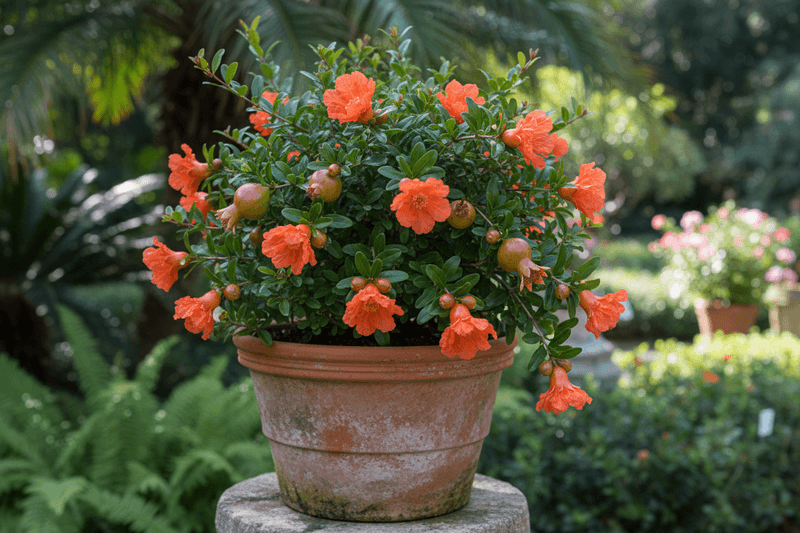
Technically a pomegranate is a berry, and the dwarf variety Nana might be the toughest plant on this list. It laughs at heat that would fry a raspberry.
Inland gardeners in the Central Valley or Inland Empire, where west-facing balconies bake all afternoon, will appreciate how little water it needs once settled. Hummingbirds often visit the bright orange trumpet flowers.
The fruits are small and a bit seedy, so think of them more as ornamental snacks than a juicing crop. Still, a pot of glowing red globes in October is hard to beat, and it fits the water-wise style many California cities now encourage.
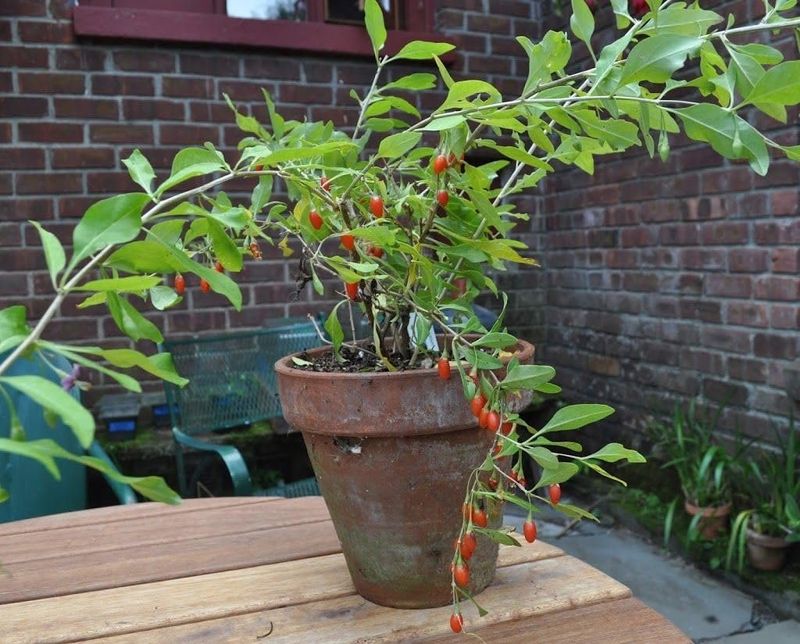
7. Goji Berry
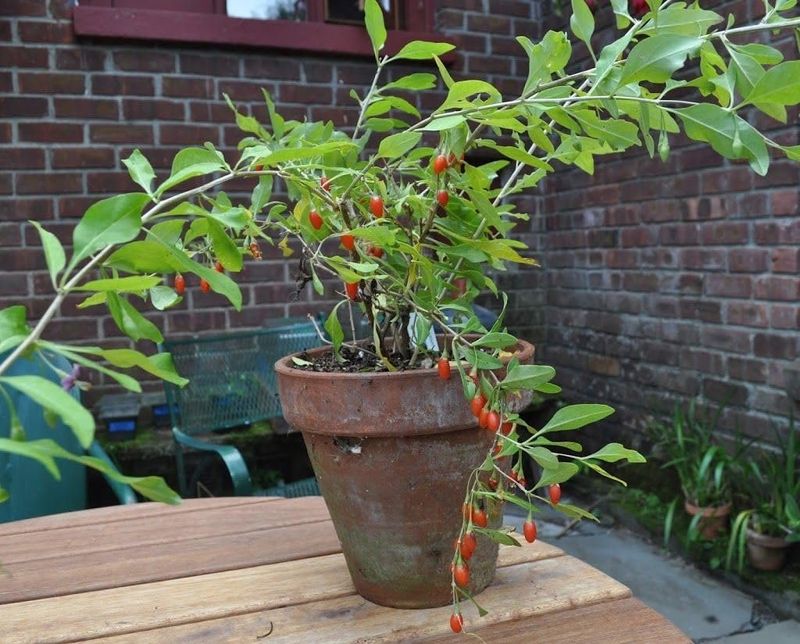
Health food stores sell dried goji for a premium price, yet the plant itself grows easily in a pot. Native to China, goji is a drought-tolerant shrub that handles poor soil and full sun.
Small purple flowers appear in summer, and bees seem to find them quickly. Bright red berries follow, sweet-tart and best eaten fresh or dried on a tray in the sun.
Goji can get rangy, so prune it to a short framework and tie it to a small trellis. Varieties like Sweet Lifeberry stay compact.
Hold back on fertilizer, since too much may lead to lots of leaves and few berries.
8. Bushel and Berry Elderberry Alternative: Dwarf Huckleberry
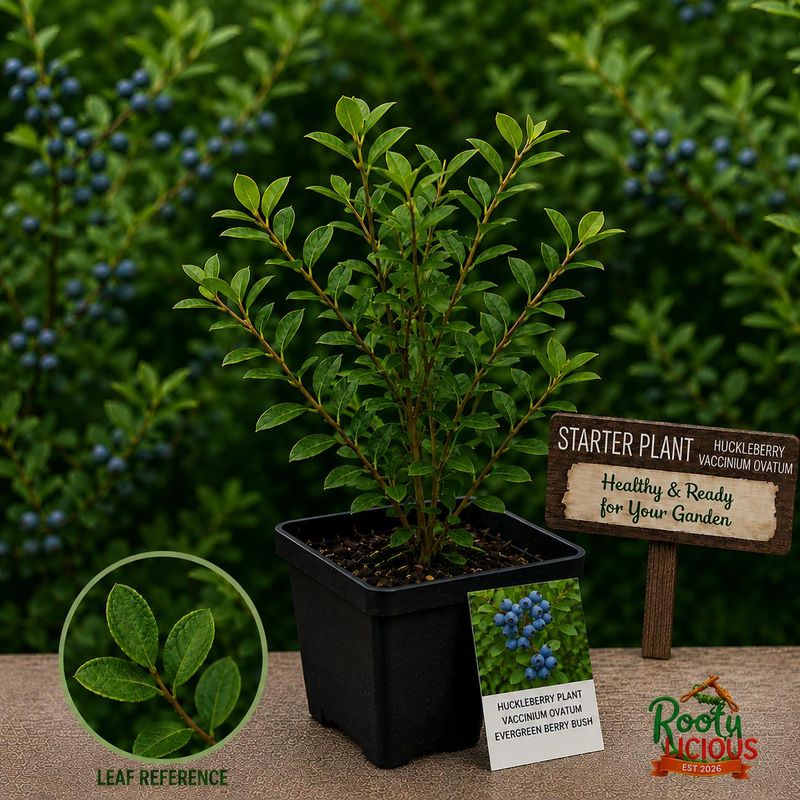
Here is one for the native plant fans. Evergreen huckleberry, Vaccinium ovatum, grows wild along the California coast, and it adapts surprisingly well to a large container.
Its glossy leaves look good all year, and spring flowers support native bumblebees. By late summer, small dark berries arrive, perfect for pancakes or a handful straight off the branch.
Growth is slow, which is actually a plus on a balcony. Give it acidic mix, some shade in hot areas, and steady moisture.
Planting a native fruit means your little railing garden can do double duty, feeding you and the local pollinators that evolved alongside it.