 Complete Gardening
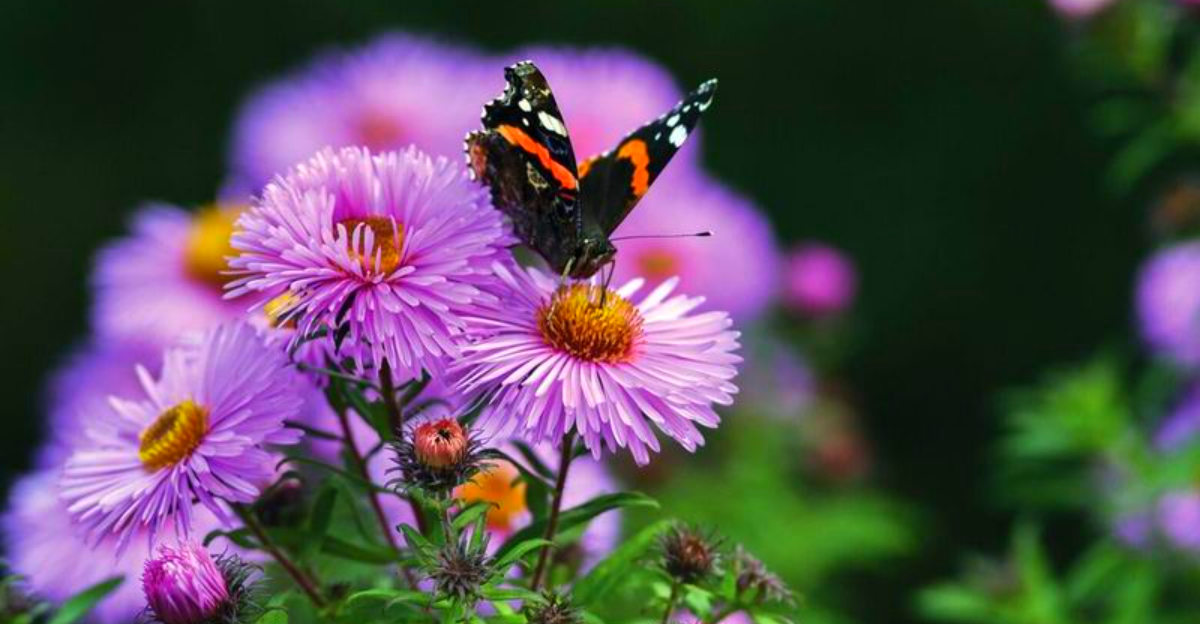
Iowa might be famous for its endless cornfields, but gardeners across the state know there’s another treasure growing in their backyards. Beautiful flowering plants thrive in Iowa’s rich soil and changing seasons, creating stunning displays that rival any landscape. From native wildflowers that attract butterflies to hardy perennials that bloom year after year, these garden gems prove that the Corn State has much more to offer than just agriculture.
1. Purple Coneflower
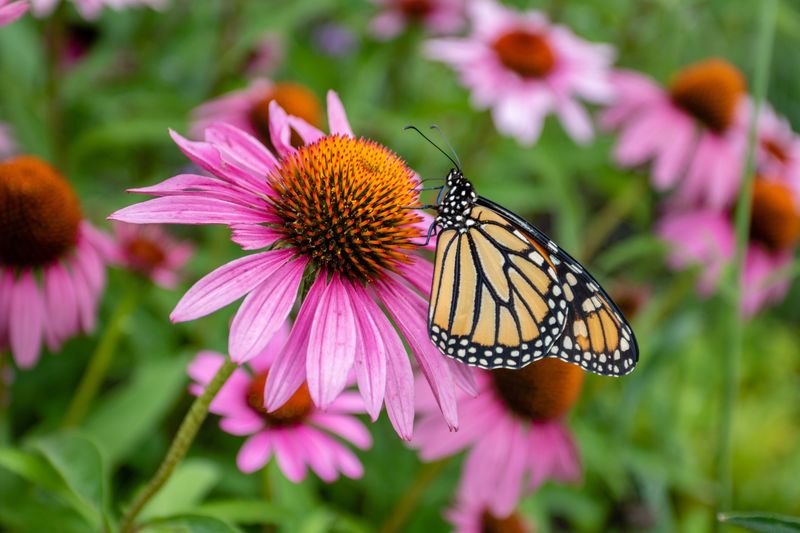
Standing tall like nature’s own purple crown, this native beauty commands attention in any Iowa garden. The striking petals surround a prominent bronze cone that seems to glow in afternoon sunlight.
Blooming from late spring through early fall, it attracts countless bees and butterflies to your yard. Best of all, once established, it laughs off drought conditions and keeps producing flowers season after season.
2. Black-Eyed Susan
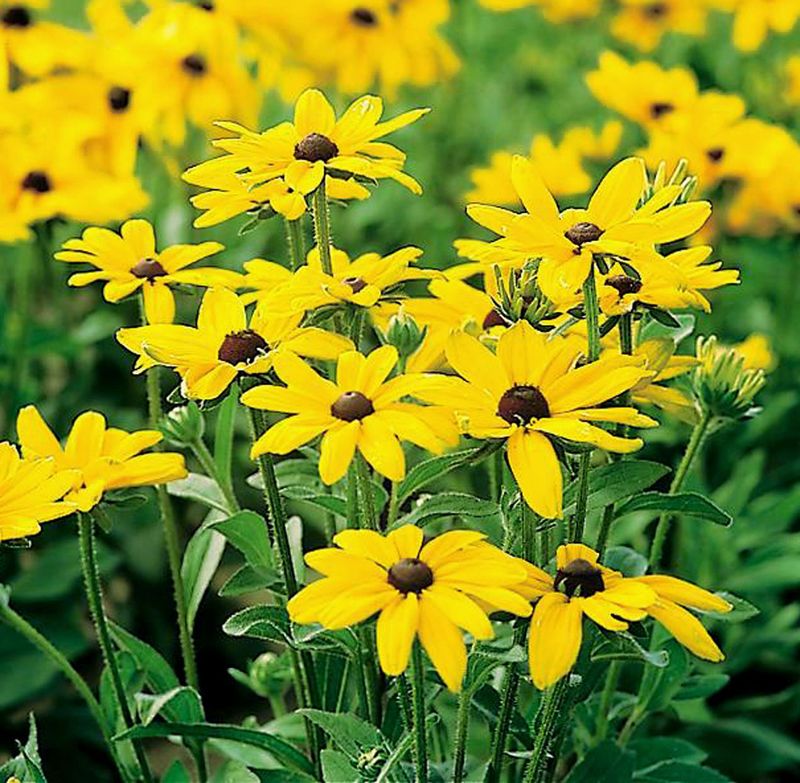
Like sunshine captured in flower form, Black-Eyed Susan brings cheerful yellow blooms to gardens throughout Iowa’s summer months. Each flower features bright golden petals radiating from a dark chocolate center.
This hardy champion blooms from mid-summer to early fall, providing steady nectar for hungry pollinators. Plant it once, and you’ll enjoy years of reliable color with minimal fuss or maintenance required.
3. Butterfly Weed
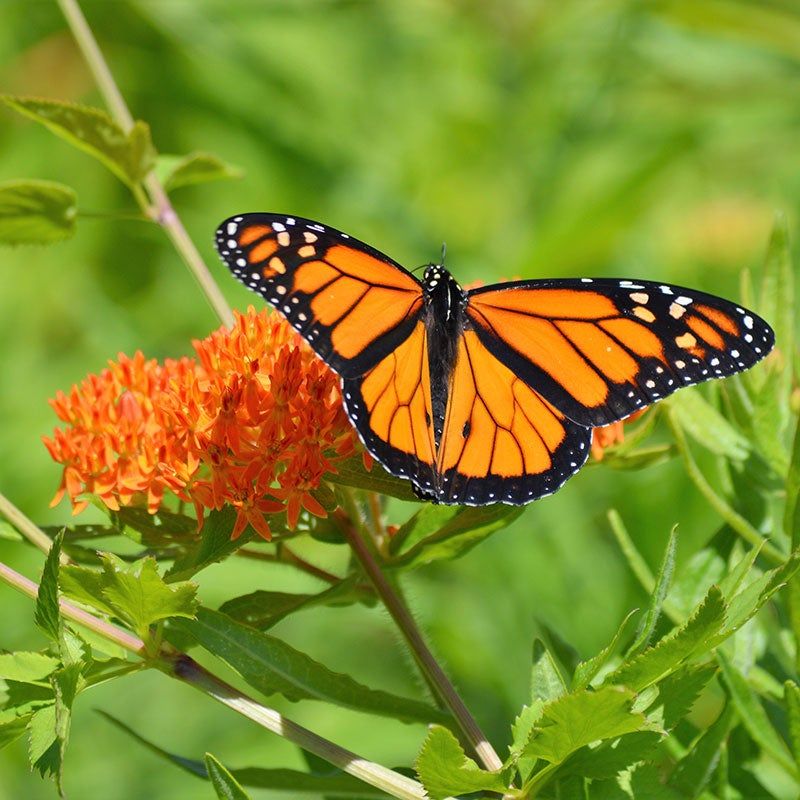
Monarch butterflies consider this vibrant orange bloomer their five-star hotel and restaurant combined. Butterfly Weed produces clusters of brilliant orange flowers that seem to glow against green foliage.
Unlike many garden plants, this Iowa native actually prefers dry, sandy soils where other flowers struggle. Watch as monarchs lay eggs on the leaves, creating the next generation of these magnificent migrating butterflies right in your backyard.
4. Daylily
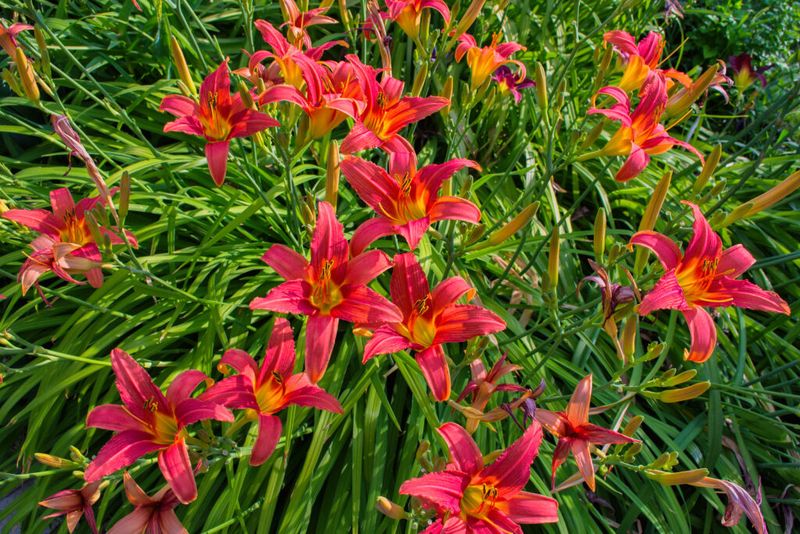
Each trumpet-shaped bloom lasts just one day, but don’t let that fool you – Daylilies produce so many buds that the show continues for weeks. These reliable perennials come in colors from soft yellow to deep burgundy.
Adaptable to almost any Iowa soil condition, they’re perfect for busy gardeners who want maximum beauty with minimum effort. Plant them along walkways or in mass plantings for spectacular summer displays.
5. Wild Bergamot
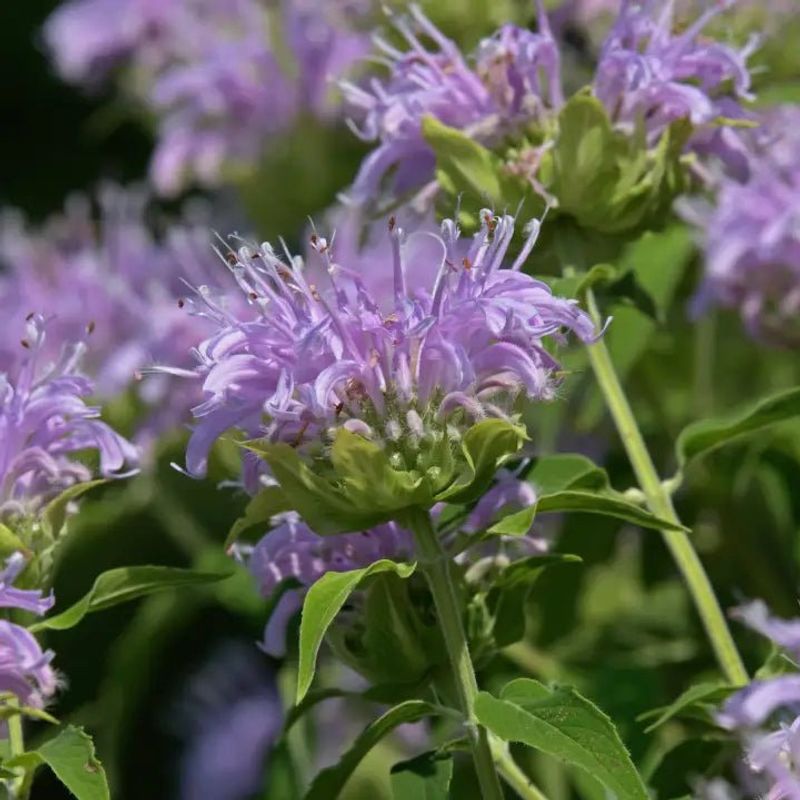
Native Americans called this fragrant beauty “bee balm,” and one whiff of its minty-sweet scent explains why. Wild Bergamot produces clusters of lavender-pink tubular flowers that hummingbirds find irresistible.
Growing naturally across Iowa’s prairies, it thrives in both sun and partial shade. The aromatic leaves can be dried for herbal tea, making this plant both beautiful and useful for Iowa gardeners seeking native alternatives.
6. New England Aster
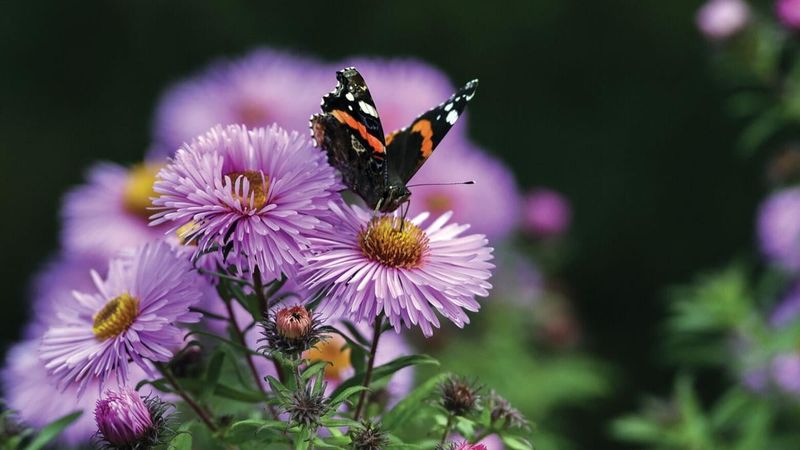
When summer flowers start fading, New England Aster bursts into action with masses of purple, star-shaped blooms. These late-season champions provide crucial nectar when migrating monarchs need fuel for their southern journey.
Reaching heights of four to six feet, they create stunning autumn displays alongside changing tree leaves. Plant them in back borders where their tall stems won’t overshadow shorter companions during Iowa’s spectacular fall season.
7. Wild Columbine
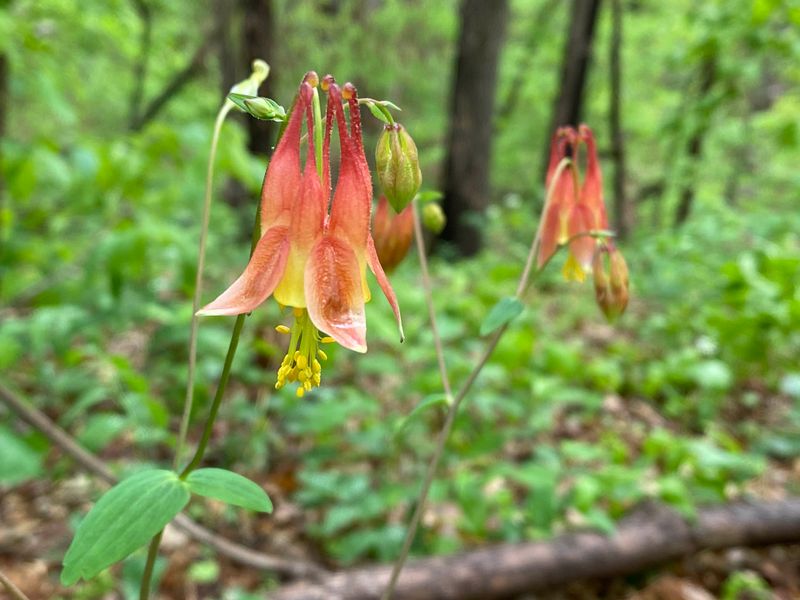
Delicate yet resilient, Wild Columbine dances in spring breezes with nodding blue and white flowers that resemble tiny bonnets. Each bloom features distinctive spurs that curve backward like elegant ribbons.
This woodland native prefers Iowa’s shadier garden spots where it naturalizes beautifully under trees. Early-emerging flowers provide nectar for spring pollinators when few other blooms are available, making it invaluable for supporting local wildlife populations.
8. Blanket Flower
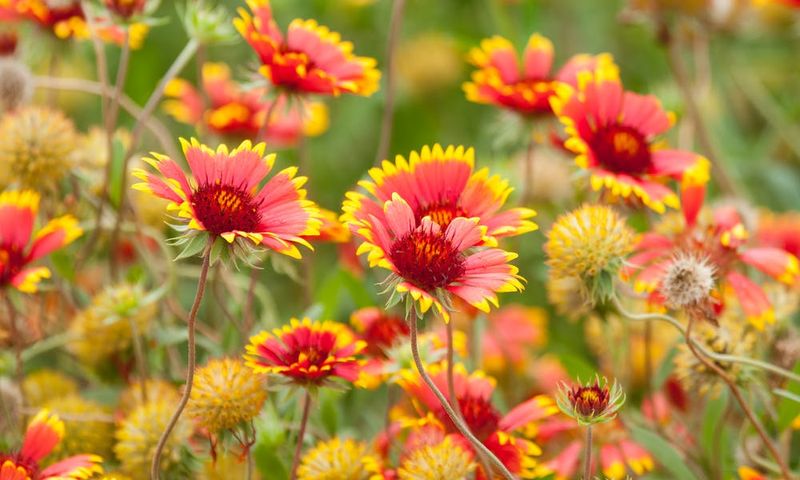
Fiery red petals tipped with golden yellow make Blanket Flower look like tiny sunsets scattered throughout your garden. These cheerful blooms appear continuously from early summer until frost hits Iowa gardens.
Drought-tolerant and heat-loving, they’re perfect for sunny spots where other flowers wilt. Deadhead spent blooms regularly to encourage even more flowers, or leave some seed heads for goldfinches to enjoy during autumn months.
9. Wild Lupine
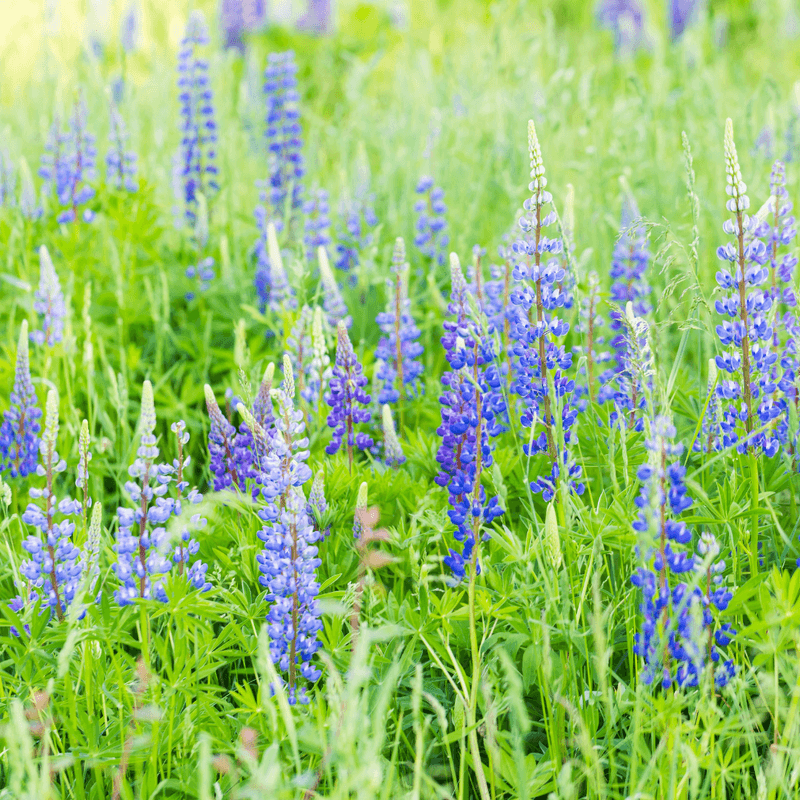
Tall spikes of blue-purple flowers rise like colorful church spires above silvery-green foliage. Wild Lupine creates dramatic vertical accents in Iowa’s native plant gardens while supporting endangered Karner blue butterflies.
This legume actually improves soil by fixing nitrogen, benefiting neighboring plants. Seeds require cold treatment to germinate, so plant them in fall and let Iowa’s winter weather do the work for spectacular spring emergence.
10. Coral Bells
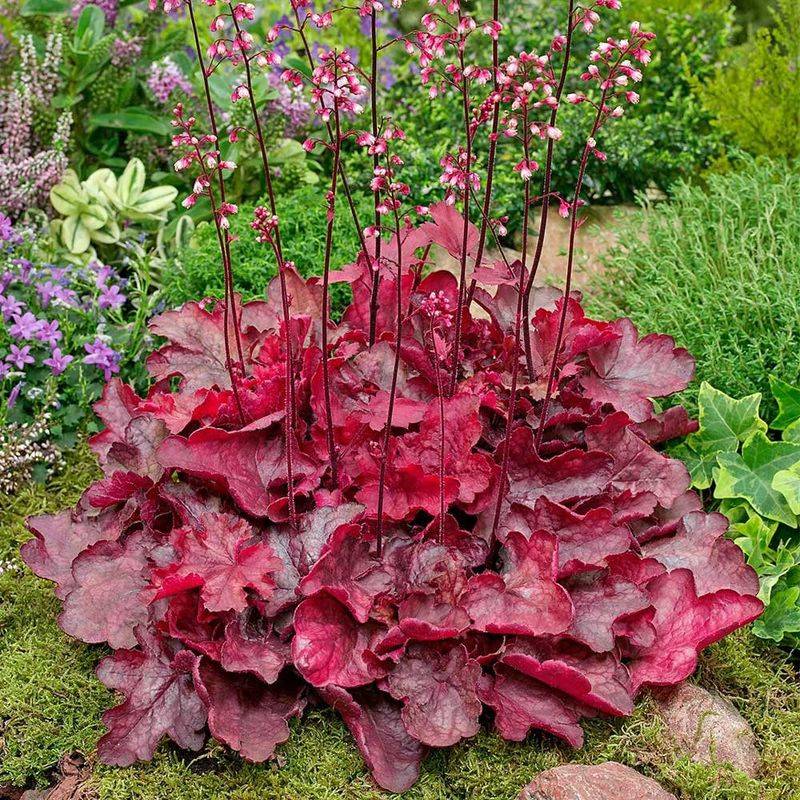
Tiny bell-shaped flowers dance on wiry stems above colorful foliage that ranges from lime green to deep burgundy. While blooms are charming, the real show comes from leaves that provide season-long interest.
Thriving in Iowa’s partial shade conditions, they’re perfect for brightening darker garden corners. Hummingbirds love the delicate flowers, while gardeners appreciate foliage that stays attractive from spring through fall in Iowa’s changing climate.
11. Prairie Phlox
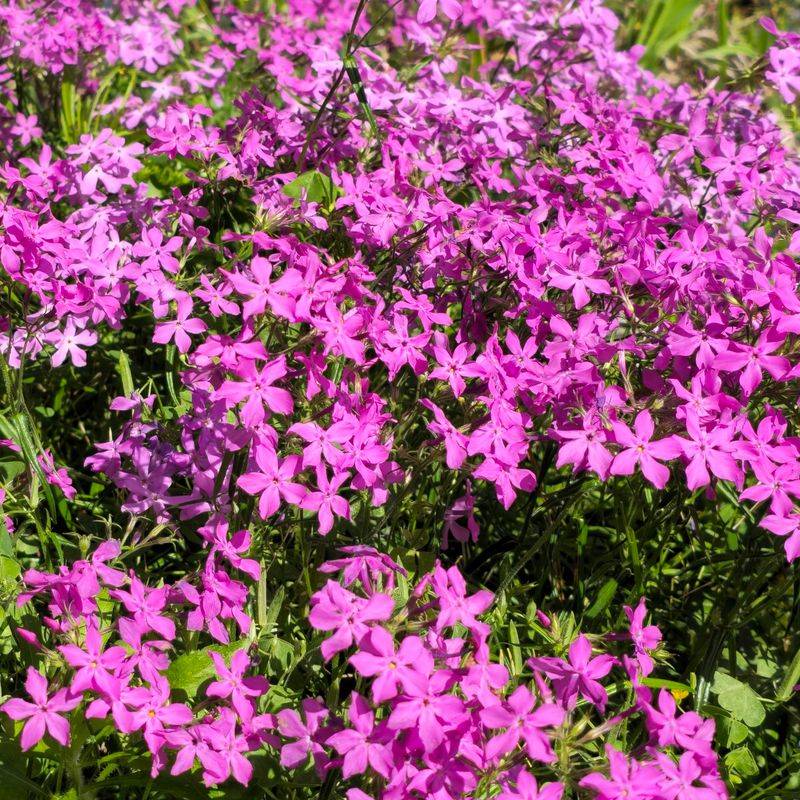
Fragrant pink flowers cluster atop sturdy stems, filling Iowa gardens with sweet perfume on warm summer evenings. Prairie Phlox blooms just as many spring wildflowers are finishing, extending the native flower season beautifully.
Growing naturally in Iowa’s remaining prairies, it adapts well to cultivated gardens with good drainage. The intense fragrance attracts sphinx moths and other evening pollinators, creating magical nighttime garden experiences for observant Iowa gardeners.
12. Wild Ginger
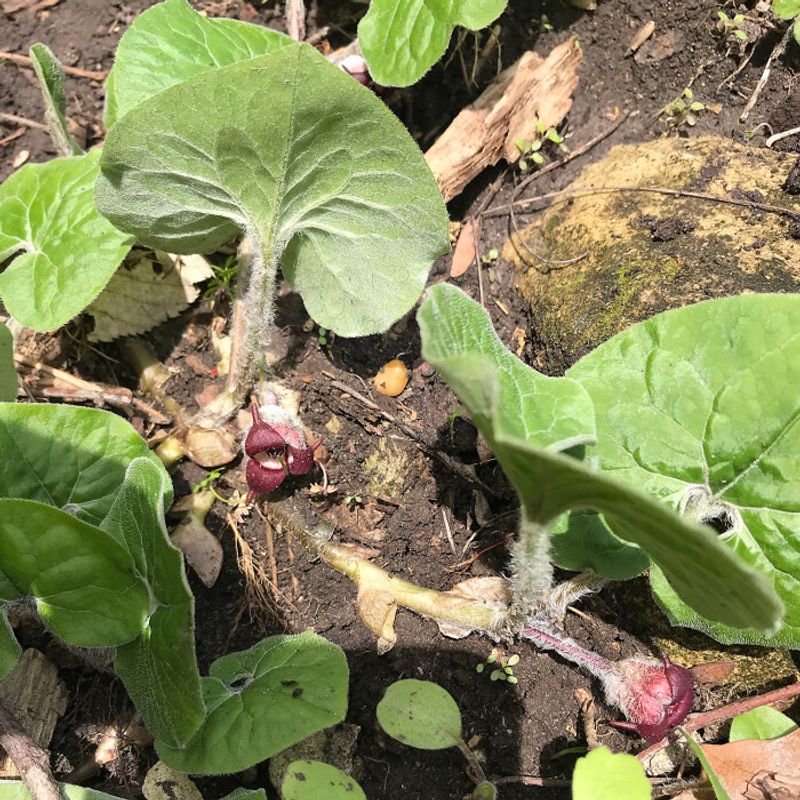
Hidden beneath heart-shaped leaves, curious burgundy flowers bloom secretly at ground level where few gardeners notice them. Wild Ginger creates lush groundcover carpets in Iowa’s shadiest garden spots.
The unusual flowers are designed for ground-dwelling insects rather than flying pollinators. Crush a leaf to release the spicy ginger scent that gives this native its common name, though it’s unrelated to culinary ginger.