
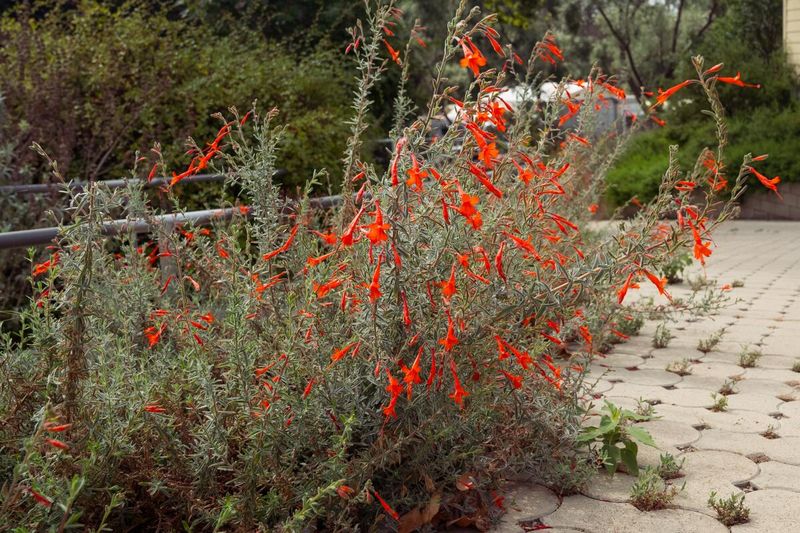
Crape myrtle looks pretty in summer, but it drinks up water and gives almost nothing back to California’s hungry birds. If you have watched sparrows and finches skip right past your yard, the plant menu might be the problem. The good news is that California is home to tough, thirsty-in-a-good-way native shrubs that survive dry summers and load their branches with berries, seeds, and nectar birds actually eat. Here are six native swaps that keep your yard alive without draining the hose.
1. Toyon (Heteromeles arbutifolia)
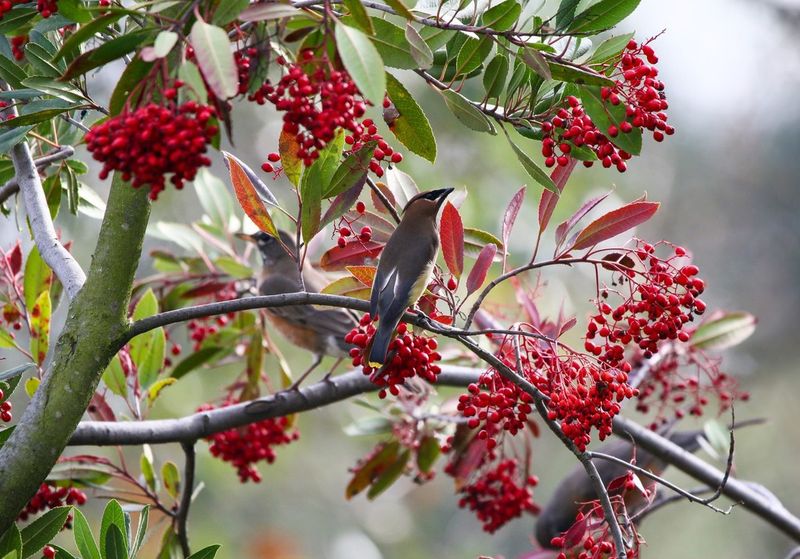
Come December, when most yards look bare, toyon lights up with clusters of bright red berries that mockingbirds, robins, and cedar waxwings mob for weeks. Folks call it Christmas berry for good reason, and the hills above Hollywood were reportedly named for it.
Once established, this evergreen shrub asks for almost no summer water, which makes it a smart fit for inland valley and hillside yards under water restrictions. It can climb to twelve feet or grow as a rounded screen, so it fills the same visual space crape myrtle once held.
The white spring flowers pull in native bees, and the winter fruit feeds birds during the leanest cold months when food is scarce. Plant it in full sun to part shade, give it good drainage, and step back. You get four seasons of color and a living bird buffet from one low-fuss plant.
2. Coffeeberry (Frangula californica)
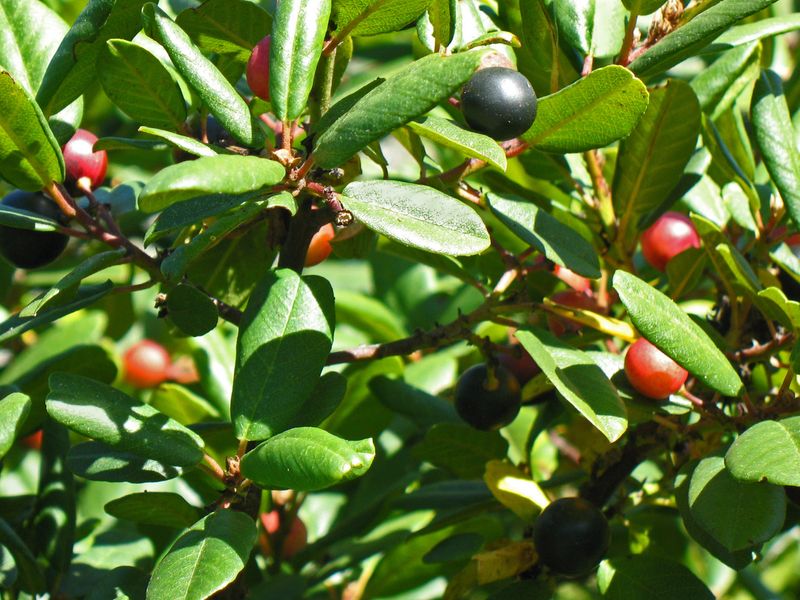
Quiet and easygoing, coffeeberry rarely gets the spotlight, yet it may be one of the hardest-working shrubs you can plant for wildlife. Its berries ripen from green to red to deep purple-black, and birds like thrashers, robins, and towhees work through them all summer and fall.
Native across much of California, it shrugs off drought, tolerates clay soil, and handles both sun and dappled shade without complaint. Newer garden varieties stay compact and tidy, so it slips neatly into a foundation bed where a fussy crape myrtle used to sulk.
The small greenish flowers are a magnet for native bees and beneficial insects, which in turn feed even more birds. Because it stays green and lush with little water, it also holds moisture in fire-prone landscapes better than dried-out ornamentals. Give it a spot with decent drainage and let it settle in for a few seasons.
3. Manzanita (Arctostaphylos species)
Run your hand along a manzanita’s smooth, mahogany-red bark and you understand why gardeners fall hard for this shrub. Beneath that sculptural beauty is a plant built for California’s driest slopes, thriving on rocky ground where little else survives.
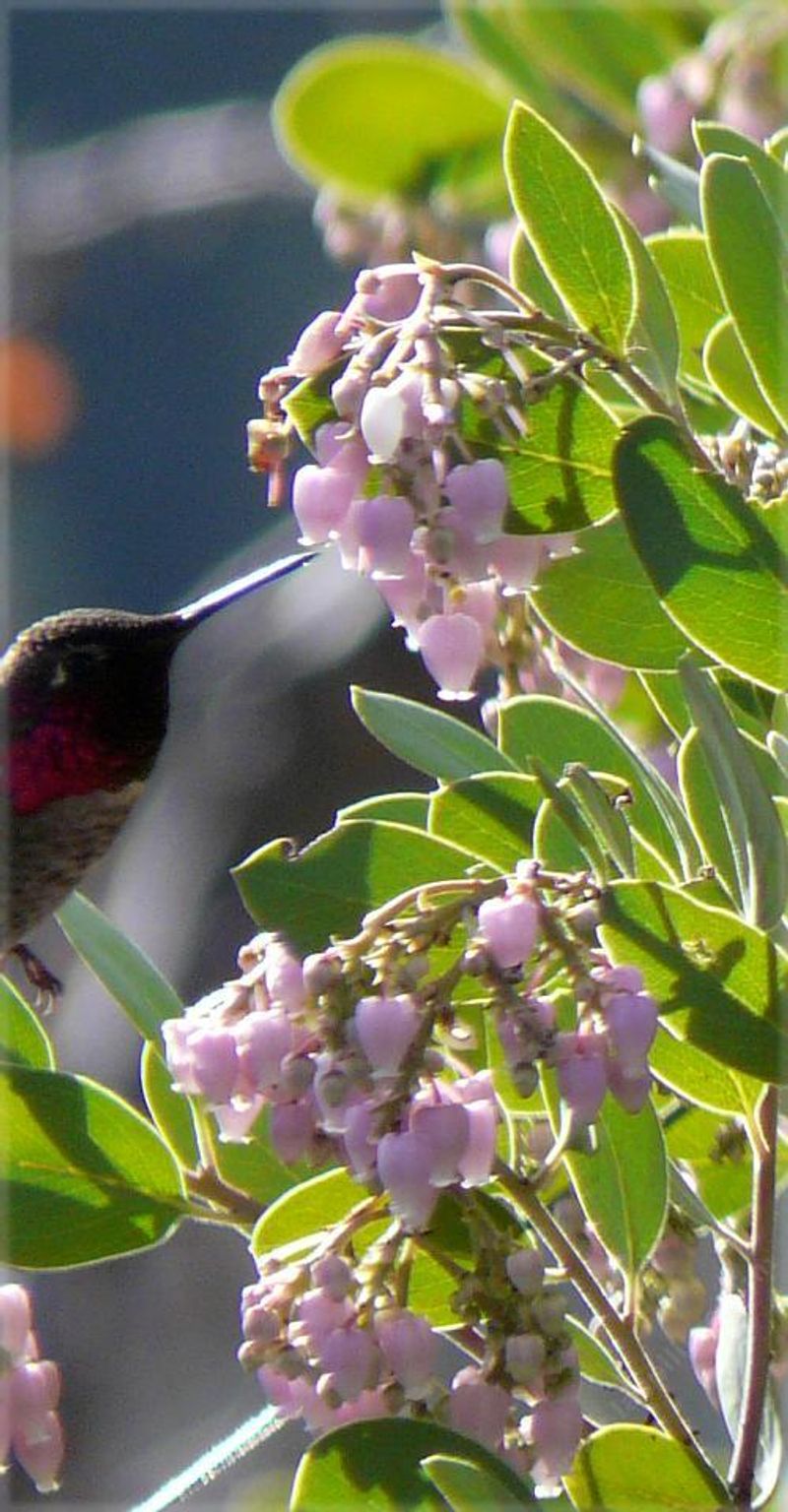
Winter and early spring bring dangling, urn-shaped pink and white flowers just when Anna’s hummingbirds need nectar most, filling a hungry gap in the calendar. Later, small apple-like fruits (manzanita means little apple in Spanish) feed foxes, quail, and mockingbirds.
Many species barely need summer irrigation once their roots go deep, so they pair perfectly with water-wise gardens and defensible-space planning on hillside lots. Sizes range from low ground covers to twenty-foot giants, giving you plenty of ways to replace a crape myrtle’s height and structure.
Plant it high, avoid overwatering, and resist the urge to fuss. Manzanita rewards a hands-off gardener with year-round good looks and steady wildlife traffic.
4. California Wild Lilac (Ceanothus)
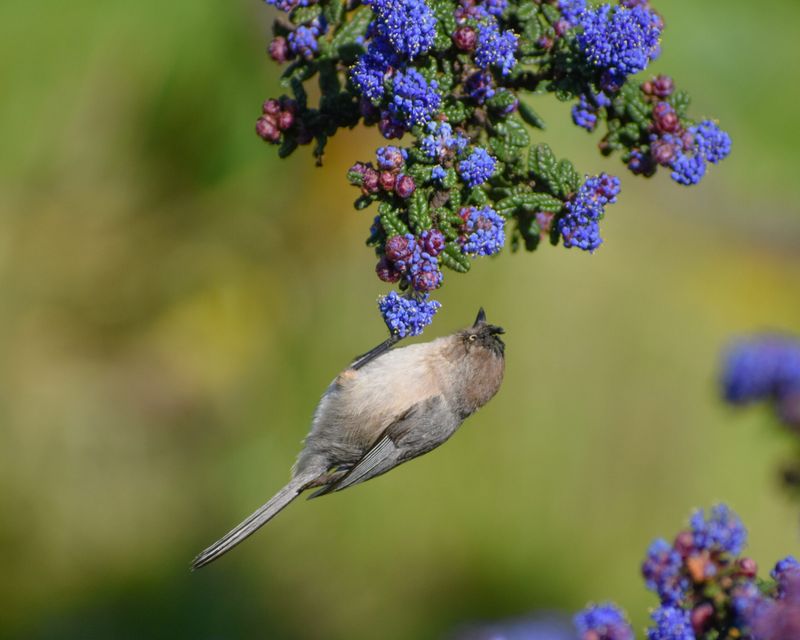
Nothing else in the native palette matches the electric blue haze of ceanothus in full spring bloom, humming so loudly with bees you can hear it from the sidewalk. That flower show is more than pretty, it is a pollinator engine that feeds the insects small birds depend on to raise their young.
After the blooms fade, the seed capsules draw in finches, quail, and buntings looking for a meal. Ceanothus handles heat, poor soil, and long dry stretches, making it a natural stand-in for a thirsty crape myrtle in inland and coastal yards alike.
You can find varieties from knee-high mounds to twelve-foot flowering screens, so it slots into almost any spot. It does dislike heavy summer watering, so plant it and largely leave it alone. In return you get a spring spectacle and a busy, birdy garden without touching the sprinkler dial.
5. Elderberry (Sambucus)
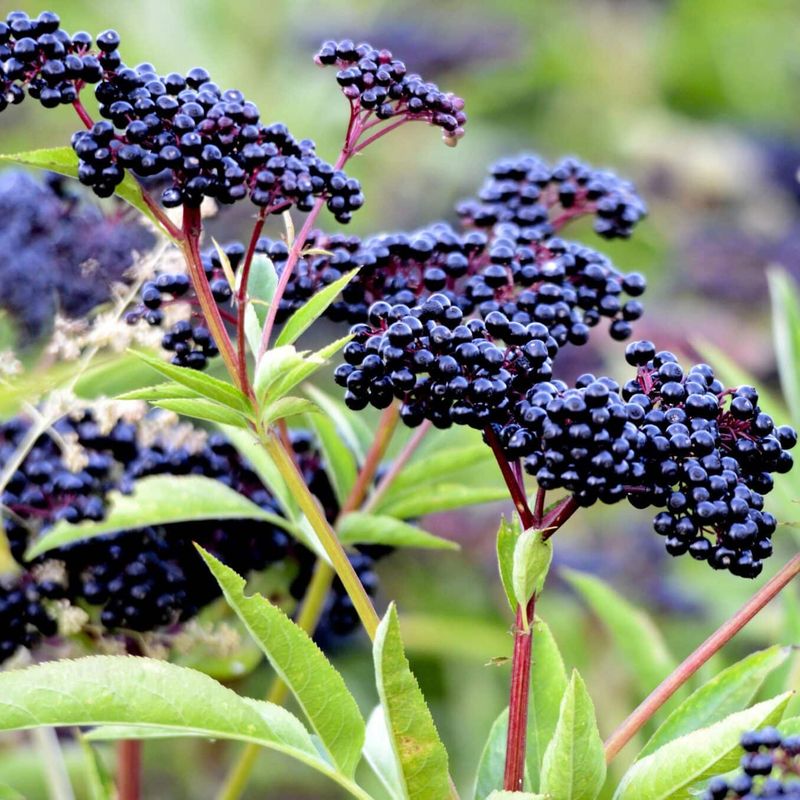
If you want to hear your yard come alive, plant elderberry and wait for summer. When the dark blue berries ripen, more than a hundred bird species have been recorded feasting on them, from bluebirds and finches to woodpeckers and orioles.
Fast-growing and generous, this shrub can shoot up several feet in a single season, quickly filling the gap a removed crape myrtle leaves behind. Flat, creamy flower clusters feed butterflies and native bees in spring before the fruit even forms.
Blue elderberry is well suited to California’s dry summers once established, though it appreciates a deep drink now and then along creekbeds and lower spots. Give it room, since it likes to spread into a small multi-trunked tree.
A quick heads-up: the raw berries and other plant parts can upset human stomachs, so leave the harvest to the birds and enjoy the show from your porch.
6. California Fuchsia (Epilobium canum)
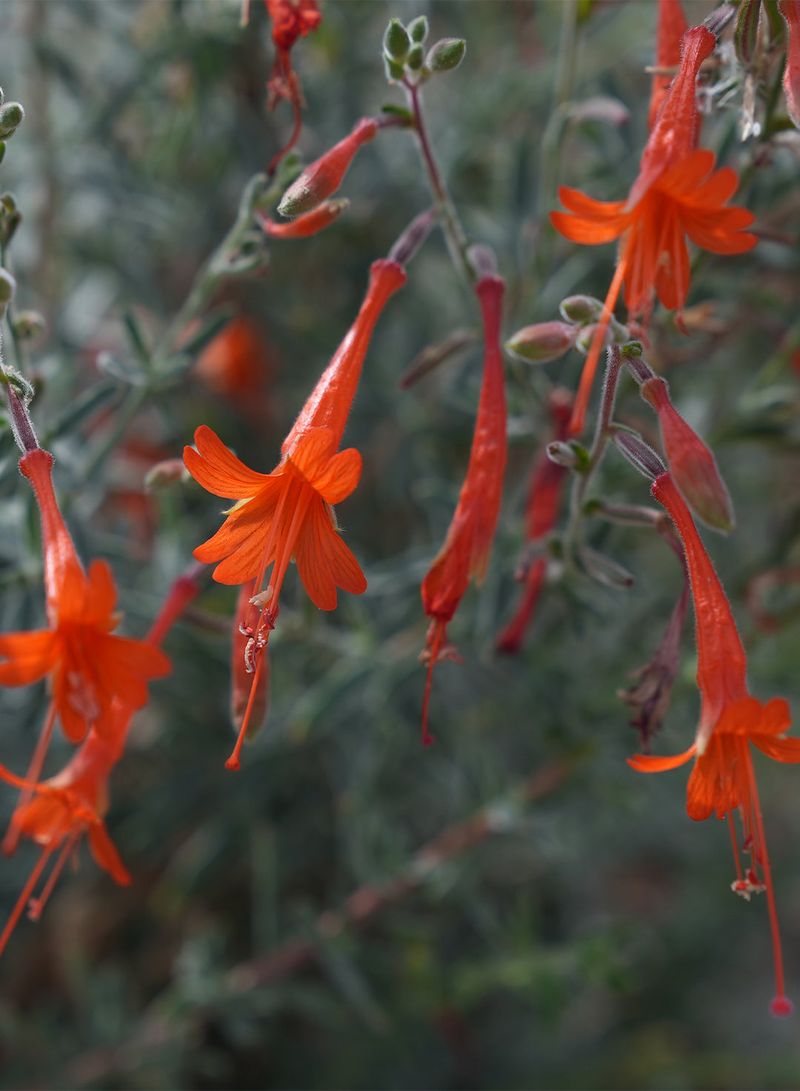
Just when the summer garden starts to look tired and brown, California fuchsia bursts open with tubular scarlet flowers that hummingbirds cannot resist. It blooms late, from midsummer straight into fall, plugging the hungry stretch when most nectar plants have already quit.
Lower and looser than the other shrubs on this list, it works beautifully as a fiery underplanting around taller natives or spilling over a dry slope. The gray-green foliage handles blazing heat and reflected warmth off walls and driveways with ease.
Because it thrives on neglect and almost no summer water, it fits right into water-restricted and fire-conscious yards where thirsty ornamentals struggle. Cut it back in late winter and it returns thicker and brighter each year.
For anyone hoping to keep Anna’s and Allen’s hummingbirds visiting long after the crape myrtle would have finished, this late bloomer earns its spot.